UK Labour Cracks Down on Live Lobster Boiling
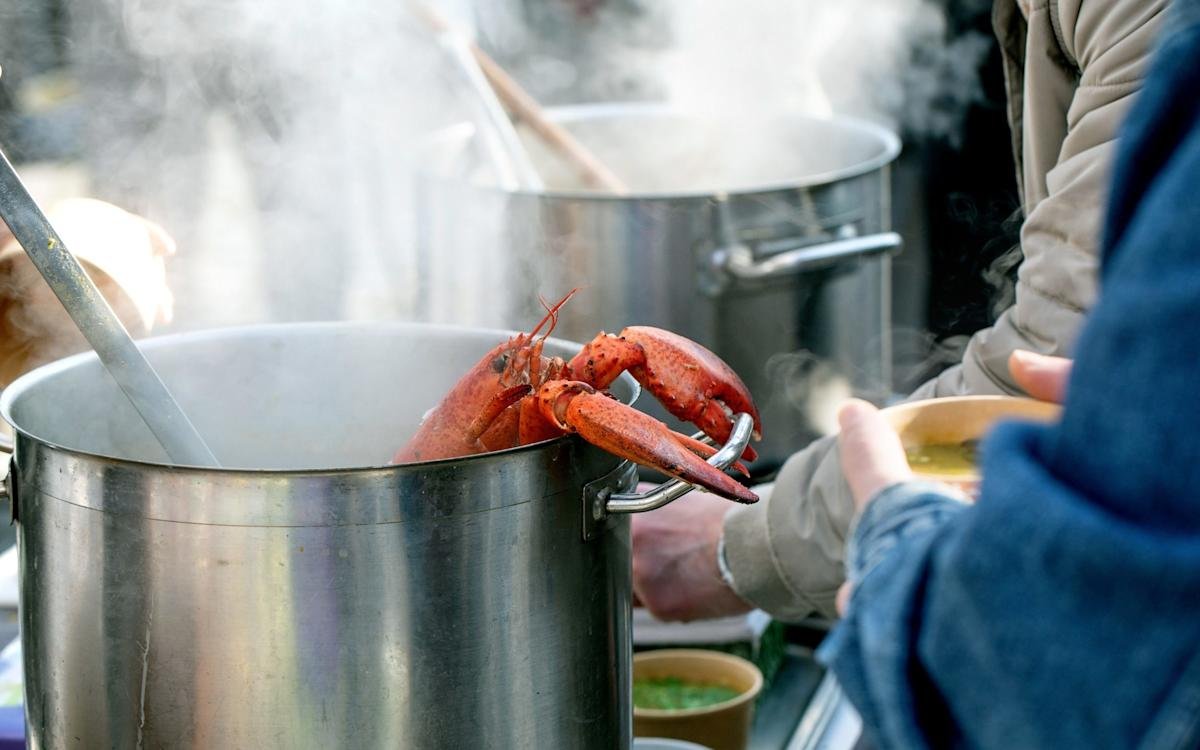
Labour’s Plan to Ban Boiling Live Lobsters
The UK’s Labour party has announced plans to ban the practice of boiling live lobsters, citing animal welfare concerns. This move aims to improve the treatment of crustaceans in the food industry. Labour’s proposal has sparked debate among seafood enthusiasts and restaurateurs. The ban would require alternative methods for preparing lobsters.
Animal welfare organisations have welcomed the proposal, arguing that boiling live lobsters is inhumane. They suggest that more humane methods, such as electrical stunning or using CO2, should be adopted. However, some in the industry argue that these methods are not yet proven to be effective or practical.
The proposed ban is part of a broader effort to improve animal welfare in the UK. Labour has also announced plans to increase funding for animal welfare organisations and to strengthen laws protecting animals. The party’s focus on animal welfare has been well-received by many voters, particularly those concerned about the treatment of animals in the food industry.
The UK’s seafood industry is a significant contributor to the country’s economy, with many restaurants and markets relying on fresh seafood. However, the industry has faced criticism in recent years over its treatment of animals, including the use of inhumane practices such as boiling live lobsters. Labour’s proposal aims to address these concerns and promote more humane practices in the industry.
The ban on boiling live lobsters is expected to have a significant impact on the seafood industry, with many businesses needing to adapt to new methods of preparing lobsters. While some have expressed concerns about the potential costs and practicalities of implementing the ban, others see it as an opportunity to promote more humane and sustainable practices in the industry.
As the debate over the proposed ban continues, it is clear that animal welfare will remain a key issue in UK politics. With the Labour party’s focus on improving animal welfare, it is likely that we will see further proposals and initiatives aimed at promoting more humane practices in the food industry. The ban on boiling live lobsters is just the beginning of a broader effort to improve animal welfare in the UK.
The UK government has a responsibility to protect animal welfare, and the proposed ban on boiling live lobsters is a step in the right direction. By promoting more humane practices in the food industry, the government can help to improve the lives of animals and promote a more sustainable and compassionate food system. As consumers, we also have a role to play in promoting animal welfare, by choosing to support businesses that adopt humane practices and by advocating for policies that protect animals.
In conclusion, the proposed ban on boiling live lobsters is a significant step forward for animal welfare in the UK. While there may be challenges to implementing the ban, it is clear that it is a necessary step towards promoting more humane practices in the food industry. As the UK continues to evolve and improve its animal welfare laws, it is likely that we will see further initiatives aimed at protecting animals and promoting a more sustainable food system.