Understanding the Impact of UK Interest Rate Cuts
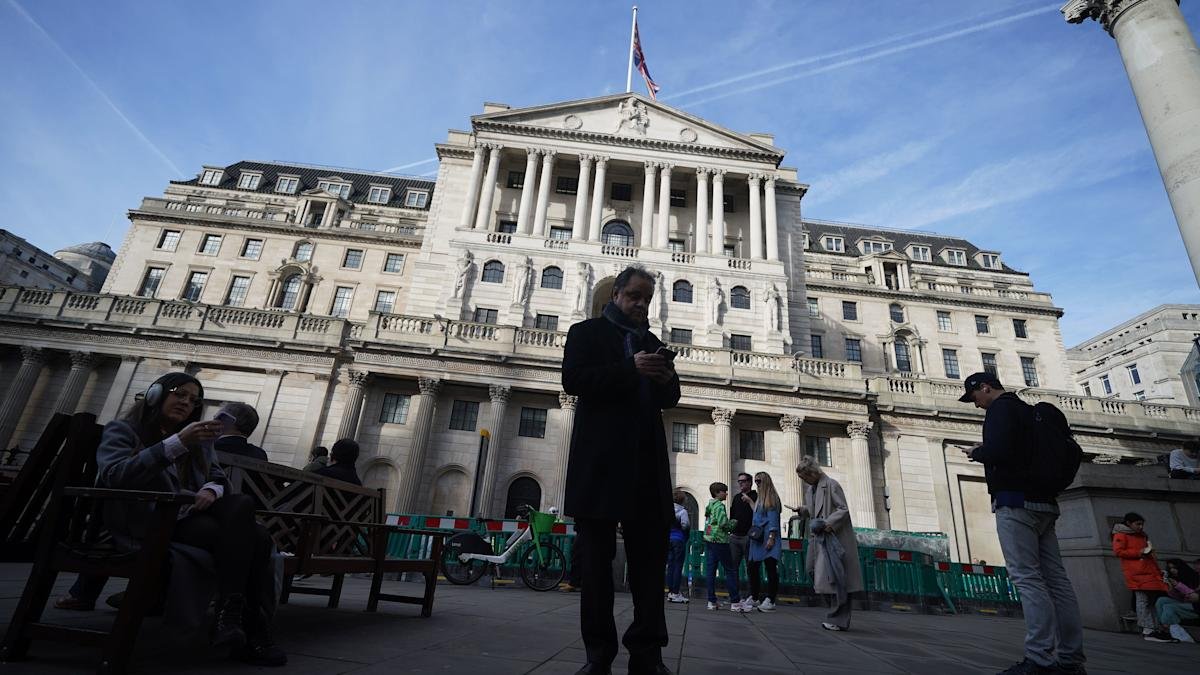
The Bank of England has recently cut interest rates, sparking debate about the potential effects on the UK economy. This move is aimed at boosting economic growth and stabilising the financial market. The cut in interest rates is expected to make borrowing cheaper, which could lead to increased spending and investment.
The decision to cut interest rates is a complex one, influenced by various factors including inflation, employment rates, and global economic trends. The Bank of England’s Monetary Policy Committee (MPC) carefully analyses these factors to determine the best course of action for the UK economy. By cutting interest rates, the MPC aims to stimulate economic activity and support businesses and individuals.
One of the primary concerns surrounding interest rate cuts is the potential impact on inflation. If interest rates are too low, it can lead to higher inflation, which could erode the purchasing power of consumers. However, the Bank of England has stated that it will closely monitor inflation and adjust interest rates accordingly to ensure that it remains within the target range. The UK’s inflation target is 2%, and the Bank of England uses various tools to achieve this target.
The cut in interest rates is also expected to affect the housing market, with cheaper borrowing costs potentially leading to increased demand for mortgages. This could result in higher house prices, which may be beneficial for homeowners but could make it more difficult for first-time buyers to enter the market. Additionally, the lower interest rates may lead to increased investment in the stock market, as investors seek higher returns on their investments.
The impact of interest rate cuts on businesses is also significant, as it can affect their ability to borrow and invest in their operations. With lower interest rates, businesses may be more likely to take out loans to finance their activities, which could lead to increased economic growth. However, some businesses may be concerned about the potential risks associated with borrowing, particularly if they are not confident about their ability to repay the loans.
In conclusion, the recent cut in UK interest rates is a significant development that has the potential to impact various aspects of the economy. While it may lead to increased economic growth and stability, it also poses risks such as higher inflation and increased borrowing costs. As the UK economy continues to evolve, it is essential to monitor the effects of the interest rate cuts and adjust policies accordingly to ensure that the economy remains on a stable growth path.
The Bank of England’s decision to cut interest rates is a testament to its commitment to supporting the UK economy. By taking a proactive approach to monetary policy, the Bank of England can help to mitigate the risks associated with economic uncertainty and promote sustainable growth. As the UK navigates the challenges of the global economy, it is crucial to have a robust and flexible monetary policy framework in place to respond to changing circumstances.
Furthermore, the cut in interest rates highlights the importance of fiscal policy in supporting the economy. The government’s budget and spending decisions can have a significant impact on the economy, and it is essential to ensure that these decisions are aligned with the Bank of England’s monetary policy objectives. By working together, the government and the Bank of England can help to create a stable and supportive environment for businesses and individuals to thrive.
In addition to the economic benefits, the cut in interest rates also has implications for individual consumers. With lower interest rates, consumers may be more likely to take out loans or credit cards, which could lead to increased spending and economic activity. However, it is essential for consumers to be aware of the potential risks associated with borrowing and to ensure that they are making informed decisions about their financial affairs.
The UK’s economic outlook is closely tied to the global economy, and the cut in interest rates reflects the Bank of England’s efforts to respond to changing global circumstances. As the global economy continues to evolve, it is crucial for the UK to remain flexible and adaptable, and to be prepared to respond to new challenges and opportunities. By doing so, the UK can help to promote sustainable growth and stability, and to create a prosperous and secure future for its citizens.
In order to achieve this, it is essential to have a deep understanding of the complex interactions between monetary policy, fiscal policy, and the economy. The Bank of England’s decision to cut interest rates is just one example of the many tools that are available to policymakers to support the economy. By using these tools effectively, the UK can help to create a stable and supportive environment for businesses and individuals to thrive, and to promote sustainable growth and prosperity.
The recent cut in interest rates is also a reminder of the importance of financial education and literacy. As consumers, it is essential to have a good understanding of how interest rates work and how they can impact our financial affairs. By being informed and aware of the potential risks and benefits associated with borrowing, consumers can make better decisions about their financial affairs and help to promote financial stability.
In conclusion, the cut in UK interest rates is a significant development that has the potential to impact various aspects of the economy. While it may lead to increased economic growth and stability, it also poses risks such as higher inflation and increased borrowing costs. As the UK economy continues to evolve, it is essential to monitor the effects of the interest rate cuts and adjust policies accordingly to ensure that the economy remains on a stable growth path. By working together, the government, the Bank of England, and individual consumers can help to create a stable and supportive environment for businesses and individuals to thrive, and to promote sustainable growth and prosperity.