Contactless Card Limits to be Set by UK Firms
The UK’s financial regulator is planning to introduce changes that will allow firms to set their own contactless card limits. This move is expected to give businesses more control over their payment processes. The regulator aims to improve the overall payment experience for consumers. This change will likely impact the way businesses operate.
The planned changes are part of a broader effort to enhance the UK’s payment landscape. By giving firms the ability to set their own contactless limits, the regulator hopes to promote innovation and competition in the industry. This could lead to more efficient and secure payment systems. The changes are still in the proposal stage, with the regulator seeking feedback from stakeholders.
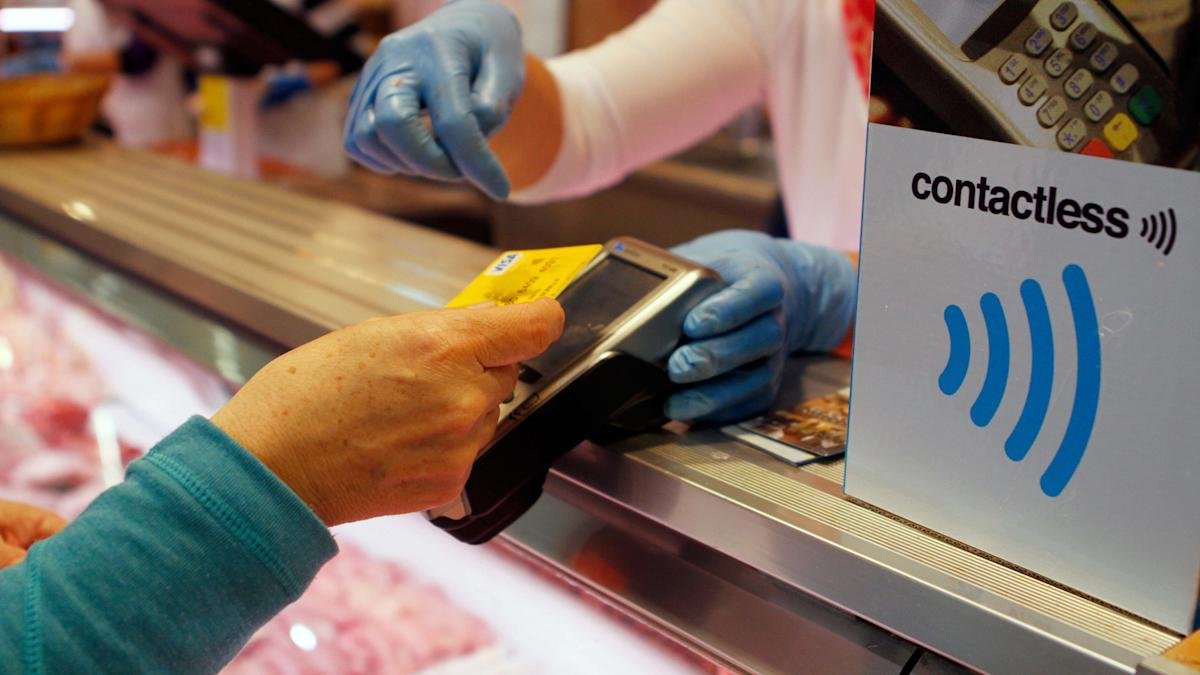
The UK’s contactless payment market has experienced significant growth in recent years. As more consumers turn to contactless payments, firms are looking for ways to improve the payment experience. By setting their own contactless limits, businesses can better manage their payment processes and reduce the risk of fraudulent transactions. This change is expected to have a positive impact on the UK’s economy.
The regulator’s proposal has been welcomed by many in the industry, who see it as a step towards creating a more flexible and secure payment system. However, some have raised concerns about the potential risks associated with giving firms more control over contactless limits. The regulator will need to balance the needs of businesses with the need to protect consumers. The outcome of the proposal is still uncertain.
The UK’s financial sector is constantly evolving, with new technologies and innovations emerging all the time. The regulator’s proposal is just one example of how the industry is adapting to changing consumer behaviour. As the payment landscape continues to shift, firms will need to stay ahead of the curve to remain competitive. This change is an opportunity for businesses to improve their payment processes and enhance the overall customer experience.
The regulator’s plans have significant implications for the UK’s economy. By promoting innovation and competition in the payment industry, the regulator hopes to drive growth and create new opportunities for businesses. The changes are expected to have a positive impact on the UK’s financial sector, with many firms already exploring new ways to improve their payment processes. The future of the UK’s payment landscape looks promising.
The proposal is still in its early stages, and the regulator is seeking feedback from stakeholders. The outcome of the proposal will depend on the feedback received, and the regulator will need to carefully consider the potential risks and benefits. The UK’s financial sector is likely to see significant changes in the coming years, and this proposal is just one example of how the industry is evolving. The regulator’s plans are a step towards creating a more secure and efficient payment system.
The UK’s contactless payment market is expected to continue growing, with more consumers turning to contactless payments. The regulator’s proposal is a response to this trend, and aims to create a more flexible and secure payment system. By giving firms the ability to set their own contactless limits, the regulator hopes to promote innovation and competition in the industry. The changes are expected to have a positive impact on the UK’s economy and financial sector.
The regulator’s plans have been welcomed by many in the industry, who see it as a step towards creating a more efficient and secure payment system. The proposal is still in its early stages, and the regulator is seeking feedback from stakeholders. The outcome of the proposal will depend on the feedback received, and the regulator will need to carefully consider the potential risks and benefits. The UK’s financial sector is likely to see significant changes in the coming years.
The UK’s financial regulator is committed to creating a more secure and efficient payment system. The proposal to allow firms to set their own contactless limits is just one example of how the regulator is working to achieve this goal. The regulator will continue to monitor the payment landscape and make changes as needed to promote innovation and competition. The UK’s financial sector is expected to continue growing and evolving in the coming years.
The regulator’s proposal is a significant development in the UK’s payment industry. The planned changes are expected to have a positive impact on the economy and financial sector. The regulator will need to balance the needs of businesses with the need to protect consumers. The outcome of the proposal is still uncertain, but the regulator is committed to creating a more secure and efficient payment system. The UK’s financial sector is likely to see significant changes in the coming years.
The UK’s contactless payment market is expected to continue growing, with more consumers turning to contactless payments. The regulator’s proposal is a response to this trend, and aims to create a more flexible and secure payment system. By giving firms the ability to set their own contactless limits, the regulator hopes to promote innovation and competition in the industry. The changes are expected to have a positive impact on the UK’s economy and financial sector. The regulator’s plans are a step towards creating a more secure and efficient payment system.