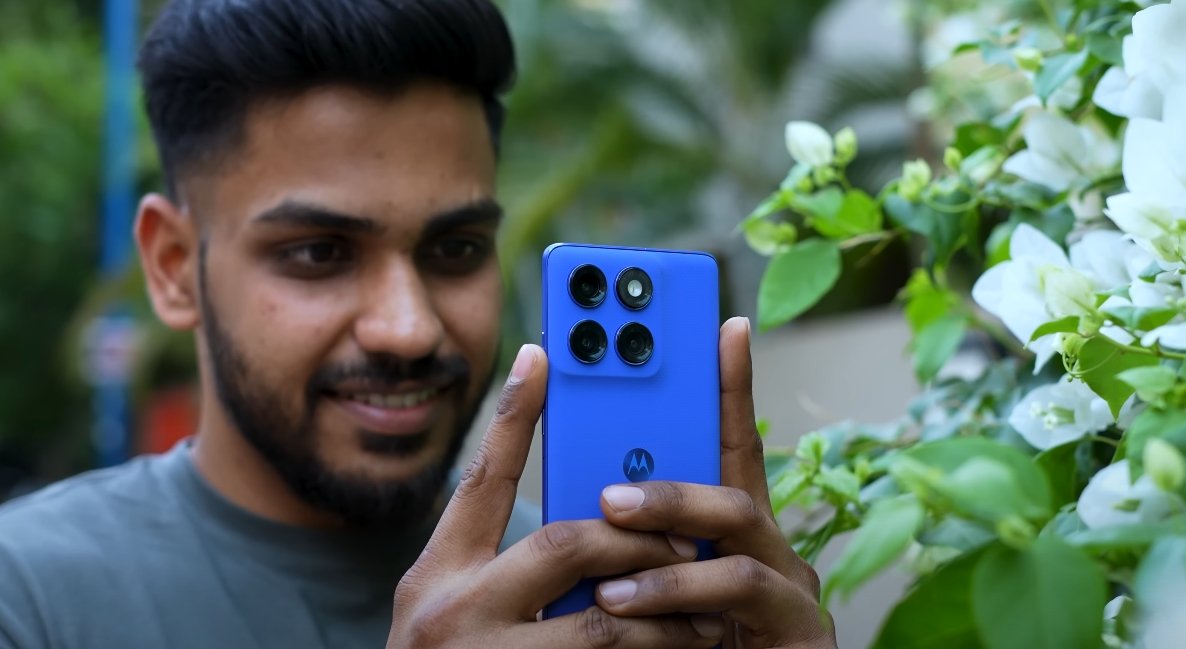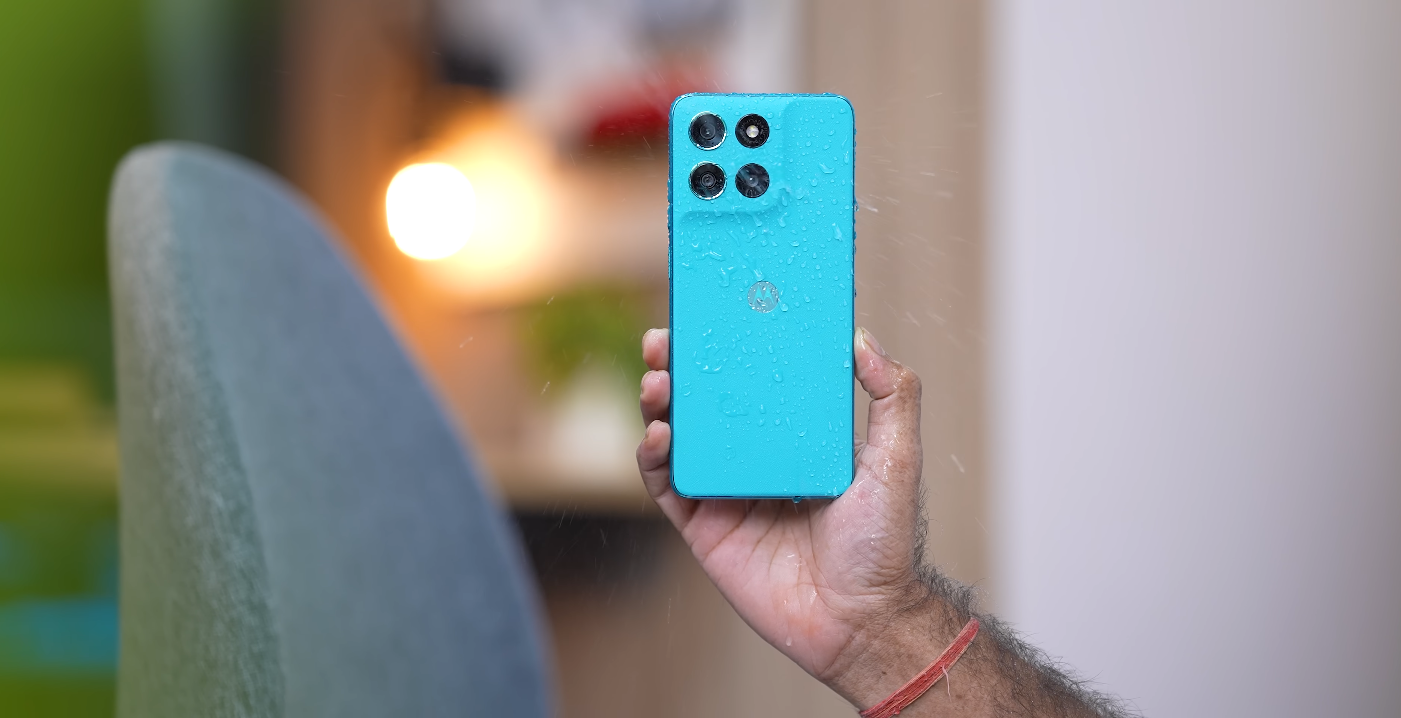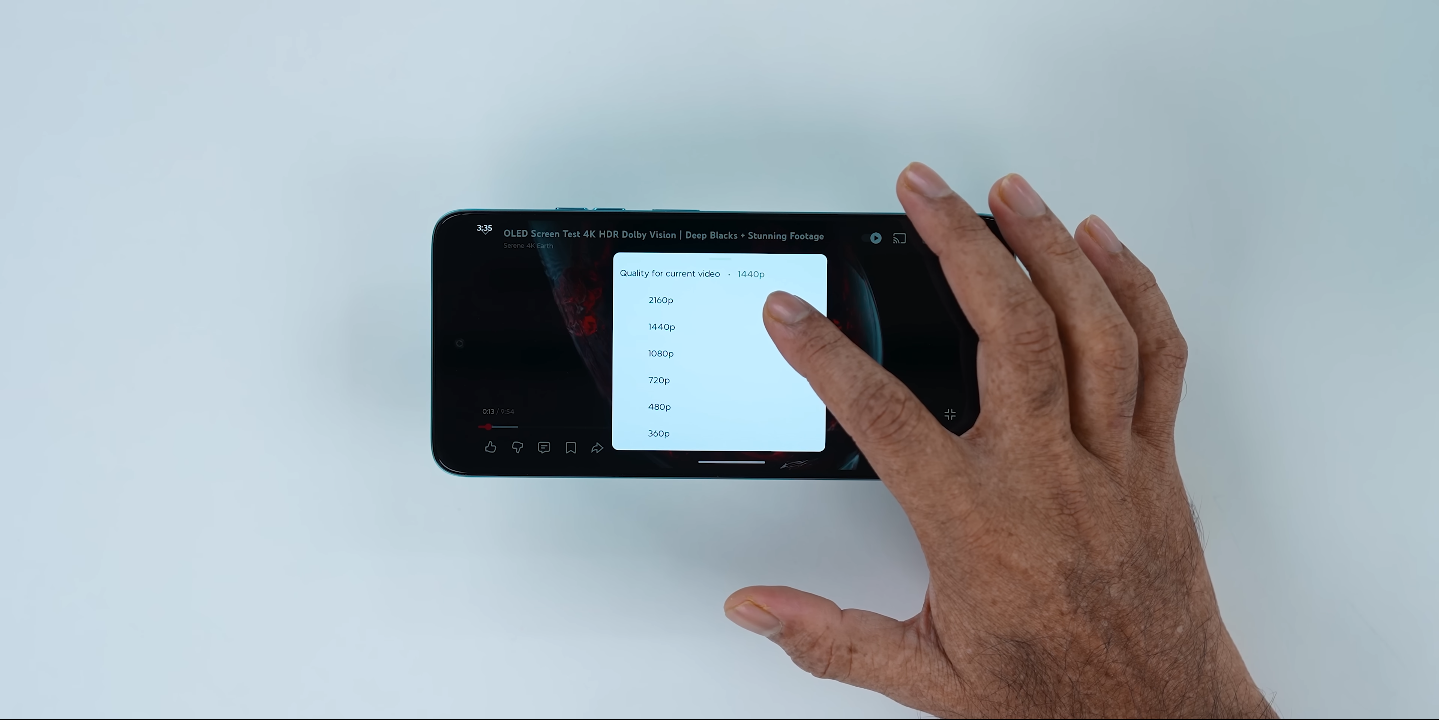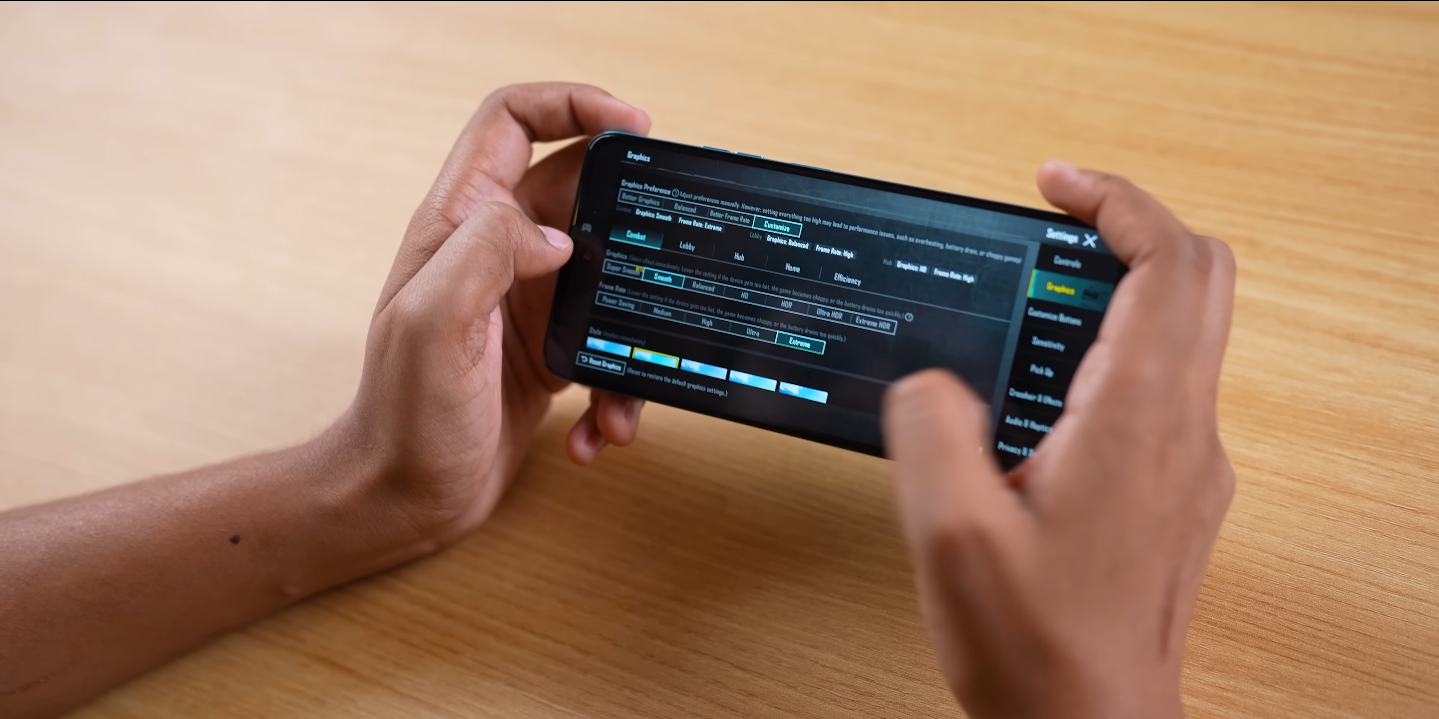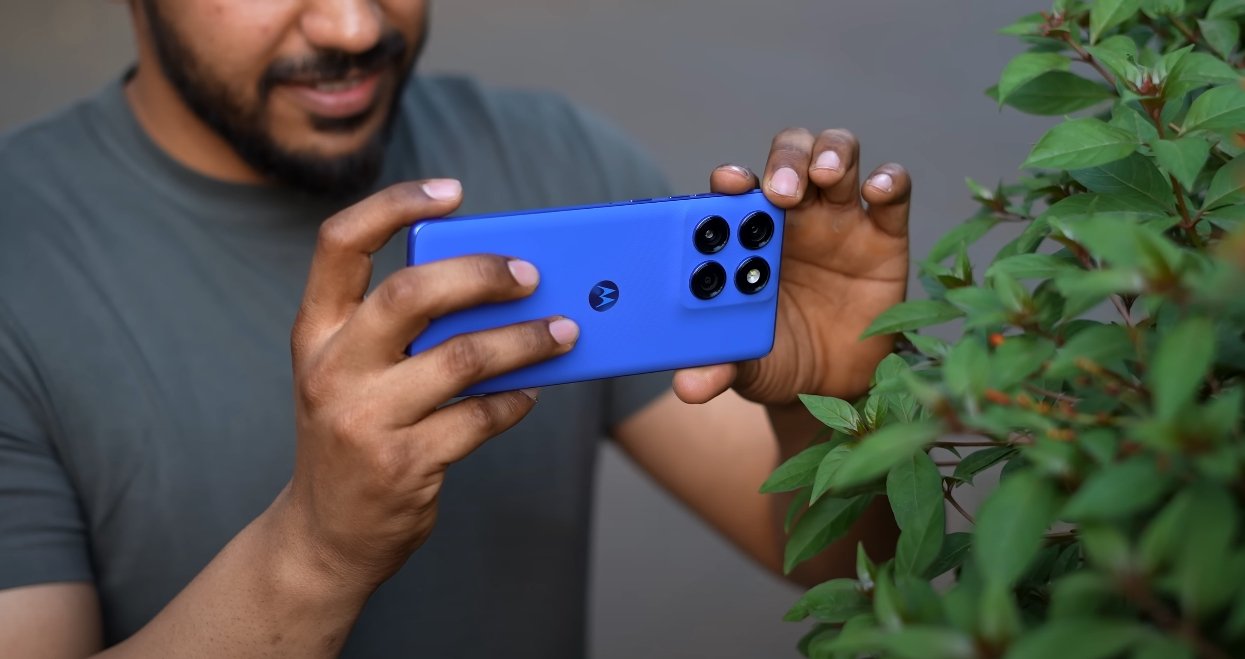
Motorola Edge 70 performance and benchmark scores

Motorola Edge 70 performance and benchmark scores

Motorola Edge 70 Set to Impress in Performance Tests

The Motorola Edge 70 is shaping up to be one of the most anticipated midrange smartphones of 2025, and leaks suggest it will deliver strong performance across daily tasks and gaming. With an official launch scheduled for November 5, early details about its hardware and potential benchmark results are generating excitement among tech enthusiasts.

The device is reported to feature the Snapdragon 7 Gen 4 chipset, which offers a balanced combination of power efficiency and processing speed. Paired with up to 12 GB of RAM and 512 GB of storage, the Edge 70 is expected to handle multitasking smoothly, allowing users to run multiple apps without noticeable lag. This combination positions the device as a high-performing option within the upper midrange segment of smartphones.

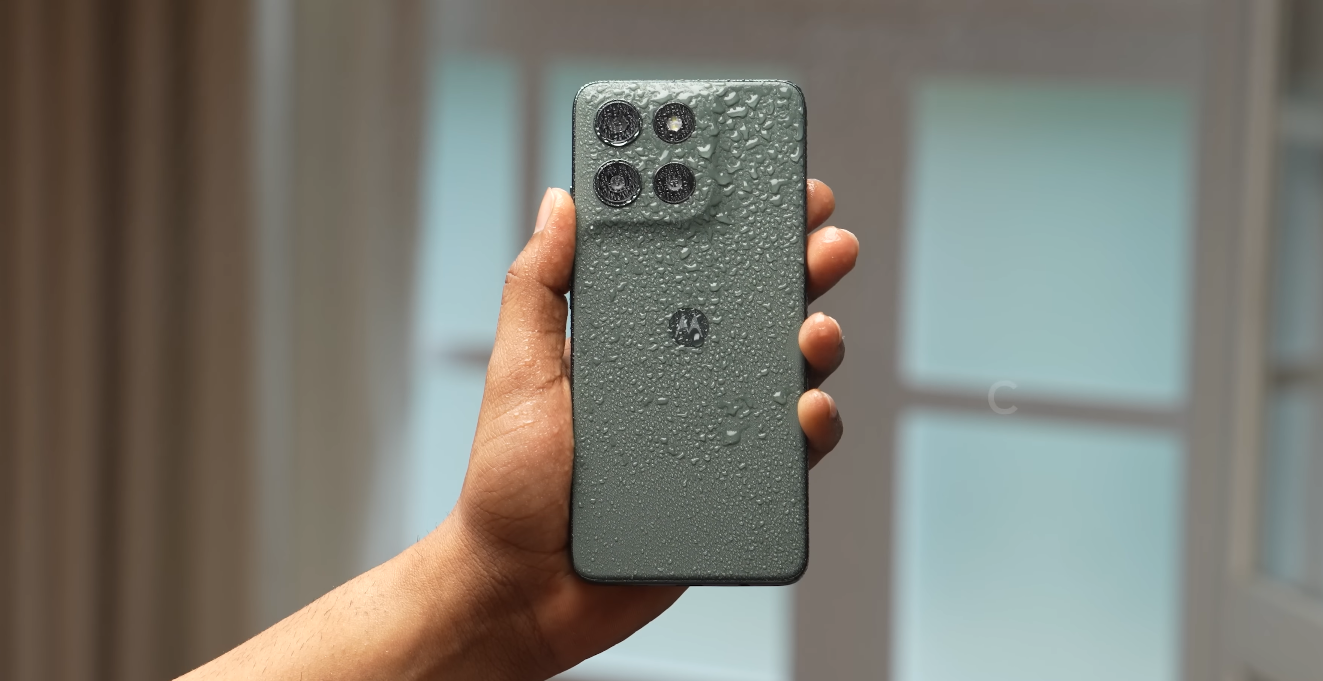
Benchmark leaks indicate that the Snapdragon 7 Gen 4 will likely score around 2,300 in single-core tests and approximately 6,800 in multi-core tests on Geekbench, based on performance comparisons with similar devices. These scores suggest that the Edge 70 will outperform many midrange competitors, making it suitable for gaming, content creation, and daily productivity. The device’s Adreno GPU is expected to handle modern mobile games at medium to high settings, offering smooth graphics at its 120 Hz P-OLED display.
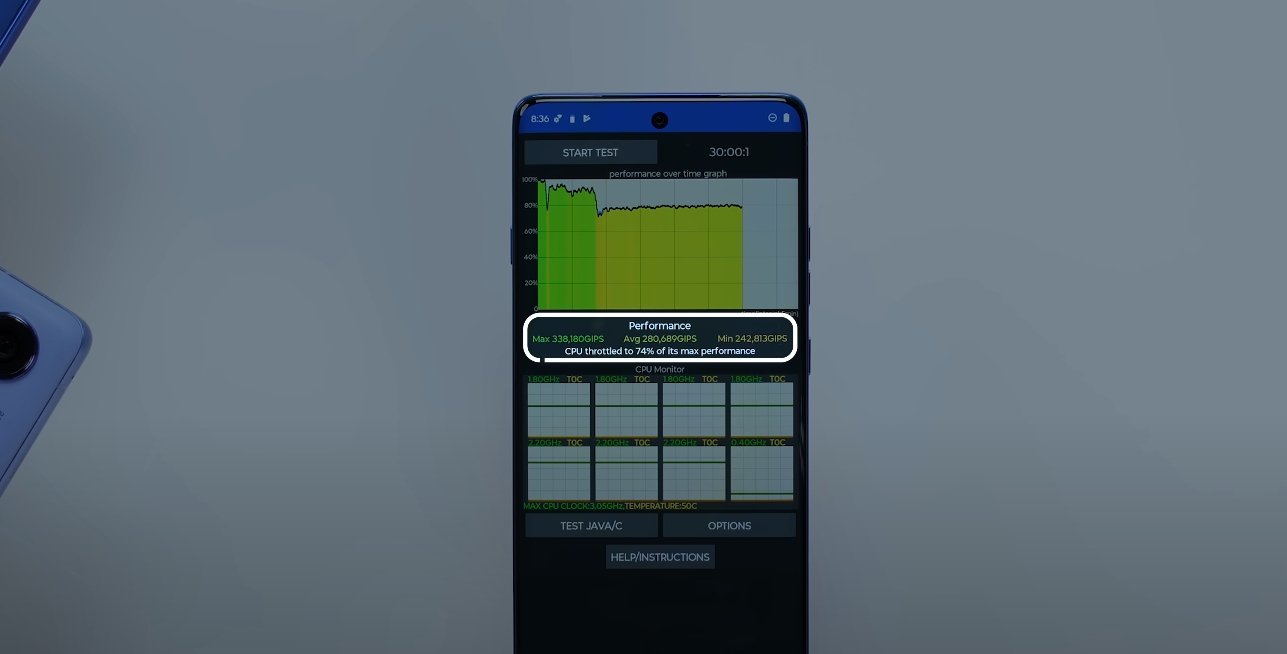
Motorola Edge 70 performance and benchmark scores

One of the challenges for the Edge 70 will be heat management due to its ultra-thin design, which measures around 6 mm in thickness. Leaks suggest that Motorola has included a 4,800 mAh silicone-carbon battery, which could improve thermal efficiency while providing enough power for extended use. This battery combined with optimized software should ensure the device maintains performance without excessive throttling during long gaming sessions or heavy multitasking.

Performance in real-world scenarios will also depend on Motorola’s software optimizations. The Edge 70 is expected to ship with Android 16 and Motorola’s MyUX interface, which reportedly offers smooth animations, AI-assisted features, and intelligent memory management. Early reports indicate that these software enhancements may allow the Edge 70 to sustain high performance while remaining power-efficient.

In comparison to flagship devices like the Snapdragon 8 Gen series, the Edge 70 may not match top-tier performance, but leaks suggest it will outperform other midrange devices from competitors such as Samsung, OnePlus, and Google. This makes the Edge 70 a strong option for users seeking flagship-style performance at a more accessible price point.

Overall, the Motorola Edge 70 appears to be a balanced combination of performance, efficiency, and sleek design. While official benchmark results are still pending, current leaks and hardware specifications indicate that it will deliver a smooth user experience, capable gaming performance, and reliable multitasking, all within a lightweight and ultra-thin body.

Also Read:  Moto G06 Power camera low light USA shots analysis
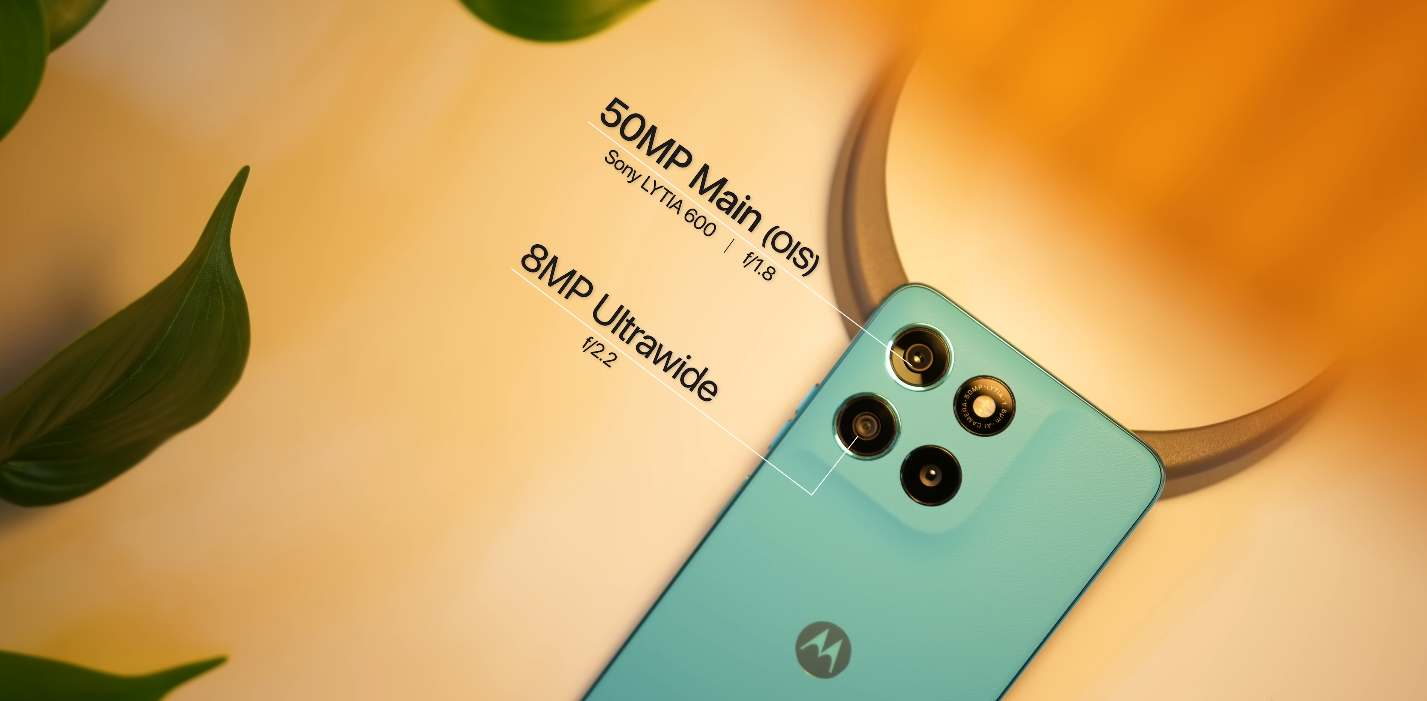
Moto G67 Power software update improves camera quality

Moto G67 Power software update improves camera quality

Enhanced camera experience arrives via firmware upgrade

The Moto G67 Power has received a new software update that significantly improves its camera performance. Users of this mid-range phone are now noticing sharper images, better low-light results and faster autofocus, making it a stronger choice for everyday photography.

After installing the update, owners report that the 50 MP main camera handles dynamic lighting more smoothly. Photos taken in evening settings display less noise and retain better detail in shadows, making them appear more natural and vibrant than before.

The update also tweaks the 32 MP front selfie camera, enhancing portrait mode accuracy and edge detection. Faces stand out more clearly while backgrounds blur more consistently, making casual shots look more polished without needing manual adjustments.

Moto G67 Power software update improves camera quality

Another benefit is improved video capture stability. The software refresh appears to reduce frame-drops during 4K recording and keeps exposure changes smoother when moving between different lighting conditions. This gives a more fluid video experience for vloggers and casual users alike.

Motorola has fine-tuned the AI camera algorithms too. Features like Auto Night Vision and AI-powered portraits now trigger faster and more reliably. Users notice the phone choosing the right mode automatically and delivering better results across scenes without needing to toggle settings.

While hardcore photographers might still miss features like advanced manual controls or flagship-grade lenses, the update clearly elevates the overall camera experience for most users. It bridges the gap between spec-sheet and real-world performance in the mid-range segment.

For Indian buyers, this upgrade adds meaningful value. In a market packed with budget options, a mid-range device that genuinely improves with software makes a strong case for being “future ready.”

In short, with this camera-centric update the Moto G67 Power becomes an even more compelling choice for users who want good all-round performance—especially those who prioritise capturing moments without compromise.

Motorola adds new display technology to Moto G67 Power

Motorola adds new display technology to Moto G67 Power

What the Upgrade Means for the Moto G67 Power Display

Motorola’s recent update to the Moto G67 Power introduces a significantly improved display specification designed to enhance the user experience, particularly for those on a tighter budget but who still expect high performance. This upgrade focuses on smoother visuals, better outdoor readability and enhanced durability, making the phone more competitive in its segment.

The display now features a larger 6.7-inch Full HD+ panel, paired with a 120Hz refresh rate. This higher refresh offers visibly smoother scrolling, gaming and app animations compared to standard 60Hz or even older 90Hz panels. For users who move quickly between tasks or play mobile games, the difference in fluidity is noticeable and adds to overall satisfaction.

Motorola has also improved the panel’s brightness and colour reproduction. With a peak brightness rating around 1,050 nits, the screen stands up better to bright outdoor lighting—important for UK users who may use their phones in varied lighting conditions. The manufacturer’s “Display Colour Boost” technology reportedly enhances vibrancy and accuracy of colours, giving a richer visual experience for media consumption, browsing and casual use.

Motorola adds new display technology to Moto G67 Power

Durability and build quality around the display have also been touched. The phone now sports strengthened glass (such as Gorilla Glass 7i) and includes IP64 water/dust resistance plus MIL-STD-810H certification, meaning it’s better protected in everyday scenarios. This complements the display improvements and adds confidence for users who treat their phone as a daily driver.

Despite the strong enhancements, it’s important to note this is still an LCD panel, not an OLED. While the refresh rate is high and brightness is solid, the contrast levels and deep blacks typical of OLED may not be fully matched. For users who prioritise cinematic media with highest contrast and HDR support, there may be higher-tier alternatives worth exploring.

For UK buyers considering the Moto G67 Power, the display upgrade makes it a standout choice in the mid-price category. The smoother motion, higher outdoor visibility and improved durability make it offer more than many budget models. However, if display quality (like OLED, HDR10+ or ultra-wide colour gamut) is your single priority, you might still look at more premium devices.

In summary, Motorola has added meaningful display improvements to the Moto G67 Power that elevate it well above typical budget phones. For everyday use, gaming, browsing and media consumption, these upgrades make a clear difference. User experience now feels more premium without moving into full flagship pricing — a compelling value move for cost-conscious buyers.

Motorola Edge 70 camera setup and photo samples preview

Motorola Edge 70 camera setup and photo samples preview

Motorola Enhances Photography with Edge 70’s Advanced Camera System

Motorola is preparing to bring a major photography upgrade with the upcoming Edge 70, aiming to rival some of the most capable camera phones in its segment. The company’s latest teasers and leaked details suggest a sophisticated triple-camera setup designed to deliver sharper, more vibrant, and well-balanced photos across lighting conditions. With an emphasis on imaging performance, the Edge 70 looks set to become one of Motorola’s strongest entries in mobile photography.

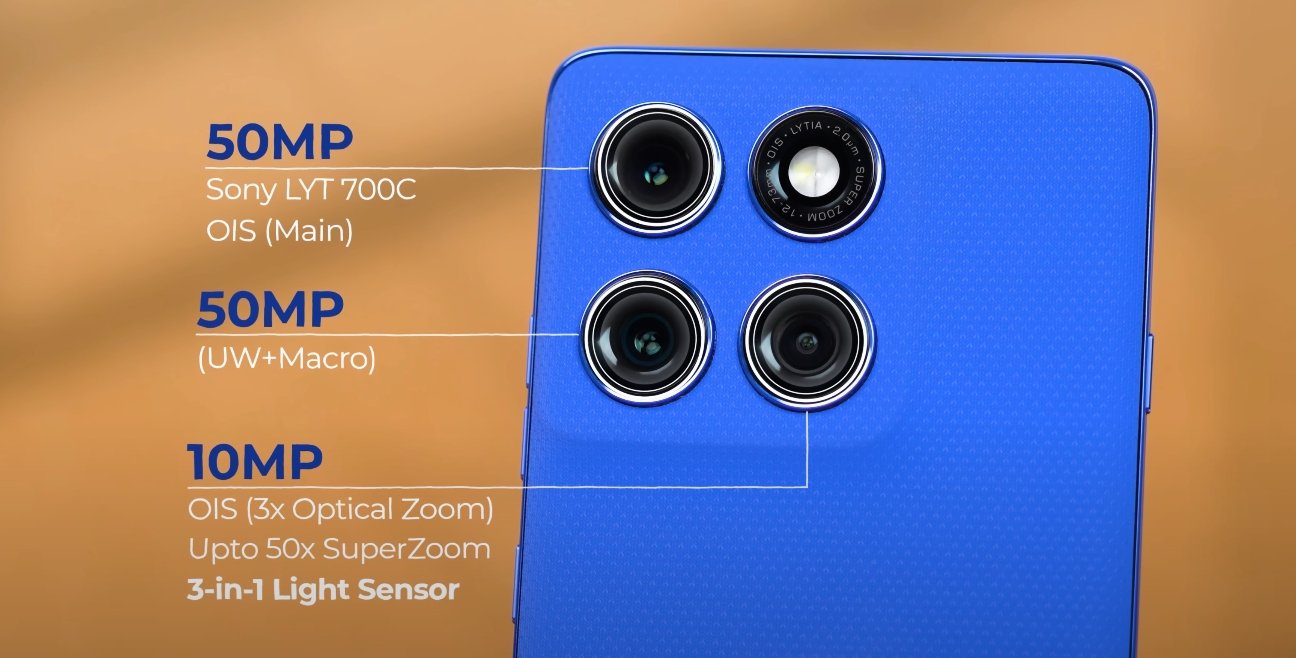
At the core of the Edge 70’s camera system is a 50-megapixel main sensor with optical image stabilization. This sensor is designed to capture crisp and steady shots, minimizing blur even in low-light situations or during handheld shooting. The large sensor size and improved aperture are expected to enhance light intake, resulting in brighter images with more detail and accurate color reproduction. Motorola has also optimized the autofocus system for faster subject detection, ensuring users can capture moments instantly without lag.

Complementing the primary lens is an ultra-wide camera that expands the field of view for landscapes, group shots, and creative photography. This sensor is expected to capture images at up to a 120-degree angle, maintaining color consistency and detail across the frame. Additionally, the Edge 70 may include a telephoto or macro lens depending on the variant, giving users the flexibility to shoot close-up details or achieve natural background blur for portrait effects. Together, these lenses form a versatile trio suited for diverse photography styles.

Motorola Edge 70 camera photo

On the front, the Motorola Edge 70 is rumored to feature a 50-megapixel selfie camera housed in a small punch-hole cutout at the top of the display. The sensor promises enhanced clarity and skin tone accuracy, especially under artificial or uneven lighting. Motorola is also expected to introduce new AI-powered beautification and HDR enhancements for selfies, ensuring balanced exposure and depth. The front camera’s support for 4K video recording could further appeal to vloggers and social media users who prioritize high-quality visuals.

Early sample photos shared through promotional materials show encouraging results. Daylight shots appear rich in color, with natural saturation and impressive detail retention. The HDR processing maintains a balance between bright skies and shaded areas, avoiding the overly processed look found in some competing devices. Portrait mode also seems to deliver smooth background separation, with edge detection working precisely around hair and facial outlines. While these samples may not represent final image quality, they showcase Motorola’s commitment to improved image tuning.

Motorola Edge 70 camera photo

Low-light photography appears to be another focus area for Motorola. The combination of a large primary sensor, optical image stabilization, and advanced noise reduction algorithms should enable brighter night shots with less grain. The dedicated Night Vision mode is expected to return, offering improved brightness without washing out colors. Motorola’s proprietary image processing engine is said to rely on multi-frame blending to achieve better clarity and reduced motion blur in darker settings.

Motorola’s video capabilities are also set to advance with the Edge 70. The rear camera is expected to support 8K video recording and enhanced stabilization for smoother handheld footage. Additional features such as slow motion, dual-view recording, and cinematic color profiles may also be included, allowing users to experiment with professional-style shooting modes. The improved microphone setup will likely provide clearer audio to complement the video experience.

As the Motorola Edge 70 nears its official launch, its camera system is shaping up to be one of its biggest attractions. With high-resolution sensors, refined AI imaging, and better low-light performance, the device is designed to compete directly with leading camera phones in the market. Whether for casual snapshots or creative content creation, the Edge 70 promises to deliver a balanced and capable photography experience that continues Motorola’s tradition of innovation in smartphone imaging.

Moto G67 Power offers a perfect balance of price and power

Moto G67 Power offers a perfect balance of price and power

A feature mix that feels surprisingly well-judged for everyday use in the UK

The Moto G67 Power continues to build anticipation because of the way it blends performance capability with proper real-world usability, instead of just chasing flashy specifications. Value-focused phones generally lean in one direction — either long battery life but mediocre performance, or fast chipsets but weak optimisation. The notable difference here is that this model is aiming for a balanced middle ground. It tries to give users fluid speed during everyday tasks while maintaining battery endurance that genuinely matters on long days outdoors, work commutes, and busier weekends. For UK buyers who prioritise that “just works comfortably” factor, this balance makes far more sense than a purely spec-sheet-driven marketing story.

The foundation of this balance comes from the modern processing platform. The Moto G67 Power uses a recent mid-range chipset built to deliver performance that doesn’t feel sluggish in regular life. That means social media consumption, news browsing, messaging, shopping apps, maps and everyday switching feel quicker and less delayed. UK users who spend most of their screen time inside apps rather than intense gaming environments will likely appreciate the “smooth, but not show-offy” performance profile. It feels grounded, stable and practical rather than over-tuned toward benchmarks.

The display choice also plays a role in the power perception this device offers. A high refresh display makes navigation feel more premium instantly, even if you’re not comparing side-by-side with other phones. This makes scrolling through feeds, switching between tabs, and scanning lists in apps feel light, responsive and modern. Even visually modest tasks, like swiping from home screen to home screen, feel slicker. That sort of responsiveness is easy to feel but surprisingly difficult to describe until you experience it. It is the type of refinement that makes a device feel more expensive than it technically is.

Moto G67 Power offers a perfect balance of price and power

Battery endurance is the other half of the “power” equation. The Moto G67 Power uses a significantly large battery to maintain performance consistency across long usage stretches. In the UK, where travel time, commuting, and weekend outdoor activity can result in extended screen-on hours, this matters more than many people realise. A device that can cross through daytime hours without a mid-afternoon charge request is simply a less stressful companion. And that sense of comfort is a form of power all by itself — the confidence that your device will not simply give up before you return home.

The camera system adds to the balanced approach as well. Rather than trying to win only through megapixel numbers, this phone is leaning into more intelligent capture behaviour. It works in the background to adjust exposure, compensate for tricky light, and maintain clarity without requiring users to fiddle with manual modes. This is particularly relevant in the UK where lighting conditions shift from bright to cloudy to dim within a short time frame. A camera that can adapt without demanding constant attention fits neatly into the country’s naturally changeable environment.

On the software side, the Moto G67 Power leans towards a cleaner implementation that avoids unnecessary UI weight. This is a small detail to some — but a meaningful one for people who can feel the difference between a fresh, uncluttered interface and a heavily reskinned, slowed-down one. In mid-range phones, heavy skins often result in quick slowdown. Here, the cleaner approach helps preserve responsiveness for longer. That means the “balance” stays intact not just on day one, but months into ownership.

Durability and build choices also support this balanced identity. The device does not pretend to be a delicate showpiece. It aims to handle the wear of normal UK daily life — jacket pockets, bags, small day trips, and regular outdoor movement. A phone that can handle rougher usage without constant anxiety adds real value, even if it isn’t the loudest feature on paper. The fact that this model attempts to combine rugged practicality with modern software responsiveness is a core part of the attraction.

Taken altogether, the Moto G67 Power presents itself as a genuinely well-measured interpretation of what most mainstream smartphone owners in the UK actually want today. It is not trying to appear as a budget flagship, and it is not cutting corners just to fit into a category. Instead, it is presenting itself as a sensible, reliable, everyday device that behaves like a more expensive one in practice. That is why the conversation around this phone keeps growing — it is not only about raw specifications, it is about the way those specifications are tuned to feel balanced, usable and properly thought through.

Motorola Edge 70 Fusion: A Stylish Alternative to Galaxy and Pixel

The Motorola Edge 70 Fusion in five distinct colours, showcasing its sleek design and square camera module with a colour accent, a budget-friendly alternative to Samsung Galaxy and Google Pixel phones

Motorola Edge 70 Fusion: A Budget-Friendly Alternative to Samsung and Google

Recent leaks have revealed the Motorola Edge 70 Fusion, a budget-friendly smartphone that could rival the likes of Samsung Galaxy and Google Pixel. The leaked images, courtesy of Evan Blass, showcase the device from various angles and in five distinct colours.

The Motorola Edge 70 Fusion boasts a sleek design, with curved edges, warm material finishes, and a square camera module. The colour accent around the camera module adds a nice touch to the overall aesthetic.

In terms of specs, the Edge 70 Fusion is expected to run on a Qualcomm Snapdragon 7s Gen 3 with 8 or 12GB of RAM and 256GB of storage. The 6.78-inch 1.5K AMOLED display features an impressive 5200 nits peak brightness, HDR10+ support, and a 144Hz peak refresh rate.

With its MIL-STD-810H, IP68, and IP69 certification, the Edge 70 Fusion is built to last. The possible 7000mah battery and speedy 68W wired charging are also notable features. The phone’s design language is consistent with Motorola’s recent releases, such as the Motorola Edge 70 and the flagship Motorola Signature.

The Motorola Edge 70 Fusion could be a better value option than the upcoming Google Pixel 10a and Samsung Galaxy A37, especially considering the Edge 60 Fusion’s £299.99 asking price. The leaked images also provide a glimpse into Motorola’s camera module design, which is pleasing to the eye.

Evan Blass also posted an image of the Motorola Razr Fold, showcasing the foldable’s design. Although we only get to see the phone from the top edge, it clearly shows the hinge mechanism in the middle. We’re still waiting for a full reveal of the phone.

The Motorola Edge 70 Fusion is an exciting new release that could provide a stylish alternative to Samsung Galaxy and Google Pixel phones. With its impressive specs and budget-friendly price, it’s definitely worth keeping an eye on.

Motorola Edge 70 5G bands and USA carrier support

Motorola Edge 70 5G bands and USA carrier support

Motorola Expands 5G Reach with Broad Carrier Compatibility in the U.S.

The Motorola Edge 70 is set to arrive with a wide range of 5G band support, ensuring solid connectivity across both international and U.S. networks. As part of Motorola’s growing premium lineup, the Edge 70 continues the company’s focus on combining advanced performance with reliable wireless technology. The upcoming model is expected to feature extensive sub-6GHz 5G coverage, offering faster data speeds, improved stability, and broader compatibility with global and American carriers.

According to early specifications, the Motorola Edge 70 will support a comprehensive set of 5G bands including n1, n2, n3, n5, n8, n28, n38, n40, n41, n77, and n78. These frequencies cover most major regions and enable the phone to function smoothly on mid-band and low-band 5G networks. Such support ensures that users can access stable, high-speed connectivity whether they are in the U.S. or traveling abroad. The device’s dual SIM and carrier aggregation capabilities further enhance signal performance, minimizing dropouts and boosting upload and download consistency.

For the U.S. market, Motorola is expected to tailor the Edge 70 to include key 5G bands that align with domestic carriers. This includes n41 and n77 for T-Mobile’s mid-band “Ultra Capacity” network, n71 for extended rural coverage, and n66 for AT&T’s wide-area 5G deployment. These bands will allow the Edge 70 to connect seamlessly across the three major U.S. networks—T-Mobile, AT&T, and Verizon. While Verizon’s high-frequency mmWave 5G may not be supported, the sub-6GHz coverage ensures strong and reliable performance across most of the country.

Motorola Edge 70 5G bands and USA carrier support

Motorola has a track record of ensuring its Edge series devices are carrier-ready in the U.S. Previous models have offered full compatibility with essential LTE and 5G bands, including support for VoLTE, Wi-Fi calling, and carrier aggregation. The Edge 70 is expected to continue that tradition, providing users with excellent signal reliability and network switching efficiency. Additionally, Motorola’s close collaboration with U.S. carriers will likely ensure official certification and support for enhanced connectivity features like 5G SA (Standalone) and NSA (Non-Standalone) modes.

In terms of call quality and data performance, the Edge 70 should benefit from Motorola’s latest antenna design and modem integration. The phone is rumored to feature Qualcomm’s Snapdragon 8s Gen 3 chipset, which includes an advanced X70 5G modem. This hardware supports faster peak speeds, improved network efficiency, and intelligent signal routing that adapts to user movement and signal strength. The result is a smoother browsing and streaming experience, even in congested areas or when switching between 4G and 5G networks.

For users in the U.S., the Motorola Edge 70’s 5G performance is expected to deliver balanced coverage and speed without relying on niche mmWave technology. While it may not reach the extreme speeds found in select city centers, it will provide more consistent connectivity over larger areas. This approach aligns with Motorola’s focus on real-world performance rather than theoretical peak metrics. Users can expect fast downloads, stable video streaming, and reliable cloud connectivity across major networks.

As 5G coverage continues to expand nationwide, Motorola’s decision to optimize the Edge 70 for sub-6GHz bands makes practical sense. It ensures compatibility with the networks most Americans use daily, while keeping costs lower than mmWave-focused flagships. With its broad range of 5G band support, carrier flexibility, and efficient modem design, the Motorola Edge 70 is shaping up to be a well-rounded option for users who prioritize dependable connectivity and smooth performance across the U.S. and beyond.

Moto G67 Power’s Snapdragon processor confirmed

Moto G67 Power’s Snapdragon processor confirmed

New chipset confirmation signals a stronger performance direction for this launch

The Moto G67 Power is now one step closer to launch after the confirmation of its Snapdragon processor, and this confirmation instantly gives a clearer picture of what type of performance users should expect from this device. With the chipset now officially identified as the Snapdragon 7s Gen 2, the positioning becomes more defined. This is not an entry-level processor and not an old recycled mid-range chip either. It is a modern, efficient architecture designed to balance speed, battery endurance, and thermal efficiency. The confirmation itself matters because it locks in the performance tier of the device before the commercial rollout begins.

This specific Snapdragon platform is based on a 4nm process, which is the same generation manufacturing scale used in multiple recent high-efficiency mobile chipsets. Smaller process fabrication typically means better efficiency, reduced heat buildup, and stronger overall stability when switching between tasks. For a device like the Moto G67 Power, which is heavily centered around battery life and longevity, this match makes strategic sense. The phone is built around a massive 7,000mAh power cell, so Motorola needed a processor that would not drain the battery aggressively during daily use.

With this chipset confirmation, users now have a clearer expectation regarding performance behavior in real-world usage. Phones running the Snapdragon 7s Gen 2 have shown good smoothness in general navigation, reliable app switching, and comfortable multitasking for everyday scenarios. The focus here is not extreme gaming performance or ultra high benchmark dominance. Instead, it is about stable fluidity for most types of commonly used tasks such as social media, messaging, streaming, and web browsing. This makes the G67 Power look more complete as an everyday driver instead of just being “another big battery phone.”

Moto G67 Power’s Snapdragon processor confirmed

There is also a direct implication for long-term ownership. One of the weaknesses in lower mid-range devices is that they often get slower over time once updates, apps, and usage patterns start increasing. With this chipset, the G67 Power is entering a category where future slowdown risk is reduced. Efficient cluster balancing, better thermal management, and more modern memory regulation contribute to maintaining performance weeks and months after initial purchase. This point is increasingly important to mid-range buyers who expect to keep their phones longer.

The Snapdragon confirmation also helps in evaluating expected software tuning. Motorola usually pairs cleaner software builds with Qualcomm processors, especially in its G-series lineup. With this chipset, the phone is expected to run its Android 15 interface in a snappy, minimal-lag state. Clean UI combined with newer silicon is often a winning formula in this bracket because users get a fast feel without the distractions of heavy UI skins. The confirmation here therefore influences software expectations, not just raw hardware interpretation.

This also creates clearer separation within Motorola’s own product tiers. The G-series has always been known for practicality, but not all models have landed solid performance-to-battery balance. With this chipset in the G67 Power, the category shifts toward a more performance-trustable identity. This means the battery story is no longer carrying the device alone. The performance story will now support it rather than act as a compromise that users simply tolerate in exchange for capacity.

For US readers who track global hardware trends, this confirmation also makes import logic easier to evaluate. Snapdragon-powered mid-range models often translate well in international variants, because Qualcomm silicon has broad band compatibility, better third-party accessory ecosystem support, and more predictable app behavior compared to phones that run niche or region-specific chipsets.

Overall, the Snapdragon confirmation strengthens the overall launch narrative of the Moto G67 Power. The phone is shaping itself as a device built for sustained everyday usage rather than just raw battery bragging rights. With a modern chipset, large endurance capacity, and mid-tier positioning focused on practical speed, the G67 Power is moving into a more competitive class as launch day approaches. If the final launch pricing aligns well, this combination could be one of the strongest value arguments in the mid-range space this season.

Also Read:  UK bloggers share their favorite Origin OS tweaks

Moto G67 Power real-world gaming test results

Moto G67 Power real-world gaming test results

Reliable performance with impressive endurance for everyday gamers

The Moto G67 Power 5G has now been tested in real-world gaming conditions, and the results confirm that Motorola’s focus on balanced performance and battery life pays off. The phone delivers consistent gameplay across several popular titles while maintaining smooth temperatures and steady frame rates for long sessions.

In extended gaming runs, the device handled games such as Call of Duty Mobile, Asphalt 9 and PUBG Mobile comfortably at medium to high settings. Frame rates stayed stable throughout gameplay, with minimal lag or frame drops even during intense scenes. The Snapdragon 7s Gen 2 chipset, paired with 8GB of RAM, performs efficiently, keeping performance reliable without unnecessary power drain.

Battery efficiency remains one of the Moto G67 Power’s strongest points during gaming. A full hour of gameplay consumed only a small fraction of the massive 7,000mAh battery, allowing several hours of continuous gaming without needing to recharge. This efficiency makes the phone particularly appealing to users who play on the go or prefer longer gaming sessions without carrying a power bank.

Moto G67 Power real-world gaming test results

Thermal management is also handled well. The phone warms slightly after prolonged use, but never reaches uncomfortable levels. Motorola’s thermal control design and graphite cooling system help maintain stability, ensuring that performance remains smooth even during extended sessions. This allows consistent gameplay performance rather than quick throttling that some devices in this range experience.

Display responsiveness also contributes positively to gaming. The 6.7-inch Full HD+ panel with a 120Hz refresh rate feels fluid during fast-paced games, while touch input remains accurate. Brightness and contrast levels are adequate for both indoor and outdoor gaming, giving players a pleasant visual experience without noticeable lag or ghosting.

Sound output is another area where the phone performs surprisingly well. Dual stereo speakers create a fuller audio experience, improving immersion in racing and action titles. Paired with good battery life and display quality, this makes the phone suitable for casual entertainment and gaming without additional accessories.

Of course, the Moto G67 Power 5G is not positioned as a dedicated gaming smartphone, so demanding users may find that ultra-high graphic settings occasionally cause drops in performance. However, for most users, the phone strikes the right balance between fluid performance and extended endurance — something that’s often missing in mid-range options.

Overall, the Moto G67 Power 5G’s real-world gaming performance confirms its reputation as a well-rounded performer. It offers strong battery life, consistent frame rates, effective heat management and a smooth display. For UK users looking for a reliable phone that handles gaming, streaming and daily use with ease, this model delivers impressive value without sacrificing efficiency or comfort.

Moto G67 Power’s launch marks Motorola’s strong comeback

Moto G67 Power’s launch marks Motorola’s strong comeback

How Motorola is re-asserting itself in the competitive smartphone market

The launch of the Moto G67 Power signals a renewed push by Motorola into the mid-range smartphone space, with a distinct focus on value, durability and standout battery life rather than chasing only premium flagship features. For buyers in the UK and globally, it represents more than just a new handset—it suggests Motorola is refocusing on what it does well.

What stands out first is the specification sheet. A 7,000 mAh battery, a 120 Hz display, and a Snapdragon 7s Gen 2 chipset position the G67 Power ahead of many rivals in the same segment. In a market where battery life and smooth performance are increasingly key, Motorola’s offering looks timely and competitive.

Design and build also reflect a smarter approach. The G67 Power comes with resilient build materials, a large screen and a premium-inspired finish, showing Motorola is not simply cutting corners to hit a price. Instead, it is delivering a package that hints at longevity and reliability—major selling points in 2025 when users keep phones for longer.

Moto G67 Power’s launch marks Motorola’s strong comeback

Another element to the comeback is pricing strategy. By launching this device with features usually reserved for higher tiers and pricing it competitively, Motorola is likely targeting a sweet spot: users who want strong specs but don’t need ultra-premium flagship cost. This helps the brand regain traction among value-driven customers.

Software support and ecosystem also hint at a broader intent. While earlier models sometimes lagged in updates or features, the G67 Power is positioned to offer a better mix of hardware and software readiness, aligning with modern consumer expectations. This shift strengthens Motorola’s overall brand value.

From a market perspective, the timing is smart. Other brands continue to push feature wars and high prices, giving Motorola space to differentiate by focusing on practical, desirable specs at lower cost. If it executes well in distribution and support, this launch could mark a meaningful rebound rather than just another model release.

However, the comeback is not guaranteed: success will depend on regional availability, pricing in the UK, marketing and post-purchase experience. If Motorola manages those effectively and delivers consistently, the G67 Power could become a reference point in the mid-range segment.

In summary, the Moto G67 Power launch is more than a new device—it appears to be a strategic move by Motorola to reaffirm its brand, serve the value-conscious user, and compete on smart criteria rather than just high-end specs. If this direction holds, many customers may view this model as a strong comeback for the company.

Moto G96 5G Price in Canada Today

Moto G96 5G Price in Canada Today

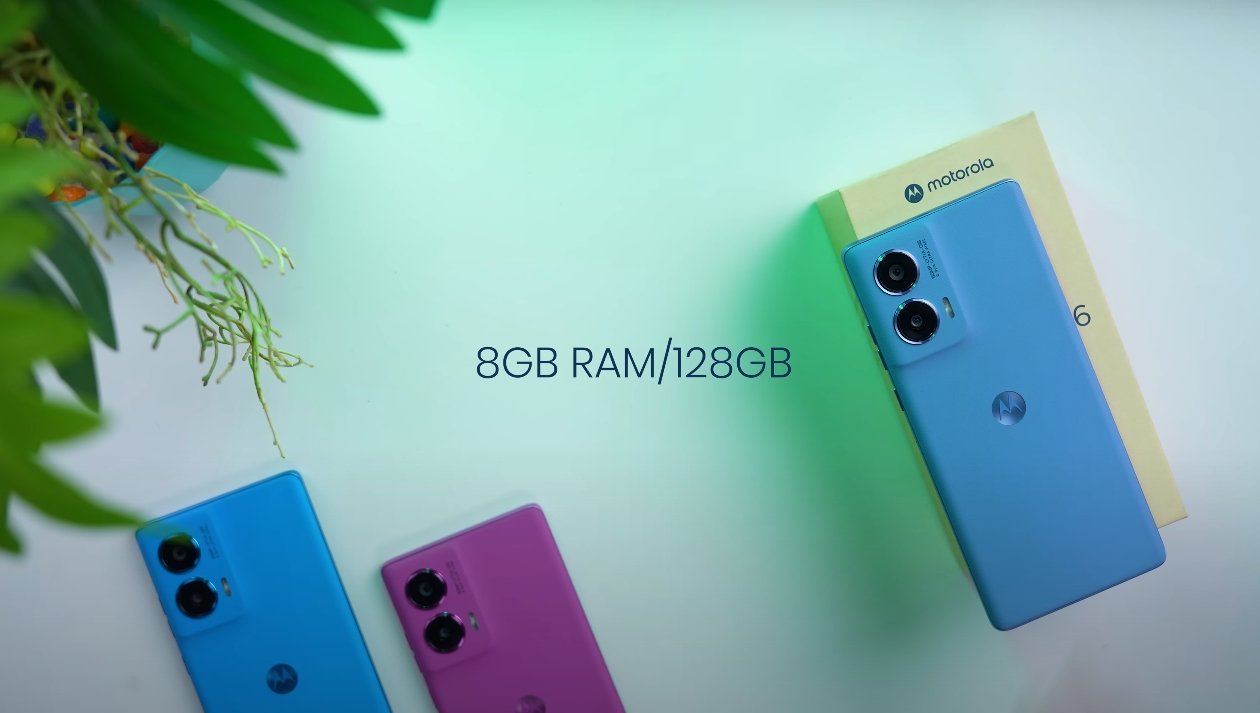
Motorola has launched the Moto G96 5G in global markets, and Canadian buyers are eagerly waiting for its arrival. As of today, the phone is expected to be priced at approximately $580 CAD for the 8GB RAM and 128GB storage variant.


The higher variant with 256GB storage is likely to cost around $600 CAD. While official Canadian availability is not confirmed, multiple online retailers are expected to stock the device soon after the international rollout.


Moto G96 5G Offers Curved Display at Budget Range


The Moto G96 5G stands out with its curved 6.67 inch pOLED display. It offers Full HD Plus resolution, 144Hz refresh rate, and peak brightness up to 1600 nits. The display is protected by Gorilla Glass 5, which adds durability to its sleek design. With a vegan leather finish and just 7.9mm thickness, the phone feels premium in hand and looks like a flagship.


Snapdragon Power and Clean UI


The phone runs on the Snapdragon 7s Gen 2 processor built on a 4nm process. It comes with 8GB RAM and supports virtual expansion up to 24GB. Users get Android 15 out of the box with Motorola’s Hello UI, offering a clean and bloat-free experience. Motorola promises three years of security updates, ensuring long-term reliability for users in Canada.


Strong Cameras and Useful Features


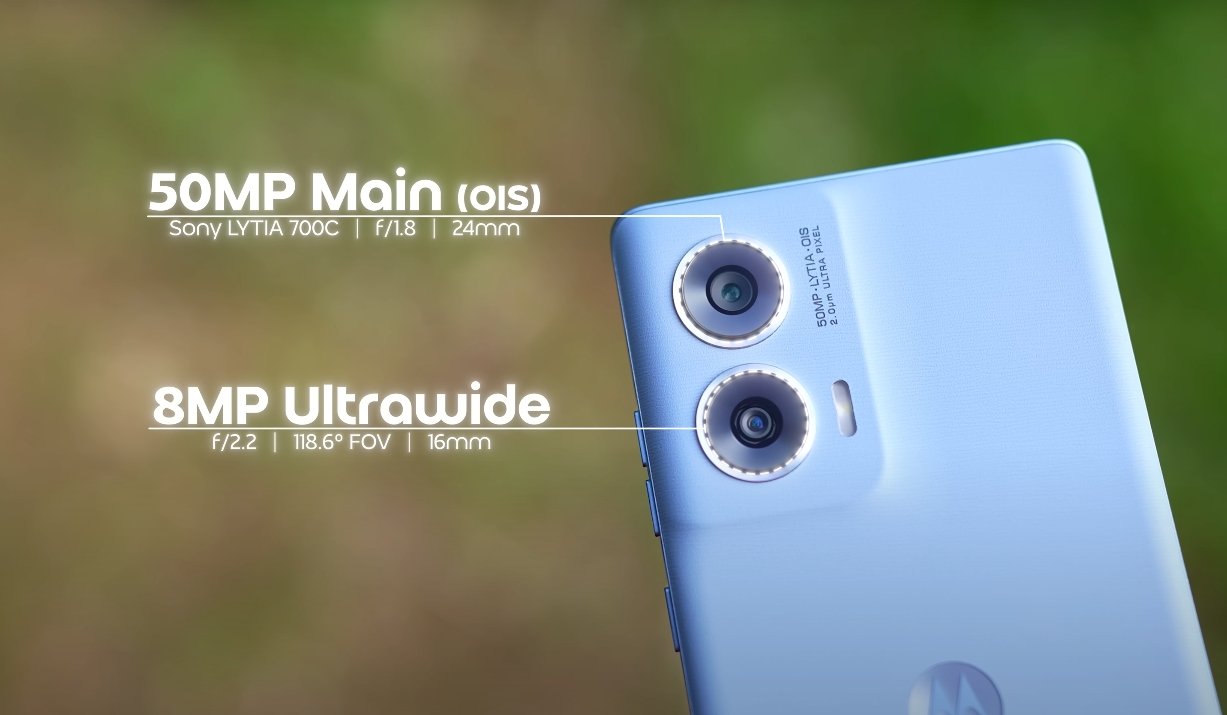
Moto G96 5G includes a 50MP Sony main sensor with OIS support and an 8MP ultrawide camera on the back. On the front, there’s a 32MP camera that supports 4K video. The phone also includes stereo speakers with Dolby Atmos, an in-display fingerprint sensor, and an IP68 rating for dust and water resistance.


Moto G96 5G 50 MP main Camera

Long Battery Life with Fast Charging


This device is powered by a 5500mAh battery that supports 33W fast charging. Motorola claims up to 42 hours of battery life, which means most users can easily go through a full day or more on a single charge. The fast charger is included in the box, making the overall package more valuable.


Final Thoughts on Canadian Pricing


The Moto G96 5G brings premium features at a price that feels justified in the Canadian market. At around $580 CAD for the 128GB variant and $600 CAD for the 256GB model, the phone offers excellent value. With its curved display, powerful chip, durable body, and clean software, it is a solid choice for anyone looking for a reliable 5G phone without crossing the flagship price point.

Also Read:  Lava Storm Play 5G Camera Review

Motorola Edge 70 price prediction and expected variants

Motorola Edge 70 price prediction and expected variants

Motorola Edge 70 Pricing and Variant Overview

The Motorola Edge 70 is generating significant attention ahead of its official launch, scheduled for November 5, 2025. Early leaks and retailer listings suggest the device will target the upper midrange segment, offering premium features at a more accessible price compared to flagship smartphones. While Motorola has not confirmed official pricing, industry analysts and leaked listings provide insights into what consumers might expect.

The Edge 70 is rumored to be available in multiple configurations. The top-end variant could feature 12 GB of RAM and 512 GB of internal storage, while other models may offer 8 GB RAM with 256 GB storage and 6 GB RAM with 128 GB storage. This variety is designed to cater to different user needs and budgets, ensuring that both performance-focused and value-conscious buyers have options.

In terms of pricing, leaks from European retailers suggest the 12 GB + 512 GB model could be priced between €709 and €801, roughly $750 to $850 USD. The mid-tier variant with 8 GB RAM and 256 GB storage may cost around €599 to €650, while the base model is expected to be priced under €550, making it competitive against devices like the Samsung Galaxy S25 FE and Google Pixel 9a. Motorola appears to be aiming for a balance between affordability and premium features, positioning the Edge 70 as a strong contender in the mid-to-upper midrange market.

Motorola Edge 70 price prediction and expected variants

The device is expected to come in three Pantone-certified color options: Bronze Green, Gadget Gray, and Lily Pad. These colors are chosen to provide a sophisticated yet vibrant appearance. The phone’s slim design, reportedly 6 mm thick, combined with a lightweight body and sleek matte finish, enhances its premium look. Motorola also seems to have refined the camera module layout and added a new AI Shortcut button on the side, which could influence buying decisions for users who value both style and smart functionality.

Motorola’s pricing strategy seems focused on providing flagship-like performance without the flagship price tag. By offering multiple storage and RAM configurations, the company allows consumers to select a model that fits their performance needs and budget. The inclusion of a 120 Hz P-OLED display, Snapdragon 7 Gen 4 processor, and advanced camera setup in all variants ensures that even the base model delivers a strong user experience.

Additionally, the Edge 70 is expected to support 68 W wired charging and 15 W wireless charging, features usually reserved for higher-end devices. The 4,800 mAh battery paired with efficient hardware and software optimization makes the device appealing to users looking for longevity and performance. These features further justify the pricing across different variants and highlight Motorola’s commitment to value.

The combination of multiple RAM and storage options, Pantone-certified colors, advanced hardware, and competitive pricing positions the Motorola Edge 70 as a compelling choice in 2025’s smartphone market. Buyers looking for an ultra-thin, stylish phone with reliable performance and modern features are likely to find the Edge 70 an attractive option. The range of expected variants ensures that users can select a model that best fits their needs without compromising on essential features or design quality.

As the official launch approaches, more details on exact pricing and availability will become clear. However, the leaked information suggests that Motorola is targeting consumers who want a premium experience at a midrange price, combining performance, design, and innovation in a sleek package that can compete with other top devices in its category.

Also Read:  Samsung Galaxy M17 5G expected carrier compatibility USA