Moto G67 Power vs Moto G54 — worth the upgrade?

Moto G67 Power vs Moto G54 — worth the upgrade?

Big generational jump or just a mild refresh?

Motorola’s G-series has been one of the most relied upon mid-range lineups because of its battery performance, clean software approach and consistent everyday stability. The Moto G54 was a successful model in this category because it delivered a smooth UI and dependable endurance without trying to push aggressive hardware gimmicks. The new Moto G67 Power, however, is positioned as a more ambitious step, especially because the Power branding is being paired with a newer platform that aims to raise performance and efficiency at the same time. That shift changes the tone of this generation, and buyers who held the G54 for a full cycle are now weighing whether the upgrade is truly impactful.

The most noticeable improvement sits in processing behaviour. The G54 offered a solid mid-range chipset that was good for social apps, streaming and mixed daily loads, but the new G67 Power brings a stronger and more efficient platform that is better suited for heavier multitasking and longer active sessions. This means the phone is likely to feel faster not just in short bursts but also during extended usage windows. That extra headroom matters for buyers who keep their phones for multiple years instead of replacing every season, because modern apps continue to expand in background workload and caching behaviour over time.

Battery identity also evolves in this generation. The G54 delivered good longevity and remained one of the more dependable options for full-day usage when it launched. The G67 Power aims even higher and adopts a larger battery profile built for extended offline time and heavier screen-on durations. This plays directly into the Power naming tradition, because Motorola is not treating endurance as a minor value add. Instead, it is positioning battery life as a headline point that defines the character of the new model. That gives the G67 Power a stronger separation point versus the G54 rather than a simple spec bump.
Moto G67 Power vs Moto G54 — worth the upgrade?

Display experience is another area where the upgrade feels more meaningful than subtle. Both devices support smooth scrolling, but the G67 Power increases the screen area and adds a more refined visual delivery that feels designed for modern consumption habits. Many users today spend hours in short-video interfaces, shopping feeds and photo-first platforms where fluid motion makes a tangible difference in perception. The G67 Power’s display helps the interface feel more responsive and premium-leaning in everyday transitions compared with previous mid-range generations.

Camera behaviour also shifts in this generation, but not in a headline-chasing way. The G54 delivered fairly reliable casual photography for daylight and simple indoor environments. The newer model focuses on cleaner exposure balance, better edge understanding in portrait separation and more stable tuning for mixed and evening conditions. That makes the camera upgrade more practical than flashy, because the results emphasise natural tonality rather than artificial boosting. Many buyers now prefer cameras that feel accurate instead of heavily processed, and this is where the new model quietly improves on the older software tuning approach.

Software lifespan is another practical factor. Motorola continues to keep its interface clean and efficient, which is one of the reasons the G54 built such a positive reputation with mainstream users. But the newer model steps into the current software generation from day one, giving it a longer runway ahead for security and platform continuity. In a world where many users hold onto devices for two to three years, a fresh cycle of software can sometimes be as important as a hardware upgrade because it extends relevance rather than just changing specs.

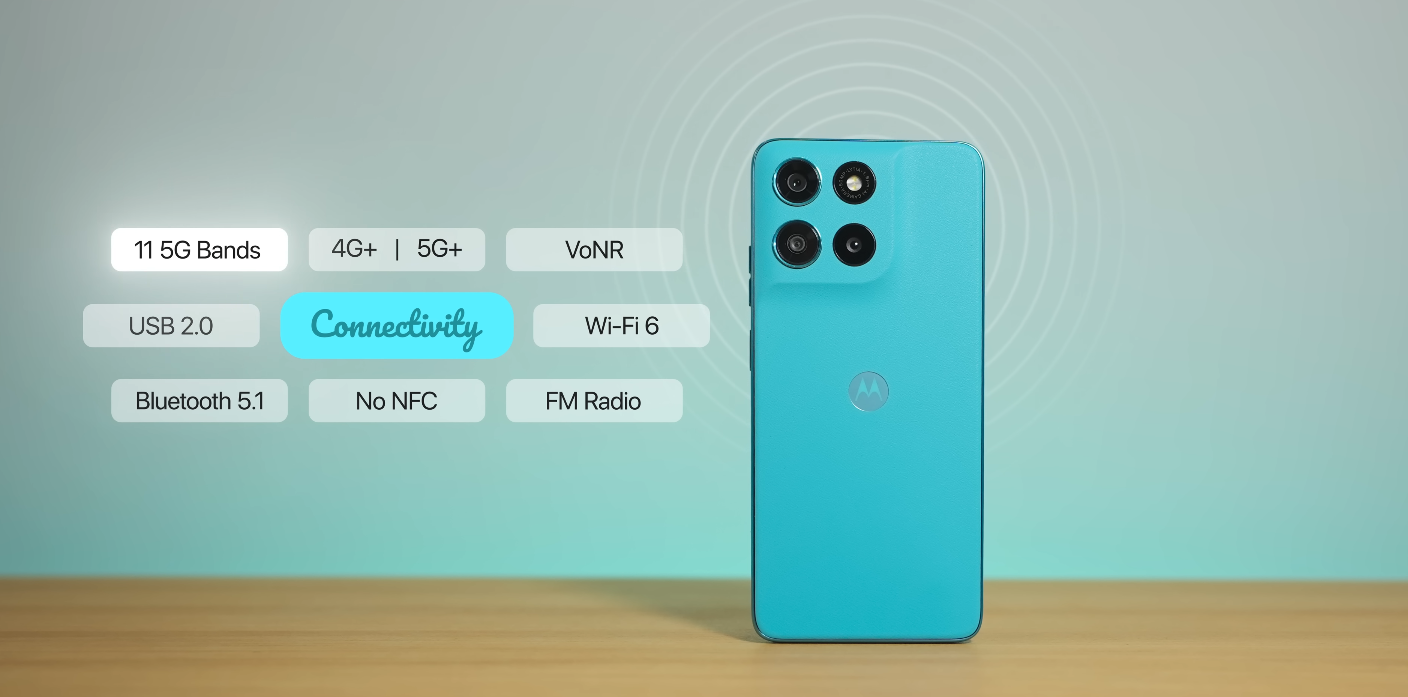
Connectivity expectations are already broadly met in both devices because 5G is now standard in the mid-range segment. This generation jump is therefore not about network capability differences but about how the combined package improves the daily experience ceiling. When a device runs smoother, lasts longer on a charge and maintains better performance stability after prolonged sessions, users feel the difference even in light everyday usage patterns.

Taken across all categories, the G67 Power is more than a minor update. The G54 remains workable for simple communication usage and light media behaviour, so owners who do not feel limited may still stretch another cycle comfortably. But for buyers who want stronger all-day performance, improved display immersion, longer battery reach and a longer software horizon, the G67 Power delivers meaningful generational improvements that justify considering an upgrade rather than waiting for another refresh.
Moto G67 Power gets excellent feedback from users

Moto G67 Power gets excellent feedback from users

Strong user satisfaction for Motorola’s latest Power-series phone

Early user responses to the Moto G67 Power suggest that Motorola has delivered one of its most well-rounded mid-range devices in recent years. Feedback highlights consistent praise for battery life, smooth performance and overall build quality, giving the phone a strong start among everyday buyers.

Battery life is the most celebrated highlight. Users report comfortably reaching the end of the day with plenty of charge left, even with heavy usage. This long-lasting endurance is exactly what the “Power” branding promises, and real-world experience shows that Motorola has delivered on that expectation.

The display and general performance also receive positive remarks. Thanks to its high refresh rate and efficient software, the Moto G67 Power feels fluid in day-to-day use. Switching between apps, browsing and handling regular tasks happens without noticeable stutters, making the phone feel more premium than its category suggests.

Moto G67 Power gets excellent feedback from users

Build quality is another point users frequently appreciate. The device feels sturdy in the hand, with a design that looks and performs above its price bracket. This solid construction adds to the overall sense of value, especially for users who prefer durable and practical smartphones.

The camera system earns favourable but realistic feedback. Most users find the primary camera reliable for everyday shots, producing clear and well-balanced images in normal conditions. While it doesn’t compete with high-end flagship photography, it performs well enough for social sharing and general use, matching expectations for a mid-range model.

Software experience is another area where the Moto G67 Power scores well. Motorola’s clean interface, close to stock Android, makes navigation simple and clutter-free. Users appreciate the minimal approach, which contributes to smoother performance and longer-term usability.

While the response is overwhelmingly positive, some minor trade-offs are noted. Charging speeds, for example, are seen as adequate rather than exceptional, and low-light camera performance can sometimes fall behind more expensive phones. These points, however, are not major concerns for most users in this price segment.

Overall, user feedback paints the Moto G67 Power as a dependable, long-lasting and smooth-performing device. It offers excellent value for buyers who prioritise battery life, everyday reliability and a clean software experience, making it one of the more appealing mid-range choices for 2025.

Moto G06 Power specs US version vs global model

Moto G06 Power specs US version vs global model

Key Differences and Similarities in Specifications

The Moto G06 Power has been introduced as a battery-focused smartphone with a global release already underway. As Motorola prepares for its entry into the United States, many potential buyers are comparing what changes, if any, might appear in the U.S. version when stacked against the global model. While the core hardware is expected to remain the same, some adjustments are often made for regional compatibility, pricing, and software optimizations.

Globally, the Moto G06 Power is built around a 6.88-inch IPS LCD display with a 120Hz refresh rate. It runs on the MediaTek Helio G81 Ultra processor paired with memory options that range from 4GB RAM with 64GB storage up to 8GB RAM with 256GB storage. The storage is expandable via microSD, which appeals to international buyers who want more flexibility. The large 7,000 mAh battery with 18W wired charging is the star feature and will remain identical in the U.S. version, ensuring that battery life continues to be its strongest selling point.

Camera specifications are also uniform across regions. The rear features a 50-megapixel primary sensor with support for enhanced photography modes, while the front includes an 8-megapixel selfie camera. This simple setup reflects Motorola’s focus on endurance and everyday usability over high-end imaging. U.S. buyers should expect the same balance, with the camera designed to be reliable rather than groundbreaking.

Moto G06 Power specs US version

Where differences are likely to appear is in network compatibility. The global model comes with a broad range of 4G LTE bands, but the U.S. version is expected to be tuned for American carriers such as AT&T, T-Mobile, and Verizon. Motorola traditionally optimizes its U.S. releases to ensure stronger network stability, which could mean additional LTE band support and possible certification for certain carriers. This adjustment often sets the U.S. model apart even when the rest of the hardware is the same.

Another factor is software. Globally, the Moto G06 Power launches with Android 15, featuring Motorola’s near-stock interface. The U.S. version is expected to mirror this approach, although it may include minor changes depending on whether it is sold unlocked or through carriers. Carrier models often come with pre-installed apps and services, while unlocked versions usually stick closer to the clean Android experience. U.S. consumers can expect timely updates and at least a couple of years of security support, consistent with Motorola’s recent update policies.

Pricing is also an area where differences emerge. The global Moto G06 Power is positioned as an affordable large-battery device, but U.S. pricing tends to be slightly higher due to taxes, logistics, and retail margins. While the international entry-level model may sell at a lower cost, the U.S. base variant could carry a price around the budget to lower mid-range tier. Buyers should also be prepared for differences in available storage configurations, as Motorola sometimes limits which variants reach the U.S. market.

In terms of durability, the global version carries an IP64 rating for splash and dust resistance. It is expected that the U.S. version will keep this rating intact, offering reassurance against light rain and minor exposure. Build quality and design language will remain the same, meaning U.S. buyers get the same look and feel as global customers.

In summary, the Moto G06 Power’s U.S. version will closely match its global counterpart in design, display, battery, and core hardware. The biggest changes will likely come in carrier support, pricing adjustments, and possibly in available storage variants. For American buyers seeking a reliable, long-lasting device, the Moto G06 Power promises to deliver the same experience as the international edition while being adapted for local networks and market needs.

Moto G06 Power trade-off between performance & battery USA

Moto G06 Power trade-off between performance & battery USA

Understanding the Balance Between Performance and Battery in Moto G06 Power

The Moto G06 Power has made a notable impact in the USA market thanks to its massive 7,000mAh battery, which is among the largest in a modern Motorola smartphone. This large battery capacity positions the device as a favorite for users who prioritize long-lasting usage over high-end performance. It promises extended hours of daily activity, from browsing social media to streaming videos, without the need for frequent charging.

However, the focus on battery longevity naturally involves some trade-offs in performance. The Moto G06 Power is powered by the MediaTek Helio G81 processor, an entry-level chipset designed primarily for efficiency and stable operation rather than peak speed. This setup ensures smooth performance for everyday activities like calling, texting, social media, and light gaming. At the same time, demanding applications or high-end gaming titles may experience occasional slowdowns, highlighting the device’s budget-oriented nature.

In terms of display, the Moto G06 Power features a 6.88-inch HD+ screen with a 120Hz refresh rate. While the high refresh rate delivers smoother scrolling and a more fluid user experience, the HD+ resolution does not offer the sharpness of Full HD or higher displays. This trade-off becomes noticeable when watching high-resolution videos or playing graphic-intensive games. Users who consume a lot of visual content may find this aspect less appealing, though the larger screen size does compensate somewhat by providing a more immersive viewing experience.

Moto G06 Power trade-off between performance & battery

Battery efficiency is a major advantage of this device. With 7,000mAh, the Moto G06 Power can last over two days under moderate usage and even longer with minimal use. This extended battery life is particularly advantageous for travelers, remote workers, and users in the USA who rely heavily on their phones throughout the day. Although the device supports only 18W wired charging, the need to charge less frequently often outweighs the slightly slower charging speed. Users who value long-lasting battery over rapid top-up sessions will find this combination effective.

The device also balances performance and power with software optimization. Moto G06 Power runs on a near-stock Android experience, which reduces background resource consumption and contributes to the overall battery efficiency. This software approach ensures that even with the entry-level processor, the phone maintains a smooth experience for typical daily tasks while conserving energy for longer battery life. For U.S. users who prefer simplicity, reliability, and consistent performance without complex software layers, this design choice enhances usability.

Audio and multimedia performance also reflect this trade-off. While the device provides clear audio through its single speaker and supports Bluetooth audio accessories, it does not aim to match the premium multimedia capabilities of higher-end devices. Combined with the modest GPU performance, this makes the Moto G06 Power best suited for casual gaming, video streaming, and audio playback rather than heavy-duty entertainment. This approach reinforces the device’s overall strategy of prioritizing endurance over raw performance.

In summary, the Moto G06 Power represents a deliberate compromise between performance and battery life, tailored for users who prioritize long-lasting usage over cutting-edge specifications. Its massive 7,000mAh battery, efficient MediaTek Helio G81 processor, and smooth 120Hz display offer a practical and reliable smartphone experience for everyday tasks in the USA. While it may not satisfy users seeking peak gaming or multimedia performance, it delivers excellent value for those who need extended battery endurance, consistent functionality, and a straightforward software experience. For budget-conscious U.S. consumers who place higher importance on battery life than on processing power, the Moto G06 Power remains a compelling and well-balanced choice.

Moto G67 Power hands-on images leaked online

Moto G67 Power hands-on images leaked online

First real glimpse at Motorola’s upcoming mid-range smartphone

Fresh hands-on images of the Moto G67 Power have surfaced online, giving fans an early look at Motorola’s next big launch. The leaked photos show the device from multiple angles, confirming its premium design language, bold color options, and practical build features.

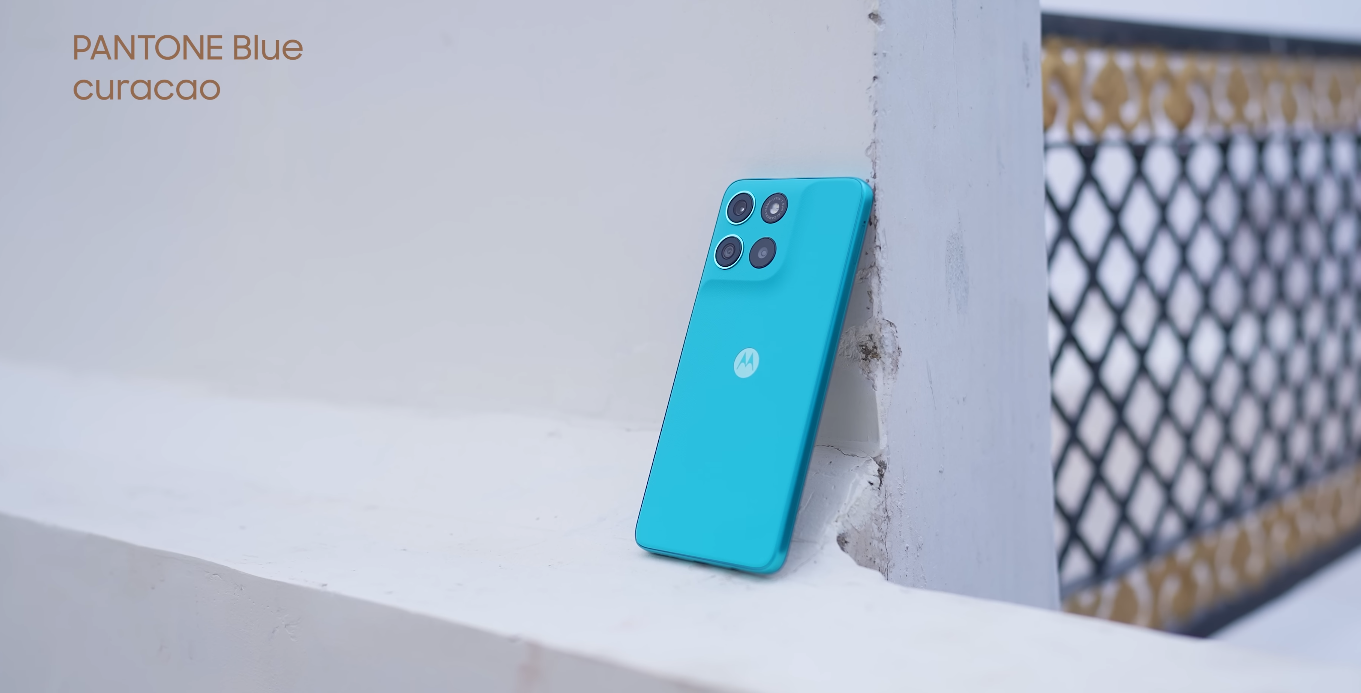
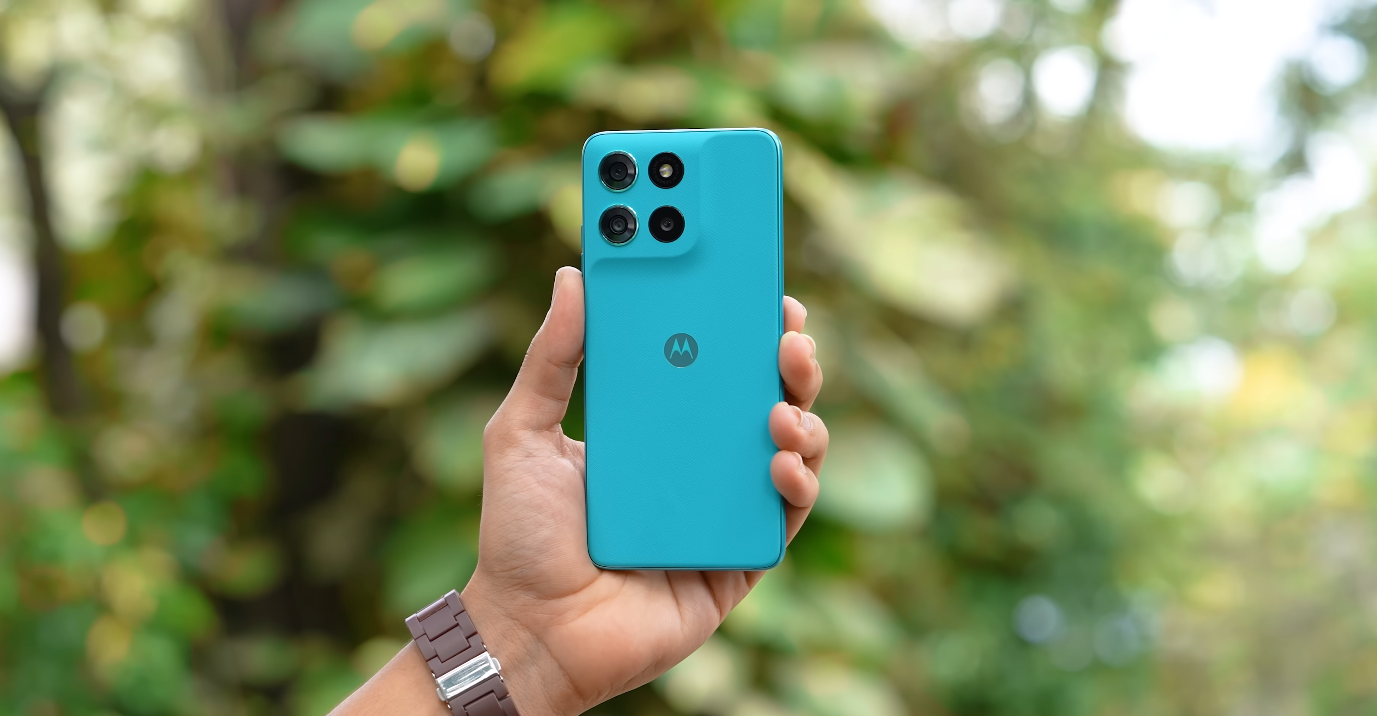
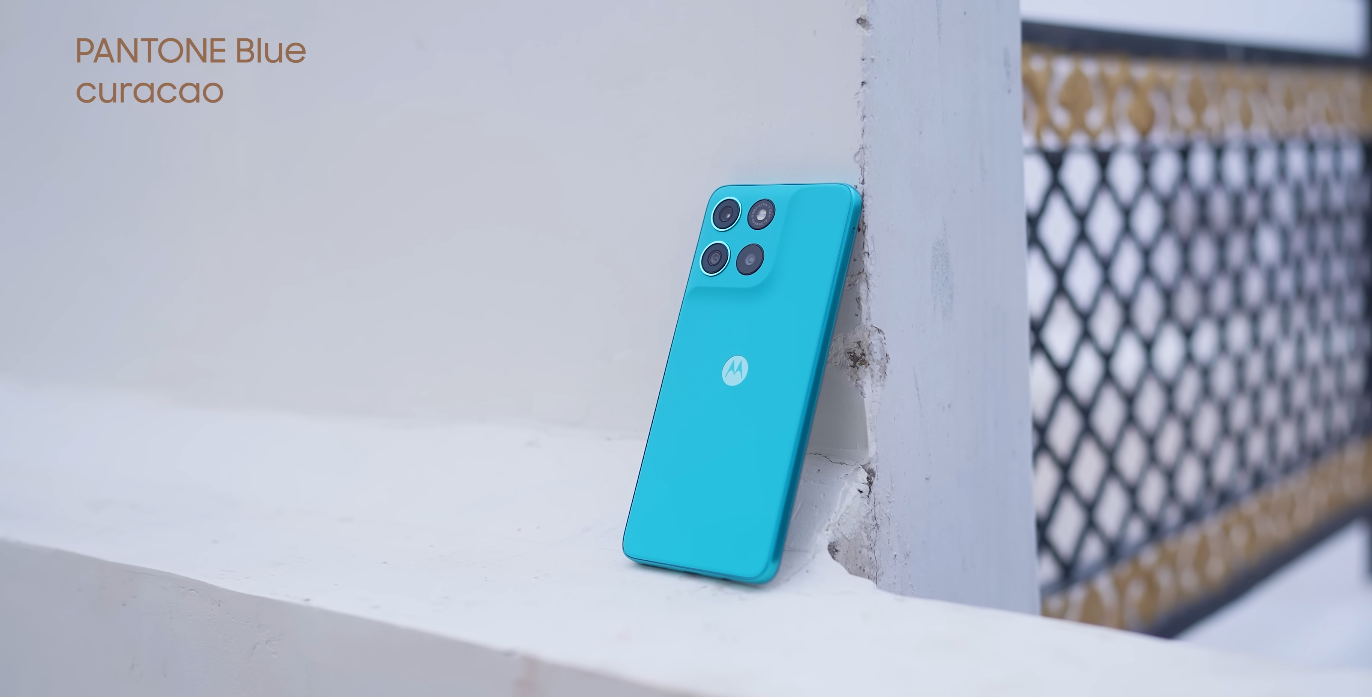
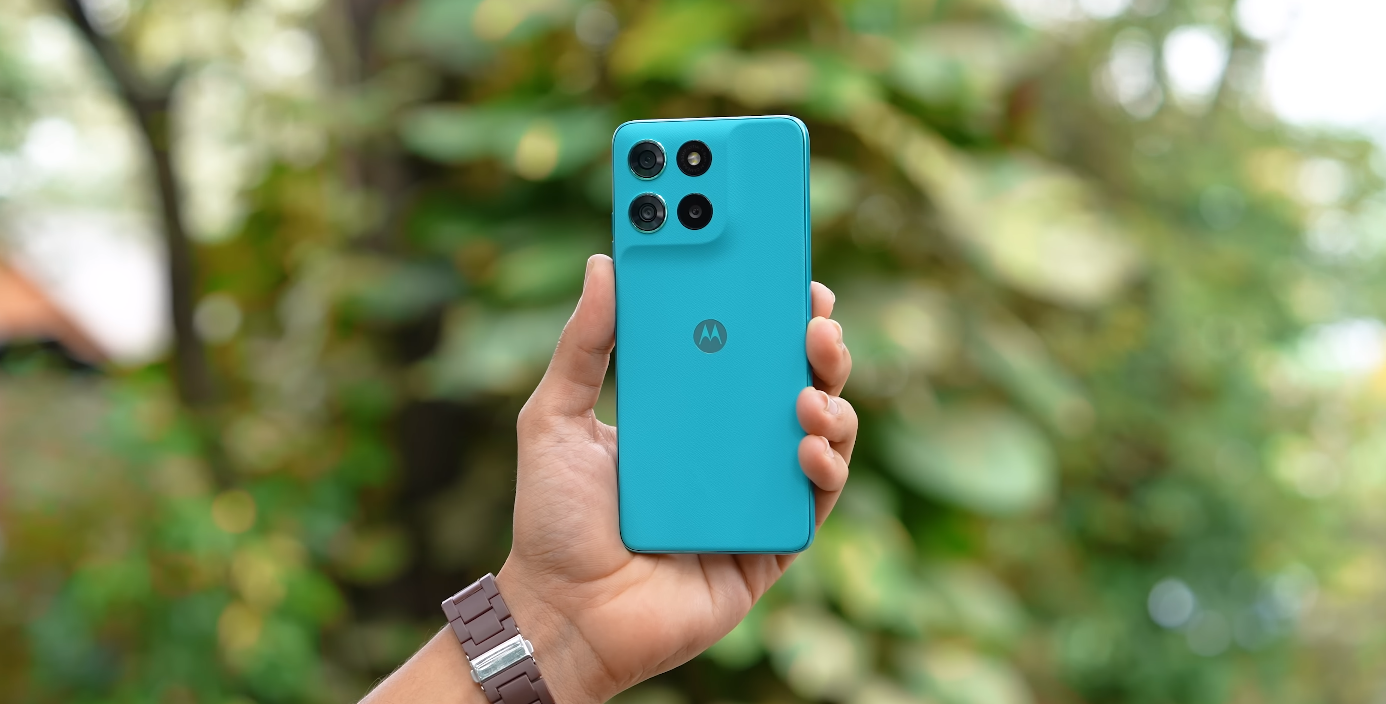
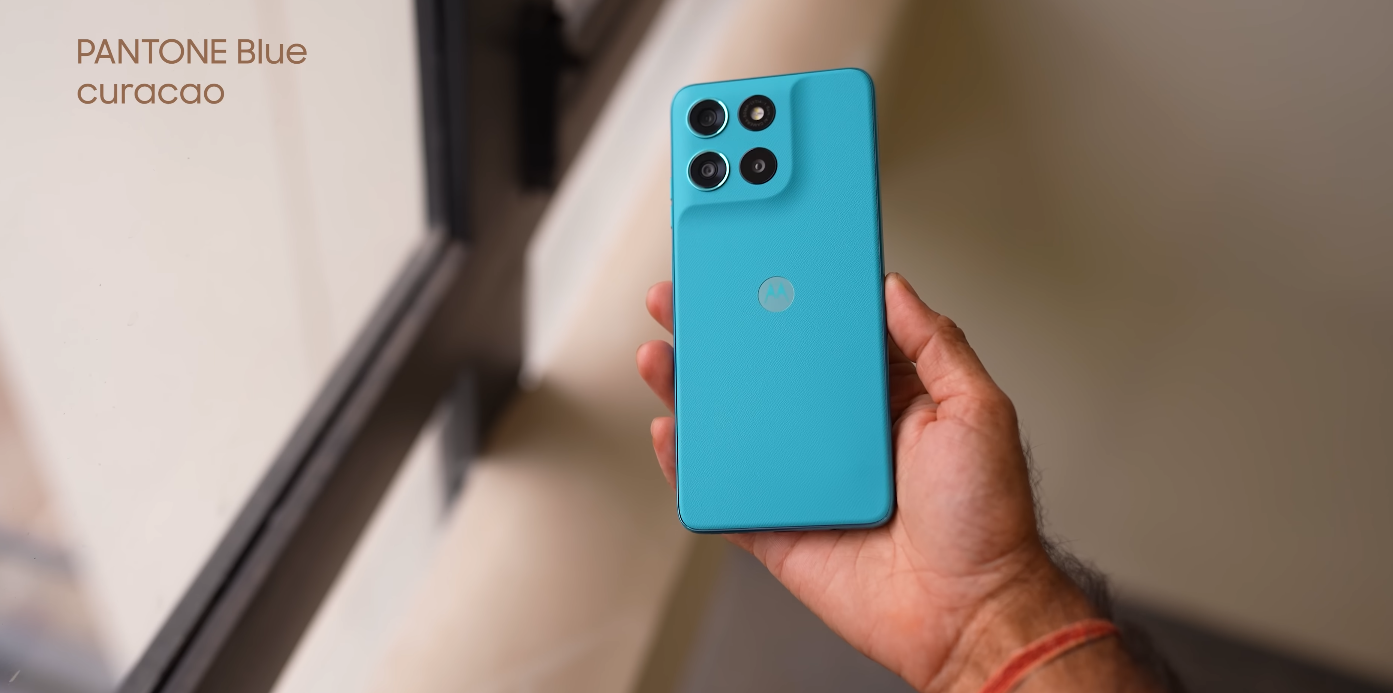
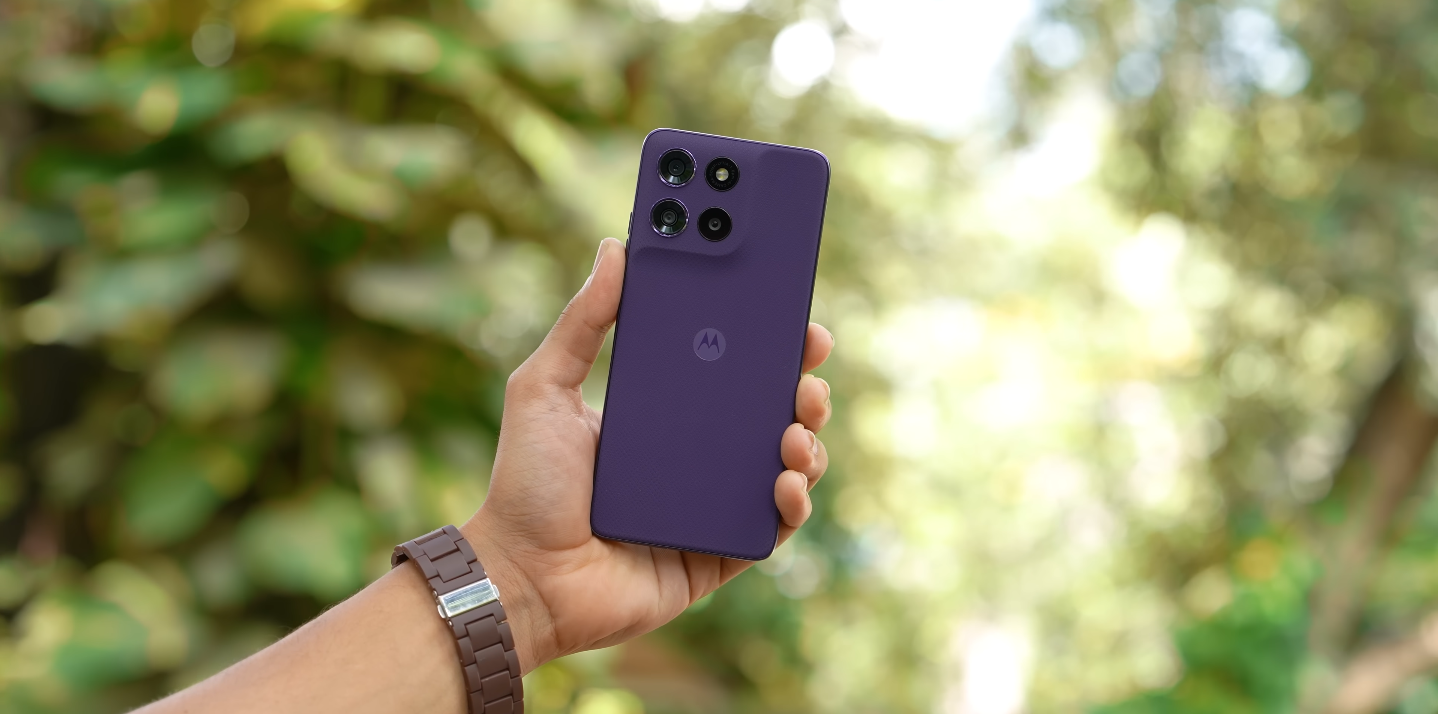
The phone features a sleek vegan-leather finish, available in three Pantone-certified shades — Parachute Purple, Blue Curacao, and Cilantro. The textured rear panel stands out with its soft-touch grip, designed to prevent smudges and offer better handling. This design choice makes the Moto G67 Power look and feel more sophisticated than most smartphones in its category.

Up front, the phone sports a large 6.7-inch Full HD+ display with a punch-hole camera at the center. Leaks confirm the screen supports a 120Hz refresh rate, providing smooth scrolling and fluid visuals. Although the panel is LCD rather than OLED, it’s protected by Corning Gorilla Glass 7i for added durability, a notable inclusion for a mid-range device.

Moto G67 Power hands-on images leaked online

The leaked images also reveal a symmetrical, minimalist front design with slim bezels. Motorola seems to have focused on achieving a modern look without compromising durability. The frame appears slightly curved, ensuring comfort during prolonged use. The device’s IP64 and MIL-STD-810H ratings promise resistance against dust, splashes, and accidental drops.

On the sides, the Moto G67 Power includes a side-mounted fingerprint sensor integrated into the power button. The volume rocker sits just above it, while the bottom houses a USB-C port, dual speakers, and a 3.5mm headphone jack — a feature that many users still appreciate. These additions highlight Motorola’s effort to keep functionality intact.

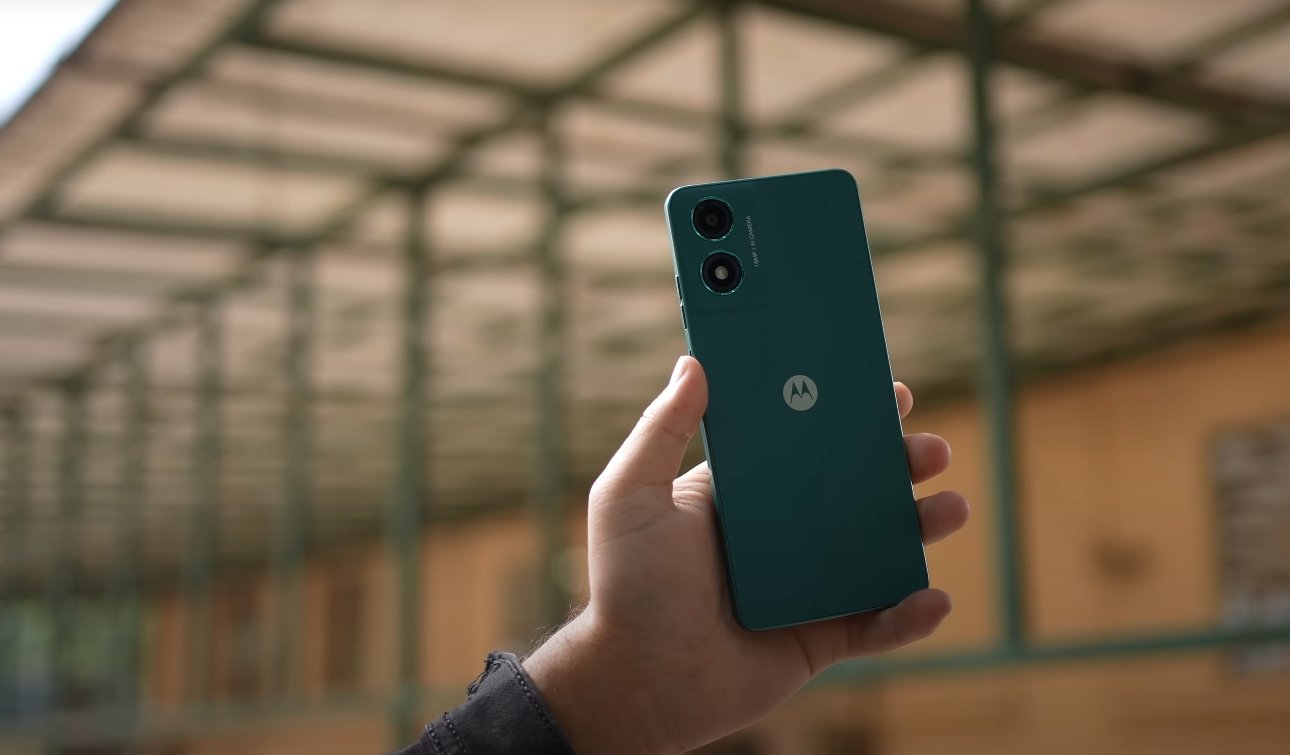
The back design showcases a refined triple-camera setup. The module houses a 50 MP Sony LYT-600 main lens, paired with an 8 MP ultra-wide sensor and a depth or macro sensor. The camera bump is modest and blends seamlessly with the back panel, maintaining a clean overall look. The Motorola “M” logo sits subtly at the center, adding to its premium aesthetic.

Reports suggest the phone measures around 8.6 mm thick and weighs close to 210 grams, mostly due to its massive 7,000 mAh battery. Despite the weight, leaked hands-on shots indicate that the phone feels balanced in hand, with the leather texture adding grip and reducing the chances of slipping.

The overall build quality appears solid, consistent with Motorola’s reputation for durable phones. Early impressions suggest that the Moto G67 Power strikes a fine balance between endurance, practicality, and visual appeal. It looks more premium than most phones in its segment while retaining everyday usability.

These hands-on leaks also hint at Motorola’s growing confidence in its G-series design philosophy. The Moto G67 Power seems aimed at users who want both longevity and style, packaged with thoughtful touches like a high-refresh display, large battery, and sturdy build.

As anticipation builds ahead of its launch, the Moto G67 Power already looks like one of the most promising mid-range smartphones of the year. If the final product matches what these leaked images show, Motorola may have another crowd favorite ready for Indian buyers in 2025.

Also Read:  Origin OS stands out in the UK for design and stability

Moto G67 Power to get Android 15 update soon

Moto G67 Power to get Android 15 update soon

Motorola’s software rollout plans gain attention

The Moto G67 Power has come into focus again as reports indicate that its next major software rollout is nearing readiness. The device already launched with Android 15 out of the box in several regions, but the upcoming update is expected to refine system performance, improve stability, and bring additional feature optimisations tied to Motorola’s Hello UI. This has drawn attention among users who prioritise consistent improvements after purchase.

Motorola had earlier outlined its software roadmap for the Moto G67 Power, confirming one major OS upgrade along with three years of ongoing security patches. While the device is already running Android 15, the upcoming update is still relevant because it includes incremental enhancements and firmware-level improvements that typically follow a launch cycle. These post-launch stabilisation updates are important for ensuring that the system maintains smooth operation across wider usage conditions.

The Moto G67 Power features a large battery and display technology designed for daily reliability, and upcoming firmware updates often fine-tune battery endurance, background app behaviour, and network performance. Early rollout builds being tested internally suggest that optimisation work is underway to balance power consumption with device responsiveness. Such refinements usually appear within the first few months of a phone’s market availability.

Moto G67 Power to get Android 15 update soon

Users in the UK and other international markets have shown interest in how quickly mid-range devices receive software support. In this case, the Moto G67 Power benefits from launching on the newest Android version rather than waiting for an upgrade. This means users already have access to the latest system-level privacy features, enhanced permission controls, and interface improvements that come standard with Android 15. The coming update is expected to further stabilise these enhancements.

There has also been discussion surrounding region-based update rollouts. Motorola typically deploys updates in phases, beginning with select batches before expanding to all supported markets. This approach is designed to monitor performance feedback and ensure compatibility across varied carrier configurations. Users may notice the update appearing at different times depending on their region and device variant, which is a standard procedure in over-the-air software distribution.

The Moto G67 Power’s update schedule reflects the broader trend in which manufacturers are expected to maintain consistency in post-launch support for mid-range handsets. As more consumers hold onto their devices for longer periods, the role of timely updates becomes increasingly significant. Ongoing patches, feature refinements, and system-level improvements contribute to a longer usable lifespan, which is a major purchase consideration in this segment.

Motorola’s decision to offer one major OS upgrade, in addition to the base Android 15 that the device ships with, provides users with clarity about the long-term experience. While some competitors in the mid-range category now offer extended OS upgrade cycles, Motorola’s approach focuses on stable performance and prolonged security maintenance rather than frequent version transitions. The upcoming software update aligns with this philosophy by improving the existing system environment rather than introducing large changes.

Buyers have also shown interest in the brand’s performance history with update reliability. Motorola has recently made efforts to improve the consistency of security patch delivery across its product range, and the Moto G67 Power is being watched to see how closely the company follows its stated timeline. Early security patches that arrived shortly after launch suggest a more proactive approach than in some previous cycles.

In practical terms, the upcoming Android 15-based update will likely be most visible in the smoothness of navigation, background process handling, and battery efficiency. These areas are commonly tuned after manufacturers collect broader usage data from real-world conditions. For everyday users, the benefit is a device experience that gradually becomes more refined rather than remaining static after purchase.

As anticipation builds for the rollout, the Moto G67 Power remains positioned as a reliable mid-range option that emphasises endurance and stable performance. The forthcoming update highlights Motorola’s commitment to maintaining the device’s software experience beyond its launch window. For users evaluating long-term usability, the continued refinement of Android 15 on this handset strengthens its appeal in markets where value and performance carry significant weight.

Moto G67 Power durability test shows strong build

Moto G67 Power durability test shows strong build

How Tough the Moto G67 Power Really Is

Durability tests for the Moto G67 Power indicate that Motorola has focused heavily on making this device more resilient than the average mid-range phone. For UK buyers who prioritise long-term toughness, the results show a solid mix of reinforced materials, practical protections and resistance to everyday wear.

The phone’s front protection is a major highlight. It uses Gorilla Glass 7i, a newer glass formulation designed to handle scratches and minor drops better than older versions. This gives the display a stronger defence against accidental knocks, pocket friction and minor falls, making it more suitable for daily UK commuting and outdoor use.

Durability tests also confirm that the Moto G67 Power meets MIL-STD-810H certification, a military-grade standard that simulates harsh conditions. This includes exposure to temperature changes, humidity, shocks and repeated drops. While this doesn’t mean the phone is indestructible, it does show that the overall construction is built to withstand more physical stress than typical budget devices.

Moto G67 Power durability test shows strong build

The device also carries an IP64 rating for dust and splash resistance. This helps protect against common UK situations like light rain, damp environments and dusty outdoor conditions. It’s not a full waterproof rating, but it provides added reassurance for everyday handling, especially in unpredictable UK weather.

Early durability impressions note that the frame and rear design feel sturdier than expected for its price category. The phone holds up well during general bend, pressure and impact tests, suggesting good internal reinforcement. This helps prevent structural flexing and gives the device a more premium sense of solidity in the hand.

Scratch resistance around the body and camera housing is also improved thanks to the materials used. While a case is still recommended for maximum protection, the phone’s outer shell can handle routine wear more comfortably than many competing models. Frequent bag or pocket use is less likely to produce significant cosmetic damage.

The large battery, often a potential weak point in durability for some phones, does not compromise the frame integrity. The Moto G67 Power’s internal layout appears to support the battery securely, helping the device maintain rigidity under pressure. This adds stability and reduces the risk of internal stress when the phone is accidentally dropped.

For UK users who carry their phone all day—across public transport, workplaces and outdoor areas—the G67 Power’s combination of toughened glass, reinforced chassis and splash protection makes it a practical choice. It suits buyers who need a reliable phone that can take more physical challenges without quickly showing wear.

Overall, the Moto G67 Power’s durability test results show a device built with longevity in mind. Its strong glass protection, military-grade certification and everyday resistance rating provide reassurance that it can handle the bumps and scrapes of real-world use. For UK buyers seeking a sturdy, dependable mid-range phone, the G67 Power stands out as a tough and trustworthy option.

Moto G67 Power early users praise its smooth performance

Moto G67 Power early users praise its smooth performance

First impressions highlight stable speed and fluid daily usage

The Moto G67 Power is already generating early feedback from users who have had hands-on time with the device before its wider rollout, and one repeating comment keeps appearing again and again: the phone feels smooth. This is not a marketing claim from the brand — these are early usability impressions from people who are interacting with the device in real world conditions. For a mid-range smartphone, that smoothness is a big deal. Most budget phones struggle with stutters, animation slowdowns and multitasking hiccups, but this model seems to be avoiding those common weaknesses, especially during everyday usage.

The biggest factor behind this smooth feel is its pairing of a modern 4nm Snapdragon 7s Gen 2 processor and an efficient memory management system. Early users are calling attention to how app transitions feel quick, how home screen navigation feels lag-free, and how normal scrolling through social apps stays fluid. The benefit here is not just the processor alone — the device is using a more balanced approach where software, chipset efficiency, memory handling and thermals work together. This integration helps the phone hold performance consistently throughout the day.

The 120Hz display has also been noticed immediately. High refresh displays are no longer limited to expensive models, but even in mid-range phones, the difference depends on how software and hardware sync. On this device, early users say the difference is visible — swiping feels instantly responsive, and UI animations look polished and sharp. Many budget phones still use 60Hz displays, which can feel slow and dated in comparison, so moving to 120Hz elevates daily usability in a way people notice right away.

Moto G67 Power early users praise its smooth performance

The battery size contributes indirectly to this smooth experience. With a 7,000mAh pack, the phone seems to stay cool and consistent even during longer use sessions, because the battery does not get stressed quickly. Some mid-range models heat up during basic usage and then throttle performance to maintain temperature. With this larger battery setup, users feel like the phone is not forced to cut performance speed just to preserve heat or power. This also means heavy social browsing, reels viewing, casual gaming and switching between apps do not cause the phone to slow down after extended periods.

Software polish is also playing a role in these early impressions. The device is running Android 15 in a clean, minimal setup without unnecessary preloaded clutter. This reduces background services, cuts down on resource waste, and gives the UI a fresher, quicker feel. In the mid-range category, too many brands overload their devices with custom themes and extra services that slow performance from day one. This model avoids that mistake and instead uses a simpler, stock-like interface that adds to the perception of quickness.

Another important point from early users is that this smoothness is not just limited to day one setup. Many mid-range phones feel fast when new but slow down once updates, apps and usage data start piling up. With this device, users say that after initial app installs, cloud sync and setup, the phone still feels snappy. That difference matters because mid-range buyers often keep their phones longer and do not want a device that becomes sluggish after a couple months.

For US-focused readers following international phone launches, this is notable because performance feedback is one of the earliest indicators of long-term user satisfaction. When early hands-on reports call a mid-range phone “smooth” before launch day hype fully hits, that usually means the internal tuning is well optimized. The G-series lineup has been known historically for endurance-heavy specs, but smoothness has not always been a guaranteed strength. In this case, however, early chatter suggests the G67 Power may hit a better balance between long-lasting battery life and fluid everyday operation.

In short, early real-world impressions suggest that the Moto G67 Power is not just a big battery phone — it is a legitimately smooth performer in daily scenarios. If this feedback holds true after launch and broad public usage, this model could become one of the strongest mid-tier value picks of the season for users who prioritize speed, responsiveness and day-to-day stability without paying flagship pricing.

Moto G67 Power sound quality review and verdict

Moto G67 Power sound quality review and verdict

How Good Is the Audio Experience on Motorola’s New Mid-Range Powerhouse?

The Moto G67 Power brings a big-battery design and smooth display to the mid-range segment, but its audio performance is just as important for everyday use. A closer look at its sound quality shows that Motorola has put real effort into making it a well-rounded entertainment device.

The phone features a dual-speaker setup, giving you stereo sound rather than the cheaper single-speaker arrangement many mid-range models still use. This immediately improves immersion when watching videos, gaming or streaming music. The soundstage is wider, and left-right separation adds a level of depth that noticeably boosts everyday media enjoyment.

In terms of tuning, the Moto G67 Power focuses on clarity. Vocals and dialogue come through cleanly, making it great for movies, podcasts and social media content. High frequencies remain controlled without sounding sharp or unpleasant. Bass, however, is where you see the limitations of a mid-range device. While present, it doesn’t carry the depth or punch that you’d find on more premium smartphones, especially in noisy environments.

Moto G67 Power sound quality review and verdict

Volume output is solid for indoor use. The phone gets reasonably loud without major distortion, but it doesn’t match flagship-level loudness or fullness. Outdoors or in crowded places, you might wish for a bit more power. Even so, for its class, the performance is perfectly acceptable and often better than many competitors in the same price bracket.

A major positive is the presence of the 3.5mm headphone jack — something many users still appreciate. Wired listening delivers better detail and dynamic range, especially with quality earphones. It also avoids the latency issues that can occur with some Bluetooth devices. This alone makes the phone more attractive to budget-conscious music lovers.

The Moto G67 Power also supports enhanced audio modes that fine-tune the listening experience depending on what you’re doing, such as gaming or movies. These profiles help improve clarity or widen the soundstage slightly, giving users more control without needing additional apps or accessories.

Overall, the Moto G67 Power provides strong audio performance for its segment. It doesn’t attempt to compete with flagship audio systems, but it comfortably outperforms typical mid-range sound setups. Stereo speakers, clear tuning, decent loudness and the rare inclusion of a headphone jack all combine to make it a great all-round entertainment device.

Verdict: The Moto G67 Power offers impressive sound quality for a mid-range phone. It’s clear, balanced and enjoyable for everyday content, with the bonus of wired audio for better detail. If you’re an audiophile seeking deep bass or rich flagship-level output, you’ll find its limits. But for most users, it delivers more than enough to enhance daily media use and firmly strengthens the phone’s appeal as a top mid-range option.

Moto G67 Power leaks hint at a massive battery upgrade

Moto G67 Power leaks hint at a massive battery upgrade

Motorola’s upcoming phone may focus heavily on battery performance

Motorola appears to be gearing up for another strong entry in its popular Power series, as new leaks surrounding the Moto G67 Power hint at a major improvement in battery endurance. Reports suggest that Motorola is planning to equip the smartphone with a significantly larger battery than the one used in the previous generation. This move aligns with the company’s continued focus on devices built for long-lasting usage, especially in markets like India where extended battery life is a key demand.

Early information circulating online indicates that the Moto G67 Power could feature a 7,000mAh battery, which would give it a noticeable advantage over most mid-range smartphones currently available. While Motorola has not officially confirmed the battery capacity yet, the leaks appear consistent with the brand’s strategy of offering high-endurance smartphones in the budget and mid-segment categories. A large battery like this could provide users with extended screen-on time, reducing the need for frequent charging.

Alongside the battery news, leaks also mention that the Moto G67 Power is expected to support fast charging technology. Although specific charging speeds have not been verified, the feature would help balance charging convenience with the massive battery capacity. Considering Motorola’s previous models, the device may likely support around 30W fast charging, which is fairly common in this range and helps shorten charging time.

Moto G67 Power leaks hint at a massive battery upgrade

In terms of design and build, the Moto G67 Power is rumored to maintain a modern appearance with a sleek profile, despite the increased battery size. Manufacturers often struggle to minimize thickness when integrating bigger batteries, but Motorola has previously managed to keep its Power models reasonably slim, which suggests the upcoming phone could follow a similar approach. Leaked renders suggest a clean rear finish, possibly available in multiple colors aimed at younger buyers.

The display on the Moto G67 Power is expected to be competitive for its segment, potentially featuring a Full HD+ resolution and a high refresh rate. These specifications would make it suitable for gaming and media streaming, where a stable battery backup becomes even more important. A smoother display experience paired with strong endurance could strengthen Motorola’s presence in India’s fast-growing mid-range smartphone market.

Camera improvements are also likely part of the new upgrade. While current leaks do not fully detail the camera hardware, expectations point to a higher-resolution primary sensor along with additional lenses for versatility. Motorola has been upgrading camera performance across more models recently, so improvements in low-light photography and video capabilities would not be surprising in the Moto G67 Power.

Performance is another area where Motorola may bring notable enhancements. Leaks suggest the smartphone could ship with a capable mid-tier chipset designed for power efficiency as well as 5G support. With India rapidly expanding its 5G network coverage, offering the technology in an affordable battery-focused device would help Motorola attract a broader audience. The phone may also come with RAM expansion features and enough internal storage for everyday needs.

If the leaked specifications prove accurate, the Moto G67 Power could be one of the most promising battery-focused smartphones expected to launch soon in India. Motorola’s strategy of combining strong battery life, useful performance upgrades, and competitive pricing has helped the company hold a steady position in the market. The upcoming model could continue strengthening that momentum.

Motorola has not yet revealed the official launch timeline, pricing, or full specifications for the Moto G67 Power. However, the consistent flow of leaks suggests that an announcement could be close. As anticipation grows, many consumers who prioritize endurance over premium-tier features may see this phone as a compelling option once it arrives on the market.

Also Read:  Origin OS earns strong user satisfaction in the UK market

Moto G67 Power set to dominate the budget segment

Moto G67 Power set to dominate the budget segment

Strong features push Motorola ahead in competitive pricing

Motorola is positioning the Moto G67 Power as a major contender in the budget smartphone category. The device focuses on long-lasting battery life, smooth performance and clean software, making it suitable for users who want a dependable daily-use phone without paying premium prices. The strategy behind this model centers on delivering practical value rather than just high numbers on specifications sheets.

The biggest highlight of the Moto G67 Power is its large 7000 mAh battery. This capacity is designed for multi-day use, reducing the need to charge frequently. It caters to users who travel often, watch videos for long hours or rely on their phone for work communication. The battery uses a durable cell structure aimed at maintaining long-term health even after extended usage patterns.

Supporting the large battery is 30W fast charging. While not the fastest charging rate in its segment, it is balanced for safety and battery longevity. The charging system is optimized to manage heat efficiently, ensuring that the battery remains stable over time. This combination aims to give users both endurance and reliability in everyday use.

Moto G67 Power set to dominate the budget segment

The Moto G67 Power runs on the Snapdragon 7s Gen 2 chipset, built for efficient performance. This processor balances speed with power consumption, helping the phone maintain smooth performance without quickly draining the battery. The device comes with 8GB of RAM and also supports virtual RAM expansion, which helps in multitasking and running heavier apps with fewer slowdowns.

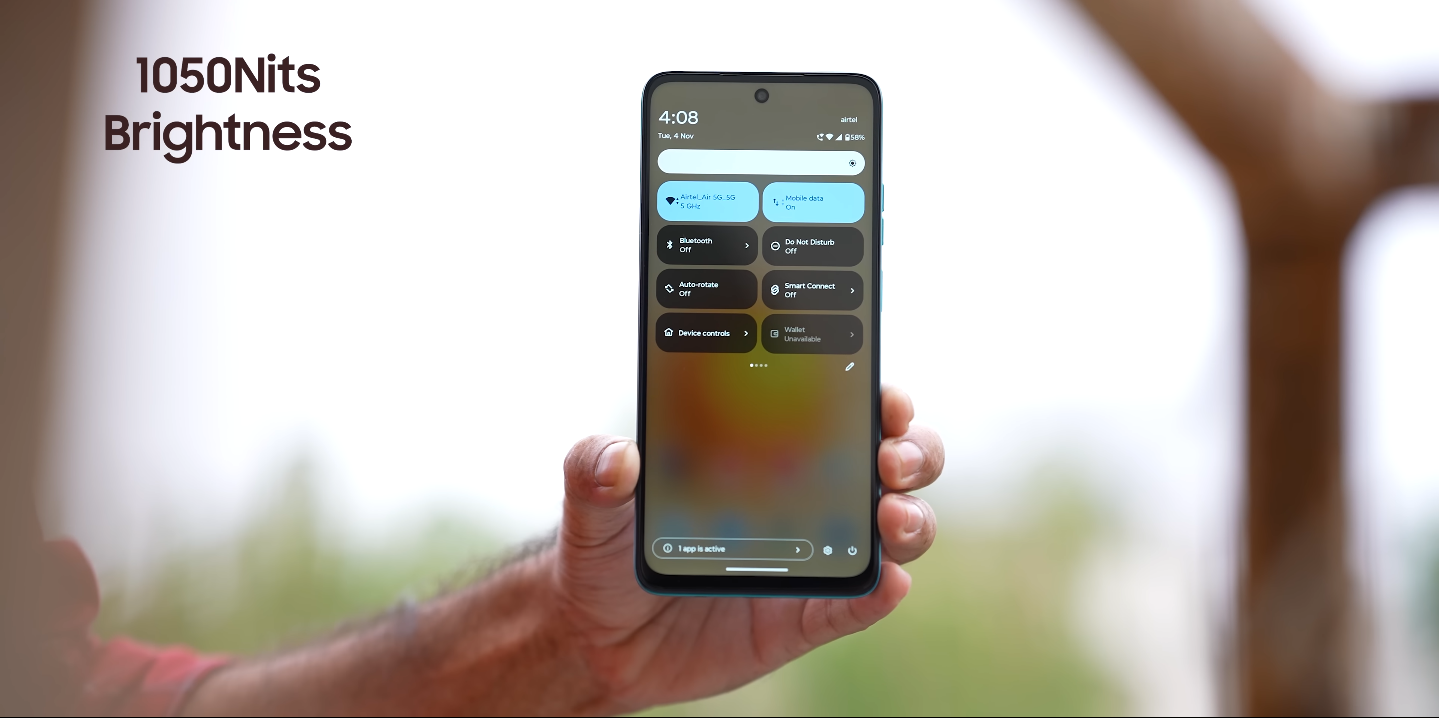
The device features a 6.7-inch Full HD+ display with a 120Hz refresh rate. The higher refresh rate makes scrolling, transitions and app interactions feel more responsive. The screen size is designed for comfortable media viewing and browsing without making the phone bulky to handle. The display protection adds durability against everyday screen impacts and scratches.

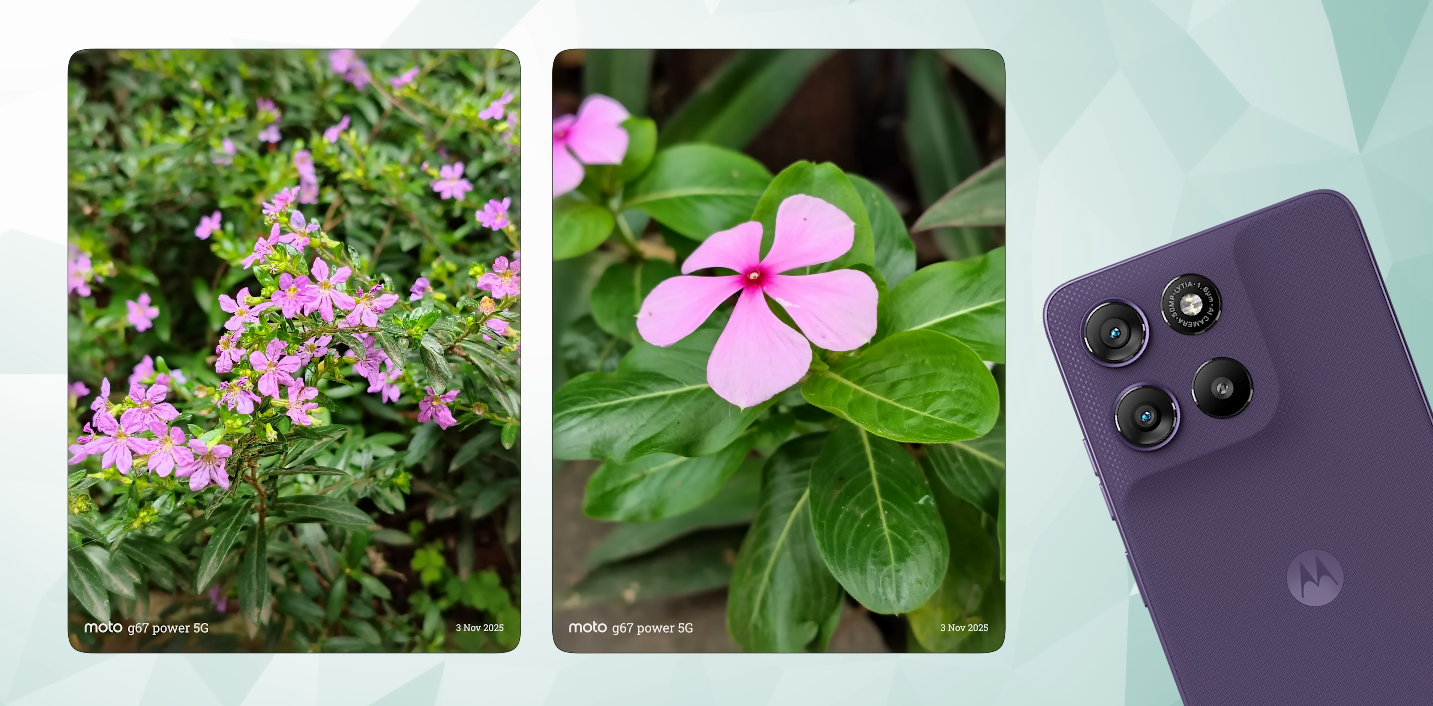
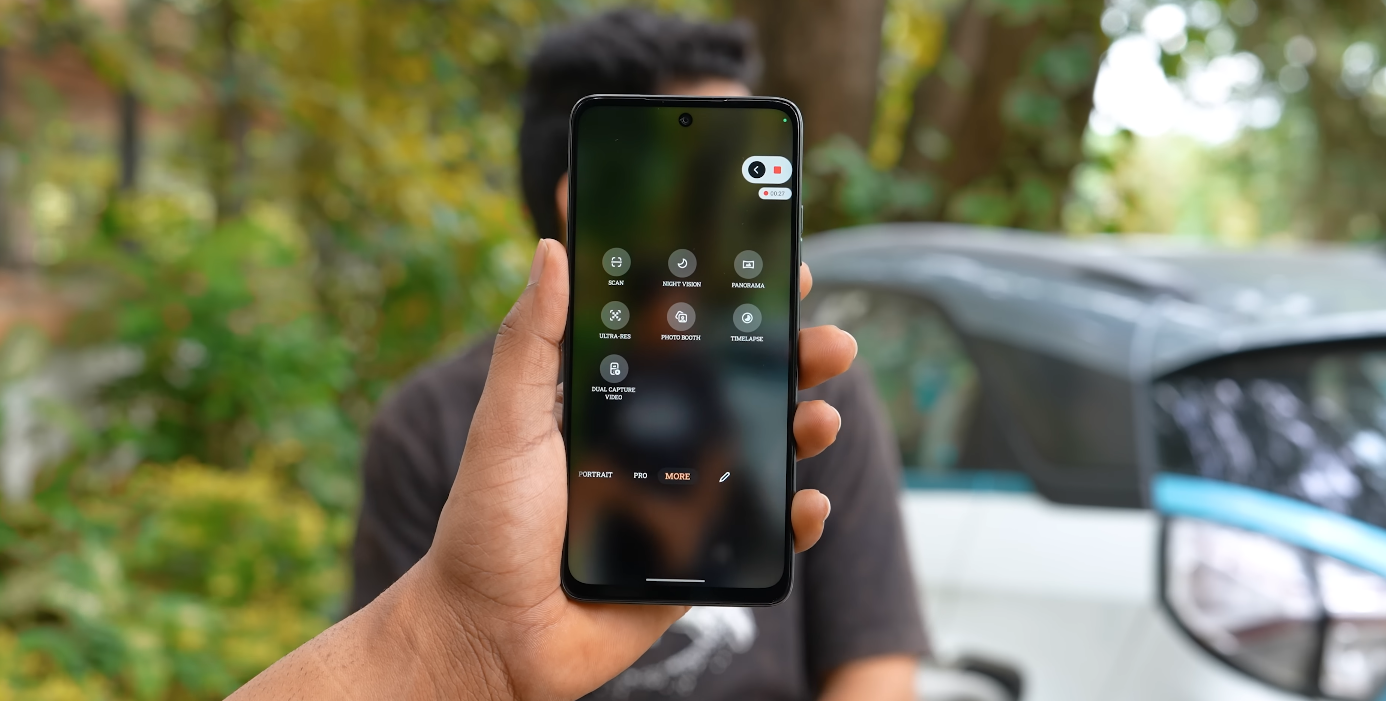
For photography, the Moto G67 Power includes a 50-megapixel primary camera along with an 8-megapixel ultra-wide camera. The main camera focuses on clarity and balanced color reproduction, especially in daylight. The ultra-wide lens is designed for broader landscapes and group shots. On the front, a 32-megapixel camera supports detailed selfies and smooth video calling. Camera software modes are available to support creative use cases like time-lapse recording and dual-camera shooting.

Durability is another key focus of the Moto G67 Power. The device comes with a splash-resistant body rating and reinforced internal structure to handle daily wear and minor accidental drops. Some variants also include a vegan leather finish on the rear, which provides a better grip and a premium touch compared to standard plastic finishes. The overall build is meant to sustain long-term everyday usage.

The Moto G67 Power ships with Android 15 and Motorola’s Hello UX interface. The interface maintains a clean and near-stock Android feel, avoiding unnecessary apps that slow down the device. The software also includes gesture shortcuts for quick actions. Motorola has confirmed that the device will receive one major Android upgrade and multiple years of security updates, ensuring that the phone remains secure and relevant for a longer period.

Pricing places the Moto G67 Power in the competitive lower mid-range category. Motorola is targeting users who want dependable performance and battery life without spending more on premium models. With 5G support, stereo speakers, expandable storage and a smooth display, the device offers a balanced feature set that fits daily usage needs across entertainment, communication and work. As the smartphone market becomes more crowded, the Moto G67 Power stands out by focusing on consistent performance rather than short-term hype.

Overall, the Moto G67 Power is positioned to appeal to users who value long battery life, stable performance and clean software. By keeping the experience focused on practicality and durability, Motorola aims to strengthen its presence in the budget segment and offer users a smartphone that remains useful for years rather than months.

Also Read:  Users In UK Say Galaxy M16 5G Is Better Than Expected

Moto G67 Power display refresh rate impresses users

Moto G67 Power display refresh rate impresses users

Why the 120 Hz screen feels premium on a budget-friendly phone

The Moto G67 Power has been earning praise for its smooth and responsive display, with the 120 Hz refresh rate emerging as one of the device’s standout features. For a mid-range smartphone, this high refresh rate is not always guaranteed, making its inclusion a major advantage for users who value fluidity and visual comfort. Early impressions show that Motorola’s choice of panel significantly improves everyday interactions.

Users immediately notice the difference when scrolling through social media, navigating menus or switching between apps. The higher refresh rate allows content to glide across the screen rather than jump or stutter, creating a more refined user experience. Even basic tasks such as browsing news articles or swiping through photos feel smoother, giving the phone a premium touch far above its price class.

Animations also benefit from the 120 Hz panel. Interface elements appear more controlled and cohesive, with pop-ups, transitions and gestures responding more naturally. This contributes to the sensation that the phone is faster than it actually is, because visual feedback is more immediate. For users upgrading from older devices with 60 Hz screens, the improvement is particularly noticeable.

Moto G67 Power display refresh rate impresses users

Gaming performance is another area where the refresh rate stands out. Although the Moto G67 Power is not positioned as a high-end gaming phone, the smooth screen helps during gameplay in titles that support higher frame rates. Fast-moving visuals look cleaner, and touch interactions feel quicker, injecting more confidence into action-based games. The experience doesn’t reach flagship-level gaming standards, but it is a major improvement for the mid-range category.

The display’s fluidity also enhances multitasking. Switching between apps, dragging items across the screen and operating split-screen modes feel more responsive thanks to the extra frames. This smoothness gives the device a snappier feel during productivity tasks, helping users accomplish more with less frustration during long usage sessions.

In daily UK use, the high refresh rate becomes especially valuable. During commutes, browsing long webpages or scrolling through apps feels easier on the eyes. The extra smoothness helps users maintain comfort even when viewing content in motion, reducing the sense of drag or jitter that slower screens sometimes cause. This contributes to a more pleasant overall experience whether indoors or outdoors.

Battery efficiency remains reasonable despite the faster refresh rate. The Moto G67 Power’s large battery supports the high refresh panel without excessive drain, and adaptive software helps shift the refresh rate as needed. Users can enjoy the screen’s benefits without sacrificing endurance, maintaining long usage times between charges.

Even though the display does not match flagship OLED panels in peak brightness or contrast, it performs well for its category. Colours appear balanced and consistent, and visibility remains adequate in typical outdoor conditions. The refresh rate itself becomes the feature that elevates the screen above many competitors in the same price bracket.

Overall, the Moto G67 Power’s 120 Hz display has become one of the most appreciated aspects of the device. It transforms everyday tasks into smoother, more enjoyable interactions, giving the phone a premium feel without inflating the cost. For buyers who prioritise a responsive, fluid visual experience, this refresh rate is a compelling advantage.

In summary, the Moto G67 Power impresses users by delivering a 120 Hz panel that enhances performance, gaming, readability and general responsiveness. It is a key reason the device stands out in the mid-range market, offering a flagship-like experience at an accessible price.