Microsoft’s Gaming Fixes for Windows 11: Too Little, Too Late Against SteamOS?

Microsoft's Gaming Fixes for Windows 11: Too Little, Too Late Against SteamOS?

The Gathering Storm: Why Microsoft’s Windows 11 Gaming Fixes Might Be Outmatched by SteamOS

For decades, Windows has reigned supreme as the undisputed operating system for PC gaming. Its dominance felt absolute, a seemingly unshakeable foundation for an entire industry. However, recent developments suggest this long-held status quo is beginning to face its most significant challenge yet from an unexpected quarter, prompting many to question if Microsoft truly understands its core gaming audience.

There’s a growing sentiment among PC gaming enthusiasts that Microsoft has, for quite some time, overlooked their specific needs. Rather than focusing on optimisation and performance, new Windows iterations often bring unwelcome changes. This perceived indifference has slowly chipped away at the loyalty of a user base that demands peak performance and a streamlined experience.

The rise of SteamOS, Valve’s Linux-based operating system, initially powered by the Steam Deck, has fundamentally altered the landscape. What was once considered a niche or experimental platform is now demonstrating remarkable capability. It offers a compelling, gaming-centric alternative, free from the traditional bloat and telemetry associated with Windows.

SteamOS, particularly through Proton compatibility layer, has proven its ability to run a vast majority of Windows games with impressive performance. This has opened the door for many gamers to consider a genuine alternative. The promise of a dedicated gaming environment, crafted by a company deeply embedded in the PC gaming ecosystem, resonates strongly with players.

Microsoft’s recent announcements regarding improvements to Windows 11 for gaming appear to be a direct response to this emerging threat. Features like Auto HDR, DirectStorage, and various performance tweaks are certainly welcome. They demonstrate an acknowledgement, albeit a delayed one, that the Windows gaming experience needs attention.
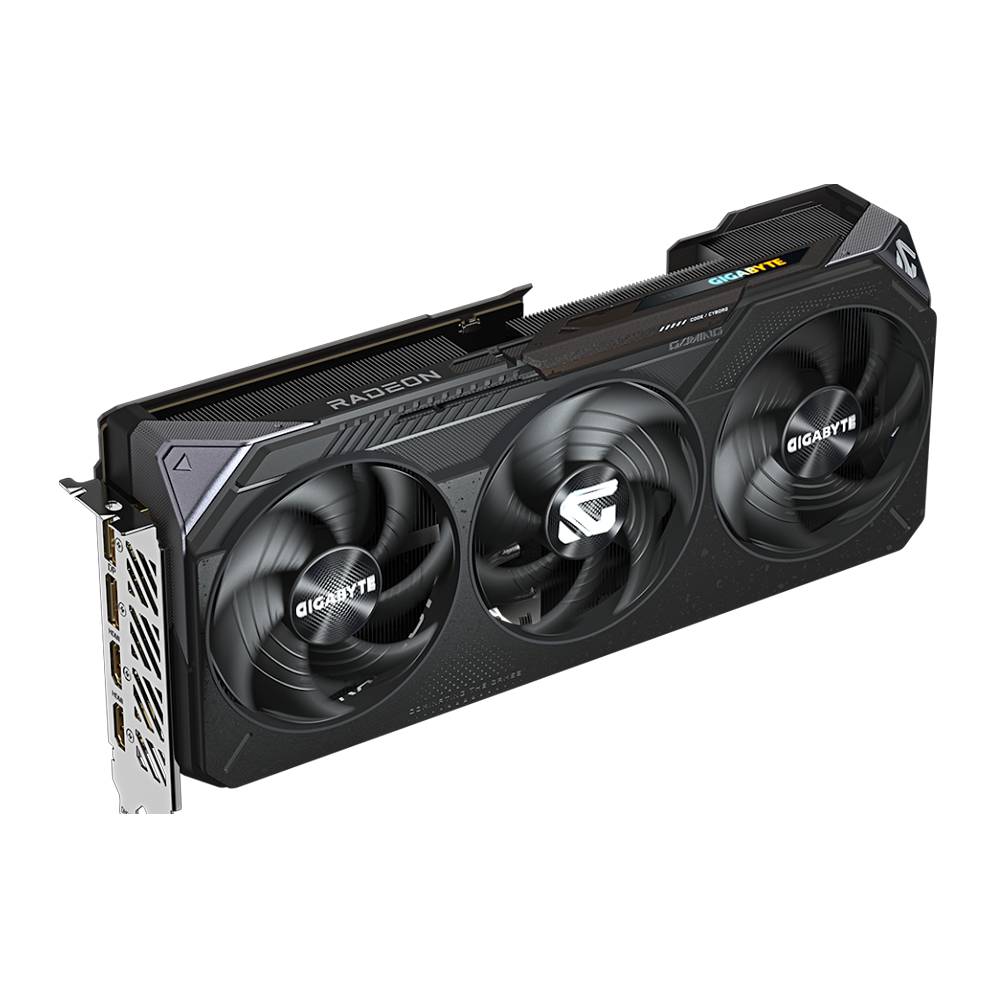
However, for many in the community, these efforts feel like a case of “too little, too late.” The issues that have plagued Windows 11 for gamers, such as intrusive updates, fluctuating performance, and a user interface that sometimes feels disjointed, have already driven a segment of the audience to explore other options. Trust, once implicit, is now wavering.

The shift towards SteamOS isn’t just about raw performance; it’s also about philosophy. Gamers are increasingly drawn to an open-source ethos that prioritises player control and a system designed from the ground up for gaming. This contrasts sharply with Windows, which must cater to a vast array of users and applications, inevitably leading to compromises.

Furthermore, the perceived lack of agility from Microsoft in addressing long-standing gaming frustrations has been a point of contention. While SteamOS is continuously refined with direct input from the gaming community, Windows development often feels slower and less responsive to specific gaming demands. This difference in approach is becoming more apparent.

The success of the Steam Deck, and by extension SteamOS, has proven that there is a significant appetite for a dedicated gaming OS. It’s not merely a handheld console; it’s a proof of concept for a desktop-class Linux gaming experience. This has spurred other hardware manufacturers and developers to take Linux gaming more seriously, further eroding Windows’ monopoly.

Microsoft’s belated attempts to ‘fix’ Windows 11 for gaming, while potentially beneficial, may struggle to recapture the momentum lost to SteamOS. The challenger has already established a credible foothold, offering a compelling narrative of freedom and specialisation. The conversation has moved beyond mere feature parity to fundamental design philosophy.

The stakes are high. If Microsoft fails to genuinely reconnect with the PC gaming community and deliver a consistently superior experience, the erosion of its market share could accelerate. Windows may always be a general-purpose powerhouse, but its position as the default, undisputed choice for serious PC gamers is now genuinely under threat.

Ultimately, the landscape of PC gaming is evolving, and with it, the expectations of players. The rise of SteamOS represents more than just a new operating system; it’s a paradigm shift. Microsoft must do more than just offer incremental improvements; it needs to demonstrate a fundamental understanding and commitment to the future of PC gaming to truly compete.


Also Read:  NordVPN Unveils Advanced Email Protection: Safeguarding Your Inbox from Phishing and Malware
Moto G67 Power selfie camera quality detailed

Moto G67 Power selfie camera quality detailed

Motorola’s new 32MP front camera delivers clarity and natural tones

The Moto G67 Power introduces a major upgrade to Motorola’s selfie camera lineup with its 32MP front-facing sensor. The company has designed this camera to meet the growing demand for high-quality selfies, video calls, and short-form content creation, especially among younger users and social media enthusiasts.

Motorola has confirmed that the 32MP camera features an f/2.2 aperture, optimized for balanced exposure in most lighting conditions. This setup captures clear, detailed selfies with accurate skin tones in daylight and well-lit indoor environments. The sensor uses pixel-binning technology to improve image clarity, producing sharp results even when zoomed or cropped for social media uploads.

In terms of performance, the selfie camera benefits from Motorola’s AI imaging software. The system automatically adjusts exposure, sharpness, and color balance to ensure natural-looking results. The portrait mode has also seen improvements, with better edge detection and smoother background blur, creating a professional finish without over-processing.

Moto G67 Power selfie camera quality detailed

For low-light scenarios, the Moto G67 Power relies on AI-based noise reduction and automatic exposure control. While the f/2.2 aperture limits light intake compared to flagship models, Motorola’s software tuning compensates effectively, making the selfies usable and relatively clean under artificial or dim lighting. Users can also enable night mode on the front camera to further enhance clarity in darker environments.

The phone supports up to 4K video recording from the front camera at 30 frames per second. This makes it suitable for vloggers and content creators who prefer front-facing footage. The camera’s electronic stabilization helps reduce shakes during handheld shooting, and the HDR processing ensures consistent contrast and brightness across frames.

Motorola has also added AI beauty and enhancement options, which users can customize. Unlike aggressive filters found in some smartphones, these settings offer a subtler effect, maintaining a natural look. This approach aligns with Motorola’s design philosophy of realistic color reproduction and minimal software interference.

Moto G67 Power selfie camera quality detailed

The camera app provides multiple selfie-focused modes, including portrait, group selfie, and gesture capture. These features make it easier to frame shots and trigger the shutter hands-free. The wide-angle option allows more people or background elements to fit into the frame, ideal for travel selfies or group photos.

Audio clarity in selfie videos has been optimized through advanced noise cancellation. Combined with the 4K video support, the front camera offers an impressive package for users who record short videos or livestreams. The focus performance is responsive, keeping subjects sharp even with movement or varying lighting.

In day-to-day use, the Moto G67 Power’s front camera delivers reliable results for selfies, reels, and video calls. It performs best in outdoor and indoor daylight conditions, where colors appear vibrant and skin tones remain consistent. Even without high-end optical hardware, Motorola’s AI processing ensures that image quality stays competitive with more expensive mid-range phones.

Overall, the Moto G67 Power’s selfie camera stands out as one of the strongest in its category. With 32MP resolution, 4K recording capability, and refined AI tuning, it provides a balanced experience that caters to both casual users and content creators. For a phone in its price range, Motorola has achieved an impressive blend of clarity, color accuracy, and convenience for front-facing photography.

Also Read:  UK fans react to Dell 14 Plus 2 in 1’s early hands-on impressions

Moto G67 Power to feature Gorilla Glass protection

Moto G67 Power to feature Gorilla Glass protection

Durable Design Boost for the Moto G67 Power

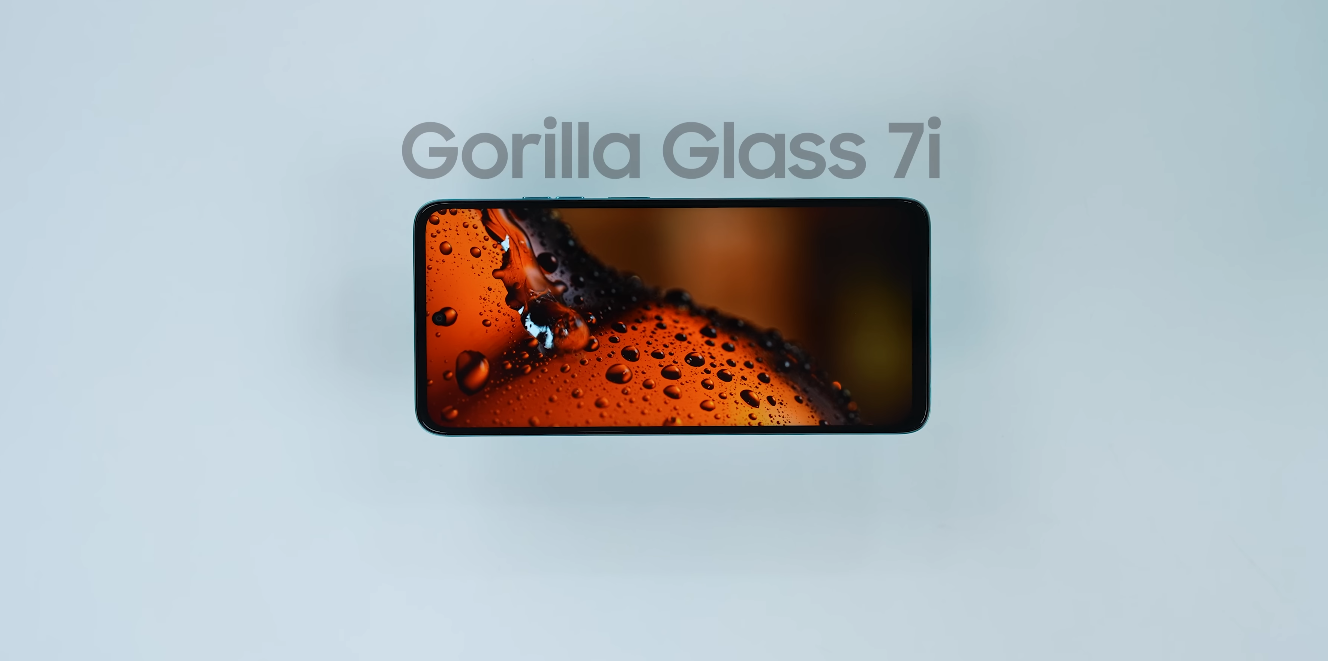
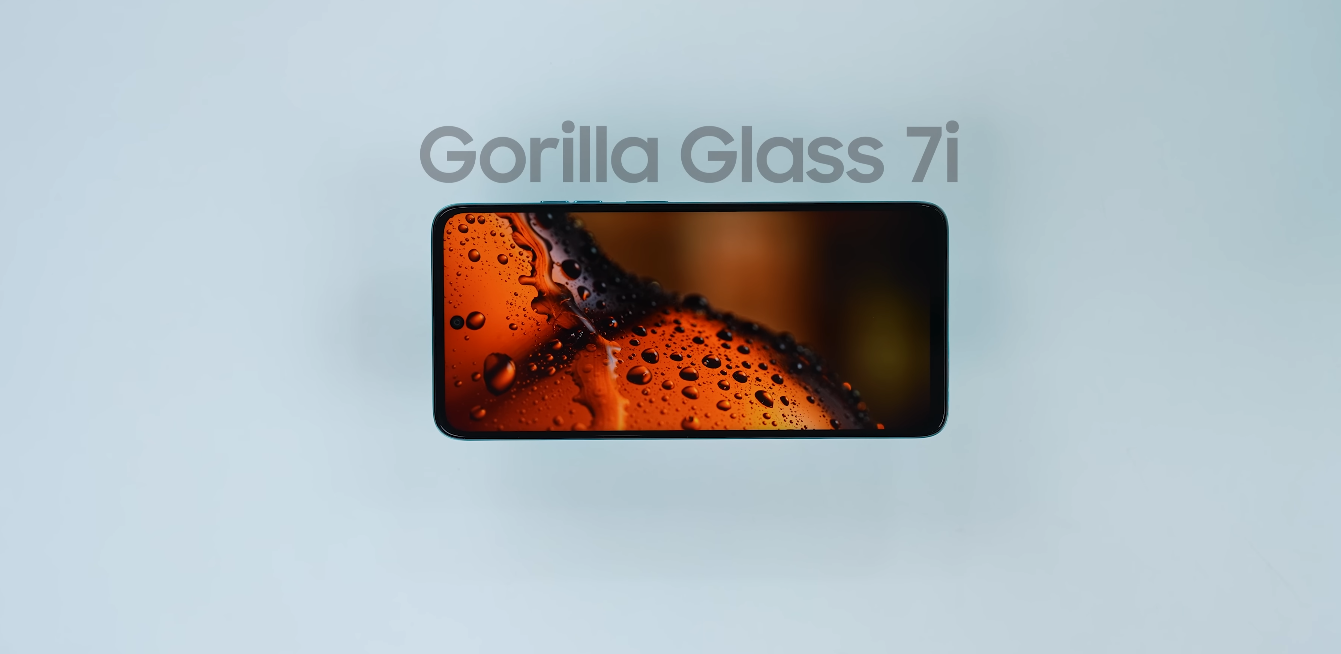
The new Moto G67 Power includes a notable upgrade in durability with the inclusion of Gorilla Glass 7i on the front display. This move shows Motorola’s commitment to bringing stronger protection even in the value segment, helping the phone better withstand daily wear and tear, drops, and scratch risk.

By using Gorilla Glass 7i, the Moto G67 Power gives users improved resistance compared with older/lower-tier phones that often use standard glass or older Gorilla Glass versions. For UK buyers, this means a lower-cost device doesn’t necessarily force big compromises on build quality or display protection. It makes the phone better suited for everyday use, mobile gaming, commuting, outdoor usage and more.

In addition to the glass upgrade, Motorola backs the durability with IP64 water/dust resistance and MIL-STD-810H certification in many regions. That combination means the device is better equipped to cope with real-world conditions—light rain, dust, drops from moderate height—than typical budget phones which may lack these protections.

Moto G67 Power to feature Gorilla Glass protection

It’s worth noting that while Gorilla Glass 7i adds resilience, no mobile glass is invulnerable: users should still consider screen protectors or cases if they are particularly safety-conscious or use their phone in tougher environments. Also, other display technologies (like OLED) may offer deeper blacks or higher contrast, so build quality is one piece of the overall experience.

For budget-aware UK buyers who want a phone with better than average durability without spending premium-flagship money, the Moto G67 Power stands out as a smart option. It combines a high refresh rate display, strong specs and now stronger protection—all of which add up to better value.

Overall, the Moto G67 Power’s upgrade to Gorilla Glass 7i is a clear win in the value segment. It closes the gap between budget and premium in terms of durability, giving buyers confidence the device is built for everyday use with more serious protection than many rivals.

Moto G06 Power safety regulatory certification USA

Moto G06 Power safety regulatory certification USA

Ensuring Compliance and Safety Standards

The Moto G06 Power has received the necessary safety and regulatory certifications required for sale in the United States. These certifications are essential for ensuring the device meets federal standards for electromagnetic emissions, electrical safety, and overall consumer protection.

One of the primary certifications is from the Federal Communications Commission (FCC). This confirms that the device complies with U.S. regulations regarding radiofrequency emissions and electromagnetic interference. FCC certification is a mandatory requirement for any phone sold in the U.S., ensuring that the Moto G06 Power can operate safely without disrupting other electronic devices.

Moto G06 Power safety regulatory certification

In addition to FCC approval, Motorola has ensured the device meets UL and TÜV safety standards. These certifications indicate that the phone’s design, battery, and charging system have undergone testing for electrical safety, thermal management, and durability. Meeting these standards helps protect users from risks like overheating, short circuits, or battery malfunctions.

Motorola also issues a Statement of Compliance for its devices, confirming that each unit adheres to all relevant U.S. regulations. This documentation reassures buyers that the Moto G06 Power has passed the required tests and inspections before hitting the market.

For consumers, these certifications mean that the phone is safe to use under normal conditions, and it can be charged and operated in the U.S. without violating regulatory requirements. It also ensures eligibility for warranties, support, and carrier activation, which may be contingent on certified devices.

In summary, the Moto G06 Power’s FCC, UL, and TÜV certifications, along with Motorola’s compliance documentation, confirm that the device meets U.S. safety and regulatory standards. Buyers can feel confident that the phone has passed necessary safety checks and can be used reliably in everyday scenarios.

Moto G67 Power Rumored to Feature 120Hz Display

Moto G67 Power Rumored to Feature 120Hz Display

Premium screen in the mid-range landscape

The upcoming Moto G67 Power 5G is reported to boast a high-refresh-rate display, signalling a strong move in the mid-range segment. Indian launch reports claim a 6.7-inch Full HD+ LCD panel with a 120Hz refresh rate, positioning this handset among the few in its price class offering such fluid visuals.

Motorola confirms the display spec on its official site, listing the 120Hz refresh rate alongside the 6.7-inch size. Additional details include HDR10+ support and up to 1,050 nits peak brightness, which would boost outdoors visibility. The panel is protected by Gorilla Glass 7i, adding durability to the design.

Pairing the screen with the Snapdragon 7s Gen 2 chipset and 8GB RAM amplifies the display’s impact. A high refresh rate is most useful when the GPU and CPU can deliver smooth frame-rates; early spec sheets suggest this phone is tuned for that. This combination could provide smoother scrolling, gaming, and general responsiveness compared to older 60Hz models in this price bracket.

Moto G67 Power Rumored to Feature 120Hz Display

For Indian buyers, this is notable because many phones in the sub-₹20,000 range still ship with 60Hz or sometimes 90Hz displays. By offering 120Hz, the Moto G67 Power raises the bar for what to expect at this budget level. The move also aligns with consumer demand for smoother animations, better gaming experience, and overall better UI fluidity.

There are still trade-offs, however. The panel is reported to be LCD rather than OLED, meaning contrast and black levels may not match the deeper blacks and vibrant colours of OLED competitors. Additionally, while 120Hz is a strong spec, real-world software optimisation and GPU power will determine how noticeable the improvement is.

From a design and usage perspective, the 120Hz display also means increased battery drain compared to 60 Hz panels—though the Moto G67 Power mitigates this with a large 7,000 mAh battery. In theory, users may still enjoy long battery life even while taking advantage of the smoother screen.

In summary, if the rumours and spec sheets are accurate, the Moto G67 Power’s 120Hz display is a strong differentiator in its segment. For Indian consumers seeking a better-than-average visual experience without paying flagship pricing, this phone could hit a sweet spot by combining performance, battery endurance, and display smoothness.

Moto G67 Power to offer better battery efficiency

Moto G67 Power to offer better battery efficiency

Motorola fine-tunes endurance to boost daily usability

The Moto G67 Power 5G appears poised to deliver improved battery efficiency beyond just a large capacity. Motorola has tuned both hardware and software in this latest model to offer longer usable time, and this could make a real difference for users who rely on their smartphones from morning commute to late evening.

While the phone features a generously sized battery, the key change lies in the efficiency of its 4 nm-class Snapdragon 7s Gen 2 chipset and the revised power-management system. The combination is expected to draw less power during everyday tasks like browsing, social media and video streaming, allowing longer unplugged usage compared with many rivals.

The high-refresh-rate 6.7-inch display on the G67 Power 5G still delivers smooth visuals, but Motorola has added smart optimisations—such as adaptive refresh and lower brightness thresholds—that help conserve battery when the premium refresh rate isn’t strictly necessary. This ensures that the impressive battery doesn’t get drained too quickly on lighter usage days.

Moto G67 Power to offer better battery efficiency

In addition to hardware and display improvements, Motorola has introduced an updated software environment with power-saver tools tailored for modern usage patterns. Features such as intelligent background-app freezing, rapid wake-sleep state transitions and more efficient memory management all help reduce unnecessary power draw while keeping performance responsive.

Another practical benefit is the improved thermal management inside the phone. Better heat dissipation not only maintains cooler operation under load but also limits the power spikes and throttling that often force processor-intensive phones to burn through battery faster. For users who game, stream or switch apps frequently, this could result in noticeably longer endurance.

Motorola’s decision to pair efficiency improvements with the already large battery means the phone is not just about raw capacity but about smarter daily usage. In real-world terms, users might expect the Moto G67 Power 5G to last comfortably through a full day of heavy use and still have meaningful charge left for evening activities.

For those shopping in the UK, the combination of strong battery endurance and performance could make this phone a standout choice—especially for commuters or content-consumers who dislike carrying a charger during the day. With its balance of size, efficiency and usability, it ticks many boxes for modern smartphone usage.

All told, the Moto G67 Power 5G’s focus on battery efficiency stands out as one of its most meaningful upgrades. By going beyond just a big battery and doubling down on efficiency at multiple levels, Motorola seems to be delivering a phone that’s smarter about power—and that might be the difference that wins over savvy users.

Moto G67 Power gets early access to latest security patch

Moto G67 Power gets early access to latest security patch

Early rollout highlights Motorola’s updated software strategy

The Moto G67 Power has begun receiving an early security patch, marking one of the first notable post-launch software updates for the device. This early rollout signals a more proactive approach from Motorola, especially in the mid-range segment, where update speed and regularity have often varied depending on region and product tier. The update is arriving ahead of the general monthly cycle, which has drawn attention among users who prioritise data protection and device reliability.

The Moto G67 Power entered the market with Android 15 pre-installed, along with a confirmed software roadmap that includes one major OS upgrade and security patch support for multiple years. Although the phone is not positioned as a flagship, its update commitment holds importance for buyers who expect continuity and stability over time. The early dispatch of this security patch reinforces the message that Motorola is aiming to deliver more consistent post-purchase support.

The latest patch focuses on system security improvements, addressing known vulnerabilities that have been listed in recent Android security bulletins. These patches are designed to prevent exploitation of system-level weaknesses and provide enhanced resilience against threats that could affect user privacy or device stability. While security patch notes tend to be concise, the underlying function is critical: maintaining protection as new vulnerabilities are discovered.

Moto G67 Power gets early access to latest security patch

For everyday users, such updates operate quietly in the background. They do not typically change the visual interface or introduce new user-facing features. However, their role is significant. Modern smartphones store personal communications, banking credentials, biometric authentication profiles, and workplace integrations. Maintaining updated security measures is a central part of ensuring that this data remains guarded against evolving digital threats.

The speed of this rollout is notable because security updates in the mid-range Android sector have historically been uneven. Some devices receive patches several weeks or months after release bulletins, depending on region-specific testing schedules. The Moto G67 Power’s early access patch suggests that Motorola may be improving its internal update pipeline. It also aligns with the company’s recent statements regarding clarity and transparency in software support expectations.

Users in markets such as the UK, where the Moto G series traditionally performs well, may particularly benefit from this shift. Longevity has become a key consideration in device purchasing decisions, especially as smartphone replacement cycles lengthen. When consumers know that a phone will continue to receive timely updates and remain protected, the perceived value of the device increases significantly. This is particularly relevant in the mid-range category where pricing strategy and long-term reliability both influence demand.

The update distribution process often occurs in phases. Not all devices receive patches immediately, as batches are typically rolled out in organised stages to monitor performance impact and compatibility. Users may notice the update becoming available over several days, depending on carrier settings and region. This phased approach is standard practice, ensuring that potential issues can be identified and resolved before the rollout reaches the entire device base.

The Moto G67 Power includes a large-capacity battery and a focus on sustained usage, characteristics that appeal to users who prioritise endurance and practical reliability. For such a user base, consistent security support aligns with the device’s core appeal. A phone designed to last longer per charge also benefits from policies that support longer usability across years.

This early security patch may also set an expectation for the pace of future updates. If Motorola maintains a steady patch cycle, the Moto G67 Power could represent a refinement in how the company handles lifecycle support for mass-market devices. It would also place the model in a stronger position against competitors who may offer similar hardware but slower system updates.

In summary, the early rollout of the latest security patch for the Moto G67 Power demonstrates a tangible commitment to maintaining device integrity and user trust. By bringing security updates forward, Motorola is signalling that its support strategy is evolving to meet modern expectations. For users who value both daily performance and long-term reliability, this development enhances the Moto G67 Power’s standing in the mid-range segment.

Moto G67 Power hands-on: smooth display and solid build

Moto G67 Power hands-on smooth display and solid build

Early impressions of Motorola’s battery-focused mid-ranger

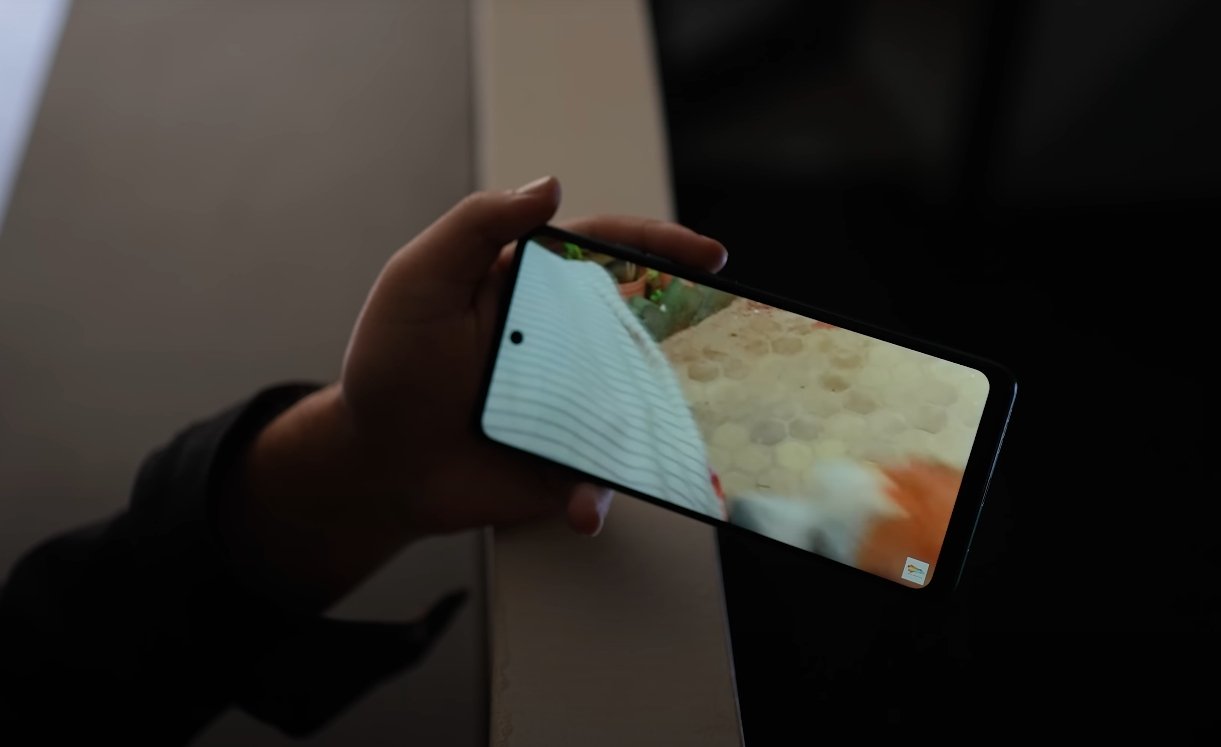
The Moto G67 Power has appeared in hands-on coverage, giving a clear early look at its strengths in design, display quality and everyday performance. The device immediately positions itself as a mid-range phone built around long endurance and a polished user experience rather than headline-chasing specs.

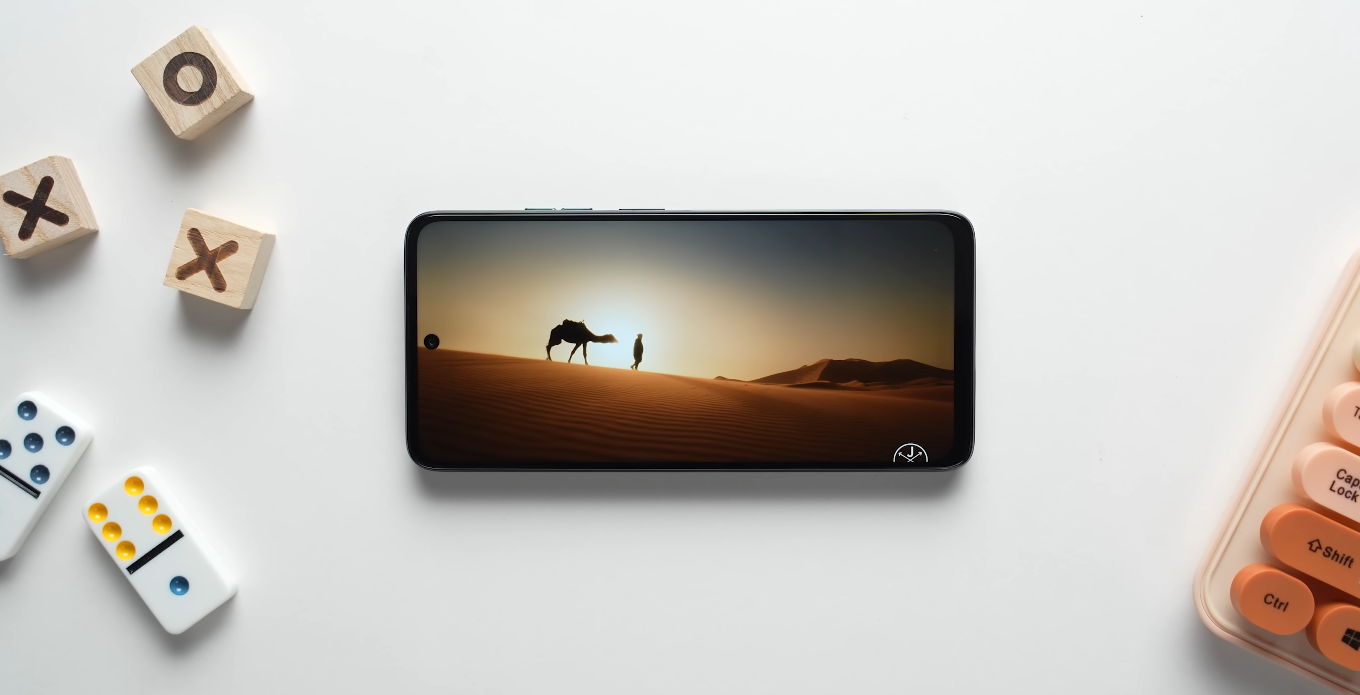
One of the first highlights is the display. The phone features a smooth 120Hz panel that makes scrolling, animations and general navigation feel more fluid than many devices in its segment. This helps the G67 Power stand out for users who value a responsive feel without paying flagship prices.

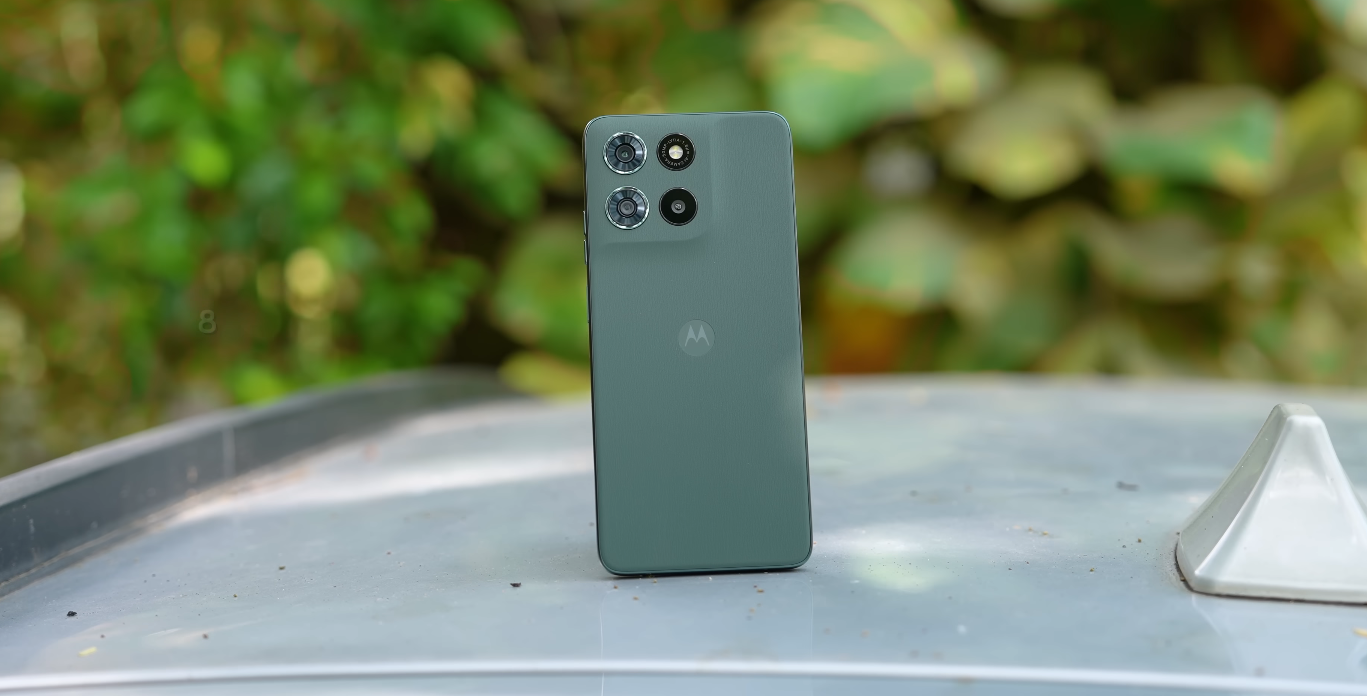
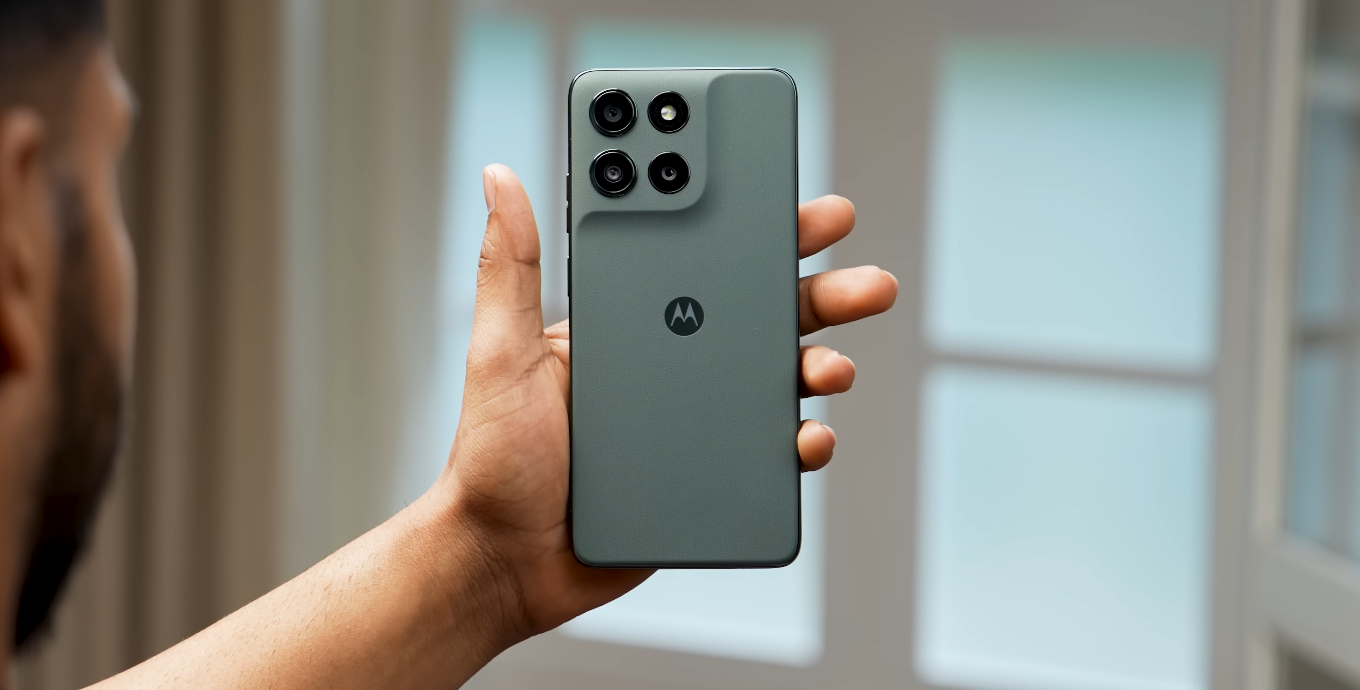
The build quality also earns positive attention. With its sturdy frame, curved back and well-finished materials, the device feels more premium than what many expect from a mid-range handset. Motorola’s focus on durability is clear, offering a design that feels comfortable in the hand while maintaining a confident, solid structure.

Moto G67 Power hands-on smooth display and solid build

Powering the phone is hardware tuned for dependable daily use. While not aimed at extreme performance, the chipset and RAM combination ensure smooth handling of everyday apps, multitasking and light gaming. The user experience appears consistent, with no major delays or stutters in early hands-on clips.

Battery life remains a major selling point. The G67 Power is built around a large-capacity battery, allowing for longer usage between charges. This makes the device appealing for users who travel frequently, attend long workdays or simply use their phones heavily from morning to evening without worrying about topping up.

Camera performance appears respectable for the phone’s class. The primary sensor produces balanced results in good lighting, while additional lenses offer versatility for casual photography. While it won’t challenge premium camera phones, the setup is more than adequate for typical everyday shots.

Software experience plays a key role as well. The near-stock Android interface keeps things clean and intuitive, contributing to the phone’s overall smooth feel. Motorola’s light customisation ensures ease of use without overwhelming the system with unnecessary features.

While the display fluidity and build quality stand out, it’s worth noting that the G67 Power isn’t targeting top-tier specs. Users looking for ultra-premium photography, the highest display resolutions or flagship performance will find those features elsewhere. This device instead focuses on delivering a strong balance of essentials.

In practical use, the Moto G67 Power impresses as a reliable, durable and smooth-handling mid-range phone. It combines a refined design, long battery life and a responsive display to create a package that feels well above its expected category.

In summary, early hands-on impressions suggest that the Moto G67 Power is a solid option for UK buyers seeking a dependable mid-range device with standout battery life and a premium feel. It may not chase flagship trends, but it nails the core experience that most users care about.

Moto G06 Power price drop prediction USA Black Friday

Moto G06 Power price drop prediction USA Black Friday

Expected Discounts and Deals for American Buyers

Black Friday is one of the biggest shopping events in the United States, and Motorola traditionally offers substantial discounts on its Moto G series. For 2025, the Moto G06 Power is expected to receive significant price reductions, making it an attractive option for budget-conscious buyers.

Based on historical trends, Motorola often provides $100 to $160 off on its mid-range devices during Black Friday. Considering the Moto G06 Power’s expected retail price of around $250, this could reduce the cost to approximately $90–$150, depending on the retailer and stock availability. These discounts typically apply to both online and in-store purchases, with major U.S. retailers like Best Buy, Amazon, and Walmart participating.

Moto G06 Power price drop prediction

Deals are likely to include both unlocked versions and carrier-specific models. Unlocked phones generally offer more flexibility in choosing a carrier, while carrier versions may include additional offers, such as bill credits, trade-in incentives, or bundled accessories. These promotions could further lower the effective price of the Moto G06 Power.

Previous Black Friday sales for Motorola’s Moto G series, including the Moto G Power and Moto G Stylus, have shown that discounts can reach up to 60–65% off in select cases, particularly on older inventory or last-year models. The G06 Power, being a newer release, might see slightly lower percentage discounts, but the price reduction will still make it highly competitive in the mid-range segment.

For American buyers, the best approach is to monitor retailer websites and newsletters in advance of Black Friday. Pre-sales, early-bird deals, and limited-time offers often appear before the official Black Friday date, allowing savvy consumers to secure the Moto G06 Power at the lowest possible price.

In conclusion, the Moto G06 Power is expected to see meaningful price cuts during Black Friday 2025 in the U.S. Buyers can anticipate savings that make this battery-focused smartphone even more affordable, particularly if they act quickly to capitalize on limited-time deals and promotions.

Moto G67 Power might bring major camera improvements

Moto G67 Power might bring major camera improvements

Early expectations point toward a stronger imaging experience this year

The Moto G67 Power is moving through its pre-launch cycle with more focus on camera improvements than expected for this segment, and early indications suggest that imaging may be one of the biggest upgrades this time. Motorola has already positioned the G67 Power as a battery-first phone based on its recent teasers, but multiple confirmed specification details point toward a more advanced camera setup that could boost real-world photography performance beyond what older G-series models delivered. The company is leaning on new sensor hardware and improved image signal processing to make this phone look like a more serious option for users who care about photo quality in the mid-range category.

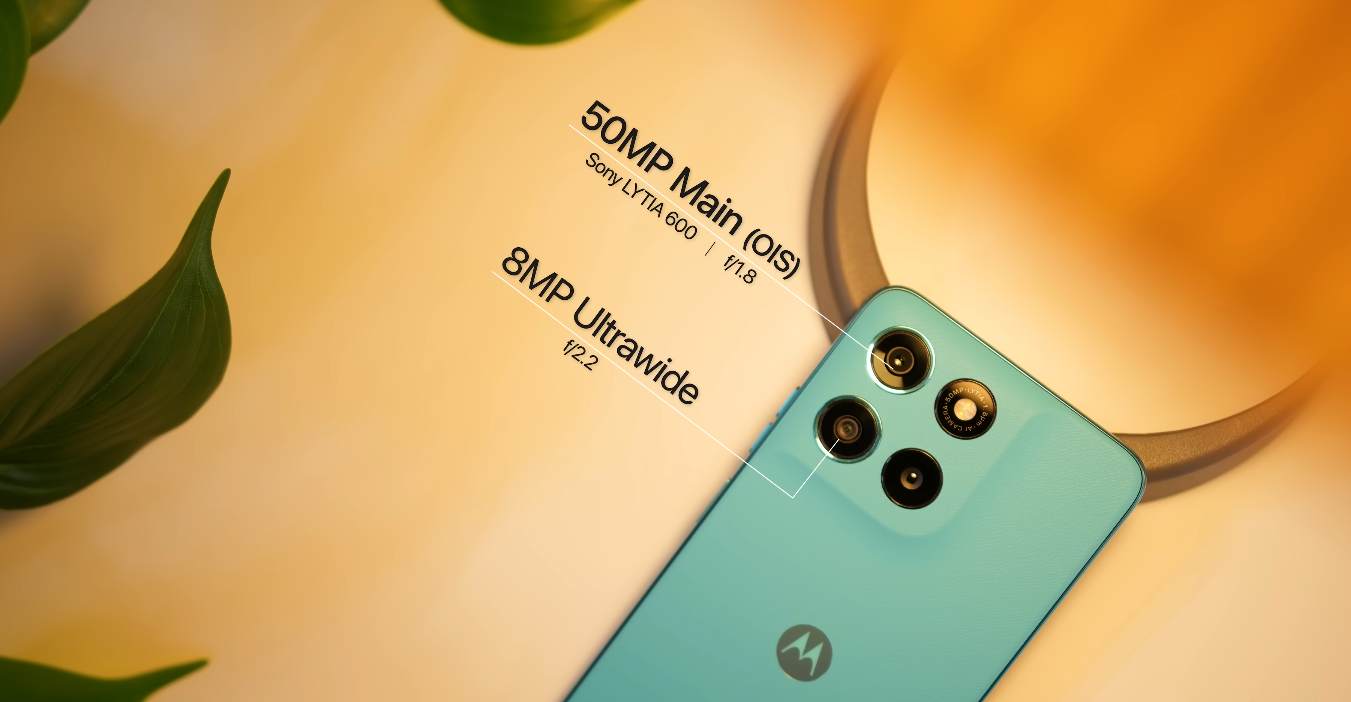
The biggest talking point is the 50MP primary rear camera using a Sony LYTIA sensor, which is the latest generation of Sony’s compact mobile sensor lineup. This sensor supports more accurate color capture and better contrast compared to the previous mainstream G-series cameras, and it is engineered to produce more consistent results in daylight. The wider dynamic range on this sensor should help preserve detail in shadows and bright highlights, which can be useful for outdoor photography. The phone is expected to use advanced autofocus pixel structures that enhance focusing accuracy, especially with moving subjects.

There is also an 8MP ultrawide camera included, which gives the device more framing flexibility for landscapes and group photography. While the ultrawide sensor is not the highest resolution in its class, Motorola is combining it with updated software tuning to improve clarity in broad scenes without major distortion at the edges. For selfie content, the Moto G67 Power uses a 32MP front camera, which is a higher resolution than some rivals offer at the same price level. This front camera is expected to benefit from an improved skin tone mapping system, giving more natural colors for social media shots.

Moto G67 Power might bring major camera improvements

Video capture is another area where early announcements suggest Motorola is pushing harder this time. The Moto G67 Power is expected to support high-resolution video recording on the rear camera and even on the selfie camera. That is a significant upgrade, because many mid-range phones still restrict their front cameras to lower resolution video output. Being able to shoot higher resolution video from both sides gives content creators more flexibility, especially when users want to record handheld vlogs or short lifestyle clips without switching devices.

Motorola is also promoting enhanced AI image processing to support the main hardware. The company has referenced improved computational photography features designed to assist in low-light conditions, noise handling, and sharpening. The processing pipeline is designed to analyze light patterns and adjust exposure more intelligently. The goal is to deliver better usable output without needing larger physical lenses or heavier optical stabilization modules, which are more common in flagship-tier devices. This makes the G67 Power more attractive for buyers who want improved photo results from mid-range hardware.

The camera improvements also align with broader market trends. Consumers in the mid-range segment increasingly expect their primary camera to deliver high clarity, strong portrait output, and better night performance without jumping to flagship prices. Motorola appears to be responding to those expectations by bringing a sensor that would normally be associated with higher tier devices into a more accessible product line. This feels like a strategic shift away from just offering long battery life, and toward balancing endurance with more capable imaging hardware.

For USA readers who track smartphone launches globally, the Moto G67 Power’s camera improvements matter because phones around this pricing zone often ship with very basic sensors that struggle in inconsistent lighting. With this model, Motorola appears to be trying to close that gap while still keeping the phone affordable. The combination of a large battery and more capable imaging hardware could make the G67 Power stand out in a market where most new mid-range devices focus mainly on design flair or display upgrades.

Overall, the pre-launch messaging around the Moto G67 Power suggests that camera improvements will be one of the core talking points once the device is fully revealed. The integration of a newer Sony sensor, support for higher resolution video, and more polished software processing could make this phone a stronger value choice for shoppers who want better photos without paying premium flagship phone prices.

Moto G67 Power performance review after one week

Moto G67 Power performance review after one week

A solid week with Motorola’s new mid-range powerhouse

The Moto G67 Power has completed its first week in users’ hands, and early impressions suggest it’s a well-balanced phone that delivers where it matters most. Motorola seems to have focused on stability, performance, and endurance rather than chasing headline-grabbing specs. After a full week of regular use, its performance across everyday tasks, gaming, battery life, and camera has started to stand out in the mid-range market.

Powered by the Snapdragon 7s Gen 2 chipset, the Moto G67 Power runs with smooth efficiency. Apps open quickly, multitasking feels fluid, and switching between social media, streaming, and light gaming doesn’t cause lag. The 8GB of RAM, expandable virtually up to 24GB, adds breathing room for multitaskers. In normal use, the phone maintains consistency, and even during extended gaming or browsing sessions, it doesn’t overheat or slow down noticeably.

Motorola has equipped the device with a 6.7-inch Full HD+ display featuring a 120Hz refresh rate. This ensures responsive scrolling and crisp visuals. The screen performs well both indoors and outdoors, although brightness in direct sunlight could be stronger. The vegan leather finish and sturdy build give it a comfortable feel, while the IP64 rating adds protection against splashes and dust. Despite its slightly heavier body due to the massive battery, it remains manageable for one-handed use.

Moto G67 Power performance review after one week

Battery life is one of the strongest highlights of the Moto G67 Power. The 7,000mAh cell easily lasts more than a full day of intensive usage, including social media, calls, camera, and streaming. Many users report reaching the second day without needing to recharge. Charging speed, however, is moderate — the 30W charger refuels the large battery adequately but not rapidly. For most buyers, endurance outweighs this minor trade-off.

Camera performance after one week has also been promising. The 50MP Sony LYT-600 sensor produces bright, detailed shots in daylight and solid results in indoor lighting. The autofocus system is quick, and AI optimization helps balance colours and contrast effectively. Low-light performance has improved compared to older models, although the ultra-wide lens still struggles with fine details at night. The 32MP selfie camera captures crisp images with accurate tones, performing well in both bright and dim settings.

The software experience remains a major plus point. Running Android 15 with Motorola’s clean My UX skin, the interface feels close to stock Android — fast, clutter-free, and easy to navigate. Useful gestures like the twist-to-open camera and double-chop for flashlight remain intact. Motorola promises one major Android update and three years of security patches, which keeps the device relevant for the foreseeable future.

Performance under load, such as during long gaming sessions or video editing, holds steady but reveals some of the chipset’s limits. While casual games run smoothly, heavy titles like Genshin Impact or Call of Duty Mobile perform better at medium settings. The device remains cool for the most part, showing Motorola’s attention to heat management.

In audio and multimedia, the stereo speakers tuned with Dolby Atmos add depth and clarity, making the phone enjoyable for watching content or gaming without earphones. Combined with the large screen, it delivers an immersive entertainment experience for its price bracket.

After one week, the Moto G67 Power emerges as a dependable, all-round smartphone. It may not break speed records or feature ultra-fast charging, but it nails the fundamentals — excellent battery life, a reliable camera system, smooth performance, and a clean interface. For users seeking a capable daily driver that can handle long days without reaching for the charger, Motorola’s latest offering proves to be one of the most balanced mid-range choices available.

Also Read:  Dell 14 Plus 2 in 1 Could Boost Dell’s Market Share in the UK

Moto G67 Power to include stereo speakers setup

Moto G67 Power to include stereo speakers setup

Audio Upgrade in Motorola’s New Power Series

The Moto G67 Power is set to launch with a stereo speaker setup, marking a noticeable improvement for buyers looking for strong audio performance in a mid-range device. This addition aligns with Motorola’s recent push to enhance entertainment features across its G-series lineup, making the phone more appealing for everyday media use in the UK.

Stereo speakers provide a more immersive sound experience than single-speaker designs found in many budget phones. With two speakers working together, audio separation becomes clearer, offering better left-right balance when watching films, playing games or streaming music. For UK users who rely heavily on their phone for entertainment, this setup enhances overall sound quality without needing external accessories.

The inclusion of Dolby Atmos support further refines the listening experience. Dolby tuning typically adds depth and clarity, improving vocal sharpness and boosting the sense of space in audio playback. This can be particularly noticeable in action scenes, music tracks or gaming environments where layered sound makes a difference. It’s a welcome feature at this price point.

Moto G67 Power to include stereo speakers setup

Motorola’s recent devices have shown steady improvement in speaker loudness, and early information suggests the Moto G67 Power will follow the same path. While it may not match flagship devices in peak output, the stereo arrangement ensures more balanced performance at higher volumes. This helps reduce distortion and keeps dialogue and effects crisp during regular use.

For UK buyers who consume content on public transport or while travelling, stereo speakers offer practical advantages. The enhanced clarity means you can listen comfortably without pushing the volume to its maximum. Group viewing or casual playback in shared spaces also benefits from wider audio coverage and a stronger overall presence.

The stereo setup pairs well with the expected large battery of the Moto G67 Power. Since this line is known for extended endurance, users can watch longer videos or play extended gaming sessions without worrying about rapid battery drain. The phone aims to deliver both longevity and enjoyable multimedia performance.

This feature may also appeal to users stepping up from earlier Moto G models that relied on single loudspeakers. The improvement makes the G67 Power a more complete device for those wanting better everyday usability without paying flagship prices. It adds value for buyers who prioritise entertainment but still want a practical and reliable phone.

While stereo speakers are confirmed, real-world performance will still depend on tuning and software optimisation. Volume levels, bass depth and clarity can vary between markets, but Motorola’s track record suggests a balanced output suitable for everyday UK usage. Once the device officially launches, local impressions will reveal how well the audio holds up.

Overall, the Moto G67 Power’s stereo speaker setup positions it as a stronger mid-range option for UK users. By offering better audio balance, Dolby Atmos enhancement and practical loudness, it brings a meaningful upgrade to one of the most frequently used features on any smartphone.