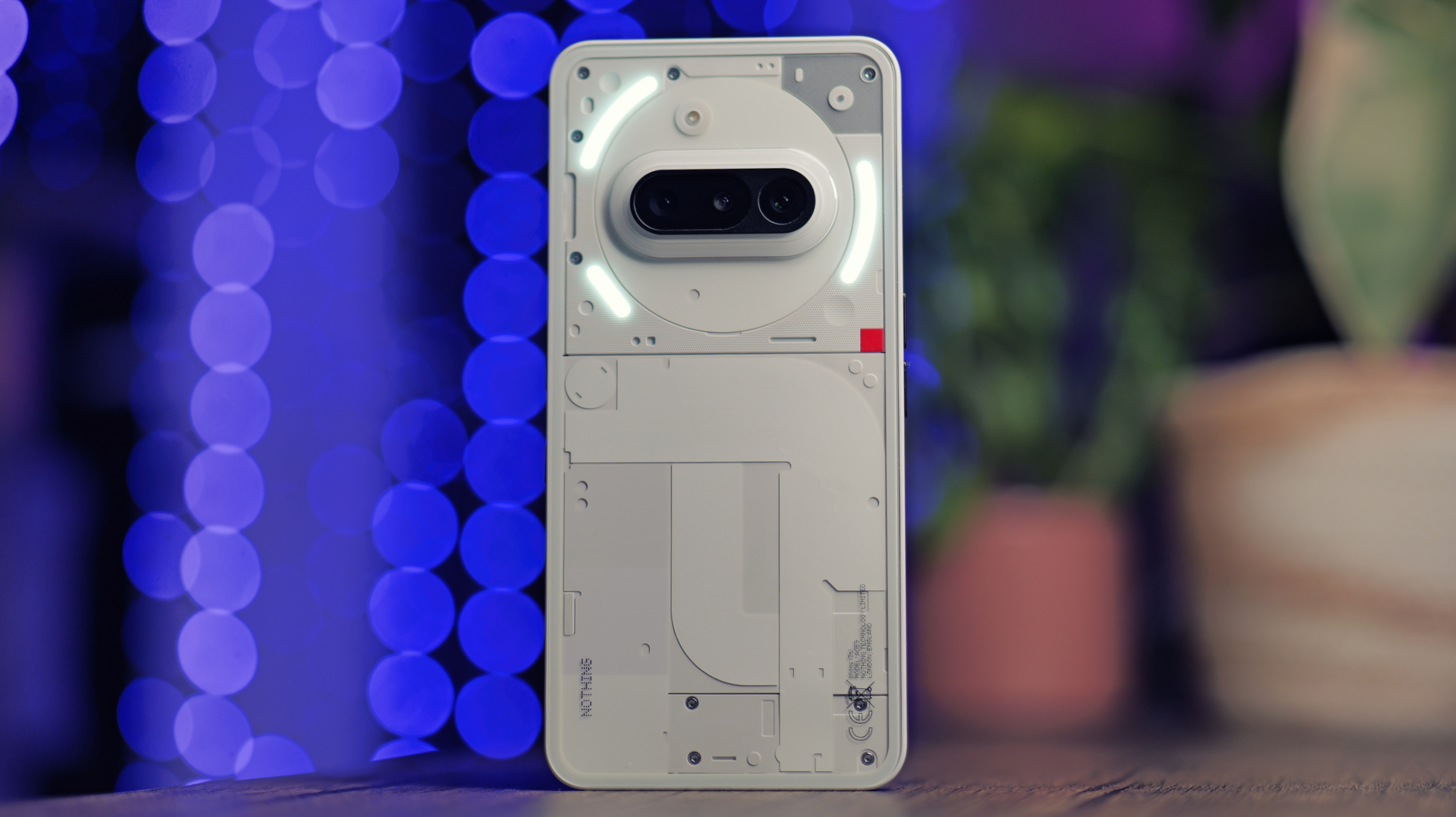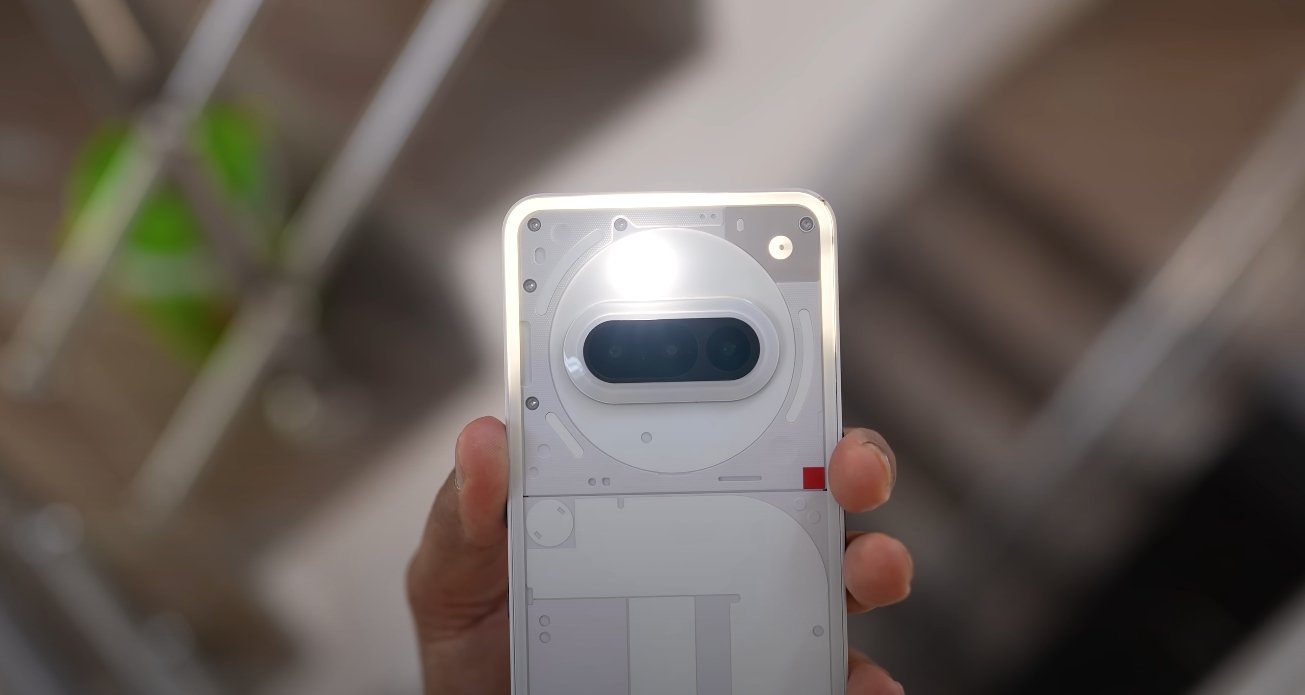
Nothing Phone 3A Lite vs Realme GT Neo 6 speed test

Nothing Phone 3A Lite vs Realme GT Neo 6 speed test

How fast does the 3A Lite really compare to a flagship-grade competitor?

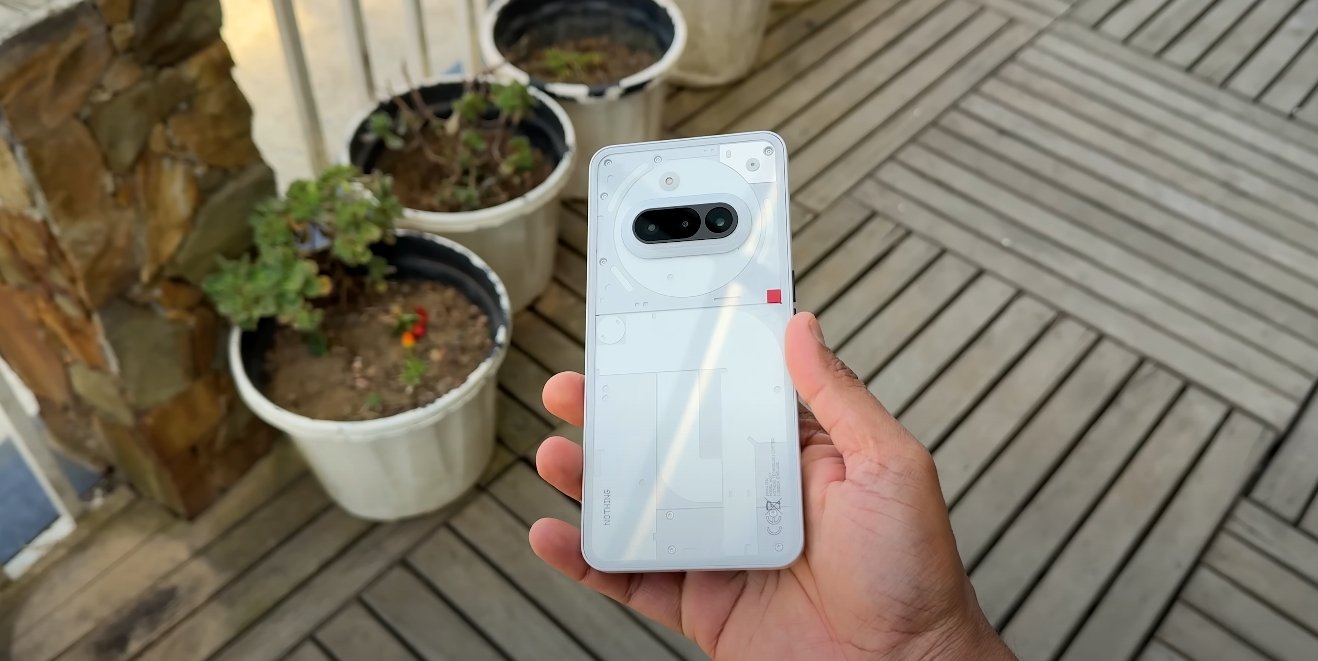
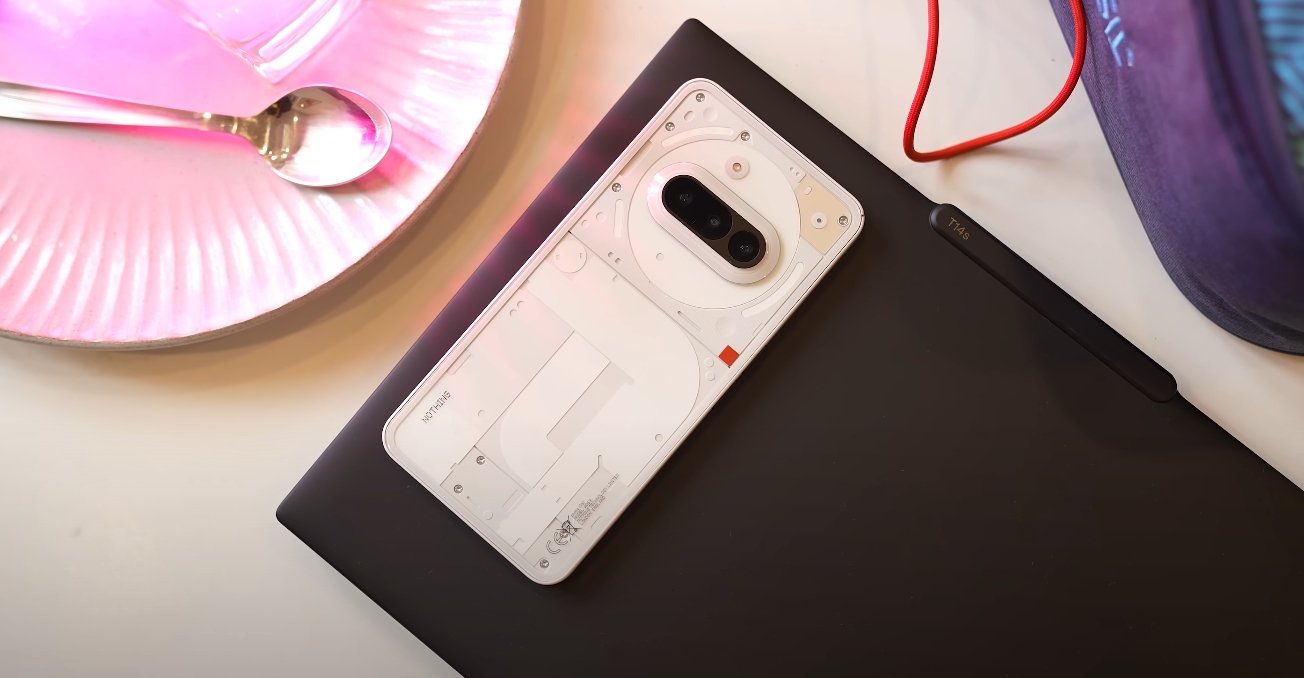
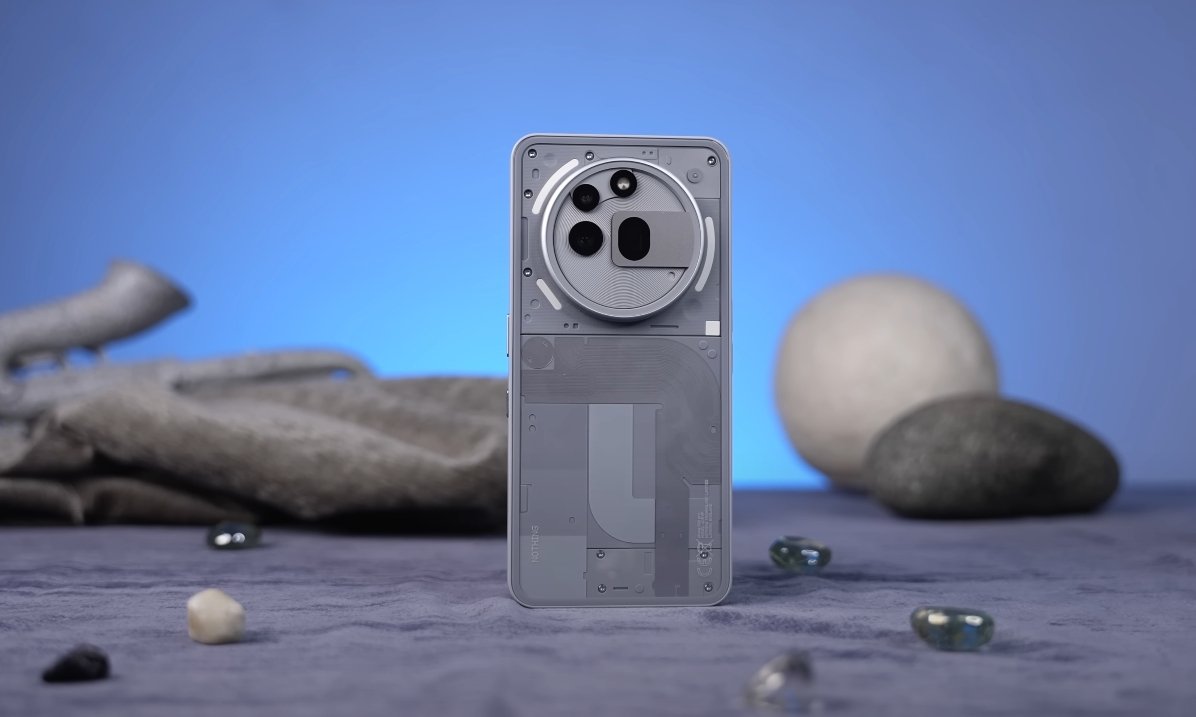
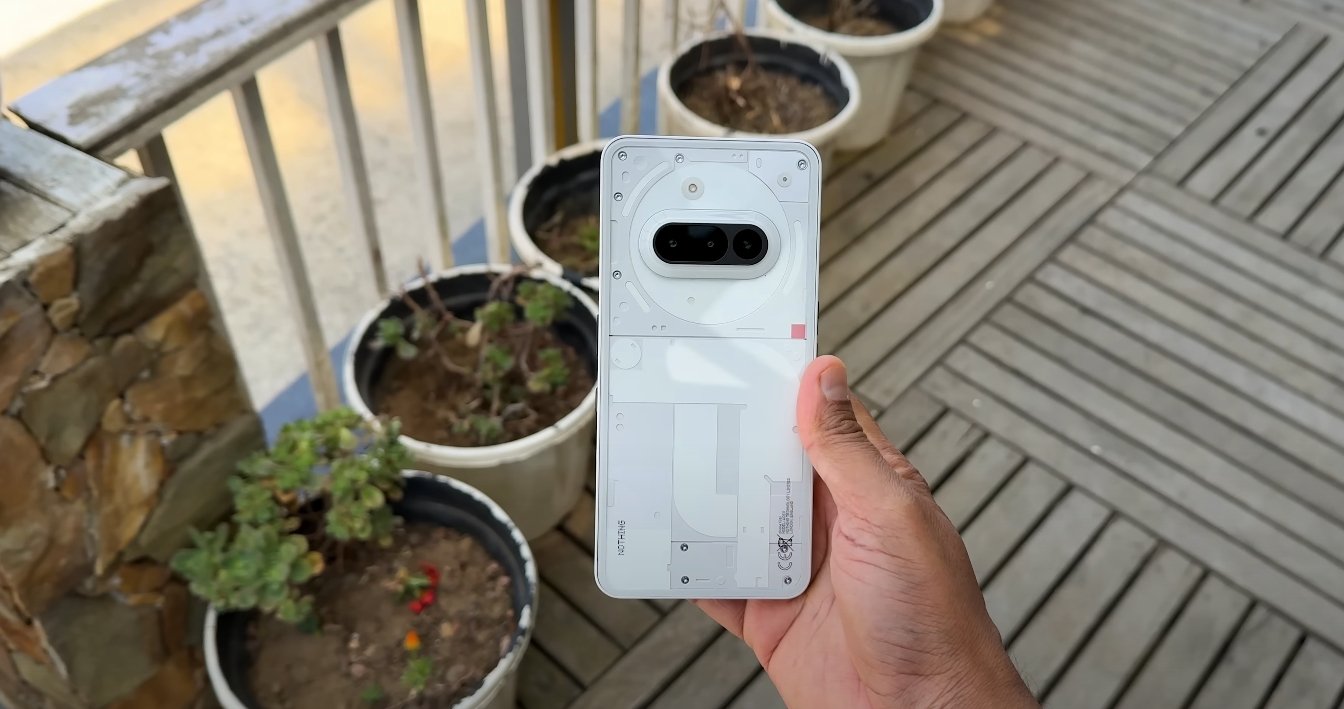
In early benchmark comparisons and real-world tests, the Nothing Phone 3A Lite faces stiff competition from the Realme GT Neo 6, a high-performance phone in the upper midrange class. While the 3A Lite represents a scaled-down, design-forward alternative, the GT Neo 6 brings a more aggressive hardware setup. The speed test results illustrate the trade-offs between balanced design and raw processing power.

The Realme GT Neo 6 is built around the Snapdragon 8s Gen 3 chipset, a top-tier 4nm design that emphasizes fast clock speeds, advanced GPU performance, and efficient thermals under load. It also typically pairs with higher RAM configurations and faster memory subsystems, making it a beast for any performance test. Under sustained benchmarking, the GT Neo 6 posts very high scores, demonstrating its ability to maintain high frame rates and compute loads.

By contrast, leaked benchmarks for the Nothing Phone 3A Lite suggest a more modest but respectable showing. In one performance leak, the 3A Lite scores above 760,000 points in AnTuTu, which is competitive for its class. While that places it behind the GT Neo 6 in raw performance, it still indicates that the 3A Lite can handle everyday tasks, multitasking, and even moderate gaming without obvious lag.

Nothing Phone 3A Lite vs Realme GT Neo 6 speed test

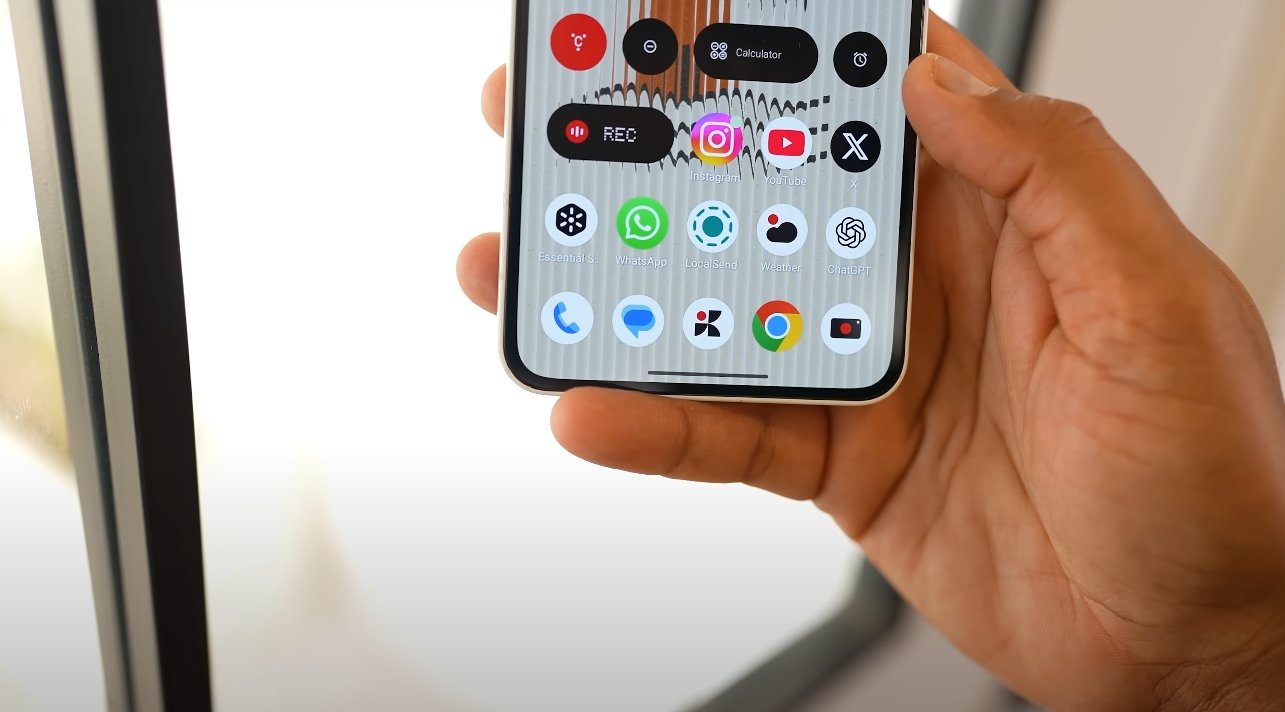
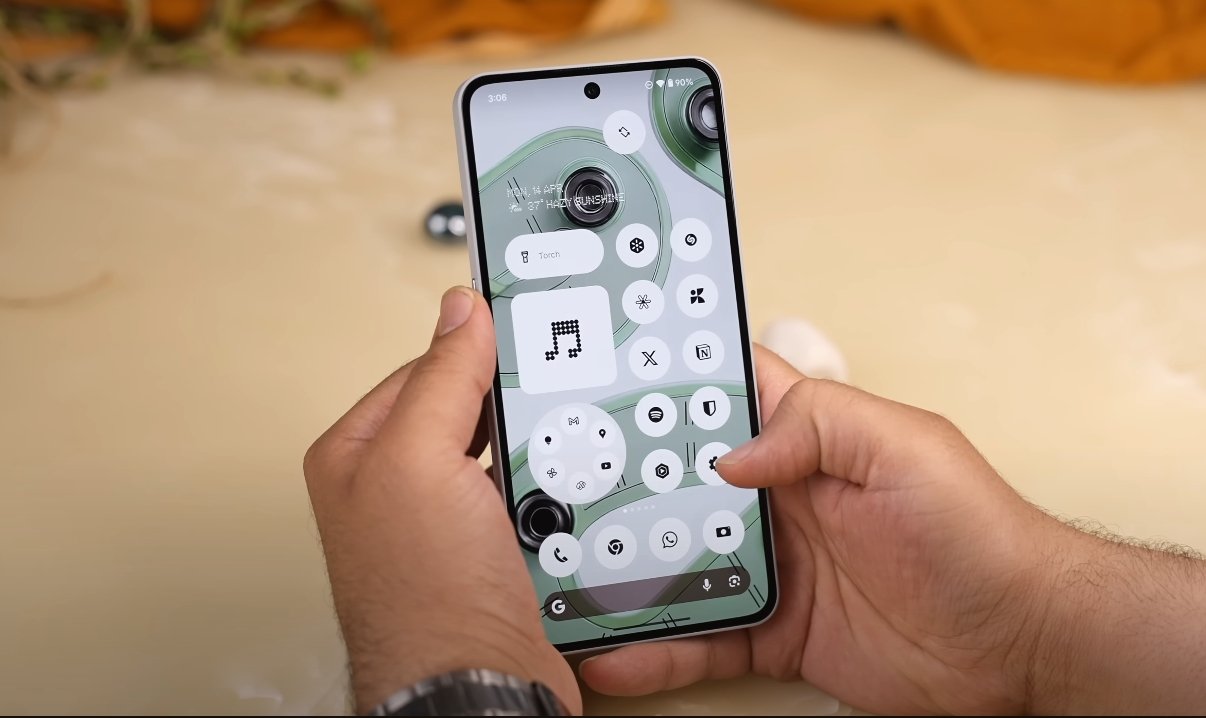
In side-by-side speed tests, the GT Neo 6 typically launches heavy games more quickly, handles higher graphics settings smoothly, and completes resource-intensive tasks like video editing or large file compression faster. The 3A Lite, while slower in these areas, often closes gaps when tasks are simpler—launching social media apps, browsing, or switching between lightweight apps is nearly as fast, thanks to Nothing’s clean and optimized software.

Another factor in real usage is thermal throttling. Under prolonged load, the GT Neo 6 can better sustain peak performance before gradually downclocking to manage heat. The 3A Lite, with more modest hardware, begins managing heat earlier, so its performance curve may dip sooner during long heavy tasks. That said, for most users, this difference appears only in benchmarks or extended gaming sessions—not in everyday use.

RAM management also plays a role. The GT Neo 6 often enjoys 12 GB or 16 GB of high-speed RAM, which helps in keeping many background apps alive. The 3A Lite is expected to use 8 GB in its base version, which is enough for general multitasking but may cause more background app reloads under strain. In speed tests related to app switching or resuming, the GT device shows fewer reloads.

In battery vs performance tradeoffs, the 3A Lite often wins in efficiency—completing some tasks with less power draw and generating lower heat, which benefits battery life in lighter workloads. In long mixed tests, the 3A Lite might last longer under moderate use, while the GT Neo 6 pulls ahead when pushed hard.

Overall, the speed tests show a clear hierarchy: the Realme GT Neo 6 holds the advantage in raw speed, throughput, and sustained performance, especially in demanding apps. But the Nothing Phone 3A Lite holds its own in everyday usability, offering fast response, clean animations, and decent headroom for regular users. For those who value style, smooth UI, and efficient experience over benchmark dominance, the 3A Lite offers a compelling alternative—even if it can’t quite match the GT Neo 6’s full power.
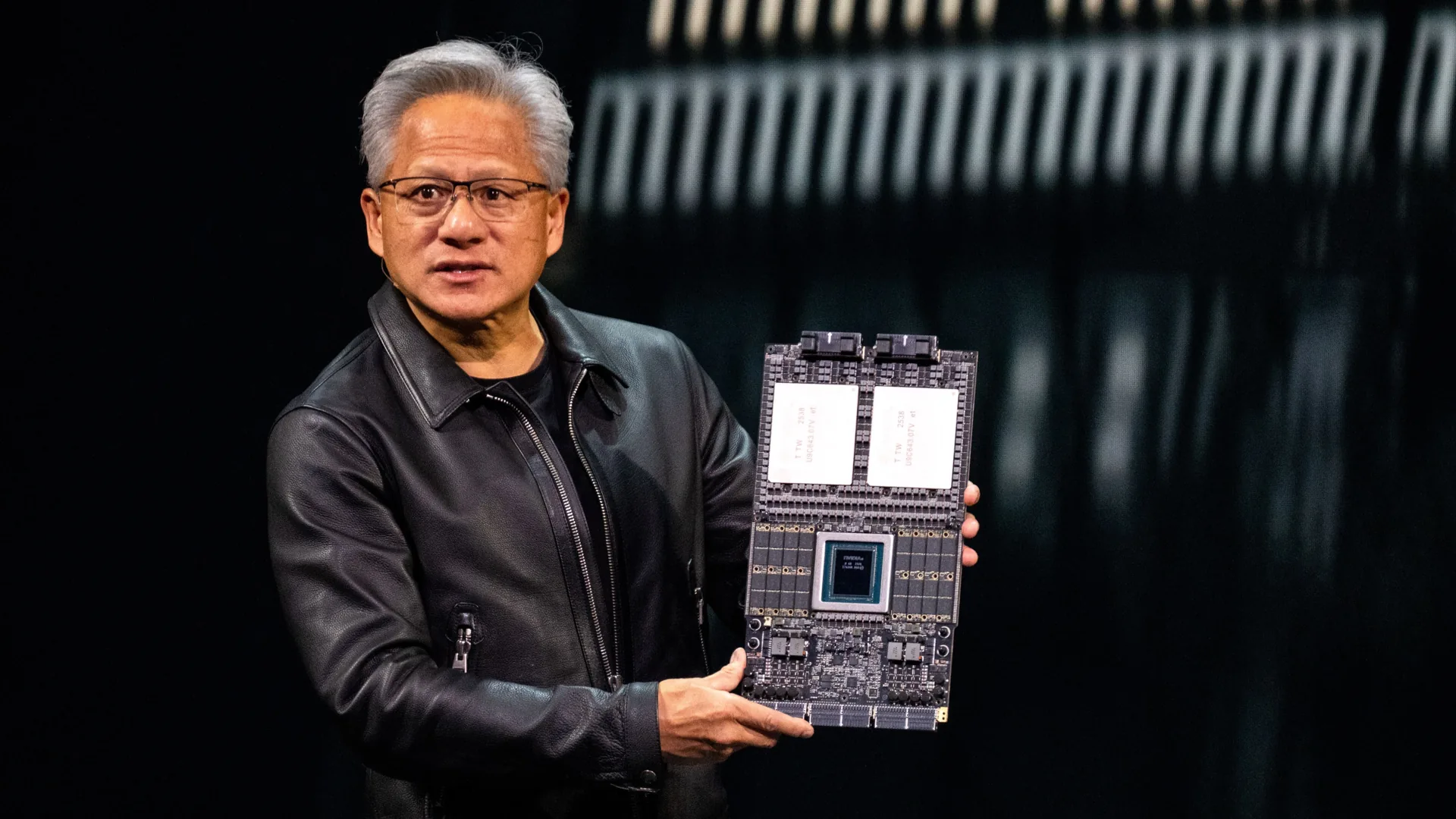
NVIDIA Acquires Groq to Boost UK Low-Latency Capabilities

NVIDIA's acquisition of Groq is expected to enhance low-latency performance in the UK, with the company's LPU units playing a crucial role in accelerated processing, similar to Mellanox, and extending the architecture as an accelerator for low-latency decode

NVIDIA’s Groq Acquisition: A Game-Changer for Low-Latency Workloads in the UK

NVIDIA’s acquisition of Groq is a significant move in the industry, with plans to utilise Groq’s LPU units to enhance low-latency capabilities. This move is expected to solidify NVIDIA’s position in latency-sensitive workloads, particularly in the UK market.

The acquisition, worth up to $20 billion, is one of the largest investments made by NVIDIA, demonstrating the company’s commitment to expanding its architecture. By integrating Groq’s technology, NVIDIA aims to provide accelerated performance for low-latency decode, a crucial aspect of various applications.

In a recent Q4 2026 earnings call, Jensen hinted at the potential of Groq’s LPU units, suggesting that they will play a role similar to Mellanox. This comparison implies that Groq’s technology will be used to extend NVIDIA’s architecture, enabling faster and more efficient processing of latency-sensitive workloads.

The UK market is expected to benefit significantly from this acquisition, as NVIDIA’s enhanced low-latency capabilities will cater to the growing demand for accelerated performance in various industries. With this move, NVIDIA is poised to strengthen its position in the UK market, providing cutting-edge solutions for latency-sensitive applications.

NVIDIA’s aggressive acquisition spree has been a key focus area for the company, and the Groq acquisition is a testament to its commitment to innovation. As the company continues to expand its portfolio, it is likely that we will see more exciting developments in the future, particularly in the UK market.

The integration of Groq’s technology is expected to have a significant impact on various industries, including gaming, finance, and healthcare. With the increasing demand for low-latency performance, NVIDIA’s acquisition of Groq is a strategic move that will enable the company to cater to this demand and provide innovative solutions.

In conclusion, NVIDIA’s acquisition of Groq is a significant development in the industry, with far-reaching implications for the UK market. As the company continues to expand its capabilities, we can expect to see more exciting innovations in the future, particularly in the area of low-latency performance.

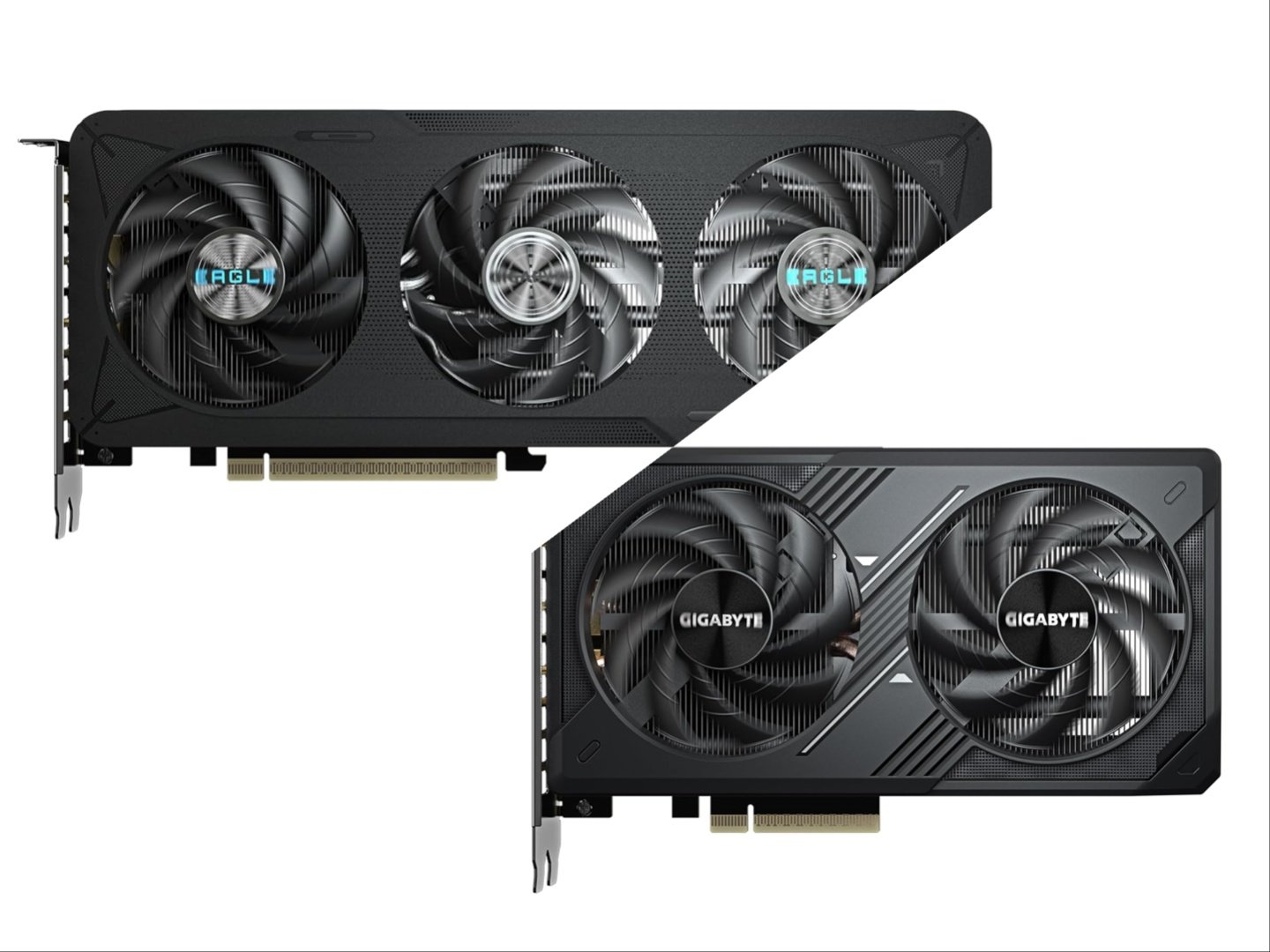
Nvidia RTX 5060 Ti UK Upgrade: What to Expect with New Memory Configurations

Nvidia RTX 5060 Ti graphics card with GDDR7 memory, showcasing enhanced performance and capabilities for UK gamers

Nvidia RTX 5060 Ti UK Upgrade: What to Expect with New Memory Configurations

Nvidia is reportedly planning to upgrade the memory configurations for its mid-tier RTX 5060 and RTX 5060 Ti models in the UK. This move is expected to increase the memory capacity from 8 GB GDDR6 to 9 GB GDDR7, potentially boosting performance.

The rumoured upgrade has sparked interest among UK gamers and tech enthusiasts, who are eager to analyse the potential benefits and drawbacks of the new memory configurations. With the UK being a significant market for Nvidia, the company’s decision to upgrade its mid-tier models could have a substantial impact on the gaming community.

The increased memory capacity is likely to improve the overall gaming experience, allowing for smoother gameplay and more detailed graphics. However, it is essential to consider the potential drawbacks, such as increased power consumption and heat generation.

As the UK gaming market continues to evolve, Nvidia’s decision to upgrade its mid-tier models could be a strategic move to stay ahead of the competition. With the new memory configurations, Nvidia may be able to offer a more competitive product that meets the demands of UK gamers.

The RTX 5060 Ti is a popular choice among UK gamers, and the potential upgrade could further enhance its appeal. However, it is crucial to weigh the pros and cons of the new memory configurations before making a purchase decision.

In conclusion, the rumoured upgrade to the RTX 5060 and RTX 5060 Ti models in the UK is an exciting development for gamers and tech enthusiasts. As more information becomes available, it will be interesting to see how the new memory configurations impact the gaming experience.

Nvidia’s commitment to innovation and customer satisfaction is evident in its efforts to upgrade its mid-tier models. The company’s focus on improving performance and meeting the demands of UK gamers is likely to pay off in the long run.

The UK gaming community is eagerly awaiting further details about the upgraded RTX 5060 and RTX 5060 Ti models. As the situation unfolds, it will be essential to stay informed about the latest developments and how they may impact the gaming experience.

With the potential upgrade, Nvidia may be able to strengthen its position in the UK gaming market. The company’s dedication to delivering high-quality products and meeting customer expectations is likely to drive growth and success.

In the UK, the demand for high-performance gaming hardware is on the rise. Nvidia’s decision to upgrade its mid-tier models could be a timely move to capitalize on this trend and establish itself as a leader in the market.

As the gaming industry continues to evolve, it will be interesting to see how Nvidia’s upgraded RTX 5060 and RTX 5060 Ti models perform in the UK market. The company’s commitment to innovation and customer satisfaction is likely to drive success and growth.

Nothing Phone 3A Lite vs Redmi Note 14 Pro Max Comparison

Nothing Phone 3A Lite vs Redmi Note 14 Pro Max Comparison

Mid-Range Smartphone Battle: Design, Performance, and Features

The Nothing Phone 3A Lite and Xiaomi Redmi Note 14 Pro Max are two prominent contenders in the mid-range smartphone market. Both devices offer compelling features, but they target slightly different user preferences, making them appealing to different audiences.

In terms of design, the Nothing Phone 3A Lite continues the brand’s signature transparent look, paired with a 6.77-inch AMOLED display and a 120Hz refresh rate. This provides a unique aesthetic and smooth visuals for daily use. The Redmi Note 14 Pro Max features a slightly larger 6.78-inch Super AMOLED display with a 144Hz refresh rate, offering a higher refresh rate and crisp Full HD+ resolution for immersive viewing. Both phones provide bright, vibrant screens suitable for media consumption and gaming.

Performance-wise, the Nothing Phone 3A Lite is powered by the Snapdragon 7s Gen 3 chipset with up to 8GB of RAM, designed for efficiency and smooth everyday operations. The Redmi Note 14 Pro Max uses the MediaTek Dimensity 7350 Pro processor with the same RAM, offering comparable performance for daily tasks. While both devices handle browsing, social media, and moderate multitasking well, the Snapdragon chip in the 3A Lite may offer slightly better energy efficiency.

Nothing Phone 3A Lite vs Redmi Note 14 Pro Max Comparison

Camera capabilities show a noticeable difference. The Redmi Note 14 Pro Max boasts a 200MP primary sensor, paired with an 8MP ultra-wide and 5MP macro lens, delivering high-resolution shots and versatility across various lighting conditions. The Nothing Phone 3A Lite is expected to include a 50MP main camera with additional wide and macro lenses. Both devices are anticipated to support 4K video recording, catering to casual videographers and social media content creators.

Battery life is also an important consideration. The Nothing Phone 3A Lite reportedly includes a 5000mAh battery with 50W fast charging, providing all-day use and quick recharging. The Redmi Note 14 Pro Max offers a slightly larger 5500mAh battery with 45W fast charging. While the Note 14 Pro Max has a bigger battery, real-world usage and charging speed differences are expected to be minimal.

On software, the Nothing Phone 3A Lite runs Nothing OS, which emphasizes simplicity and a clean interface with unique features such as the Glyph Interface. The Redmi Note 14 Pro Max uses Xiaomi’s MIUI, offering extensive customization and additional features, though some users may find pre-installed apps and bloatware less appealing. The choice depends on whether users value minimalism or feature-rich software.

In conclusion, both the Nothing Phone 3A Lite and Redmi Note 14 Pro Max have strengths in the mid-range segment. The 3A Lite stands out for its distinctive design and efficient software experience, while the Redmi Note 14 Pro Max appeals to those seeking advanced photography, a slightly larger battery, and a higher refresh rate display. The right choice depends on personal priorities, including aesthetics, camera performance, and overall user experience.

Also Read:  Honor Magic V Flip 2 wireless connectivity tested on USA networks

Nothing Phone 3A Lite vs Galaxy S23 FE feature gap

Nothing Phone 3A Lite vs Galaxy S23 FE feature gap

Comparing Mid-Range and Premium Options: Nothing Phone 3A Lite and Galaxy S23 FE

The smartphone market in 2025 offers a wide range of options for different budgets and preferences. Among them, the Nothing Phone 3A Lite and the Samsung Galaxy S23 FE stand out as representatives of mid-range and upper mid-range devices. While both phones cater to users who want reliable performance and stylish design, the feature gap between them highlights their differing target audiences and value propositions. Understanding these differences can help consumers make informed choices when selecting a device that fits their needs.

Design is one of the most visible differences between the two devices. The Nothing Phone 3A Lite embraces the brand’s signature minimalist approach with a transparent back panel, revealing some internal components. Its clean lines and understated aesthetic make it appealing to users who appreciate simplicity and futuristic design. In contrast, the Galaxy S23 FE features a more conventional design with a solid back panel and a metal frame. Samsung emphasizes robustness and premium feel, making it attractive to users who prefer a classic yet sophisticated look. Both designs have their own appeal, but the 3A Lite focuses more on distinctive style, whereas the S23 FE prioritizes durability and refinement.

Display quality further differentiates the two phones. The Nothing Phone 3A Lite is equipped with a 6.77-inch AMOLED display featuring a 120Hz refresh rate. It delivers vibrant colors, deep blacks, and smooth scrolling, providing a satisfactory visual experience for media consumption and everyday use. The Galaxy S23 FE, however, boasts a 6.4-inch Dynamic AMOLED 2X display, also with a 120Hz refresh rate, but with higher peak brightness and superior color accuracy. Samsung’s display ensures visibility even in direct sunlight and supports HDR content with more precise contrast, which may appeal to users who frequently watch videos or play games outdoors.

Nothing Phone 3A Lite vs Galaxy S23 FE feature gap

Performance is another area where the feature gap is apparent. The Nothing Phone 3A Lite is powered by the Snapdragon 7s Gen 3 processor paired with 8GB of RAM. This combination is sufficient for multitasking, social media, web browsing, and light gaming. However, the Galaxy S23 FE uses the Snapdragon 8 Gen 1 processor with 8GB of RAM, offering noticeably higher processing power. Users of the S23 FE can expect smoother performance in demanding apps, faster gaming experiences, and better handling of future software updates. While the 3A Lite is competent, the S23 FE clearly targets users who prioritize speed and long-term performance.

Camera capabilities reveal another significant difference. The Nothing Phone 3A Lite features a triple-camera system with a 50MP primary sensor, a 50MP secondary sensor, and an 8MP tertiary sensor. Its front camera is expected to be 32MP, suitable for selfies and video calls. The Galaxy S23 FE, in comparison, has a triple-camera array with a 50MP main sensor, a 12MP ultra-wide sensor, and an 8MP telephoto lens. The front camera is 10MP. Samsung’s camera system offers greater versatility, including optical zoom and ultra-wide shots, producing higher quality images in various lighting conditions. Users who prioritize photography may find the S23 FE more compelling due to its advanced optics and image processing.

Battery and charging also highlight differences. The Nothing Phone 3A Lite is equipped with a 5000mAh battery that supports fast charging. While details of wireless charging are unclear, it offers solid endurance for daily use. The Galaxy S23 FE, on the other hand, has a slightly smaller 4500mAh battery but supports faster 25W charging and wireless charging. Samsung’s additional features add convenience for users who prefer wireless charging or need quick top-ups during the day. Both devices are capable of lasting a full day under typical usage, but the S23 FE offers slightly more premium charging options.

Software and ecosystem support further distinguish the two. The Nothing Phone 3A Lite runs on Nothing OS, based on Android 15, with a clean and bloat-free interface. It emphasizes simplicity and ease of use while providing regular updates. The Galaxy S23 FE operates on Android 13 with Samsung’s One UI 6.0. Samsung offers extended software support, including multiple years of updates, security patches, and access to a broad ecosystem of apps and services. For long-term software reliability and integration with accessories, the S23 FE holds an advantage.

Price is the final key factor in the feature gap. The Nothing Phone 3A Lite is aimed at budget-conscious users, offering distinctive design and decent performance at a lower price point. The Galaxy S23 FE carries a higher price due to its premium display, higher-end processor, advanced camera system, and additional software and hardware features. Buyers must weigh the value of design, performance, and ecosystem when choosing between the two devices.

In conclusion, the Nothing Phone 3A Lite and Samsung Galaxy S23 FE cater to different user needs and priorities. The 3A Lite excels in minimalist design, clean software, and affordability, making it ideal for users who value style and simplicity. The Galaxy S23 FE offers higher-end performance, versatile camera capabilities, and premium features, appealing to users who prioritize power, display quality, and long-term support. Understanding the feature gap helps buyers decide which device aligns best with their preferences and usage patterns.

Also Read:  Moto G06 Power resale value in USA forecast

NVIDIA Dominates MLPerf Inference v6.0 Benchmarks in the UK

NVIDIA's Blackwell Ultra dominates MLPerf Inference v6.0 benchmarks in the UK, delivering exceptional performance and showcasing the company's expertise in the field of computing platforms, with a focus on innovation and customer satisfaction, in the UK's tech industry

NVIDIA Leads the Way in MLPerf Inference v6.0 Benchmarks

NVIDIA has submitted the MLPerf Inference v6.0 benchmarks, showcasing its Blackwell Ultra’s exceptional performance. This latest submission demonstrates the company’s commitment to delivering high-quality computing platforms. With its rigorous testing, NVIDIA has set a new standard for the industry.

The MLPerf Inference v6.0 benchmarks are a testament to NVIDIA’s dedication to innovation. By leveraging its Extreme Co-Design Laws, the company has managed to dominate the competition. This achievement is a significant milestone for NVIDIA, solidifying its position as a leader in the UK’s tech industry.

NVIDIA’s Blackwell Ultra has been at the forefront of benchmark submissions, consistently delivering impressive results. The company’s latest submission to MLPerf v6.0 is no exception, with its performance surpassing that of its competitors. This is a clear indication of NVIDIA’s prowess in the field of computing platforms.

The UK’s tech industry is rapidly evolving, with companies constantly striving to improve their performance. NVIDIA’s latest achievement is a significant step forward, demonstrating the company’s ability to adapt and innovate. As the industry continues to grow, NVIDIA is well-positioned to remain a leader in the UK.

The MLPerf Inference v6.0 benchmarks are a crucial indicator of a company’s performance. NVIDIA’s exceptional results are a testament to its commitment to delivering high-quality products. The company’s focus on innovation and customer satisfaction has enabled it to dominate the competition.

NVIDIA’s success in the MLPerf Inference v6.0 benchmarks is a significant achievement, demonstrating the company’s expertise in the field. The company’s ability to analyse and improve its performance has enabled it to stay ahead of the competition. This is a clear indication of NVIDIA’s dedication to excellence.

The UK’s tech industry is becoming increasingly competitive, with companies constantly striving to improve their performance. NVIDIA’s latest achievement is a significant milestone, demonstrating the company’s ability to adapt and innovate. As the industry continues to evolve, NVIDIA is well-positioned to remain a leader in the UK.

NVIDIA’s Blackwell Ultra has been instrumental in the company’s success, delivering exceptional performance in the MLPerf Inference v6.0 benchmarks. The company’s focus on innovation and customer satisfaction has enabled it to dominate the competition. This is a clear indication of NVIDIA’s commitment to delivering high-quality products.

The company’s latest submission to MLPerf v6.0 is a testament to its dedication to excellence. NVIDIA’s ability to analyse and improve its performance has enabled it to stay ahead of the competition. This is a significant achievement, demonstrating the company’s expertise in the field of computing platforms.

NVIDIA’s success in the MLPerf Inference v6.0 benchmarks is a significant milestone, demonstrating the company’s ability to adapt and innovate. The company’s focus on innovation and customer satisfaction has enabled it to dominate the competition. This is a clear indication of NVIDIA’s commitment to delivering high-quality products.

The UK’s tech industry is rapidly evolving, with companies constantly striving to improve their performance. NVIDIA’s latest achievement is a significant step forward, demonstrating the company’s ability to adapt and innovate. As the industry continues to grow, NVIDIA is well-positioned to remain a leader in the UK.

NVIDIA’s Blackwell Ultra has been at the forefront of benchmark submissions, consistently delivering impressive results. The company’s latest submission to MLPerf v6.0 is no exception, with its performance surpassing that of its competitors. This is a clear indication of NVIDIA’s prowess in the field of computing platforms.

The company’s dedication to innovation and customer satisfaction has enabled it to dominate the competition. NVIDIA’s latest achievement is a significant milestone, demonstrating the company’s ability to adapt and innovate. As the industry continues to evolve, NVIDIA is well-positioned to remain a leader in the UK.

NVIDIA’s success in the MLPerf Inference v6.0 benchmarks is a testament to its expertise in the field of computing platforms. The company’s ability to analyse and improve its performance has enabled it to stay ahead of the competition. This is a significant achievement, demonstrating the company’s commitment to delivering high-quality products.

Nothing Phone 4a full review shows value for USA buyers

Nothing Phone 4a full review shows value for USA buyers

A Balanced Smartphone at the Right Price

The Nothing Phone 4a has arrived as a mid-range device that delivers more than its price tag suggests. Designed to appeal to U.S. buyers looking for both performance and affordability, it offers a combination of premium features and practical build quality. Its balance of display, performance, battery, and camera makes it stand out in a crowded mid-tier market.

One of its strongest assets is the 6.72-inch AMOLED display with a 144 Hz refresh rate. This ensures smooth scrolling, vibrant colors, and excellent brightness levels, reaching up to 1300 nits outdoors. Protected by Gorilla Glass 6, the screen holds up well against scratches and bumps, which adds to its durability. For U.S. buyers who spend a lot of time streaming, gaming, or browsing, this display feels more flagship-grade than budget.

Performance is powered by the MediaTek Dimensity 7400 Pro chipset, paired with 8 GB or 12 GB of RAM and up to 256 GB of storage. In daily use, the phone handles multitasking with ease and provides stable gaming performance at medium to high settings. Nothing’s clean Android-based OS further enhances the experience by avoiding unnecessary bloatware, giving users a straightforward and efficient interface.

Nothing Phone 4a full review shows value

Cameras are another selling point. The main 50 MP sensor with OIS captures sharp and detailed shots in daylight, while the ultrawide lens adds versatility. On the front, a 50 MP camera handles selfies and video calls with impressive clarity. Low-light photography is decent for the segment, though not on par with flagship competitors. Still, the addition of optical stabilization ensures more stable shots, even in challenging lighting conditions.

Battery life is reliable thanks to its 5000 mAh cell. Heavy users can expect a full day of use, while moderate users may get even longer. Fast charging around 65 W ensures quick top-ups, with half a charge achieved in just over 20 minutes. Wireless charging is absent, which might be a downside for some U.S. buyers, but the speed of wired charging helps offset that limitation.

Connectivity features include 5G, Wi-Fi 6, NFC, and an under-display fingerprint sensor, ensuring the device meets modern standards. The design keeps with Nothing’s trademark style—transparent back panels with LED accents—while maintaining durability with Gorilla Glass protection. At around $349 for the base model, it offers excellent value for buyers who want premium touches without spending flagship money.

In conclusion, the Nothing Phone 4a shows real value for U.S. buyers by blending performance, design, and affordability. While it won’t replace high-end flagships in areas like night photography or ultra-zoom, it strikes an appealing balance that makes it one of the stronger mid-range contenders in the U.S. market today.

Nothing Phone 3A Lite vs Motorola G06 Power comparison

Nothing Phone 3A Lite vs Motorola G06 Power comparison

Comparing two midrange challengers in design, performance, and battery life

The Nothing Phone 3A Lite and Motorola G06 Power are two midrange smartphones aiming to deliver strong everyday performance without a flagship price tag. Both devices approach the market differently—Nothing focuses on a modern, design-forward user experience, while Motorola emphasizes endurance and practicality. With leaks and official details now available, here’s how these two devices compare across design, display, performance, battery, and overall value.

Starting with the design, the Nothing Phone 3A Lite continues the brand’s recognizable transparent aesthetic, offering a refined look with a simplified version of the Glyph interface. It feels modern, sleek, and distinct compared to other phones in its price range. The Motorola G06 Power, on the other hand, sticks with a more traditional design featuring a matte finish and durable polycarbonate build. While it may not stand out visually, it is practical, grippy, and comfortable for long use. The G06 Power is also slightly bulkier due to its massive battery, while the 3A Lite keeps a slimmer and lighter profile, appealing to users who prefer a more stylish and compact device.

In terms of display, the Nothing Phone 3A Lite takes a clear lead. It is expected to feature a 6.77-inch Full HD+ AMOLED panel with a 120Hz refresh rate, delivering rich contrast, deep blacks, and smooth animations. The screen is also rumored to reach up to 1,300 nits of brightness, making it easy to view outdoors. Motorola’s G06 Power, by comparison, comes with a larger 6.88-inch LCD screen at HD+ resolution and the same 120Hz refresh rate. While the refresh rate keeps motion smooth, the lower resolution and limited brightness make it less vibrant for video playback or gaming. For those who prioritize media quality and vivid visuals, the 3A Lite clearly has the edge.

Nothing Phone 3A Lite vs Motorola G06 Power comparison

Performance is another area where the Nothing Phone 3A Lite stands out. It reportedly uses the Snapdragon 7s Gen 3 chipset, built on a 4nm process for efficient performance and improved AI processing. This is paired with up to 12GB of RAM and 256GB of storage, ensuring strong multitasking and app performance. Motorola’s G06 Power runs on the MediaTek Helio G81 processor, paired with 4GB of RAM and 64GB of expandable storage. While it handles basic tasks smoothly, it’s not designed for heavy gaming or demanding multitasking. The 3A Lite will easily outperform it in speed, responsiveness, and software optimization, especially with Nothing OS based on Android 15 offering a clean and fast experience.

When it comes to battery, the Motorola G06 Power earns its name. It packs a massive 7,000mAh battery, allowing it to last two full days or even more on a single charge. Charging speeds are modest at 18W, but longevity is its strongest advantage. The Nothing Phone 3A Lite, meanwhile, is expected to carry a 5,150mAh battery with support for 100W wired charging. That means it can go from zero to full in under 30 minutes. While the G06 Power wins in total endurance, the 3A Lite’s super-fast charging and possibly wireless charging make it more convenient for users who prefer quick top-ups rather than long battery cycles.

Camera performance will likely differ significantly. The G06 Power offers a 50MP main rear sensor and an 8MP front camera, which perform adequately for daylight photos but struggle in low light. The Nothing Phone 3A Lite, based on leaks, could feature a triple 50MP setup with main, ultra-wide, and telephoto or macro lenses. A 50MP selfie camera is also expected. This combination should result in sharper images, better color accuracy, and improved night photography. For creators and casual photographers, the 3A Lite offers much more flexibility and quality.

Both phones run on Android 15, but their software philosophies differ. Motorola’s MyUX keeps things close to stock Android with a few extra features, while Nothing OS focuses on smooth animations, fast updates, and an aesthetic interface. Nothing also has a stronger track record for providing long-term software and security updates, giving the 3A Lite better longevity in the long run.

In conclusion, the Motorola G06 Power is ideal for users who value long-lasting battery life, durability, and affordability. It’s designed for those who want a reliable everyday phone that can last days on a charge. The Nothing Phone 3A Lite, however, targets users who prefer premium design, vibrant display quality, faster performance, and advanced charging technology. While it may cost more, it delivers a more refined and future-ready experience overall. Between the two, the 3A Lite clearly positions itself as the more advanced and balanced smartphone, while the G06 Power remains a battery-focused workhorse.

Also Read:  Samsung Galaxy M17 5G gaming performance review USA

Nothing Phone 3A Lite vs OnePlus Nord 4 Feature Battle

Nothing Phone 3A Lite vs OnePlus Nord 4 Feature Battle

Mid-Range Smartphone Feature Comparison: Design, Performance, and User Experience

The Nothing Phone 3A Lite and OnePlus Nord 4 are two prominent mid-range smartphones that cater to users looking for strong performance, appealing design, and reliable daily use without breaking the bank. While both devices are priced competitively, they take different approaches in terms of design, specifications, and software experience, making them suitable for distinct types of users. This article provides a detailed feature comparison between the two devices to help potential buyers make an informed decision.

Design and Display

The Nothing Phone 3A Lite continues the company’s signature transparent design language, which has become a defining characteristic of the brand. The phone features a 6.77-inch AMOLED display with a 120Hz refresh rate. This combination provides smooth scrolling, fluid animations, and a visually pleasing experience for media consumption and casual gaming. The transparent design also gives the device a futuristic look that appeals to users who prioritize aesthetics alongside functionality.

The OnePlus Nord 4, in comparison, comes with a 6.74-inch Fluid AMOLED display, also with a 120Hz refresh rate. While slightly smaller than the 3A Lite, the Nord 4 offers vibrant colors, sharp visuals, and Full HD+ resolution. Both devices provide excellent display quality, making them competitive in the mid-range segment. The choice between the two may come down to design preference, with the 3A Lite appealing to those who enjoy bold, standout designs, while the Nord 4 maintains a more traditional but premium-looking form factor.

Nothing Phone 3A Lite vs OnePlus Nord 4 Feature Battle

Performance

Performance is a critical factor in comparing these two devices. The Nothing Phone 3A Lite is expected to feature the Qualcomm Snapdragon 7s Gen 3 processor paired with 8GB of RAM. This combination ensures efficient day-to-day performance for tasks such as web browsing, social media, video streaming, and light gaming. The chipset is designed to balance performance with battery efficiency, which should help users get consistent performance over extended use without draining the battery too quickly.

The OnePlus Nord 4 is powered by the Snapdragon 7+ Gen 3 processor, which is slightly more advanced, and is available with up to 12GB of RAM. This gives the Nord 4 a slight edge in multitasking and handling more demanding applications, such as intensive mobile games or multiple apps running simultaneously. Benchmark tests on similar devices suggest that the Nord 4 will outperform the 3A Lite in raw processing power, but for everyday use, both phones are expected to feel smooth and responsive.

Camera Capabilities

Camera performance is another key differentiator between these two devices. The Nothing Phone 3A Lite is expected to feature a 50MP primary camera along with additional lenses for wide-angle and macro photography. While official camera specifications are not fully confirmed, the setup is likely designed to capture high-quality images suitable for social media, casual photography, and video recording in 4K.

The OnePlus Nord 4, on the other hand, features a 50MP primary camera supported by an 8MP ultra-wide sensor. This allows for more versatile photography, especially for group shots or landscape photography. Both phones are anticipated to deliver solid image quality under various lighting conditions. For users focused on photography and content creation, the Nord 4’s combination of higher RAM, larger camera sensor, and proven image processing may provide an advantage over the 3A Lite.

Battery and Charging

Battery life is a critical aspect for mid-range smartphones. The Nothing Phone 3A Lite reportedly comes with a 5000mAh battery and supports 50W fast charging. This should be sufficient to last through a full day of normal use and allows for quick recharging in short periods.

The OnePlus Nord 4 offers a slightly larger 5500mAh battery with a 100W fast charging capability. The larger battery and faster charging technology mean users can spend less time tethered to a charger and more time using their device. For heavy users who need quick top-ups throughout the day, the Nord 4 may have a noticeable advantage.

Software Experience

The Nothing Phone 3A Lite runs on Nothing OS, which emphasizes minimalism and a clean user interface. Unique features such as the Glyph Interface add a distinct personality to notifications and interactions, offering a modern and uncluttered experience.

In contrast, the OnePlus Nord 4 uses OxygenOS, a highly customizable Android skin. OxygenOS provides a wide range of options for personalization, but it can include pre-installed apps that some users may find unnecessary. The software experience will largely depend on whether the user prefers simplicity and design-focused interactions or extensive customization and feature-rich software.

Conclusion

In summary, both the Nothing Phone 3A Lite and OnePlus Nord 4 are excellent options in the mid-range smartphone segment, but they cater to slightly different audiences. The 3A Lite stands out for its unique transparent design, efficient Snapdragon 7s Gen 3 performance, and clean software experience. It is ideal for users who prioritize aesthetics, simplicity, and smooth everyday operation.

The OnePlus Nord 4 excels in multitasking, photography, battery capacity, and extremely fast charging. It appeals to users who want a device that can handle more demanding applications, longer usage, and advanced photography features. Ultimately, the choice between these two devices will depend on individual priorities: whether a user values design and simplicity, or enhanced performance and additional features.

Both phones showcase the growing capabilities of mid-range smartphones, providing solid performance, stylish design, and reliable daily use without the premium price tag, making them strong contenders in today’s competitive market.

Nvidia DLSS 4.5 Analysis

Nvidia DLSS 4.5 Image Quality Analysis

Nvidia DLSS 4.5: A Leap Forward in Image Quality

Nvidia’s latest update, DLSS 4.5, boasts improved visual fidelity thanks to its 2nd gen Transformer model.

This new technology aims to provide sharper and more temporally stable images, making for a better gaming experience.

We put four demanding AAA titles to the test at 4K max settings to analyse the performance of DLSS 4.5.

The results show promising improvements, but at what cost to performance?

The 2nd gen Transformer model brings enhanced image quality, but it also comes with a hidden performance penalty.

This penalty may not be immediately noticeable, but it can impact the overall gaming experience.

To fully understand the benefits and drawbacks of DLSS 4.5, we need to delve deeper into the technology and its applications.

DLSS 4.5 is designed to work seamlessly with Nvidia’s graphics cards, providing a significant boost to image quality.

However, the performance penalty associated with this technology may outweigh its benefits for some users.

It is essential to weigh the pros and cons of DLSS 4.5 before deciding whether to adopt this technology.

In conclusion, Nvidia’s DLSS 4.5 is a significant step forward in image quality, but its performance penalty may be a concern for some users.

As the gaming industry continues to evolve, it will be interesting to see how DLSS 4.5 impacts the market.

The future of gaming is likely to be shaped by technologies like DLSS 4.5, and it is crucial to stay informed about the latest developments.

By analysing the performance of DLSS 4.5, we can better understand its potential and limitations.

This knowledge will enable us to make informed decisions about the technology and its applications.

Ultimately, the success of DLSS 4.5 will depend on its ability to provide a superior gaming experience without compromising performance.

As we look to the future, it is clear that DLSS 4.5 will play a significant role in shaping the gaming industry.

Nothing Phone 4a Leaks: Is The Non-Pro Model The Better Choice

The Nothing Phone 4a and 4a Pro are expected to feature a unique Glyph lighting system and impressive specifications, including a 6.7-inch 1.5K 120Hz AMOLED display and a Snapdragon 7s Gen 4 processor. The phones will be available in four colour options, including Black, Blue, Pink, and White. With their mid-range price point and unique features, the Nothing Phone 4a and 4a Pro are sure to generate a lot of interest among phone enthusiasts. The primary keyword is Nothing Phone 4a.

Nothing Phone 4a Leaks: A Surprising Twist

The Nothing Phone 4a specifications have been leaked, and they suggest that the non-Pro model might be the way to go this time around. With a 6.7-inch 1.5K 120Hz AMOLED display and a Snapdragon 7s Gen 4 processor, this phone is shaping up to be a solid mid-range option. The device will also feature a triple camera system with a 50Mp main sensor and a 50MP telephoto lens with 3.5× zoom.

The Nothing Phone 4a will have a 5,400mAh battery and 50W wired charging, all housed in an IP65-rated design. The phone’s specifications have been partially confirmed by Nothing in a tweet. The company has also announced a launch event for 4 March, with the phone expected to be available in mid-March.

The Nothing Phone 4a Pro, on the other hand, will share the same battery, processor, and telephoto camera as its non-Pro sibling. The key differences between the two models will be the implementation of Nothing’s signature Glyph lighting system and the colour options. The Pro model will also be more expensive, leaving us to wonder if the extra cost will be worth it.

Nothing has confirmed that it won’t be launching a new flagship in 2026 due to the rise in component costs. This makes the Nothing Phone 4a and 4a Pro all the more important for the company. With four colour options teased, including Black, Blue, Pink, and White, the phone is expected to be a significant launch for the London-based brand.

The Nothing Phone 4a and 4a Pro are expected to be mid-range options, and it will be interesting to see how they stack up against the competition. With the launch event just around the corner, we won’t have to wait long to find out. The question on everyone’s mind is: will the non-Pro model be the better choice, or will the Pro model’s extra features be worth the extra cost?

Only time will tell, but one thing is certain: the Nothing Phone 4a and 4a Pro will be two of the most exciting mid-range phone launches of the year. With their impressive specifications and unique features, they are sure to generate a lot of interest among phone enthusiasts. Whether you’re a fan of Nothing’s Glyph lighting system or just looking for a solid mid-range phone, the Nothing Phone 4a and 4a Pro are definitely worth keeping an eye on.

The Nothing Phone 4a and 4a Pro will be available in mid-March, and we can expect to see a lot of coverage of the phones in the run-up to the launch. With their unique features and impressive specifications, they are sure to be a hit among phone enthusiasts. The question is, will you be opting for the non-Pro model or the Pro model? Only time will tell, but one thing is certain: the Nothing Phone 4a and 4a Pro will be two of the most exciting phone launches of the year.

The launch of the Nothing Phone 4a and 4a Pro is just around the corner, and we can’t wait to see what the phones have to offer. With their impressive specifications and unique features, they are sure to generate a lot of interest among phone enthusiasts. Whether you’re a fan of Nothing’s Glyph lighting system or just looking for a solid mid-range phone, the Nothing Phone 4a and 4a Pro are definitely worth keeping an eye on.

The Nothing Phone 4a and 4a Pro are expected to be two of the most exciting mid-range phone launches of the year. With their unique features and impressive specifications, they are sure to be a hit among phone enthusiasts. The question is, will you be opting for the non-Pro model or the Pro model? Only time will tell, but one thing is certain: the Nothing Phone 4a and 4a Pro will be two of the most exciting phone launches of the year.

The Nothing Phone 4a and 4a Pro will be available in mid-March, and we can expect to see a lot of coverage of the phones in the run-up to the launch. With their unique features and impressive specifications, they are sure to generate a lot of interest among phone enthusiasts. The question is, will you be opting for the non-Pro model or the Pro model? Only time will tell, but one thing is certain: the Nothing Phone 4a and 4a Pro will be two of the most exciting phone launches of the year.

NVIDIA RTX 5080 Leads Sales in Germany

GPU sales data from Mindfactory, showing the NVIDIA RTX 5080 as the most popular GPU in the RTX 50 series, with a graph illustrating the sales trend and a picture of the NVIDIA RTX 5080 in the background, highlighting its exceptional performance and power efficiency, which is a key factor in its popularity among gamers and graphics enthusiasts

NVIDIA RTX 5080 Takes the Lead in German GPU Sales

The latest data from a major German retailer reveals a significant shift in GPU sales, with the NVIDIA RTX 5080 emerging as the most popular choice in the RTX 50 series. This sudden change in behaviour is likely due to the new sales strategy implemented by retailers. The AMD Radeon RX 9000 series still maintains its dominance in the market.

The sales data from Mindfactory provides valuable insights into the current trend in GPU sales, although it is essential to note that this data is specific to Germany and may not reflect the global market. Nevertheless, it gives us an idea of what users are opting for these days. The NVIDIA RTX 5080 has clearly become the favourite among gamers and graphics enthusiasts.

The dominance of the AMD Radeon RX 9000 series is not surprising, given its impressive performance and colour accuracy. However, the rise of the NVIDIA RTX 5080 is a notable trend, and its popularity can be attributed to its exceptional performance and power efficiency. As we analyse the market trends, it is clear that users are looking for GPUs that offer a perfect balance of performance and power consumption.

The shift in popularity of GPUs is a continuous process, and it will be interesting to see how the market evolves in the coming weeks. For now, the NVIDIA RTX 5080 is the clear winner in the German market, and its sales are expected to continue to rise. The retailer’s sales data provides a unique perspective on the market, and it will be fascinating to see how the trend changes over time.

The data from Mindfactory also reveals that users are becoming more conscious of their power consumption, and they are opting for GPUs that offer better performance per watt. This behaviour is likely to continue, and manufacturers will need to adapt to this changing trend. The NVIDIA RTX 5080 is well-positioned to take advantage of this trend, given its exceptional power efficiency.

The sales data also highlights the importance of a well-planned sales strategy, as it can significantly impact the popularity of a particular GPU. The new sales strategy implemented by the retailer has clearly worked in favour of the NVIDIA RTX 5080, and it will be interesting to see how other manufacturers respond to this change. The market is constantly evolving, and it is crucial for manufacturers to stay ahead of the curve.

In conclusion, the NVIDIA RTX 5080 has emerged as the most popular GPU in the RTX 50 series in Germany, and its sales are expected to continue to rise. The shift in popularity of GPUs is a continuous process, and it will be fascinating to see how the market evolves in the coming weeks. The data from Mindfactory provides valuable insights into the current trend in GPU sales, and it will be interesting to see how the trend changes over time.

The future of the GPU market looks promising, with new technologies and innovations emerging all the time. As users become more conscious of their power consumption, manufacturers will need to adapt to this changing trend. The NVIDIA RTX 5080 is well-positioned to take advantage of this trend, given its exceptional power efficiency. The sales data from Mindfactory provides a unique perspective on the market, and it will be fascinating to see how the trend changes over time.

The NVIDIA RTX 5080 is a powerful GPU that offers exceptional performance and power efficiency. Its popularity in the German market is a testament to its exceptional capabilities, and it is likely to continue to be a favourite among gamers and graphics enthusiasts. The data from Mindfactory provides valuable insights into the current trend in GPU sales, and it will be interesting to see how the trend changes over time.

The GPU market is constantly evolving, and it is crucial for manufacturers to stay ahead of the curve. The NVIDIA RTX 5080 is a prime example of a GPU that has adapted to the changing trend, and its sales are expected to continue to rise. The shift in popularity of GPUs is a continuous process, and it will be fascinating to see how the market evolves in the coming weeks.

In the end, the NVIDIA RTX 5080 has emerged as the clear winner in the German market, and its sales are expected to continue to rise. The data from Mindfactory provides a unique perspective on the market, and it will be fascinating to see how the trend changes over time. The future of the GPU market looks promising, with new technologies and innovations emerging all the time.