Nothing Phone (3a) Lite accessories you must buy day one

Nothing Phone (3a) Lite accessories you must buy day one

Essential Add-Ons for UK Buyers

When picking up the Nothing Phone (3a) Lite in the UK, having the right accessories from day one can make a big difference to protection, usability and long-term value. With its transparent design and 120Hz AMOLED display, the phone benefits from accessories that keep it safe while preserving its look. Several reliable options are already available for UK buyers across online and retail channels.

A solid protective case is the first essential purchase. The phone’s transparent back is prone to scratches if left uncovered, so choosing a clear or rugged case helps retain the iconic style while adding day-to-day durability. UK buyers can opt for slim TPU covers for minimal bulk or choose reinforced designs that offer stronger corner protection, especially useful for accidental drops.

A tempered-glass screen protector is equally important from the moment the phone is unboxed. The 120Hz AMOLED panel is one of the handset’s biggest strengths and protecting it ensures both longevity and better resale value in the UK market. High-quality tempered glass helps shield the screen from micro-scratches, impact damage and fingerprints without compromising display clarity.

Nothing Phone (3a) Lite accessories you must buy day one

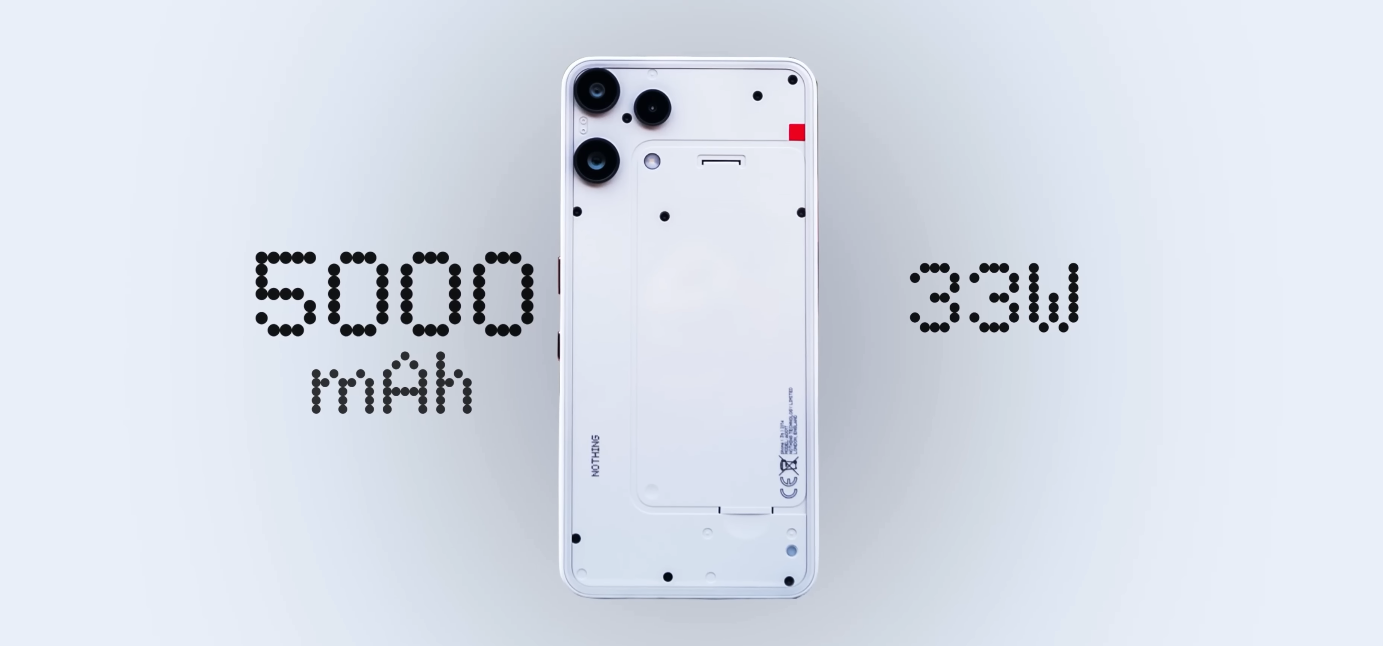
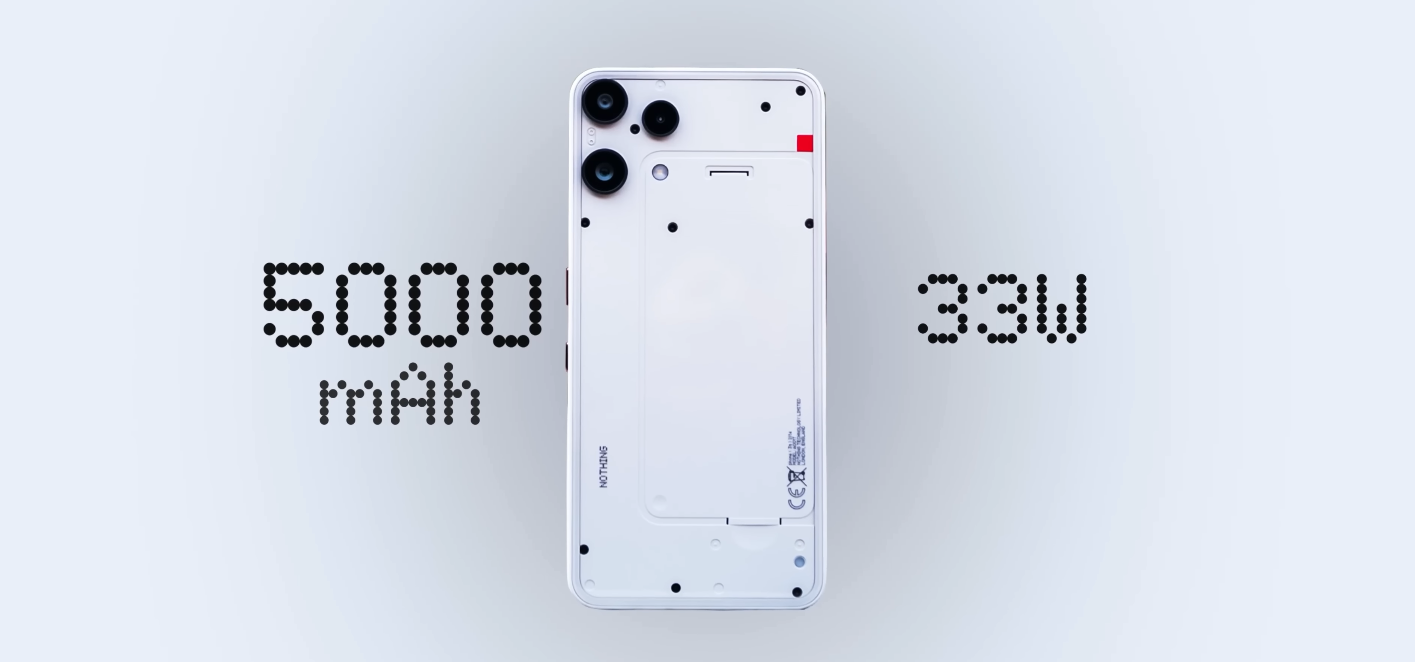
Since the Nothing Phone (3a) Lite does not include a charging brick in the box, a reliable USB-C charger is another day-one necessity. UK-certified fast-charging adapters ensure the phone can reach its full 33W charging capability. Picking an official or reputable third-party charger also helps avoid performance issues or battery wear over time, offering a safer, more efficient charging experience.

Having an extra USB-C to USB-C cable is helpful for most UK users who charge their devices in multiple locations such as home, office or car. Durable braided cables or official cables from Nothing tend to last longer and maintain stable charging speeds. A spare cable is particularly useful for commuters or frequent travellers.

For users planning to store a lot of media, a high-quality microSD card is an optional but highly useful add-on. With the Phone (3a) Lite supporting expansion up to 2TB, choosing a fast, reliable microSD card can significantly improve file transfers, app storage and media handling. UK buyers who shoot videos, download offline content or keep playlists stored locally will benefit most from this upgrade.

Wireless earbuds also make a good pairing with the new device. Nothing’s own Ear models match the phone’s design language and integrate neatly with its software features. Clear audio quality, stable Bluetooth performance and comfort during long listening sessions make them a practical addition for everyday use in the UK.

Protective pouches or sleeve cases are another accessory some users prefer, especially if they carry their phone in a bag. These provide scratch protection and cushion the device during travel. UK weather can be unpredictable, so a weather-resistant pouch is helpful for those who often commute in the rain.

A car mount is worth considering for users who rely on navigation while driving. Secure dashboard or air-vent mounts ensure the Nothing Phone (3a) Lite stays stable and visible without obstructing view. Pairing it with a quality fast-charging car adapter can keep the phone powered during long trips across the UK.

Cleaning kits or microfiber cloths are often overlooked but extremely useful. The transparent design of the phone tends to attract fingerprints, and keeping a small cleaning cloth ensures the handset maintains its polished look. Regular cleaning also helps reduce scratches caused by dirt or debris on the surface.

Overall, buying the right accessories on day one ensures the Nothing Phone (3a) Lite stays protected, performs at its best and retains value for future trade-in. UK buyers benefit most from investing early in a reliable case, tempered glass, fast charger and essential add-ons that complement daily use.
Nothing Phone (3a) Lite UK price after VAT: what your total cost looks like

Nothing Phone (3a) Lite UK price after VAT what your total cost looks like

Understanding the real checkout amount for UK buyers

The Nothing Phone (3a) Lite continues to draw attention in the UK for offering a modern design and smooth performance at a competitive price. But many buyers want clarity on the final checkout cost after VAT, especially with smartphone pricing varying across retailers. Looking closely at the official pricing structure gives a clear picture of what you actually pay at the counter, with no hidden figures to worry about.

The base UK price for the Nothing Phone (3a) Lite begins at £249 for the 8GB + 128GB model. This figure already includes the standard 20% VAT applied on consumer electronics, meaning buyers do not need to calculate any additional tax on top when purchasing through authorised UK retailers. For those who prefer additional storage, the 8GB + 256GB version is available at £279, and this amount also represents the final price after VAT.

To understand what this means in terms of cost breakdown, it helps to look at the VAT portion within the total price. On the £249 model, roughly £207.50 accounts for the phone itself, while around £41.50 corresponds to the VAT amount. On the £279 version, around £232.50 is the base value and around £46.50 represents VAT. These figures demonstrate how much of the retail price is tax, even though customers do not need to handle this calculation when purchasing.

Nothing Phone (3a) Lite UK price after VAT what your total cost looks like

Because the headline price includes VAT, UK buyers typically pay exactly the amount listed at checkout without surprise charges. The only time extra costs are added is when purchasing from a seller outside the UK. In those cases, VAT and import fees may apply separately at customs, often making the final cost significantly higher. Buying locally from UK retailers prevents those charges and ensures warranty cover.

There are still optional expenses to consider depending on individual needs. Many buyers add a case or screen protector to avoid wear on the transparent back and display, which can add around £20 to £40 to the total spend. Optional extended warranty plans also increase the final bill but are not required for those satisfied with the standard manufacturer warranty.

Discounts and retailer offers can alter the final checkout cost further. Price drops during seasonal sales, trade-in promotions and bundle deals may reduce the price by £10 to £30 or more depending on timing and availability. While the £249 and £279 figures are standard pricing, the real-world cost can be slightly lower for buyers who shop strategically.

Putting everything together, the realistic total cost most UK customers pay for the Nothing Phone (3a) Lite falls between £249 and £279 depending on the storage option selected, with no extra VAT added at checkout. Accessories and optional protection plans are the only additional expenses to factor in, and discounts can occasionally bring the base price down.

For UK buyers prioritising transparency in pricing, the Nothing Phone (3a) Lite offers a straightforward purchase experience. The price you see is the price you pay, VAT included, making budgeting simple whether buying online or in-store.

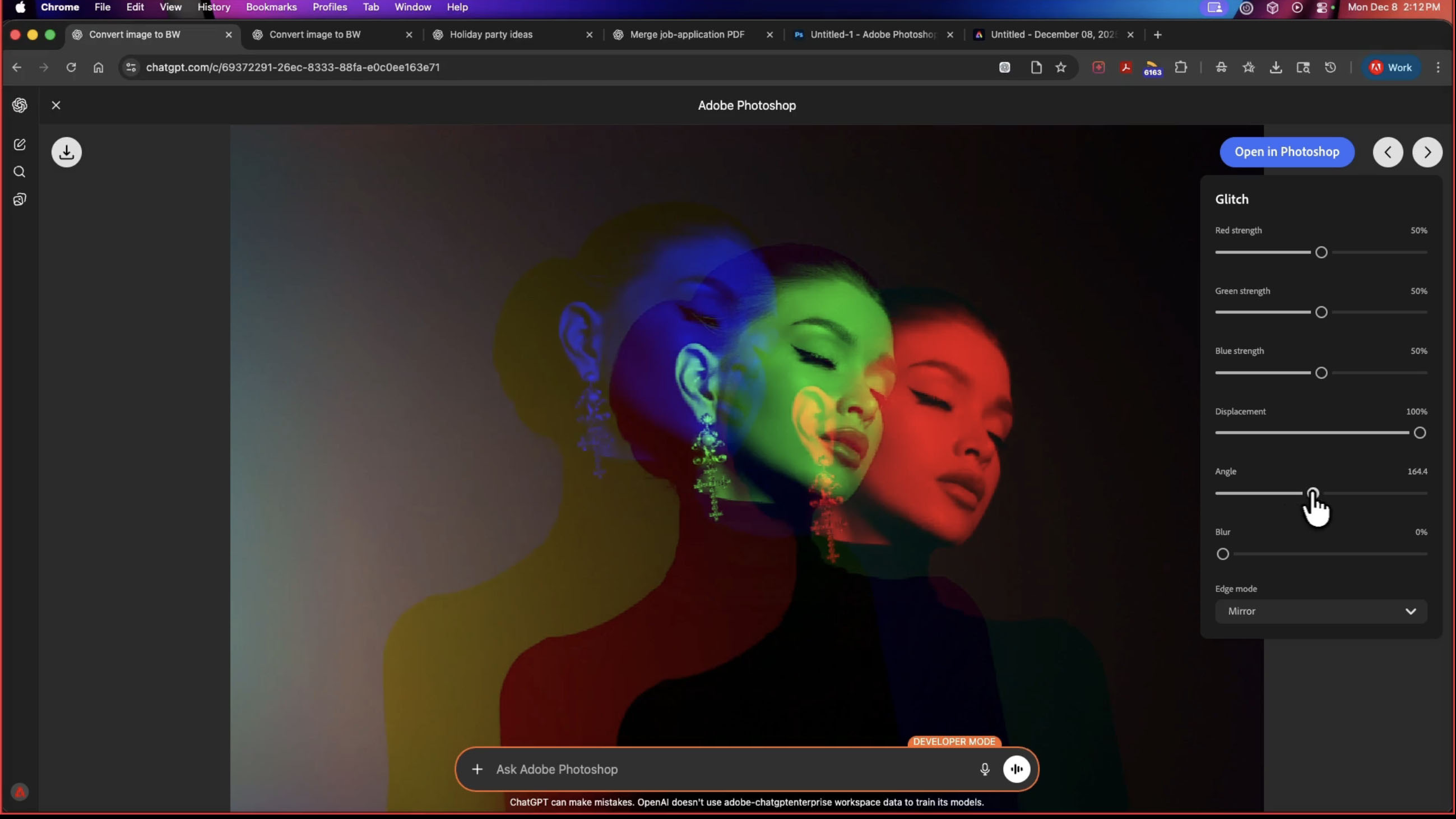
No Design Skills? No Problem! Free Adobe Photoshop & More Now Live in ChatGPT

No Design Skills? No Problem! Free Adobe Photoshop & More Now Live in ChatGPT

Unleash Your Inner Creator: Adobe Photoshop, Express, and Acrobat Now Free in ChatGPT

The groundbreaking integration of Adobe’s leading creative and productivity tools—Photoshop, Express, and Acrobat—directly into ChatGPT marks a pivotal moment for digital content. Users now access powerful editing and design capabilities without extensive prior experience or costly software subscriptions. This democratises high-quality visual content production and efficient document management for everyone, significantly lowering the barrier to entry.

This innovative partnership is revolutionary for those finding graphic design daunting. Sophisticated Photoshop functionalities become accessible through simple, conversational AI prompts within ChatGPT. Imagine crafting stunning social media graphics or refining images by just describing your vision, eliminating traditional skill barriers and empowering a much broader audience of creators previously excluded from professional design workflows.

Adobe Express, celebrated for its intuitive templates and rapid design features, finds a potent new home within this AI-powered chat interface. It streamlines content generation for social media posts, engaging flyers, and professional presentations. Users leverage ChatGPT’s understanding to guide Express in producing consistent, branded assets swiftly, conserving invaluable time for busy professionals and creative hobbyists alike.

Furthermore, Adobe Acrobat’s inclusion within ChatGPT dramatically simplifies document handling tasks. From editing PDFs and combining files to extracting specific information, these operations are executed using straightforward text commands. This seamless integration promises to revolutionise administrative workflows, transforming document management into an intuitive and highly efficient process for all users, boosting overall productivity.

The “free” aspect of this integration cannot be overstated, presenting an unparalleled opportunity for diverse users. Students, small business owners, and aspiring creators access professional-grade tools without financial outlay. This democratisation of creativity encourages experimentation and fosters innovation, cultivating a new generation of digital content creators across the UK and beyond, driving accessibility.

No Design Skills? No Problem! Free Adobe Photoshop & More Now Live in ChatGPT

This collaboration signifies a forward-thinking strategic move by Adobe, embedding its comprehensive ecosystem within leading AI platforms, aligning with the burgeoning trend towards AI-augmented creativity. By rendering powerful tools more accessible and intuitive through conversational interfaces, Adobe fundamentally redefines how users interact with and utilise creative software in the dynamic digital age.

The implications for overall productivity across various sectors are immense. Instead of frequently switching applications, users remain within the ChatGPT environment to generate textual content, refine images, and manage critical documents. This consolidated workflow leads to faster project completion and enhanced efficiency for content marketers, educators, and many other professionals.

Also Read:  South Park Season 28 Episode 5: Anticipated Release Date and Satirical Targets on Paramount+ UK

Ultimately, this free and comprehensive integration will fundamentally transform our approach to digital content creation and essential document management. It is an exceptionally exciting development, making powerful Adobe tools widely accessible to millions. This paves the way for unprecedented creative expression and significantly enhanced productivity across numerous industries and personal endeavours, truly unleashing potential.

No Design Skills? No Problem! Free Adobe Photoshop & More Now Live in ChatGPT

Nothing Phone (3a) Lite what UK buyers must check before they buy

Nothing Phone (3a) Lite what UK buyers must check before they buy

Key Checks for UK Shoppers Before Choosing the Phone

UK buyers considering the Nothing Phone (3a) Lite should look closely at a few important points before making the final purchase. The phone enters the UK market as an affordable option with a modern design and solid core features, but there are several details that buyers should verify to ensure it fits their needs. Checking these aspects early can help avoid surprises after purchase and give a clearer picture of what the device truly offers.

One of the first things UK buyers should confirm is the software support the device comes with. The phone launches with the latest Android version through Nothing’s custom interface, and buyers should ensure the promised system and security updates apply fully to the UK variant. Long-term software support adds value, especially for users planning to keep the phone for several years.

Network compatibility is another important factor. Buyers should check if the phone supports the 5G bands used by their specific UK mobile operator. Ensuring proper band coverage helps maintain better connectivity and data performance. It’s also worth verifying whether the device supports dual SIM functionality, which can be important for users who manage work and personal lines.

Nothing Phone (3a) Lite what UK buyers must check before they buy

Charging and accessories should be reviewed closely as well. The Nothing Phone (3a) Lite supports fast wired charging, but UK buyers need to confirm whether the charger is included in the box. Many recent budget phones remove the charger to cut costs, so buyers should be prepared in case it needs to be purchased separately. It’s also a good idea to check that the charging port and cable align with typical UK standards.

Storage options deserve attention too. UK buyers should confirm the storage variant they are purchasing and whether it meets their needs over the long term. Since the phone does not include expandable storage, choosing the right capacity at purchase becomes important for users who store many apps, photos or videos.

Durability features should be checked before buying. The phone offers basic resistance to dust and splashes, but it does not reach the higher protection levels seen on more expensive models. Users who frequently travel, work outdoors or use their phone in unpredictable conditions should consider whether this level of protection is enough for everyday use.

Camera performance is another point worth evaluating. While the main camera sensor delivers strong images for the price, the secondary lenses offer more limited capabilities. UK buyers who prioritize photography should take a moment to understand the strengths and weaknesses of the camera system to ensure it matches their expectations.

Performance in day-to-day use should be examined as well. The chipset powering the phone is designed for efficiency and smooth general usage, but users with heavy gaming or multitasking needs should consider whether it offers enough power. Checking performance feedback can help avoid issues later on.

Warranty and service support in the UK should also be confirmed. Buyers should make sure the phone is covered under official UK warranty conditions and that authorized service centers are available locally. This ensures easier repairs and reliable support should anything go wrong.

Price-to-feature comparison remains essential. While the Nothing Phone (3a) Lite sits under £250, there are several models in the slightly higher price range that may offer faster charging, better durability or more advanced cameras. Buyers should compare these options to make sure the Nothing model remains the best value for their specific needs.

Lastly, the overall software experience is important to consider. The brand’s interface is known for being clean, but buyers should still check for any pre-installed apps or features that may affect the user experience. Ensuring the software matches expectations helps create a smoother and more satisfying long-term experience.

By reviewing these key points, UK buyers can make a confident and informed decision about whether the Nothing Phone (3a) Lite is the right choice for them.

Nothing Phone (3a) Lite vs. Poco X-series: value flagship or mid-tier?

Nothing Phone (3a) Lite vs. Poco X-series value flagship or mid-tier

Comparing Two Budget Heavyweights in the Mid-Range Market

The mid-range smartphone segment has become one of the most competitive spaces, and the battle between the Nothing Phone (3a) Lite and the Poco X-series highlights exactly why. Both brands aim to deliver a flagship-like experience at a price that appeals to budget-conscious buyers, but their approaches differ. This comparison looks at how each phone positions itself in the UK market and whether either truly qualifies as a “value flagship.”

The Nothing Phone (3a) Lite enters the segment with a design that instantly stands out. Its premium-style finish, modern aesthetics and clean software experience give it an identity that goes beyond its price tag. The phone brings a large AMOLED display with a smooth refresh rate, offering the kind of visual clarity and fluidity usually reserved for pricier devices.

In contrast, Poco’s X-series targets raw specifications and aggressive performance. Models in this line often feature high-refresh-rate AMOLED displays, powerful processors and fast charging geared towards users who want top-tier speed without the premium cost. This makes the Poco range attractive to buyers who prioritise performance and gaming capabilities over design.

Nothing Phone (3a) Lite vs. Poco X-series value flagship or mid-tier

Performance is a pivotal factor in this comparison. The Nothing Phone (3a) Lite uses a well-balanced mid-range chipset that handles multitasking, streaming and everyday apps without difficulty. It offers smooth operation for general use but does not chase benchmark-topping numbers. Poco’s X-series devices, however, tend to pack more powerful processors, making them better suited for demanding users and gaming enthusiasts who want to push their device harder.

Camera capability also plays an important role. The Nothing Phone (3a) Lite includes a 50MP main camera supported by additional lenses, delivering solid results in good lighting and dependable quality for everyday photography. The Poco X-series typically also features high-resolution main sensors but may include enhancements like optical stabilisation or improved night-mode tuning, depending on the model. For users who value consistent detail and enhanced low-light performance, the Poco may edge ahead.

Battery life is strong on both sides. The Nothing Phone (3a) Lite features a 5,000mAh battery that usually lasts through a full day of mixed usage. Poco’s X-series matches this capacity but often pairs it with faster charging, allowing users to recover battery power more quickly—an advantage for busy or heavy-use scenarios. Both devices perform well in typical UK daily routines involving messaging, browsing, streaming and occasional gaming.

Software experience, however, is where the two brands diverge. Nothing’s clean and minimal interface is a major draw for users who prefer a clutter-free environment without bloat. Poco devices run a customised UI that offers more features but may feel heavier to some users. The choice comes down to whether a streamlined experience or feature-rich interface better suits your usage style.

From a value standpoint, both devices deliver strong offerings. The Nothing Phone (3a) Lite brings premium looks, dependable performance and all-day battery life, making it feel closer to a value flagship in daily use. Poco’s X-series appeals to users seeking superior performance and faster charging at a competitive price, placing it firmly in the upper mid-tier with flashes of flagship behaviour.

For buyers in the UK, the best choice depends on personal priorities. If you want a phone that looks and feels more premium while offering consistent everyday performance, the Nothing Phone (3a) Lite is an appealing pick. If you’re after maximum power and faster charging for less money, the Poco X-series provides stronger performance value.

In the final analysis, both phones deliver impressive mid-range capabilities. The Nothing Phone (3a) Lite leans closer to the “value flagship” experience through design and user feel, while the Poco X-series pushes the boundary of what a mid-tier device can offer through performance. Each excels in its own direction, giving buyers solid options regardless of their preference.

Nothing Phone (3a) Lite vs folding phones: flat flagship vs compact flex

Nothing Phone (3a) Lite vs folding phones flat flagship vs compact flex

Comparing classic design with modern foldable versatility

The Nothing Phone (3a) Lite represents the familiar flat-screen approach, while folding phones offer a flexible alternative designed for users who want new ways to interact with their devices. Each style appeals to different needs, and understanding these differences helps make the right choice for everyday UK use.

The flat design of the Nothing Phone (3a) Lite is simple, lightweight, and easy to handle. Its slim body and straightforward layout make it practical for one-hand use, pocketability, and long-term reliability. In contrast, folding phones focus on novelty, offering a compact form when closed and a larger display when unfolded. This dual design is ideal for users who enjoy a tablet-like experience without carrying extra bulk.

Durability plays a big role in the comparison. The Nothing Phone (3a) Lite benefits from having no hinge or moving parts, reducing the risk of mechanical wear. Foldable devices rely heavily on flexible screens and hinge systems, which require more care and may show signs of fatigue over time. For users who prefer fuss-free reliability, the flat design feels more reassuring.

Nothing Phone (3a) Lite vs folding phones flat flagship vs compact flex

Price is another clear distinction. The Nothing Phone (3a) Lite sits in a much more accessible range, offering a balanced mix of performance and value. Folding phones, however, typically cost significantly more due to their complex engineering and premium positioning. This makes them a choice for users who prioritise innovation over affordability.

When it comes to the viewing experience, foldables excel with their larger unfolded screens. They offer more space for multitasking, reading, or watching videos, giving a mini-tablet feel in certain scenarios. The Nothing Phone (3a) Lite sticks to a single display, but its straightforward setup is perfectly suited for day-to-day apps, social browsing, and general entertainment without the extra complexity.

Performance expectations also differ. Foldables often come with higher-end chipsets, making them better suited for demanding tasks. The Nothing Phone (3a) Lite focuses on efficient and smooth operation for typical usage. While not a performance powerhouse, it delivers enough speed for everyday routines without the high cost associated with foldables.

Portability is another point to consider. Foldables can be compact when closed, but they often feel thicker and heavier. The Nothing Phone (3a) Lite remains consistently slim and easy to carry, making it ideal for users who prioritise comfort and simplicity during commutes or long days out.

Battery life can favour the flat phone as well. Without powering two screen states or complex hinge components, the Nothing Phone (3a) Lite generally offers more predictable endurance. Foldables, depending on size and brightness demands, may drain faster when used in full-screen mode. For users wanting long-lasting reliability, the simpler design has practical advantages.

The user interface on folding phones adapts to the larger canvas, allowing split-screen layouts and creative multitasking. This is great for productivity-minded users. Meanwhile, the Nothing Phone (3a) Lite keeps navigation straightforward, ensuring smooth control without extra learning curves or custom gestures required by foldables.

Aesthetic preference also matters. The Nothing Phone (3a) Lite carries a clean, transparent-inspired design that fits modern minimalism. Foldables, on the other hand, appeal to those who enjoy futuristic tech and standout looks. Each design language targets a different type of user personality.

Overall, the choice depends on what you value more: practicality or innovation. The Nothing Phone (3a) Lite is ideal for users seeking a reliable, affordable, and straightforward smartphone. Foldable devices cater to those who want flexibility, larger screens, and cutting-edge design. Both categories offer compelling benefits, but your daily habits will ultimately decide which approach suits you best.

Nothing Phone (3a) Lite design deep dive: transparent back and Glyph LED

Nothing Phone (3a) Lite design deep dive transparent back and Glyph LED

A closer look at Nothing’s bold design direction

The Nothing Phone (3a) Lite stands out in a crowded mid-range market by focusing on design just as much as performance. Instead of blending in with conventional smartphone aesthetics, it reintroduces the brand’s signature transparent look and a simplified yet functional Glyph LED feature. For users in the UK who value individuality and style, this model aims to deliver a striking visual identity without the price tag of a flagship.

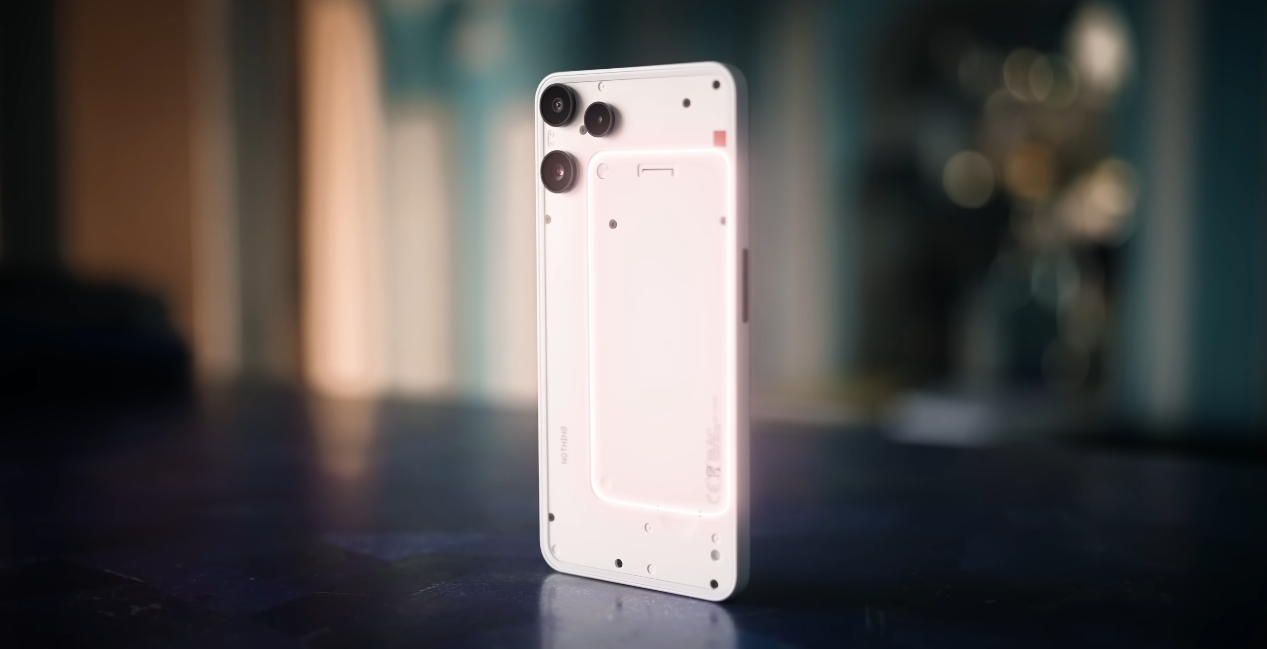
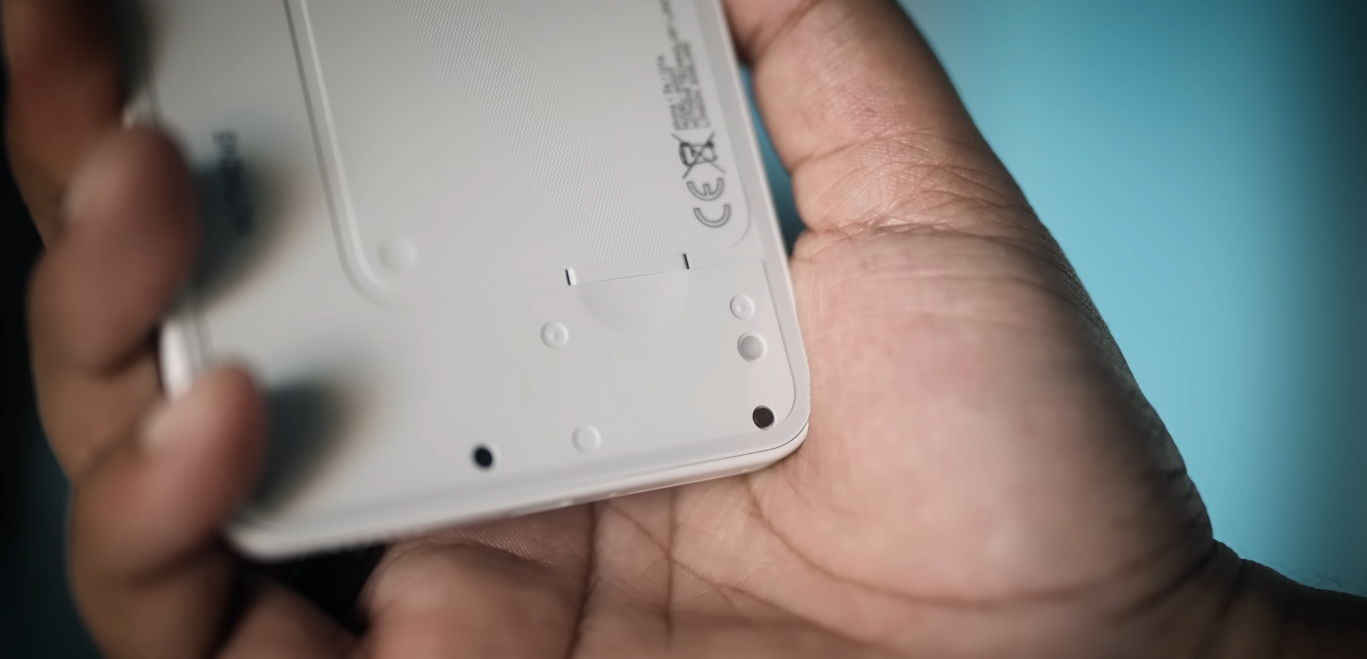
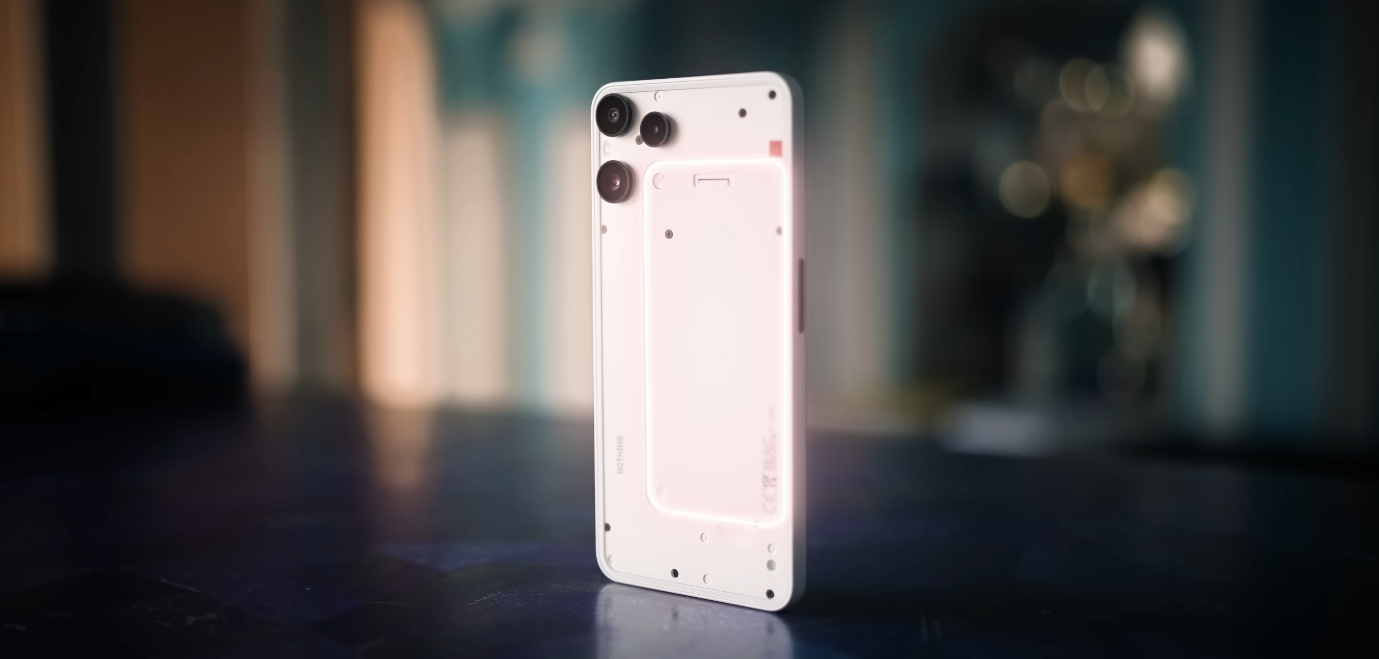
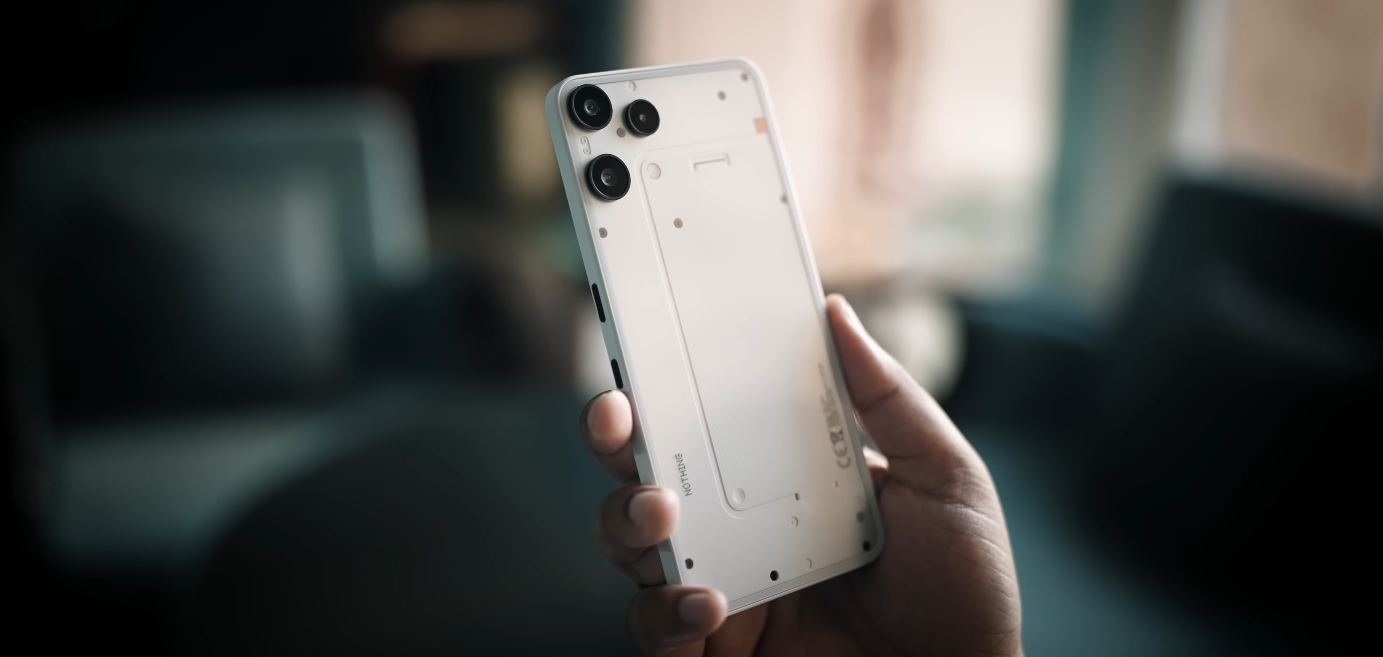
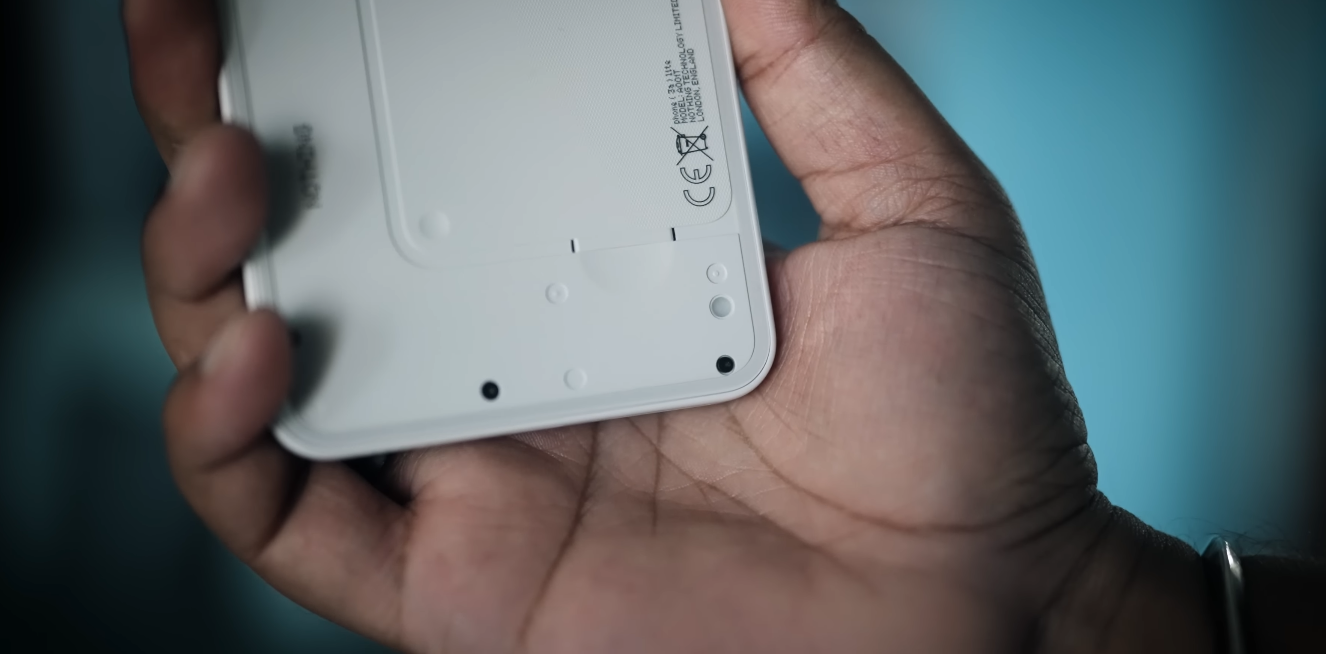
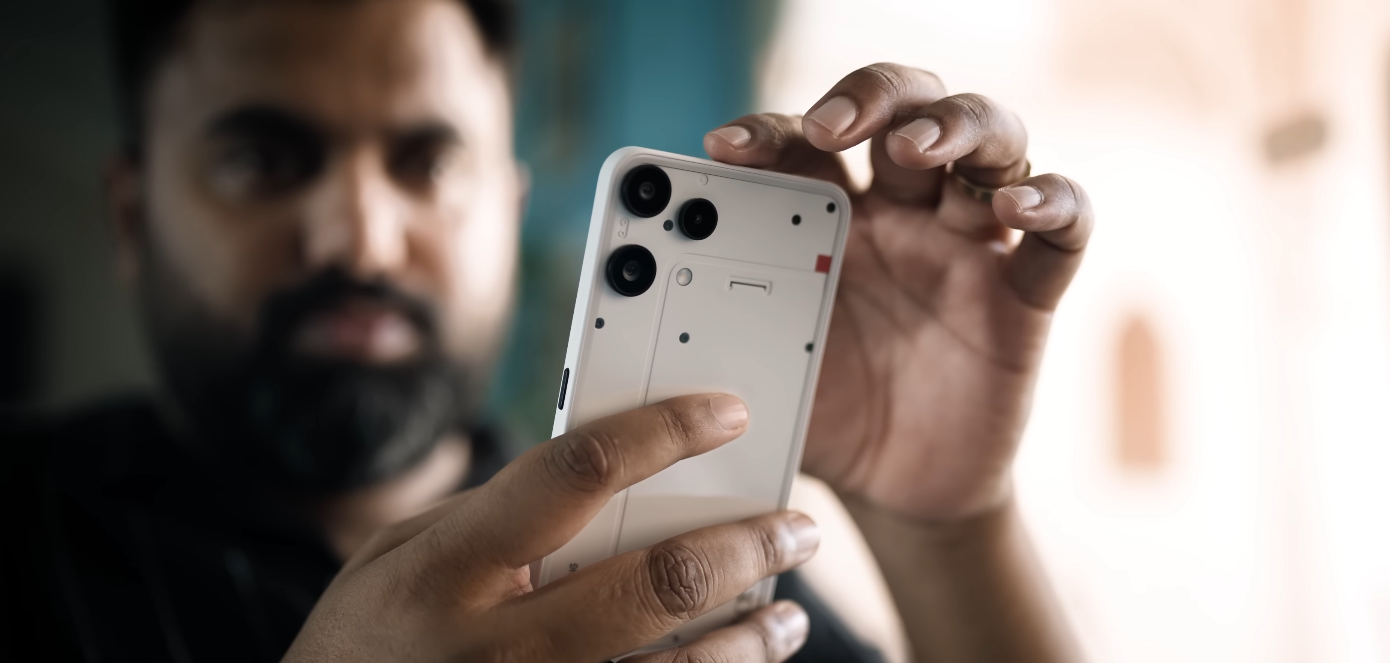
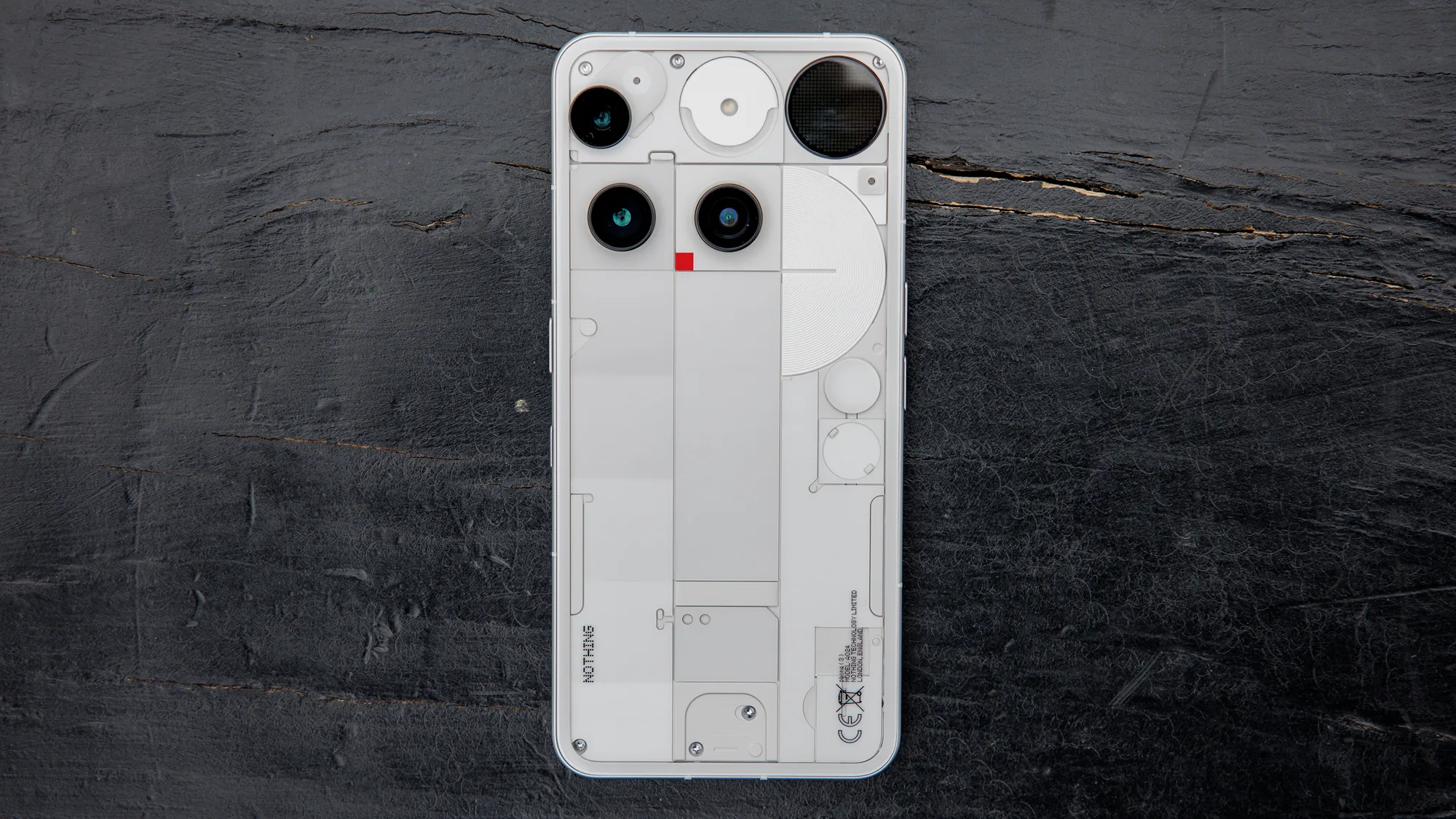
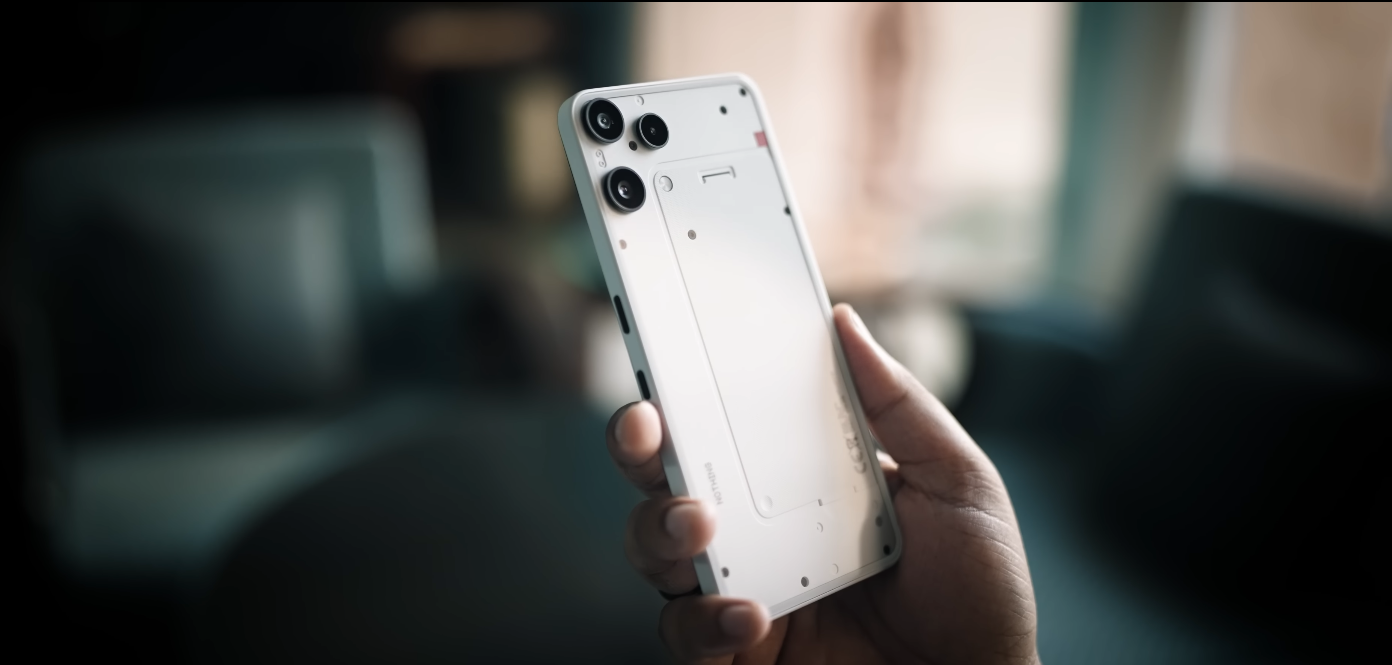
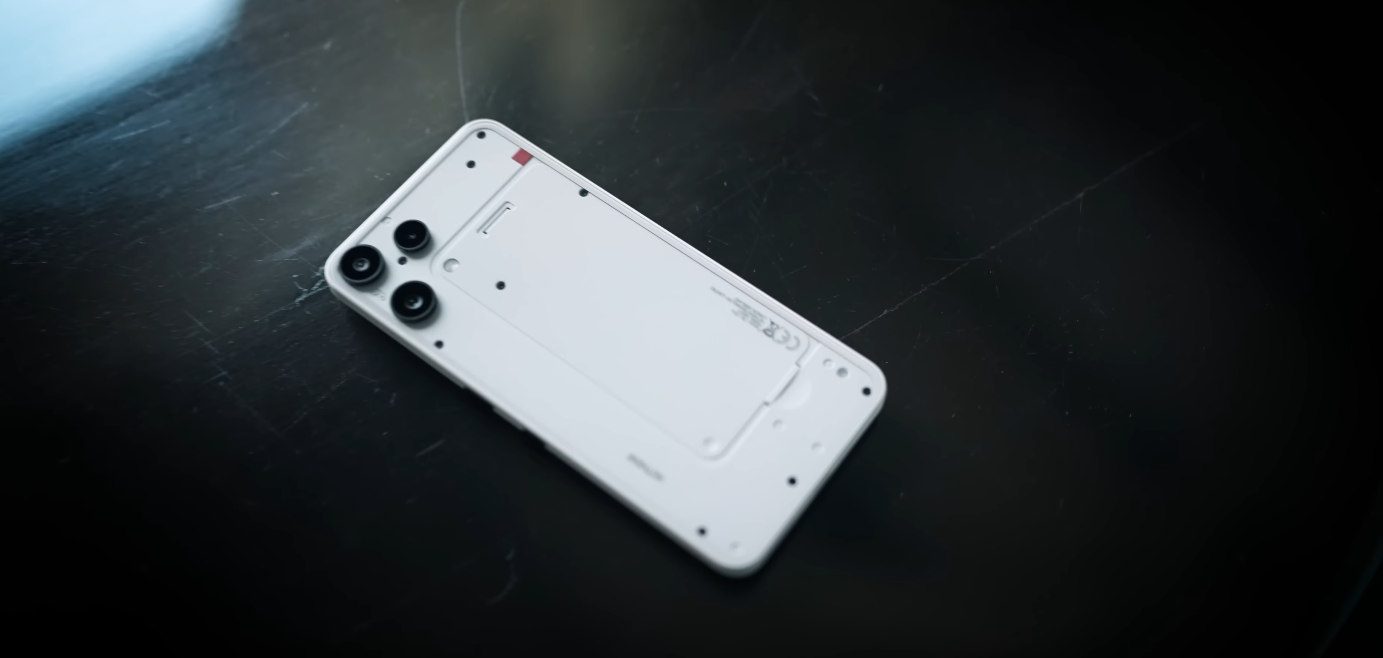
Nothing continues its theme of transparency with the 3a Lite, allowing users to see structural elements such as fasteners and internal layouts through the rear panel. The look is intentionally industrial, forming a visual connection to the brand’s earlier devices. While most mid-range phones prioritise cost efficiency over design experimentation, the 3a Lite attempts to reverse that narrative and make design a headline feature rather than an afterthought.

The transparent back panel is supported by a clean camera layout and a flat matte frame, reinforcing a minimal and geometric appearance. Unlike busy or curved smartphone designs, the 3a Lite embraces symmetry and simplicity. The small red accent near the battery section adds personality without interrupting the monochrome palette, staying aligned with Nothing’s philosophy of distinction through restraint.

Nothing Phone (3a) Lite design deep dive transparent back and Glyph LED

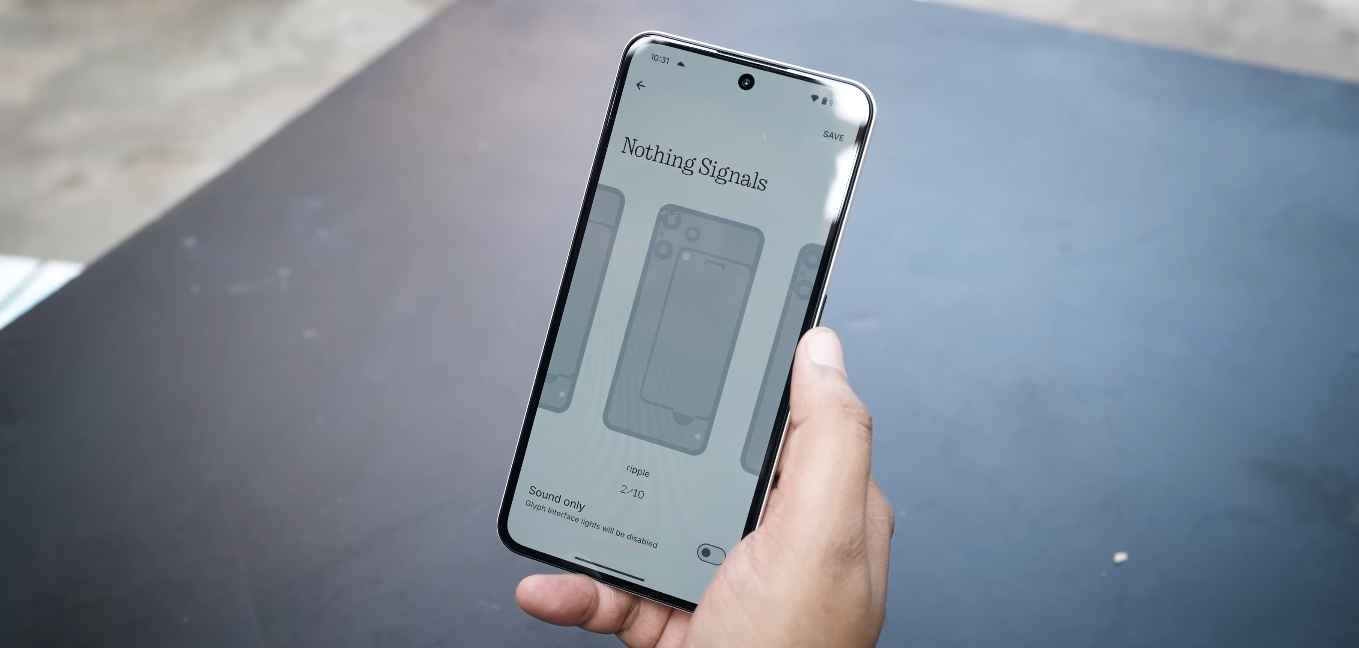
A key design element of this device is the Glyph LED system, positioned as a circular light rather than the multi-segment setup seen in higher-tier Nothing phones. While simplified, the light continues to serve practical functions such as customised notification indicators, call alerts and visual countdowns. Nothing has blended aesthetics and utility so that the design does more than simply look different.

Living with the Glyph system changes how the phone behaves in daily use. Users can place the device face-down and allow the Glyph to signal calls or notifications silently using light patterns. This becomes particularly useful in quiet environments such as offices, classrooms or evening commutes, where audible notifications are unwelcome. It reinforces the idea that design and functionality are not mutually exclusive.

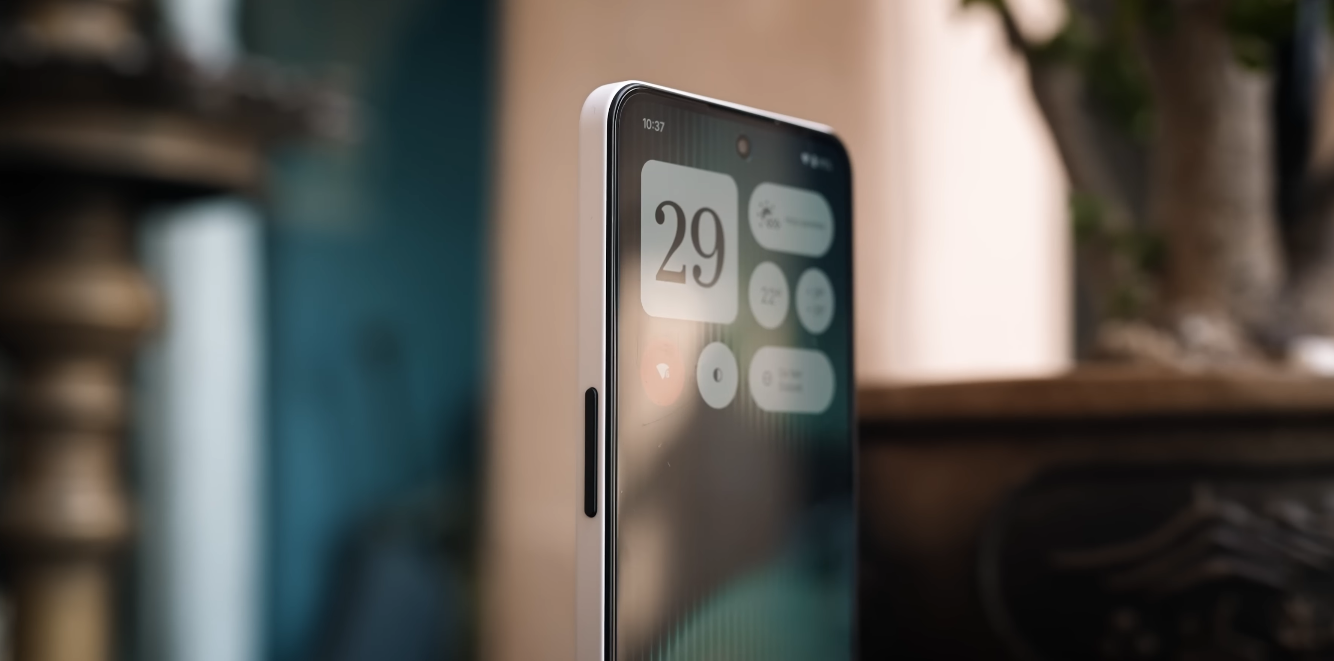
In terms of materials and build, the Nothing Phone (3a) Lite uses a plastic frame to keep weight and cost manageable. The finish is solid in the hand and the transparent panel draws attention away from the more modest material choices. The footprint and weight make it comfortable for prolonged use, and the added splash resistance brings a touch of durability to daily handling.

There are, however, trade-offs that accompany this design direction. The plastic frame won’t feel as premium as metal or high-grade glass to users who prioritise material quality over appearance. The transparent surface may show fingerprints more visibly than opaque finishes. The simplified Glyph LED is less dramatic than the full setup on flagship Nothing models, which may leave some design enthusiasts wanting more.

Despite the compromises, the 3a Lite offers meaningful appeal in the UK market. Many smartphones in the same price bracket deliver similar specifications, making visual differentiation a strong selling point. The 3a Lite positions itself for buyers who consider their handset a lifestyle accessory and appreciate the idea of technology that communicates through subtle cues instead of constant screen reliance.

Viewed purely from a design standpoint, the Nothing Phone (3a) Lite successfully brings high-concept aesthetics to a more affordable segment. The transparent rear gives the device instant recognisability, while the pared-down Glyph implementation manages to keep the interaction benefits intact. For users seeking a mid-range device that doesn’t look or behave like every other smartphone, the 3a Lite provides one of the most distinctive options available today.

In conclusion, the Nothing Phone (3a) Lite delivers a design experience centred on individuality, visual expression and functional creativity. It may not satisfy those seeking premium materials or the most advanced lighting system, but it confidently targets users who want technology that stands out without becoming impractical. The result is a handset that brings character to the mid-range category and continues Nothing’s mission to make smartphone design interesting again.

Nothing Phone (3a) Lite UK contract vs SIM-free: what’s cheaper long-term?

Nothing Phone (3a) Lite UK contract vs SIM-free what’s cheaper long-term

Comparing the all-in-one deal with outright purchase and plan

When considering purchasing the Nothing Phone (3a) Lite in the UK, one of the key decisions is whether to go via a mobile network contract or to buy the device outright SIM-free and choose your own data plan. Many buyers focus on the upfront cost of the handset, but the total cost of ownership over two or three years often matters more for value-conscious consumers.

If you buy the phone SIM-free, you pay the full handset cost upfront or via instalments. For example, if the phone is listed at around £249 for the entry-level model, you would pay that amount and then separately take a SIM-only plan — perhaps around £15 per month depending on data, calls and text allowances. Over 24 months this route might cost roughly £249 + (24 × £15) = £609 in total. After year two, you’re free to swap plans and often pay significantly less for just the SIM.

With a contract deal, the handset cost is combined into the monthly payment along with the plan’s data, calls and texts. Suppose a network offers the handset + plan for £25 per month over 24 months: total cost becomes £600 for two years. On the surface this looks competitive, but many contract deals include higher monthly network plan costs and fewer freedoms. You’re often locked into one provider, may have less flexibility in plan choice, and the handset may be network-locked or harder to trade/sell.

Nothing Phone (3a) Lite UK contract vs SIM-free what’s cheaper long-term

Beyond just the price, consider what happens after the contract term ends. With a SIM-free handset you already own the device and can switch networks or downgrade to a cheaper SIM plan, dropping your monthly cost. With a contract handset you may need to renew, upgrade, or buy out the device if you want to leave early. Flexibility is substantially better with SIM-free.

Another factor: slower discounting and locked-in data plan rates. Contract plans may offer good deals at launch, but the handset subsidy means you’re effectively paying for the convenience of spreading cost and having one bill. If the handset is relatively low cost to begin with (as is the case here), the advantages of contract decrease.

In terms of long-term cost for the average UK buyer who keeps a phone for two to three years and opts for moderate data usage, SIM-free tends to come out cheaper overall. The upfront spend is higher, but the freedom to move between plans and networks, and to capitalize on lower cost SIM-only deals over time, often makes it the smarter choice for value. If you like, I can check live UK numbers today for the contracts and SIM-only plans for the Nothing Phone (3a) Lite and show you exact comparable deals.

Nothing Phone (3a) Lite software walk-through: Nothing OS 3.5 features

Nothing Phone (3a) Lite software walk-through Nothing OS 3.5 features

Exploring What Nothing OS 3.5 Brings to the Phone (3a) Lite

When you power up the Nothing Phone (3a) Lite in the UK, you’re greeted not just by hardware but by the latest version of Nothing OS 3.5 (based on Android 15). This is the software foundation that shapes your everyday experience, and understanding its key features can help you make the most of the phone.

First up: updates and longevity. The 3a Lite ships with Nothing OS 3.5 and the brand promises three years of major Android version updates plus six years of security patches. That means UK buyers can expect the phone to stay secure and reasonably current for several years, which is excellent for a budget-mid range device.

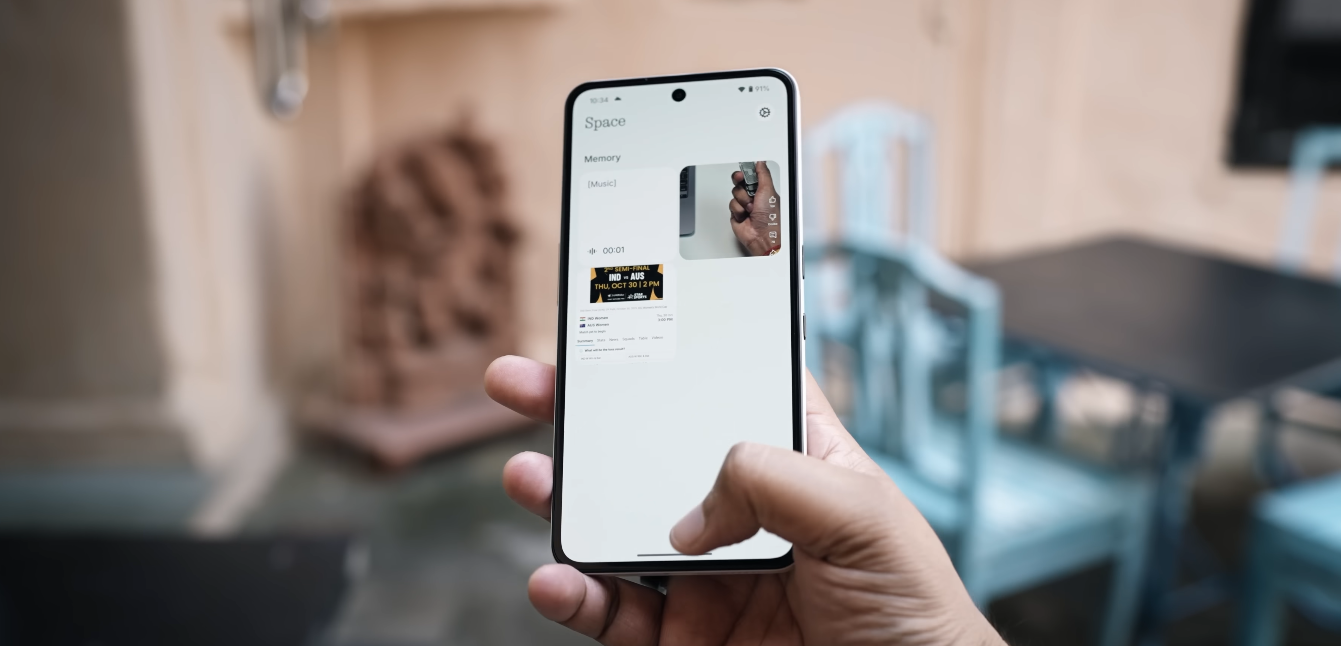
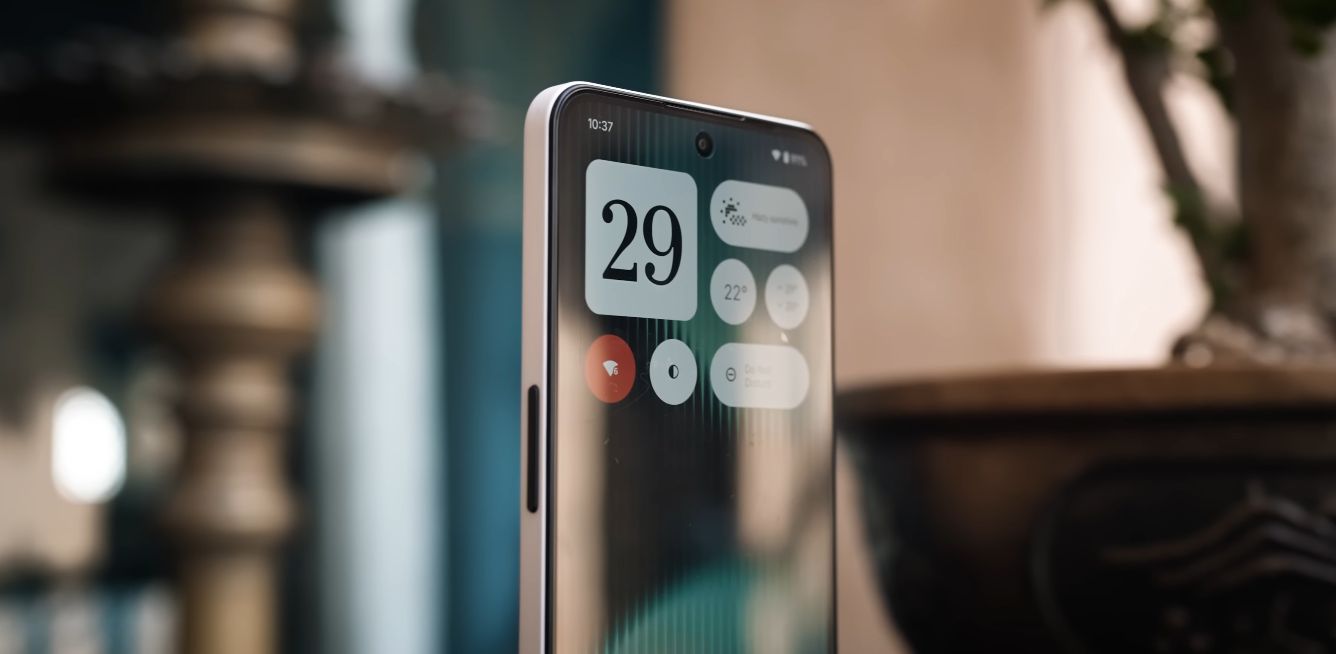
One of the standout additions in Nothing OS 3.5 is Smart Drawer, a feature that automatically organises your apps into categories such as Social, Photography, Productivity and so on. This helps keep your home screens cleaner and makes it faster to find what you need, especially if you install a lot of apps. Alongside that is App Locker, which lets you add an extra level of security to any individual app with fingerprint or PIN access.

Nothing Phone (3a) Lite software walk-through Nothing OS 3.5 features

For privacy and storage management, the software includes Private Space, a secure area on the phone where you can stash photos, videos or documents separate from your main profile. This is particularly useful in UK scenarios where you might lend your phone to someone temporarily but don’t want to expose your personal files.

Customisation is another pillar of the OS. Nothing OS 3.5 gives you plenty of control over appearance and behaviour: you can change icon shapes, colour accents, animation speeds and even toggle a minimal “mono” style if you prefer less visual clutter. The clean UI, fluid animations and minimal bloat mean you won’t feel weighed down by junk apps or unusable features.

Performance-wise, the 3a Lite benefits from software optimisations that help the phone run smoothly. The OS is tuned for its hardware (including the 120Hz display), so animations feel slick, transitions are seamless and general responsiveness is strong. This matters in daily UK use when switching between apps, browsing or simply scrolling through social feeds.

Connectivity and features: Nothing OS 3.5 ensures support for full dual-5G, WiFi 6, Bluetooth 5.3, and the expandable microSD storage (up to 2 TB) is integrated cleanly into the file manager and storage settings — so you can slot in a card and the software treats it like internal storage for many tasks.

For UK users who value minimalism and ease-of-use, the OS also includes features like one-hand mode, accessibility enhancements (larger fonts, high contrast themes) and an IT-friendly setting for keeping apps fully updated and camera firmware refreshed without fuss.

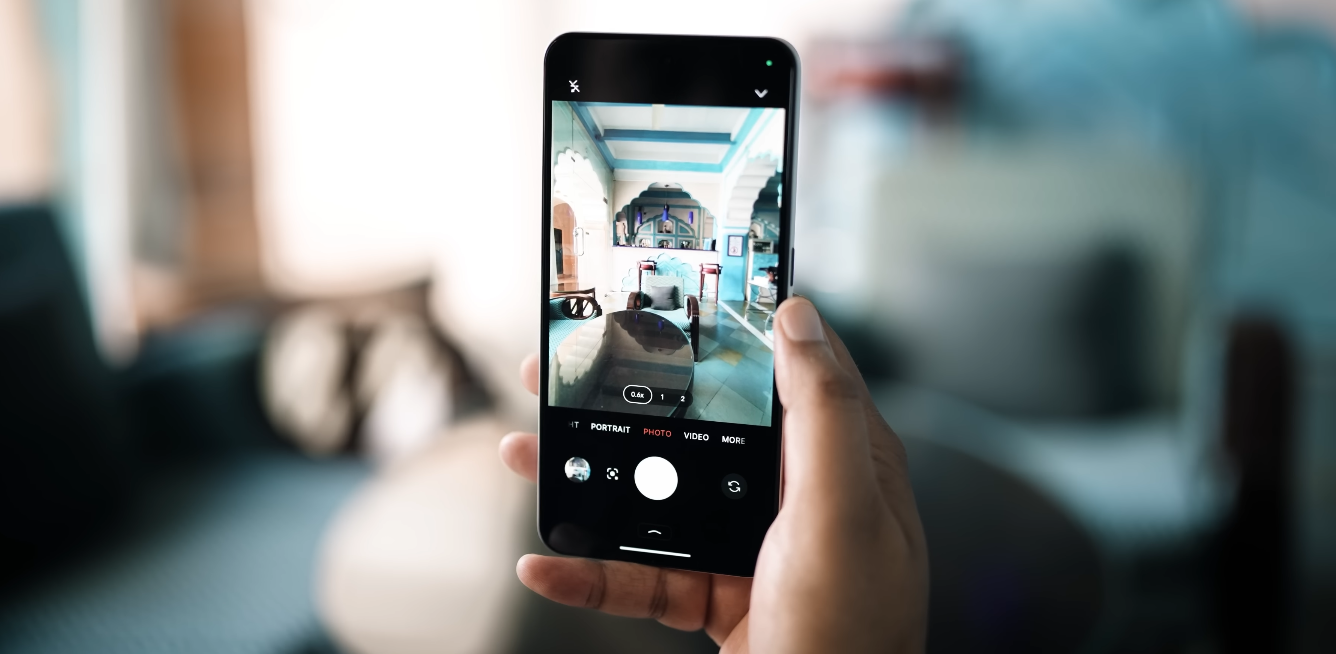
In terms of camera and media, the OS brings enhancements to the built-in photography experience: dedicated modes for Night, Portrait and Ultra Wide are accessible directly in the camera UI, and the software supplies additional processing to boost image clarity and reduce noise in challenging lighting — useful for UK indoor/low-light conditions. The 120Hz display also means video playback and UI motion feel more fluid.

Finally, UK buyers should note that nothing significant has been removed — the OS keeps the core Android experience intact while layering value-added features that appeal to everyday users rather than power tech junkies. Because of this, you get a balance of features, performance, and support without the price of a premium phone.

In summary: the Nothing Phone (3a) Lite running Nothing OS 3.5 offers a refined, secure and customisable software experience tailored for UK users. Whether it’s update longevity, privacy tools, performance tuning or simply a clean interface, the software side of this phone is one of its strong arguments in favour.

Nothing Phone 2026: No New Flagship, But Exciting Upgrades Ahead

The Nothing Phone 3, a sleek and modern smartphone with a unique design and bold colour options, representing the brand's commitment to innovation and customer satisfaction.

Nothing Phone 2026: A New Era for the British Brand

Nothing has revealed its plans for 2026, and it’s a surprise: no new flagship phone is in the works. Instead, the brand is focusing on perfecting its current lineup. CEO Carl Pei shared the company’s vision in a lengthy video, discussing the success of 2025 and the goals for the next 12 months.

The brand’s plans include a new London HQ, physical stores, and a focus on headphones. The Nothing Headphone (1) has been a success, and the company wants to build on that momentum. But the big news is that there will be no Nothing Phone (4) in 2026.

According to Pei, the Nothing Phone (3) will remain the flagship for 2026. The company wants every upgrade to feel significant, and it’s not interested in churning out a new phone just for the sake of it. This approach makes sense, given the brand’s previous warnings that its phones would have to get more expensive.

However, this doesn’t mean that Nothing won’t release any new phones in 2026. The Nothing Phone (4a) is set to launch, and it promises to be even closer to a flagship experience than previous models. The phone will feature bold experimentation in terms of colour, new materials, and improved performance.

The Nothing Phone (4a) Pro has also leaked, with a slightly larger battery and improved specs. The phone has received BIS certification in India and has been rated for 63 hours of use on a single charge. With an IP65 rating, it’s clear that Nothing is committed to creating high-quality devices.

Nothing’s approach to innovation is refreshing, and it’s exciting to see what the brand has in store for 2026. With a focus on perfecting its current lineup and pushing the boundaries of design and technology, Nothing is poised to make a significant impact in the tech world.

The Nothing Phone (3) will remain a top choice for those looking for a high-end device, and the Nothing Phone (4a) promises to be an exciting addition to the lineup. With its commitment to innovation and customer satisfaction, Nothing is a brand to watch in 2026.

As the tech world continues to evolve, it’s clear that Nothing is dedicated to staying ahead of the curve. With its unique approach to design and innovation, the brand is sure to attract attention and loyal customers. Whether you’re a fan of the Nothing Phone (3) or eagerly awaiting the Nothing Phone (4a), one thing is certain: 2026 is going to be an exciting year for Nothing.

The company’s plans for 2026 are ambitious, and it’s clear that Nothing is committed to making a lasting impact on the tech industry. With its focus on innovation, customer satisfaction, and bold design, the brand is poised to make a significant difference in the world of smartphones.

As we look to the future, it’s exciting to think about what Nothing has in store. With its unique approach to technology and design, the brand is sure to continue pushing the boundaries of what’s possible. Whether you’re a tech enthusiast or just looking for a new smartphone, Nothing is definitely a brand to watch in 2026.

Nothing’s commitment to innovation and customer satisfaction is impressive, and it’s clear that the brand is dedicated to making a positive impact on the tech world. With its focus on bold design, new materials, and improved performance, Nothing is poised to make a significant difference in the world of smartphones.

The Nothing Phone (4a) is set to launch in 2026, and it promises to be an exciting addition to the lineup. With its improved specs, bold experimentation in terms of colour, and commitment to innovation, the phone is sure to attract attention and loyal customers.

As the brand continues to evolve and grow, it’s exciting to think about what the future holds. With its unique approach to technology and design, Nothing is sure to continue making a lasting impact on the tech industry. Whether you’re a fan of the Nothing Phone (3) or eagerly awaiting the Nothing Phone (4a), one thing is certain: 2026 is going to be an exciting year for Nothing.

Nothing Phone (3a) Lite camera zoom & ultra-wide test: real-world results

Nothing Phone (3a) Lite camera zoom & ultra-wide test real-world results

How the Phone Performs in Everyday Photography

The Nothing Phone (3a) Lite brings a budget-friendly camera setup, and many UK buyers want to know how well its ultra-wide lens and zoom capabilities perform in day-to-day situations. The phone features a 50MP main camera supported by an 8MP ultra-wide sensor, and while the hardware is modest, real-world results reveal a clear picture of its strengths and limitations across different lighting conditions.

The ultra-wide camera performs best in bright daylight, where colours appear natural and the field of view captures large scenes without major distortion. Outdoor shots of buildings, landscapes and group images tend to look clean enough for social media and everyday sharing. However, detail levels remain limited due to the sensor size, and this becomes more noticeable when examining the edges of the frame.

Low-light performance shows where the ultra-wide sensor begins to struggle. In dim indoor settings or evening shots, the sensor loses sharpness and noise becomes more visible. UK buyers who often take photos in pubs, low-lit rooms or late evenings may notice these limitations quickly. The main camera handles such conditions better, but the ultra-wide’s quality drop is significant in these scenarios.

Nothing Phone (3a) Lite camera zoom & ultra-wide test real-world results

The phone’s zoom system relies entirely on digital cropping from its main 50MP sensor, with a cleaner 2x crop available for closer framing. At 2x, the results are surprisingly decent for a budget device, offering usable detail for casual photography. Beyond that, however, the quality falls off fast. At higher zoom levels, images become softer, grainier and less reliable, making it clear that the phone is not designed for long-range photography.

Daylight zoom performance is generally acceptable when staying within the 2x range. UK users taking pictures of signs, buildings or pets from a short distance will find the results adequate. But for distant subjects or action shots, the digital zoom struggles to retain clarity. This is typical for phones in this price range, which lack dedicated telephoto hardware.

Switching between the main and ultra-wide lenses can also reveal slight colour and exposure differences. While most casual users won’t find this distracting, more attentive photographers may notice small shifts in tone or brightness. These variations become more pronounced in challenging lighting, where the ultra-wide tends to underperform compared to the main sensor.

In everyday use, the main camera remains the most reliable option on the Nothing Phone (3a) Lite. It handles most conditions well enough, producing balanced colours and respectable detail for a phone in its price bracket. The ultra-wide works as a useful secondary tool for wider scenes, while the zoom is best saved for quick, simple shots rather than anything requiring fine detail.

UK buyers using the camera primarily for travel photos, outdoor scenes or social media posts will likely be satisfied with what the Nothing Phone (3a) Lite can deliver. It provides enough flexibility to handle common shooting situations, as long as expectations stay within the limits of a budget camera system.

Those looking for stronger low-light performance or more reliable zoom capabilities may need to explore phones in a slightly higher price range. But for its cost, the Nothing Phone (3a) Lite delivers practical, everyday results that suit most casual users in the UK who want a stylish phone with a capable primary camera.