Nothing Phone (3a) Lite vs. OnePlus Nord CE: which value wins?

Nothing Phone (3a) Lite vs. OnePlus Nord CE which value wins

Mid-range showdown for UK buyers

The mid-range Android market continues to heat up in the UK, and two models currently competing hard on value are the Nothing Phone (3a) Lite and the OnePlus Nord CE. Both promise capable performance, modern software and competitive pricing, but each takes a different approach to design, hardware and long-term usability. For buyers looking to stretch their money as far as possible, the differences between these two phones matter more than ever.

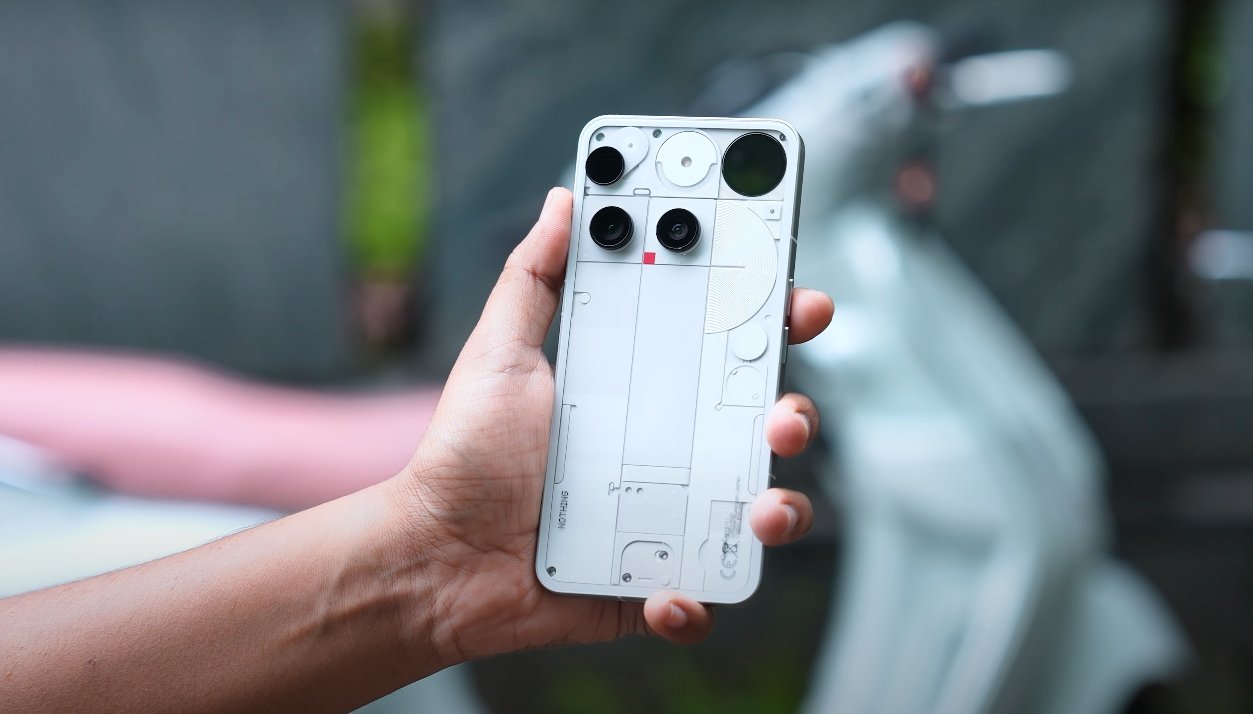
Nothing has positioned the Phone (3a) Lite as a feature-packed option for everyday users who want the latest hardware without paying flagship prices. It brings a large display, a modern processor and a strong battery focus, while keeping the signature transparent design that has defined the brand. The Lite model scales down some of the premium elements of the standard Phone (3a), but it retains most of the specifications that deliver day-to-day benefits.

OnePlus, on the other hand, continues to lean on its long-standing reputation in the Nord CE. The phone stays closer to a traditional mid-range template, with a smaller display and a proven Snapdragon processor. The Nord CE’s main strength remains consistency: it aims to deliver a reliable experience across battery life, performance and software, without shifting priorities towards heavy design features.

Nothing Phone (3a) Lite vs. OnePlus Nord CE which value wins

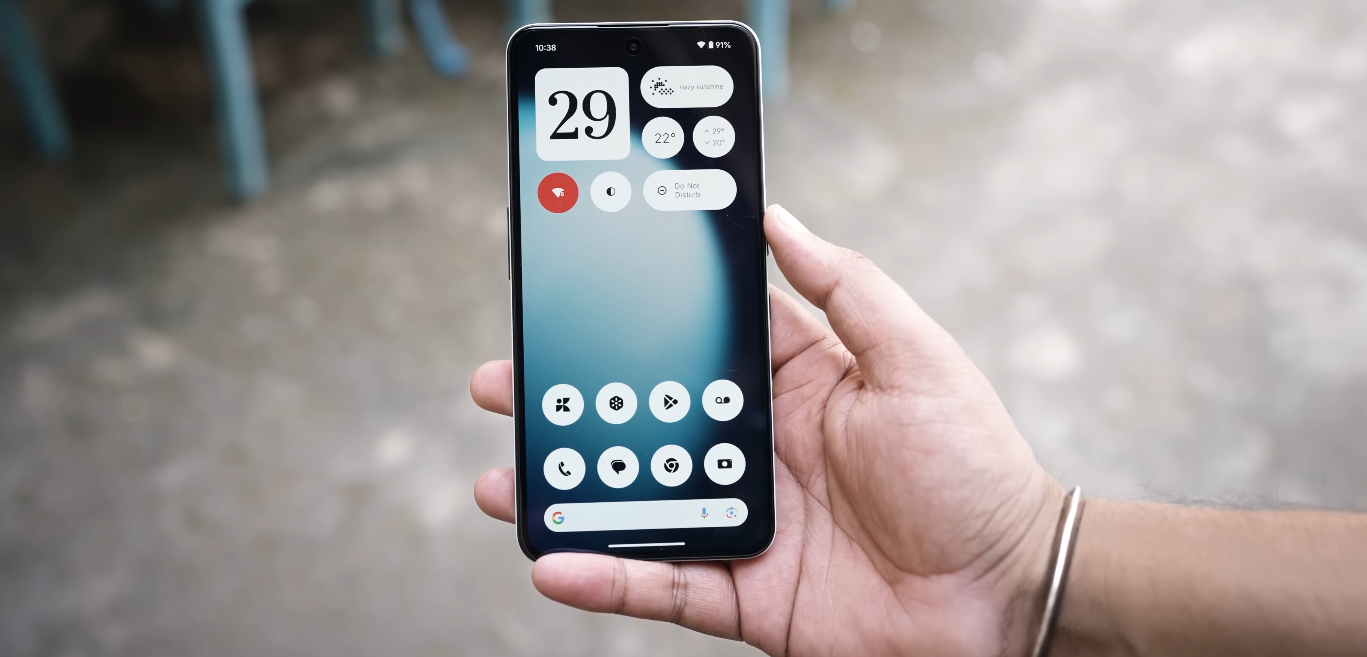
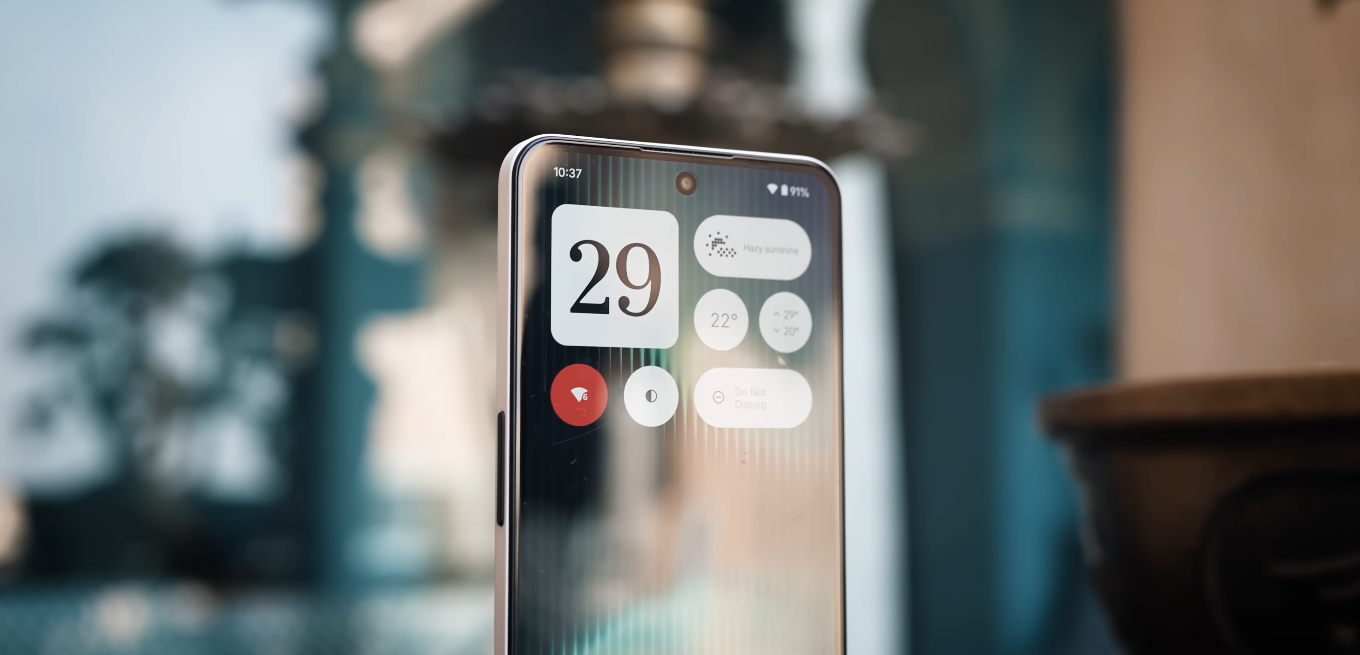
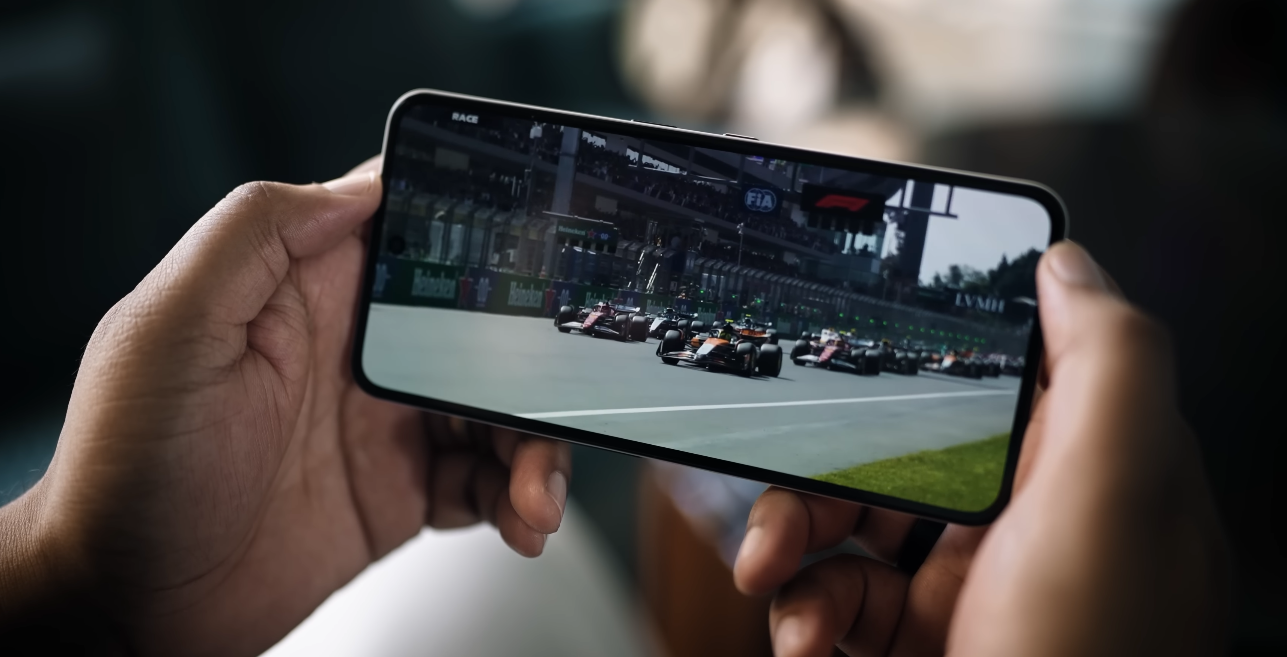
Display quality is one of the most noticeable differences. The Nothing Phone (3a) Lite comes with a larger 6.77-inch AMOLED panel with a 120Hz refresh rate, giving users a more cinematic viewing experience and smoother scrolling across apps and games. In comparison, the OnePlus Nord CE’s 6.43-inch AMOLED display with a 90Hz rate still looks sharp, but the higher refresh rate and size advantage go to the Nothing phone, especially for entertainment and social media users.

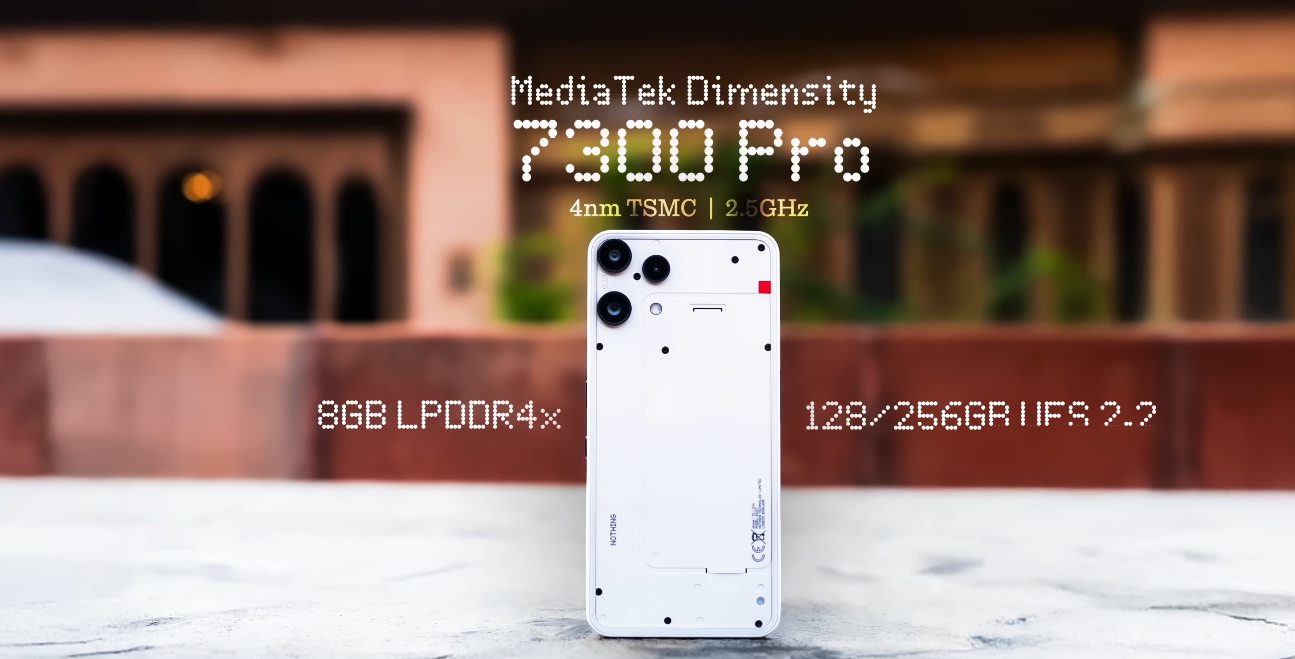
Performance also plays an important role in long-term value. The Nothing Phone (3a) Lite uses the newer 4-nanometre Dimensity 7300 Pro processor, which offers better power efficiency and improved multitasking compared to older chips. The OnePlus Nord CE is powered by a Snapdragon 750-series processor, which remains reliable for everyday tasks but lacks the same long-term optimisation seen in newer architectures. For buyers planning to keep their phone for three to four years, the newer chipset could make the difference.

Battery life is another area where Nothing aims to secure the upper hand. The 5,000mAh battery inside the Phone (3a) Lite promises a full day of mixed use with ease, supported by 33W charging. The OnePlus Nord CE provides a slightly smaller 4,500mAh battery with similar charging capability. Both are sufficient for typical daily usage, but the larger capacity on the Nothing device offers more peace of mind for heavy users.

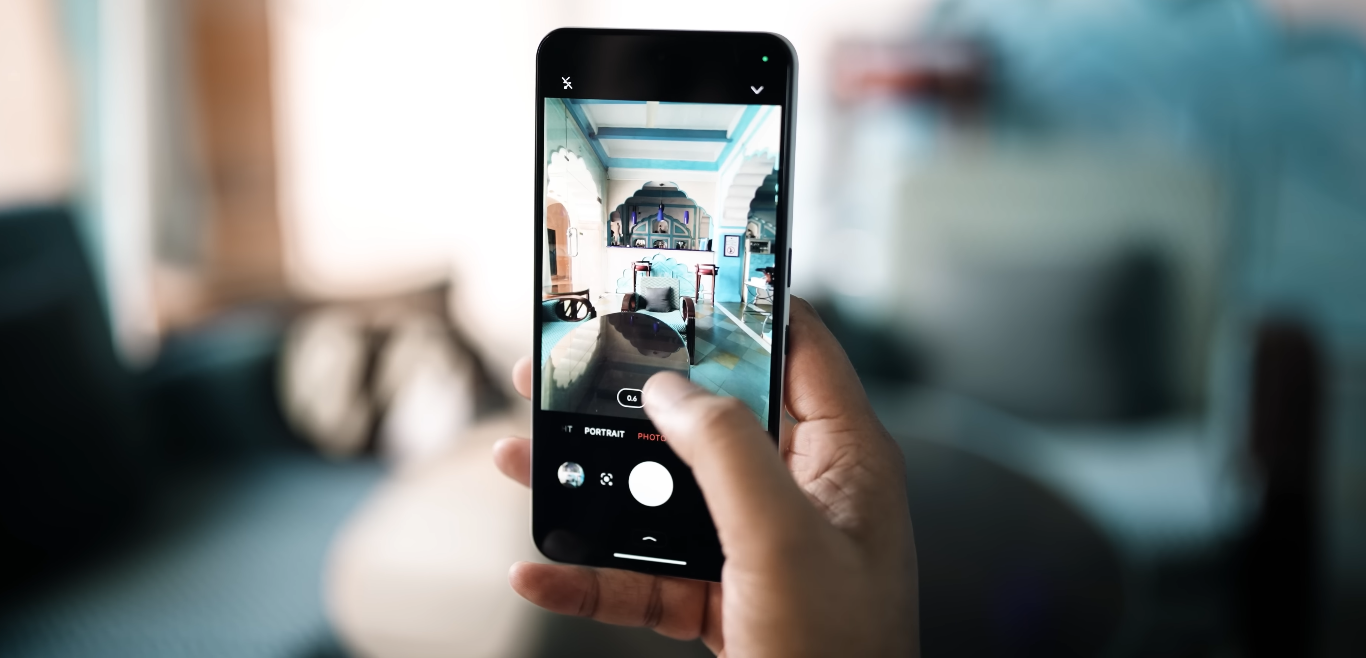
Camera performance remains competitive on both phones, but with different priorities. The Nothing Phone (3a) Lite features a 50MP main camera supported by additional lenses for wider scenes and close-up photography. The OnePlus Nord CE counters with a 64MP main sensor alongside an ultrawide camera. In real-world use, both phones perform strongly in well-lit scenarios. Night photography and indoor shots show a more balanced output on the Nothing phone, although OnePlus retains an advantage in fine texture capture thanks to its higher-resolution sensor.

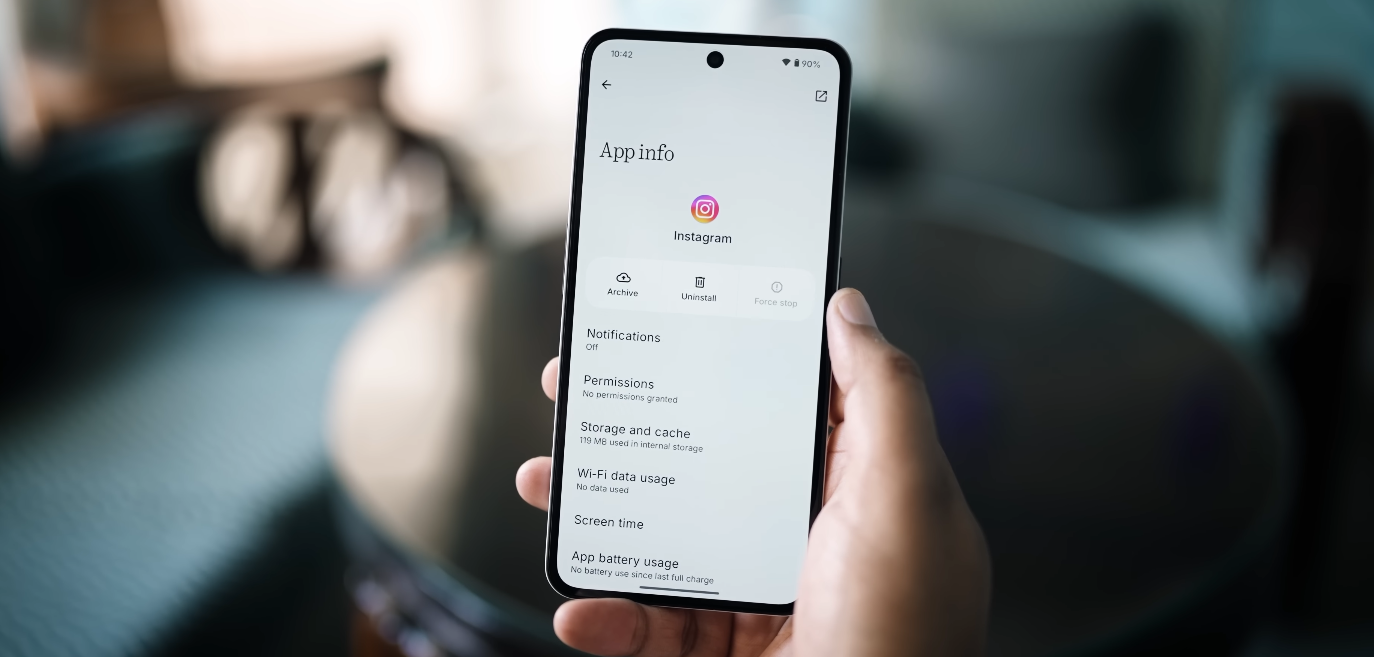
Software support and longevity can greatly influence overall value, particularly in the UK where users tend to hold onto smartphones for longer upgrade cycles. The Nothing Phone (3a) Lite ships with the newest Android version and offers several years of confirmed OS and security updates. The OnePlus Nord CE launched earlier, and although OxygenOS remains popular for its clean interface, its long-term update roadmap is shorter. For buyers prioritising longevity, the fresher release gives the Nothing device a noticeable advantage.

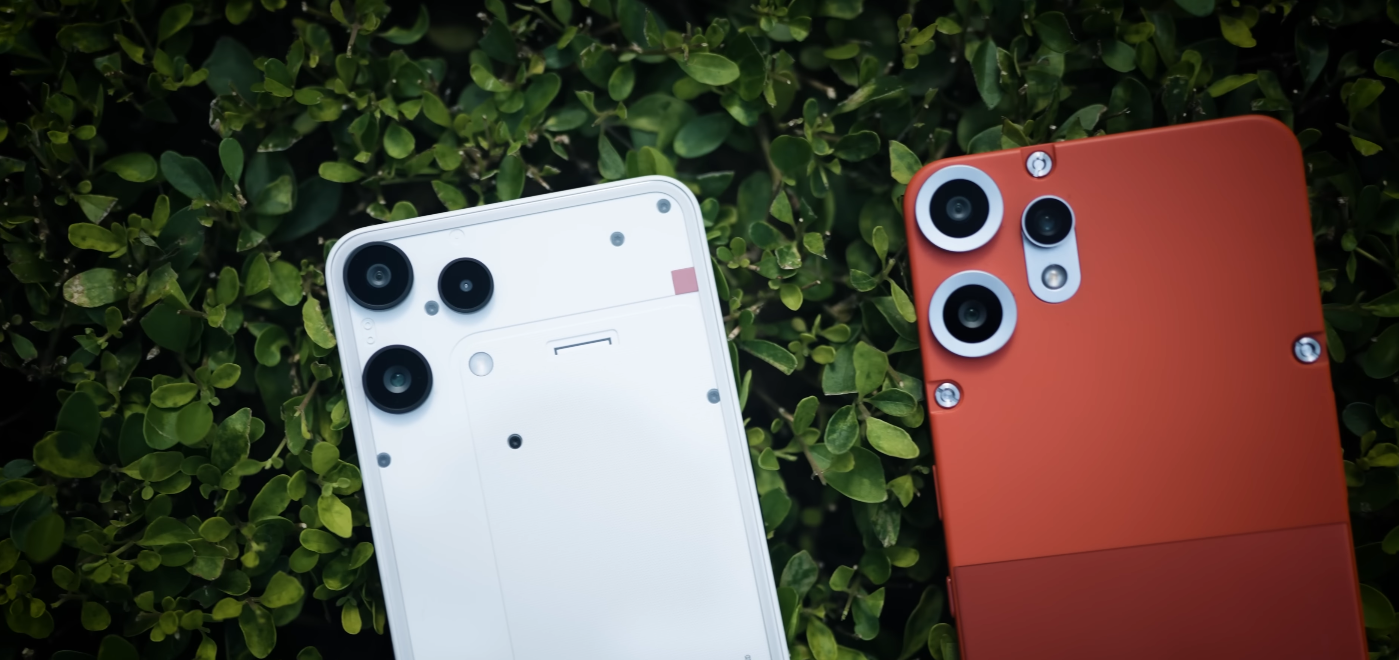
Design philosophy may also play a part in the decision. Nothing brings a distinctive transparent aesthetic that stands out, while OnePlus keeps a more understated, traditional look. Buyers who want something visually different may gravitate toward Nothing, while those who prefer a classic smartphone style may find the Nord CE more fitting.

In the final verdict on pure value, the Nothing Phone (3a) Lite edges ahead for UK buyers thanks to its modern chipset, larger and smoother display, longer software promise and stronger battery profile. The OnePlus Nord CE remains a good choice for users who trust the brand and prioritise a familiar software experience, but the newer technology and future-proofing delivered by the Nothing model make it the better long-term investment in the same price bracket.
Nothing Phone (3a) Lite vs. Google Pixel A-series: camera vs cost

Nothing Phone (3a) Lite vs. Google Pixel A-series camera vs cost

Analysing value, photography and pricing in two budget ranges

When you’re shopping for a budget-friendly smartphone that still delivers on camera capability and long-term value, the choice between the Nothing Phone (3a) Lite and a device from the Google Pixel 7a (or similar Pixel A-series model) is especially interesting. Both aim to deliver great everyday performance without flagship prices, but their priorities differ. In this comparison we’ll explore how camera performance stacks up against cost, and which phone might suit you best in the UK and similar markets.

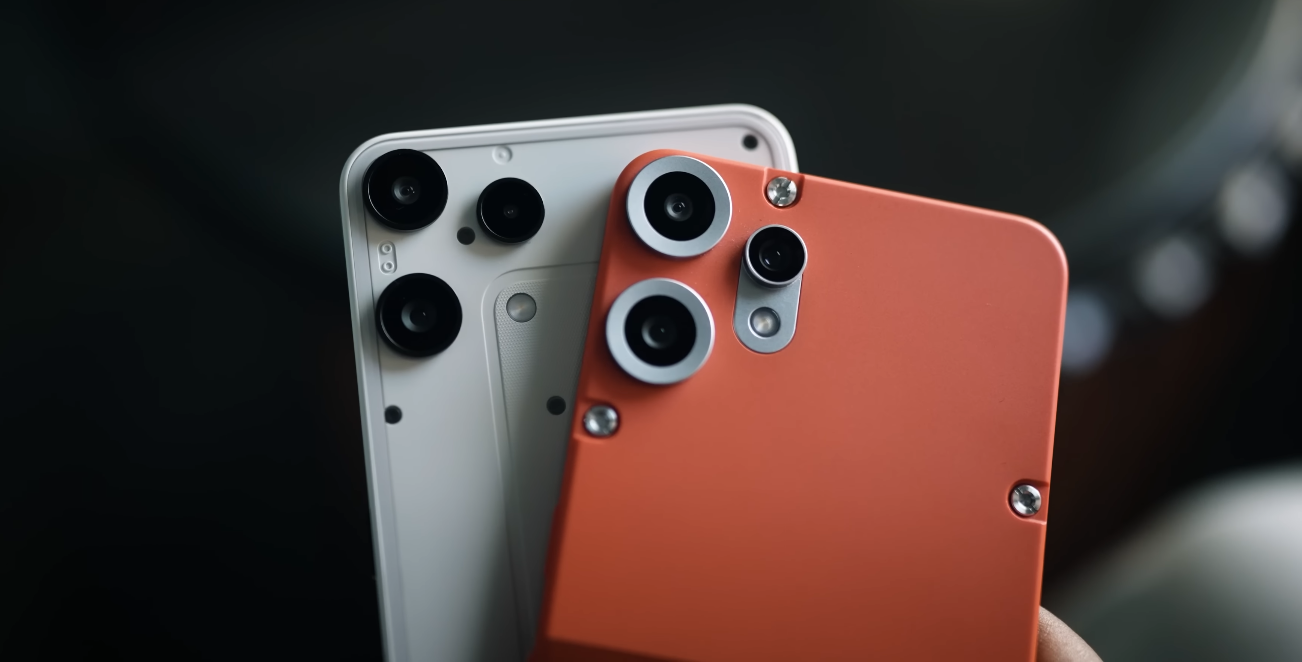
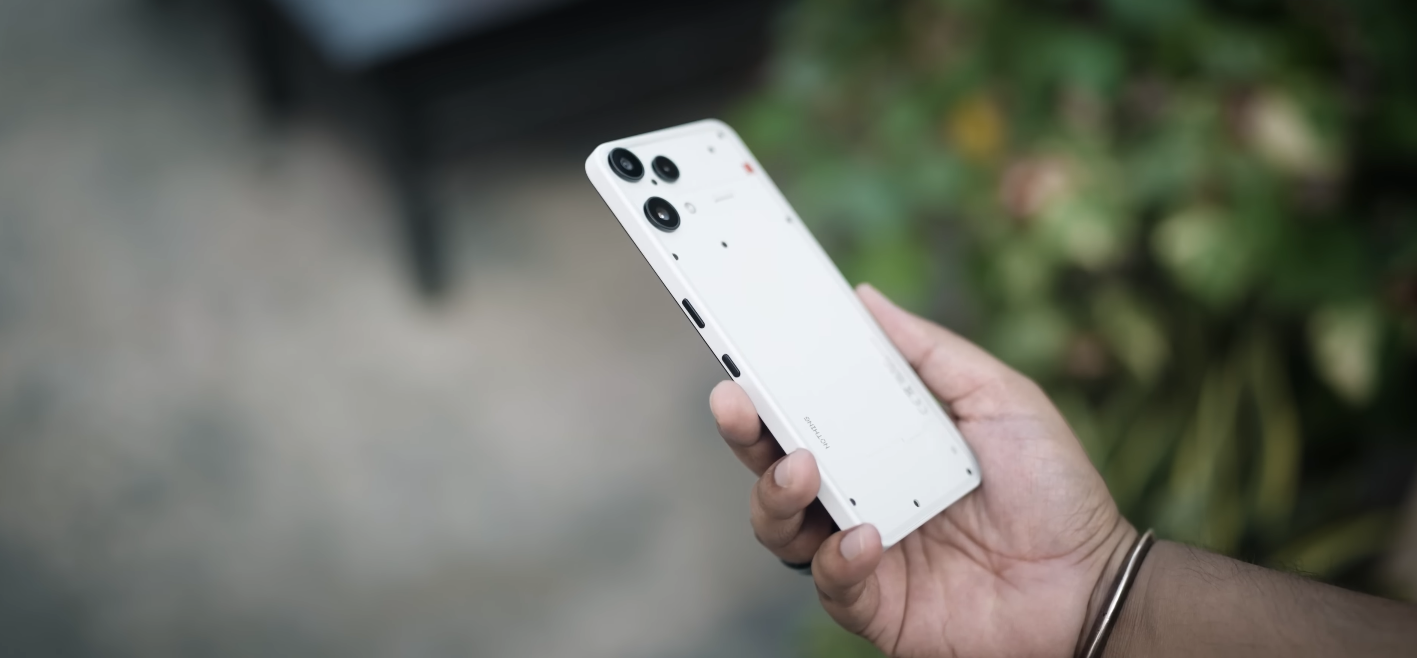
Starting with the Nothing Phone (3a) Lite, you get a 50-megapixel main rear camera, supported by an 8 MP ultra-wide lens and a 2 MP macro lens. The front camera is 16 MP. The device comes with a 6.77-inch AMOLED display, 120 Hz refresh rate and is powered by a MediaTek Dimensity 7300 Pro chipset. It launched in the UK/Europe at around £249 for the 128 GB model and around £279 for 256 GB. The spec sheet also mentions up to 2 TB microSD expansion and a 5,000 mAh battery.

Nothing Phone (3a) Lite vs. Google Pixel A-series camera vs cost

In terms of value, it offers one of the most affordable entries into a visually distinctive design and reasonable camera hardware for the price.

On the Pixel side, the Pixel 7a (as a representative of the Google A-series) offers a 64 MP main camera paired with a 13 MP ultra-wide lens, and a front-facing 13 MP unit. It has Google’s flagship-level camera processing and features such as strong night mode, photo editing tools and typically better image processing. At launch the 7a cost around £449 in the UK. The subsequent Pixel 8a is similarly priced (~£499 at launch) and offers 64 MP + 13 MP camera setup, high-end software and a strong update promise.

So, cost-wise the Nothing Phone (3a) Lite is significantly cheaper—almost half the cost of the Pixel 7a at launch. But camera-wise, while the Nothing model has a decent main sensor, reviews point out that its ultra-wide is weaker and the macro lens offers limited value. One review summarised: “the 50 MP shooter is capable, if a little slow … the 8 MP ultrawide is poor, and the 2 MP macro is a complete waste of time.”
In contrast, Pixel models tend to deliver consistently strong camera output across lighting conditions, thanks to Google’s software optimisations.

Which means: if your priority is “get the most camera quality and software polish” and you’re willing to spend more, the Pixel A-series is the better bet. If your priority is “spend less but still get a large display, decent camera and good design” then the Nothing Phone (3a) Lite gives better cost-value trade-off.

But there are caveats. The Nothing phone’s ultra-wide and additional lenses aren’t at the level the Pixel delivers; also some key features (e.g., wireless charging, flagship-level zoom) may be missing. Meanwhile the Pixel’s higher price means you’re paying quite a bit more for that extra camera capability and software refinement.

From a UK buyer’s perspective: if you expect to keep the phone for a few years and want good photos across more scenarios (night, zoom, ultra-wide) then the Pixel 7a or Pixel 8a make more sense. If you mostly do everyday snaps, social media images, and value design and cost savings, then the Nothing Phone (3a) Lite is a very sensible pick.

In summary: cost versus camera is a clear trade-off between these two ranges. The Nothing Phone (3a) Lite gives strong design and main-camera value for a low price. The Pixel A-series gives stronger imaging performance, better overall camera versatility and longer software support — at a higher price. Choose based on what you prioritise most: budget and style, or camera excellence and software longevity.

Nothing Phone (3a) Lite vs older Nothing Phone 2a: worth the upgrade?

Nothing Phone (3a) Lite vs older Nothing Phone 2a worth the upgrade

Is It Time to Move Up to the 3a Lite for UK Buyers?

If you already own the Nothing Phone 2a and are weighing the option of moving to the newer 3a Lite, it’s worth taking a close look at what’s genuinely better, what remains largely the same, and whether the upgrade makes sense in the UK market.

On the plus side, the 3a Lite offers several meaningful enhancements. It runs on a newer, more efficient chipset and benefits from a larger display, making it better suited for gaming, multitasking and media-heavy use. Storage expansion via a microSD slot is a feature that the 2a lacks, and the promise of longer software support means the 3a Lite could remain reliable for a longer lifespan in a UK buyer’s hands.

However, it’s not a quantum leap. Battery capacity remains roughly the same, and if your 2a already delivers smooth performance and solid battery life, you may not notice much day-to-day difference. Charging speed is actually slightly slower on the 3a Lite, and for many users the upgrade from 2a to 3a Lite may feel incremental rather than transformative.

Nothing Phone (3a) Lite vs older Nothing Phone 2a worth the upgrade

From a UK perspective, the decision depends on your priorities. If you download large content libraries, use microSD storage or expect to keep your phone for several years, the 3a Lite offers better future-proofing. If your 2a is still performing well and you’re focused on saving money, the upgrade can wait for a more substantial generational shift.

In terms of value, it’s wise to assess trade-in programmes and how much you’ll need to pay to move up. If the incremental cost is significant and the perceived benefit modest, budgeting for a more substantial upgrade later might be the smarter move.

In summary: for UK buyers keen on longevity, storage flexibility and a slightly more advanced spec sheet, the 3a Lite is a good step up. But if your current phone still meets your needs, holding off and saving that money might be the wiser choice for now.

Nothing Phone (3a) Lite microSD expansion explained: up to 2TB?

Nothing Phone (3a) Lite microSD expansion explained up to 2TB

Understanding the microSD Expansion on the Phone

The Nothing Phone (3a) Lite brings expandable storage to the table, with the manufacturer specifying support for microSD cards up to 2 TB in size. That is an unusually generous allowance for a budget-tier phone in the UK market, and gives buyers extra flexibility in how much storage they can add over the built-in memory. However, several practical points must be checked to make sure you get the full benefit.

First, it’s worth confirming that the UK variant of the phone indeed includes the microSD card slot, and that it supports up to 2 TB as specified. Some models or regional variants might differ in slot implementation or have different limitations, so verifying the exact UK spec is important before purchase. Next, check whether the slot is “dedicated” (i.e., separate from the SIM tray) or hybrid (shared with a SIM card). A dedicated microSD slot adds convenience, as you won’t need to give up a SIM to add storage.

Another key point is built-in storage versus external storage. Even though you can add up to 2 TB via microSD, your day-to-day performance for apps and system tasks often relies on the internal storage (typically 128 GB or 256 GB). microSD cards are great for media files like photos, videos and music, but they may not perform as well for large apps or heavy multitasking. Choosing a higher capacity internal model is still wise if you use lots of apps.

Nothing Phone (3a) Lite microSD expansion explained up to 2TB

Performance of the microSD card also matters. A 2 TB-compatible slot is only as good as the card you buy. Cheap or slow microSD cards may offset the benefits of expansion, especially if you record 4K video or move large files regularly. For UK buyers it’s smart to invest in a branded, high-speed microSD card (for example UHS-I, V30 rated) to ensure smooth performance.

From a real-world usage standpoint, the 2 TB claim is great in theory, but full 2 TB cards remain expensive and less common. For most users, a 1 TB card offers a more practical balance of cost and capacity. If you mostly store media and fewer large apps, then the microSD expansion on the Nothing Phone (3a) Lite becomes a meaningful feature that extends the device’s life.

Finally, warranty and after-sales support should not be overlooked. Make sure that your device is covered under UK warranty and that the microSD slot is listed in compatible usage. And while using high-capacity cards usually doesn’t void a warranty, ensuring support for your storage setup is still wise, especially in the budget-segment where service coverage may vary.

In summary, the Nothing Phone (3a) Lite does support microSD expansion up to 2 TB, which is a significant advantage at its price point. But UK buyers should check variant-specific slot implementation, pick a reliable card with good speed, and align the storage choice to how they really use their device.

Nothing Phone (3a) Lite colour options: which finish should you choose?

Nothing Phone (3a) Lite colour options which finish should you choose

Picking the Right Finish for Your Nothing Phone (3a) Lite

Choosing the right colour for the Nothing Phone (3a) Lite is about matching your style, usage habits and how you treat your device. Both finishes offer the same hardware and performance — so it really comes down to look, feel and practical considerations.

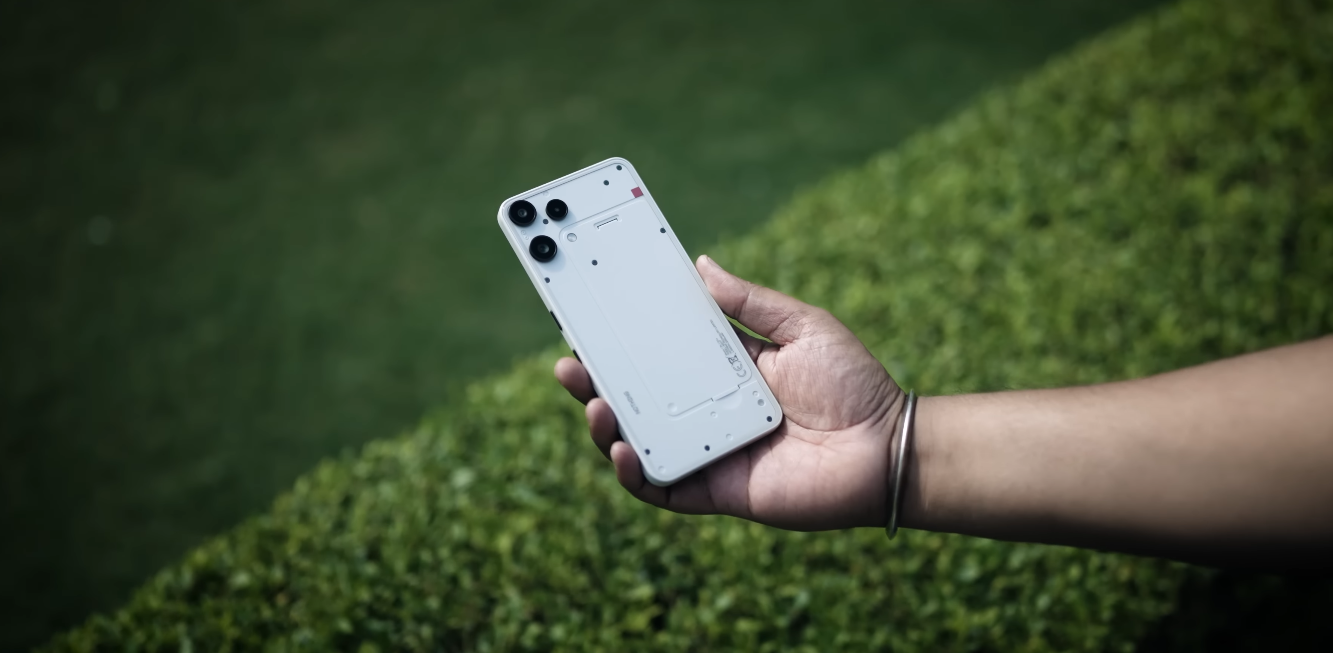
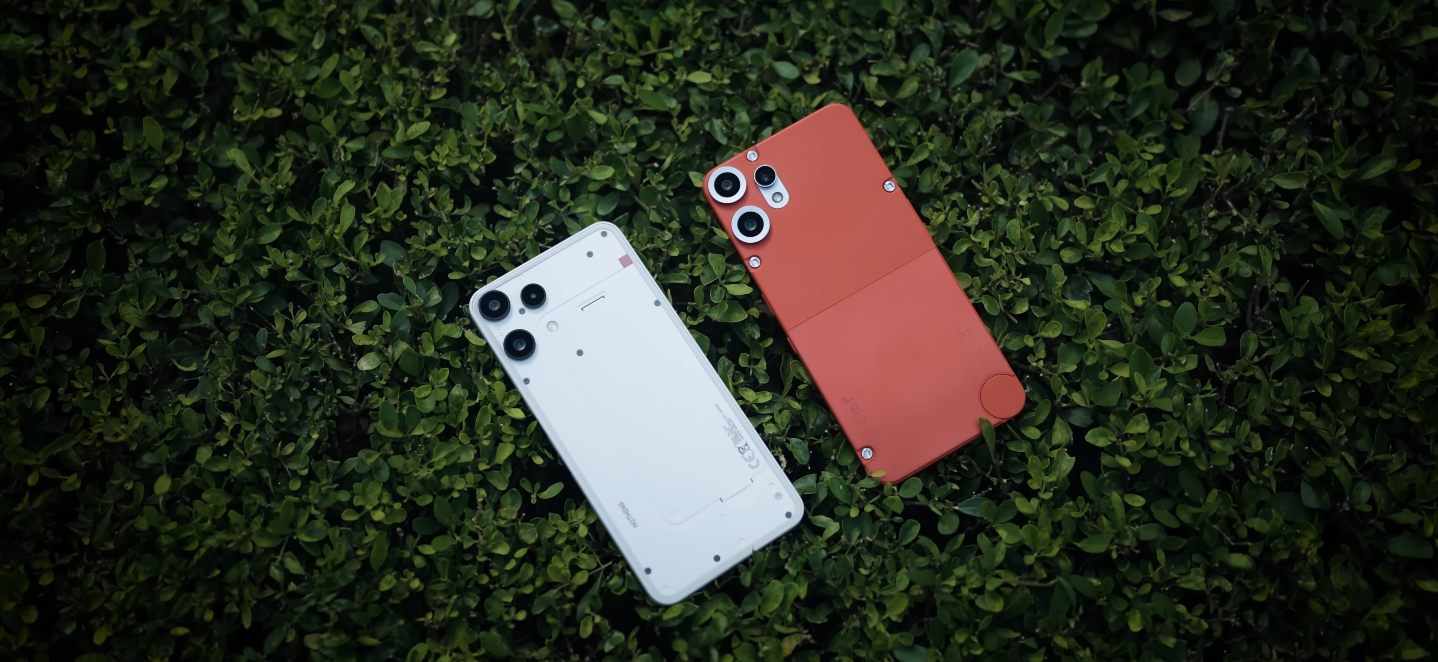
The phone is available in two main finishes: Black and White. Each one incorporates the brand’s signature transparent elements, but the visual effect and how they wear differ. The Black version is darker, with subtler transparency cues, offering a more muted, professional style. The White version uses a lighter backdrop, making the transparent inner accents more visible and creating a higher-impact, design-forward look.

From a practical standpoint, the Black finish tends to handle daily wear better. Minor scuffs, slight marks or everyday use in a pocket or bag may be less visible on the darker surface. It can feel more “safe” if you’re using the phone in a busy environment, commuter context or if you’re concerned about maintaining a pristine appearance.

Nothing Phone (3a) Lite colour options which finish should you choose

On the other hand, the White version offers stronger “wow” factor. If you like your phone to stand out, you appreciate design cues and you don’t mind paying a little extra attention to cleanliness, then the White finish makes the transparent backing more of a statement. Also if you use a clear case or want your accessories to show through, White might present the internal details more strikingly.

When it comes to accessories and matching your style, consider how the finish pairs with cases, wallpapers and your general usage. A lighter finish might show dust, smudges or fingerprint smears more easily under certain lighting, but it also allows you to choose contrasting or complementary cases that highlight the design. The darker version may feel more uniform and less prone to “showing” every little mark.

If resale or long-term appeal matters to you, think about how each finish might fare over time. A neutral finish like Black often appeals to a wider audience when re-selling, whereas a more distinctive finish like White could attract design-savvy buyers who want something visually unique.

In summary: If you want a finish that blends easily into everyday use, opts for practicality and durability, go for the Black version. If you want a finish that highlights the design, stands out in a crowd and embraces the transparent aesthetic, choose the White version. Both deliver the same features, so the decision is purely personal preference.

Nothing Phone (3a) Lite specs leak: 120Hz AMOLED and microSD slot

Nothing Phone (3a) Lite specs leak 120Hz AMOLED and microSD slot

Entry-Level Nothing Offers Extra Flexibility

The long-rumoured Nothing Phone (3a) Lite has now officially been launched, delivering an unexpectedly strong feature set for a budget device. The announcement confirms a 6.77-inch AMOLED display with a 120Hz refresh rate, providing smooth motion and a premium visual experience in this price segment.

Under the hood, the Phone (3a) Lite is powered by the MediaTek Dimensity 7300 Pro chipset built on a 4nm process, anchored by 8GB of physical RAM with up to a further 8GB of virtual RAM for improved multitasking. One of the standout features is its microSD slot, supporting storage expansion up to 2TB—an increasingly rare offering in modern smartphones.

On the camera front the device includes a 50MP main sensor, paired with an 8MP ultra-wide camera and a 2MP macro unit, plus a 16MP front-facing shooter for selfies. The battery is rated at 5,000mAh and supports 33W wired fast-charging, promising solid endurance and a quick recharge when needed.

Nothing Phone (3a) Lite specs leak 120Hz AMOLED and microSD slot

In terms of software, the Phone (3a) Lite runs Android 15 with Nothing OS 3.5 out of the box, and carries promises of three years of major Android updates plus six years of security patches—putting it on par with higher-end models in terms of longevity. Dual-5G, WiFi 6, Bluetooth 5.3 and a liquid-cooling system round out the connectivity and performance list.

Pricing in the UK has been confirmed at £249 for the 8GB + 128GB model and £279 for the 8GB + 256GB variant, with availability beginning from 29 October through Nothing’s official channels and select retail outlets. The base price places it squarely in the competitive sub-£300 market, with specs that punch above its tier.

For UK buyers looking for value, the inclusion of a 120Hz AMOLED panel and microSD expansion are genuine differentiators. Many rivals require you to pay more to get similar displays or ditch the expansion slot entirely. The transparent design styling and minimalist Glyph lighting also give it a distinctive look within its price range.

Of course, the real test will come in day-to-day performance, camera output and how the fast-charging and battery life hold up in real-world use. But on paper, the Phone (3a) Lite offers an excellent mix of features for the money and could well become a strong contender in the budget smartphone market.

Nothing Phone (3a) Lite vs. Oppo K-series: who gives more for under £300?

Nothing Phone (3a) Lite vs. Oppo K-series who gives more for under £300

Mid-range battle for UK buyers on a tight budget

The UK mid-range smartphone market now offers more competition than ever, and buyers seeking strong value under £300 have two standout options to compare: the Nothing Phone (3a) Lite and the Oppo K-series. Both brands approach this price bracket in very different ways. Nothing focuses on a premium-feeling user experience with polished software and design, while Oppo pushes hardware specifications such as fast charging and big batteries. With so many UK shoppers now keeping phones for three to four years, the question becomes which device delivers more real-world value over time.

The Nothing Phone (3a) Lite carries forward the company’s familiar transparent design and a streamlined Glyph LED system that gives the device a unique character. More importantly for long-term use, it introduces a modern 120Hz AMOLED display that makes everyday tasks and gaming feel noticeably smoother. Even without flagship pricing, the screen alone positions the 3a Lite as one of the most refined visual experiences in its segment for UK users who spend a lot of time streaming or scrolling.

Performance is another area where the Nothing handset makes a strong case. Early testing shows the latest mid-range chipset runs apps smoothly and balances efficiency with speed. The software also helps here: Nothing OS is lightweight and responsive, giving the phone a clean and polished feel without bloatware. With major operating system and security updates promised for several years, the 3a Lite aims to keep its performance steady instead of dropping off after two upgrade cycles.

Nothing Phone (3a) Lite vs. Oppo K-series who gives more for under £300

Oppo takes a different approach with the K-series by emphasising battery endurance and rapid charging. Some models in this lineup offer exceptionally large batteries and very fast charging speeds that appeal to heavy users, frequent travellers and those constantly on social media. Performance is consistent and reliable across everyday tasks, and the display quality remains solid even if the refresh rate and panel size are usually more conventional compared to Nothing’s 120Hz approach.

Design priorities also separate the two brands. Nothing pursues a striking identity with the transparent back, whereas Oppo K-series phones typically follow a more traditional design pattern with glossy or matte back panels. This will matter to buyers who want their phone to stand out visually. Meanwhile, others may prefer Oppo’s familiar look and its balanced ergonomics, which feel comfortable without drawing attention.

Battery and charging differences highlight the biggest contrast. The Nothing Phone (3a) Lite offers dependable all-day life with efficient power use, but Oppo’s K-series caters to users who need hours of screen time without reaching for a charger. For those who stream or game for long sessions, Oppo’s battery and charging advantages may be attractive. For more balanced usage, Nothing’s battery design offers consistency without extreme power consumption.

Longevity, however, tilts in favour of the Nothing model for many UK buyers. The guarantee of multiple years of software support means that its value extends beyond the first year of ownership. Oppo’s K-series provides reliable performance at launch, but the long-term update strategy varies more and depends on the exact model chosen. For those aiming to avoid a new purchase every 18 months, this difference becomes meaningful.

When viewed as a complete package, the Nothing Phone (3a) Lite delivers a more rounded mix of smooth performance, polished design, software longevity and display quality for under £300. Oppo’s K-series can offer incredible value in specific areas such as battery size and fast charging, but the experience is less uniform across models. Buyers who prioritise raw battery hardware may find Oppo the better fit, while those who want all-round consistency and future-proofing are more likely to benefit from the Nothing option.

In the final verdict for UK consumers, the Nothing Phone (3a) Lite stands out as the better long-term value pick under £300. Oppo K-series phones remain excellent alternatives for users whose top priority is maximum endurance rather than overall balance. The decision ultimately depends on what matters most to the buyer, but the Nothing device clearly aims to offer the most complete mid-range experience without stretching the budget.

Nothing Phone (3a) Lite vs. realme budget phones: specs, performance, value

Nothing Phone (3a) Lite vs. realme budget phones specs, performance, value

Budget-mid smartphone showdown: which offers more for less?

When you’re shopping in the budget or “affordable mid” smartphone segment, the new Nothing Phone (3a) Lite stands out with its distinct design and update promise. At the same time, the realme brand dominates the budget space with many models aimed at delivering high specs for very competitive prices. This comparison will help clarify how these two stacks shape up across specs, performance and overall value.

On the specs front, the Nothing Phone (3a) Lite brings a 6.77-inch 120 Hz display, a 50 MP main camera, 8 MP ultra-wide and 2 MP macro lenses, plus a 5,000 mAh battery. Its chipset is the MediaTek Dimensity 7300 Pro. The realme budget phones, depending on model, often focus on large batteries (sometimes 6,000-7,000 mAh), large-megapixel main cameras, and aggressive pricing — but may drop refresh rate, build quality or extra lenses to keep cost down. In display and refresh rate terms the Nothing device has an edge.

Performance wise, the Nothing Phone (3a) Lite is tuned for everyday use, smooth UI, decent multitasking and good battery life from the 5,000 mAh cell. In contrast, some realme phones use similar or slightly lower tier chipsets and may lag behind in gaming or heavy workloads, but offer very good value for most users. If you’re not gaming heavily or doing high-end tasks, both will serve well — but the Nothing model arguably gives a better “feel” thanks to its higher refresh display and premium design.

Nothing Phone (3a) Lite vs. realme budget phones specs, performance, value

In the camera and feature department realme often gives more for less: larger battery, fast charging, sometimes more aggressive specs on the main sensor, though perhaps fewer “premium” extras (telephoto zoom, premium materials). The Nothing Phone (3a) Lite offers a balanced camera setup and good main sensor performance, but reviewers note that its ultra-wide and macro lenses are modest. So if your priority is “maximum camera versatility for minimum spend”, realme may give slightly better raw hardware for the money.

Value-wise, if you compare cost vs what you get: the Nothing Phone (3a) Lite’s strength lies in design, update promise (three major Android versions + six years of security patches), and a standout aesthetic. Realme’s strength lies in getting more hardware per pound/rupee: big batteries, fast charge, decent main camera, often at lower price points. If the budget is tight, your “bang for buck” may lean realme; if you value the premium touches and design, the Nothing model is compelling.

In terms of long-term ownership, the update policy of the Nothing Phone (3a) Lite gives confidence: you’ll likely keep it supported for years. Realme budget models may not always promise the same lifecycle, so if you plan to keep the phone 3–4 years, the Nothing model has an advantage. On the other hand, if you upgrade every 1–2 years and chase deals regularly, a realme pick keeps cost low and upgrade pressure lower.

In conclusion: For buyers seeking a smartphone that looks and feels premium while still being “budget-affordable”, and who plan to keep the device for several years, the Nothing Phone (3a) Lite is a very good choice. For buyers whose priority is maximum spec per unit cost, who don’t care as much about premium design or ultra-long support, then a well-chosen realme budget phone likely offers better value. If you like, I can pull up three specific realme models (with up-to-date pricing in the UK or India) that closely rival the Nothing Phone (3a) Lite so you can compare side by side.

Nothing Phone (3a) Lite cooling & gaming test: how does it handle loads?

Nothing Phone (3a) Lite cooling & gaming test how does it handle loads

Gaming performance and thermal behaviour of the Nothing Phone (3a) Lite

The Nothing Phone (3a) Lite is built for more than basic tasks, yet it’s not marketed as a gaming flagship. Under the hood you’ll find a mid-tier chipset and what fans note is a passive (or semi-passive) cooling system rather than full-blown liquid cooling like premium models. Reviewers and users have put it through its paces to see how it stands up when the pressure is on.

In real-world use, the phone handles lighter and moderate games quite well. Users report that games like casual shooters or other less demanding titles run smoothly with the 120 Hz display doing its part. There is minimal stutter, and the experience remains fluid during shorter sessions. One “daily driver” user said “it manages casual titles without heat issues” thanks to the cooling system.

When it comes to heavier gaming—such as triple-A titles with high graphics settings—the limitations start to show. Benchmark and stress-test sites found that, when pushed, the phone does warm up, and you may need to reduce graphics settings (e.g., medium rather than high) to maintain stable framerates. The cooling system works adequately, but as you’d expect for the price-tier, it doesn’t match what you’d get from a gaming-optimised phone.

Nothing Phone (3a) Lite cooling & gaming test how does it handle loads

Thermal control is decent for its category. One heat-control test found that the device kept itself within acceptable temperature ranges during extended use, using a “passive cooling system” and showing no major thermal throttling within average session lengths. That means for everyday gaming and mixed tasks the phone won’t become uncomfortably hot.

One thing to note for UK users: if you game outdoors or in warmer ambient temperatures, the device will naturally heat up more, and brightness and other factors may intensify heat and drain. While the phone maintains stable performance in moderate indoor conditions, outdoor or extended marathon gaming may mean you see symptoms of heat accumulation and hence some drop-off in performance.

In terms of gaming duration and framerate stability: the phone delivers good results for casual or moderate gaming, but if your gaming sessions are long and graphics-intensive you’ll need to temper expectations. You may find yourself lowering settings or reducing refresh rate to 60 Hz to maintain comfort and battery life. The surprise is that the cooling system remains enough not to significantly throttle during typical use.

Another practical point: the speaker and warming are connected. Some users mention that when you grip the phone for gaming, you might cover the speaker or feel warmth on one side, which affects comfort over long sessions. So for longer play it’s worth switching to headphones or doing shorter sessions to keep things comfy.

Overall, if you’re looking at the Nothing Phone (3a) Lite and wondering whether you can game on it—the answer is yes, absolutely—but with caveats. It is not going to perform like a high-end gamer phone with liquid chamber cooling and ultra high refresh support, but it gives a very respectable gaming experience for its price point, and a cooling setup that keeps things stable enough for regular use.

In short: for everyday gaming and moderate loads the phone holds up well. For heavy, long sessions with maxed graphics, you will see thermal/ performance compromises. But given its target band and cost, this is a strong showing.

Nothing Phone (3a) Lite does it have stereo speakers? Audio review inside

Nothing Phone (3a) Lite does it have stereo speakers Audio review inside

Audio Performance and Speaker Setup Examined

The Nothing Phone (3a) Lite is marketed as an affordable smartphone packed with modern features, but when it comes to audio and speaker quality, UK buyers should know exactly what to expect. The device uses a mono speaker system rather than a dual-speaker, stereo setup, and this impacts the audio experience in practical use. While the sound is acceptable for everyday tasks, it falls short of more premium or stereo-equipped alternatives.

From owner feedback and professional assessments, the phone’s single bottom-firing speaker delivers satisfactory volume for casual usage such as watching videos, checking messages or listening to podcasts. The speaker clarity is adequate when used at moderate levels in quiet environments, and many users say it meets basic audio needs. However, the tone lacks depth, bass is weak and separation between sounds is minimal, which means the audio setup doesn’t provide immersive or rich sound typically found in stereo devices.

A recurring criticism among UK users is that the mono speaker can be easily blocked by the hand when holding the phone in landscape mode, reducing audible volume and clarity. This design issue is more pronounced during gaming or video consumption when users often grip the device along the edges. Because there is no second speaker to compensate or distribute sound, the overall experience becomes more limited, especially in noisy environments.

Nothing Phone (3a) Lite does it have stereo speakers Audio review inside

Another point to consider is that stereo speakers often enhance stereo imaging and provide better surround sound effects in movies or games, but the Nothing Phone (3a) Lite lacks these advantages. For buyers who use headphones or external Bluetooth speakers, this may not be a major concern. But for those who rely on internal speakers for a strong audio experience, the lack of dual speakers represents a meaningful trade-off.

From an audio performance standpoint, comparing this phone to budget phones that include stereo speakers may highlight the difference: those alternatives typically provide better audio stage, separate left and right channels and higher peak volume, giving a more satisfying listening experience. The mono speaker on the Nothing model is acceptable but not exceptional. UK users who listen to a lot of music aloud or consume media without external devices may feel the compromise.

In summary, while the Nothing Phone (3a) Lite offers a clean and modern design with solid core features, its audio speaker setup is one of the areas where budget constraints show. UK buyers should note that it does not offer stereo speakers, and while the single speaker is functional for everyday use, it won’t match the richer audio experience of dual-speaker phones. If audio playback from built-in speakers is a priority, it may be worth comparing alternatives.

Nothing Phone 3 Australia Deals and Bank Offers You Should Know

Nothing Phone 3 Australia Deals and Bank Offers You Should Know

The Nothing Phone 3 has officially launched in Australia and is already creating a buzz with its futuristic design and clean software. While the price is on the higher side, buyers now have access to multiple deals and bank offers that make it more affordable. These offers are available for a limited time, so it’s important to know what options are currently live.


Free Headphone Bundle with Optus Plan


Optus is offering a launch deal that includes a free pair of Nothing Headphone 1 with eligible pre-orders of the Nothing Phone 3. This bundle is available only on selected Optus Choice plans and adds a solid bonus value of around A$549.


The offer is valid until early August or until stock runs out, whichever comes first. This deal is especially useful for users looking to pair their phone with high-quality audio accessories without paying extra.


EMI Options and Interest Free Payments


Several Australian banks are supporting credit card EMI on the purchase of the Nothing Phone 3. If you use an eligible credit card at partner stores like JB Hi-Fi or The Good Guys, you can convert the total price into easy monthly installments. Most EMI plans range from three to twelve months and are interest-free, making it convenient for buyers who prefer not to pay the full amount upfront.


Nothing Phone 3 gorilla glass 7i screen

Gift Card Offers and Cashback Deals


Retailers like Kogan, JB Hi-Fi, and The Good Guys are offering gift card deals on select purchases. In some cases, customers can receive store credits or digital gift cards worth up to A$200 with their order.


Additionally, banks running promotional tie-ups may provide instant cashback for using specific cards during checkout, especially for purchases above a certain amount. These offers vary based on ongoing store campaigns.


When is the Best Time to Buy


The current launch period is a good time to buy if you want to take advantage of these extras. However, if you are not in a rush, waiting for seasonal events like Black Friday or end-of-year sales could bring even better offers. That said, headphone bundles and bank cashbacks are often time-sensitive and tend to disappear quickly after launch buzz settles down.


Nothing Phone 3 Australia Deals

Final Words on Saving Money


The Nothing Phone 3 is now easier to buy in Australia thanks to exclusive launch offers and financial flexibility. Free accessories, EMI options, and cashback promotions make the premium pricing more manageable. Buyers should move quickly if they want to take advantage of these limited-time deals before stock runs out or offers expire.

Also Read:  Nothing Phone 3 Compatibility with Australian Carriers

Nothing Phone (3a) Lite vs. Xiaomi Redmi Note series: compare the deals

Nothing Phone 3a Lite vs Xiaomi Redmi Note series compare the deals

Which budget phone offers better value today?

The budget smartphone market is more competitive than ever, and the arrival of the Nothing Phone (3a) Lite has added a stylish new option for buyers who want a premium look without paying flagship prices. Xiaomi’s Redmi Note series, meanwhile, continues to dominate with strong hardware, aggressive pricing and frequent discounts. Both appeal to different kinds of users, and comparing them reveals where each brand delivers the better value for money.

Nothing’s latest Lite model keeps the brand’s signature transparent-inspired aesthetic, offering a design that clearly stands out in its category. The simplified lighting element on the back still provides a unique touch, even if it’s not as elaborate as the more expensive models. This is an area where the Redmi Note series tends to focus less on flair, leaning instead toward more traditional designs with minor variations between models.

On performance, the Nothing Phone (3a) Lite uses a mid-range MediaTek chipset designed for efficiency and smooth everyday use. It pairs comfortably with its 120Hz display, which keeps the interface responsive and visually clean. Redmi Note models, depending on the specific version, often rely on faster or more gaming-oriented chipsets. Buyers prioritising raw processing power may therefore find more headroom in the Redmi lineup, especially in the Pro variants, which typically outperform the Lite model in CPU and GPU benchmarks.

Nothing Phone 3a Lite vs Xiaomi Redmi Note series compare the deals

Where cameras are concerned, the two approaches diverge even more. The Nothing Phone (3a) Lite includes a capable main sensor backed by an ultra-wide and macro setup, offering versatility for general use. However, Redmi Note models frequently push higher megapixel counts, faster sensors and stronger night mode performance, especially in the Pro range. For users who value photography features above design or software support, the Redmi Note series often holds the edge.

Battery life is strong on both sides, with the Nothing model offering a 5,000mAh capacity designed to last comfortably through the day. Redmi Note devices offer similar battery sizes, but many provide much faster charging speeds. Some Redmi phones support rapid top-ups that can get you significantly more power in a shorter time. If fast charging is a priority, Redmi generally provides better performance in this area.

Software support is a major deciding factor for long-term buyers. Nothing has committed to several years of Android version updates and extended security patches, which is uncommon at this price level. This makes the Nothing Phone (3a) Lite attractive to users who want a device that stays current without needing frequent upgrades. Redmi Note phones run Xiaomi’s customised Android skin with its own update cycle, and while they do receive updates for a reasonable period, their longevity often varies depending on the model tier.

In pricing, the Redmi Note series typically delivers more aggressive numbers, including regular sales and seasonal discounts. This can place higher-spec Redmi models at the same price as the Nothing Lite, giving them a strong value advantage. The Nothing Phone (3a) Lite aims to offer a premium experience at a stable, simplified price structure, but it may feel less competitive during major discount events dominated by Xiaomi.

Choosing between the two ultimately depends on what matters most to the buyer. The Nothing Phone (3a) Lite is the better choice for those who want a visually distinctive phone with clean software, strong update support and dependable everyday performance. It appeals especially to users who value design and long-term usability over raw specifications. On the other hand, the Redmi Note series continues to shine for performance-focused shoppers who want the most features for the lowest possible price, particularly in areas like camera strength, battery charging and chipset power.

Both line-ups offer reliable options, but they serve different priorities. If you want a device that feels unique and modern without stretching your budget, the Nothing Phone (3a) Lite is a compelling option. If you want maximum specifications and the strongest deal for your money, a well-discounted Redmi Note model may be the smarter pick.