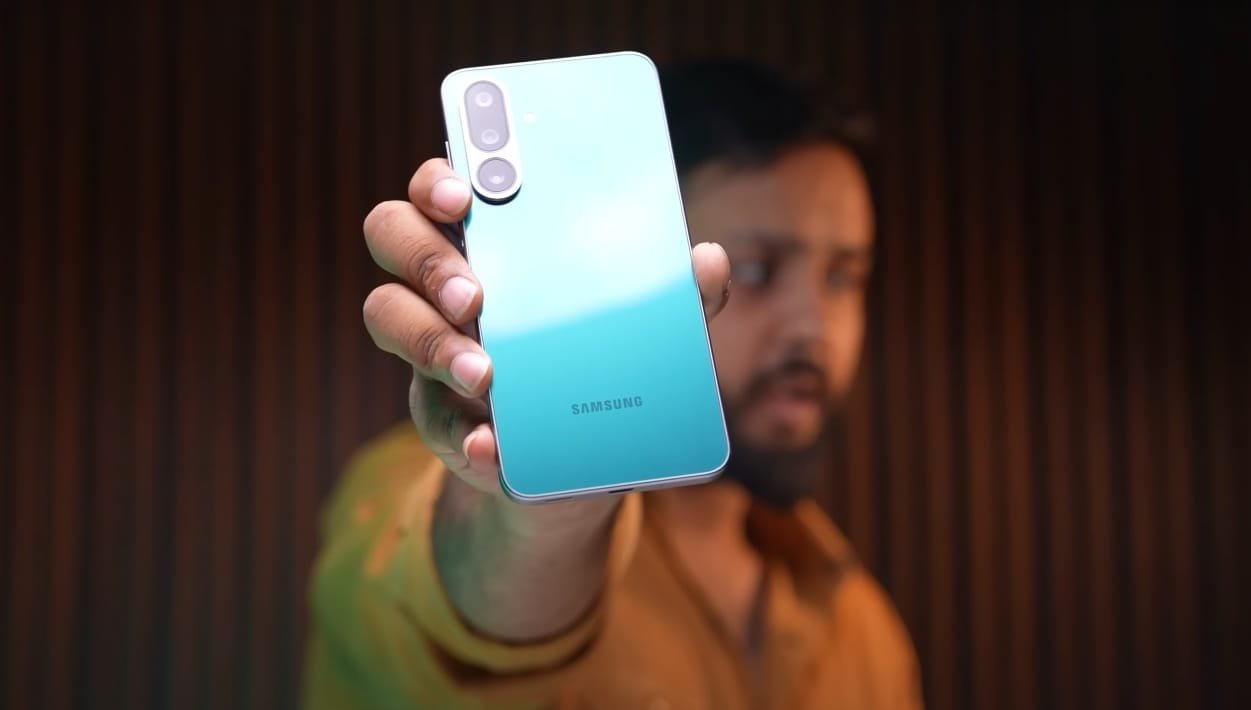
Strong early Black Friday deal on Samsung’s affordable flagship
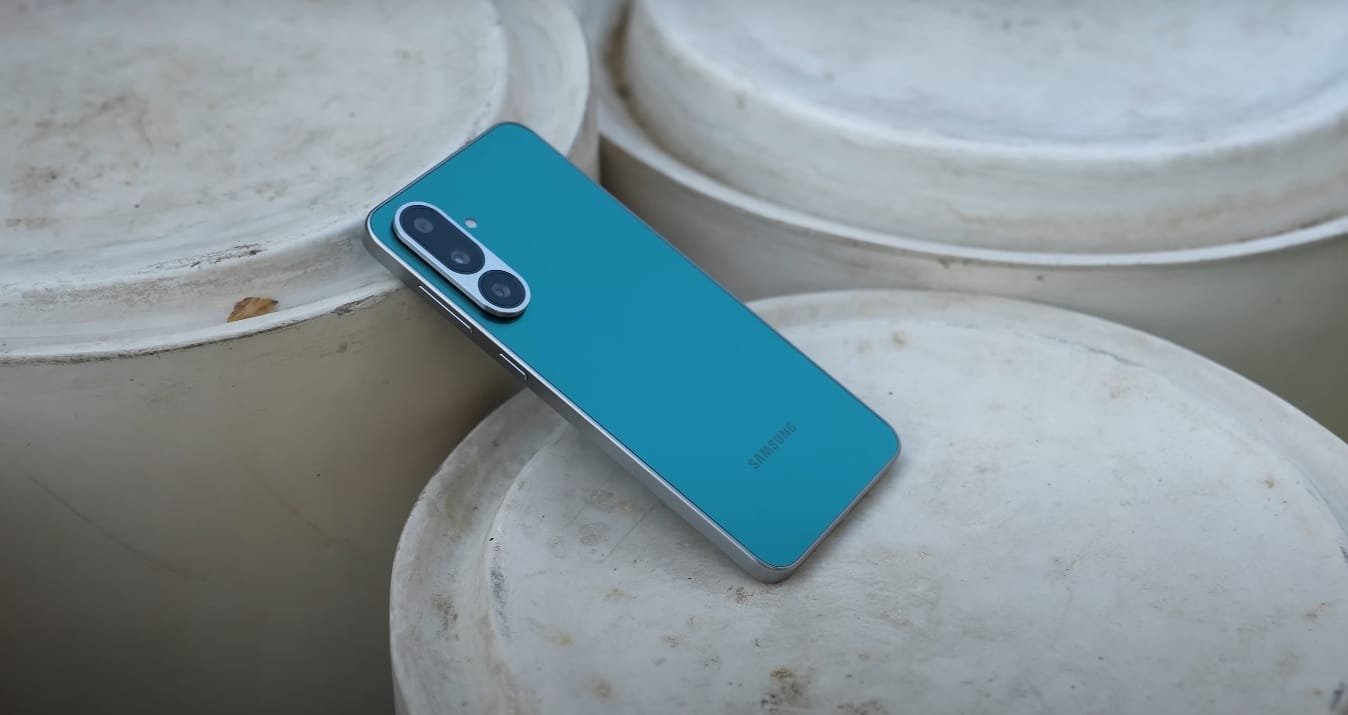
UK consumers are finding a major deal this week as the Samsung Galaxy S24 FE drops in price ahead of the main Black Friday rush. Retailers and networks are offering the FE model at significantly lower cost than expected, marking a strong value entry into flagship-tier phones.
Multiple UK outlets have the Galaxy S24 FE SIM-free for under £400 in its 128 GB variant, making it one of the best-priced premium phones available this season. Some network bundles advertise savings of up to £560 when taken with a long-term contract.
The handset benefits from the full software and security update commitment from Samsung in the UK, meaning users receive seven years of support—an unusually long span for a phone at this price point.
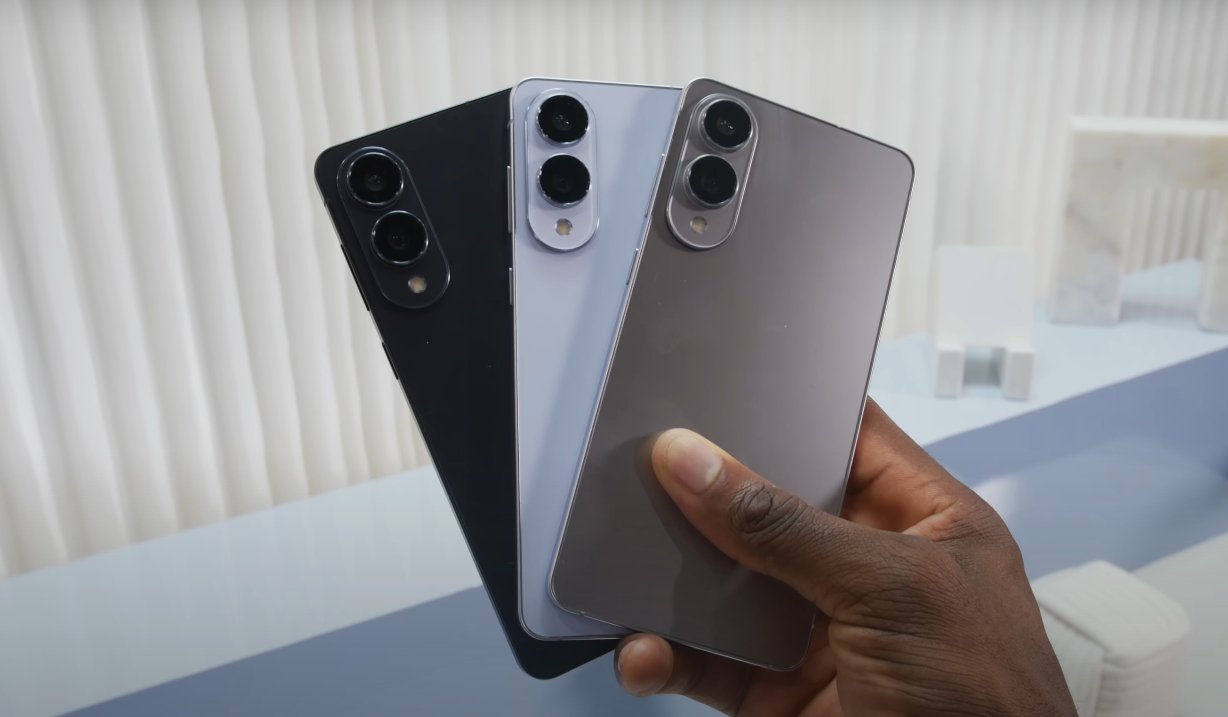
Available models cover various colours and storage sizes, but buyers should be aware that the lowest advertised price appears to be for the base 128 GB variant in the most common colour—other combinations may cost more. Comparing these options across retailers is wise.
For those opting for contract offers, it’s important to check the full cost of ownership: monthly fees, upfront costs, minimum term length and whether any trade-in deal is required to unlock the savings. The headline saving may depend on all those conditions.
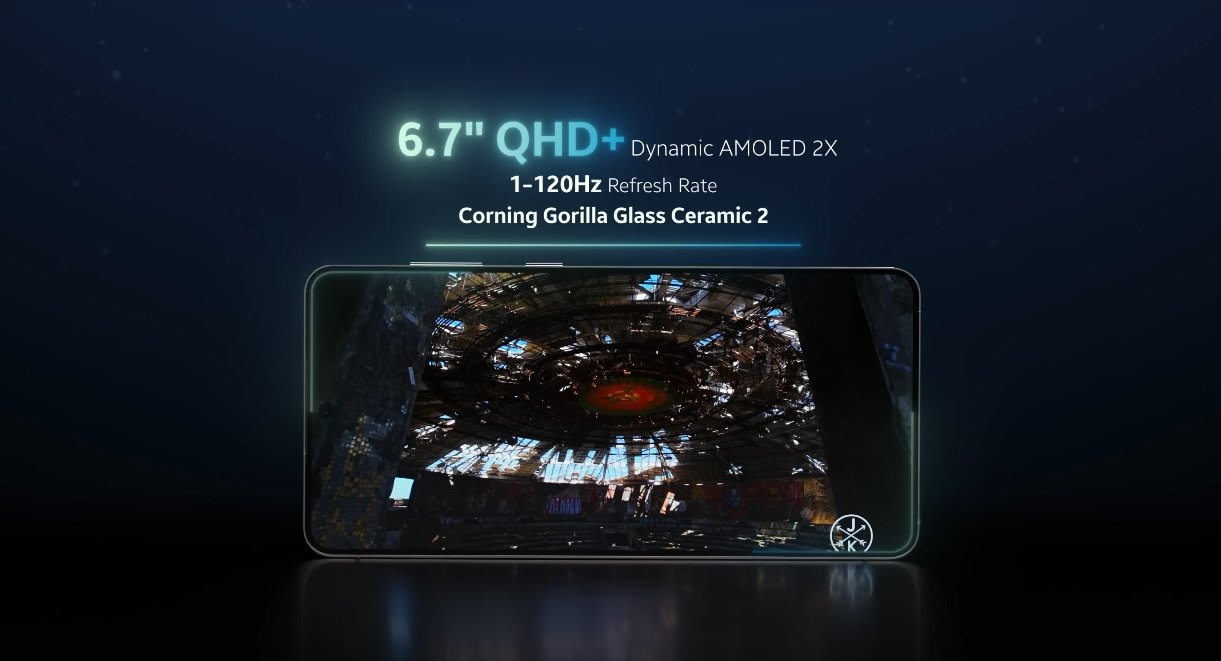
If you prefer going SIM-free, this drop gives strong value: you get the large 6.7-inch AMOLED screen and many premium features of Samsung’s flagship range at a considerably lower cost than the Galaxy S24 or S24+. For cost-conscious buyers seeking performance, this FE version stands out.
This deal arriving early in the week means consumers don’t have to wait until the peak Black Friday weekend. But it also means stock could move quickly—it’s worth acting soon if you see the configuration you want.
In short: The Galaxy S24 FE early discount in the UK makes an excellent case for anyone eyeing a premium handset without the usual premium price. With strong specs and long-term support, it’s a smart choice for this shopping season.
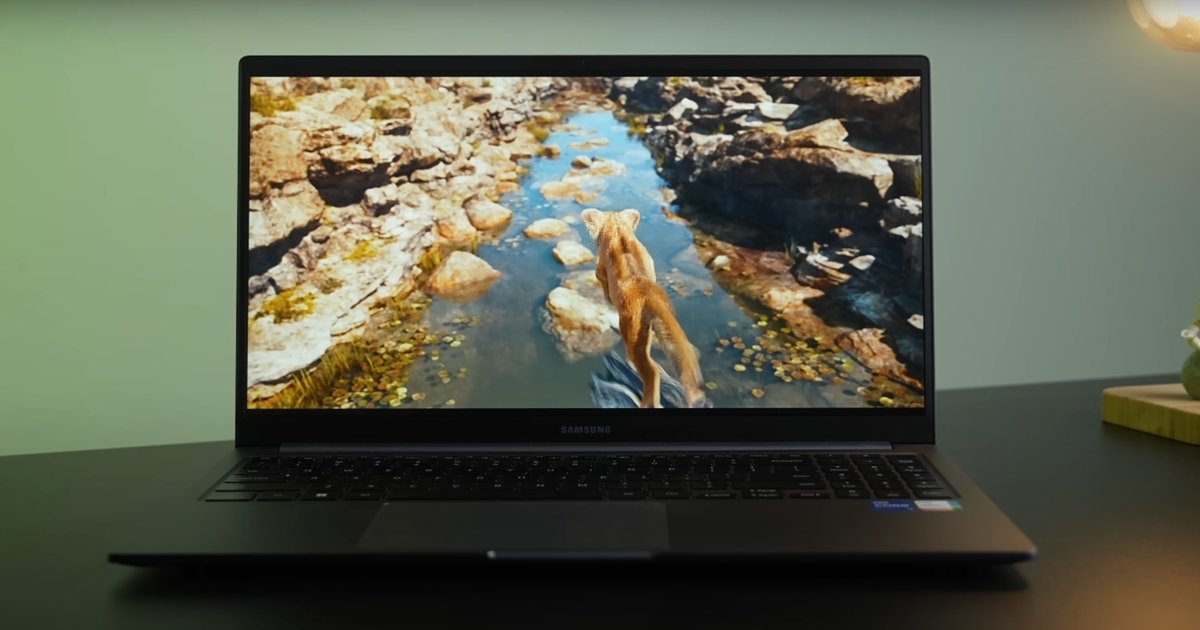
Today I am going to do a mega comparison between the two most selling laptops under Rs.50,000 in India. The first laptop is Samsung’s Galaxy Book 4 and the second one is Asus vivobook 16.
And the best thing is that I have reviewed both the laptops in detail. So first, I will start with the processor.
In Samsung’s Galaxy Book 4
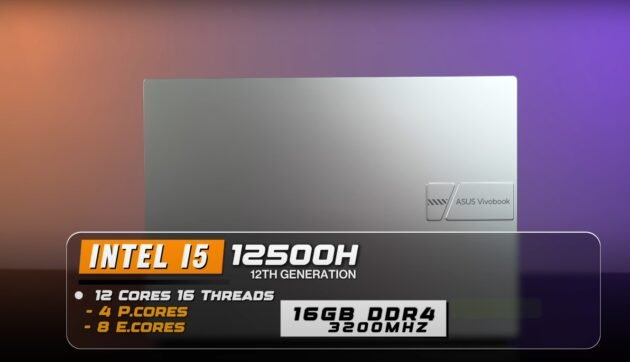
You get an i5 13th Gen 1335U series processor. And as you all know, the base TDP of the U series processor is 15W. And here we get to see a very good power efficiency. In Asus vivobook 16, we get to see an i5 12th Gen H class processor and the variant is 12500H. And in the H series processor, we get to see a very good performance as compared to the battery backup.
There are 10 cores and 12 threads. Rest, you will be able to see the base clock frequency and maximum turbo boost frequency of this i5 13th Gen processor. And the base TDP of the U series processor is 15W and according to the brand, it can configure up to 55W.
The graphics performance
Here you get to see a 45W base TDP and according to the brand, it can configure up to 90W. So in terms of CPU, i5 12th Gen 12500H is more powerful due to the 2 extra performance scores. In both the laptops, we get to see Intel Iris Xe graphics. But the frequency is the difference here. In 12500H, you get to see 12 cores and 16 threads. Out of the 12 cores, you get to see 4 performance cores and 8 efficient cores. And its maximum boost clock frequency and performance score is 4.5GHz. While in the i5 13th Gen U series, we get to see a maximum boost clock frequency of 4.6GHz on the i5 13th Gen U series processor.
In the Samsung Galaxy Book 4, we get to see the i5 13th Gen U series processor. So there, we get to see a graphics frequency of 1250MHz. That is the maximum frequency. While in the Asus VivoBook 16, where the i5 12th Gen H class processor is present, there, we get to see a graphics boost frequency of 1300MHz.
The overall graphics performance also depends on the RAM frequency. So next, let’s discuss the RAM part. In the Samsung Galaxy Book 4, we get to see a 16GB LPDDR4X 4267MHz dual channel onboard RAM. And in the SSD, there are 2 slots present. But I didn’t like the read and write speed of the SSD. The read speed was 3401Mbps and the write speed was 2144
Mbps.
Since it is an onboard RAM, it is not upgradable. But good thing, the frequency is quite high. While in the Asus VivoBook 16, we get to see a 16GB DDR4 3200MHz RAM. And out of the 16GB RAM, there is 8GB onboard RAM and 8GB swappable RAM. That means, you can remove the 8GB RAM and install up to 16GB RAM. So in total, this laptop supports up to 24GB RAM. So if I compare the RAM part, in the Samsung Galaxy Book 4, we get to see a 25% better frequency on the memory.
Asus Vivobook 16
The read speed was 4614Mbps and the write speed was 1814Mbps. But note that, in the Asus VivoBook 16, there is no extra slot for the SSD. That is the Galaxy Book experience. That means, you have a lot of Samsung devices. So you can use the Galaxy Book ecosystem. You can also use your tablet as an external monitor. Because there is support for different softwares. Like Galaxy Accounts, Galaxy Gallery, Quick Share and Multi Control Utility.
So if you want to upgrade, you have to swap it. In terms of softwares, in both the laptops, we get to see the Windows 11 operating system. And Microsoft Office Home and Student Version 2021’s lifetime license is present. But in the Samsung laptop, we get a unique experience.
You will be able to judge the performance of the laptop
So starting from the Cinebench R23 benchmark, which tells us the performance of the CPU. In Samsung Galaxy Book 4’s i5-13th Gen 1335U, we get to see a single-core score of 1709. And the multi-core score is 8235. Whereas in Asus VivoBook 16 i5-12th Gen 12500H, we get to see a single-core score of 1690. And the multi-core score is 10104. So here you can see that in Asus VivoBook 16, we get to see 18% more CPU performance. Due to the two extra performance cores and H-class processor. Next, I am comparing the Geekbench 6 benchmark. But as far as the OpenCL score is concerned, which tells us the graphical performance, Samsung Galaxy Book 4 is winning because we get to see a better RAM frequency. That is 4267MHz.
If I check the 3DMark 10’s Time Spy score, we get to see a score of 1514 in Samsung Galaxy Book 4. And in Asus VivoBook 16, we get to see a score of 1308. So here again, we can see Samsung Galaxy Book 4 leading. And PCMark 10, which tells us the overall multitasking performance, we get to see a score of 5083 in Samsung Galaxy Book 4. And in Asus VivoBook 16, we get to see a score of 5462.
So here, Asus VivoBook 16 wins. Meaning, the performance of both are almost the same. There is not much of a difference. If I take out the concluded score of both CPU and graphics. Now let’s discuss some practical things.
Video editing on both laptops
You can easily do 4K 30FPS intermediate level video editing. That means if you want to edit vlogs, basic YouTube level video editing, it will be done. But if you are doing 3D transitions or motion graphics, then you won’t be able to do it here. You have to purchase the laptop with a dedicated graphics card. In both laptops, you can easily do graphic designing in Adobe Photoshop, Illustrator, and CorelDRAW.
That means if you want to do coding, or Android development, or web development, then I will recommend Asus VivoBook 16. Because we get to see better CPU performance there. And yes, other factors depend. On that basis, you have to take a decision. Like display quality, build quality, battery backup, and many more. So obviously, your coding work or Android development work, you will get a better experience in Asus VivoBook 16. Because there is an H-class processor. And yes, i5 13th Gen, 1335U is also not less powerful. You saw the benchmark yourself. Because it is 13th Gen, so there is a difference in clock frequency.
Look at the gaming test In both laptops
I played games like GTA V and Valorant. In Samsung Galaxy Book 4, I played GTA V in Full HD resolution and normal settings. I was able to see an average FPS of 50-60 easily. And in Samsung Galaxy Book 4, there is a U-series processor. So I was able to see a maximum temperature of around 70 degrees centigrade. And there was TDP, that means the power wattage, was going between a maximum of 22W to 24W. And I played the same game in Asus Yobook 16 in Full HD plus resolution. Note that there is a difference between Full HD and Full HD plus resolution. And here is the H-class processor, so the default settings are different for both. That’s why we were able to see a frame rate of around 40-42 FPS. And here the power wattage was also increasing.
The TDP was touching up to a maximum of 40W. And this is the H-class processor, so during the gameplay, we were able to see a high temperature of around 73-80 degrees. Now let’s talk about Valorant game, which is a CPU intensive game. So on the left side, there is a gameplay of Samsung Galaxy Book 4. And on the right side, there is a gameplay of Asus Yobook 16. So on the right side, you can see that in Asus Yobook 16, despite Full HD plus resolution, I was able to see an average FPS of 140. Although the temperature was going up to 81 degrees, but the gameplay was very smooth due to the H-class processor.
Let’s talk about the build and design.
Samsung Galaxy Book 4 and Asus Yobook 16, both the laptops come with a very sleek, minimal and professional look. But the difference is in the build quality. Samsung Galaxy Book 4 comes with a purely aluminum build up, whereas Asus Yobook 16 comes with a PC ABS build quality, that means the polycarbonate. And one thing I liked is that the finishing of Samsung Galaxy Book 4 is better as compared to Asus Yobook 16.
Especially when we work in the palm rest area, the experience is different as compared to the polycarbonate material. And in a single word, Samsung Galaxy Book 4 looks like an Apple MacBook Air M1. Samsung Galaxy Book 4 is very light, it weighs only 1.55 kg, whereas Asus Yobook 16 weighs 1.88 kg. That means Samsung Galaxy Book 4 is very light. And in terms of weight distribution, Samsung Galaxy Book 4 easily opens with one hand, whereas Asus Yobook 16 does not open with one hand. So we can see a clear difference here.
As wobbling is concerned, Asus Yobook 16 comes with a 16-inch form factor, so we can see a little bit of screen wobbling. But Galaxy Book 4 does not have any screen wobbling. And the inner design of both the laptops is very good. Asus Yobook 16 comes with a 16-inch form factor, so we can see a better viewing area. So it can be your personal choice whether you want 15.6-inch or 16-inch.
The weight distribution of aluminum build up laptops is very good as compared to PC ABS build quality. Now look, Galaxy Book 4 comes with aluminum build up, so the top lid flex and keyboard flex are very negligible. Whereas Asus Yobook 16 comes with PC ABS build quality, so the top lid flex and keyboard flex are negligible.
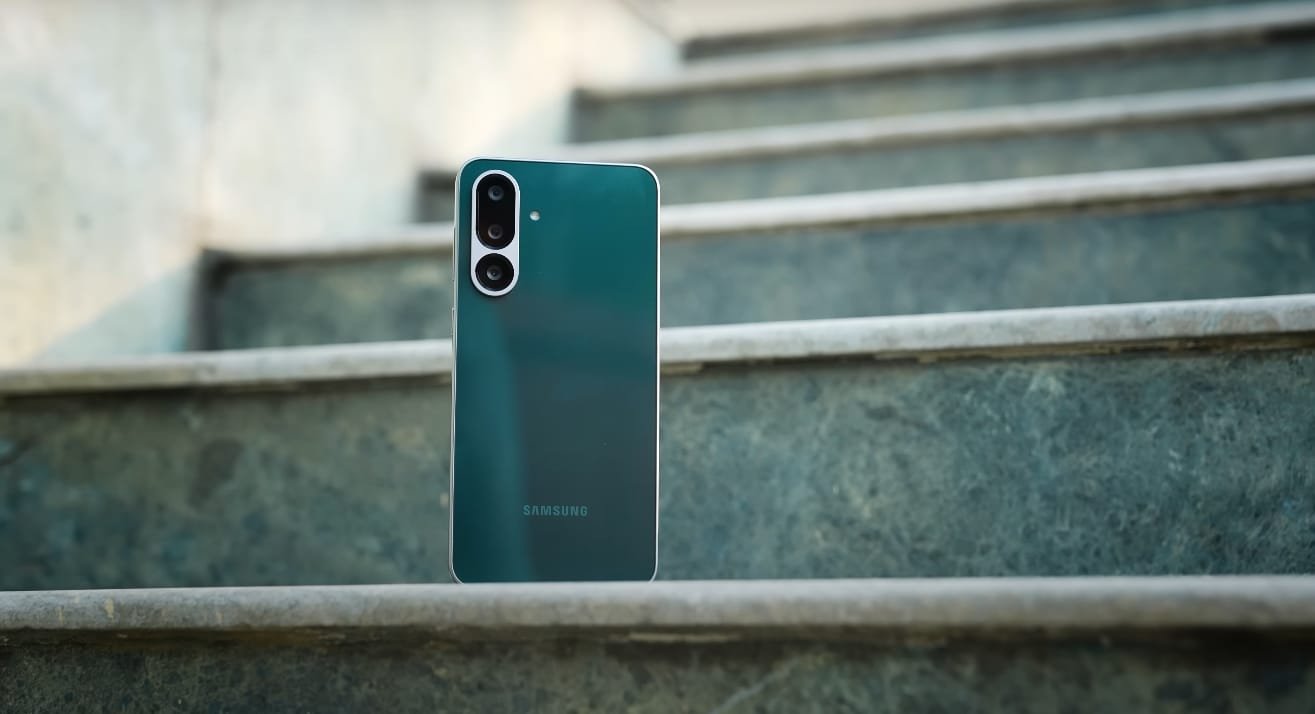
Samsung adds another compelling mid-range device with the Galaxy F56, designed for users who seek a modern display, solid performance, and long-term software updates.
The phone features Gorilla Glass Victus Plus on both the front and rear, giving it a premium in-hand feel without compromising on weight or thickness. Running the latest version of its One UI interface atop Android 15, the Galaxy F56 delivers a polished user experience from setup.
Slim and Stylish Build that Feels Premium
The Galaxy F56 measures just 7.2 millimetres at its thickest point, setting it apart in Samsung’s mid-range line-up. The inclusion of Gorilla Glass Victus Plus on both sides not only enhances durability but also lends a sleek and refined aesthetic. With flat edges and minimalistic colours like Black and Mint, the phone offers a comfortable grip and understated elegance suited for daily use.
Vibrant AMOLED Display with Smooth Touch Experience
The device boasts a 6.7‑inch Super AMOLED Plus display with Full HD Plus resolution and a 120 Hz refresh rate. This combination ensures smooth navigation, crisp visuals, and vibrant colour reproduction. Vision Booster technology enables peak brightness levels of up to 1200 nits for better readability outdoors, while the always‑on display keeps essential info like time and notifications visible at a glance.
Performance Powered by Efficient Chipset
Under the hood sits Samsung’s Exynos 1480 chipset, built on a 4 nm fabrication process for energy efficiency and solid day-to-day performance. The integrated AMD Xclipse 530 GPU enhances graphical performance for casual gaming and fluid UI animations.
With 8 GB of LPDDR5X RAM and fast UFS 3.1 storage in 128 GB or 256 GB variants, everyday operations like multitasking and app loading are seamless. Virtual RAM expansion via RAM Plus helps maintain performance under load.
Multifunctional Cameras with AI Enhancements
The Galaxy F56 is equipped with a versatile triple rear camera setup. A 50‑megapixel main sensor with optical image stabilization ensures steady shots and improved clarity even in dim conditions.
An 8 megapixel ultra‑wide lens captures wide scenes, and a 2 megapixel macro sensor handles close-up detail. On the front, a 12‑megapixel selfie camera captures clear and well‑lit images.
Samsung’s camera software adds value with features like Nightography for low-light shots, Object Eraser to remove unwanted items, Smart Suggestions for quick tweaks, and 4K video recording capability. These tools make it easy for users to capture quality media without external editing apps.
Enduring Battery Life with Quick Recharging
The device includes a 5000 mAh battery that comfortably lasts throughout the day, even during intensive sessions. When it’s time to recharge, 45 W Super Fast Charging ensures a speedy top-up.
Although the charger may not be included in the package, compatible fast chargers seamlessly support the device’s rapid charging. This combination of battery longevity and charging efficiency reduces downtime.
Software Lifespan and Security Promise
Shipping with Android 15 and One UI 7, the Galaxy F56 offers a clean, intuitive software experience with features like split-screen multitasking, Samsung Wallet access, and secure folder support. Samsung’s update promise extends to four major Android updates and six years of security patches, making the phone a future-ready investment.
For security, the device includes Samsung Knox Vault to safeguard sensitive data. Users also benefit from an under-display fingerprint sensor and facial recognition for quick unlocking, as well as NFC support for contactless payments.
The Galaxy F56 is available through select Canadian retailers and import channels. The base model, featuring 8 GB RAM and 128 GB storage, is currently priced around 440 to 470 CAD. This range may vary based on retailer, storage variant, and any applicable taxes or duties.
For those seeking a mid-range smartphone that delivers premium design, smooth display, reliable performance, and long-term software support, the Galaxy F56 offers compelling value within this price range.
Final Thoughts
The Samsung Galaxy F56 brings together style, functionality, and future-proof reliability in a sleek mid-range device. With its vibrant 120 Hz AMOLED display, capable camera system, solid battery life, and extended software support, it is an excellent choice for students, young professionals, and everyday users alike. If you’re looking for a dependable, feature-rich smartphone with staying power, the Galaxy F56 is well worth considering.
The Samsung Galaxy S26 Edge is expected to launch in the UK market with a starting price of around £1,099 for the base variant. This model will likely include 12 GB of RAM and 256 GB of internal storage, offering users a premium flagship experience without stepping all the way up to the Ultra series.
Samsung has positioned this Edge variant as a design-forward alternative for users who value slimness and curved display aesthetics but still want top-tier specs and long-term support. In the UK, this pricing places the S26 Edge above the standard Galaxy S26, which is expected to cost about £859 for the same storage configuration.
However, the Edge version offers a different appeal with its edge-to-edge display and ultra-thin profile, which could attract buyers looking for both power and premium design in a more manageable form factor. This makes the S26 Edge a compelling middle ground between the regular S26 and the much larger and more expensive S26 Ultra.
Premium Variant May Also Arrive
While the base model is expected at £1,099, Samsung might also introduce a higher-end variant of the S26 Edge with 512GB of storage. If launched in the UK, this premium model could carry a price tag of around £1,199.
This version would target power users who need extra storage for videos, high-resolution photos, and gaming. With UFS 4.0 storage and LPDDR5X RAM, performance should remain fluid regardless of variant, but the added space would appeal to professionals and heavy content consumers.
Samsung has a pattern of offering multiple variants to cater to different market segments, and this pricing strategy would align with previous launches. If the 512GB model becomes available, it would still be cheaper than the anticipated Galaxy S26 Ultra, which may start at £1,299 or higher. This gives the S26 Edge more breathing room as a flagship-tier option without reaching the most expensive tier.
Is the Galaxy S26 Edge Worth Its UK Price
At £1,099, the Galaxy S26 Edge will be seen as a premium investment. But considering the hardware and design Samsung is offering, many users may find the price justified.
The Edge series has always focused on style and performance, and this version is expected to continue that tradition. With a curved AMOLED display, flagship chipset, titanium frame, and ultra-slim build, the S26 Edge brings elegance and power together in one package.
For users in the UK who are upgrading from older Galaxy models or switching from other Android brands, the S26 Edge could offer an ideal balance between design and performance. It is especially appealing to those who want something different from the bulkier Ultra or the more traditional standard model.
Conclusion on UK Pricing and Value
The Samsung Galaxy S26 Edge is shaping up to be a premium smartphone in the UK market, launching at an expected price of £1,099 for the 12GB RAM and 256GB storage variant.
A 512 GB version may follow at around £1,199, giving users more flexibility based on their storage needs. With this pricing, Samsung is clearly targeting users who want top performance in a stylish and modern form factor, without paying the higher price attached to the Ultra series.
Whether the Edge is the right choice will depend on what buyers prioritize most. But for those looking for a flagship phone that stands out in both design and capability, the S26 Edge at this price is likely to be a strong contender in the UK smartphone landscape.
Samsung Galaxy M16 5G is officially back in stock in Australia, and the demand has already started picking up. After limited availability in the initial phase, new units have now arrived across online platforms, making it a great time for those who missed out earlier. Whether you’re looking for a feature-rich daily driver or a secondary 5G phone, the M16 5G stands out in the budget segment.
Pricing Remains Attractive For Australian Buyers
The current price for the 4GB RAM and 128GB storage variant is around A$210, making it one of the most affordable 5G smartphones with an AMOLED display in this price range. Global listings are also offering the 6GB and 8GB RAM models, with prices hovering around A$275 to A$310 depending on the seller and region. Despite the restock, prices have not spiked, which is good news for budget-conscious buyers.
Display And Battery Still The Key Highlights
One of the main reasons Australian users are drawn to the Galaxy M16 5G is the display. It features a 6.7 inch Super AMOLED panel with 90Hz refresh rate, offering vibrant colors and smooth performance during everyday use. Whether it’s social media, video streaming, or casual browsing, the display feels far more premium than the phone’s price suggests.
The 5000mAh battery continues to deliver excellent backup, often lasting a full day or more on a single charge. The phone also supports 25W fast charging, though some buyers may need to purchase a charger separately depending on the retailer.
Runs Smooth And Feels Reliable
Powered by the MediaTek Dimensity 6300 chipset, the phone handles daily tasks with ease. Apps load quickly, multitasking works without lag, and even light gaming is manageable. The phone launches with Android 15 and comes with a promise of 6 years of software and security updates. That makes it a rare offering for long-term users looking for a reliable device under A$250.
A Good Time To Buy Before Stock Runs Out
With the Galaxy M16 5G now available again, it’s expected that the new stock may not last long. Listings for the higher RAM variants are already showing limited quantities. Given the value it offers and the strong word-of-mouth feedback, this phone is likely to sell out quickly again. If you’re planning to buy, it’s a smart move to act while the pricing is still stable.
Final Thoughts
The return of Samsung Galaxy M16 5G in the Australian market brings good news for buyers who want quality without overspending. It delivers a great display, reliable performance, long battery life, and years of software updates at an affordable price. With stock now available, this could be the right moment to grab it before it disappears again.
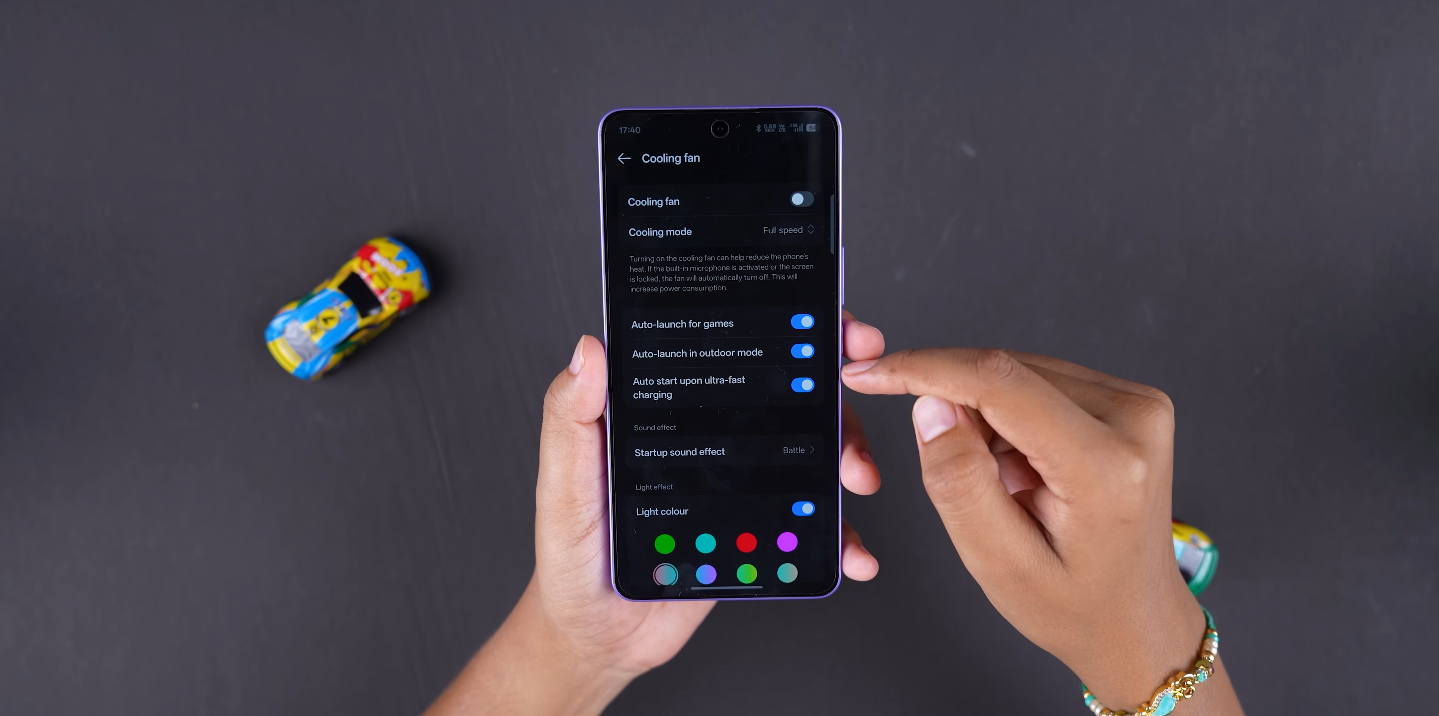
Samsung’s Thermal Control Impresses in Galaxy M17 5G Stress Testing
The Samsung Galaxy M17 5G has drawn attention for its balanced design and efficient performance, and recent stress tests have revealed how the device handles heat under intense workloads. Designed with affordability in mind, the Galaxy M17 5G uses Samsung’s Exynos 1330 chipset built on a 5-nanometer process — a technology that plays a crucial role in managing heat during prolonged use. Reviewers who subjected the phone to heavy gaming, multitasking, and benchmark loops were surprised at how well it maintained temperature without significant performance drops.
During continuous stress testing, which simulated high-intensity use such as gaming and video rendering, the Galaxy M17 5G showed consistent stability. After about 20 minutes of demanding CPU and GPU workloads, surface temperatures rose moderately but remained within a safe and comfortable range. The phone reached around 40 to 42 degrees Celsius under maximum load, which is considered normal for midrange smartphones. Samsung’s thermal management system appears to be well-tuned, preventing overheating while maintaining sustained performance across tasks.
One of the key reasons behind the M17 5G’s heat control is the efficiency of the Exynos 1330 processor. Built using a 5nm manufacturing process, it consumes less power compared to older 8nm chips, which translates to reduced heat output during intensive activities. Combined with software-level optimizations in Samsung’s One UI 6, the device effectively balances performance and temperature. Even when gaming continuously for 30 to 40 minutes, the frame rates remained stable, and there were no abrupt slowdowns or thermal throttling that would hinder the experience.
Samsung Galaxy M17
Samsung appears to have adopted a conservative performance tuning strategy for the M17 5G, prioritizing long-term stability over peak performance. This design choice allows the phone to avoid overheating during prolonged sessions. When pushed beyond its limits, such as running multiple benchmarks or charging while gaming, the device automatically adjusts CPU and GPU speeds to maintain safe thermal levels. This controlled throttling ensures that the phone stays functional and comfortable to hold, even under stress.
Charging tests also show strong heat regulation. The M17 5G supports 25W fast charging, which refills its large 6,000mAh battery efficiently without generating excessive heat. During charging, temperatures increased slightly but never reached concerning levels. Samsung’s charging algorithm likely moderates voltage input when temperatures rise, preventing the device from overheating while plugged in. This feature is especially important for users who often game or stream while charging, as it helps preserve battery health and device longevity.
In comparison to similarly priced competitors, the Galaxy M17 5G performs exceptionally well in thermal control. Many budget and midrange smartphones tend to experience aggressive throttling or discomfort during extended use, but Samsung’s combination of efficient hardware and optimized software minimizes these effects. Reviewers noted that the phone’s back panel and frame never became too hot to touch, even after long testing periods. The device also cools down quickly once heavy tasks stop, suggesting that its internal heat dissipation materials, such as graphite sheets, are doing their job effectively.
Samsung has also included built-in safety mechanisms that activate if the device temperature rises beyond safe thresholds. When this happens, features like display brightness, refresh rate, and charging speed may automatically reduce until the temperature stabilizes. This proactive management system helps prevent overheating and ensures reliable operation under a wide range of conditions. For most users, this means the phone will remain stable during multitasking, gaming, or outdoor use, even in warmer environments.
Overall, the Galaxy M17 5G’s performance under stress testing demonstrates Samsung’s progress in balancing efficiency and durability in its budget lineup. While it doesn’t feature the advanced cooling hardware seen in flagship models, the combination of its 5nm Exynos processor, optimized power management, and smart thermal controls make it one of the most thermally efficient devices in its price category. Users looking for a phone that stays cool under pressure and performs consistently during daily use will likely find the M17 5G to be a reliable option that exceeds expectations for a midrange 5G smartphone.
Samsung’s Galaxy F56 is one of the most recent entries in the mid-range smartphone market, offering a clean design, good performance, and long-term update support. While the device offers several modern features, one of the key deciding factors for buyers is its price.
In this article, we’ll focus primarily on the current pricing of the Galaxy F56 in the Australian market and break it down by variant.
Galaxy F56 128GB Price in Australia
The base variant of the Samsung Galaxy F56 comes with 8GB of RAM and 128GB of internal storage. This version is suitable for most everyday users, offering enough space for apps, photos, and light media storage without needing additional memory cards.
As of now, this variant is available through online import retailers and resellers. The average market price in Australia for this model ranges between 490 AUD and 510 AUD, depending on seller availability, shipping fees, and warranty coverage. This price range reflects recent trends based on early stock and international listings.
Galaxy F56 256GB Price in Australia
For users who prefer more storage, the 256 GB variant of the Galaxy F56 provides double the internal space while maintaining the same 8GB of RAM. This option is ideal for those who plan to store videos, large applications, or high-resolution photos directly on the device.
The 256 GB version is slightly harder to find in Australian listings at the moment, but where available, it is priced around 530 AUD to 560 AUD. Some sellers may include added accessories or extended warranties that can impact the final price, so checking individual listings is recommended.
Galaxy F56 Price Trends and Availability
At present, the Galaxy F56 is not officially listed on major Australian carriers or Samsung’s official store. However, multiple third-party importers and e-commerce platforms are stocking the phone for Australian consumers. Prices may vary depending on whether the product is sourced from Asia, Europe, or other markets, and whether GST and customs fees are included in the purchase.
The demand for affordable mid-range smartphones with long battery life and extended software support is increasing in Australia. Because of that, models like the Galaxy F56 are expected to become more easily available over time, and we may see greater pricing consistency once Samsung expands its official presence or local retailers begin to stock it in larger volumes.
The Samsung Galaxy F56 stands out not just for its modern features, but also for the competitive price at which it is being offered in the Australian market. The current price range for both variants puts it below many competing models with similar specifications.
If you’re looking for a dependable smartphone with good value for money and don’t mind purchasing through an importer, the F56 is currently a strong option. However, if you prefer official warranty and local support, waiting for an official launch might also be worth considering.
The Samsung Galaxy S26 Edge is reportedly priced at $1,403 USD for the 12 GB RAM + 256 GB storage variant in the United States. This places the phone well above mid-range models, aligning it with ultra-premium flagship pricing, though its slim form and curved-edge design clearly signal Samsung’s confidence in its positioning.
The Edge serves as a standout in Samsung’s 2026 lineup, combining beauty, innovation, and top-tier specs into a sleek package. For hardware enthusiasts who appreciate elegance in design, the Edge offers a compelling alternative to the bulkier Ultra models. But at over $1,400, buyers will expect excellence not just in style, but in performance, camera quality, and software updates.
Key Specs That Justify the Price
For its price tag, the Galaxy S26 Edge delivers solid specs. It is expected to feature a 6.78‑inch display with a smooth 144 Hz refresh rate, powered by the latest Snapdragon 8 Elite chipset. These hardware choices promise a rich gaming and content consumption experience.
The battery—an ample 4,700 mAh cell—should offer all-day usage, even with intensive use. Given Samsung’s typical build quality, buyers can also expect Gorilla Armor glass, IP68 water and dust resistance, stereo AKG-tuned speakers, and under-display fingerprint security tech. But for many, the selling point remains the phone’s ultra-thin profile combined with high-end internals.
How the Edge Compares to Other Galaxy S26 Models
At $1,403, the S26 Edge sits between the base S26 and the S26 Ultra. The base S26 is projected to launch at around $799 for 128 GB, rising to $859 for 256 GB, while rumors suggest the S26 Ultra will start at $1,299 for the 256 GB version—scaling higher for more storage.
The Edge positions itself uniquely: it offers a similar form factor and premium feel to the Ultra but at a mid-point price. Samsung’s rumored strategy includes dropping the S26+ and replacing it with this Edge model.
That makes the Edge essential for those seeking a refined thin design without paying Ultra-level pricing, though still at a premium over the standard S26.
Is $1,403 USD Worth It?
Spending over $1,400 on a smartphone is a big decision. For enthusiasts and early adopters drawn to design-forward devices, the Galaxy S26 Edge packs serious appeal. Its curved-edge display is one of the thinnest and lightest in the flagship line, offering a tactile elegance few competitors can match.
At the same time, the Edge may omit some hardware found in the Ultra—such as advanced zoom cameras—so buyers should weigh whether slimness and design outweigh those features. For collectors or style-conscious users, the Edge could well justify the added cost, but functional users may find equal value in the S26 or S26 Ultra depending on needs.
The Samsung Galaxy S26 Edge’s $1,403 USD price position makes it a luxury smartphone tier choice. It offers innovative aesthetics, flagship performance, and a smooth curved display that sets it apart. Whether it’s worth the premium depends on your priorities: if design and elegance top your list, the Edge stands as Samsung’s best-crafted S-series device ever.
However, value-conscious buyers might lean toward the standard S26 or splash out for the Ultra—which may offer more camera hardware and storage for less per feature. Either way, the Edge represents Samsung’s commitment to high-end craftsmanship and premium pricing in 2026.
Early buyers of the Samsung Galaxy M16 5G in the USA are starting to share their feedback, and most of it is strongly positive. From the display quality to battery performance, users are already calling it one of the best budget phones released this year.
Display Quality Surprises Most Buyers
The standout feature for many users is the 6.7 inch Super AMOLED display. Buyers are impressed with how bright and sharp the screen looks, especially considering the low price point. The 90Hz refresh rate also adds to the smooth experience, making scrolling and video playback feel more premium than expected.
Performance Feels Smooth For Everyday Use
Users have reported that the Galaxy M16 5G handles day-to-day tasks with ease. Whether it’s social media apps, video streaming, or browsing, the phone performs without noticeable lag. The Dimensity 6300 processor paired with up to 6GB RAM is proving to be enough for most regular users who don’t play heavy games.
Battery Life Is Another Strong Point
One of the most common pieces of feedback is how long the battery lasts. The 5000mAh battery is giving users a full day or more on a single charge. Some buyers have noted that even with multiple apps running in the background, the phone stays cool and doesn’t drain quickly. The 25W fast charging support is also appreciated, even though the charger is not always included.
Camera Performance Gets Mixed Reviews
While the display and battery are getting praise, the camera is where expectations fall short. Several users mention that the rear camera is just average and the front camera struggles in low light. It’s usable, but not a highlight of the phone. For those who need a strong camera setup, this might not be the right choice.
Final Verdict From USA Buyers
Samsung Galaxy M16 5G is being seen as a smart budget pick by early users in the USA. The display, battery life, and smooth day-to-day performance are its biggest strengths. The camera is the only area that feels underwhelming. Still, for under $200, most buyers say it delivers solid value and feels like a reliable phone for long-term use.
The Samsung Galaxy S26 Edge is making headlines even before its official announcement. According to the latest leaks, Samsung is preparing to bring back the curved-edge design with a powerful twist.
The S26 Edge is rumored to replace the S26 Plus, offering a flagship experience with top-tier specs, advanced AI features, and a sleek ultra-thin build. As anticipation builds, these leaks have given users a detailed look into what might be Samsung’s most premium non-Ultra phone yet.
Sleek Design and Curved Display Make a Big Comeback
One of the most talked-about features in the leaks is the return of the edge display. The Samsung Galaxy S26 Edge is expected to feature a large 6.8 inch curved AMOLED display with Quad HD Plus resolution.
The display will support 120Hz refresh rate and HDR10 Plus, providing a smooth and vibrant visual experience. Leaks also suggest that the phone will be extremely thin, possibly measuring just 5.8mm in thickness, and built with a titanium frame that keeps it lightweight yet strong.
The ultra-thin design combined with curved edges will not only enhance the aesthetics but also improve grip and usability. This change is likely to attract users who have missed the edge series and prefer phones with a premium curved screen.
Camera Leaks Suggest Powerful 200 MP Sensor
Another major leak reveals that the Galaxy S26 Edge could feature a massive 200MP primary camera. This sensor is expected to offer high clarity, improved low-light performance, and enhanced digital zoom.
While there may not be a dedicated telephoto lens, the leaked reports suggest that Samsung could rely on powerful AI-based zoom and image enhancement to deliver clear shots even from a distance.
Along with the main sensor, the phone is expected to include an ultra-wide lens. The camera will likely support 8K video recording and 4K at 60fps, making it ideal for users who love content creation.
Galaxy AI and Perplexity Integration Could Change Everything
Leaks also point towards deeper AI integration in the Galaxy S26 Edge. Samsung may move away from Google Gemini and instead use its own Galaxy AI, powered by Perplexity.
This change could introduce smarter on-device search, advanced voice commands, and improved personalization. AI may also play a major role in camera processing, battery management, and productivity tools like Samsung Notes and DeX.
With AI at the core, users can expect features like live call translation, smart reply suggestions, and real-time image editing. These tools could offer a more seamless and intelligent user experience across apps and settings.
Performance Boost with Snapdragon Chipset and Massive RAM
The Galaxy S26 Edge is expected to run on the upcoming Snapdragon 8 Gen 4 or Snapdragon 8 Elite 2 chipset, based on a 3nm process. This means faster performance, better efficiency, and improved thermals.
RAM options may go up to 16GB, while storage could start from 256GB and go up to 1TB. Leaks suggest that the phone will launch with Android 16 out of the box and One UI 8 layered on top. Samsung is also expected to offer at least five years of software support and regular AI feature updates.
Battery and Charging Capabilities Will Impress Power Users
Power users will be happy to hear that the Galaxy S26 Edge may pack a 4700mAh to 5000mAh battery. This should provide all-day usage even with heavy multitasking and gaming.
Fast charging is expected to go up to 45W wired, along with support for wireless charging and reverse wireless charging. The addition of a new silicon-carbon battery technology could allow Samsung to maintain large battery capacity despite the thin body design.
Final Thoughts on Samsung Galaxy S26 Edge Leaks
With its curved display, AI-powered features, and impressive camera specs, the Samsung Galaxy S26 Edge is shaping up to be a top-tier device for 2026. If these leaks turn out to be true, the S26 Edge could fill the gap between the base Galaxy S26 and the S26 Ultra, offering a stylish and powerful option for users who want a balance of design and performance.
As more details emerge in the coming months, excitement around the S26 Edge is only expected to grow. Keep an eye on official announcements, because this could be the most talked-about Galaxy Edge phone in years.
Samsung Galaxy M16 5G is making waves in the US market thanks to its incredibly affordable price and strong feature set. While it hasn’t been officially launched in the US, international sellers have made it available on platforms like eBay, with prices starting at just around $159. This makes it an attractive option for buyers who want 5G connectivity and reliable performance without burning a hole in their pocket.
Display and Performance That Impress at This Price
The phone sports a 6.7-inch Super AMOLED display with a smooth 90Hz refresh rate. This means users get bright colors and sharp visuals, enhancing the experience of watching videos or scrolling through apps. Under the hood, the MediaTek Dimensity 6300 processor ensures that everyday tasks run smoothly, from social media browsing to streaming and light gaming.
Battery Life and Cameras That Keep You Going
One of the biggest highlights is the 5,000mAh battery, which easily lasts a full day of typical use. Plus, the 25W fast charging support means you won’t be tied down to the charger for long. On the camera side, the Galaxy M16 5G offers a 50MP main camera, a 5MP ultrawide lens, and a 2MP macro sensor, along with a 13MP front camera, which are good enough for casual photography and selfies.
Despite being an import, the Galaxy M16 5G provides excellent value for US buyers willing to buy from international sellers. Remember to check shipping charges and possible import taxes. Overall, this phone proves that premium features can come at a budget price.
Samsung Galaxy S26 Series Benchmark Comparison: Which Chipset Reigns Supreme?
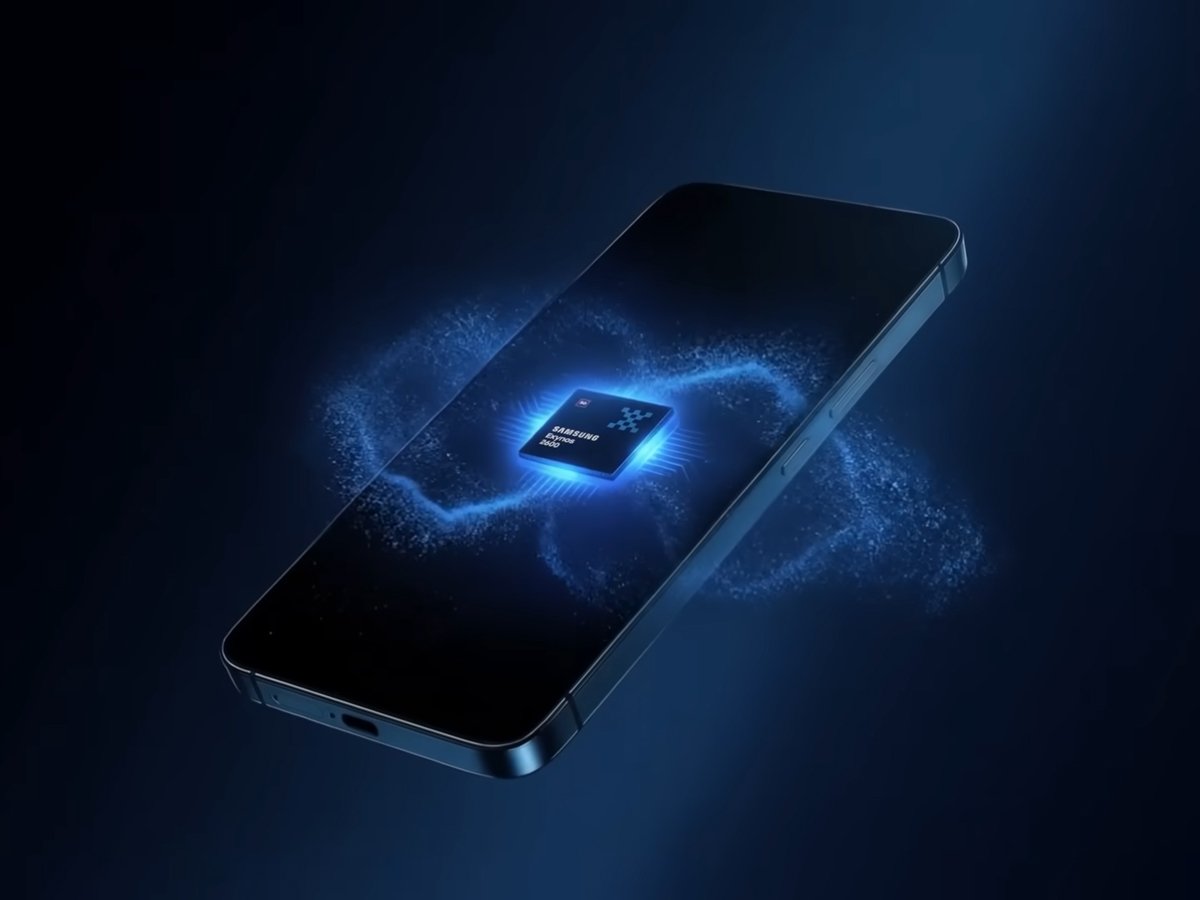
The Samsung Galaxy S26 series is set to launch on February 25, 2026, and the anticipation is palpable. In the lead-up to the launch, a benchmark comparison has emerged, pitting the Exynos 2600-powered S26 against the Snapdragon 8 Elite Gen 5-equipped S26 Ultra.
This comparison is crucial, as it will help us analyse the performance differences between the two chipsets. The Exynos 2600 and Snapdragon 8 Elite Gen 5 are both high-performance processors, but they have distinct architectures and capabilities.
The benchmark results show that the Snapdragon 8 Elite Gen 5 has a slight edge over the Exynos 2600. This is likely due to the Snapdragon’s more efficient CPU and GPU configuration. However, it’s essential to note that these results are based on early benchmarks and may not reflect the final performance of the devices.
As we await the launch of the Galaxy S26 series, it’s clear that the choice between the Exynos 2600 and Snapdragon 8 Elite Gen 5 will depend on various factors, including regional availability and personal preference. The behaviour of the two chipsets will also be influenced by the device’s software and hardware configuration.
In terms of colour options and design, the Galaxy S26 series is expected to feature a range of stylish and sleek designs. The devices will likely boast vibrant colour schemes and premium materials, making them a feast for the eyes. However, the ultimate choice will depend on the user’s individual behaviour and preferences.
The benchmark comparison between the Exynos 2600 and Snapdragon 8 Elite Gen 5 is a significant indicator of the devices’ potential performance. As we look ahead to the launch, it’s crucial to consider the various factors that will impact the devices’ behaviour and overall user experience.
With the launch date approaching, fans of the Galaxy S26 series are eagerly anticipating the opportunity to get their hands on the devices. The Snapdragon 8 Elite Gen 5 and Exynos 2600 will undoubtedly be put to the test, and their performance will be scrutinised by tech enthusiasts and critics alike.
In conclusion, the benchmark comparison between the Exynos 2600 and Snapdragon 8 Elite Gen 5 provides valuable insights into the potential performance of the Galaxy S26 series. As we await the launch, it’s essential to consider the various factors that will influence the devices’ behaviour and overall user experience.