NVIDIA Faces Challenge in UK as AI Engineers Prioritise Custom ASICs Over GPUs

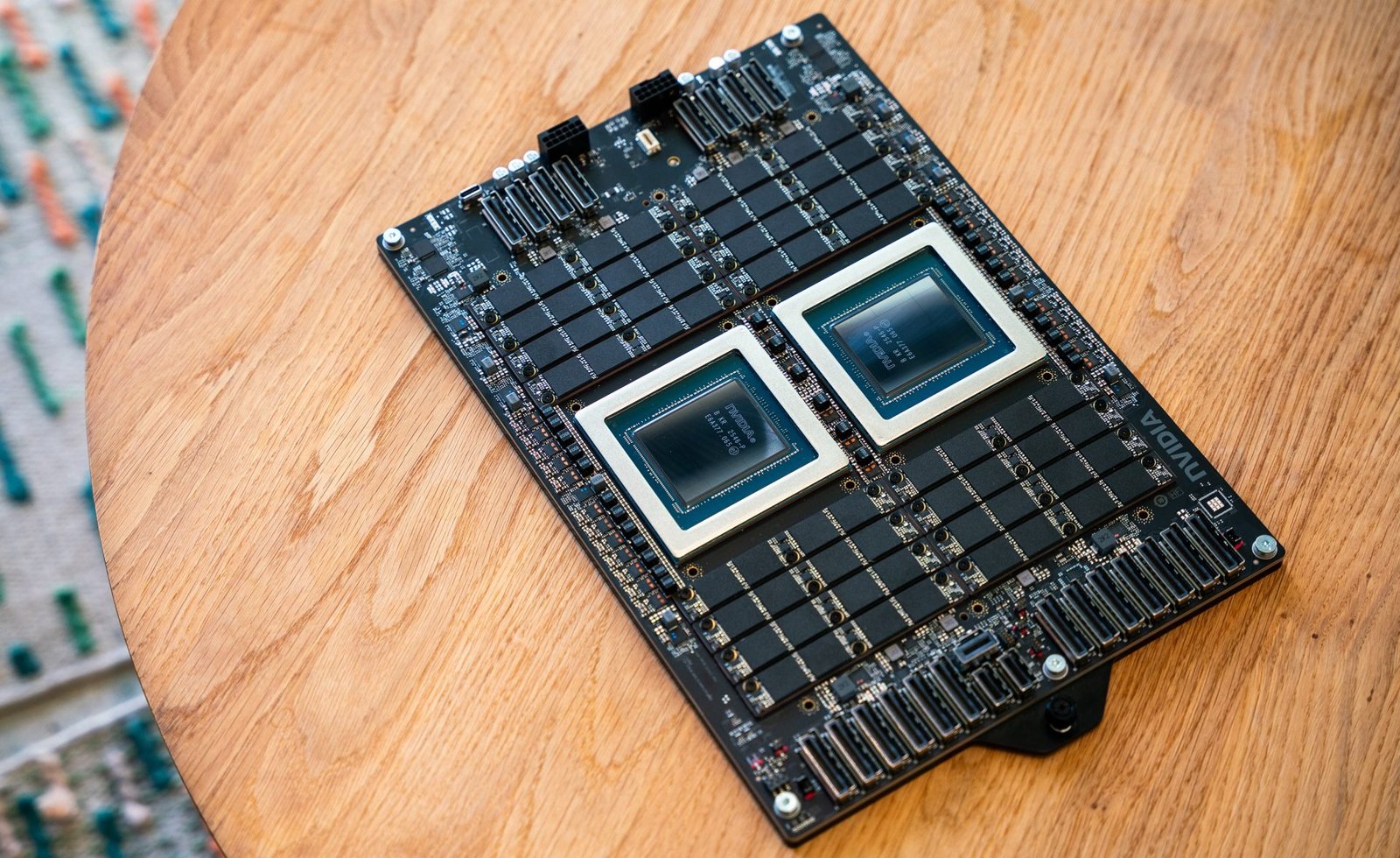
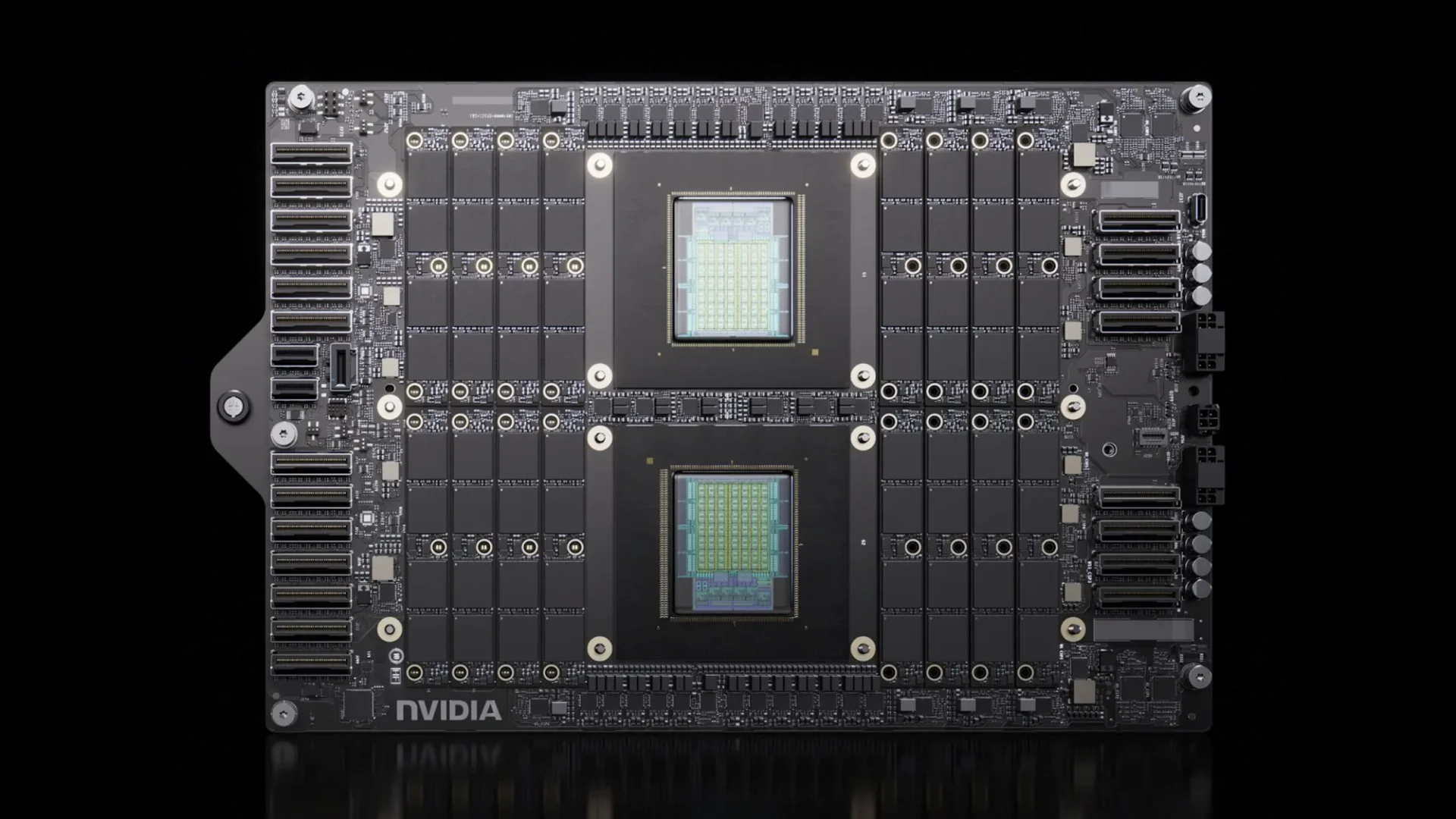
NVIDIA's AI chips are losing ground to custom ASICs due to rising cooling and power costs, with AI engineers in the UK prioritising more efficient solutions

NVIDIA’s Struggle to Convince AI Engineers in the UK

NVIDIA, the renowned AI GPU giant, is losing ground with AI engineers in the UK due to rising concerns over cooling and power costs. Despite their chips offering superior total cost of ownership, analysts from Evercore ISI warn that AI engineers are not impressed.

The primary focus of AI engineers has shifted towards custom ASICs, which are gaining popularity among hyperscalers. NVIDIA CEO Jensen Huang has defended his firm’s AI chip price points, citing better performance efficiency compared to peers.

However, AI engineers in the UK are now considering other crucial metrics, such as the cost of cooling the chips. Power consumption and cooling costs have become essential factors in deciding which products to use. As a result, NVIDIA’s AI chip costs are being reassessed.

The Evercore report highlights the importance of power consumption and cooling in determining NVIDIA’s AI chip costs. With the increasing demand for custom ASICs, NVIDIA faces a significant challenge in the UK market. The company must adapt to the changing needs of AI engineers and hyperscalers to remain competitive.

The shift towards custom ASICs is driven by the need for more efficient and cost-effective solutions. AI engineers in the UK are analysing the total cost of ownership, including cooling and power costs, to make informed decisions. As the demand for custom ASICs continues to grow, NVIDIA must innovate and improve its products to meet the evolving needs of the market.

In the UK, the trend towards custom ASICs is expected to continue, with hyperscalers leading the way. NVIDIA must respond to this challenge by developing more efficient and cost-effective AI chips. The company’s ability to adapt to the changing market landscape will be crucial in determining its future success.

The UK market is highly competitive, with several players vying for market share. NVIDIA’s struggle to convince AI engineers is a significant challenge, and the company must take immediate action to address the concerns of its customers. By prioritising innovation and customer needs, NVIDIA can regain its position as a leading provider of AI chips in the UK.

The future of AI chips in the UK is uncertain, with custom ASICs gaining traction. NVIDIA must navigate this changing landscape and develop products that meet the evolving needs of AI engineers and hyperscalers. The company’s success will depend on its ability to innovate and adapt to the shifting market dynamics.

In conclusion, NVIDIA faces a significant challenge in the UK as AI engineers prioritise custom ASICs over GPUs. The company must respond to this trend by developing more efficient and cost-effective AI chips. By prioritising innovation and customer needs, NVIDIA can regain its position as a leading provider of AI chips in the UK and remain competitive in the market.

NVIDIA DLSS 4.5 Arrives in UK with HEAT, 007 First Light and Starminer

NVIDIA DLSS 4.5 logo with a UK gaming background, featuring HEAT, 007 First Light and Starminer game characters and scenery, showcasing the technology's ability to deliver fast frame rates and breathtaking graphics

NVIDIA DLSS 4.5 Revolutionises UK Gaming with HEAT, 007 First Light and Starminer

This week, the UK gaming scene is abuzz with the arrival of NVIDIA’s DLSS 4.5 with Multi-Frame Generation upscaling technology in several major titles. The biggest release of the week is undoubtedly 007 First Light, IO Interactive’s take on James Bond, now available for Deluxe Edition players.

World of Tanks and Starminer are also joining the fray, bringing their unique brand of action and adventure to the UK gaming community. With DLSS 4.5, these games promise to deliver unparalleled visual fidelity and performance.

For gamers in the UK, this means a more immersive and engaging experience, with faster frame rates and breathtaking graphics. Whether you’re exploring the world of tanks or delving into the mysteries of Starminer, DLSS 4.5 is set to revolutionise your gaming behaviour.

As the UK gaming landscape continues to evolve, it’s exciting to see how DLSS 4.5 will analyse and adapt to the needs of gamers. With its cutting-edge technology and commitment to innovation, NVIDIA is once again pushing the boundaries of what’s possible in the world of gaming.

So, what can UK gamers expect from these new releases? For starters, 007 First Light promises to deliver a thrilling James Bond experience, complete with high-stakes action and sophisticated espionage. World of Tanks, on the other hand, will challenge players to navigate the complexities of tank warfare, requiring strategic thinking and quick reflexes.

Starminer, meanwhile, offers a unique blend of exploration and discovery, as players delve into the mysteries of a distant planet. With DLSS 4.5, each of these games will be able to deliver a more realistic and engaging experience, drawing players in and refusing to let go.

As the UK gaming community continues to grow and evolve, it’s clear that NVIDIA’s DLSS 4.5 will play a major role in shaping the future of the industry. With its commitment to innovation and its dedication to delivering exceptional gaming experiences, NVIDIA is setting a new standard for the UK gaming scene.

So, if you’re a gamer in the UK looking to take your gaming experience to the next level, be sure to check out these exciting new releases. With DLSS 4.5 and the latest NVIDIA technology, you’ll be able to enjoy a more immersive, more engaging, and more thrilling gaming experience than ever before.

In conclusion, the arrival of NVIDIA’s DLSS 4.5 in the UK gaming scene is a major milestone, marking a new era of innovation and excellence in the industry. With its cutting-edge technology and commitment to delivering exceptional gaming experiences, NVIDIA is once again leading the way and setting a new standard for the UK gaming community.

NVIDIA Leads the Way in DeepSeek V4 with Day-0 Blackwell Support in the UK

NVIDIA's Blackwell NVFP4 architecture delivers major speed-ups in DeepSeek v4, with a featured image of a GPU chip and a background of 1s and 0s, representing the primary keyword of AI models

Revolutionising AI: NVIDIA’s Day-0 Blackwell Support for DeepSeek V4

NVIDIA has taken the lead in the AI industry with its Day-0 support for DeepSeek V4 on Blackwell GPUs using NVFP4 in the UK. This significant development enables the processing of 3,500 tokens per second on 1.6T models.

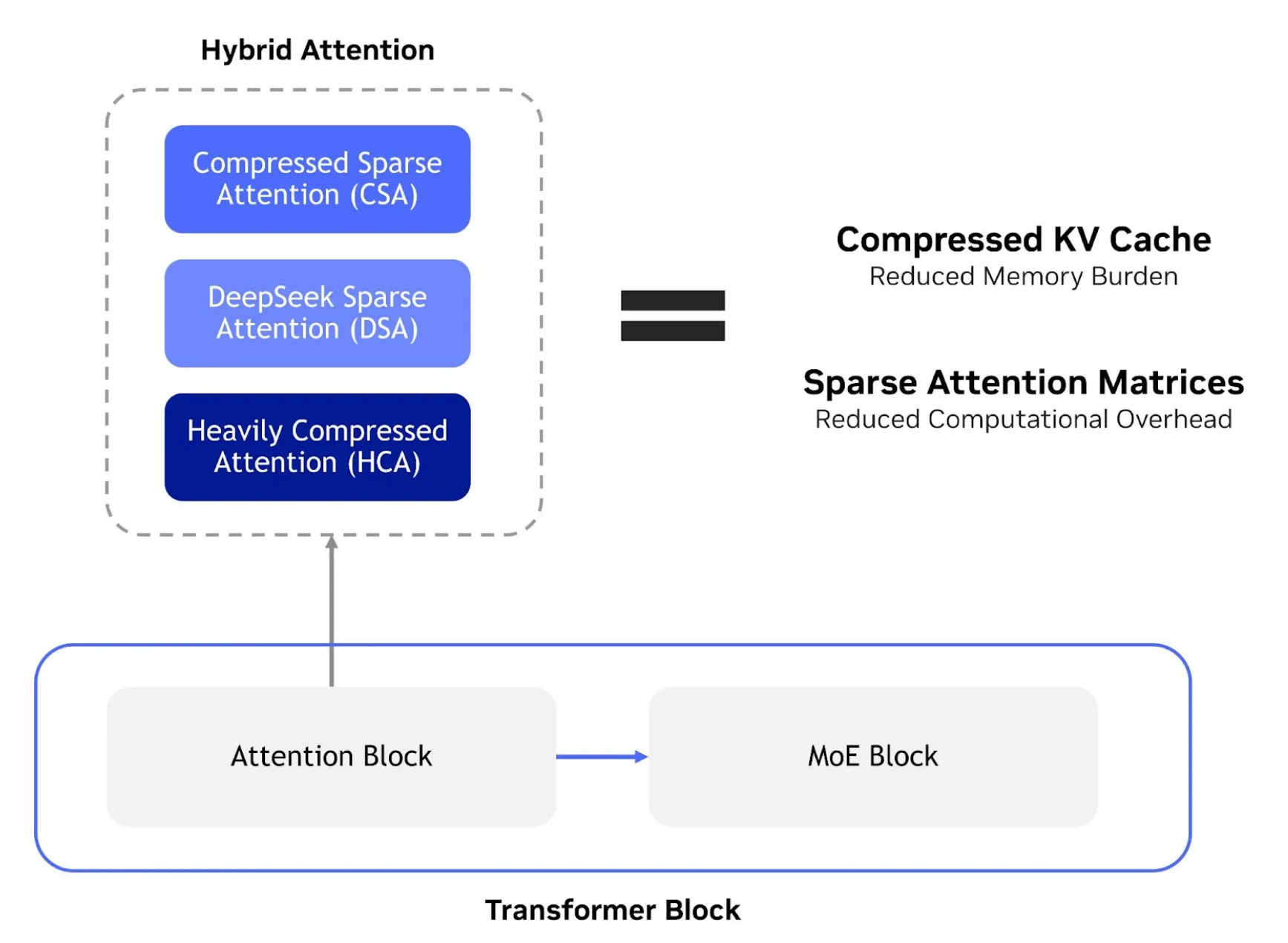
DeepSeek V4 brings substantial optimizations, including support for up to 1.6T model sizes, making it an exciting advancement in the field of artificial intelligence. The updated AI model requires only 27% of single-token inference FLOPs and 10% of the KV cache when running a one-million-token context window.

The introduction of two new models, including a Pro model with a parameter size of 1.6T and a Flash version, further enhances the capabilities of DeepSeek V4. NVIDIA’s Blackwell NVFP4 architecture delivers major speed-ups in DeepSeek v4, with more optimizations on the way.

The launch of DeepSeek V4 has significant implications for the AI industry, particularly in the UK. With NVIDIA’s Day-0 support, developers and researchers can leverage the power of DeepSeek V4 to drive innovation and improve AI-powered applications.

NVIDIA’s commitment to providing timely support for the latest AI models demonstrates its dedication to advancing the field of artificial intelligence. As the demand for AI-powered solutions continues to grow in the UK, NVIDIA’s leadership in this area is expected to have a profound impact on the industry.

The future of AI looks promising, with ongoing developments in areas like natural language processing and computer vision. As the UK continues to embrace AI technology, the importance of NVIDIA’s role in driving innovation and progress cannot be overstated.

With the increasing adoption of AI-powered solutions in various industries, the need for efficient and scalable AI models has never been more pressing. DeepSeek V4, with its impressive capabilities and NVIDIA’s Day-0 support, is poised to play a vital role in shaping the future of AI in the UK.

The potential applications of DeepSeek V4 are vast and varied, ranging from improving customer service chatbots to enhancing language translation software. As the UK continues to invest in AI research and development, the possibilities for innovation and growth are endless.

In conclusion, NVIDIA’s Day-0 support for DeepSeek V4 on Blackwell GPUs using NVFP4 marks a significant milestone in the AI industry. With its impressive performance and capabilities, DeepSeek V4 is set to revolutionize the way we approach AI-powered applications in the UK.

NVIDIA Unveils Vera CPUs in the UK, Revolutionising Agentic AI

NVIDIA's Vera CPU is a purpose-built chip designed to accelerate Agentic AI forward, with a powerful processing unit and efficient design, set to revolutionise the AI industry in the UK, with a focus on AI development and AI technology, and a significant boost to the UK's AI sector

NVIDIA Vera CPUs: The Future of Agentic AI in the UK

NVIDIA has begun shipping its highly anticipated Vera CPUs to major AI firms in the UK, marking a significant milestone in the production of these purpose-built chips. The Vera CPU is designed to accelerate Agentic AI forward, and its release is set to revolutionise the industry. With the first chips being hand-delivered to OpenAI, SpaceX, Anthropic, and Oracle, the stage is now set for a new era in AI development.

The Vera CPU is the successor to NVIDIA’s Grace CPU, and its release is a major step forward for the company’s Agentic AI ecosystem. As the demand for AI continues to grow, the need for powerful and efficient processing units has never been more pressing. The Vera CPU is designed to meet this need, providing a significant boost to AI performance and capabilities.

NVIDIA’s Vice President of Hyperscale and High-Performance Computing, Ian Buck, was on hand to deliver the first Vera CPUs to the four major AI firms. This symbolic gesture marks the beginning of a new chapter in the development of Agentic AI, and it’s clear that NVIDIA is committed to driving this technology forward. With the Vera CPU now in full production, we can expect to see significant advancements in AI capabilities in the coming months and years.

The UK is set to play a major role in the development of Agentic AI, with many of the country’s top tech firms already working on AI-related projects. The release of the Vera CPU is a significant boost to these efforts, providing a powerful tool for developers to create more sophisticated AI systems. As the UK continues to invest in AI research and development, we can expect to see major breakthroughs in the field.

The Vera CPU is a significant development in the field of Agentic AI, and its release is set to have a major impact on the industry. With its powerful processing capabilities and efficient design, the Vera CPU is the perfect tool for developers looking to create more advanced AI systems. As the demand for AI continues to grow, the Vera CPU is set to play a major role in shaping the future of this technology.

The UK’s AI sector is thriving, with many major firms already working on AI-related projects. The release of the Vera CPU is a significant boost to these efforts, providing a powerful tool for developers to create more sophisticated AI systems. As the UK continues to invest in AI research and development, we can expect to see major breakthroughs in the field. With the Vera CPU now in full production, the future of Agentic AI in the UK looks brighter than ever.

NVIDIA’s commitment to driving Agentic AI forward is clear, and the release of the Vera CPU is a major step forward for the company. With its powerful processing capabilities and efficient design, the Vera CPU is set to revolutionise the industry. As the UK continues to play a major role in the development of Agentic AI, we can expect to see significant advancements in AI capabilities in the coming months and years.

The Vera CPU is a game-changer for the AI industry, and its release is set to have a major impact on the development of Agentic AI. With its powerful processing capabilities and efficient design, the Vera CPU is the perfect tool for developers looking to create more advanced AI systems. As the demand for AI continues to grow, the Vera CPU is set to play a major role in shaping the future of this technology.

In conclusion, the release of the Vera CPU is a significant milestone in the development of Agentic AI. With its powerful processing capabilities and efficient design, the Vera CPU is set to revolutionise the industry. As the UK continues to play a major role in the development of Agentic AI, we can expect to see significant advancements in AI capabilities in the coming months and years. The future of Agentic AI in the UK looks brighter than ever, thanks to the release of the Vera CPU.

NVIDIA Taps Taiwanese Nanya Technology for Vera Rubin’s LPDDR5X Memory in the UK

NVIDIA's Vera Rubin platform with Nanya Technology's LPDDR5X memory, providing high-bandwidth and low-power consumption for AI development in the UK

NVIDIA’s Vera Rubin Platform Gets a Boost with LPDDR5X Memory from Nanya Technology

NVIDIA has partnered with Taiwanese manufacturer Nanya Technology to provide LPDDR5X memory for its Vera Rubin platforms in the UK, marking a significant milestone in the country’s tech industry. This collaboration is expected to enhance the performance of NVIDIA’s Agentic AI powerhouse. With the increasing demand for low-power and high-bandwidth memory, this partnership is a strategic move for NVIDIA.

The Vera Rubin platform utilises two types of memory: LPDDR5X DRAM for the CPUs and HBM4 DRAM for the GPUs. Each type serves a distinct purpose, with LPDDR5X offering improved capacity and bandwidth. The addition of Nanya Technology’s LPDDR5X memory is anticipated to provide a 3x capacity increase and over 50% bandwidth boost.

This development is a testament to NVIDIA’s efforts to diversify its supply chain and reduce dependence on a single manufacturer. By tapping into Taiwan’s expertise in memory production, NVIDIA can ensure a stable supply of high-quality memory for its Vera Rubin platforms. As the UK continues to invest in AI research and development, this partnership is poised to have a positive impact on the country’s tech landscape.

The implications of this partnership extend beyond the tech industry, with potential applications in fields such as healthcare, finance, and education. As AI technology continues to evolve, the demand for high-performance memory will only increase. With Nanya Technology’s LPDDR5X memory on board, NVIDIA’s Vera Rubin platforms are well-equipped to handle the challenges of AI development in the UK.

Nanya Technology’s LPDDR5X memory is designed to provide high-bandwidth and low-power consumption, making it an ideal solution for NVIDIA’s Vera Rubin platforms. The company’s expertise in memory production has earned it a reputation as a reliable partner in the tech industry. As the UK’s tech sector continues to grow, partnerships like this one will play a crucial role in driving innovation and advancement.

In conclusion, the partnership between NVIDIA and Nanya Technology marks a significant step forward for the UK’s tech industry. With the introduction of LPDDR5X memory for the Vera Rubin platforms, NVIDIA is poised to make a lasting impact on the development of AI technology in the UK. As the demand for high-performance memory continues to grow, this partnership is expected to yield significant benefits for both companies and the wider tech community.

The future of AI development in the UK looks promising, with NVIDIA’s Vera Rubin platforms at the forefront of innovation. With the support of Nanya Technology’s LPDDR5X memory, these platforms are expected to drive significant advancements in fields such as natural language processing, computer vision, and machine learning. As the UK continues to invest in AI research and development, partnerships like this one will be essential in driving progress and achieving breakthroughs.

As the UK’s tech industry continues to evolve, it is likely that we will see further collaborations between NVIDIA and other Taiwanese manufacturers. The country’s expertise in memory production makes it an attractive partner for companies looking to enhance their products and services. With the introduction of LPDDR5X memory for the Vera Rubin platforms, NVIDIA has set a precedent for future partnerships and collaborations in the UK’s tech sector.

In the world of AI development, memory plays a critical role in determining the performance and capabilities of a system. With Nanya Technology’s LPDDR5X memory, NVIDIA’s Vera Rubin platforms are equipped to handle the most demanding tasks and applications. As the UK’s tech industry continues to grow and mature, it is likely that we will see further innovations and advancements in the field of AI development.

The partnership between NVIDIA and Nanya Technology is a testament to the power of collaboration and innovation in the tech industry. By working together, companies can achieve great things and drive significant advancements in their respective fields. As the UK’s tech sector continues to evolve, it is likely that we will see further partnerships and collaborations that will shape the future of AI development and beyond.

NVIDIA RTX 5090 Surfaces in UK Market Amid Eased US Sanctions

The NVIDIA RTX 5090 and Blackwell Pro 6000 are set to revolutionise the UK tech landscape, offering unparalleled performance and capabilities, with the primary keyword being NVIDIA RTX 5090, and the image showcasing the advanced AI GPUs

NVIDIA RTX 5090 and Blackwell Pro 6000: A New Era in UK Tech

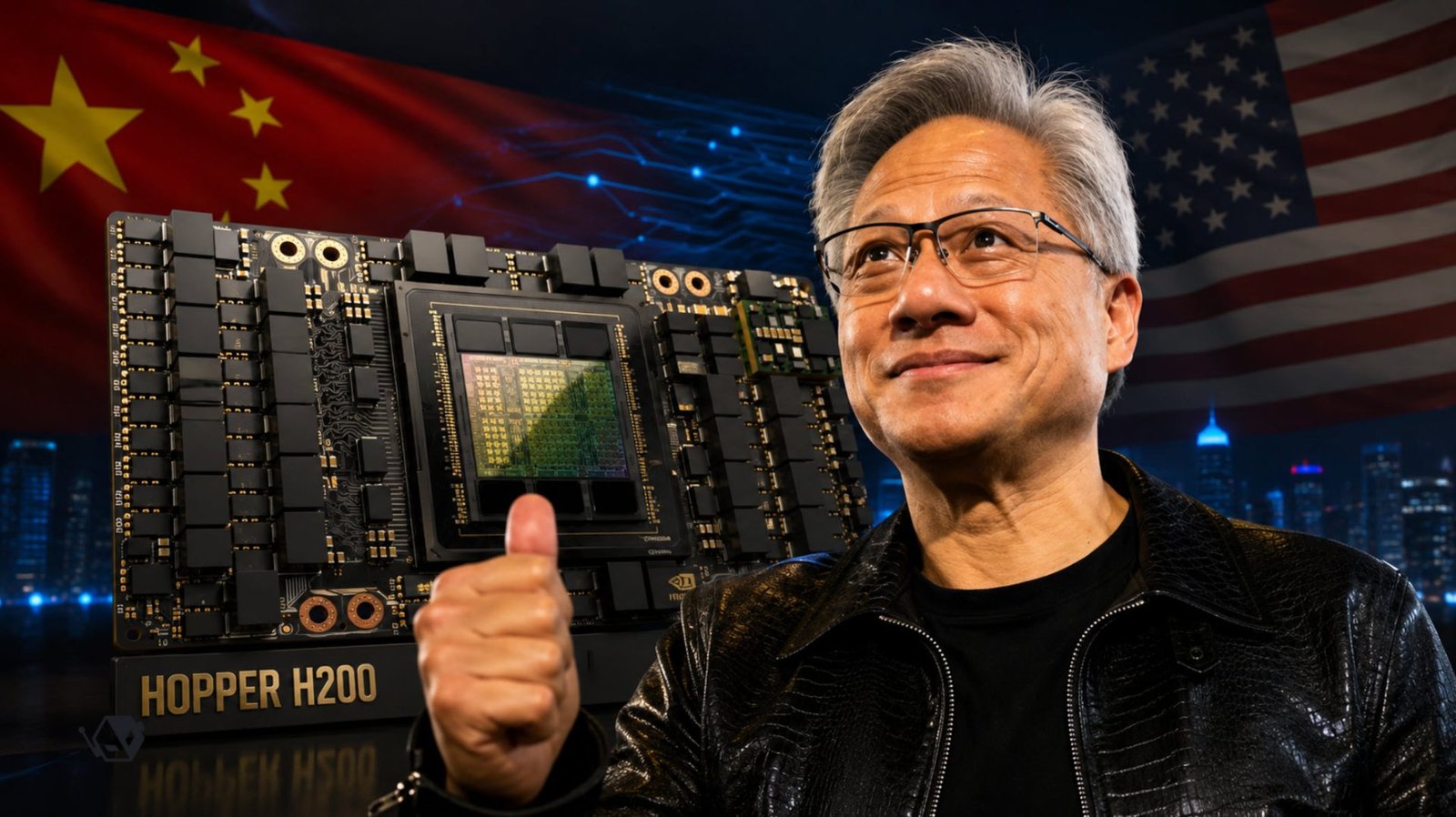
The UK tech scene is abuzz with the recent news of NVIDIA RTX 5090 and Blackwell Pro 6000 surfacing on Chinese retailer JD. As President Trump and NVIDIA CEO Jensen Huang visit China, the US has reportedly eased restrictions on advanced AI GPUs sales to China.

This development has significant implications for the UK market, where tech enthusiasts have been eagerly awaiting the arrival of these cutting-edge chips. With the H200 chips now available for order, several Chinese companies are poised to take advantage of this new opportunity.

The storefront on JD features the RTX 5090 32G Turbo Edition, one of the most advanced GPUs available, still officially subject to sanctions. This move is seen as a strategic step towards strengthening US-China trade relations and boosting the UK’s tech industry.

As the UK tech industry continues to evolve, the availability of these advanced chips is expected to drive innovation and growth. With the eased sanctions, UK-based companies can now explore new possibilities in AI and machine learning, further solidifying the country’s position as a hub for tech innovation.

The NVIDIA RTX 5090 and Blackwell Pro 6000 are set to revolutionise the UK tech landscape, offering unparalleled performance and capabilities. As the UK market embraces these new technologies, we can expect to see significant advancements in various fields, from gaming to healthcare.

The UK’s tech community is eagerly anticipating the impact of these developments, and as the situation unfolds, one thing is clear – the UK is poised to remain at the forefront of the tech industry. With the NVIDIA RTX 5090 and Blackwell Pro 6000 leading the charge, the future of UK tech has never looked brighter.

As we analyse the implications of these advancements, it’s essential to consider the broader context of the UK’s tech industry. The eased sanctions and the availability of advanced chips are expected to drive growth, create new opportunities, and further establish the UK as a leader in the tech world.

The UK’s behaviour in embracing these new technologies will be crucial in determining the country’s future in the tech industry. As we look to the future, one thing is certain – the NVIDIA RTX 5090 and Blackwell Pro 6000 will play a significant role in shaping the UK’s tech landscape.

The colour of innovation is set to change in the UK, as the NVIDIA RTX 5090 and Blackwell Pro 6000 bring new possibilities to the table. With the UK’s tech industry poised for growth, we can expect to see significant developments in the coming months and years.

In conclusion, the NVIDIA RTX 5090 and Blackwell Pro 6000 surfacing in the UK market is a significant development, one that is expected to drive innovation and growth. As the UK tech industry continues to evolve, we can expect to see new and exciting advancements in the years to come.

NVIDIA Rubin GPUs Power Nscale’s UK Expansion

NVIDIA Rubin GPUs being deployed at Nscale's UK facilities, powering the future of AI technology with advanced chip architecture and efficient processing

NVIDIA Rubin GPUs: The Future of AI in the UK

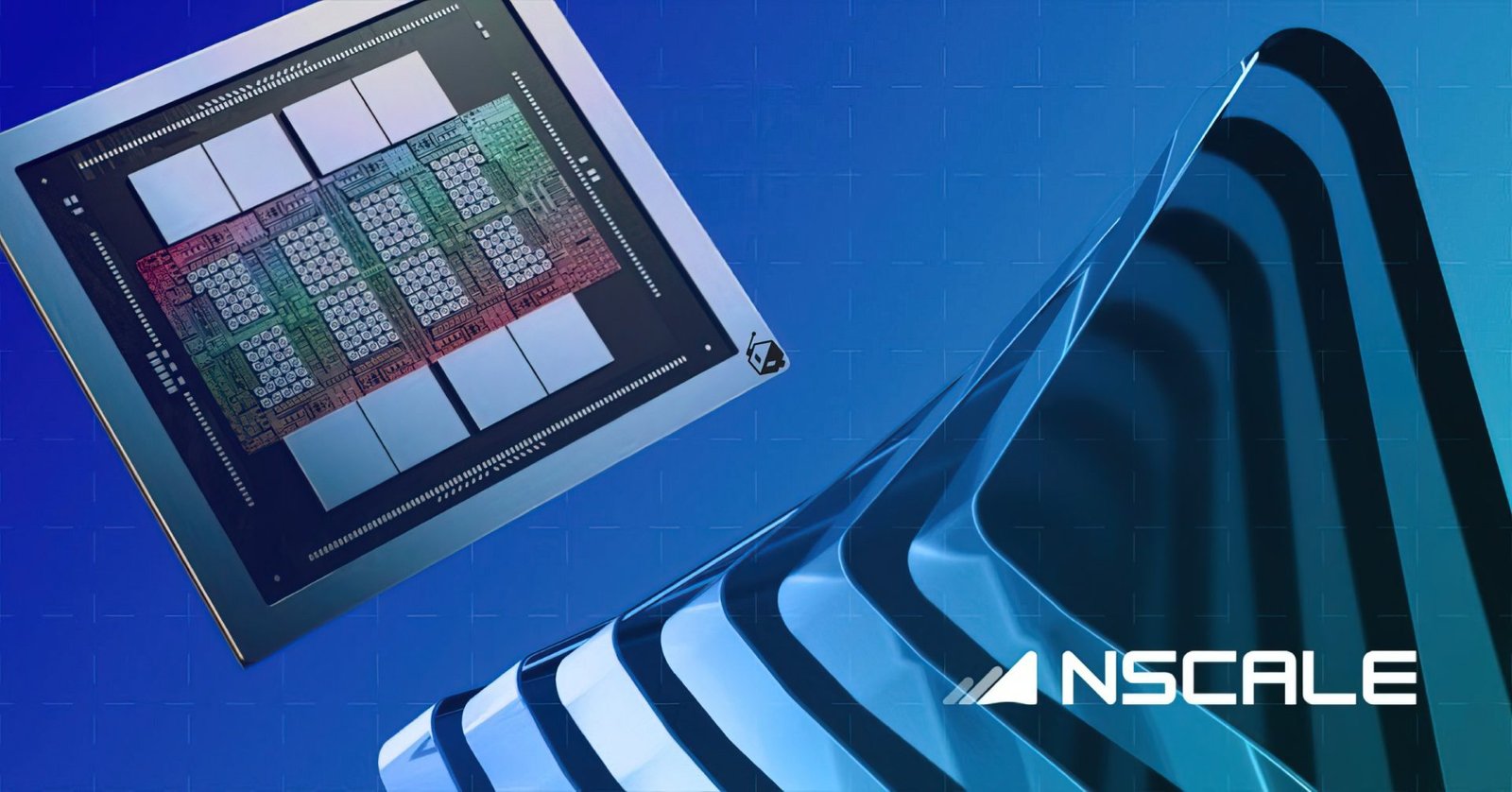
The UK is witnessing a significant surge in the adoption of next-gen AI chips, with Nscale deploying 130,000 NVIDIA Rubin GPUs for Microsoft. This massive investment underscores the growing interest in AI technology. The addition of 30,000 NVIDIA Rubin GPUs to the existing 100,000 chips will bolster Nscale’s AI datacenters.

NVIDIA’s Vera Rubin AI chips are in high demand due to their exceptional speed and efficiency in AI inferencing. This is driving the development of Agentic AI, with companies like Nscale at the forefront. The founder and CEO of Nscale, Josh Payne, highlights the accelerating demand for advanced AI infrastructure across markets.

The UK’s AI landscape is evolving rapidly, with Nscale’s expansion being a testament to this growth. The deployment of NVIDIA Rubin GPUs will enable faster and more efficient AI processing, driving innovation in various sectors. As the UK continues to invest in AI technology, we can expect to see significant advancements in the field.

The partnership between Nscale and NVIDIA is a strategic move, aiming to provide the fastest solution for AI inferencing. This collaboration will fuel the development of next-gen AI applications, further solidifying the UK’s position in the global AI market. With the increasing demand for AI infrastructure, Nscale’s expansion is a timely move, poised to capitalize on the growing interest in AI technology.

The UK’s AI industry is expected to experience rapid growth, driven by the adoption of next-gen AI chips. Nscale’s deployment of NVIDIA Rubin GPUs is a significant milestone, marking a new era in AI development. As the demand for AI infrastructure continues to accelerate, companies like Nscale are well-positioned to drive innovation and growth in the sector.

The future of AI in the UK looks promising, with Nscale’s expansion being a key driver of this growth. The deployment of NVIDIA Rubin GPUs will enable the development of more sophisticated AI applications, driving advancements in various fields. With the UK’s AI industry poised for rapid growth, Nscale’s investment in NVIDIA Rubin GPUs is a strategic move, aimed at capitalizing on the growing demand for AI technology.

The increasing demand for AI infrastructure is driving the growth of the UK’s AI industry. Nscale’s expansion is a testament to this growth, with the deployment of NVIDIA Rubin GPUs marking a significant milestone. As the UK continues to invest in AI technology, we can expect to see significant advancements in the field, driving innovation and growth in various sectors.

Nscale’s partnership with NVIDIA is a key factor in the company’s expansion plans. The deployment of NVIDIA Rubin GPUs will enable the development of more efficient and faster AI processing, driving innovation in various fields. With the UK’s AI industry expected to experience rapid growth, Nscale’s investment in NVIDIA Rubin GPUs is a strategic move, aimed at capitalizing on the growing demand for AI technology.

The adoption of next-gen AI chips is driving the growth of the UK’s AI industry. Nscale’s deployment of NVIDIA Rubin GPUs is a significant milestone, marking a new era in AI development. As the demand for AI infrastructure continues to accelerate, companies like Nscale are well-positioned to drive innovation and growth in the sector. The UK’s AI industry is poised for rapid growth, with Nscale’s expansion being a key driver of this growth.

NVIDIA Snubs High-Bandwidth Flash Memory, Google To Be Key Customer In UK

A close-up of a circuit board with HBF memory chips, with a cityscape in the background, representing the UK tech industry and the potential of HBF memory to shape its future, with a focus on High-Bandwidth Flash technology

NVIDIA’s Decision on High-Bandwidth Flash Memory: What It Means for the UK

NVIDIA has made it clear that they will not be using High-Bandwidth Flash (HBF) memory, despite its potential to offer more capacity than High-Bandwidth Memory (HBM). This decision is significant, especially in the UK where technology companies are constantly looking for ways to improve their products.

Instead, Google is set to be a key customer for HBF memory, which is being co-developed by SanDisk and other companies. This move is likely to have a major impact on the UK tech industry, as companies look to HBF as a potential solution for their memory needs.

HBF memory is the next generation of NAND DRAM technology, which has seen significant adoption in recent years due to the push for artificial intelligence (AI). While it is primarily used for storage, such as solid-state drives (SSDs), HBF has the potential to play a major role in bridging the gap between HBM and NAND Flash.

NVIDIA’s decision to stick with HBM memory is not surprising, given their history of using this type of memory in their products. However, the fact that Google is set to be a key customer for HBF memory is a significant development, and one that could have major implications for the UK tech industry.

As the UK continues to be a hub for technology companies, the development of HBF memory is likely to be closely watched. With its potential to offer more capacity than HBM, HBF could be a game-changer for companies looking to improve their products and stay ahead of the competition.

The sampling of HBF memory is set to begin later this year, which means that we can expect to see more developments in this area soon. As the UK tech industry continues to evolve, it will be interesting to see how HBF memory plays a role in shaping its future.

In conclusion, NVIDIA’s decision to snub HBF memory is a significant development, but one that is not entirely surprising. With Google set to be a key customer, the future of HBF memory looks bright, and it will be interesting to see how it plays out in the UK.

One UI 9 arrives for Samsung Galaxy S26 series and foldable devices with AI upgrades

Samsung Galaxy S26 smartphone displaying the new One UI 9 interface with AI features

One UI 9 rolls out to Samsung Galaxy flagship lineup

Samsung has started delivering One UI 9, its customized skin for Android 17, to a select group of Galaxy devices. The rollout begins with the Galaxy S26 series, marking the first stable release of the new interface. Owners of the Samsung Galaxy S26, Samsung Galaxy S26+ and Samsung Galaxy S26 Ultra will receive the update automatically, while the Samsung Galaxy S26 FE ships with Android 17 and One UI 9 pre‑installed. The foldable lineup also joins the program, with the Samsung Galaxy Z Fold 8 Ultra, Samsung Galaxy Z Fold 8 and Samsung Galaxy Z Flip 8 already running the latest software.

New AI‑driven features in One UI 9

One UI 9 introduces several AI‑powered tools designed to streamline everyday tasks. NowNudge lets users perform context‑sensitive actions directly from a chat window. For instance, when discussing a dinner reservation, a user can tap a suggestion to create a calendar event or start a booking without leaving the conversation.

NowBrief offers concise summaries of information that matters to daily life. The widget can display sleep quality metrics, today’s weather, upcoming appointments or podcast recommendations, and users can customise which data points appear on the home screen.

My Fancam focuses on video recording. The feature tracks a chosen subject and keeps them centred in the frame, automatically adjusting the composition to reduce camera shake and produce smoother footage.

Enhanced warranty, security and privacy controls

A new Warranty and Care option appears in Settings, allowing users to check the warranty status of connected devices and run diagnostic checks on current issues. Security Brief provides real‑time alerts about malware, apps from unknown sources and applications that request unnecessary permissions.

Samsung also leverages AI to send privacy alerts when an app attempts to access personal data without clear user consent. Most of these capabilities require a Samsung account sign‑in, ensuring that data is synced across the ecosystem.

How to install One UI 9

The update is delivered over the air. Eligible devices will show a notification prompting download and installation. Users can also start the process manually by opening Settings, selecting Software Update and tapping Download and install. It may be necessary to check for new updates first.

Future devices slated for the upgrade

In the coming weeks Samsung is expected to announce additional models that will receive One UI 9. The Samsung Galaxy S25 series, Samsung Galaxy S24 series, Samsung Galaxy Z7 series and other mid‑range devices are on the roadmap. In Thailand the company confirmed that the Samsung Galaxy S25 and Samsung Galaxy Z7 will begin receiving the upgrade on 28 September, though rollout dates differ in other markets.

Owners of the Samsung Galaxy S23 will also get One UI 9, which will be the final major OS update for that generation. The Samsung Galaxy S23 FE is slated to receive the update by October, according to the same Thai press release. The Samsung Galaxy S22 range has already reached its final version but will continue to receive security patches.

For users interested in Android 17 on non‑Samsung hardware, a curated list of compatible devices is available online.

NVIDIA’s AI Inferencing Revolution: 35x Leap with Groq 3 LPX in the UK

NVIDIA's Groq 3 LPX chip, designed to boost AI inferencing capabilities, with a rack featuring 256 chips, 128 GB of SRAM, and 12 TB of DDR5 memory, set to transform the UK's AI sector with its unprecedented 35x AI inferencing leap, driving innovation and growth in the industry

NVIDIA’s 35x AI Inferencing Leap: A New Era in the UK

NVIDIA has unveiled its latest innovation, the Groq 3 LPX chip, designed to boost AI inferencing capabilities by up to 35x. This significant leap is set to revolutionise the UK’s AI landscape.

Foxconn, the lead supplier for NVIDIA’s Groq 3 LPX, is fast-tracking the production of these chips to meet the growing demand for trillion-parameter models.

The Groq 3 LPX rack will feature 256 chips, 128 GB of SRAM, and 12 TB of DDR5 memory, making it an ideal solution for businesses in the UK looking to enhance their AI capabilities.

At GTC 2026, NVIDIA announced its Groq 3 LPX chip, along with the Vera Rubin AI platform, which is expected to greatly benefit from the Groq 3 LPX’s enhanced AI inferencing capabilities.

The Groq 3 LPX is an LPU designed to analyse and process vast amounts of data, driving AI innovation in the UK. With its unprecedented 35x AI inferencing leap, NVIDIA is poised to dominate the UK’s AI market.

NVIDIA’s Vera Rubin Platforms will greatly benefit from the Groq 3 LPX, driving Foxconn’s share to record levels. As the UK’s AI sector continues to grow, NVIDIA’s Groq 3 LPX is set to play a vital role in shaping the country’s AI future.

The combination of the Groq 3 LPX and Vera Rubin AI platform will enable businesses in the UK to develop and deploy more sophisticated AI models, driving innovation and growth in the sector.

With the Groq 3 LPX, NVIDIA is well-positioned to lead the UK’s AI revolution, providing businesses with the tools and technology needed to succeed in an increasingly competitive market.

The UK’s AI landscape is set to undergo a significant transformation, driven by NVIDIA’s Groq 3 LPX and its unprecedented 35x AI inferencing leap. As the demand for AI continues to grow, NVIDIA is poised to play a leading role in shaping the UK’s AI future.

In conclusion, NVIDIA’s Groq 3 LPX is a game-changer for the UK’s AI sector, offering unparalleled AI inferencing capabilities and driving innovation and growth in the industry.

NVIDIA Feynman GPUs to Revolutionise UK AI Datacentres

NVIDIA Feynman GPUs are set to transform the UK's AI datacentre industry with their cutting-edge features and unparalleled power, featuring a 17x increase in power semi content and a significant shift towards 800V DC architectures

NVIDIA Feynman GPUs: A New Era for UK AI Datacentres

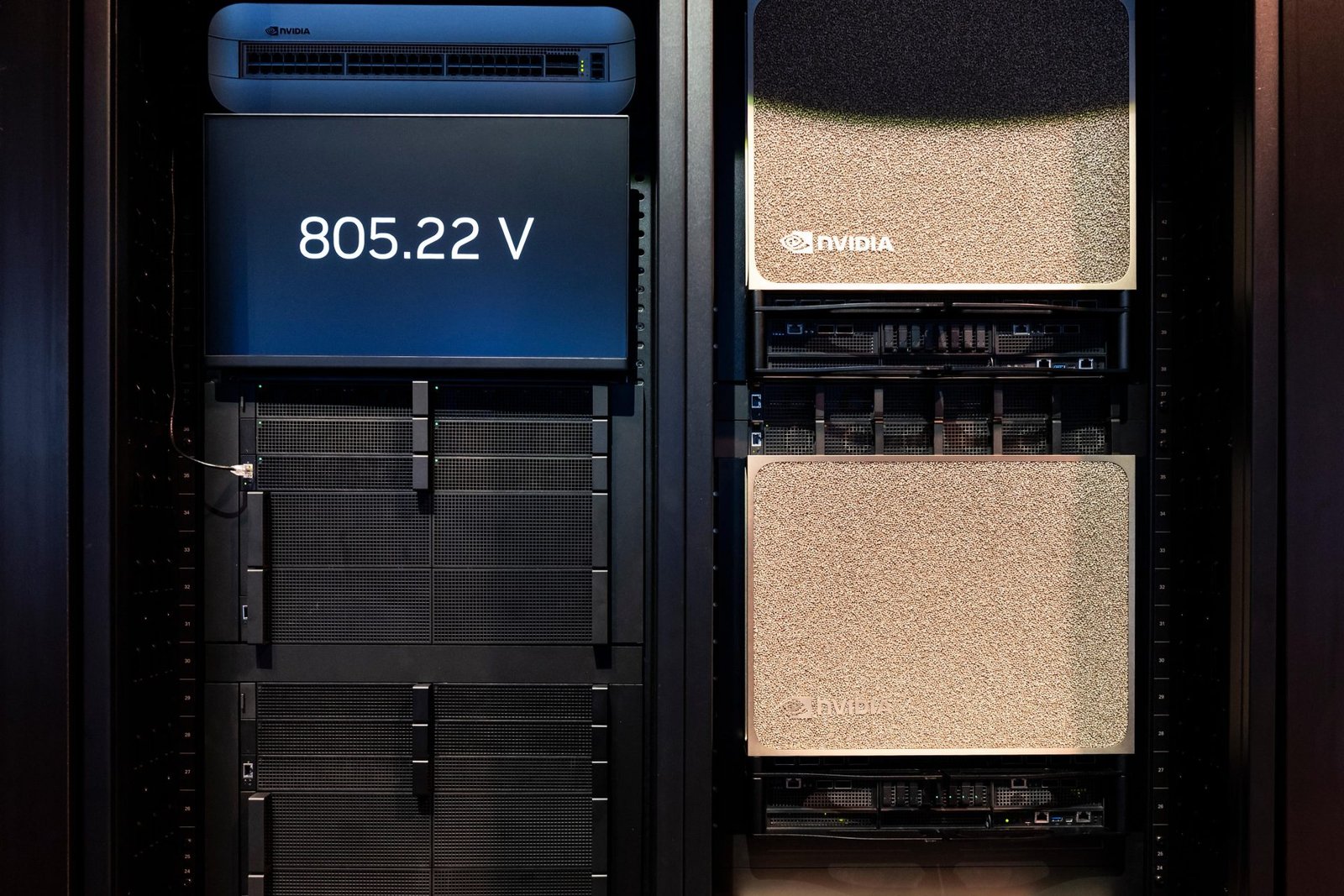
The increasing demand for compute power in AI datacentres has led to a significant rise in power requirements, with estimates suggesting a 17-fold increase with NVIDIA’s Feynman GPUs. This surge in power demands is driving the industry towards 800V DC architectures, which promise to deliver more efficient and scalable solutions.

NVIDIA’s Feynman GPUs are set to launch in 2028, boasting groundbreaking features that will transform the AI landscape in the UK. As the company strives to deliver more efficient AI solutions, the power requirements have grown exponentially, with the total power semi content estimated to reach $191,000 per rack.

Morgan Stanley Research has published a chart illustrating the total power semi content of three AI rack solutions from NVIDIA, with the Feynman GPUs featuring a staggering 17x higher power semi costs per rack compared to the Blackwell. This significant increase is a testament to the growing complexity and power demands of AI datacentres in the UK.

The adoption of 800V DC architectures is expected to play a crucial role in mitigating these power demands, enabling the development of more efficient and scalable AI solutions. As the UK continues to embrace AI technology, the need for innovative and powerful solutions like NVIDIA’s Feynman GPUs will only continue to grow.

The Feynman GPUs are poised to revolutionise the UK’s AI datacentre industry, with their cutting-edge features and unprecedented power capabilities. As the industry moves towards more efficient and sustainable solutions, the importance of innovative technologies like NVIDIA’s Feynman GPUs cannot be overstated.

With the launch of the Feynman GPUs on the horizon, the UK’s AI datacentre industry is on the cusp of a new era of innovation and growth. As the demand for powerful and efficient AI solutions continues to rise, NVIDIA’s Feynman GPUs are set to play a pivotal role in shaping the future of the industry.

The UK’s thriving AI ecosystem will undoubtedly benefit from the introduction of NVIDIA’s Feynman GPUs, with their unparalleled power and efficiency. As the industry continues to evolve and grow, the need for innovative solutions like the Feynman GPUs will only continue to increase.

In conclusion, NVIDIA’s Feynman GPUs are set to transform the UK’s AI datacentre industry, with their groundbreaking features and unprecedented power capabilities. As the industry moves towards more efficient and sustainable solutions, the importance of innovative technologies like the Feynman GPUs cannot be overstated.

NVIDIA’s Rubin Ultra to Utilise Intel’s EMIB-T Packaging in the UK

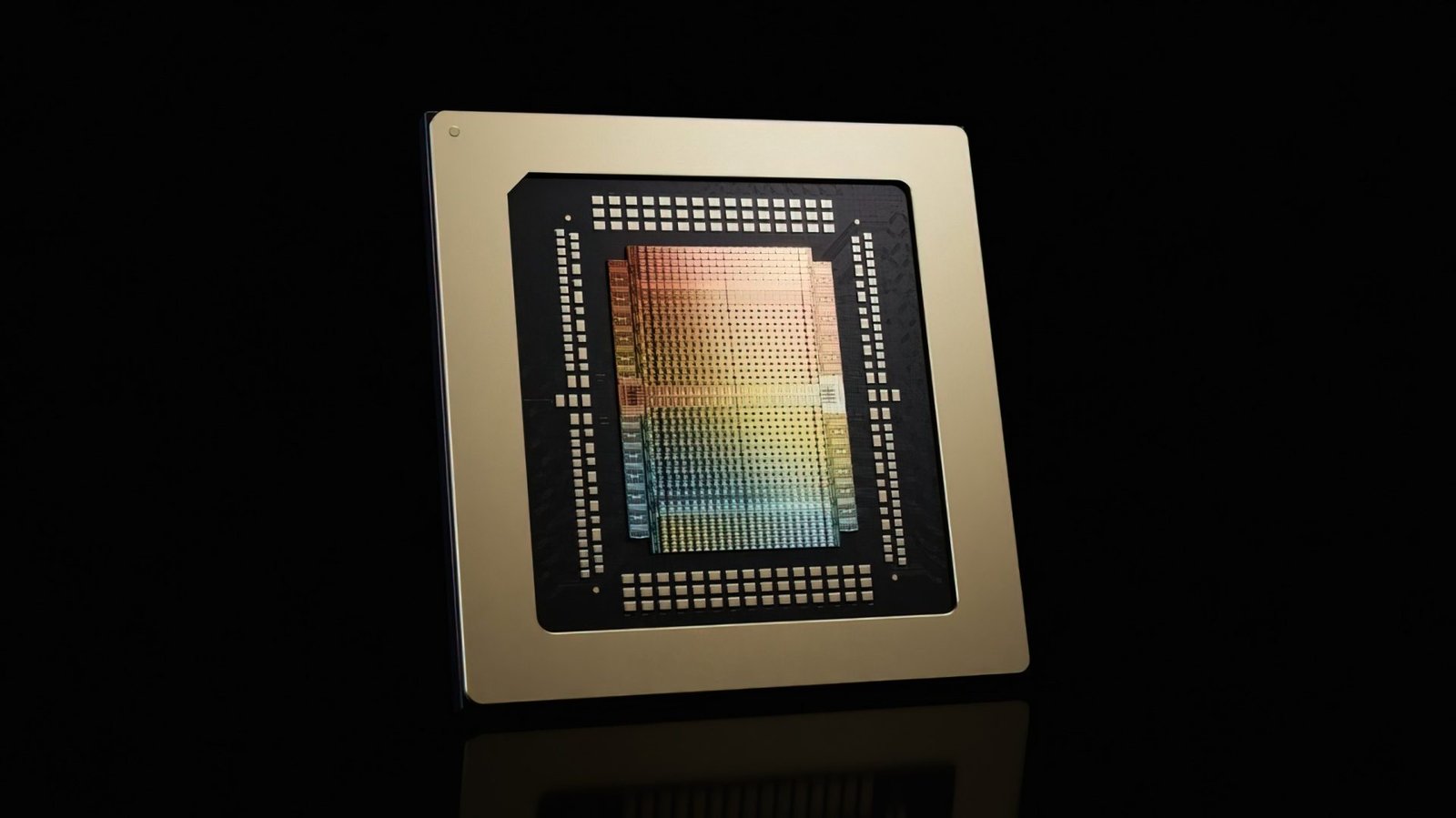
NVIDIA's Rubin Ultra chip with Intel's EMIB-T packaging technology, a significant development in the UK's artificial intelligence landscape, offering improved performance and reduced power consumption

NVIDIA’s Rubin Ultra and Intel’s EMIB-T Packaging: A New Alliance in the UK

As the UK tech scene continues to evolve, NVIDIA’s Rubin Ultra is poised to make a significant impact, with Intel’s EMIB-T packaging technology potentially playing a crucial role. According to recent reports, Intel is aggressively marketing its EMIB-T packaging to AI chip designers, positioning itself as a viable alternative to TSMC’s CoWoS packaging technology.

This move could have far-reaching consequences for the UK’s artificial intelligence supply chain, with NVIDIA potentially utilising Intel’s EMIB-T packaging process for its 4-chip variant of the Rubin chip. This collaboration would not only bolster Intel’s position in the market but also provide a significant boost to the UK’s tech industry.

The EMIB packaging technology offers several key advantages, including improved performance, reduced power consumption, and enhanced scalability. These benefits are likely to resonate with UK-based businesses and organisations seeking to leverage AI and machine learning capabilities.

As the UK continues to invest heavily in emerging technologies, the partnership between NVIDIA and Intel has the potential to drive innovation and growth in the region. With the Rubin Ultra and EMIB-T packaging technology at the forefront, the UK’s tech sector is poised for significant expansion and development.

Furthermore, the integration of Intel’s EMIB-T packaging process into NVIDIA’s Rubin Ultra is expected to have a profound impact on the UK’s artificial intelligence landscape. As businesses and organisations seek to harness the power of AI and machine learning, the collaboration between these two tech giants is likely to play a pivotal role in shaping the future of the industry.

In conclusion, the potential alliance between NVIDIA and Intel in the UK is a significant development that is likely to have far-reaching consequences for the country’s tech industry. As the UK continues to evolve and grow, the partnership between these two companies is poised to drive innovation, investment, and job creation in the region.

The UK’s thriving tech scene is characterized by a diverse range of businesses and organisations, from startups to established enterprises. The collaboration between NVIDIA and Intel is likely to have a profound impact on this ecosystem, driving growth and innovation in the years to come.

With the Rubin Ultra and EMIB-T packaging technology at the forefront, the UK’s tech industry is poised for significant expansion and development. As businesses and organisations seek to leverage AI and machine learning capabilities, the partnership between NVIDIA and Intel is likely to play a crucial role in shaping the future of the industry.

In the UK, the tech industry is a significant contributor to the economy, with a wide range of businesses and organisations operating in the sector. The collaboration between NVIDIA and Intel is likely to have a profound impact on this industry, driving growth and innovation in the years to come.

The EMIB packaging technology is a critical component of the Rubin Ultra, offering improved performance, reduced power consumption, and enhanced scalability. As the UK’s tech industry continues to evolve, the integration of this technology is likely to have a significant impact on the sector.

As the UK seeks to establish itself as a leader in the global tech industry, the partnership between NVIDIA and Intel is a significant development. The collaboration between these two companies is likely to drive innovation, investment, and job creation in the region, cementing the UK’s position as a major player in the global tech landscape.