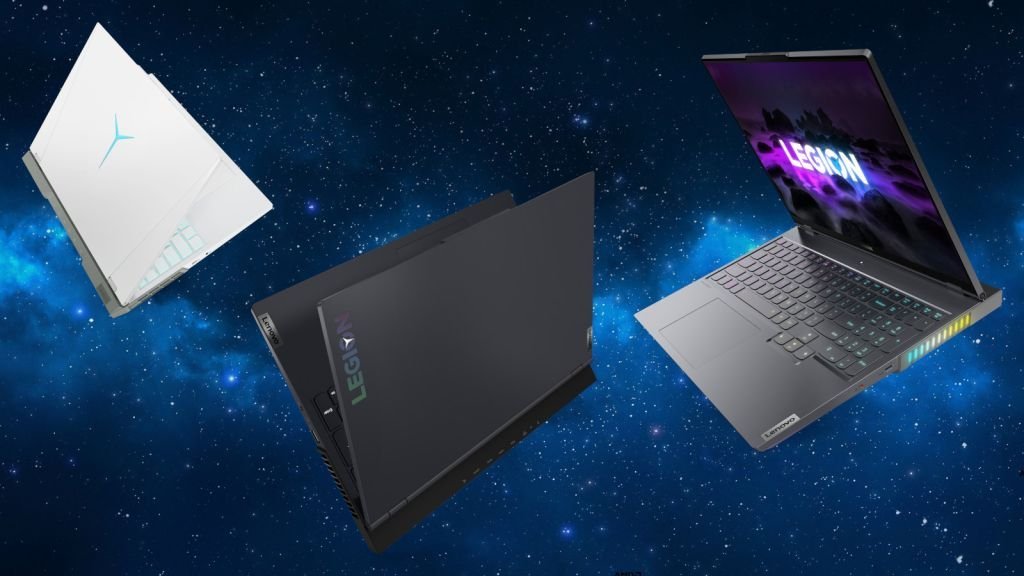
PC Gaming Under Siege: Dell and Lenovo Price Hikes Set to Hit UK Hardware Market

PC Gaming Under Siege: Dell and Lenovo Price Hikes Set to Hit UK Hardware Market

=

The Looming Storm: Dell and Lenovo Set to Drive Up PC Hardware Costs

The news emerging from the tech world is sending ripples of concern through the communities of both casual PC users and dedicated gamers across the United Kingdom. Reports suggest that computing giants Dell and Lenovo are poised to implement significant price increases across their range of PC hardware in the near future, a move that could profoundly impact the affordability and accessibility of personal computing. This development follows a trend observed with other manufacturers and hints at a challenging period ahead for consumers looking to purchase or upgrade their systems.

These impending price adjustments are not occurring in isolation but are symptomatic of a broader set of global economic and logistical pressures. The ongoing worldwide semiconductor shortage continues to be a primary driver, limiting the availability of crucial components needed for everything from processors to graphics cards. This scarcity naturally pushes up manufacturing costs, which companies like Dell and Lenovo are increasingly forced to pass on to their end consumers to maintain profit margins.

Furthermore, the past few years have seen unprecedented disruptions to global supply chains, affecting everything from raw material acquisition to shipping and logistics. Increased fuel costs, labour shortages, and port congestion all contribute to a higher overall cost of bringing products to market. These cumulative pressures make it incredibly difficult for manufacturers to absorb rising expenses, especially when demand for PC hardware, particularly in the gaming sector, remains robust.

For the UK gaming community, this news is particularly disheartening. PC gaming already represents a significant financial investment, with high-performance graphics cards, processors, and peripherals often costing hundreds, if not thousands, of pounds. Any further increases from major manufacturers like Dell and Lenovo, who supply a vast proportion of pre-built systems and components, will inevitably raise the barrier to entry even higher for aspiring gamers and make essential upgrades considerably more expensive for existing enthusiasts.

This situation could lead to a noticeable shift in consumer behaviour. Some gamers might defer upgrades, choosing to make do with older hardware for longer periods, thus impacting the refresh cycle of the PC gaming market. Others might be forced to compromise on specifications, opting for less powerful or older generation components, which could hinder their gaming experience and the adoption of new technologies that demand higher performance.

The ramifications extend beyond just individual component purchases. Pre-built gaming PCs from Dell (Alienware) and Lenovo (Legion) are popular choices for many who prefer a ready-to-use solution without the complexities of self-assembly. If the prices of these systems rise sharply, consumers might start looking at alternative platforms, such as dedicated gaming consoles, which often offer a more predictable and sometimes more cost-effective gaming experience, particularly at launch.

Moreover, the secondary market for PC hardware could also see a ripple effect. As new components become more expensive, the value of used graphics cards, CPUs, and memory modules might stabilise or even increase, creating both opportunities and challenges. While sellers might benefit, those looking for more affordable second-hand upgrades could still face inflated prices due to reduced availability of new, budget-friendly options.

This economic climate also impacts everyday PC users, not just gamers. Students, professionals working from home, and businesses rely heavily on affordable and reliable computing solutions. Price hikes from such prominent manufacturers could burden households and small enterprises, forcing them to delay necessary equipment purchases or settle for less capable machines, potentially affecting productivity and digital inclusion.

Looking ahead, the market conditions suggest that these elevated prices may not be a temporary anomaly. While supply chain issues might eventually ease, the underlying inflationary pressures and the high demand for advanced silicon could keep hardware costs high for the foreseeable future. Consumers are advised to carefully consider their purchasing decisions, weigh the necessity of immediate upgrades, and explore all available options before committing to significant investments.

In essence, the reported price increases from Dell and Lenovo are more than just a minor adjustment; they are a clear indicator of the intensifying economic pressures facing the entire technology sector. For UK PC users and, most acutely, for the vibrant PC gaming community, this news marks the beginning of a potentially difficult chapter, necessitating careful planning and adaptation in a rapidly evolving market landscape. The future of affordable high-performance computing hangs in the balance.


Also Read:  Dell 14 Plus 2 in 1 leaks generate buzz among Australian laptop users

Overwatch 2 Name Change: Blizzard Drops the ‘2’ in Favour of a Simpler Title

Overwatch logo with a red '2' crossed out, symbolising the game's name change. The image features a bold, colourful design with a focus on the Overwatch brand. The primary keyword, Overwatch, is prominently displayed, highlighting the game's new title. The image is eye-catching and engaging, making it perfect for fans of the game.

Overwatch 2 Name Change: What’s Behind the Decision?

Blizzard Entertainment has made a significant announcement regarding its popular team-based shooter, Overwatch 2. As part of its recent Overwatch Spotlight event, the company revealed that it would be dropping the ‘2’ from the game’s title, reverting back to simply ‘Overwatch’. This change is set to take effect moving forward, and it has left many fans wondering what prompted this decision.

The Overwatch Spotlight event, which took place earlier today, provided an overview of what players can expect from the game in the coming year. The 35-minute presentation covered various topics, including new content and updates. However, it was the announcement regarding the game’s title that stole the show. According to Overwatch game director Aaron, the decision to drop the ‘2’ was made to simplify the game’s branding and make it more accessible to new players.

The name change is likely to have a significant impact on the game’s marketing and branding strategy. By reverting back to the original title, Blizzard may be attempting to attract new players who may have been deterred by the ‘2’ suffix. The company may also be trying to create a sense of continuity with the original game, which has a dedicated fan base. Whatever the reason, the change is sure to generate a lot of discussion among fans and players.

The World of Warcraft showcase, which took place last week, provided a glimpse into Blizzard’s plans for its other major titles. The company has a packed schedule of events and updates, including the upcoming Diablo IV and Hearthstone releases. With the Overwatch name change, Blizzard is clearly looking to shake things up and try new approaches to engage its audience. As the gaming landscape continues to evolve, it will be interesting to see how this decision affects the game’s popularity and player base.

Blizzard’s decision to drop the ‘2’ from Overwatch 2’s title may also be seen as a way to analyse the game’s performance and behaviour. By simplifying the title, the company may be able to better understand how players interact with the game and make data-driven decisions to improve the overall experience. This could lead to more targeted updates and content releases, which would be a welcome change for fans of the game.

The reaction to the name change has been mixed, with some fans expressing excitement and others feeling confused. However, one thing is certain – the change will have a significant impact on the game’s community and player base. As the news continues to spread, it will be interesting to see how fans and players respond to the new title and what it means for the future of the game. With the Overwatch Spotlight event providing a glimpse into the game’s future, fans can expect a lot of new content and updates in the coming year.

Overall, the decision to drop the ‘2’ from Overwatch 2’s title is a significant one, and it will be interesting to see how it affects the game’s popularity and player base. With a simplified title and a renewed focus on accessibility, Blizzard may be able to attract new players and create a more engaging experience for fans. As the gaming landscape continues to evolve, it will be exciting to see how Overwatch adapts and changes to meet the needs of its players.

The name change is also likely to have an impact on the game’s colour scheme and overall aesthetic. By reverting back to the original title, Blizzard may be trying to create a sense of nostalgia and familiarity among fans. This could lead to a more cohesive and streamlined brand identity, which would be a welcome change for players who have been following the game since its inception. With the Overwatch Spotlight event providing a glimpse into the game’s future, fans can expect a lot of new and exciting developments in the coming year.

In conclusion, the decision to drop the ‘2’ from Overwatch 2’s title is a significant one, and it will be interesting to see how it affects the game’s popularity and player base. With a simplified title and a renewed focus on accessibility, Blizzard may be able to attract new players and create a more engaging experience for fans. As the gaming landscape continues to evolve, it will be exciting to see how Overwatch adapts and changes to meet the needs of its players. The future of the game is looking bright, and fans can expect a lot of new and exciting developments in the coming year.

People Who Bought Realme P3 Pro Share Why They Like It

People Who Bought Realme P3 Pro Share Why They Like It

Realme P3 Pro Is Winning Buyers With Real World Strengths


The Realme P3 Pro is earning positive feedback from users who have already made the purchase, and their reasons are surprisingly consistent. Most buyers are pointing to the phone’s smooth software experience, solid battery life, and clean design as the main reasons they’re happy with their choice. Rather than being impressed by flashy features, users are appreciating how well the phone performs in daily use.

One of the most talked-about strengths is how stable the phone feels even after several weeks of use. Apps open quickly, there’s very little lag, and multitasking remains smooth. Users say they don’t have to worry about freezing screens or random shutdowns, which is a common issue in other phones at this price. The interface is simple and responsive, making everyday tasks feel effortless. This overall smoothness is one of the key reasons people say they like using the Realme P3 Pro every day.

Battery backup is another highlight that users mention often. The phone can easily last a full day, even with moderate to heavy use. Buyers who spend a lot of time streaming, browsing, or attending calls say they rarely have to reach for the charger before the day ends. This reliability has made it a favorite for students, office workers, and people who travel often. It adds peace of mind to know your phone won’t die halfway through the day.

People Who Bought Realme P3 Pro

Many also appreciate the design, describing the phone as simple yet premium. It does not feel cheap in the hand, and the display quality makes media consumption enjoyable. While the camera is not the most talked-about feature, users say it’s good enough for casual photography, and they like the balanced results it delivers without too much processing.

What stands out is that most people who bought the Realme P3 Pro didn’t expect it to impress them so much. They were looking for a phone that just works, and they’ve found that this one delivers more than expected. It’s the kind of device that doesn’t need to show off because its strengths become clear once you start using it. For many buyers, that has made all the difference.

OxygenOS 16 design changes bring smoother animations

OxygenOS 16 design changes bring smoother animations

OnePlus enhances user experience with a redesigned interface

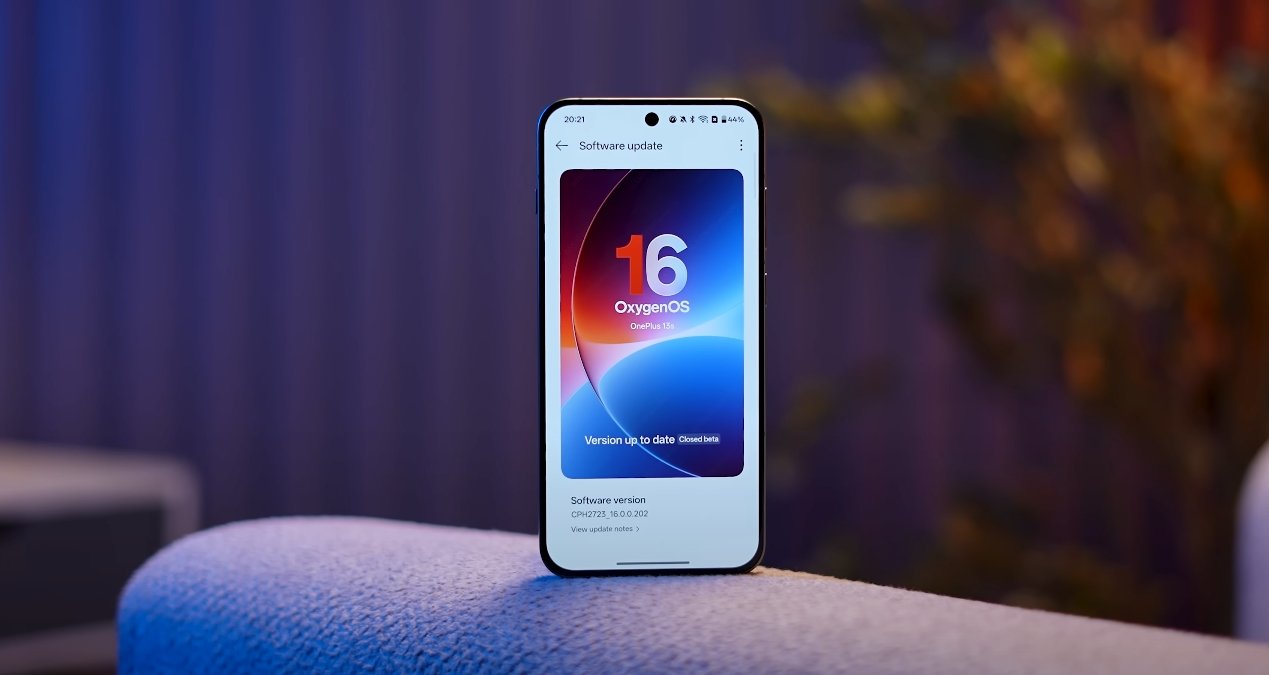
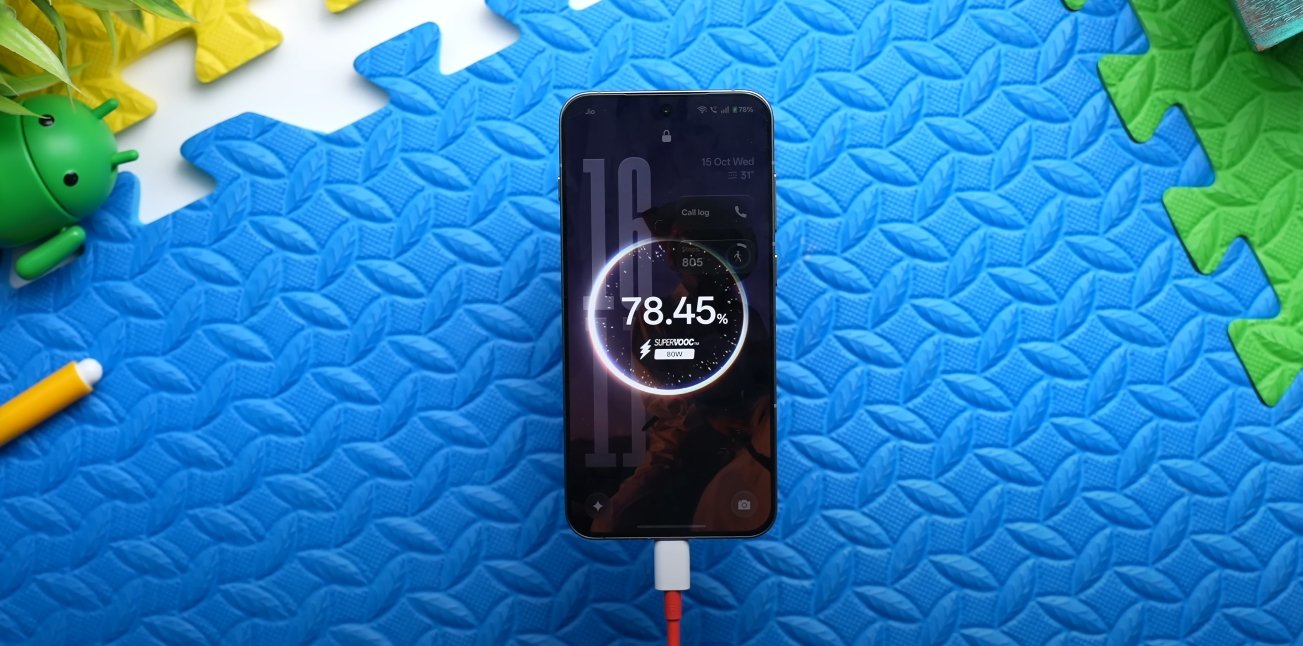
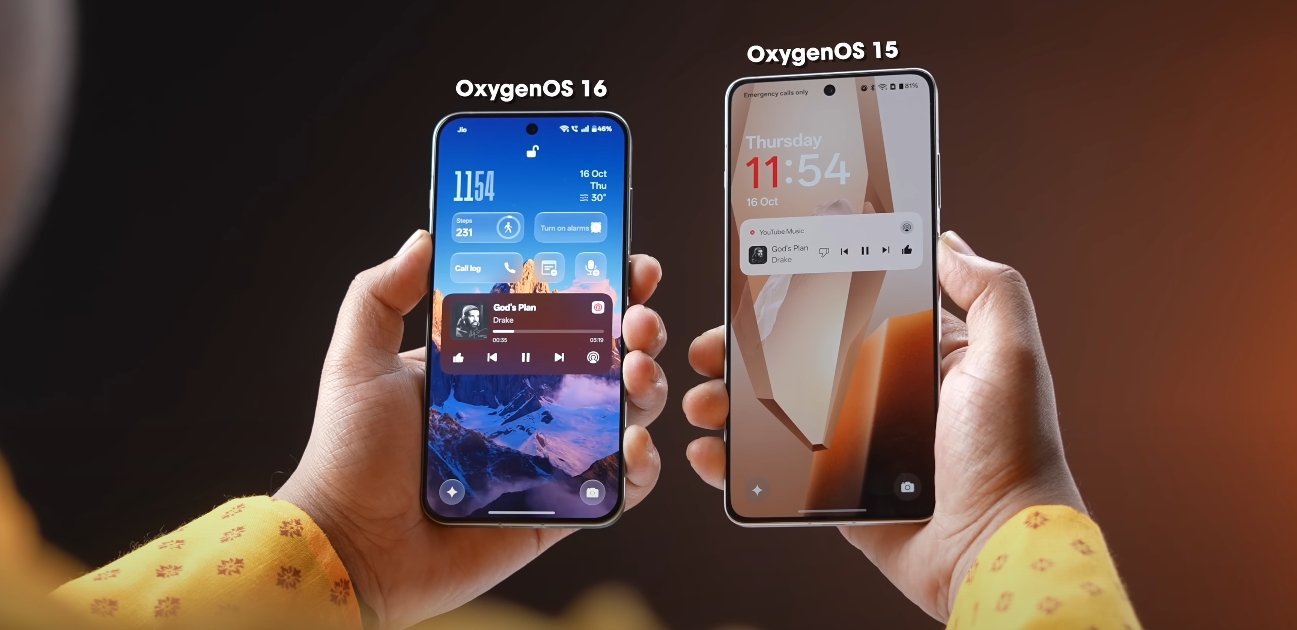
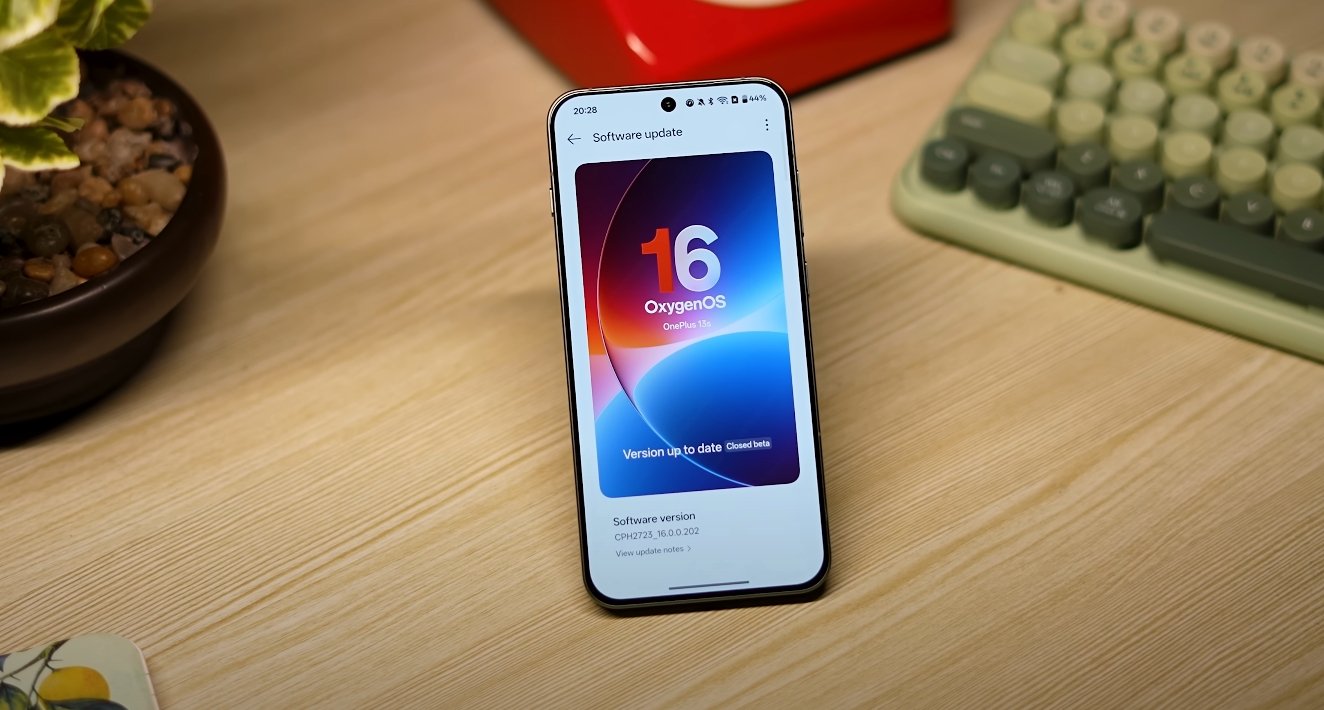
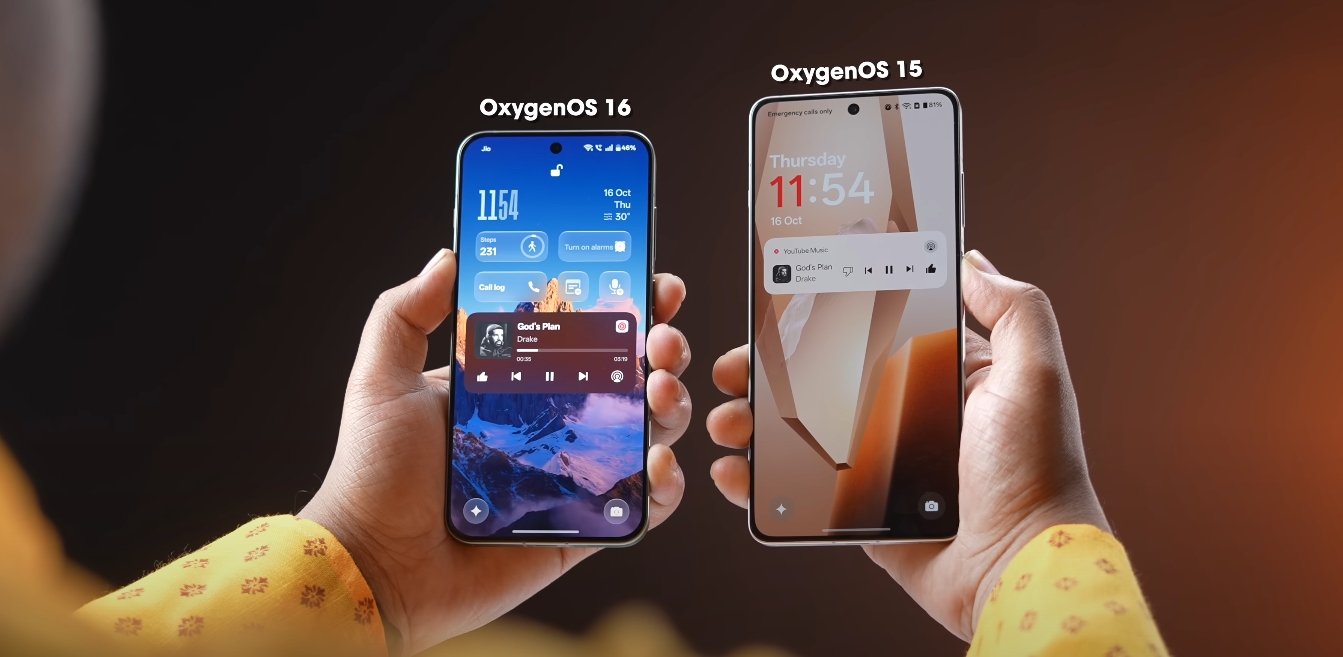
OnePlus has officially introduced OxygenOS 16 with a refreshed design language focused on delivering a smoother and more fluid user experience. This major update marks one of the most visually significant overhauls in recent years, combining improved animations, cleaner layouts, and smarter transitions. The company aims to make everyday interactions on its devices feel faster, lighter, and more intuitive without compromising performance or battery efficiency.

One of the biggest highlights of the new design is the upgraded animation engine. OnePlus has refined motion effects throughout the system, resulting in more natural transitions between apps, settings, and notifications. Opening and closing apps now feel smoother, with reduced lag and more responsive touch feedback. The company has worked to ensure that these animations remain consistent even on mid-range devices, improving the overall experience for a wider range of users.

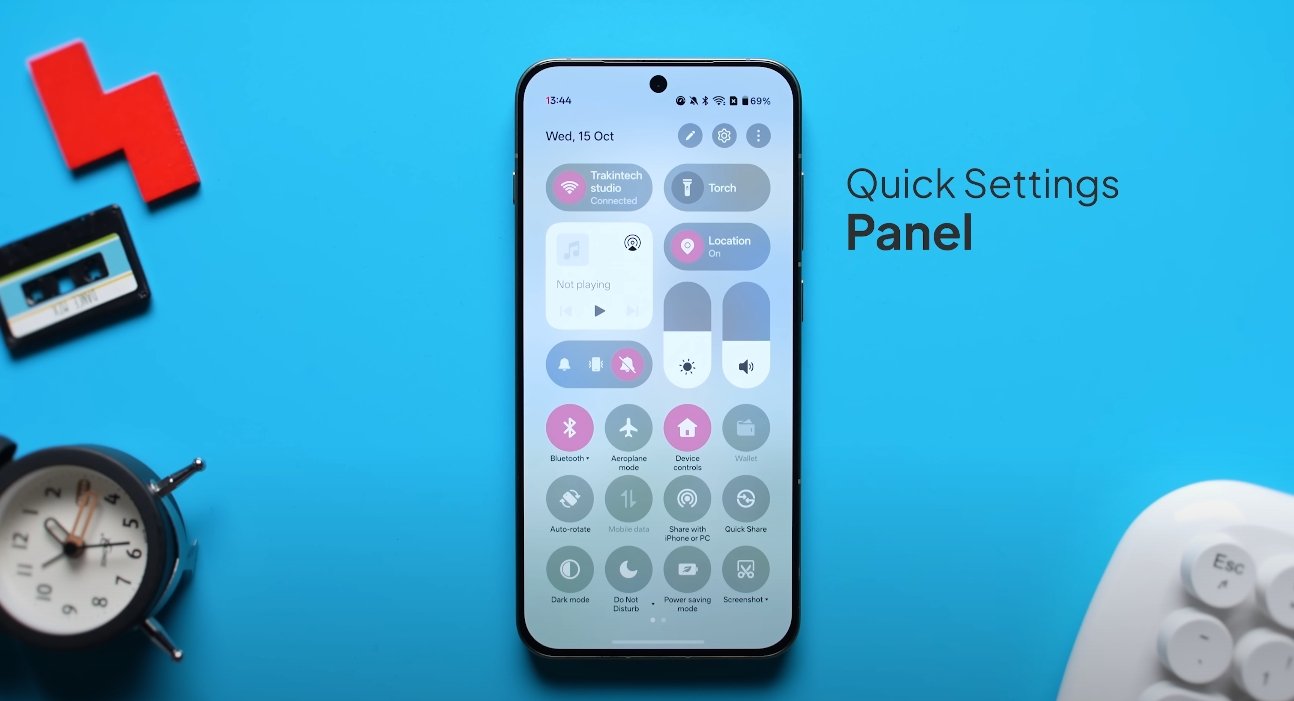
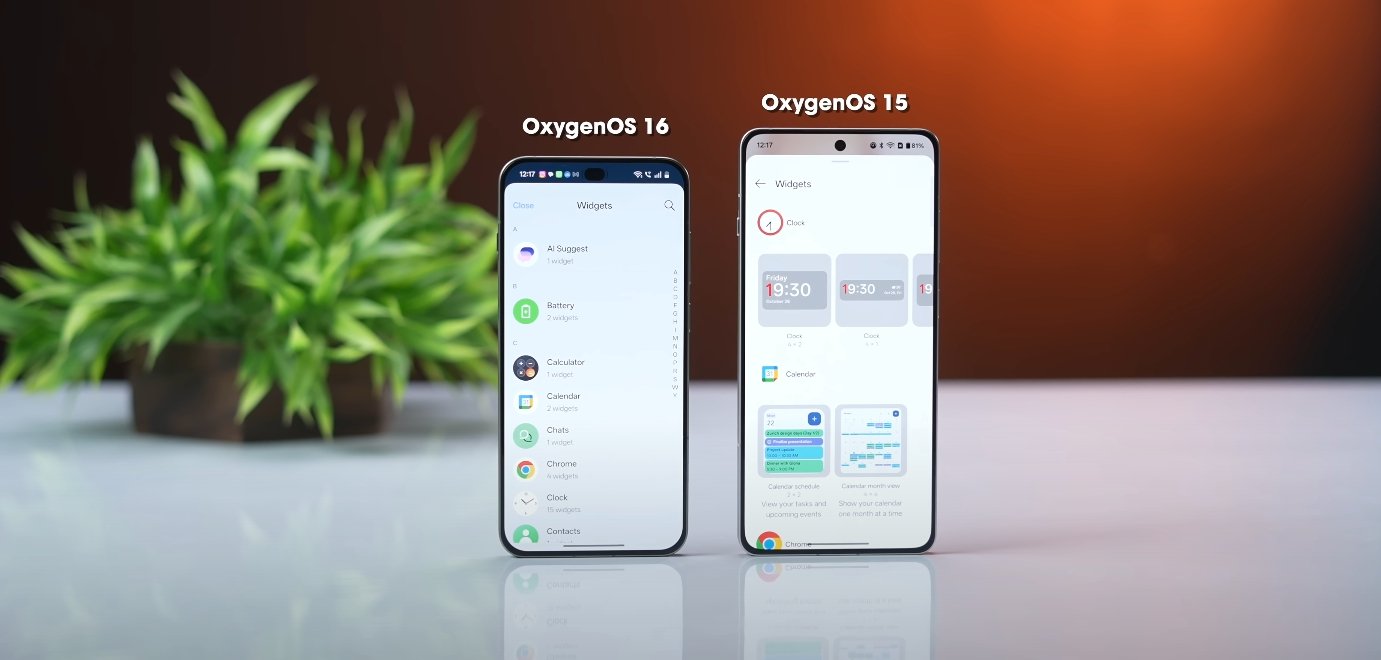
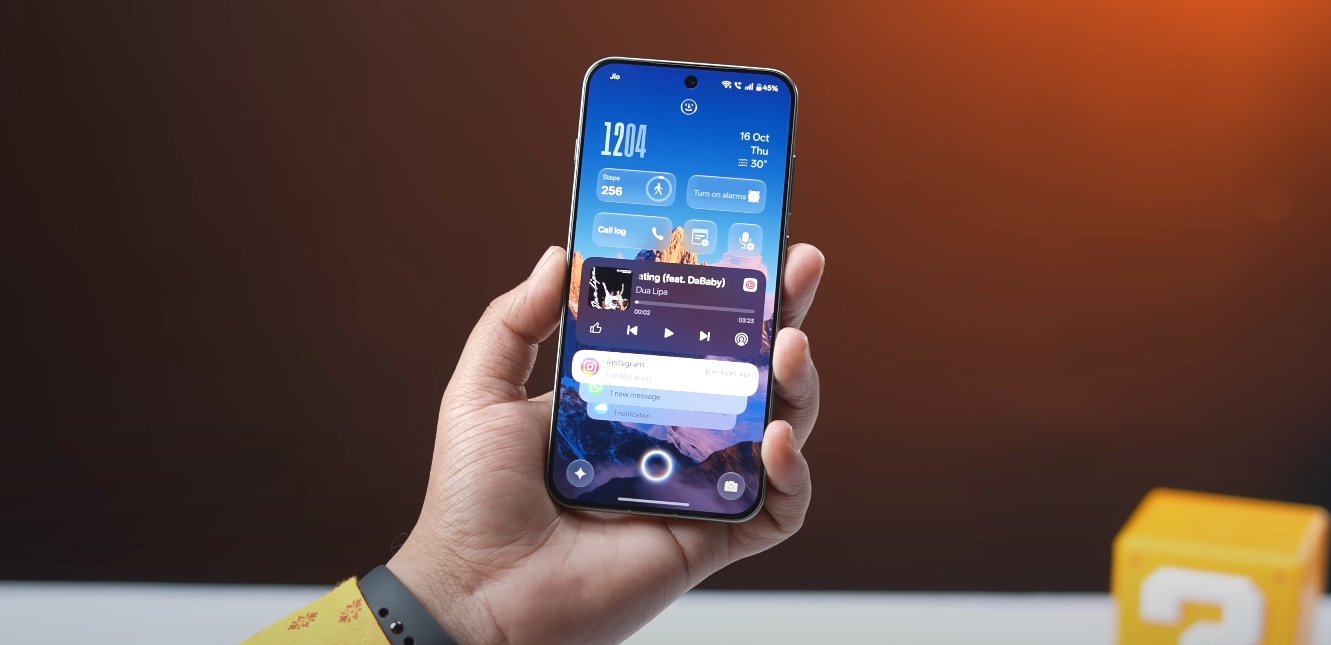
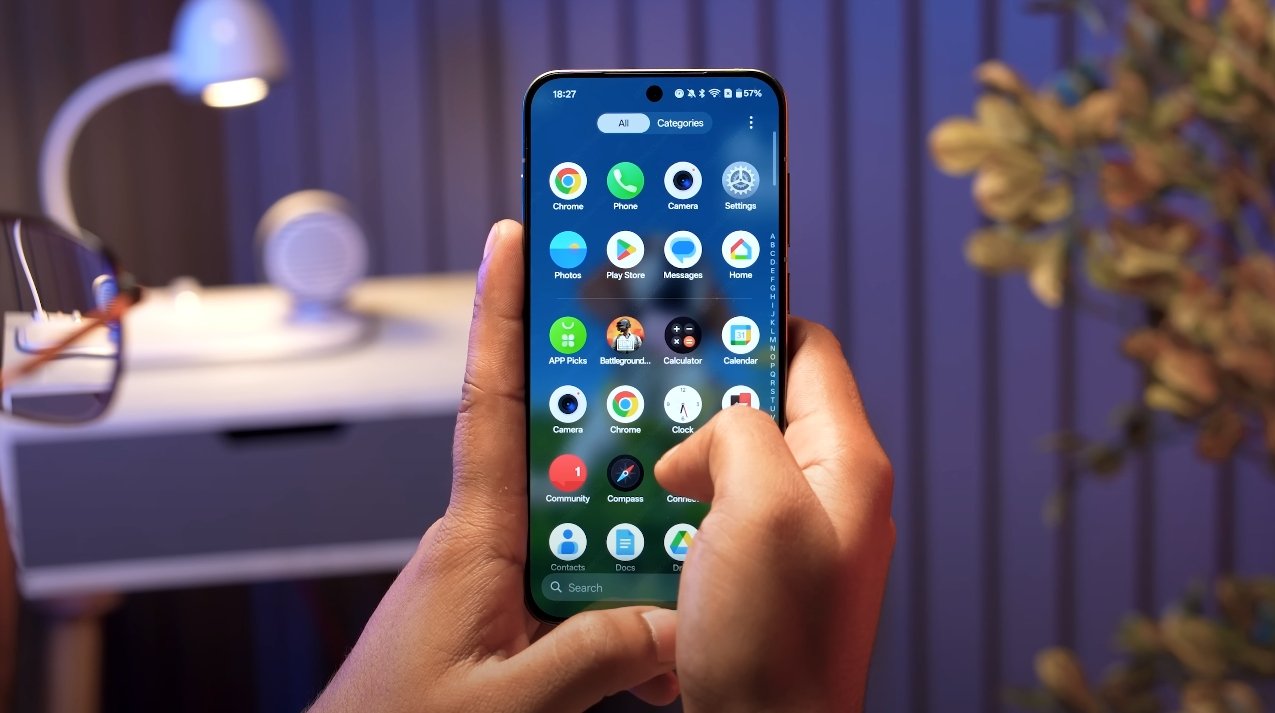
In addition to smoother motion, OxygenOS 16 features a more modern and minimalist interface. Icons have been redesigned with a balanced look, new color gradients have been added, and spacing between elements has been adjusted to improve readability. The notification shade and quick settings panel have also received a visual refresh, making frequently used controls easier to access with one hand. These design updates aim to reduce visual clutter while maintaining the signature OxygenOS simplicity.

OxygenOS 16 design changes bring smoother animations

A key focus of this update is optimizing how animations respond to user input. OnePlus has introduced dynamic rendering that adapts to gestures in real time. For example, when users swipe between screens or scroll through menus, the system now intelligently adjusts the animation speed to match the movement. This creates a more natural flow, making navigation feel effortless. The improved touch response is designed to give users the sense of direct control over their devices.

The new design also integrates seamlessly with Android 16’s enhanced system features. OnePlus has aligned its visual style with the latest Material You improvements, allowing more customization of themes, accent colors, and widgets. Users can personalize their devices more deeply without slowing down the interface. Battery efficiency has also been prioritized, with the animation system optimized to consume less power while maintaining smooth performance across the UI.

OxygenOS 16’s design changes extend beyond visual upgrades. The company has improved background processes to reduce stuttering during multitasking, even when several apps are open simultaneously. These refinements ensure that the smoother animations aren’t just cosmetic but are supported by stronger performance under the hood. For users, this means fewer dropped frames, less jitter, and a more stable experience whether they’re gaming, streaming, or multitasking.

With this update, OnePlus is signaling a clear focus on fluidity and user experience. The combination of cleaner design, improved touch response, and energy-efficient animations represents a major step forward for OxygenOS. As the rollout expands to more devices, users across the U.S. will soon experience the new look and feel firsthand. This evolution in design is meant to make every interaction with a OnePlus device more natural, enjoyable, and responsive.

Also Read:  OxygenOS 16 USA rollout schedule and update timeline

OxygenOS 16 performance under gaming load test

OxygenOS 16 performance under gaming load test

Gaming Performance and Optimization in OxygenOS 16

OnePlus’s OxygenOS 16 has brought several enhancements aimed at improving gaming performance on its devices. With upgrades in system optimization, thermal management, and AI-assisted resource allocation, OxygenOS 16 promises smoother gameplay, reduced lag, and better overall performance during intensive gaming sessions. Testing this OS under gaming loads highlights its strengths and real-world usability for mobile gamers.

A major improvement in OxygenOS 16 is Zero-Lag Multitasking, which allows users to run multiple applications alongside games without impacting performance. Users can stream music, take calls, or browse the web while playing graphically demanding games such as PUBG Mobile, Call of Duty: Mobile, or Genshin Impact, without experiencing stutter or app reloads. This is particularly valuable for multitaskers who need a responsive system even under heavy load.

The Flow Motion Interface also contributes to a smoother experience. By optimizing system animations and app transitions, the OS maintains fluid visual performance even during high-frame-rate gameplay. Swipes, gestures, and app switching feel responsive, which enhances the overall immersive experience. For fast-paced games, this translates into more accurate control and less perceived input lag.

OxygenOS 16 performance under gaming load test

OxygenOS 16’s advanced thermal management system intelligently distributes workloads across CPU and GPU cores. During long gaming sessions, the device stays cooler than previous iterations, preventing thermal throttling that could reduce performance. The system also monitors temperature spikes and adjusts processing power accordingly, ensuring that frame rates remain consistent without overheating the device.

Battery efficiency under gaming load has been significantly improved. Adaptive battery management optimizes CPU and GPU usage, allowing users to enjoy extended gaming sessions without rapid battery drain. Even when running intensive apps simultaneously, OxygenOS 16 maintains a balance between performance and power consumption, making it possible to game longer without sacrificing responsiveness or stability.

Memory management in OxygenOS 16 has also been optimized. The OS prioritizes active applications, keeping games in active memory longer while reducing background processes that could slow performance. This leads to faster app loading times and smoother gameplay, even on devices with multiple resource-heavy apps running concurrently.

Users testing OxygenOS 16 under gaming conditions have reported noticeable improvements compared to previous versions. Games load faster, animations remain smooth, and multitasking does not result in frame drops or stuttering. Even during long sessions, the system remains stable, and touch response stays consistent, which is crucial for competitive gaming.

The AI-assisted optimization features further enhance gaming performance. OxygenOS 16 can predict usage patterns and adjust system resources dynamically, giving games the necessary priority while maintaining overall system responsiveness. This predictive approach ensures that performance remains smooth even in unpredictable scenarios, such as sudden resource spikes during complex in-game sequences.

In conclusion, OxygenOS 16 significantly enhances gaming performance through intelligent multitasking, refined animations, advanced thermal management, and AI-driven optimization. Users benefit from smooth, responsive gameplay, consistent frame rates, and better battery efficiency during extended sessions. These improvements make OxygenOS 16 an ideal choice for mobile gamers who demand high performance, reliability, and an immersive experience without compromise. The OS successfully balances visual fluidity, system responsiveness, and power management, making gaming on OnePlus devices a more enjoyable and stable experience.

Also Read:  Nothing Phone 3A Lite heat control and cooling system test

Oyster Farming Boosted by NASA Satellite Data

Oyster farming boosted by NASA satellite data

NASA Satellite Data Revolutionises Oyster Farming

Oyster farmers are leveraging NASA satellite data to inform their farming decisions, with remarkable results. By analysing satellite imagery, farmers can identify optimal locations for their oyster farms, leading to increased yields and improved crop health.

This innovative approach has been successfully implemented by a UK-based oyster farmer, who used satellite data to choose the perfect location for his farm. Four years on, his farm remains operational, and his oysters are thriving.

The use of satellite data in oyster farming is a prime example of how technology can be harnessed to drive business growth and improve decision-making. By adopting this approach, oyster farmers can reduce costs, enhance efficiency, and ultimately contribute to the long-term sustainability of the industry.

Researchers have developed a model that utilises satellite-based data to help oyster farmers plan ahead and make informed decisions about their farming operations. This model takes into account various factors, including water quality, temperature, and other environmental conditions that can impact oyster growth and health.

The integration of satellite data into oyster farming is a significant development, with far-reaching implications for the sector. As the industry continues to evolve, it is likely that we will see increased adoption of this technology, driving growth and innovation in the years to come.

The benefits of using satellite data in oyster farming are numerous, ranging from improved crop yields to enhanced environmental monitoring. By analysing satellite imagery, farmers can quickly identify potential issues, such as water pollution or disease outbreaks, and take prompt action to mitigate their impact.

In addition to the practical applications of satellite data, this technology also has the potential to drive behavioural change within the industry. By providing farmers with access to accurate, data-driven insights, satellite technology can encourage more sustainable and responsible farming practices, ultimately contributing to the long-term health of our oceans.

As the demand for sustainable and locally sourced seafood continues to grow, the use of satellite data in oyster farming is poised to play an increasingly important role in meeting this need. With its potential to drive efficiency, reduce costs, and promote sustainable practices, this technology is an exciting development for the sector.

In conclusion, the use of NASA satellite data in oyster farming is a significant breakthrough, with the potential to transform the industry. As we look to the future, it will be exciting to see how this technology continues to evolve and shape the sector, driving growth, innovation, and sustainability in the years to come.

People Are Happy With Their Galaxy F36 5G Purchase

People Are Happy With Their Galaxy F36 5G Purchase

Galaxy F36 5G Leaves A Positive Impression On Everyday Users


The Galaxy F36 5G is leaving buyers satisfied, and that’s becoming clear from early feedback. Many users are saying the phone feels like a smart investment because it does exactly what they need without causing any headaches. From the moment they unbox it, the device gives off a feeling of dependability and comfort. It’s not just about specs but about how smooth the experience is during daily use.

People appreciate how the Galaxy F36 5G handles their routine. It opens apps quickly, manages calls and chats without freezing, and runs social media apps without a hiccup. That kind of consistent performance matters more to buyers than flashy extras. Users feel they’re getting full value for their money, especially when the phone continues to perform well even after weeks of use.

Battery life is a standout highlight for most owners. Many say they can get through the day without reaching for the charger, which is a big plus in busy routines. Combined with a display that looks sharp and feels smooth while scrolling, the overall experience remains enjoyable even during extended usage. People using the phone for studying, work, or light entertainment are all sharing similar satisfaction.

People Are Happy With Their Galaxy F36 5G

Another reason users are happy is the thoughtful design. It doesn’t feel cheap or bulky, and the phone looks clean and modern in hand. The interface is also easy to learn and navigate, which has made switching from older phones or other brands a painless process. Buyers like how little effort it takes to get used to the device and how reliably it runs once everything is set up.

In short, the Galaxy F36 5G is making people feel confident about their purchase. It checks the right boxes and avoids the mistakes many budget phones still make. As more users continue sharing their positive experiences, this phone is earning a solid reputation for being practical, polished, and well-priced.

OxygenOS 16 vs iOS 18 smoothness and UI comparison

OxygenOS 16 vs iOS 18 smoothness and UI comparison

Comparing OxygenOS 16 and iOS 18: Smoothness and User Interface

OxygenOS 16 and iOS 18 represent the latest iterations of OnePlus and Apple’s mobile operating systems, respectively. Both updates focus on improving smoothness, responsiveness, and the overall user interface experience. While OxygenOS 16 is built on Android 16 with OnePlus’s customization layer, iOS 18 continues Apple’s approach of a tightly integrated and optimized ecosystem. Comparing these two operating systems provides insight into how design philosophies and software optimization impact daily usability.

Smoothness and Responsiveness are key areas of comparison. iOS 18 is known for its consistent frame rates and minimal latency in animations and transitions, providing a fluid feel across system apps and third-party applications. Users report near-instantaneous responses to touch gestures and app launches, contributing to the perception of a polished, premium experience. OxygenOS 16 has made significant strides in this regard as well. Through improved RAM management, optimized GPU and CPU resource allocation, and refined system animations, devices running OxygenOS 16 deliver smooth transitions and responsive multitasking, narrowing the gap with iOS in perceived fluidity.

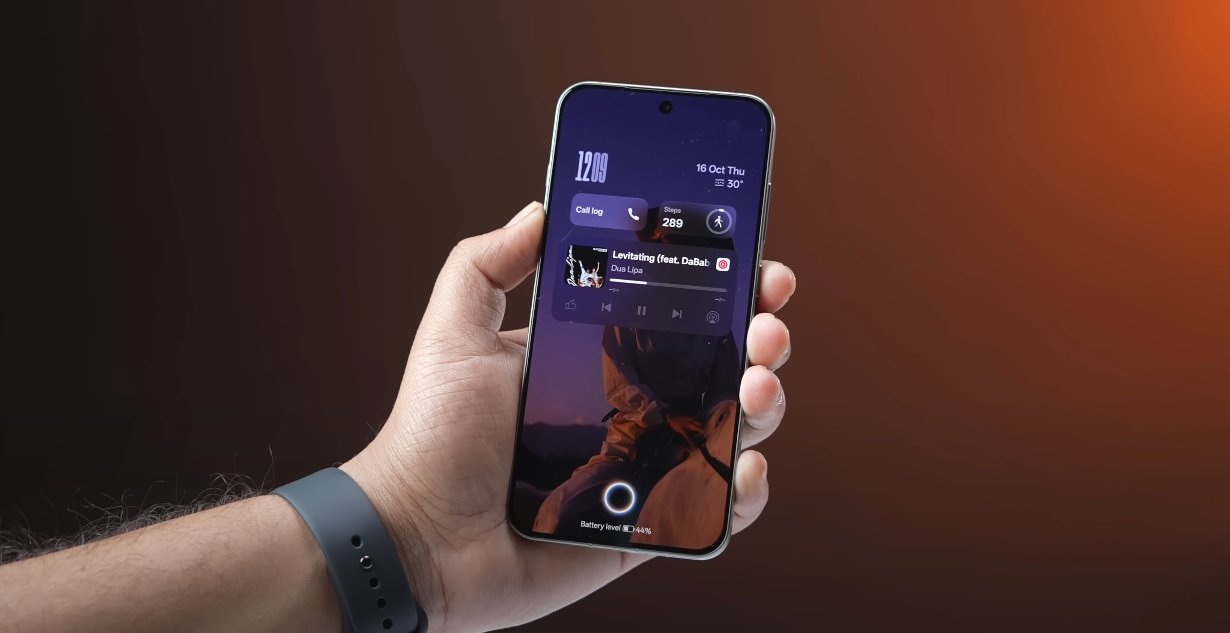
User Interface Design is another area where the two operating systems differ. iOS 18 emphasizes simplicity, uniformity, and minimalism, with a consistent icon style, streamlined notifications, and a clean layout for system apps. The interface is predictable and reduces cognitive load, making it easy for new users to adapt. OxygenOS 16, on the other hand, balances aesthetic flexibility with functionality. Features like Flux Themes 2.0, dynamic wallpapers, customizable lock screen widgets, and system-wide icon theming give users more control over personalization, allowing for a unique experience while maintaining intuitive navigation.

OxygenOS 16 vs iOS 18 smoothness and UI comparison

Gestures and Navigation have also been enhanced in both systems. iOS 18 continues Apple’s focus on swipe-based navigation and contextual menus, which are highly responsive and uniform across the system. OxygenOS 16 introduces improved gesture recognition, customizable actions, and zero-lag responsiveness, enabling fluid navigation within apps and across the system. While iOS maintains a more uniform approach, OxygenOS 16 offers additional flexibility that appeals to users who prefer a more personalized interface.

Animations and Transitions are crucial to the perception of smoothness. iOS 18 features consistently smooth app transitions, multitasking animations, and responsive system interactions, giving it a premium feel. OxygenOS 16 has improved its animation engine, resulting in fluid scrolling, app switching, and gesture responses. Though iOS 18 maintains an edge in absolute consistency, OxygenOS 16 offers comparable smoothness in day-to-day usage while supporting more customizable visual effects.

Multitasking Performance also differs between the two platforms. iOS 18 is highly optimized for background task management, maintaining performance even with multiple active applications. OxygenOS 16 leverages dynamic RAM allocation and memory compression to handle multitasking efficiently, reducing app reloads and maintaining smooth operation even during intensive use. While iOS handles background processes more predictably, OxygenOS 16 offers similar stability on supported OnePlus devices with the added benefit of customizable system behavior.

Overall User Experience reflects the design philosophies of the two operating systems. iOS 18 prioritizes uniformity, stability, and predictability, providing a seamless experience with minimal learning curve. OxygenOS 16 emphasizes flexibility, personalization, and a balance between aesthetics and functionality, allowing users to tailor the interface to their preferences while maintaining strong performance. Both systems deliver high smoothness and responsive UI, but the choice often comes down to whether the user values customization (OxygenOS 16) or consistency and ecosystem integration (iOS 18).

In conclusion, OxygenOS 16 and iOS 18 both offer smooth, responsive, and visually appealing user interfaces. iOS 18 excels in consistent performance, predictable animations, and streamlined design, creating a highly polished experience. OxygenOS 16 closes the gap with optimized gestures, fluid animations, and customizable interface elements, giving users more control over personalization without sacrificing smoothness. The comparison highlights that both systems deliver excellent UI performance, with OxygenOS 16 providing a flexible alternative to the uniformity-focused iOS 18, catering to users who value both performance and personalization.

Also Read:  Samsung Galaxy M17 5G wireless connectivity test results

People In UK Are Already Switching To Realme 14 Pro

People In UK Are Already Switching To Realme 14 Pro

UK Users Are Choosing Realme 14 Pro Over Established Brands


Realme 14 Pro is rapidly gaining traction in the UK, with many buyers making the switch from well-known brands. This shift isn’t happening because of aggressive marketing or big celebrity tie-ins—it’s rooted in users discovering a device that simply outperforms expectations without breaking the bank. The phone offers a solid blend of reliability, performance, and comfort, making it increasingly appealing to those seeking value and consistency.

A key reason behind the UK switch to Realme 14 Pro is its balanced performance in real-world use. Whether users are streaming, browsing, or using social apps extensively, the device handles everything with ease. App transitions feel smooth, multitasking remains fluid, and even longer usage doesn’t result in sluggishness or overheating. For consumers tired of sluggish midrange devices, that stability makes a big difference.

Battery life further strengthens the phone’s appeal. Many buyers report being able to make it through a full day of heavy usage—like video calls, online classes, or media consumption—without the need to recharge mid-afternoon. Fast charging ensures that brief downtime is enough to prepare for the next stretch of use. In a fast-paced lifestyle, knowing your phone can keep up is reassuring.

Switching To Realme 14 Pro

Another point frequently mentioned by UK users is the comfort and design. Realme 14 Pro feels substantial yet lightweight, and its clean design makes it versatile for work, study, or leisure. The display delivers bright visuals, clear text, and responsive touch, which adds to the sense of smooth everyday interaction. The UI is intuitive—even for users making their first switch from other brands—without requiring lengthy setup or adjustment periods.

The phone’s launch price in the UK marketplace helps seal the deal. Positioned attractively in the sub-£300 range, Realme 14 Pro delivers flagship-level features like a high-refresh-rate OLED screen and a dependable main camera, all without demanding a premium. For budget-conscious buyers, this value proposition is hard to pass up—especially when it outperforms older devices they might have considered upgrading.

Customer satisfaction isn’t driven by hype but by genuine feedback from early users. Those enjoying Realme 14 Pro share how it feels dependable and polished in daily tasks. That grassroots level confidence encourages more people to give it a serious look—whether upgrading from older Android models or switching brands entirely.

Ultimately, UK buyers seeking a dependable smartphone experience are finding a clear winner in Realme 14 Pro. It may not headline with flashy stats or bold marketing, but it delivers in the areas that matter most—performance, battery, and usability. As word spreads, more people are discovering that this phone fits their needs better than they initially imagined.

OxygenOS 16 Gemini AI features explained for beginners

OxygenOS 16 Gemini AI features explained for beginners

Understanding the New Gemini AI in OxygenOS 16

OnePlus has unveiled OxygenOS 16, its most advanced software version to date, powered by Google’s Gemini AI. This integration marks a major step toward creating a more intelligent, personalized smartphone experience for users. For beginners, the idea of an AI-driven phone might sound complex, but OnePlus has designed Gemini features to be easy to use, practical, and deeply integrated into daily tasks.

At the center of this new system is Mind Space, a smart hub built into OxygenOS 16. Think of Mind Space as a digital memory that collects your photos, notes, screenshots, links, and even voice memos. Instead of scattered information across multiple apps, everything stays organized in one intelligent place. Gemini AI then uses this data—securely and privately—to help you recall details, summarize notes, or plan events based on what’s already stored on your device. For instance, if you saved pictures and notes from a trip, Gemini can automatically create an itinerary or suggest similar places to visit nearby.

The Gemini AI also introduces a new way of saving and accessing content. With the Plus Key or a simple gesture, like swiping with three fingers, users can quickly add anything they see on screen to Mind Space. Voice memos are now more versatile, allowing up to 60 seconds of recording that can be instantly transcribed and summarized. Gemini keeps this information ready for use, making it easier to find, manage, and reuse without manually searching through folders or apps.

OxygenOS 16 Gemini AI features explained for beginners

OnePlus has made sure that Gemini isn’t just for organization—it’s also a creative and productivity assistant. The AI Writer feature can generate or refine text for messages, captions, or notes. It can even build structured outlines for presentations or essays. The AI Scan tool simplifies document management by automatically cleaning scanned pages, detecting edges, and creating professional-looking PDFs. The Recorder app has gained new intelligence, too, offering live transcription and summaries of meetings, lectures, or interviews, while filtering out background noise for clear playback.

Gemini’s integration also enhances personalization throughout the OxygenOS 16 interface. The AI learns how users interact with their phones, adjusting system suggestions, home screen recommendations, and shortcuts accordingly. If you often use certain apps at specific times of day, Gemini can automatically prepare them in the background for faster launch. It can also suggest contextual actions, such as creating reminders after a phone call, generating a grocery list after a shopping message, or summarizing long chats and emails into quick highlights.

For new users worried about privacy, OnePlus has emphasized full control over what Gemini can access. Mind Space is encrypted, and only the data users choose to share with Gemini will be analyzed. You can review and revoke access at any time through a new privacy dashboard. Gemini works locally whenever possible, minimizing the need to send information to the cloud. This ensures that the system remains both smart and secure, aligning with OnePlus’s long-standing commitment to user trust.

Another advantage of Gemini AI is its seamless connection across devices. With OxygenOS 16, OnePlus has improved cross-platform syncing so that notes, reminders, and AI suggestions can be accessed on laptops and tablets using the same account. Users can start writing on their phone and finish it on another device without losing progress. This ecosystem approach makes productivity smoother and more consistent, especially for people juggling work and personal tasks across multiple screens.

OxygenOS 16, with Gemini AI at its core, represents OnePlus’s most ambitious software vision yet. By blending intelligence, personalization, and ease of use, the company aims to redefine what an Android experience can be. Beginners don’t need to learn complex commands or settings—Gemini quietly assists in the background, learning from everyday actions and offering help only when needed. It’s not about replacing human effort, but about making smartphones more responsive and intuitive than ever before.

The update will debut on the new OnePlus 15 series and gradually roll out to other eligible devices in the coming months. With its combination of powerful AI tools, enhanced privacy, and user-friendly design, OxygenOS 16 sets a new benchmark for what users can expect from intelligent mobile software in 2025.

Also Read:  Oppo Find X8 Ultra vs Vivo X300 Ultra low light test

OxygenOS 16 cross device connectivity improvements

OxygenOS 16 cross device connectivity improvements

OnePlus enhances ecosystem integration and seamless device interaction

OxygenOS 16 introduces significant improvements in cross-device connectivity, allowing OnePlus users to interact more seamlessly with other devices, including PCs, tablets, smart TVs, and IoT products. These updates are designed to create a more integrated ecosystem experience, emphasizing convenience, speed, and reliability. Early U.S. user testing highlights smoother connections, faster data sharing, and improved synchronization across devices.

One of the key features is enhanced file transfer and clipboard sharing. Users can now quickly transfer files, images, and documents between OnePlus devices and Windows PCs without the need for cables or third-party apps. The system leverages faster protocols and background optimization to reduce latency and improve transfer speeds. Cross-device clipboard sharing allows users to copy text or links on one device and paste them seamlessly on another, improving workflow efficiency.

Screen sharing and casting capabilities have also been refined. OxygenOS 16 enables smoother screen mirroring to smart TVs and monitors, with reduced lag and higher fidelity visuals. Users can project apps, videos, or presentations from their OnePlus phone to larger displays effortlessly. U.S. testers have reported that the updated casting interface is easier to navigate and more stable compared to previous versions, providing a near real-time experience for work and entertainment purposes.

OxygenOS 16 cross device connectivity improvements

Another notable improvement is in device pairing and synchronization. OxygenOS 16 simplifies connecting with other OnePlus products, such as tablets, earbuds, and smart home devices. Automatic device recognition and one-tap pairing reduce setup time, while persistent connections ensure that devices stay synced without repeated manual intervention. Notifications, media playback, and call controls can now be shared across connected devices, making multitasking more efficient.

The update also improves cloud-based and networked interactions. OnePlus has optimized data syncing for contacts, messages, and app settings, ensuring consistency across multiple devices. Users can start an activity on one device and continue seamlessly on another, whether it’s browsing, editing documents, or streaming media. Enhanced background optimization ensures that these processes occur without noticeable impact on battery life or device performance.

Security and privacy are maintained during cross-device interactions. All data transfers and device communications use encrypted channels, and users have granular control over which devices can connect and access shared content. This ensures that convenience does not come at the cost of security, which is particularly important for sensitive work or personal data.

Overall, OxygenOS 16’s cross-device connectivity improvements create a more cohesive ecosystem for OnePlus users. Faster file transfers, seamless screen sharing, simplified device pairing, and synchronized interactions all contribute to a smoother, more productive experience. U.S. testers note that these updates make multitasking across devices more intuitive and reliable, enhancing both daily workflows and entertainment experiences. By strengthening interoperability and maintaining robust security, OnePlus ensures that its ecosystem remains both convenient and trustworthy.

Also Read:  Redmi Pad 2 Pro final verdict on value and performance

Paramount’s Surprise Move: Why This Streaming Battle Spells Trouble for UK Viewers

Paramount's Surprise Move: Why This Streaming Battle Spells Trouble for UK Viewers

The Looming Shadow of Streaming Consolidation

Just as the rumour mill suggested Netflix was poised to acquire Warner Bros., a move that would have sent seismic waves through the entertainment industry, Paramount has unexpectedly entered the fray. This sudden intervention has undoubtedly complicated what many presumed to be a straightforward negotiation.

The prospect of such a monumental deal, whether it involved Netflix or now Paramount, highlights the relentless and increasingly aggressive nature of the ongoing streaming wars. Major media conglomerates are fiercely vying for dominance, with their vast content libraries serving as the primary battleground.

For consumers, particularly those of us in the United Kingdom, these high-stakes corporate manoeuvres often bring more questions than answers. While the initial excitement of exclusive content might seem appealing, the long-term implications for our viewing habits and wallets are rarely positive.

A Netflix-Warner Bros. amalgamation, for instance, would have seen an unprecedented consolidation of beloved franchises under one roof. Imagine the entire DC Comics universe, Harry Potter, and classic Warner Bros. films sitting alongside Netflix’s extensive original programming slate.

However, Paramount’s eleventh-hour interest complicates this picture significantly, injecting a new layer of uncertainty into the media landscape. Their potential acquisition or partnership could reshape the competitive balance in unpredictable ways, creating a more intricate web of content ownership.

This aggressive jostling for major studios isn’t just about owning intellectual property; it’s profoundly about controlling market share and, ultimately, dictating consumer choice. Each successful acquisition subtly reduces the number of independent content providers, fostering a more consolidated industry.

From a subscriber’s perspective, this trend towards fewer, larger players frequently results in diminished benefits. Competition is ideally meant to drive innovation and lower prices, yet in the streaming world, the opposite often seems true as services constantly seek new ways to retain subscribers.

We’ve already witnessed a significant fragmentation of content, where must-see shows and films are scattered across numerous platforms. This forces viewers to subscribe to multiple services, leading to a cumulative monthly cost that easily surpasses traditional cable packages.

Should Paramount succeed in acquiring Warner Bros., or even just disrupt the Netflix deal, it would likely exacerbate this fragmentation further. Iconic titles could become exclusive to yet another platform, demanding a separate subscription to access them all.

The immediate outcome of such high-profile corporate contests is rarely a win for the average viewer. Instead, we are often left navigating a more complex and expensive ecosystem, constantly weighing up which subscription is truly worth the investment for a handful of desirable programmes.

Furthermore, these mega-deals raise legitimate concerns about creative diversity and independence within the industry. When a mere handful of dominant players control a vast majority of the production and distribution channels, there is a distinct risk that unique, niche content may struggle significantly to find a platform.

The strategic focus often shifts heavily towards established franchises and broadly appealing content, which are generally seen as safer investments for large corporations. This potentially stifles the emergence of fresh voices and truly innovative storytelling, impacting the overall quality and variety available to us all.

Consider the profound impact on licensing agreements across the board. Smaller streaming services and independent broadcasters could find it increasingly difficult, or even prohibitively expensive, to license popular content as it becomes effectively locked behind the exclusive walls of major studio-owned platforms.

This ultimately creates an intense content arms race, where companies are evidently willing to spend astronomical sums to secure exclusive rights. Inevitably, they pass these monumental costs directly onto the consumer through higher subscription fees; it’s a vicious cycle with no obvious advantage for the end-user.

The initial promise of unlimited entertainment at our fingertips is slowly being eroded by the harsh reality of siloed content and ever-increasing monthly bills. What once felt like a truly liberating alternative to traditional television now often feels like a series of unavoidable financial commitments.

Paramount’s move, therefore, while undeniably thrilling from a business news perspective, casts a rather long and concerning shadow over the future of streaming. It signifies a further tightening of the market, potentially leading to fewer viable options and less consumer-friendly practices across the board.

For those of us in the UK, already contending with a diverse variety of regional and global streaming services, another major consolidation would only add to the existing complexity. It could mean more difficult choices about which services to prioritise and, regrettably, which beloved shows to forego entirely.

Ultimately, whether the victor is Netflix or Paramount, the overarching trend of media giants acquiring vast swathes of content does not appear to serve the best interests of the public. Instead, it seems to be a purely strategic play for market dominance, with consumers inevitably bearing the brunt of the consequences.

It’s increasingly clear that the so-called “streaming wars” are not, in fact, being fought for our benefit or enjoyment. They are an intense commercial battle, and regrettably, it often feels as though the viewer is the most significant casualty in this ongoing corporate struggle for supremacy and control.


Also Read:  Self-Healing IT: How Agentic AI is Revolutionising Business Resilience in the UK