Oppo Unveils Stable ColorOS 16 Update for UK Users

Oppo smartphones with ColorOS 16 update, featuring a new interface design and enhanced security features, available in the UK

Stable ColorOS 16 Update Rolls Out to Nine Oppo Smartphones in the UK

Oppo has begun rolling out the stable ColorOS 16 update to nine more smartphones in the UK this month. The update, which is based on Android 16, is being released in phases across several Reno, F, and K series devices through mid-March. The update is roughly 3.39GB in size. Oppo aims to enhance user experience with this update.

The ColorOS 16 update brings a range of new features and improvements to Oppo smartphones in the UK. With this update, users can expect a more streamlined and efficient interface, as well as enhanced security features. The update is set to arrive on several devices, including the Reno and F series, by the end of March.

Oppo’s decision to roll out the stable ColorOS 16 update to more smartphones in the UK demonstrates the company’s commitment to providing users with the latest technology. The update is expected to improve the overall performance of the devices, making them more responsive and efficient. Users can expect a seamless experience with the new update.

In addition to the new features and improvements, the ColorOS 16 update also includes several bug fixes and security patches. These updates are designed to protect user data and prevent any potential security threats. With the stable ColorOS 16 update, Oppo is providing UK users with a more secure and reliable smartphone experience.

The rollout of the ColorOS 16 update is a significant milestone for Oppo in the UK. The company has been working tirelessly to provide users with the latest technology and features. With this update, Oppo is poised to strengthen its position in the UK smartphone market. The update is a testament to the company’s dedication to innovation and customer satisfaction.

Oppo’s commitment to providing regular updates and security patches is a key factor in its success. The company’s focus on user experience and security has earned it a loyal customer base in the UK. With the stable ColorOS 16 update, Oppo is expected to attract even more users who are looking for a reliable and secure smartphone experience.

The ColorOS 16 update is a significant improvement over its predecessor, offering a range of new features and enhancements. The update includes a new interface design, improved performance, and enhanced security features. With this update, Oppo is providing UK users with a more comprehensive and enjoyable smartphone experience.

Overall, the stable ColorOS 16 update is a major milestone for Oppo in the UK. The company’s dedication to providing users with the latest technology and features has paid off, and the update is set to strengthen Oppo’s position in the UK smartphone market. With its focus on user experience, security, and innovation, Oppo is poised to continue its success in the UK.
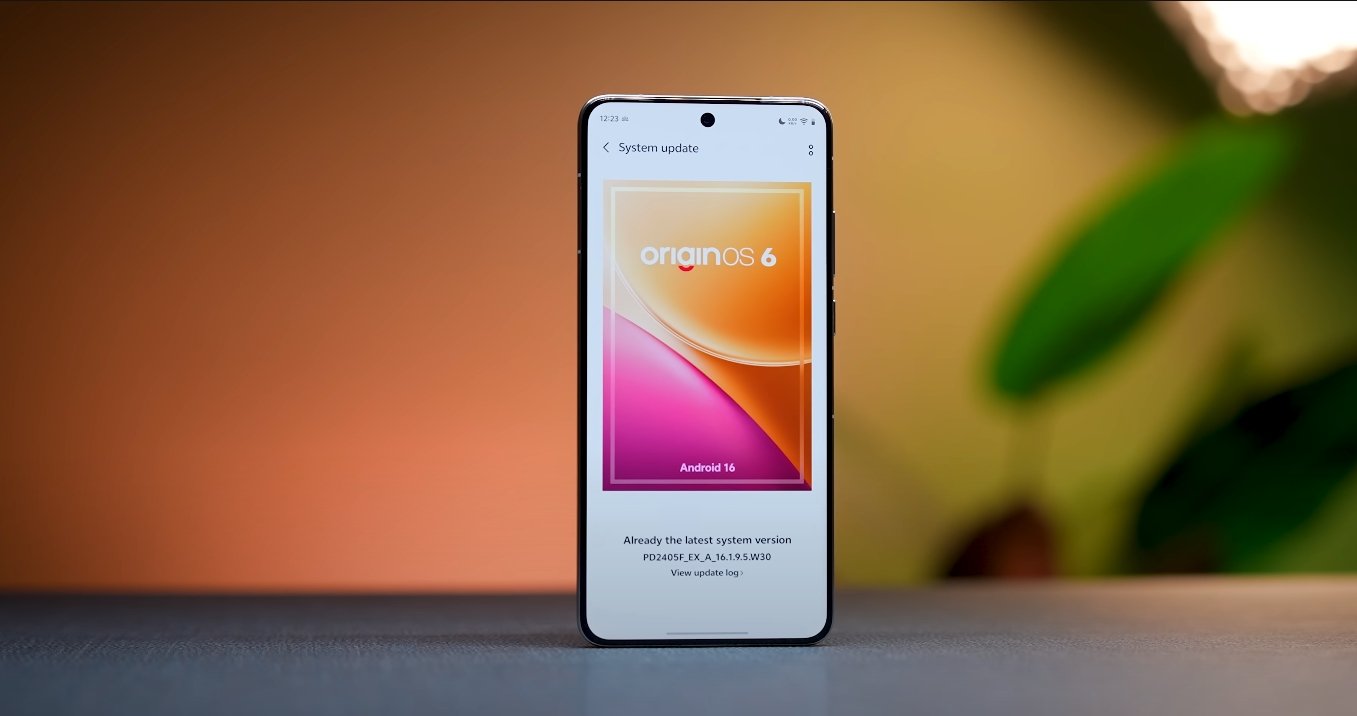
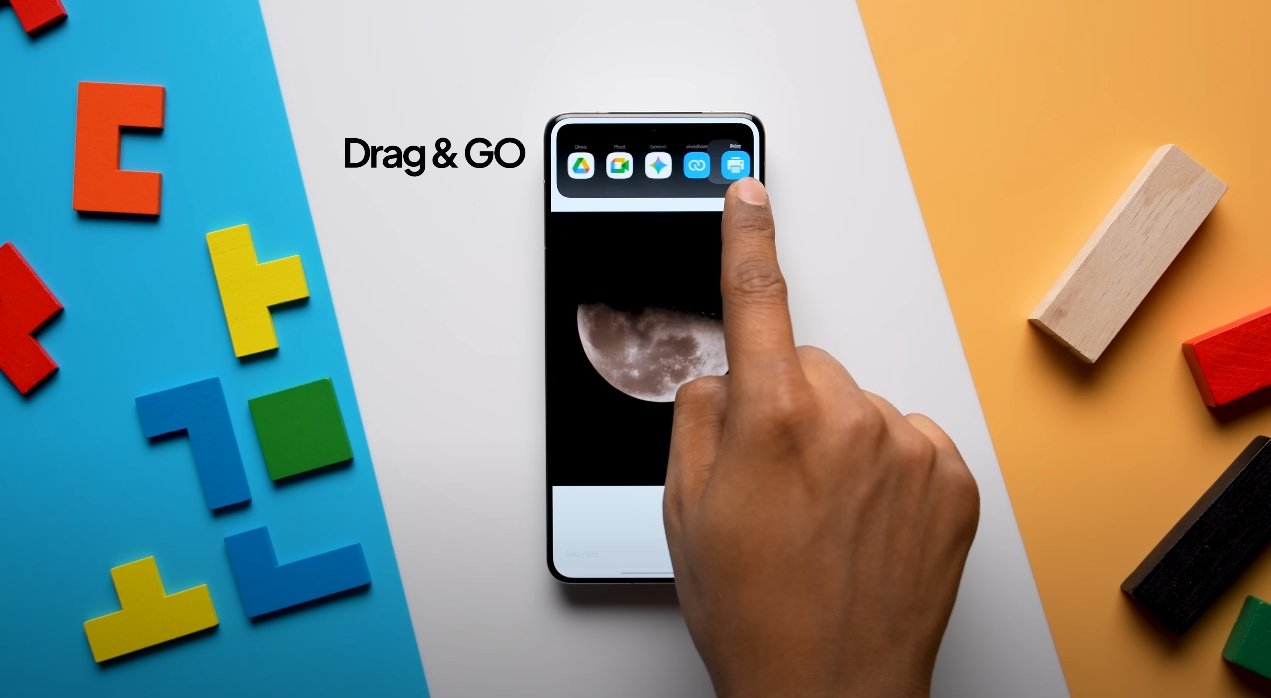
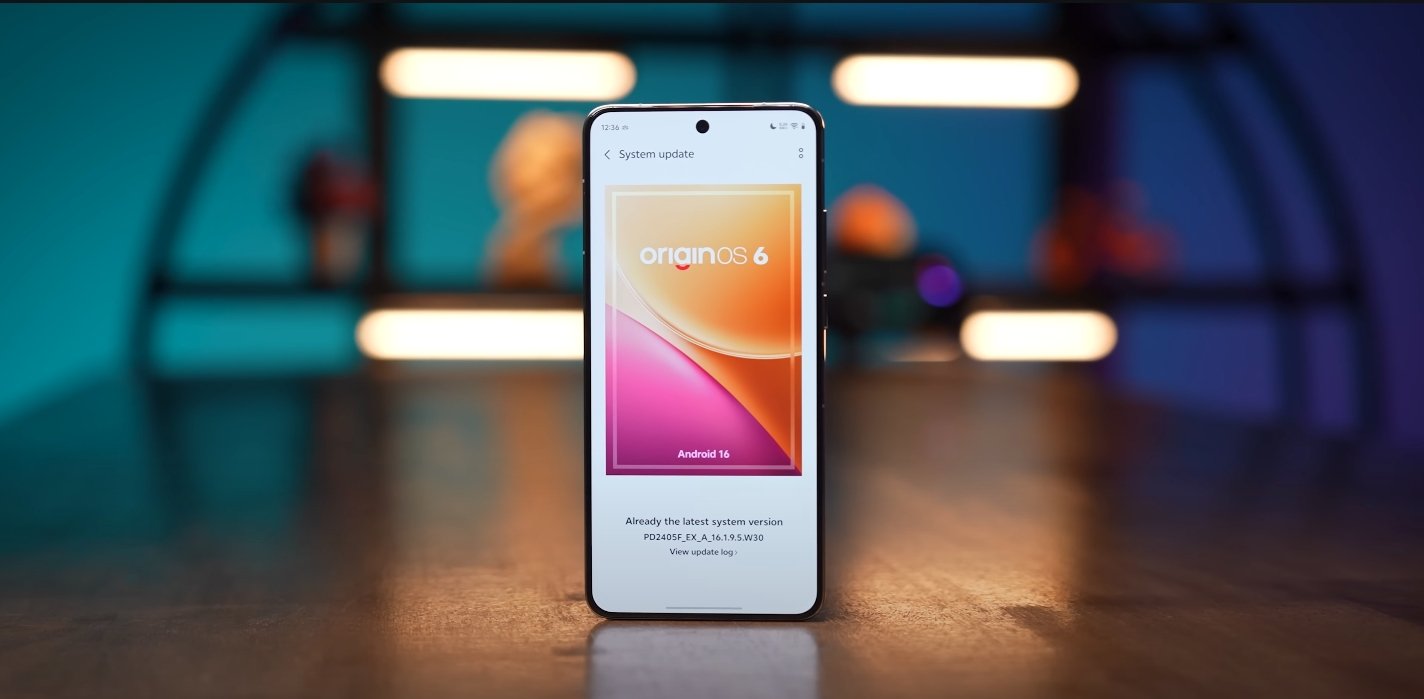
OriginOS 6 features officially revealed by Vivo

OriginOS 6 features officially revealed by Vivo

Vivo Officially Unveils OriginOS 6 with Advanced AI and Refined Design

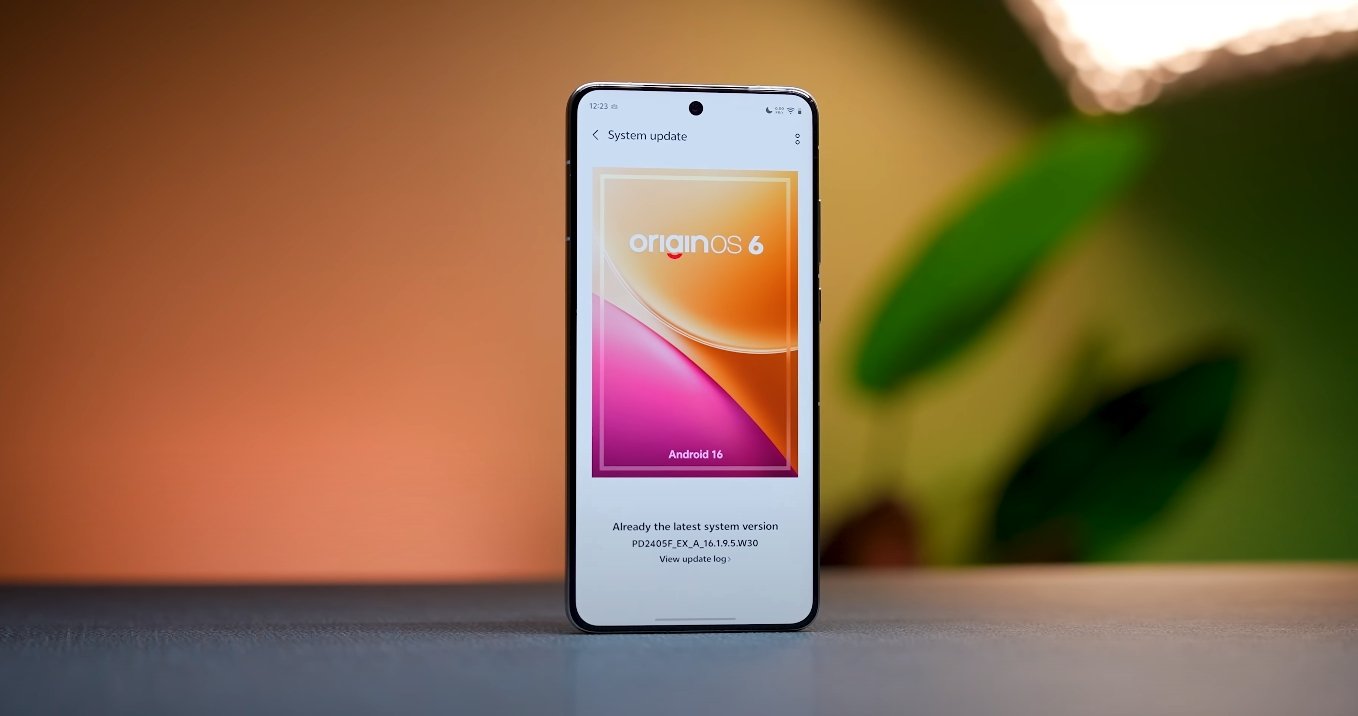
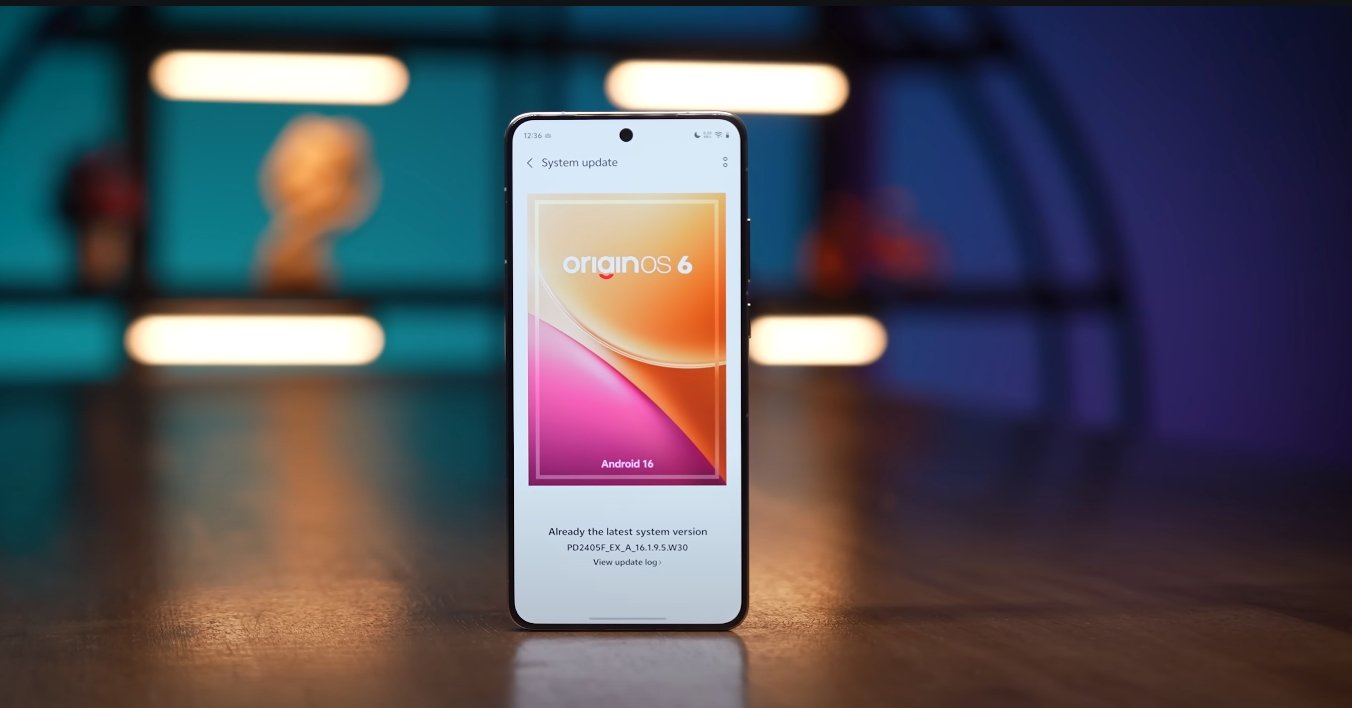
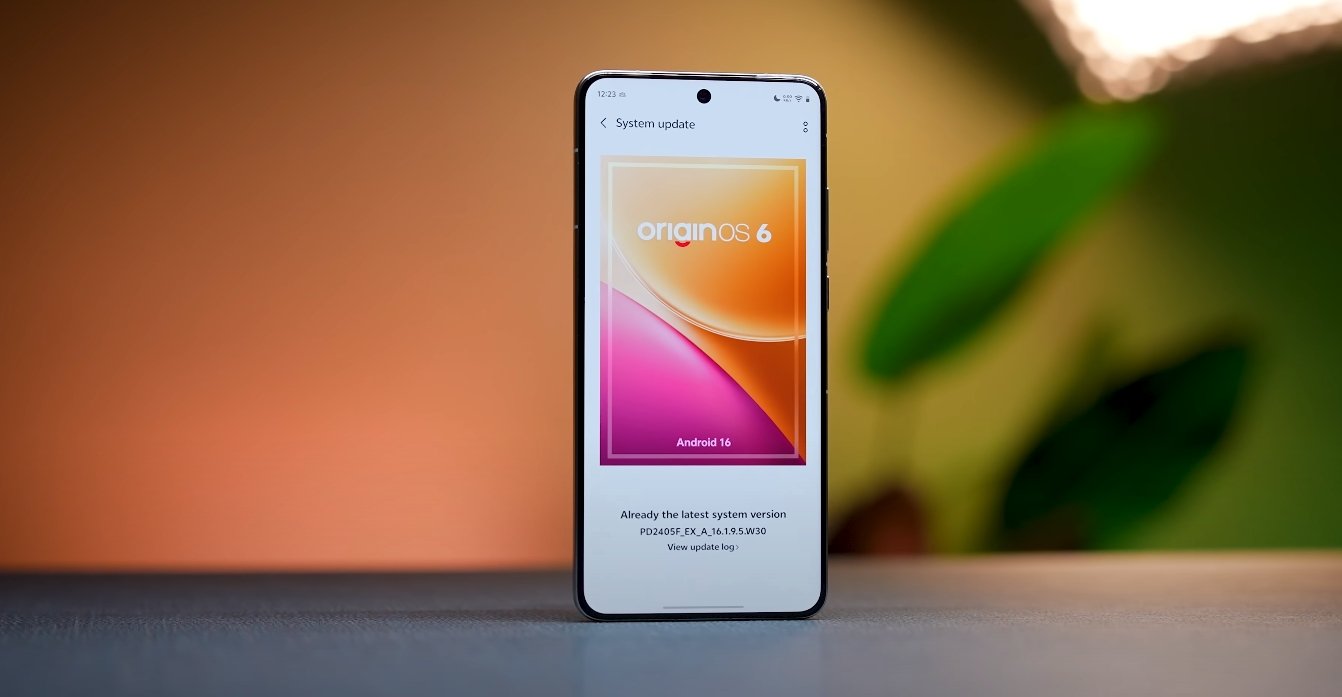
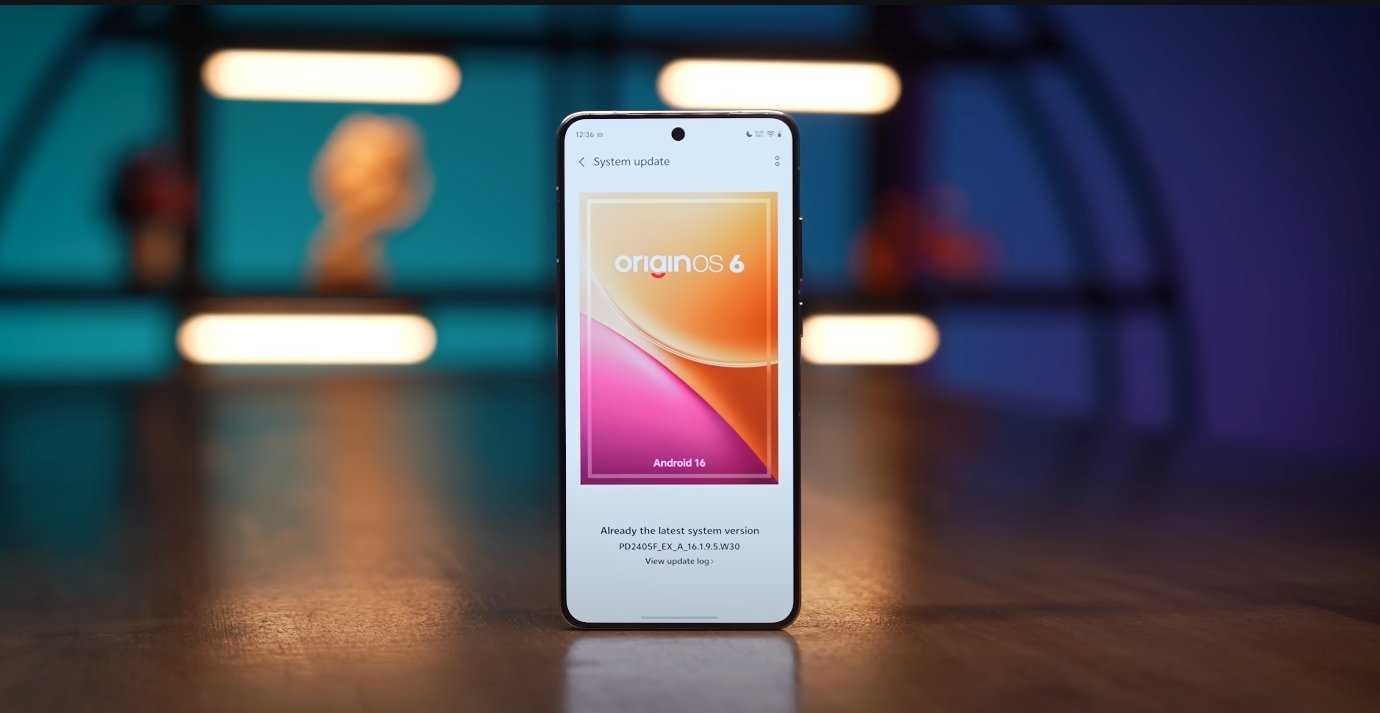
Vivo has officially revealed its much-anticipated OriginOS 6, introducing a major software update that redefines the Android experience for its smartphones. The new system, built on Android 16, focuses on performance improvements, a modern visual refresh, and deep AI integration. It marks a significant leap forward for Vivo and iQOO users, particularly in the USA and other global markets where the brand continues to expand its reach.

One of the most notable improvements in OriginOS 6 is its performance engine. Vivo has developed what it calls the “Origin Smooth Engine,” a system designed to optimize memory usage, graphics stability, and app responsiveness. Users can expect faster app launches, smoother scrolling, and reduced battery drain, even under heavy workloads. The new animation framework brings more realistic transitions and gestures, offering a premium-level experience that rivals top-tier Android skins. Vivo has worked to ensure consistent frame rates across gaming, multitasking, and everyday operations, making the interface both fluid and energy-efficient.

Design plays a central role in this update. OriginOS 6 introduces a redesigned interface that Vivo refers to as the “Light and Shadow Space” theme. It features layered effects, subtle gradients, and refined transparency that bring a modern, polished look to the user interface. The home screen layout is now more flexible, allowing grid customization and intelligent icon spacing for better usability. Vivo’s new typography and enhanced widgets add to the aesthetic appeal, creating a cleaner and more natural digital environment. This visual upgrade not only modernizes the look of Vivo’s software but also aligns it with global design trends seen on leading devices.

OriginOS 6 features officially revealed by Vivo

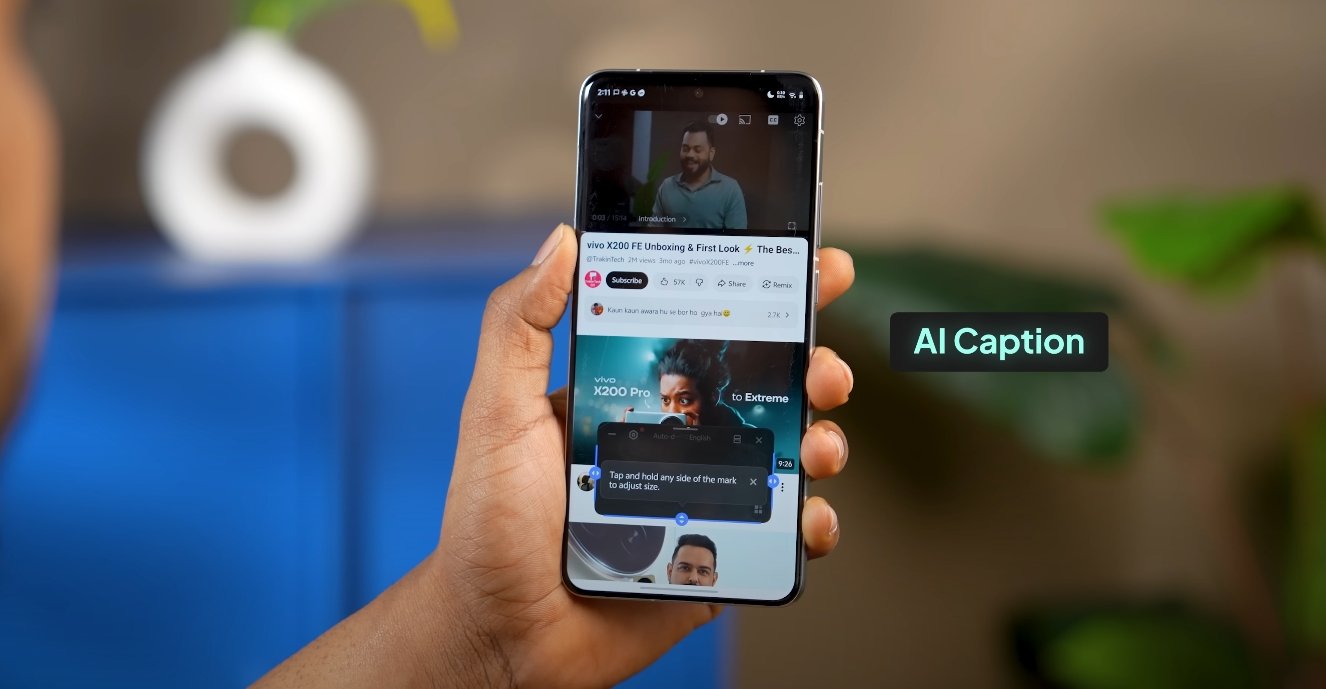
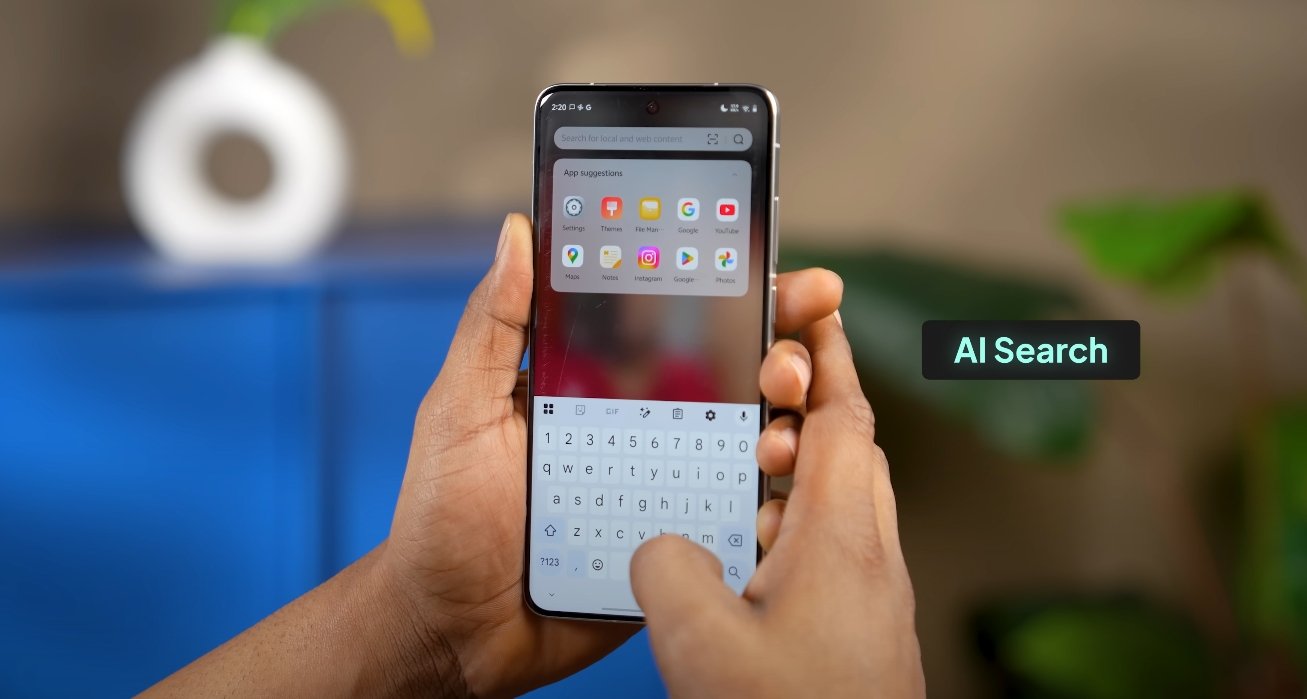
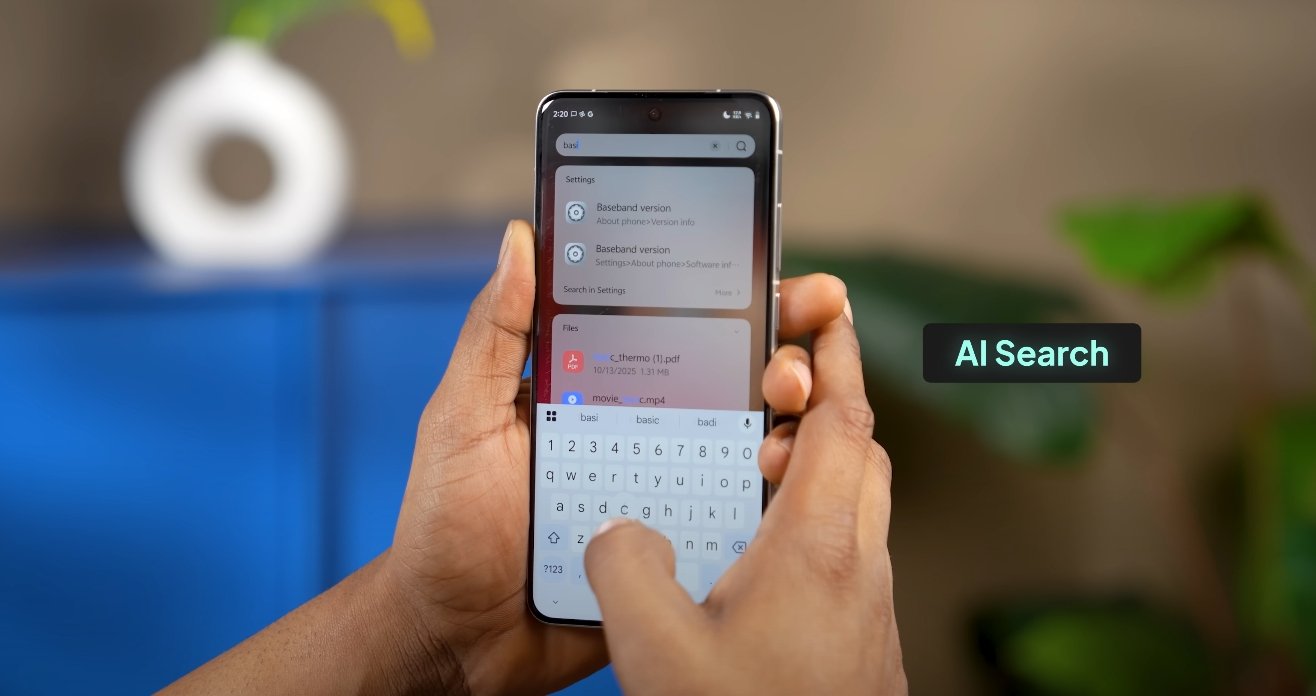
Artificial Intelligence is deeply embedded in OriginOS 6, shaping everything from productivity to image editing. The new “Origin Island” smart hub sits at the top of the display, offering live updates, contextual suggestions, and real-time information tailored to user habits. Vivo’s AI assistant now supports smart search, document recognition, and contextual commands that simplify daily tasks. For photography enthusiasts, the AI Retouch and Smart Cleanup tools allow users to remove objects, enhance image quality, and automatically balance lighting. These features showcase how Vivo is integrating generative and assistive AI to make smartphones more intuitive and personalized.

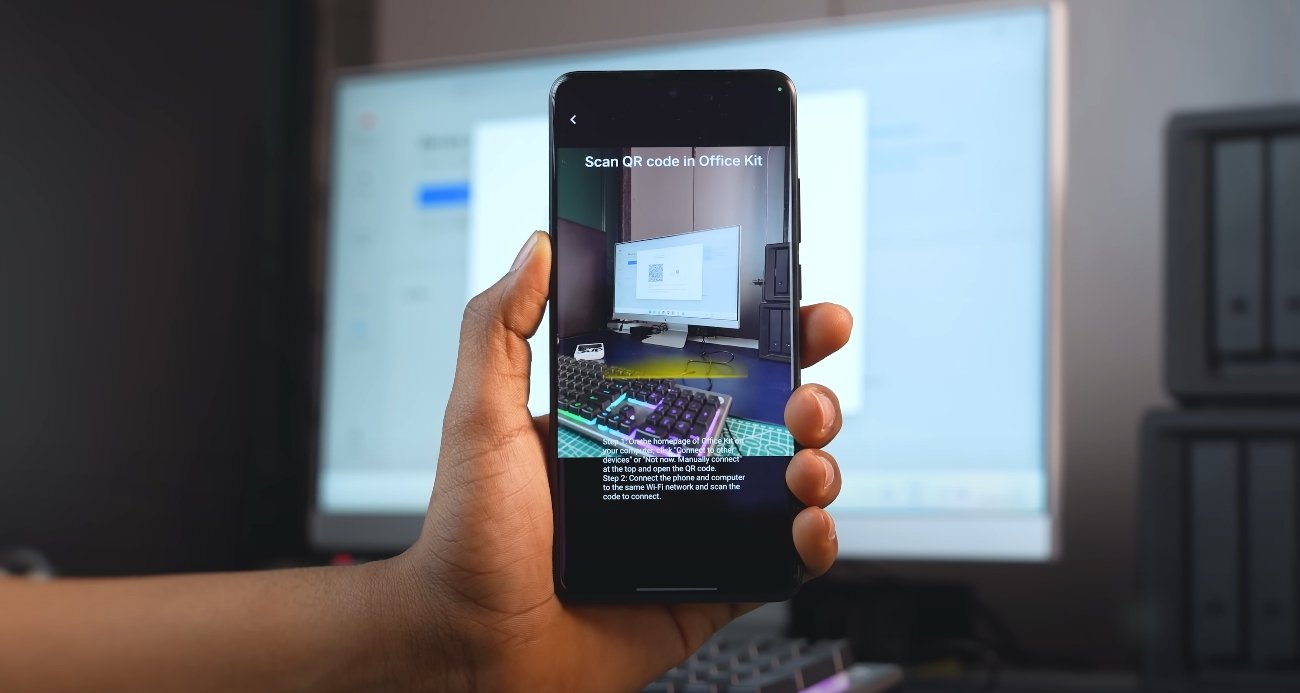
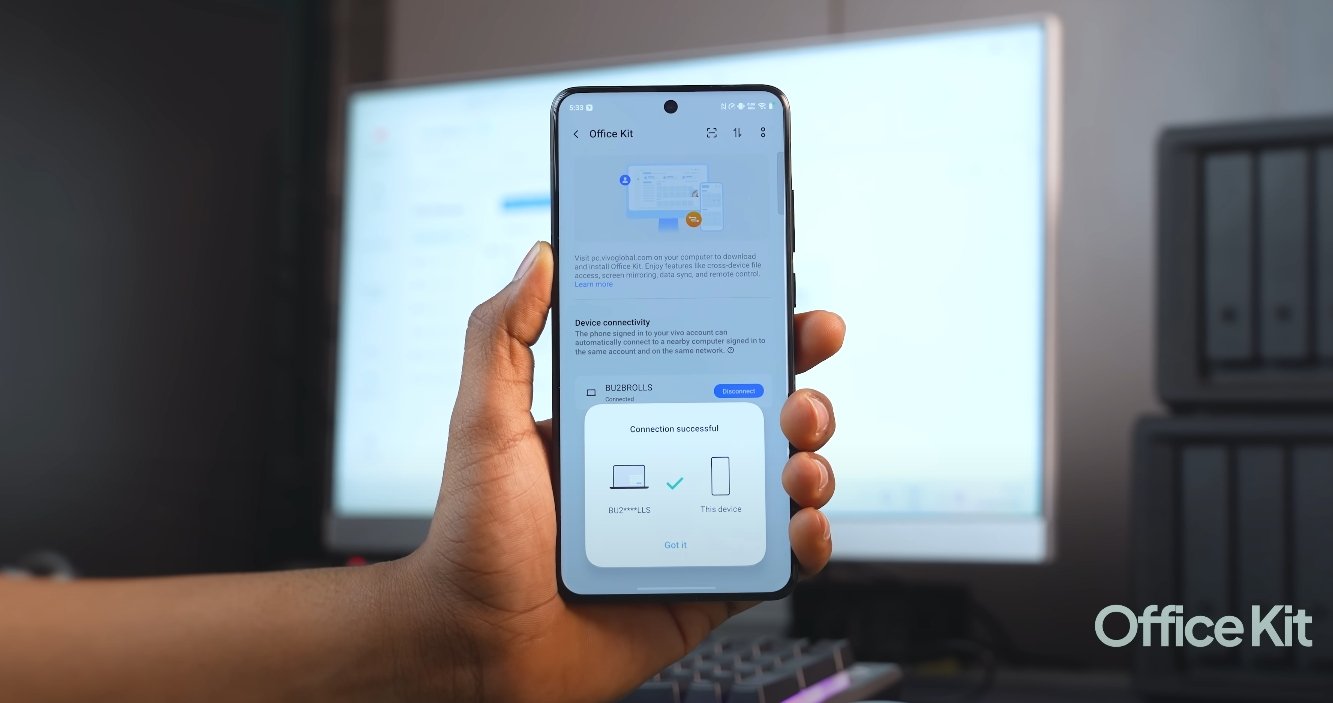
Connectivity and ecosystem features are also seeing a big leap. OriginOS 6 enables seamless device pairing across Vivo phones, tablets, and laptops. Features like instant file sharing, clipboard synchronization, and “Shake to Connect” allow for faster cross-device collaboration. This ecosystem approach places Vivo in closer competition with Apple and Samsung, giving users a cohesive and productive experience across multiple screens. For professionals, this makes it easier to transition between devices without interruptions, while students can benefit from simplified file management and note sharing between phones and laptops.

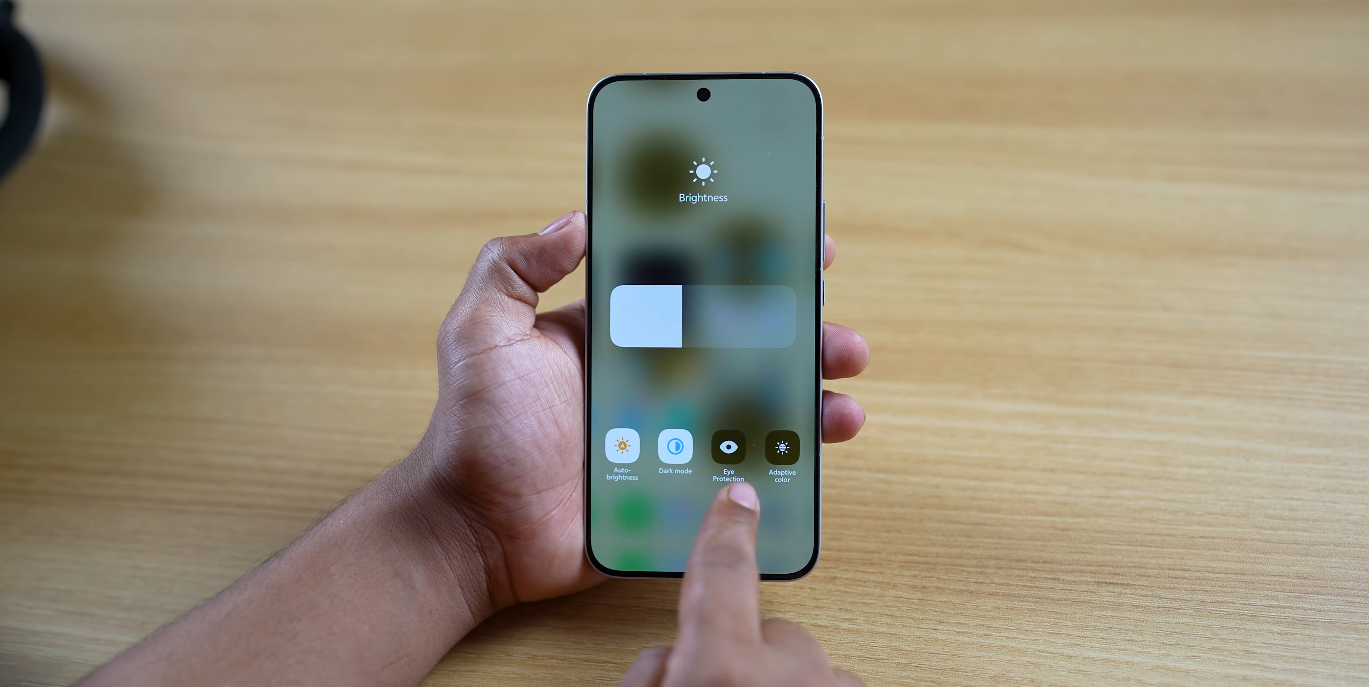
Vivo has also improved the security and wellness aspects of its new operating system. The upgraded privacy framework includes advanced protection layers covering the device, chip, and cloud. Battery life has been fine-tuned with smarter background management and adaptive power allocation. Additionally, OriginOS 6 introduces wellness features such as fatigue detection and eye-comfort optimization. These tools use AI to detect prolonged screen use and automatically adjust lighting and contrast for a more comfortable viewing experience. This holistic approach to user health aligns with current trends emphasizing balance between technology and well-being.

OriginOS 6 will begin rolling out globally starting in November 2025. The initial batch includes flagship devices such as the Vivo X300 series and iQOO 15, followed by older models in subsequent phases. Vivo has confirmed that the rollout will be gradual, ensuring each device receives full optimization before public release. With this launch, the company is making it clear that its software ambitions extend beyond performance—it’s about creating a smarter, more human-centered digital experience for its global user base.

In summary, OriginOS 6 represents Vivo’s most advanced operating system yet. It blends design elegance, AI-driven intelligence, and practical ecosystem tools into one unified platform. By focusing on speed, security, and personalization, Vivo is positioning itself as a key innovator in the Android landscape. For users in the USA and worldwide, this update brings a refined, intelligent, and future-ready experience that highlights Vivo’s growing influence in the premium smartphone market.

OriginOS 6 app drawer and home layout updates

OriginOS 6 app drawer and home layout updates

How Vivo Redesigned the App Drawer and Home Experience in OriginOS 6

Vivo’s OriginOS 6 brings a refreshed approach to home screen management, combining smooth performance with deeper customization and a cleaner design. The update redefines how users organize and access their apps, balancing beauty with practicality. With an improved app drawer, dynamic home layouts, and interactive widgets, OriginOS 6 offers a more fluid and personalized navigation experience than any previous version.

The first major change in OriginOS 6 is the redesigned home layout system. Vivo has introduced a flexible grid structure that adapts to different user preferences and screen sizes. Users can now freely adjust icon grid density, choose between compact or spacious arrangements, and modify how much information is displayed on each page. This flexibility ensures that the interface can look either minimal or data-rich, depending on individual style. The refined grid also supports adaptive scaling, meaning icons and widgets automatically align perfectly when resized, maintaining a balanced and consistent look.

Another notable improvement is the way widgets interact with the home screen. The “Flip Cards” widget system, first introduced in previous versions, has been enhanced in OriginOS 6 with greater responsiveness and deeper customization. Flip Cards now respond to gestures, allowing users to expand, collapse, or flip through multiple widgets on the same space. For example, the weather widget can show current temperature at a glance and flip to display the forecast for the week. This modular design helps users maximize screen real estate while keeping key information easily accessible.

OriginOS 6 app drawer and home layout updates

The app drawer has also been completely reworked to improve both function and aesthetics. Vivo has streamlined the drawer’s design with translucent backgrounds, rounded icons, and smart categorization options. Apps can now be sorted automatically by type—such as social, entertainment, or productivity—or manually rearranged for custom layouts. The search bar at the top has been made faster and more intuitive, allowing users to locate apps or perform system-level searches instantly. The smoother animation transitions between the home screen and drawer make navigation feel seamless.

A new addition to the app drawer is the “Smart Shelf,” a contextual section that recommends apps based on time of day, location, and usage patterns. For instance, work-related apps may appear during office hours, while fitness or entertainment apps surface in the evening. This intelligent feature reduces the need to scroll through long lists, adapting dynamically to user behavior. The Smart Shelf can be toggled off for those who prefer a cleaner look, maintaining OriginOS’s focus on user choice.

OriginOS 6 also brings enhanced folder functionality. Users can now open folders in two modes: compact or expanded. The compact mode shows grouped icons on the home screen without leaving the page, while expanded folders open in a larger pop-up window that displays more apps. These folders can be color-coded or themed, matching the wallpaper or icon pack. Vivo has paid attention to smooth animations here as well, making folder transitions natural and visually appealing.

For users who prefer not to use an app drawer, OriginOS 6 allows a full “Home-only” mode, which places all apps directly on the home screens—similar to iOS. This mode is ideal for users who like simplicity or want instant access to every app. Switching between Home-only and Drawer mode can be done easily through settings, offering flexibility for both minimalists and power users.

One of the biggest under-the-hood improvements lies in gesture navigation. Vivo has refined edge gestures, app-switch animations, and home transitions for smoother performance. Swiping up or sideways from the home screen now feels faster and more fluid, with frame rates consistently stable even under multitasking conditions. These motion refinements make using the app drawer and home screen feel cohesive and polished, rather than mechanical.

Customization remains at the heart of OriginOS 6’s design philosophy. Users can modify icon shapes, adjust label visibility, and choose between standard and immersive home layouts. Dynamic wallpapers and adaptive color schemes also integrate directly with the home interface, adjusting accent tones and icon highlights based on the chosen background. The result is a living interface that feels responsive and alive, adapting subtly to both user input and visual context.

Vivo has also worked on cross-device consistency, ensuring that home layouts and app arrangements can sync across supported devices through a Vivo account. For users who own multiple Vivo products like tablets or foldables, this means the same personalized setup can carry over seamlessly.

In essence, OriginOS 6’s updates to the app drawer and home layout transform everyday interaction into something more natural and expressive. It blends intelligent organization, visual sophistication, and performance efficiency into one cohesive system. With fluid gestures, dynamic widgets, and smart categorization, the new design gives users both control and comfort—making navigation faster, cleaner, and uniquely personal.

Also Read:  OriginOS 6 design and UI changes first look

OriginOS 6 release date expected for global rollout

OriginOS 6 release date expected for global rollout

Global Release Timeline and Features of OriginOS 6

OriginOS 6, vivo’s latest custom user interface built on top of Android 16, is one of the most anticipated software updates of the year. The company has already showcased the new version in China, highlighting major improvements in system performance, visual design, and AI-driven features. With its local debut complete, global users are now awaiting the rollout schedule. Based on official timelines and early announcements, the global release is expected to begin soon, with a phased rollout planned across multiple regions.

Vivo officially announced OriginOS 6 in China on October 10, 2025. The event revealed several new enhancements, including a refreshed design language, upgraded animations, and improved system fluidity. The interface emphasizes simplicity while maintaining the signature customization that OriginOS is known for. Soon after the Chinese launch, vivo confirmed that the global rollout of OriginOS 6 would start in mid-October, with the update reaching international markets gradually through the end of 2025.

According to the rollout timeline, the first stable global version of OriginOS 6 is expected to be released starting November 2025. The rollout will begin with flagship models like the vivo X200 series, X Fold 5, and select iQOO devices. These high-end phones will receive the update earlier, while mid-range and older devices will follow in later waves extending into early 2026. This phased approach ensures that each device receives an optimized and stable version of the software without performance issues.

OriginOS 6 release date expected for global rollout

For users in countries such as India, Indonesia, and parts of Europe, the update rollout will likely start in early November. Vivo’s strategy focuses on major global markets first, followed by other regions by the end of the year. The company plans to release stable builds region-wise, ensuring network compatibility and smooth performance across different hardware configurations. Users are expected to receive update notifications automatically through the settings app once the rollout reaches their device model and region.

OriginOS 6 is built on Android 16, bringing several underlying improvements in performance, privacy, and security. The update introduces a new visual identity with soft gradients, refined typography, and dynamic color adaptation that matches wallpapers and themes. Animations have been made smoother, especially during multitasking, transitions, and gesture navigation. Vivo has also introduced an enhanced always-on display mode and a more customizable home screen experience. Widgets now offer more interactive functions, allowing users to access information and perform actions directly without opening apps.

AI integration plays a major role in OriginOS 6. The new “Smart Scene” system uses on-device intelligence to predict user needs, automate daily routines, and provide contextual suggestions. For instance, the system can recommend apps, adjust brightness, or switch sound profiles based on location and activity. Additionally, vivo’s new AI assistant is more responsive and natural, capable of understanding voice commands, translating text, and managing tasks more effectively than previous versions.

Performance optimization is another core focus of OriginOS 6. The system introduces a restructured resource management engine that dynamically allocates processing power for smoother performance and better battery efficiency. Tests conducted on early units show improved app launch speeds, reduced background power consumption, and faster task switching. Vivo has also improved heat management to maintain consistent performance during gaming and heavy multitasking sessions.

In terms of device support, most recent vivo and iQOO smartphones released in the past two years are expected to receive the OriginOS 6 update. Flagship series such as the X, V, and iQOO Neo lineups are among the first in line. Mid-range models will follow, although specific timelines may vary depending on region and carrier approvals. Vivo aims to complete the rollout for all eligible devices by the first quarter of 2026.

For users awaiting the update, the transition to OriginOS 6 promises a refined experience that combines modern design, intelligent software, and optimized hardware performance. With the company focusing on long-term software support and global consistency, the update will strengthen vivo’s position among Android manufacturers offering timely upgrades.

In conclusion, OriginOS 6 marks a major milestone for vivo’s software ecosystem. The Chinese launch in October 2025 set the stage for a global rollout expected to begin in November and continue through early 2026. With its enhanced design, AI-driven features, and performance optimizations, OriginOS 6 is set to deliver a smoother, smarter, and more personalized experience for users worldwide.

Also Read:  OxygenOS 16 new Mind Space AI tool explained

OriginOS 6 first beta version released for developers

OriginOS 6 first beta version released for developers

Vivo opens early access to enhance testing and app optimization

Vivo has officially released the first beta version of OriginOS 6 for developers, marking the beginning of its structured rollout strategy for the new software. This initial release is specifically targeted at app developers and advanced users who want to test their applications and explore the new system features early. It sets the stage for a wider public beta program expected to follow in the coming weeks, giving Vivo valuable feedback to fine-tune performance, compatibility, and overall stability.

The developer beta introduces the core framework of OriginOS 6, including its updated interface, enhanced AI capabilities, and improved animation engine. Vivo’s focus with this early version is to allow developers to adapt their apps to the new environment before it reaches regular users. Key changes in the underlying architecture aim to make apps run faster, consume less power, and integrate more deeply with system-level functions like multitasking, notifications, and contextual AI services.

One of the most significant improvements in OriginOS 6 is its upgraded rendering and animation system. The beta version gives developers access to new APIs that enable smoother transitions, more responsive touch interactions, and improved frame stability. Vivo aims to deliver an OS that feels more fluid, particularly on high-refresh-rate displays. By allowing developers to experiment early, Vivo hopes to ensure apps align perfectly with the system’s new visual language by the time the stable version launches.

OriginOS 6 first beta version released for developers

AI integration is another major focus of this beta release. OriginOS 6 includes intelligent tools for prediction, task automation, and contextual awareness, which developers can tap into through dedicated development kits. This means third-party apps can become smarter, offering users more relevant information and faster actions. For example, a travel app could automatically display boarding passes or location-based alerts directly on the lock screen or within the system’s smart assistant interface.

Vivo has also emphasized optimization and resource management in this update. The beta introduces more advanced memory allocation and background process handling, allowing apps to stay responsive even during heavy multitasking. For developers, this is a crucial opportunity to optimize their apps to perform efficiently under these new conditions. Vivo has also expanded its developer documentation to explain how to leverage these improvements effectively.

Security and privacy enhancements are embedded throughout the system as well. The developer beta includes stricter permission controls, more transparent data access notifications, and better sandboxing for sensitive processes. Vivo’s intention is to create a platform where developers can innovate without compromising user trust. The company has also introduced new debugging tools to help identify potential security vulnerabilities early in the app development process.

In terms of device support, the beta version is currently available for select Vivo flagship models. Developers who are registered in Vivo’s early access program can install the update through the official developer portal. Vivo has recommended backing up all important data, as beta software can include bugs or unfinished features that may affect daily use.

Vivo has stated that feedback from this developer beta will directly shape the final stable build. By gathering insights from developers early, the company aims to eliminate bugs, refine features, and improve overall system reliability. This strategy also ensures that when the stable version rolls out to regular users, a wide range of third-party apps will already be optimized for the new OS.

The launch of the first beta version of OriginOS 6 signals Vivo’s commitment to evolving its software platform in a structured and collaborative way. By engaging developers at the earliest stage, Vivo is not only improving its operating system but also encouraging a richer app ecosystem. As the beta testing phase progresses, more users will get to experience the full potential of OriginOS 6, including its AI enhancements, visual refinements, and performance boosts. The stable release is expected to arrive later this year, bringing these innovations to a broader audience.

Origin OS settings that UK users should try first

Origin OS settings that UK users should try first

Key Features That Improve Everyday Smartphone Experience

Origin OS brings a range of new settings and interface tools that can make daily use feel more efficient, polished, and personalised. For UK users updating to the latest version, some features stand out as especially useful. Exploring these settings early can help unlock the strengths of the software, from performance improvements to visual clarity. The experience becomes smoother and more intuitive when these tools are enabled and adjusted to match personal habits.

One of the first settings worth exploring is the “Smooth Engine” performance mode. This system manages animations and touch response to create a fluid experience while navigating apps and menus. Enabling balanced performance mode helps maintain responsiveness without unnecessary battery drain. UK users note that this setting makes the phone feel faster during multitasking, scrolling, and switching between social media and messaging apps. It is particularly helpful for those who expect consistent performance throughout the day.

The customization options in the home screen layout and theme settings are also essential to explore. Origin OS allows UK users to adjust icon sizes, grid shapes, and widget arrangements to suit different styles and workflows. By selecting a theme that matches color preferences and pairing it with a clean layout, the phone becomes easier to navigate. This level of design flexibility helps the device feel personal without losing the sense of order that supports everyday use. It also allows users to refresh their phone’s look without needing external launchers.

Origin OS settings that UK users should try first

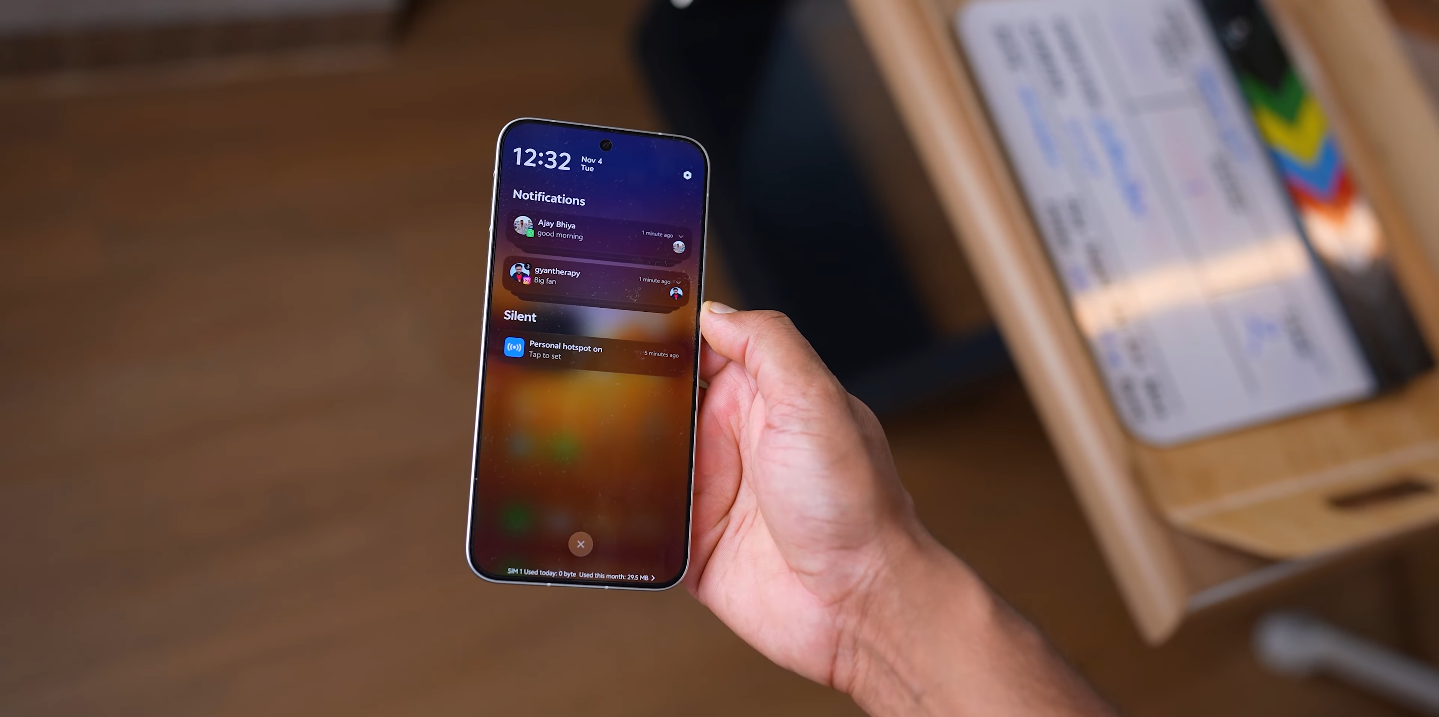
Notification and alert controls are another useful area to adjust early on. The system allows users to decide which apps can appear on the lock screen, send priority notifications, or remain silent in the background. For UK professionals and students managing busy schedules, this helps reduce distractions and keeps important alerts visible. Carefully choosing how notifications behave can make the phone feel more focused and less overwhelming throughout the day. It also supports better concentration when working, studying, or commuting.

The “Origin Island” feature is designed to centralize key information in one convenient space. It displays ongoing activities such as music playback, timers, or call status without requiring users to switch apps. Activating and customizing this area can make multitasking feel more efficient. Many UK users find it especially helpful during travel, exercise sessions, or work calls. The feature helps keep the screen organized while still showing the details that matter in the moment.

Gesture navigation is another setting that can improve the experience immediately. Switching from traditional button navigation to swipe-based gestures gives more screen space and smoother transitions between apps. The learning curve is minimal, and many users prefer the cleaner look and faster movements. Origin OS offers several gesture sensitivity options so users can fine-tune how the system responds. This makes gesture control feel natural and comfortable over time.

Battery management settings are important to review as well. The adaptive battery mode prioritizes power use for frequently used apps and reduces activity for programs running in the background. UK users who spend long hours away from chargers, especially commuters and students, can see noticeable benefits. Turning on intelligent charging can also protect battery health over time by reducing strain during overnight charging. These tools help extend both daily and long-term battery performance.

Privacy controls also play a key role in shaping the user experience. Origin OS allows detailed permission management for location access, microphone use, and background data. Reviewing these settings early ensures that apps behave as expected and keeps personal information secure. Many UK users appreciate the transparency and control provided by these options, especially when new apps are installed. Adjusting privacy preferences helps build confidence in the system’s reliability.

By exploring these settings, UK users can take full advantage of what Origin OS offers. The software is designed to adapt to different lifestyles, whether users prioritize speed, creativity, simplicity, or security. Adjusting performance tools, customizing the interface, refining notifications, and personalizing gestures helps create a device experience that feels both polished and personal. Origin OS becomes more than just a system update — it becomes a daily tool shaped around the user’s individual needs.

Overwatch Reborn: New Heroes and Storylines

Overwatch heroes standing together, ready for battle, with a cityscape in the background, showcasing the game's unique blend of action and storytelling, with a focus on the primary keyword, Overwatch

Embracing a New Era for Overwatch

As the gaming landscape continues to evolve, Blizzard is poised to breathe new life into Overwatch. The highly anticipated launch of The Reign of Talon on February 10 marks a significant turning point for the franchise. With a renewed focus on storytelling and an influx of fresh content, Overwatch is set to reclaim its position as a leading multiplayer experience.

The transition from Overwatch to Overwatch 2 was met with a mix of excitement and uncertainty. However, with the introduction of 10 new heroes and a revamped narrative, the game is now better equipped to captivate both new and veteran players. This bold move is expected to revitalize the community and foster a more engaging environment.

At the heart of this revival lies a commitment to strengthening the game’s story focus. By delving deeper into the lore and characters that make Overwatch so beloved, Blizzard aims to craft a more immersive experience. This renewed emphasis on storytelling will undoubtedly resonate with fans and attract a new wave of enthusiasts.

As the Overwatch universe continues to expand, players can expect a more dynamic and interactive world. With the introduction of new heroes and storylines, the game will offer a fresh and exciting experience that will keep players engaged for hours on end. Whether you’re a seasoned pro or just starting out, Overwatch is poised to deliver an unparalleled gaming experience.

The road ahead for Overwatch is filled with promise and possibility. As the game continues to evolve, it’s clear that Blizzard is dedicated to creating a rich and captivating world that will leave a lasting impression on the gaming community. With its unique blend of action, strategy, and role-playing elements, Overwatch is an absolute must-play for anyone looking to experience the best of what gaming has to offer.

As we look to the future, it’s exciting to think about what’s in store for Overwatch. With a strong foundation in place, the game is primed for continued growth and success. Whether you’re a fan of first-person shooters, multiplayer games, or just great storytelling, Overwatch has something for everyone. So why not join the fight and experience it for yourself?

Overwatch’s resurgence is a testament to the power of innovation and dedication. By listening to feedback and pushing the boundaries of what’s possible, Blizzard has created a game that will continue to thrill and inspire players for years to come. As we embark on this new chapter in the Overwatch saga, one thing is clear: the future has never looked brighter.

The Reign of Talon is set to be a game-changer for Overwatch, marking a new era of excitement and engagement. With its engaging storyline, memorable characters, and addictive gameplay, the game is sure to captivate audiences and leave a lasting impression. So mark your calendars for February 10 and get ready to experience the ultimate gaming experience.

In conclusion, the future of Overwatch looks bright, with a renewed focus on storytelling, new heroes, and a stronger community. As the game continues to evolve, it’s clear that Blizzard is committed to creating a rich and immersive experience that will leave a lasting impact on the gaming world. With its unique blend of action, strategy, and role-playing elements, Overwatch is an absolute must-play for anyone looking to experience the best of what gaming has to offer.

OriginOS 6 compatible Vivo phones confirmed

OriginOS 6 compatible Vivo phones confirmed

Vivo officially confirms the list of phones receiving OriginOS 6 update

Vivo has officially confirmed the list of smartphones that will receive the new OriginOS 6 update, bringing a major software upgrade to a wide range of devices in its lineup. This announcement gives users a clear view of which models are included and when the rollout will begin. The new interface is designed to deliver improved performance, better battery management, enhanced personalization options, and closer integration with AI-powered features. This move also reflects Vivo’s growing commitment to providing long-term support to its users.

The rollout of OriginOS 6 will begin in multiple phases, starting with the company’s flagship models. Premium devices such as the Vivo X Fold 5, X200 Pro, X200, and V60 series are among the first to get the update. These early recipients are expected to receive the stable build before the end of 2025, ensuring that users of the latest models experience the new OS features first. Vivo has also confirmed that its foldable devices and high-performance flagships will get the update slightly earlier than the mid-range lineup.

In the second phase, several mid-range smartphones will be included in the update plan. Devices like the Vivo X Fold 3 Pro, X100 series, and V60e will receive the OriginOS 6 upgrade shortly after the initial rollout is completed. These models will get most of the new features available in the flagship models, including enhanced animations, smarter multitasking, and an improved notification panel. Vivo aims to make the experience consistent across different price segments, which is a significant step forward compared to its earlier rollouts.

OriginOS 6 compatible Vivo phones confirmed

The third and final phase of the rollout will include older and more affordable Vivo models. Devices such as the X90 series, V40 series, T3 and T4 series, and the Y300 and Y400 models are planned to get the update by early 2026. This extended support shows Vivo’s commitment to keeping even its budget-friendly devices up to date with the latest software. For users who rely on these devices daily, this ensures better performance and an extended product lifespan.

OriginOS 6 brings several new features that focus on stability, speed, and personalization. The interface has been redesigned to offer a cleaner look with better fluidity in transitions. The company has introduced smarter app grouping, quick controls, and improved privacy settings. AI integration plays a major role in this version, with features like predictive app usage and optimized background resource allocation. This allows the system to adapt better to user behavior, leading to smoother daily performance.

One of the key improvements Vivo is emphasizing with OriginOS 6 is its long-term update policy. Users of compatible models can expect regular security patches and multiple major software updates in the coming years. This is particularly important for users who prefer keeping their devices for extended periods instead of upgrading every year. Vivo is clearly aligning itself more closely with the update strategies followed by other major Android manufacturers, making its ecosystem more reliable and future-ready.

For Vivo users, this confirmation is significant because it sets a transparent timeline for the rollout. Those using the latest flagship models will be the first to enjoy the new interface, while others can expect their turn in the coming months. The company’s structured and phased approach gives clarity to users who want to know whether their devices are eligible. As OriginOS 6 reaches more models, it is expected to strengthen the overall user experience and bring a more unified design language to Vivo’s entire lineup.

The move also puts Vivo in a stronger position in the competitive Android market. Regular updates and broad device coverage can help build more trust with users and improve long-term satisfaction. OriginOS 6’s confirmed compatibility list demonstrates that Vivo is aiming to deliver a stable, powerful, and visually appealing software experience to millions of users worldwide. For anyone currently using or considering a Vivo device, this announcement provides a solid roadmap for what to expect in the coming year.

Also Read:  OxygenOS 16 vs Pixel UI Android 16 feature comparison

OriginOS 6 gestures and navigation changes detailed

OriginOS 6 gestures and navigation changes detailed

Vivo Introduces Refined Gestures and Navigation in OriginOS 6

Vivo’s OriginOS 6 brings a complete overhaul of gestures and navigation, designed to make user interactions faster, smoother, and more intuitive. Built on Android 16, the update not only refines the visual and performance aspects of the system but also introduces a set of gesture-based controls that streamline everyday tasks. These changes are particularly valuable for users who want a fluid, one-handed experience while navigating large displays on flagship devices.

One of the key improvements in OriginOS 6 is gesture-based navigation across the system. Swipes from the edges now support multiple functions depending on the context. For example, swiping up from the bottom of the screen can return to the home screen, while swiping up and holding opens the recent apps menu. Side-edge swipes allow users to switch between apps quickly, while diagonal swipes can launch specific functions such as split-screen or multitasking shortcuts. The gestures are smoother and more responsive due to the underlying “Origin Smooth Engine,” which optimizes frame rates during transitions.

The update also introduces customizable gesture shortcuts. Users can assign gestures to perform specific actions, such as launching the camera, activating the flashlight, or opening a preferred app. This level of personalization allows users to tailor navigation to their habits and workflow. For example, a swipe from the corner of the screen could open a floating window, while a double-tap gesture could switch between two frequently used apps. These shortcuts significantly reduce the number of taps needed for common actions.

OriginOS 6 gestures and navigation changes detailed

Split-screen and multitasking gestures have been upgraded as well. Users can now swipe up with two fingers to instantly enter split-screen mode or drag an app from the recent apps menu to open it in a floating window. This gesture-based approach makes multitasking more fluid, eliminating the need to manually access menus or settings. For users managing multiple apps simultaneously, these changes save time and reduce interruptions.

Another notable enhancement is the navigation pill and gesture indicators. Vivo has redesigned the visual feedback for gestures to make interactions more intuitive. A subtle pill at the bottom of the screen now provides guidance on swipe paths, allowing users to learn and adapt to new gestures quickly. The indicators appear only briefly, ensuring they do not clutter the interface while still providing essential visual cues.

OriginOS 6 also focuses on adaptive gestures based on usage patterns. The system learns which gestures a user employs most frequently and prioritizes these actions, effectively speeding up repeated tasks. For example, if a user regularly swipes from the edge to switch apps, the system will anticipate this action and preload the next app in the background. This predictive capability enhances overall responsiveness and creates a more seamless experience.

For users concerned about precision and accidental triggers, Vivo has implemented gesture sensitivity adjustments. Users can fine-tune the responsiveness of each gesture, ensuring that accidental swipes do not interfere with daily tasks. This is particularly helpful for devices with larger displays, where edge swipes can sometimes register unintentionally.

Finally, OriginOS 6 maintains full compatibility with traditional navigation options. While gestures are emphasized, users who prefer the classic three-button navigation or two-button system can continue using them. This flexibility ensures that both new users and those accustomed to legacy Android navigation methods can operate their devices comfortably.

In conclusion, OriginOS 6 brings a comprehensive suite of gesture and navigation improvements to Vivo devices. With customizable shortcuts, predictive adaptive actions, split-screen and floating window gestures, and refined visual feedback, navigation is faster, more intuitive, and better suited for large-screen smartphones. These changes make OriginOS 6 a significant step forward in providing a fluid and user-centric interaction model, particularly benefiting professionals, students, and power users in the USA.

Overwatch Creator Jeff Kaplan Reveals Shocking Reasons for Leaving Blizzard in the UK

Jeff Kaplan, the creator of Overwatch, speaking at a gaming conference in the UK, with a crowd of fans in the background, highlighting the colour and energy of the gaming community

Jeff Kaplan’s Departure from Blizzard: A Story of Creative Differences

Jeff Kaplan, the visionary creator of Overwatch, recently opened up about his departure from Blizzard in a candid conversation with Lex Fridman. Kaplan’s reasons for leaving the gaming giant have sent shockwaves throughout the industry, with the creator citing a significant shift in the company’s behaviour. As Kaplan delved into the details, it became apparent that his decision to leave was not taken lightly.

The news of Kaplan’s departure came as a surprise to many, with fans and colleagues alike struggling to understand the reasoning behind his decision. However, in a recent podcast, Kaplan shed light on the circumstances surrounding his exit, revealing a complex web of creative differences and a changing work environment. The UK gaming community was particularly saddened by Kaplan’s departure, as he had been a driving force behind the creation of Overwatch.

Kaplan’s experience serves as a reminder that even the most successful individuals can face significant challenges in their careers. As the UK gaming industry continues to evolve, it is essential to analyse the factors that contribute to a company’s success and the behaviour of its key personnel. By examining Kaplan’s story, we can gain valuable insights into the importance of creative freedom and a positive work environment.

The UK gaming community has been abuzz with speculation about Kaplan’s next move, with many fans eagerly awaiting his upcoming projects. As the creator of Overwatch, Kaplan has left an indelible mark on the gaming industry, and his future endeavours are sure to be met with great enthusiasm. With his departure from Blizzard, Kaplan has embarked on a new chapter in his career, one that promises to be filled with exciting challenges and opportunities.

In the world of gaming, few names are as synonymous with innovation and creativity as Jeff Kaplan. As the mastermind behind Overwatch, Kaplan has consistently pushed the boundaries of what is possible in the world of gaming. His decision to leave Blizzard has sent ripples throughout the industry, with many speculating about the reasons behind his departure. As the UK gaming community continues to grow and evolve, it is essential to recognize the contributions of visionaries like Kaplan.

As the gaming industry in the UK continues to thrive, it is crucial to examine the factors that contribute to a company’s success. Kaplan’s story serves as a reminder that creative freedom and a positive work environment are essential for driving innovation and growth. By analysing the circumstances surrounding Kaplan’s departure, we can gain a deeper understanding of the complex dynamics at play in the gaming industry.

The UK gaming community is eagerly awaiting Kaplan’s next move, with many fans speculating about his upcoming projects. As the creator of Overwatch, Kaplan has established himself as a driving force in the gaming industry, and his future endeavours are sure to be met with great enthusiasm. With his departure from Blizzard, Kaplan has embarked on a new chapter in his career, one that promises to be filled with exciting challenges and opportunities.

OxygenOS 16 RAM management and multitasking test

OxygenOS 16 RAM management and multitasking test

OxygenOS 16 Boosts RAM Management and Multitasking Efficiency

OxygenOS 16, the latest Android 16-based update for OnePlus devices, introduces significant improvements in RAM management and multitasking performance. These enhancements aim to provide users with a smoother, more responsive experience, especially during demanding tasks like gaming, video editing, and running multiple apps simultaneously. Real-world testing shows that OxygenOS 16 manages system resources more efficiently, reducing app reloads and improving overall device fluidity.

A major highlight of OxygenOS 16 is its enhanced RAM management system. The update introduces a “zero-lag engine” that dynamically allocates CPU and GPU resources depending on the task at hand. This ensures that foreground applications receive priority while background processes are minimized without being entirely closed. Users experience fewer app reloads, faster transitions, and consistent performance even when several applications are running simultaneously. The system also uses memory compression techniques that allow the device to hold more apps in active memory without significant slowdowns.

Multitasking capabilities have been refined in OxygenOS 16. The split-screen mode has been upgraded to allow seamless operation of two apps side by side. Users can watch a video while browsing the web or take notes while messaging, with minimal performance impact. The app switcher interface has also been optimized for speed and intuitiveness, enabling quick access to recently used apps. The improved RAM handling ensures that apps remain ready in memory, reducing the time spent waiting for reloads and making multitasking more efficient.

OxygenOS 16 RAM management and multitasking test

Real-world tests reveal that OxygenOS 16 handles intensive workloads exceptionally well. For example, gaming while running social media apps in the background does not cause noticeable lag or stuttering. Switching between multiple high-demand apps such as video editors, browsers with multiple tabs, and streaming platforms is smooth, with the system efficiently distributing resources to maintain responsiveness. Users report that even after long sessions of heavy multitasking, the device remains fluid, with no unexpected slowdowns or crashes.

Another aspect of the update is intelligent background app management. OxygenOS 16 identifies apps that are inactive or consuming unnecessary resources and limits their activity without shutting them down completely. This approach ensures that critical tasks receive enough memory and processing power while extending battery life and maintaining system stability. Compared to previous versions like OxygenOS 14, users notice a significant reduction in background app closures, which results in a more seamless experience when returning to previously used apps.

Performance during high-demand tasks also sees substantial improvements. Video editing, graphic-intensive gaming, and multitasking between multiple apps are smoother thanks to optimized memory allocation and system-level enhancements. Users have noted that system animations, app openings, and gestures remain fluid even under high memory usage. This is particularly beneficial for power users who frequently rely on their devices for productivity or creative work.

The combination of improved RAM management and multitasking in OxygenOS 16 contributes to a more consistent and reliable user experience. Tasks that previously caused slowdowns or temporary system freezes now run more predictably. The OS intelligently balances memory, CPU, and GPU resources, ensuring that all applications—whether running in the foreground or background—function efficiently without degrading overall performance.

In addition, OxygenOS 16’s system optimizations extend beyond multitasking. The update reduces unnecessary background activity, improves app caching, and prioritizes memory usage for active tasks. These enhancements not only improve responsiveness but also contribute to better battery efficiency, as apps and processes consume only the power needed for their current activity. Users report that devices running OxygenOS 16 feel faster and more stable in everyday use, even after prolonged heavy usage.

Overall, OxygenOS 16 marks a significant advancement in how OnePlus devices handle RAM and multitasking. By implementing dynamic resource allocation, memory compression, and improved multitasking features, the OS provides a smoother, more responsive experience. Users can enjoy uninterrupted gaming, efficient productivity workflows, and seamless app switching without the frustrations of slow reloads or background app closures. The update demonstrates OnePlus’s commitment to enhancing device performance and usability through intelligent system design, ensuring that OxygenOS 16 delivers a superior, reliable, and efficient user experience.

Also Read:  Oppo Find X8 Ultra vs Realme GT 7 Pro specs battle

Philips Hue Bridge Update: Enhancing Smart Home Experience

A person controlling their smart home lighting system using the Philips Hue Bridge, with a warm and colourful glow in the background, showcasing the convenience and personalisation of smart lighting technology.

Philips Hue Bridge Update: What’s New and What to Expect

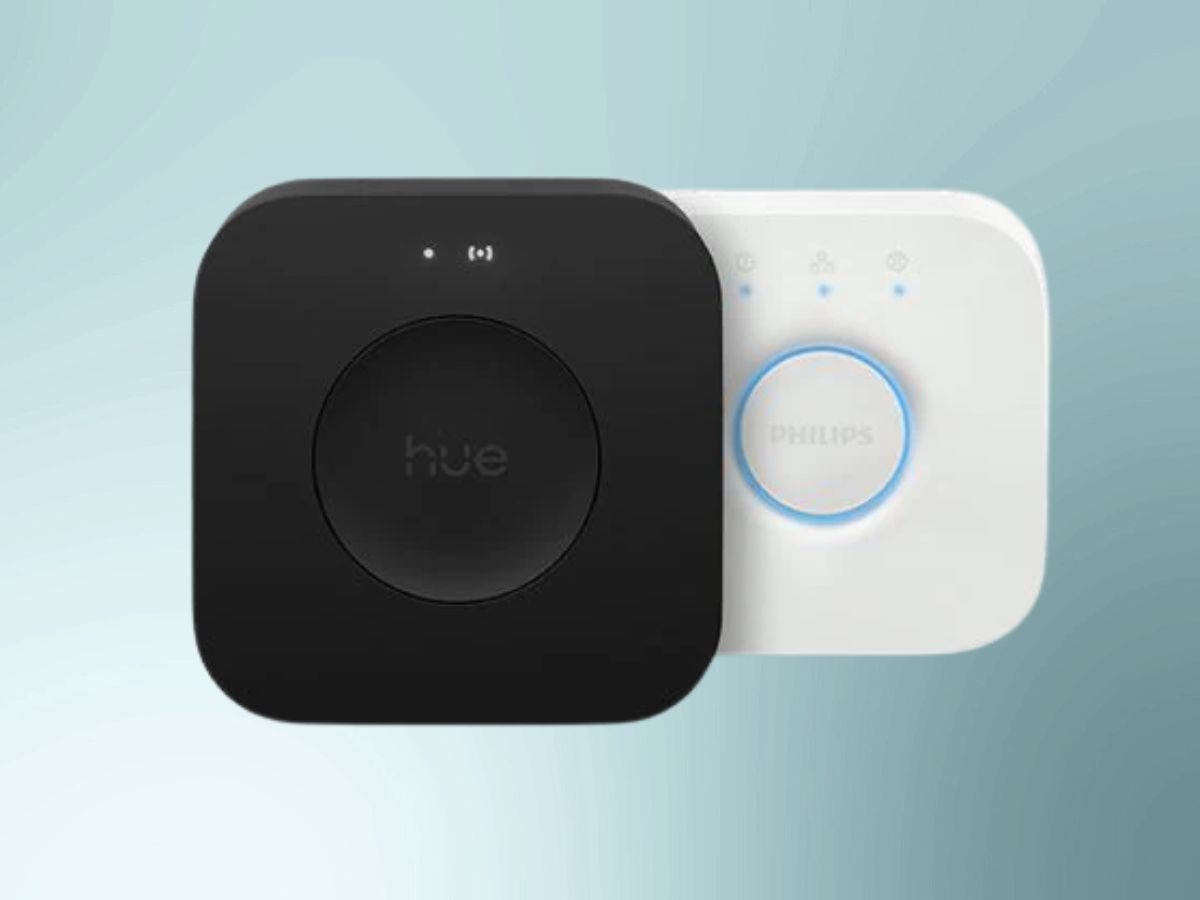
The Philips Hue Bridge Pro and Bridge v2 devices have just received new software updates, bringing minor yet notable improvements to these smart home staples. Versions 2071223010 and 1975170000 are the latest releases, focusing on refining the user experience. Despite these updates, users are still eagerly awaiting the launch of a new dynamic lighting feature.

For those invested in the Philips Hue ecosystem, these updates are a welcome sign of ongoing support and development. The Philips Hue Bridge is the central hub that connects and controls all Philips Hue smart lighting products, making it an essential component of any smart home setup. With these new updates, users can expect a more streamlined and efficient experience.

Although the updates may not be revolutionary, they demonstrate the company’s commitment to continually enhancing and refining its products. As the smart home market continues to evolve, it’s crucial for manufacturers like Philips to stay ahead of the curve and address user needs. The updates to the Philips Hue Bridge Pro and Bridge v2 are a testament to this dedication.

The anticipation for the new dynamic lighting feature, however, remains high. This upcoming feature promises to bring a new level of sophistication and personalisation to smart lighting, allowing users to tailor their lighting experiences like never before. While the current updates may not include this feature, they lay the groundwork for future innovations and reinforce the Philips Hue system’s position as a leader in smart home technology.

In conclusion, the latest updates to the Philips Hue Bridge Pro and Bridge v2 may be minor, but they contribute to the overall maturity and reliability of the Philips Hue ecosystem. As smart home technology advances, the importance of consistent updates and improvements cannot be overstated. Philips Hue’s commitment to its users is evident, and the community eagerly awaits what’s next for this pioneering brand.

With the smart home market becoming increasingly crowded, brands must innovate and adapt to stay relevant. Philips Hue, with its dedication to quality and user experience, continues to set the standard for smart lighting solutions. The recent updates, though modest, are a step in the right direction, ensuring that Philips Hue remains at the forefront of smart home technology.

For those looking to enhance their smart home experience, the Philips Hue system, with its updated Bridge Pro and Bridge v2, offers a robust and reliable foundation. Whether you’re a seasoned smart home enthusiast or just starting to explore the possibilities of smart lighting, Philips Hue’s commitment to excellence makes it an excellent choice.

The future of smart home technology is exciting and rapidly evolving. With brands like Philips Hue pushing the boundaries of what’s possible, users can expect a future filled with innovative, user-centric solutions. The recent updates to the Philips Hue Bridge Pro and Bridge v2 are a small but significant part of this larger narrative, underscoring the importance of continuous improvement and customer satisfaction.