OxygenOS 16 AI powered voice recorder new features

OxygenOS 16 AI powered voice recorder new features

OxygenOS 16 Brings AI Enhancements to Voice Recorder

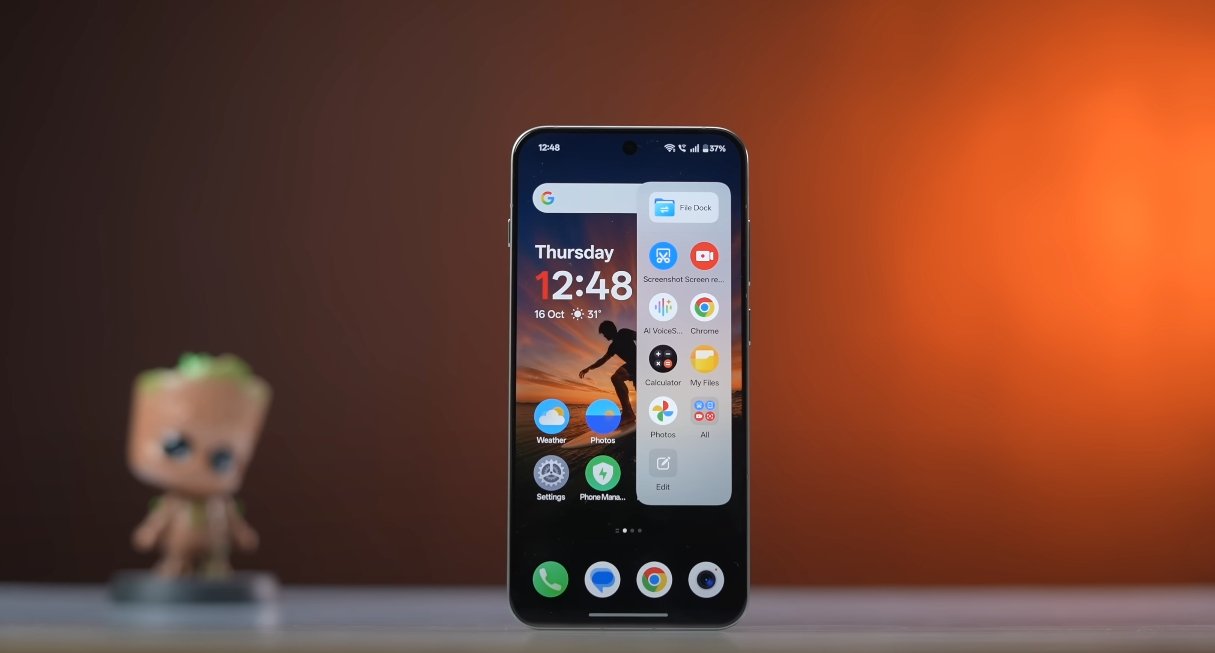
OxygenOS 16 introduces a major upgrade to the voice recording experience on OnePlus devices, incorporating advanced AI features to make recording, transcribing, and managing audio easier than ever. The AI-powered Voice Recorder is designed for productivity, offering tools for real-time transcription, speaker identification, AI-generated summaries, background noise reduction, and easy sharing. These improvements transform the app into a versatile tool suitable for students, professionals, and content creators.

One of the most significant additions is real-time transcription. Users can now capture spoken content and see it converted to text instantly. This feature simplifies note-taking during lectures, meetings, or interviews, allowing users to focus on the conversation without worrying about missing details. The transcription is designed to be highly accurate, accommodating natural speech patterns and different accents. This functionality alone makes the Voice Recorder a powerful tool for professionals who need accurate records of discussions or brainstorming sessions.

Speaker identification further enhances the app’s usability. The system can differentiate between multiple voices in a recording, attributing each segment to the correct speaker. This is particularly useful in meetings, interviews, or group discussions, where it can be challenging to keep track of who said what. By separating voices, users can quickly reference individual contributions without manually reviewing the entire recording. This feature saves time and increases the clarity of meeting notes or content for later review.
OxygenOS 16 AI powered voice recorder new features

Another key enhancement is AI-generated summaries. After a recording, the AI can produce concise summaries highlighting the main points and essential information. Users no longer need to sift through long recordings or transcripts to extract the most important details. This functionality is particularly beneficial for professionals who attend multiple meetings daily, students reviewing lectures, or journalists summarizing interviews. It streamlines workflow and allows users to act on the information quickly.

Background noise reduction is another significant improvement. The AI intelligently filters out ambient noise, ensuring clearer recordings even in challenging environments. Users can record in public spaces, busy offices, or outdoor locations without compromising audio quality. This makes the Voice Recorder practical for fieldwork, content creation, and casual recording, where noise would otherwise reduce clarity and require manual editing.

The app also introduces shareable links for recordings. Users can easily generate a link to their audio file, which can be shared with colleagues, classmates, or collaborators. This feature makes collaboration simpler, allowing multiple people to access and review recordings without having to send large files directly. It is particularly useful for remote teams, students working on group projects, or professionals collaborating across locations.

Integration with Mind Space and Google Gemini AI further expands the capabilities of the Voice Recorder. Users can save voice memos directly to Mind Space, where Gemini AI can analyze the content to organize notes, generate summaries, or suggest actionable tasks. This integration creates a seamless workflow from recording to productivity, allowing users to maximize the value of every voice memo. AI-powered suggestions also help users categorize and prioritize their recordings, making the app not only a recording tool but also a productivity assistant.

Real-world testing of OxygenOS 16’s AI-powered Voice Recorder shows that these features work reliably across various scenarios. Students find it easier to take notes during lectures, professionals can document meetings accurately, and content creators can produce scripts and outlines quickly. The combination of transcription, summaries, speaker separation, and noise reduction ensures recordings are useful immediately after capture, reducing the need for additional editing or manual note-taking.

In conclusion, the AI-powered Voice Recorder in OxygenOS 16 represents a major step forward in mobile recording technology. By combining real-time transcription, speaker identification, AI-generated summaries, background noise reduction, and shareable links, OnePlus has created a tool that enhances productivity and collaboration. Integration with Mind Space and Google Gemini AI ensures that recordings are not only captured efficiently but also leveraged effectively for actionable insights. For anyone seeking a comprehensive, intelligent, and user-friendly voice recording solution, OxygenOS 16 delivers a transformative experience that makes managing audio easier and more productive than ever before.

Also Read:  Budget Smartphone POCO M7 Gaming Experience
OriginOS 6 vs OriginOS 5 feature comparison

OriginOS 6 vs OriginOS 5 feature comparison

Major upgrades and changes between OriginOS 6 and OriginOS 5

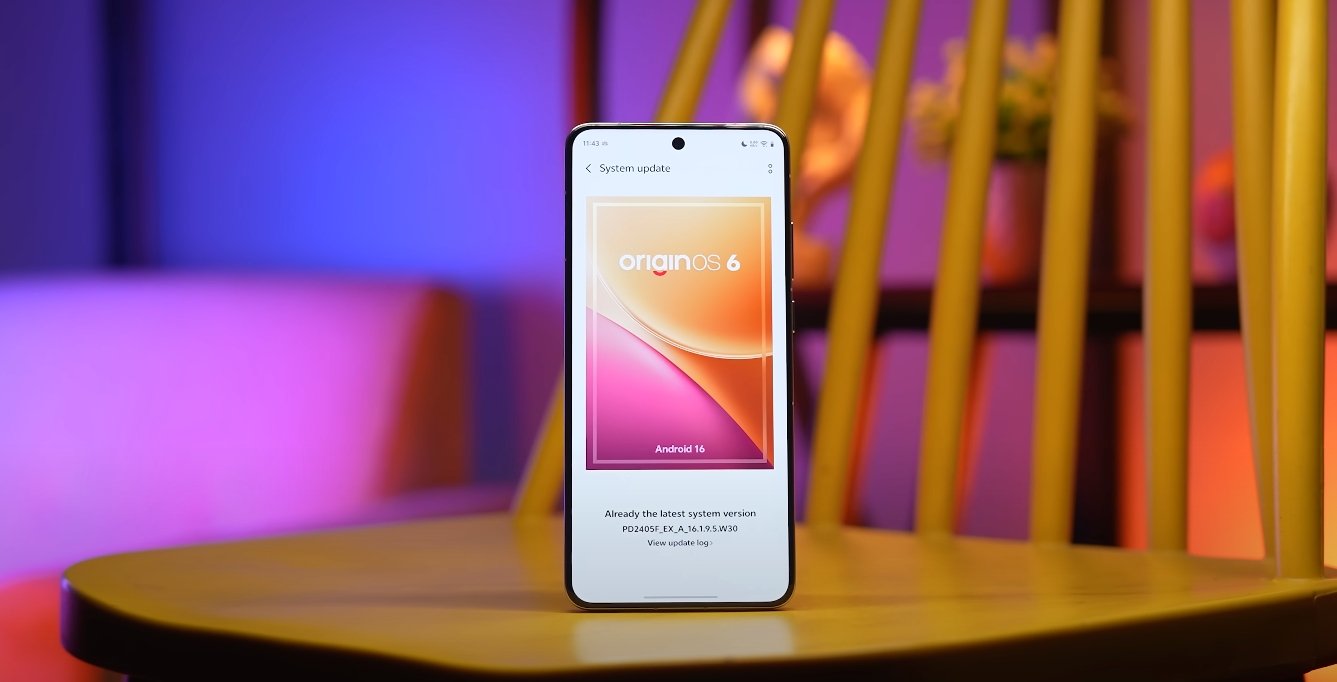
OriginOS 6 has officially rolled out as Vivo’s latest custom Android skin, bringing a major wave of changes over OriginOS 5. This update focuses on smoother performance, improved visual design, smarter AI integration, stronger privacy controls, and deeper device connectivity. While OriginOS 5 was already well-optimized and popular among Vivo users, the new version aims to deliver a more fluid and intelligent experience across the company’s entire device lineup.

One of the most noticeable improvements in OriginOS 6 is its performance. Vivo has worked on optimizing system responsiveness, leading to faster app launches, more stable frame rates, and better background memory management. This means users can switch between multiple apps with less lag and experience smoother scrolling and animations. OriginOS 5 already provided good speed and stability, but the new performance engine in OriginOS 6 makes everyday usage feel more consistent and polished, especially on devices with high refresh rate displays.

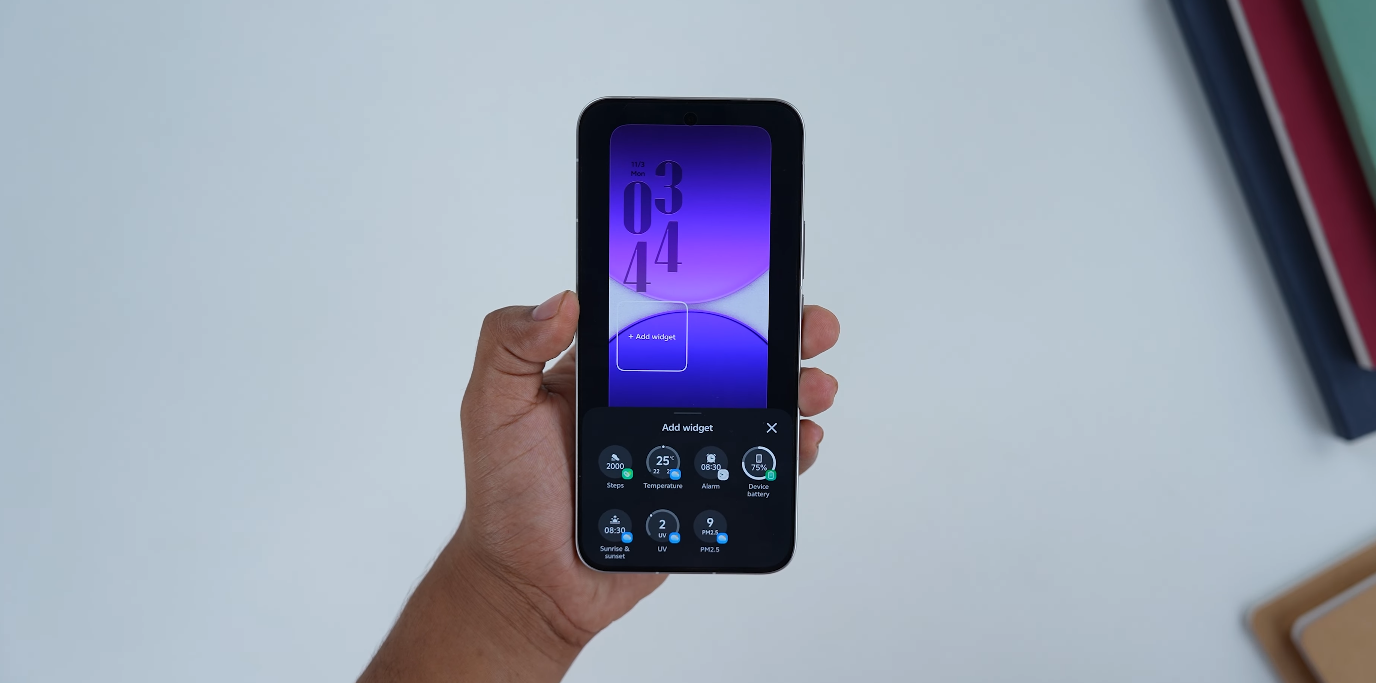
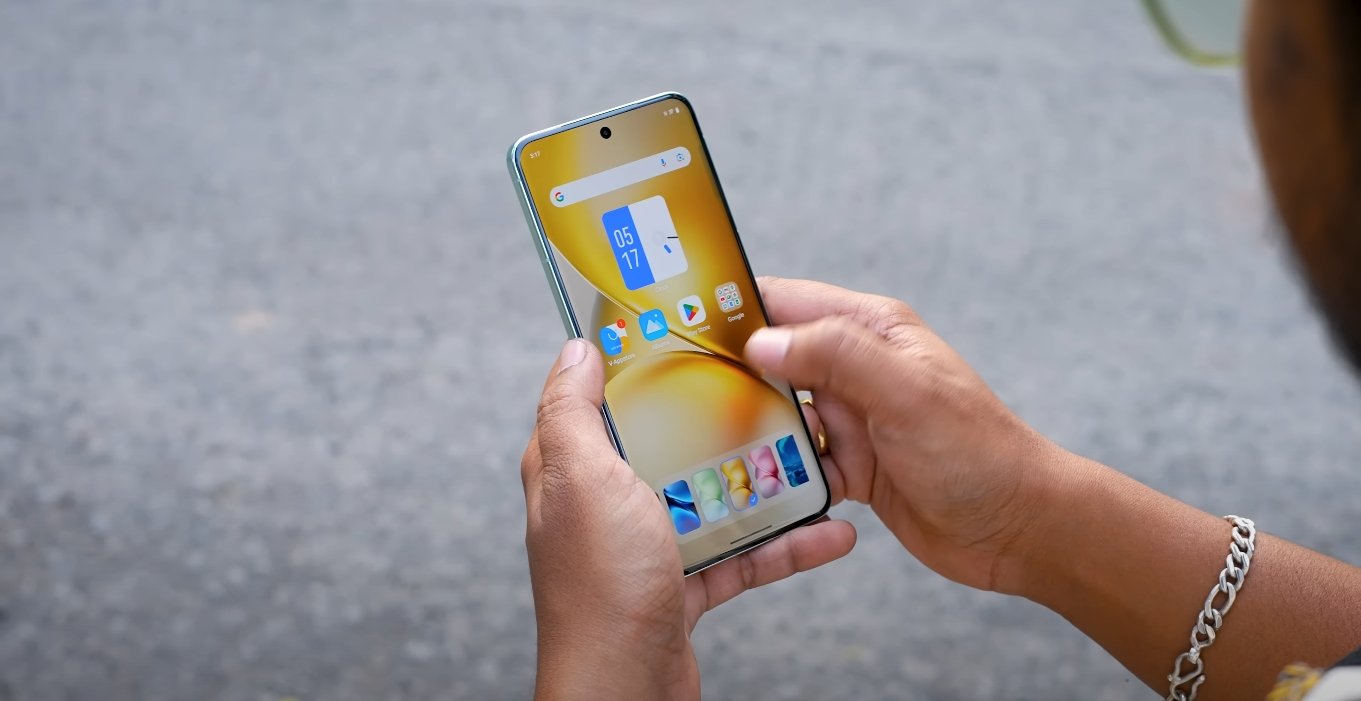
The user interface has also gone through a visible transformation. OriginOS 6 adopts a cleaner and more modern design with enhanced transparency effects, smoother animations, and refined icons. Widgets can now be placed more freely across the home screen, allowing users to build layouts that match their personal style. OriginOS 5 offered basic customization, but the new version makes the entire system more flexible, giving users greater control over how their device looks and functions. Transitions and visual effects are also more natural, making navigation across the OS feel more premium.

OriginOS 6 vs OriginOS 5 feature comparison

Artificial intelligence plays a bigger role in OriginOS 6 than ever before. The system can now predict user actions more accurately, offer contextual suggestions, and automate routine tasks. For example, copying text or numbers triggers quick action options, making it easier to complete tasks without switching between apps. The personal assistant has been enhanced to handle more commands and understand user habits over time. While OriginOS 5 had some AI-based enhancements, the new version makes these features more deeply integrated into the overall system.

Customization has always been a key focus of Vivo’s software, and OriginOS 6 pushes this further. Users can change grid layouts, apply advanced icon packs, stack multiple widgets in the same space, and customize fonts and colors more extensively. This deeper level of personalization means no two devices have to look the same. OriginOS 5 allowed basic theme changes and widget adjustments, but OriginOS 6 gives users more creative freedom, making the interface more expressive and personal.

Connectivity and ecosystem support have also improved in OriginOS 6. Vivo has focused on making its devices work together more seamlessly, whether it’s sharing files between a phone and a tablet or continuing a task across different devices. The improved continuity features make it easier for users to stay productive, whether at home, at work, or on the go. This is an area where OriginOS 5 was functional but not as smooth or tightly integrated as the new version.

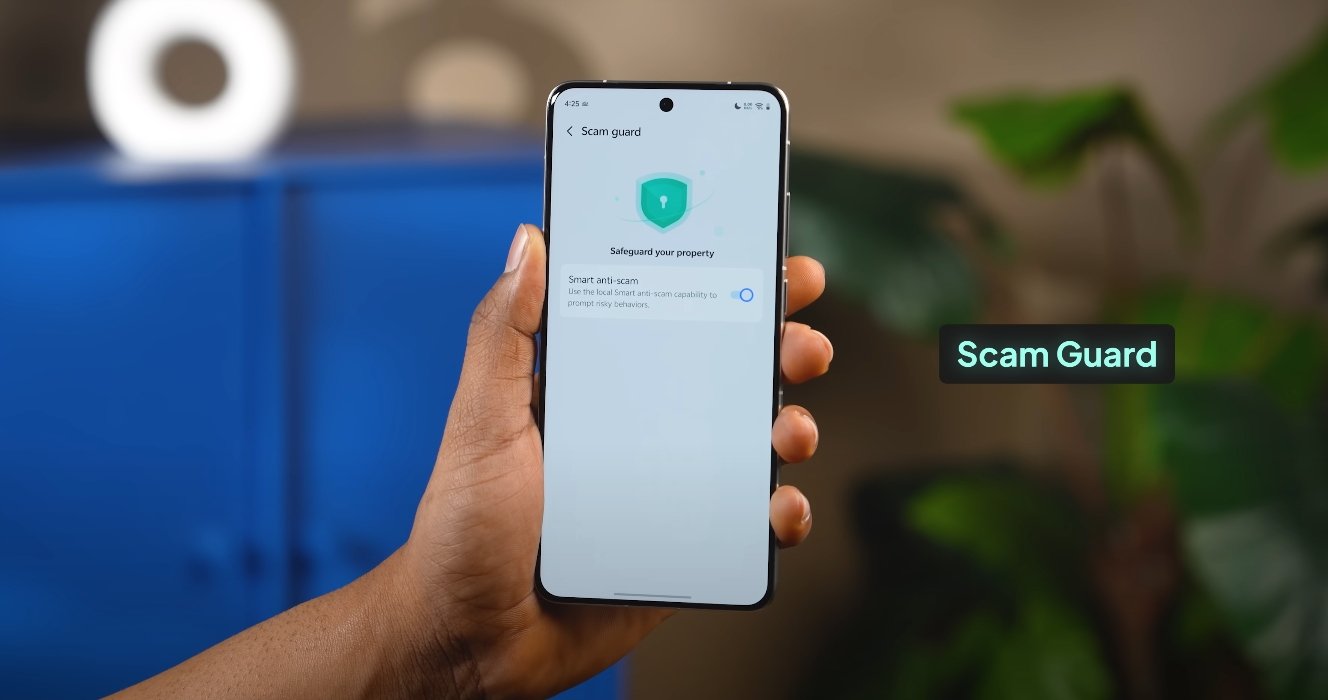
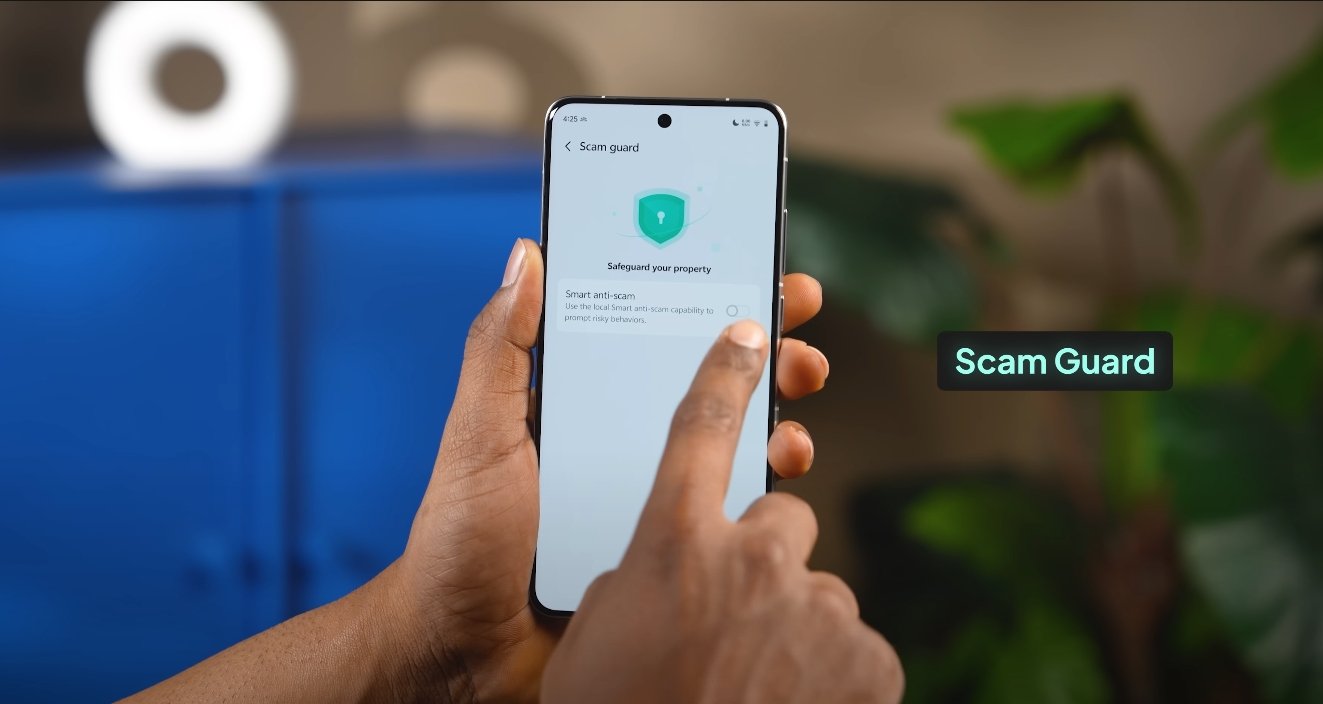
Battery optimization and security have also received significant upgrades. OriginOS 6 uses improved background task management to reduce unnecessary power usage, helping devices last longer between charges. Memory allocation has been fine-tuned to make better use of available resources, especially on mid-range devices. Security enhancements include more advanced app permission management, privacy-focused spaces, and better system protection. These improvements make daily use more secure without compromising on performance or convenience.

In summary, OriginOS 6 represents a more mature, refined, and intelligent version of Vivo’s software. While OriginOS 5 laid the groundwork for performance and design, the new version takes everything several steps further. It’s faster, more customizable, more secure, and better connected with other devices. For users who value fluid performance, deep personalization, and strong ecosystem integration, OriginOS 6 brings a clear advantage over its predecessor. Those still using OriginOS 5 will find the upgrade to OriginOS 6 to be a meaningful and noticeable improvement in their overall smartphone experience.

Also Read:  OxygenOS 16 vs Pixel UI Android 16 feature comparison

OriginOS 6 vs Android 14 visual design changes

OriginOS 6 vs Android 14 visual design changes

Comparing Vivo’s new interface with Google’s latest OS

OriginOS 6 and Android 14 offer two distinct approaches to visual design and user experience. While both are built on the latest Android foundation, Vivo’s OriginOS 6 focuses on immersive animations, depth, and dynamic customization, whereas Android 14 emphasizes minimalism, personalization, and streamlined functionality. These differences reflect the companies’ design philosophies and their target user experiences.

OriginOS 6 introduces Vivo’s “Light and Shadow Space” design, which emphasizes depth and motion to create a more tactile interface. Elements like soft-rounded corners, structured card layouts, and layered transparency contribute to a visually rich environment. Animations are smoother and transitions more fluid, providing users with a sense of natural movement. Android 14, on the other hand, builds upon the Material You design language, now called “Material 3 Expressive.” This version focuses on vibrant colors, bold typography, and simplified interface elements, giving users more flexibility to personalize their devices without overwhelming the visual hierarchy.

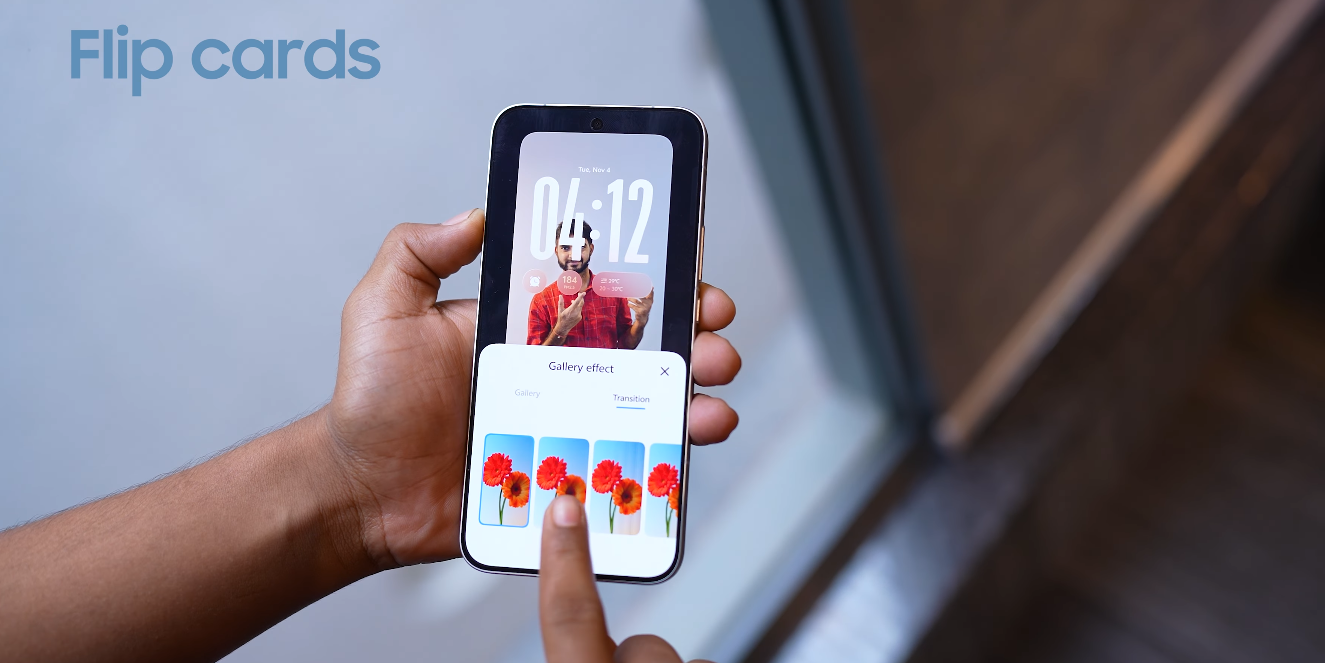
One of the most noticeable changes in OriginOS 6 is the lock screen. The interface now uses dynamic modules that adapt to user activity. Features such as adaptive folders, 4×7 grid layouts, and Flip Cards respond to device orientation, while the “Origin Island” displays real-time notifications and statuses, similar to dynamic interactive widgets. Android 14 enhances lock screen customization by allowing shortcuts, improved at-a-glance information, and simpler wallpaper switching. Both systems aim to give users relevant information at a glance, but OriginOS 6 uses more layered and animated visual cues, while Android 14 prioritizes straightforward readability and accessibility.

OriginOS 6 vs Android 14 visual design changes

Animations and transitions are another area where the two OS versions differ. OriginOS 6 incorporates the “Origin Smooth Engine,” which powers fluid transitions such as Spring Animation, Blur Transition, and Morphing Animation. These effects create a rhythmical flow throughout the interface, enhancing the sense of immersion. Android 14, while also improving animation smoothness, focuses more on subtle transitions and monochromatic modes that reduce visual noise and maintain a consistent, minimalistic experience. The approach in Android 14 prioritizes functionality and clarity over visually striking effects.

Typography and fonts have been updated in both systems to complement their visual strategies. OriginOS 6 introduces Vivo Sans 2, a font designed for consistency, readability, and support across multiple languages. This choice enhances the overall aesthetic by harmonizing text with the dynamic visual environment. Android 14 emphasizes bold and expressive typography as part of its Material 3 Expressive design, allowing for more creative use of text and headings while maintaining legibility and a clean interface. Both systems focus on clarity, but Vivo emphasizes uniformity, while Android 14 encourages personal expression.

Wallpaper and visual depth are also treated differently. OriginOS 6 includes dynamic wallpapers that adapt to lighting and device activity, adding visual interest while maintaining performance efficiency. These wallpapers work in tandem with the layered UI to create a sense of three-dimensional space. Android 14, in contrast, focuses on Material You’s dynamic color theming, which extracts colors from the user’s wallpaper and applies them consistently across system UI elements. This approach ensures a cohesive aesthetic with minimal distraction, emphasizing user choice and system-wide visual consistency.

Customization beyond wallpapers is a highlight of both operating systems. OriginOS 6 allows users to adjust clock styles, icon layouts, and interactive widgets on both the home and lock screens, giving the OS a unique and personal feel. Android 14 continues to expand on Material You personalization, enabling users to modify system colors, shapes, and interface styles across apps and menus. OriginOS 6 prioritizes a visually immersive and dynamic experience, whereas Android 14 emphasizes simplicity and coherence, giving users an interface that feels clean yet flexible.

In conclusion, OriginOS 6 and Android 14 cater to different user preferences when it comes to visual design. OriginOS 6 delivers a dynamic, immersive interface with layered animations, adaptable widgets, and rich visual depth, appealing to users who enjoy expressive and tactile design. Android 14 focuses on minimalist elegance, smooth personalization, and consistent color theming, targeting users who prefer a clean, straightforward interface with subtle customization options. Both operating systems improve the user experience through thoughtful design changes, but the choice ultimately depends on whether the user values immersive visual effects or streamlined minimalism.

Also Read:  OxygenOS 16 lock screen and AOD customization review

Overwatch Season 2: Revamping Heroes in the UK

Overwatch Season 2 updates bring new life to the game in the UK, with revamped hero kits and post-match accolades

Revitalising Overwatch: Season 2 Updates

Blizzard has announced significant updates for Overwatch Season 2, set to revitalise the game in the UK. The Director’s Take has revealed that baseline upgrades will be introduced for Mercy, Reaper, and Pharah. These upgrades aim to enhance the overall gaming experience, making it more engaging for players across the UK.

The upcoming season will also see the return of post-match accolades, allowing players to acknowledge and appreciate each other’s skills and behaviour. Moreover, map-vote majorities will be given more control, enabling teams to make more strategic decisions during the game.

The introduction of baseline upgrades for older hero kits is a significant step towards revamping the game. This move is expected to analyse the current meta and bring a fresh wave of excitement to the UK gaming community. With these updates, Blizzard aims to reinvigorate the game, making it more appealing to both new and veteran players.

In addition to the hero kit reworks, the return of post-match accolades will foster a sense of community and sportsmanship among players. This feature will enable players to recognise and reward outstanding behaviour, such as exceptional team play or clutch performances.

The revamped map-vote system will also have a significant impact on the game, as it will allow teams to make more informed decisions about which maps to play. This change is expected to lead to more competitive and strategic gameplay, as teams will need to carefully consider their map choices to gain an advantage.

Overall, the updates announced for Overwatch Season 2 are set to bring a new level of excitement and competition to the game in the UK. With the introduction of baseline upgrades, the return of post-match accolades, and the revamped map-vote system, Blizzard is poised to revitalise the game and attract a new wave of players.

The UK gaming community is eagerly awaiting the release of Overwatch Season 2, and with these updates, it’s clear that Blizzard is committed to delivering a high-quality gaming experience. As the season progresses, players can expect to see a significant impact on the game’s meta, with the potential for new strategies and playstyles to emerge.

In conclusion, the updates announced for Overwatch Season 2 are a major step forward for the game, and are set to have a significant impact on the UK gaming community. With its unique blend of action-packed gameplay and strategic team play, Overwatch is poised to remain one of the most popular games in the UK for the foreseeable future.

OriginOS 6 beta rollout starts for Vivo users

OriginOS 6 beta rollout starts for Vivo users

Vivo Begins Beta Rollout of OriginOS 6 for Early Testers

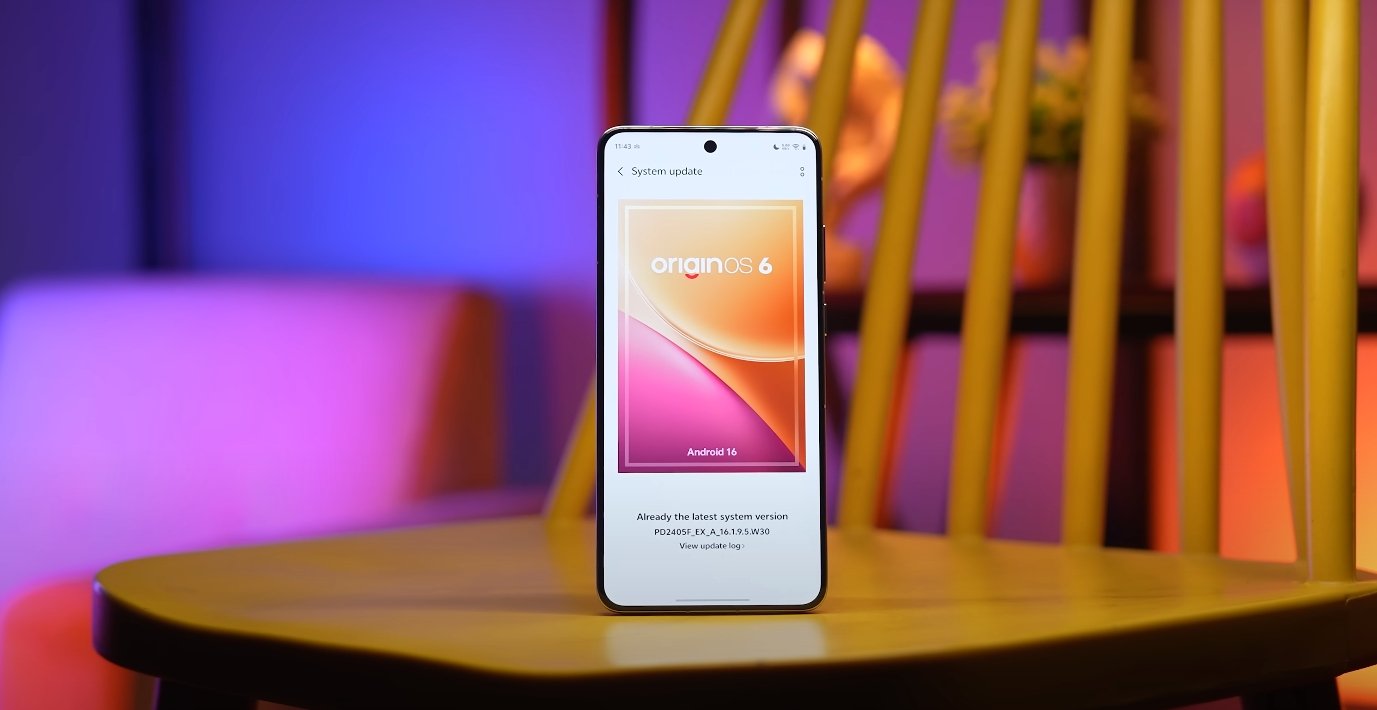
Vivo has officially started the beta rollout of its latest custom Android skin, OriginOS 6, marking the beginning of a major software transition for the brand’s global users. Built on Android 16, the update introduces a refreshed interface, smoother animations, and AI-driven improvements aimed at enhancing daily usability. The beta phase is currently being made available to a select group of users who registered for early access through Vivo’s developer program.

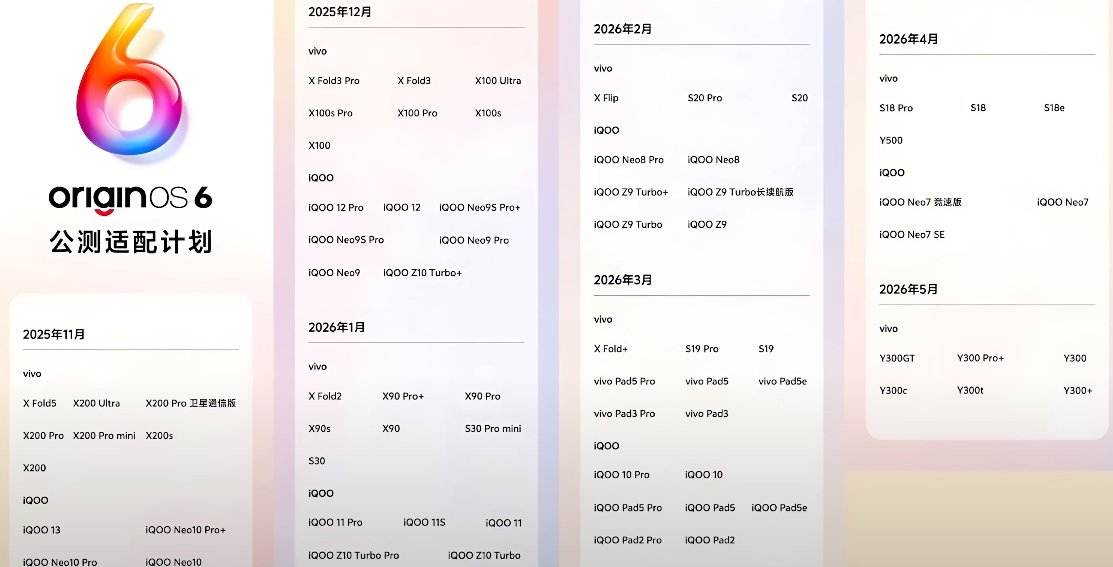
The rollout focuses first on flagship and upper-midrange devices, with models like the Vivo X200 series, X Fold 3, and iQOO 13 among the first to receive the update. Vivo plans to expand the beta to additional devices over the coming weeks, followed by a stable global release expected later this year. The company’s approach ensures that early testers can provide valuable feedback before the full-scale deployment begins.

OriginOS 6 introduces a completely redefined design language centered around light, depth, and fluidity. The new “Light and Shadow Space” system gives the interface a more layered and dynamic appearance, while transitions and gestures have been refined for natural movement. Icons now feature soft shadows and subtle animations, creating a modern, cohesive aesthetic. Vivo has also updated its system font, Vivo Sans 2, for improved readability and international support, making the UI more visually consistent across regions.

OriginOS 6 beta rollout starts for Vivo users

In addition to visual upgrades, the beta focuses on performance enhancements powered by the new Smooth Engine. This framework optimizes frame rates, app launch times, and overall touch response. Early users have reported that the system feels faster and more stable than OriginOS 4, with improved background resource management. The update also brings better power efficiency, ensuring that high frame rates and fluid transitions don’t drain the battery excessively.

A key highlight of the beta is the introduction of “Origin Island,” an interactive mini-interface that appears near the top of the screen. It functions as a live status bar for real-time information such as incoming calls, music playback, timers, and system notifications. This feature allows users to multitask more efficiently without switching between apps. Vivo’s implementation of this feature is seamless, providing quick actions and smooth transitions that make navigation feel intuitive.

The quick settings panel and notification center have also received significant improvements. The layout is cleaner and more organized, with rounded toggles, translucent backgrounds, and subtle shadow effects that give a sense of depth. Users can now customize the arrangement and size of the tiles, while smart grouping automatically sorts notifications to prevent clutter. The updated control panel feels more accessible and visually balanced, aligning with Vivo’s goal of offering a simple yet elegant interface.

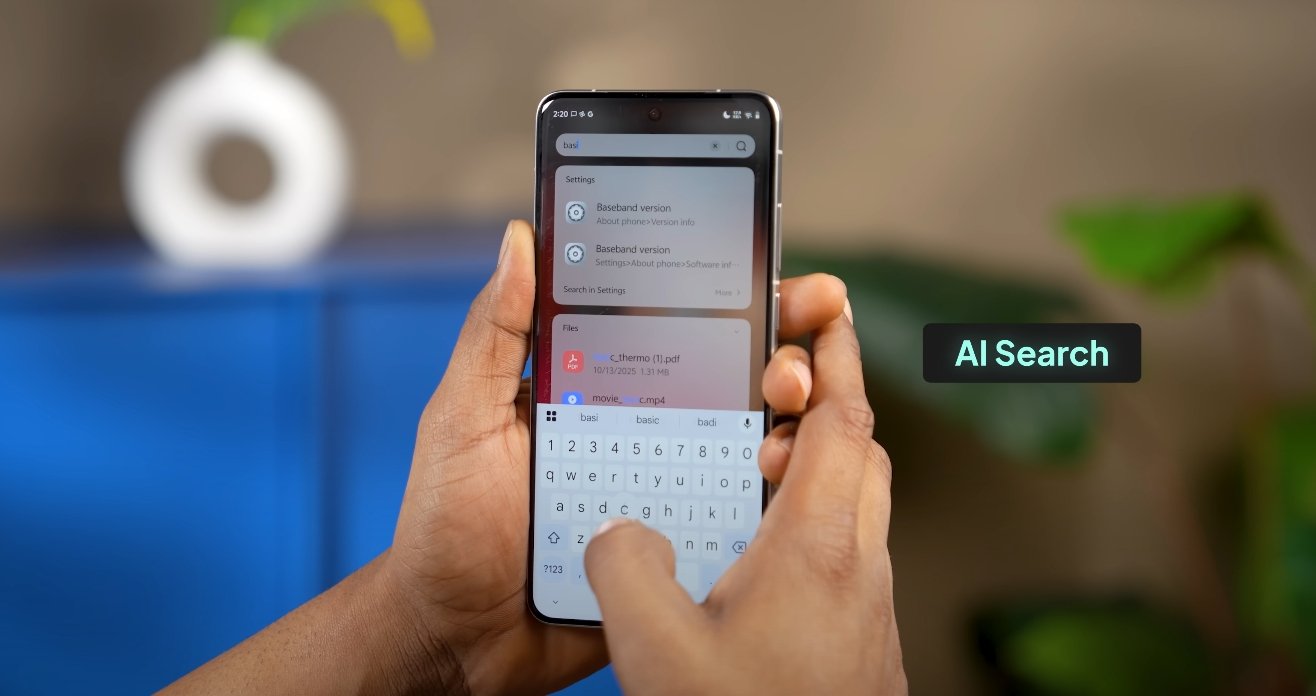
Vivo has also expanded its AI capabilities in OriginOS 6. The new Smart Scene system analyzes user behavior to deliver contextual recommendations and automate tasks. This includes adaptive brightness adjustments, app launch predictions, and routine-based actions such as switching sound profiles or activating battery saver mode. AI features like Smart Erase, AI Copy, and AI Search are being tested to streamline content interaction, enabling faster text extraction, image recognition, and file management within the system.

During the beta phase, Vivo will collect performance data and bug reports from testers to ensure system stability and compatibility across its device lineup. The company is encouraging feedback through its built-in feedback app, where users can report any inconsistencies, crashes, or UI glitches. The feedback will help Vivo finalize optimizations before the stable release, ensuring a polished experience for all users.

The rollout timeline suggests that the stable version of OriginOS 6 will begin reaching global users by late November, extending through early 2026 depending on device model and region. Flagship devices are prioritized for early delivery, while older or budget-friendly models are expected to receive the update in later phases. This gradual rollout strategy helps Vivo maintain performance consistency across hardware variations.

For those not part of the beta program, the stable build promises to bring the same refined design, AI integration, and improved fluidity once testing is complete. Vivo’s renewed focus on user experience and visual design in OriginOS 6 highlights its ambition to match or surpass competing Android skins in both aesthetics and functionality. The beta phase is a crucial step toward achieving that goal, laying the groundwork for a more polished and intelligent software experience.

In summary, the OriginOS 6 beta rollout marks the start of a new chapter for Vivo’s software ecosystem. The update blends visual sophistication with intelligent performance tuning, offering a smoother, smarter, and more personalized interface. With its combination of modern design, deep AI integration, and user-driven refinements, OriginOS 6 sets the stage for Vivo’s most advanced and cohesive software experience to date.

Also Read:  Oppo Find X8 Ultra vs Vivo X300 FE design comparison

OriginOS 6 vs HarmonyOS 5 smoothness comparison

OriginOS 6 vs HarmonyOS 5 smoothness comparison

Comparing Smoothness Between OriginOS 6 and HarmonyOS 5

Vivo’s OriginOS 6 and Huawei’s HarmonyOS 5 are two of the most advanced Android-based operating systems available today, each emphasizing smooth performance and fluid user interactions. Both systems aim to provide seamless navigation, fast app launches, and responsive animations, but they achieve this through different design philosophies and technical optimizations. Comparing the two reveals how design, AI integration, and system-level enhancements contribute to the overall smoothness of the user experience.

OriginOS 6 is built around a visually dynamic design philosophy called “Light and Shadow Space.” This approach emphasizes depth, layering, and fluid motion across the user interface. Icons, widgets, and menus have subtle shadows and smooth transitions that make navigation feel more natural. The operating system uses the Origin Smooth Engine to optimize frame rates and reduce stutter, ensuring that animations remain consistent even when multiple apps are running. Users report that gestures, swipes, and transitions feel responsive and precise, giving the interface a sense of elasticity and continuity.

A notable contributor to the smoothness of OriginOS 6 is its AI-driven enhancements. Features such as “Flip Cards” widgets and adaptive animations respond in real time to user interactions, making the interface feel lively and intelligent. For example, when opening a folder or switching apps, animations adjust naturally based on touch speed and direction. Memory management has also been optimized to prioritize active applications while minimizing background resource usage, preventing lag during multitasking or heavy app usage. These improvements make OriginOS 6 feel fluid over extended use, maintaining a high level of responsiveness even on demanding tasks.

OriginOS 6 vs HarmonyOS 5 smoothness comparison

HarmonyOS 5, Huawei’s latest operating system, takes a slightly different approach to smoothness. Its performance is powered by the Ark Engine, which focuses on optimizing graphics rendering and system efficiency. HarmonyOS 5 emphasizes faster app launches, smoother scrolling, and consistent UI transitions across the system. Cross-device functionality is also integrated, allowing tasks to move seamlessly between phones, tablets, and PCs. This emphasis on interconnected performance ensures that interactions remain fluid even when switching devices or using complex multi-window setups.

In terms of raw responsiveness, both systems perform admirably. OriginOS 6 excels in delivering natural-feeling gestures and interactive animations, creating a sense of continuity across screens. HarmonyOS 5 focuses more on maintaining steady performance and optimizing system resources to avoid frame drops, which is especially noticeable in resource-intensive applications or during long-term usage. Users of HarmonyOS 5 report smooth navigation in standard tasks, but occasionally experience minor delays with apps not fully optimized for the platform. In contrast, OriginOS 6 provides a slightly more immersive feel, with motion that feels refined and visually consistent.

Another differentiating factor is adaptive behavior. OriginOS 6 adjusts animations, icon responsiveness, and widget reactions based on user interaction patterns and AI predictions. HarmonyOS 5 optimizes smoothness by managing system resources and leveraging cross-device connectivity, ensuring that transitions between applications and devices remain stable. Both approaches enhance fluidity, but OriginOS 6 prioritizes a more visually engaging experience, while HarmonyOS 5 emphasizes consistent performance across multiple devices.

Animations in both operating systems are designed to complement their respective philosophies. OriginOS 6 uses elastic and layered transitions to create a sense of depth and realism, making gestures feel tactile. HarmonyOS 5 uses precise timing and frame stabilization to maintain a steady flow, particularly in system menus and app switching. While the styles differ, both achieve smoothness in their own way: one through interaction richness and visual dynamism, the other through performance efficiency and system-level stability.

Multitasking performance is another area where smoothness is critical. OriginOS 6 maintains responsiveness even with multiple apps open, thanks to AI-driven memory allocation and background optimization. HarmonyOS 5 ensures consistent performance by balancing app resources across devices, particularly useful when using Huawei’s ecosystem features such as multi-screen collaboration. Both systems handle heavy workloads effectively, though their approaches reflect their priorities: OriginOS 6 leans toward visual fluidity and interaction quality, whereas HarmonyOS 5 prioritizes consistent, reliable performance.

In conclusion, OriginOS 6 and HarmonyOS 5 offer compelling smoothness and responsiveness, each in its own style. OriginOS 6 delivers a visually rich, AI-enhanced interface that feels fluid and immersive, making animations and gestures feel natural and interactive. HarmonyOS 5 emphasizes efficient resource management and cross-device continuity, providing stable and reliable performance across applications and hardware. Users seeking a highly interactive and visually engaging experience may prefer OriginOS 6, while those who value consistent multi-device performance and system-level stability may find HarmonyOS 5 better suited to their needs. Both operating systems reflect the evolution of Android-based interfaces, pushing smoothness and responsiveness to new heights.

Also Read:  OxygenOS 16 cross device connectivity improvements

Origin OS themes gain popularity among UK teenagers

Origin OS themes gain popularity among UK teenagers

Young Users Embrace Vivo’s Customization Culture

Origin OS themes are rapidly gaining popularity among teenagers in the UK, who are embracing Vivo’s software for its creative freedom and stylish personalization options. The ability to fully customize icons, wallpapers, fonts, and animations has made Origin OS a trending topic among younger smartphone users. For many teens, their Vivo device has become a canvas to reflect their personality and digital identity.

The rise in popularity began soon after the global rollout of Origin OS 6, which introduced a redesigned Theme Store with more localized and youth-oriented designs. UK users now have access to colorful layouts, animated widgets, and dynamic wallpapers inspired by music, gaming, and pop culture. Teenagers are especially drawn to the smooth transitions and motion effects that make the interface feel fun and interactive.

Social media has played a major role in spreading the trend. UK teens frequently share screenshots and short videos of their customized home screens on platforms like TikTok, Instagram, and Snapchat. Popular hashtags such as #OriginOSThemes and #VivoSetupChallenge have become spaces where users exchange ideas and recommend new themes. The visual creativity and sense of individuality these themes offer have helped Origin OS gain cultural traction among the youth.

Origin OS themes gain popularity among UK teenagers

Another factor driving enthusiasm is accessibility. Origin OS allows effortless theme changes through a simple interface, meaning users don’t need technical skills to personalize their devices. The OS also supports mix-and-match customization — combining icons from one theme with fonts or wallpapers from another. UK teens appreciate how this flexibility lets them change the look of their phone as easily as updating an outfit.

Gaming-inspired and minimalist designs are among the most downloaded themes in the UK. Many teenagers prefer bold, neon visuals that match their gaming setups, while others choose softer color palettes that fit modern lifestyle trends. Origin OS’s ability to adapt to these contrasting aesthetics has made it appealing to a wide range of young users.

The growing collection of third-party content is adding to the excitement. Independent designers are creating themes that reflect British culture, from football-inspired layouts to London cityscapes and indie music motifs. Vivo’s openness to community-driven content allows UK creators to participate directly, turning the Theme Store into a collaborative digital marketplace.

Parents and tech reviewers also note that the trend reflects a broader shift among UK teenagers — from using phones purely as communication tools to viewing them as personal design statements. The smooth performance and artistic detail of Origin OS themes make Vivo’s devices stand out in classrooms and social circles alike.

As 2025 continues, the popularity of Origin OS themes shows no signs of slowing down. With each update adding new animations, seasonal designs, and interactive effects, UK teenagers are finding more ways to personalize their phones and express themselves digitally. For many, Origin OS has transformed from just another Android interface into a creative lifestyle choice — one that celebrates individuality, color, and self-expression.

Also Read:  UK analysts discuss the impact of Origin OS on Vivo sales

Owlcat Games Leverages GenAI in The Expanse: Osiris Reborn Development, Ensuring 100% Human-Made Final Product in the UK

The Expanse: Osiris Reborn gameplay screenshot, showcasing a spaceship exploring a distant planet, with a diverse cast of companions and a richly detailed game world, highlighting the use of GenAI in game development

The Expanse: Osiris Reborn – A Sci-Fi RPG with a Human Touch

Owlcat Games, the renowned studio behind Pathfinder: Kingmaker and Warhammer 40,000: Rogue Trader, is currently developing The Expanse: Osiris Reborn, a highly anticipated sci-fi action RPG. The game was recently showcased at the Xbox Partner Preview, giving fans a glimpse into its engaging storyline and immersive gameplay.

A recent report by Eurogamer has shed light on the game’s development process, revealing that Owlcat Games is utilising Generative AI (GenAI) tools to iterate faster and streamline certain aspects of the game’s creation. However, the studio has reassured fans that the final version of The Expanse: Osiris Reborn will be 100% human-made, ensuring a unique and authentic gaming experience.

The use of GenAI in game development is becoming increasingly common, with many studios leveraging its capabilities to analyse and improve various aspects of their games. In the case of The Expanse: Osiris Reborn, Owlcat Games is using GenAI to accelerate the development process, allowing the team to focus on refining the game’s core mechanics and overall player experience.

The Expanse: Osiris Reborn promises to deliver a captivating narrative, complete with a diverse cast of companions and a richly detailed game world. With its unique blend of exploration, combat, and character customisation, this sci-fi RPG is set to captivate audiences in the UK and beyond.

As the gaming industry continues to evolve, the integration of GenAI and human creativity is likely to play a significant role in shaping the future of game development. With The Expanse: Osiris Reborn, Owlcat Games is poised to deliver a truly exceptional gaming experience, one that showcases the perfect balance between technological innovation and human ingenuity.

The game’s development process is a testament to the studio’s commitment to creating a high-quality, engaging, and immersive gaming experience. By leveraging the power of GenAI and human creativity, Owlcat Games is pushing the boundaries of what is possible in the world of sci-fi RPGs.

In conclusion, The Expanse: Osiris Reborn is shaping up to be an unforgettable gaming experience, with its rich narrative, engaging gameplay, and stunning visuals. With the studio’s reassurance that the final product will be 100% human-made, fans can look forward to a unique and authentic gaming experience that is sure to leave a lasting impression.

Owlcat Games’ use of GenAI in The Expanse: Osiris Reborn is a prime example of how technology can be leveraged to enhance the game development process. By streamlining certain aspects of development, the studio can focus on what truly matters – creating a exceptional gaming experience that will captivate audiences in the UK and beyond.

The Expanse: Osiris Reborn is set to release in the near future, and fans are eagerly anticipating its arrival. With its unique blend of sci-fi elements, engaging gameplay, and human-made touches, this RPG is sure to be a hit among gamers in the UK.

In the world of gaming, the use of GenAI is becoming increasingly prevalent. However, Owlcat Games’ commitment to delivering a 100% human-made final product is a testament to the studio’s dedication to creating a unique and authentic gaming experience.

The Expanse: Osiris Reborn is a game that promises to deliver a captivating narrative, complete with a diverse cast of companions and a richly detailed game world. With its unique blend of exploration, combat, and character customisation, this sci-fi RPG is set to captivate audiences in the UK and beyond.

OriginOS 6 performance boost tested on flagship phones

OriginOS 6 performance boost tested on flagship phones

Vivo’s OriginOS 6 Delivers Impressive Performance Boost on Flagship Models

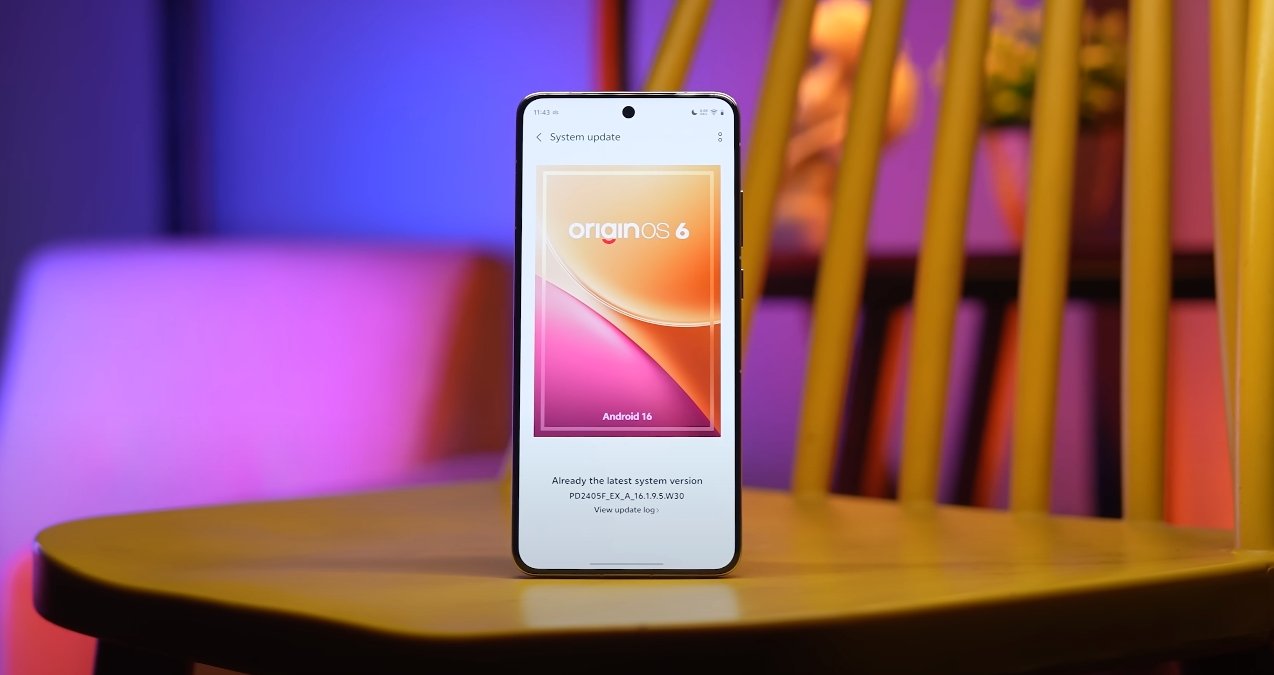
Vivo has officially rolled out OriginOS 6, and early performance tests on flagship devices confirm that the update delivers one of the biggest speed and responsiveness boosts ever seen on a Vivo smartphone. Built on Android 16, this version of OriginOS introduces a redesigned system core, enhanced animation engine, and new memory management features that make multitasking, gaming, and everyday use noticeably smoother. Vivo’s focus this time isn’t just on aesthetics—it’s on measurable performance that users can feel.

The foundation of OriginOS 6’s performance upgrade lies in what Vivo calls its “Ultra-Core Computing Engine.” This system optimizes how the phone handles processing and background activities, ensuring that power is distributed intelligently between apps. In real-world testing, flagship devices like the Vivo X300 Pro and X200 series have demonstrated faster app launches, higher frame-rate stability, and smoother transitions when switching between multiple open applications. Vivo claims up to an 18% improvement in app start-up speed, and user experiences appear to support this figure. Animations now flow more naturally, and even when the phone is under heavy load, frame drops are significantly reduced compared to OriginOS 5.

Another area where OriginOS 6 shines is in gaming performance. Vivo’s new memory management structure helps sustain high frame rates for longer gaming sessions without overheating or excessive throttling. The operating system’s adaptive resource allocation ensures that background tasks consume minimal power while the primary app receives full performance priority. Tests on titles like Genshin Impact and PUBG Mobile showed smoother gameplay with fewer performance dips, maintaining consistent graphics output. Users have also reported reduced input lag, particularly on Vivo’s 120Hz displays, where every swipe and touch feels instantaneous.

OriginOS 6 performance boost tested on flagship phones

Beyond gaming, OriginOS 6 brings noticeable improvements in daily multitasking. The system now uses a refined storage engine that prioritizes critical data access, reducing the time it takes for apps to resume after being minimized. When switching between apps such as Chrome, YouTube, and a photo editor, the phone maintains memory stability without unnecessary reloads. Vivo’s “Memory Fusion” feature plays a major role here by allocating virtual RAM to boost multitasking performance. This means even mid-tier flagship models can run more apps simultaneously with fewer slowdowns.

One of the most appreciated upgrades is the new animation and display handling system. Vivo has rebuilt the animation framework to make transitions look seamless while keeping power efficiency in check. The result is a visual experience that feels fluid and refined. The OS employs advanced effects like Morphing Animation and Blur Transition, which subtly adjust depth and movement to simulate a more natural flow between screens. Combined with the improved refresh rate synchronization, users report that scrolling, opening, and closing apps now feel much more cohesive and responsive than before.

Battery efficiency also benefits from the performance-focused redesign. OriginOS 6 intelligently adjusts CPU and GPU output depending on the intensity of the task, reducing unnecessary power usage. Tests show that even with the enhanced performance, flagship Vivo phones experience slightly longer battery life compared to the previous version. Vivo’s optimization ensures that background activities are minimized when the phone is idle, allowing users to get more screen-on time without sacrificing speed. In heavy-use scenarios like video editing or gaming, temperature management remains stable, thanks to better thermal distribution handled by the system’s core engine.

The update also improves user interactions with touch precision. Input latency has been reduced dramatically, meaning that touchscreen gestures, scrolling, and handwriting using Vivo’s stylus accessories are faster and more accurate. This improvement particularly benefits users who rely on productivity tools or creative apps. When combined with the AI-driven predictive engine, the system anticipates common actions, reducing delays between taps and responses.

From a broader perspective, these performance upgrades solidify Vivo’s position among top-tier Android manufacturers. The company’s effort to build an optimized, hardware-aware operating system shows in the real-world results. OriginOS 6 doesn’t just feel faster—it stays faster, even after weeks of use, which is often a challenge for many Android-based systems. Regular users and reviewers have noted that lag and slowdowns, which sometimes develop over time, are now largely eliminated. This long-term consistency makes the update a major leap for productivity and gaming enthusiasts alike.

In conclusion, the performance boost delivered by OriginOS 6 on flagship phones is more than a technical improvement—it’s a transformation of the overall user experience. Faster app launches, fluid animations, better gaming stability, and longer battery life all contribute to a system that feels fresh and finely tuned. Vivo’s investment in refining both speed and efficiency has paid off, positioning OriginOS 6 as one of the most balanced and responsive Android interfaces available today. For users upgrading to this version, the difference is immediately noticeable, making their Vivo devices perform faster, smoother, and smarter than ever before.

Also Read:  OriginOS 6 vs OriginOS 5 feature comparison

OriginOS 6 vs iOS 18 user experience comparison

OriginOS 6 vs iOS 18 user experience comparison

Comparing User Experience: Vivo’s OriginOS 6 and Apple’s iOS 18

Vivo’s OriginOS 6 and Apple’s iOS 18 represent the latest evolutions of their respective mobile operating systems. Both aim to deliver smooth, intuitive, and responsive experiences, but they take very different approaches to design, multitasking, customization, ecosystem integration, and user interface. For users in the USA and globally, understanding these differences can help determine which platform best suits individual preferences.

One of the most noticeable differences lies in visual design and interface. OriginOS 6 introduces a vibrant and dynamic interface with translucent elements, layered depth, and animated transitions. The home screen, lock screen, and widgets can be heavily customized, allowing users to adjust layouts, icon shapes, and animation styles. iOS 18, by contrast, maintains Apple’s minimalist and consistent design approach. Its interface emphasizes simplicity and clarity, with subtle gradients, uniform iconography, and a focus on functional animations. While OriginOS 6 offers a visually expressive experience, iOS 18 prioritizes consistency and a cohesive system-wide feel.

Multitasking and productivity also highlight differences between the two systems. OriginOS 6 introduces floating app windows, split-screen enhancements, and Origin Island—a feature similar to Apple’s Dynamic Island. Users can easily resize windows, drag content between apps, and create saved app pairs for repeated tasks. This approach caters to power users, professionals, and students who need to work with multiple apps simultaneously. iOS 18, while improving multitasking through Apple Intelligence, smarter app suggestions, and enhanced Siri integration, remains more limited in flexibility. It focuses on predictive actions and contextual app recommendations rather than fully resizable or floating windows.

OriginOS 6 vs iOS 18 user experience comparison

Customization is another area where the platforms diverge. OriginOS 6 allows extensive personalization options including themes, widget styles, lock screen layouts, icon packs, and animation speeds. Users can create a device experience that reflects their personal style without compromising performance. iOS 18 expands personalization with widgets, home screen customization, and color accent adjustments, but deeper system-level customization remains limited. Apple’s design philosophy emphasizes uniformity, which restricts some of the visual and functional personalization possible on OriginOS 6.

Ecosystem integration is a key factor for both systems. OriginOS 6 offers cross-device continuity, allowing users to move seamlessly between Vivo phones, tablets, and PCs. Drag-and-drop file transfers, shared clipboard functionality, and synced notifications enhance productivity for multi-device users. iOS 18, in contrast, builds upon Apple’s tightly integrated ecosystem. Features like Handoff, AirDrop, Continuity Camera, and seamless syncing across iPhone, iPad, Mac, and Apple Watch provide a smooth and reliable experience, particularly for users already invested in Apple products.

Performance and efficiency improvements are central to both updates. OriginOS 6 incorporates Vivo’s Blue River Engine and Ultra-Core Computing, which boost app launch speeds, improve animation smoothness, and optimize system responsiveness. Even older Vivo devices experience enhanced fluidity under OriginOS 6. iOS 18 leverages Apple’s A-series chips and system-level intelligence to deliver highly optimized performance. Background task management, predictive app launching, and hardware-software synergy ensure smooth operation, particularly for graphics-intensive apps and games.

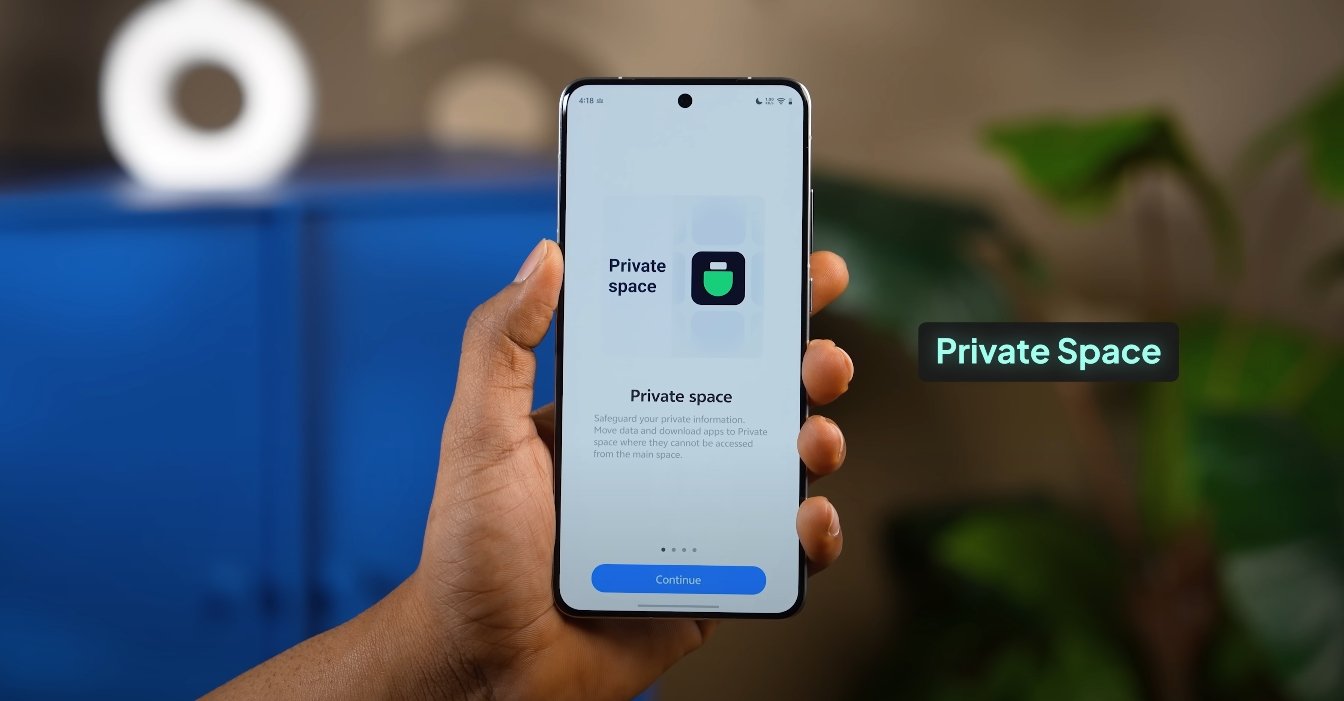
Privacy and security are emphasized in both systems, though implemented differently. OriginOS 6 features Private Space for secure apps, Blank Data Authorization to prevent unauthorized access, and system-level monitoring for app behavior. iOS 18 continues Apple’s strong privacy focus with App Privacy Reports, Mail Privacy Protection, on-device Siri processing, and improved location controls. While OriginOS 6 combines privacy features with device-level control and customization, iOS 18 provides a more standardized approach to data security and privacy across all Apple devices.

Gestures and navigation also show notable contrasts. OriginOS 6 introduces advanced gesture controls for multitasking, split-screen, and floating windows, with adaptive shortcuts that can be personalized. iOS 18 refines gesture navigation within its established framework, offering consistent one-handed controls, swipe gestures, and context-aware actions. OriginOS 6 emphasizes flexibility and customization, while iOS 18 focuses on predictability and intuitive consistency.

In conclusion, OriginOS 6 and iOS 18 cater to different user priorities. OriginOS 6 appeals to users who value customization, multitasking efficiency, dynamic visuals, and cross-device continuity. iOS 18 is ideal for those who prioritize consistency, privacy, ecosystem integration, and smooth, reliable performance. Both systems offer modern, responsive, and feature-rich experiences, but the choice ultimately depends on whether a user prefers a flexible, brand-specific interface or a polished, uniform environment. For professionals, students, and power users in the USA, the decision between OriginOS 6 and iOS 18 will hinge on personal workflow, device ecosystem, and interface preference, making both operating systems competitive options in today’s mobile landscape.

Also Read:  OxygenOS 16 gaming performance and heat control test

Origin OS wins positive buzz across UK social media

Origin OS wins positive buzz across UK social media

Vivo’s Software Update Gains Momentum Among Online Communities

Origin OS has been receiving strong positive buzz across UK social media platforms, where users are sharing their experiences with the software’s refined performance, smoother interface, and expanded customization features. The reaction marks a shift in how Vivo’s smartphones are being perceived in the British market, as the company continues to refine its software identity for global users. The supportive discussions appearing on platforms like TikTok, Instagram, and community forums show that the system is resonating particularly well with younger audiences who value both design and daily usability.

One of the main reasons for the rising buzz is the smoother user interface introduced in the latest Origin OS updates. UK users who upgraded from earlier versions of Vivo’s software describe the experience as more refined, especially when scrolling, opening apps, or switching between tasks. The animation engine has been carefully tuned to make actions feel more fluid and predictable. This change has become a frequent talking point in short-form social posts, where users showcase how quickly the system responds to gestures and commands. The result is a perception of increased premium quality, even on mid-range devices.

Customization has also become a major factor in the popularity of Origin OS within UK social media spaces. Teenagers and young adults are sharing screenshots and screen recordings of themed home screens, icon packs, widget setups, and wallpaper combinations. The ability to shape the phone’s design without losing visual consistency makes the experience appealing to people who enjoy personal expression. Influencers and content creators have joined the conversation by reviewing theme packs and promoting unique layout ideas, helping the trend spread further. This has given Origin OS a cultural presence beyond simply being a system update.

Origin OS wins positive buzz across UK social media

Another reason users are recommending Origin OS is the improved multitasking performance. British users who frequently switch between messaging apps, video calls, editing tools, and social media platforms say the software remains smooth and responsive throughout. Features like floating windows and split-screen modes are being highlighted for their practicality in everyday life. Social media posts often show how easy it is to reply to messages or manage work tasks while still watching videos or browsing content. This has made the software especially appealing to students, remote workers, and creators who rely on their phones for productivity.

Battery efficiency improvements are also contributing to the positive reception. Many UK users share posts demonstrating longer battery life after updating to Origin OS, especially during travel, workdays, and commutes. The software’s adaptive management system prioritizes active apps while conserving power in background processes. This means the phone runs cooler and lasts longer without requiring manual adjustments. Discussions online reflect relief among users who had concerns about heavy usage draining their battery too quickly. The improved efficiency aligns well with UK lifestyles that often involve long hours away from charging points.

Security and privacy controls have received attention too. UK social media users appreciate being able to manage app permissions more clearly and track how apps access data. The transparency tools help build a sense of trust in the system, especially for users who rely heavily on online banking, work communication, and personal organization apps. Posts discussing these features often highlight the benefit of a system that protects user data without overcomplicating daily interactions. This has helped strengthen the reputation of Origin OS as both secure and user-friendly.

Overall, the positive buzz surrounding Origin OS across UK social media indicates that users view it as a meaningful improvement rather than just a visual update. The combination of smooth performance, customization freedom, reliable multitasking, and thoughtful battery and privacy features has made the system feel well-balanced for modern phone use. The strong engagement online suggests that Origin OS is helping Vivo build a more confident and recognizable identity within the UK market. For many users, the software has become more than an upgrade — it has become a reason to consider Vivo devices as competitive choices in a crowded smartphone landscape.

Also Read:  Origin OS earns strong user satisfaction in the UK market

Overwatch Mobile: Rush Brings Hero Shooter Action to Your Device

Overwatch heroes in action on mobile, with a top-down perspective and colourful graphics, showcasing the game's intuitive controls and fast-paced action, with a focus on the Rush gameplay

Overwatch on Mobile: A New Era of Hero Shooter Gaming

Blizzard is set to revolutionise the mobile gaming landscape with Rush, a top-down hero shooter inspired by the critically acclaimed Overwatch. This bold new venture promises to deliver the same level of excitement and strategy that fans of the franchise have come to expect. With a blog post and gameplay video already released, gamers are getting their first glimpse of what’s in store.

The gameplay video showcases a ‘Control’ match, highlighting the intuitive control mechanics, stunning graphics, and fast-paced action that will keep players on the edge of their seats. As the mobile gaming market continues to evolve, Rush is poised to make a significant impact, bringing the beloved Overwatch universe to a whole new audience.

One of the most impressive aspects of Rush is its ability to distil the essence of Overwatch into a mobile-friendly format. The top-down perspective and streamlined controls make it easy for players to jump in and start playing, while still maintaining the depth and complexity that fans of the series have come to expect. Whether you’re a seasoned Overwatch veteran or just looking for a new mobile gaming experience, Rush is sure to deliver.

As the gaming community eagerly awaits the release of Rush, Blizzard is hard at work fine-tuning the game and ensuring that it meets the high standards of the Overwatch franchise. With its unique blend of action, strategy, and teamwork, Rush is set to become a must-play title for mobile gamers everywhere. The future of mobile gaming has never looked brighter, and Rush is leading the charge.

The prospect of playing Overwatch on mobile is a tantalising one, and Rush is shaping up to be the perfect way to experience the game on-the-go. With its engaging gameplay, stunning visuals, and faithful adaptation of the Overwatch formula, Rush is poised to become a classic of the mobile gaming genre. So, get ready to join the battle and experience the thrill of Overwatch like never before.

As the release date for Rush approaches, fans of the Overwatch series are eagerly anticipating the opportunity to play their favourite heroes on mobile. From the intense action of the gameplay video to the promise of new heroes and modes, Rush is shaping up to be an unmissable experience for gamers of all ages. With its unique blend of strategy, teamwork, and competitive play, Rush is set to become a staple of the mobile gaming scene.

Blizzard’s commitment to delivering a high-quality gaming experience is evident in every aspect of Rush, from the polished graphics to the intuitive controls. As the gaming community continues to grow and evolve, Rush is poised to play a major role in shaping the future of mobile gaming. With its engaging gameplay, richly detailed world, and faithful adaptation of the Overwatch formula, Rush is the perfect way to experience the thrill of hero shooter gaming on your mobile device.

The world of Overwatch is full of colour and life, and Rush brings this vibrant universe to your mobile device in stunning fashion. From the iconic heroes to the beautifully detailed environments, every aspect of the game is designed to immerse players in the world of Overwatch. Whether you’re a fan of the series or just looking for a new mobile gaming experience, Rush is the perfect way to experience the thrill of hero shooter gaming on-the-go.

As Rush prepares to launch, the gaming community is abuzz with excitement. With its unique blend of action, strategy, and competitive play, Rush is set to become a classic of the mobile gaming genre. So, get ready to join the battle and experience the thrill of Overwatch like never before. The future of mobile gaming has never looked brighter, and Rush is leading the charge.

With its engaging gameplay, stunning visuals, and faithful adaptation of the Overwatch formula, Rush is poised to become a must-play title for mobile gamers everywhere. The prospect of playing Overwatch on mobile is a tantalising one, and Rush is shaping up to be the perfect way to experience the game on-the-go. As the release date approaches, fans of the series are eagerly anticipating the opportunity to play their favourite heroes on mobile.

The release of Rush is set to be a major milestone in the world of mobile gaming, and Blizzard is hard at work ensuring that the game meets the high standards of the Overwatch franchise. With its unique blend of action, strategy, and teamwork, Rush is set to become a staple of the mobile gaming scene. So, get ready to join the battle and experience the thrill of Overwatch like never before.

As the gaming community eagerly awaits the release of Rush, one thing is clear: this game is going to be big. With its engaging gameplay, stunning visuals, and faithful adaptation of the Overwatch formula, Rush is poised to become a classic of the mobile gaming genre. The future of mobile gaming has never looked brighter, and Rush is leading the charge. Whether you’re a fan of the series or just looking for a new mobile gaming experience, Rush is the perfect way to experience the thrill of hero shooter gaming on your mobile device.