Trump’s Middle East Strategy Creates Opportunity for China to Exploit
US Foreign Policy in the Middle East: A Weakness for China to Exploit
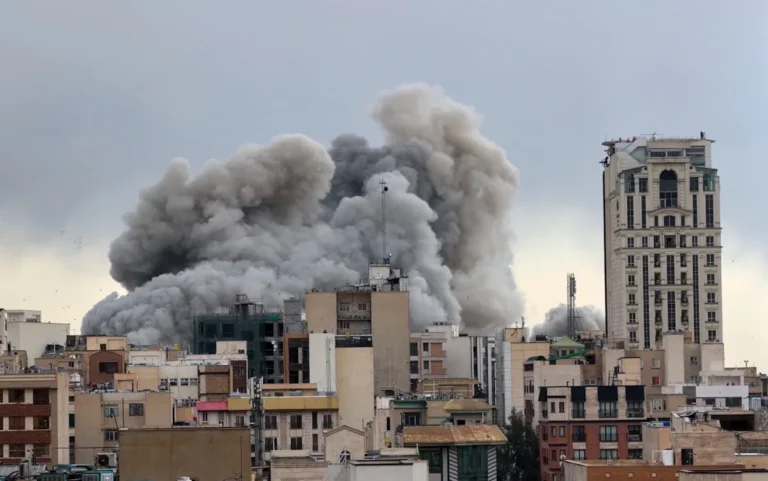
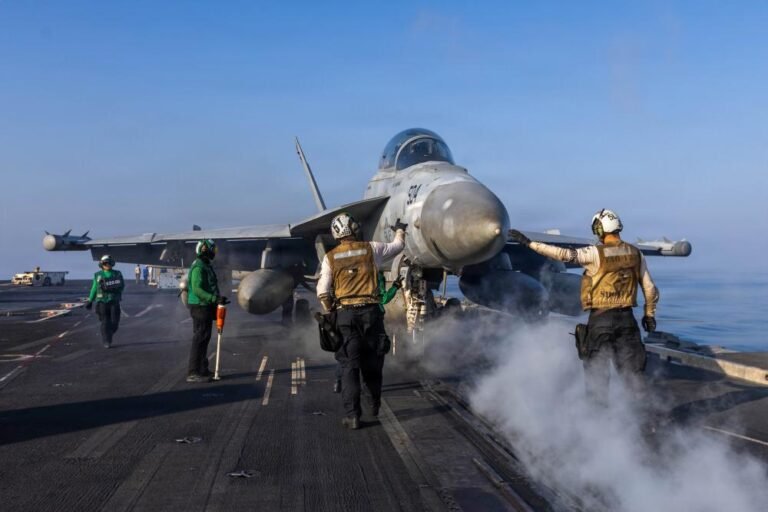
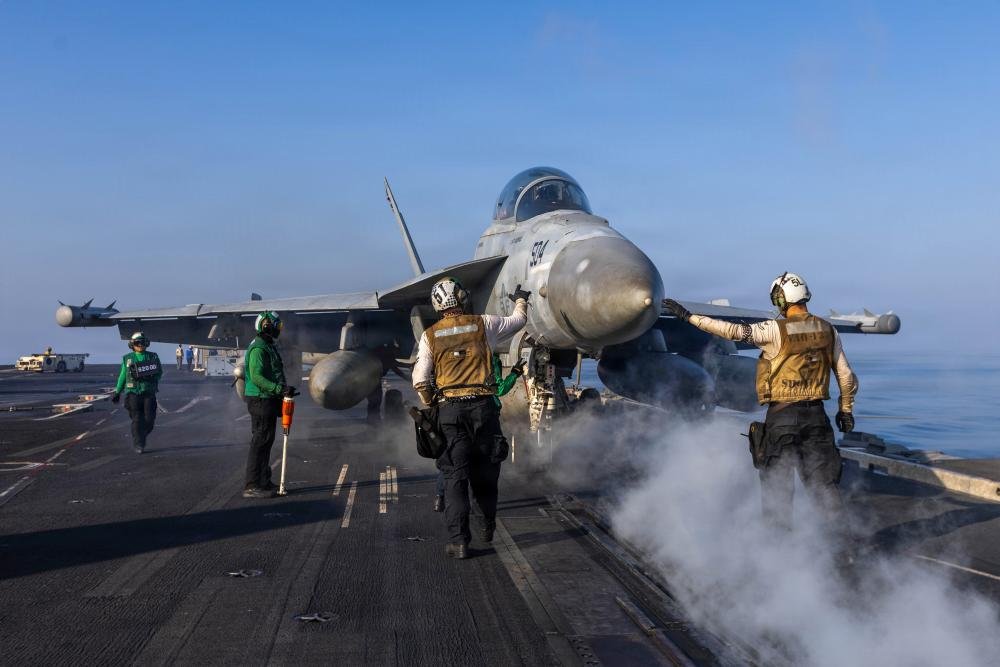
The recent show of force by the US in the Middle East has sparked a flurry of debate among geopolitical analysts. With the US seeking to reassert its dominance in the region, China is poised to take advantage of the situation. The Middle East, a crucial hub for global trade and energy, has become a focal point for US foreign policy.
As the US seeks to counter the influence of Iran and other regional players, China is quietly strengthening its ties with key nations. The Belt and Road Initiative, a massive infrastructure project, has enabled China to establish a significant presence in the region. This strategic move has the potential to undermine US interests and create a power vacuum that China can exploit.
The US approach to the Middle East has been marked by a series of high-profile interventions, from the invasion of Iraq to the ongoing conflict in Syria. However, these actions have often been criticised for being heavy-handed and counterproductive. In contrast, China has adopted a more nuanced approach, focusing on economic cooperation and diplomacy.
China’s behaviour in the region has been shaped by its long-term strategic goals, including securing access to energy resources and promoting its own economic interests. As the US struggles to articulate a coherent Middle East policy, China is well-placed to fill the gap and establish itself as a major player in the region.
The implications of this shift in the balance of power are far-reaching. As China’s influence grows, the US may find itself facing a significant challenge to its authority. The colour of geopolitics in the Middle East is changing, and the US must adapt quickly to avoid being left behind.
To analyse the situation effectively, it is essential to consider the complex web of alliances and rivalries that shape the region. The US must also be willing to engage in constructive dialogue with China, rather than simply trying to counter its influence. By adopting a more collaborative approach, the US can help to promote stability and security in the Middle East.
Ultimately, the US and China must work together to address the common challenges facing the region, from terrorism to economic development. By doing so, they can help to create a more stable and prosperous Middle East, where the interests of all nations are respected and protected.
The future of the Middle East is uncertain, but one thing is clear: the region will play a critical role in shaping the global balance of power. As the US and China navigate this complex landscape, they must be prepared to adapt and evolve in response to changing circumstances.
The US must also be mindful of the potential risks and consequences of its actions, including the potential for unintended consequences and blowback. By taking a more nuanced and informed approach, the US can help to promote a more stable and secure Middle East, where the interests of all nations are respected and protected.