Trump Clashes with Starmer Over Strait of Hormuz Blockade
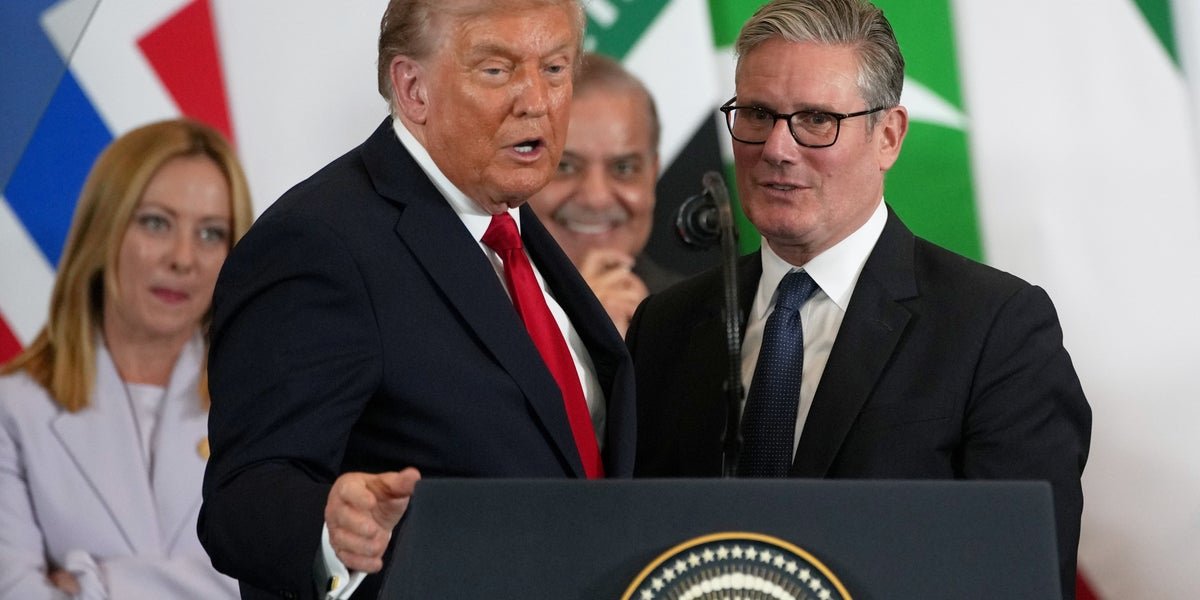
Trump and Starmer at Odds Over Strait of Hormuz Blockade
The UK has confirmed it will not be joining the US-led blockade of the Strait of Hormuz, despite President Trump’s efforts to garner support. This decision has sparked a heated exchange between Trump and UK Labour leader Keir Starmer. The blockade, aimed at curbing Iranian oil exports, has been a point of contention between the two nations.
The UK’s refusal to participate in the blockade is largely due to concerns over the potential impact on global oil prices and the risk of escalating tensions in the region. Starmer has been vocal in his criticism of Trump’s behaviour, citing the need for a more diplomatic approach to resolving the issue.
Trump, however, remains resolute in his stance, arguing that the blockade is necessary to counter Iran’s aggressive behaviour in the region. The US has been seeking to assemble a coalition of allies to support the blockade, but so far, few countries have been willing to join.
The Strait of Hormuz is a critical waterway, with a significant proportion of the world’s oil passing through it. Any disruption to oil supplies could have far-reaching consequences for the global economy. As such, the situation remains a highly sensitive and complex issue, with no clear resolution in sight.
As the situation continues to unfold, it is likely that we will see further clashes between Trump and Starmer over the UK’s decision not to join the blockade. The UK’s stance on the issue is likely to be influenced by its desire to maintain good relations with both the US and Iran, while also protecting its own economic interests.
The UK’s decision not to join the blockade has been welcomed by some as a sensible and pragmatic move, while others have criticised it as a sign of weakness. Regardless, the situation highlights the complex and often fraught nature of international relations, where different nations’ interests and priorities can often come into conflict.
In order to analyse the situation effectively, it is essential to consider the various factors at play, including the geopolitical tensions in the region, the economic implications of the blockade, and the potential consequences for global oil prices. By taking a nuanced and informed approach, we can better understand the complexities of the issue and the motivations behind the actions of the key players involved.
The colour of the situation is further complicated by the fact that the UK is not the only country to have declined to join the blockade. Several other nations have also expressed reservations about the plan, citing concerns over the potential risks and consequences. As such, the US is facing an increasingly isolated stance on the issue, with few allies willing to offer their support.
Despite the challenges and complexities of the situation, it is essential to remain informed and up-to-date on the latest developments. By doing so, we can gain a deeper understanding of the issues at play and the potential implications for the global economy and international relations. The situation remains highly fluid, and it is likely that we will see further developments in the coming days and weeks.