Sustainable Christmas: Reduce Food Waste
As Christmas approaches, many of us are guilty of generating excessive food waste. However, there are ways to reduce this behaviour and make a positive impact on the environment. By analysing our food consumption patterns, we can identify areas for improvement and make changes to our daily habits.
One key area to focus on is food storage and preservation. By using airtight containers and refrigerating leftovers promptly, we can significantly reduce the amount of food that ends up in the bin. Additionally, planning our meals in advance can help us avoid buying too much food that may go to waste.
In the UK, food waste is a significant problem, with millions of tonnes of edible food being discarded each year. This not only harms the environment but also has a negative impact on the economy. By adopting sustainable food practices, we can help reduce waste and make a positive contribution to the UK’s environmental goals.
Some Christmas foods that can’t go in the bin include turkey, ham, and roast vegetables. Instead of throwing these items away, we can use them to create delicious and nutritious meals. For example, leftover turkey can be used to make soups, stews, or sandwiches, while roast vegetables can be added to salads or used as a topping for soups.
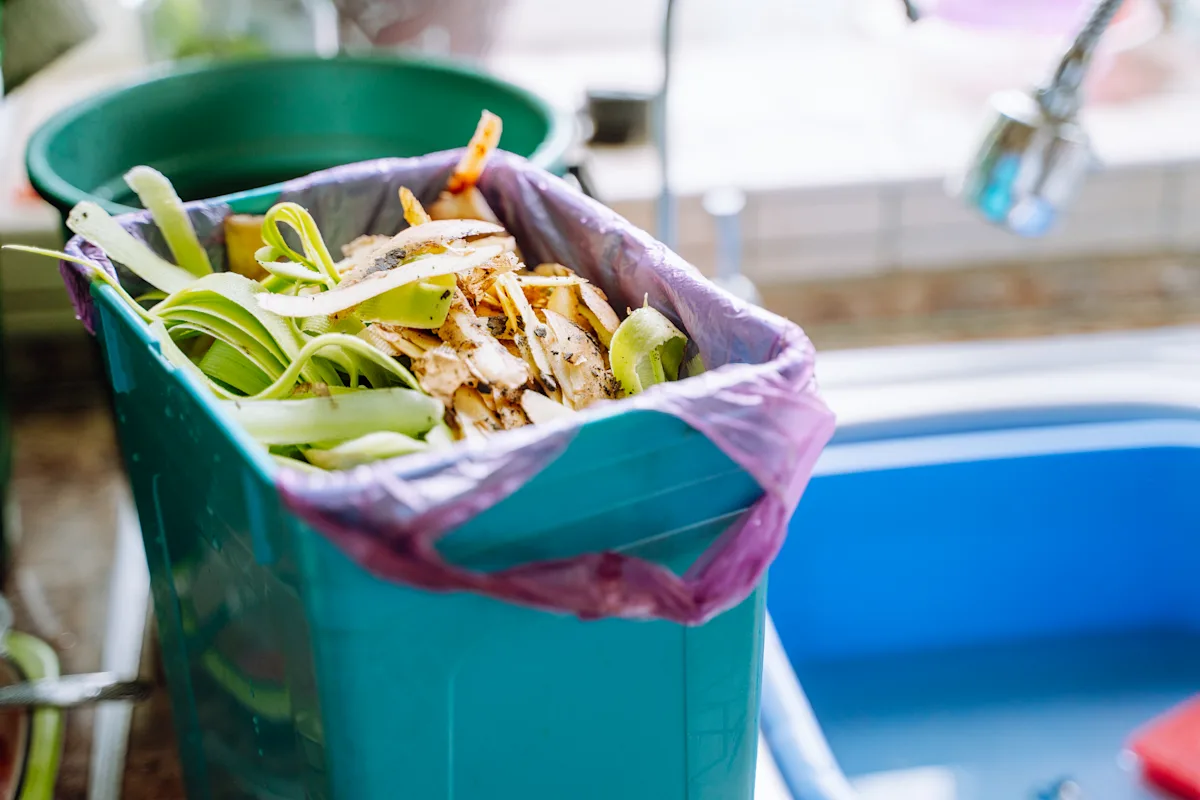
Another way to reduce food waste is to compost food scraps. This can be done by setting up a compost bin in our gardens or by using a food waste recycling service. By composting food waste, we can create nutrient-rich soil that can be used to grow new plants and reduce our reliance on synthetic fertilizers.
In conclusion, reducing food waste is an important step towards creating a more sustainable future. By adopting simple changes to our daily habits, such as planning our meals, storing food properly, and composting food scraps, we can make a positive impact on the environment and help reduce the amount of waste that ends up in landfills.
As we approach the festive season, let’s make a conscious effort to reduce our food waste and adopt more sustainable practices. By doing so, we can help create a better future for ourselves and for generations to come.
Furthermore, reducing food waste can also have economic benefits. By planning our meals and using up leftovers, we can save money on our food bills and reduce our reliance on single-use plastics. This can also help support local businesses and farmers, who are working hard to produce high-quality, sustainable food.
In addition to reducing food waste, we can also make a positive impact on the environment by reducing our energy consumption. This can be done by using energy-efficient appliances, turning off lights and electronics when not in use, and insulating our homes to reduce heat loss.
By making these simple changes, we can help reduce our carbon footprint and contribute to a more sustainable future. So, let’s make a start this Christmas and adopt more sustainable practices that will benefit both ourselves and the environment.
It’s also important to consider the social impact of food waste. In the UK, many people struggle to access affordable, healthy food, and food waste can exacerbate this problem. By reducing food waste and supporting local food banks and charities, we can help make a positive difference to our communities.
In terms of policy, the UK government has set targets to reduce food waste and increase recycling rates. By supporting these initiatives and making changes to our daily habits, we can help achieve these goals and create a more sustainable food system.
Finally, let’s not forget the importance of education and awareness-raising in reducing food waste. By teaching children and adults about the impact of food waste and the benefits of sustainable practices, we can create a culture of sustainability that will last for generations to come.