Stock Android vs Manufacturer Skins in the UK: Which is Best for You?
Stock Android vs Manufacturer Skins: Understanding the Difference in the UK
When it comes to choosing an Android phone in the UK, one of the key decisions you’ll need to make is whether to opt for a device with stock Android or a manufacturer’s custom skin. Stock Android is often seen as the clean and simple option, without bloatware or design changes, but is it really the best choice for everyone?
In reality, most Android phones in the UK don’t run stock Android. Instead, manufacturers like Xiaomi, Oppo, and Samsung use their own custom skins, which can offer additional features and designs. But what’s the real difference between stock Android and a manufacturer’s skin, and which one is right for you?
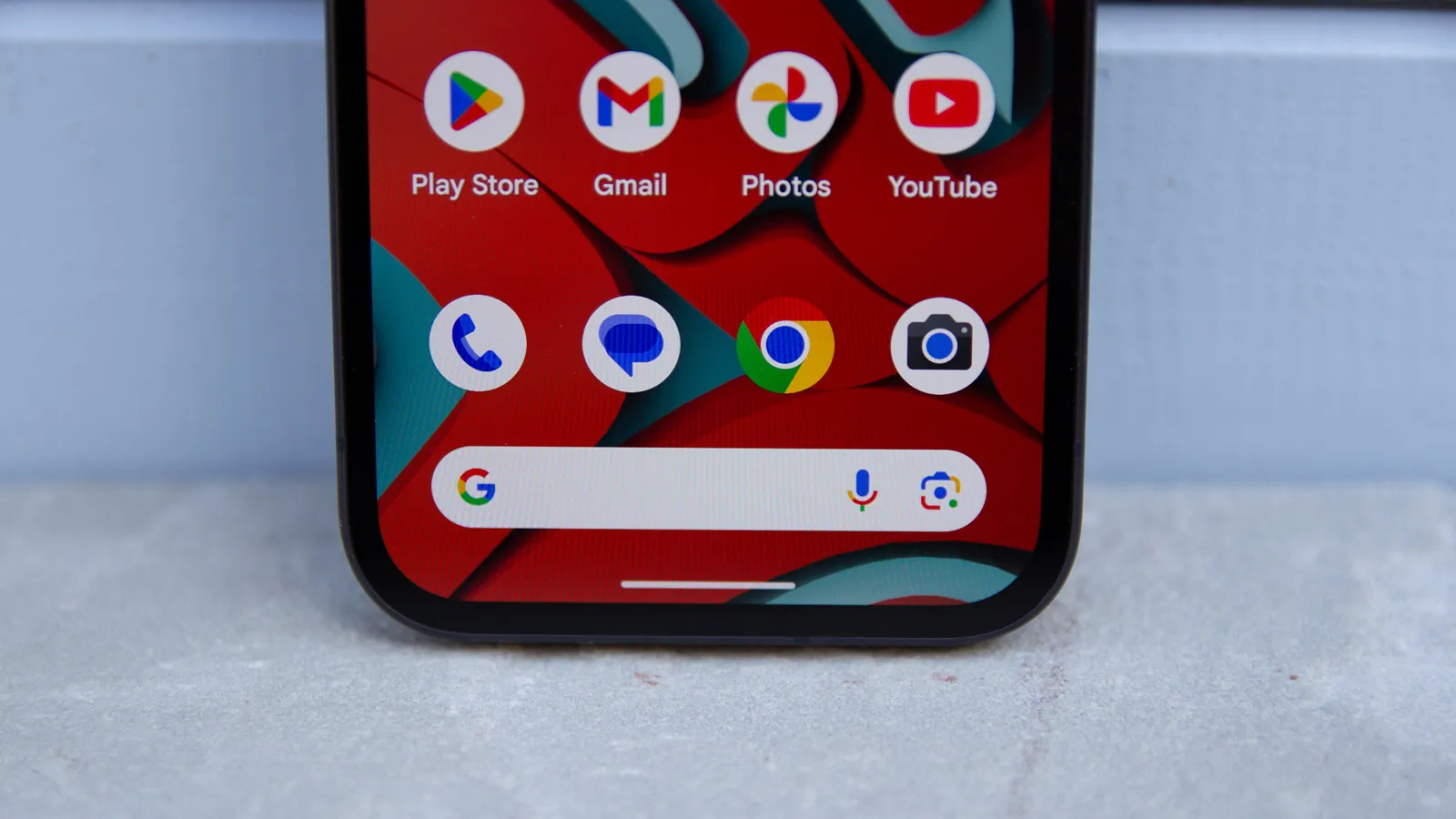
The Android Open Source Project (AOSP) is the basic version of Android, but it’s not what most people mean by stock Android. Instead, stock Android usually refers to the retail version of the operating system, which is clean, Google-certified, and free from bloatware. Phones from brands like Motorola and Nokia offer a similar experience, with light skins that stick close to Google’s stock design.
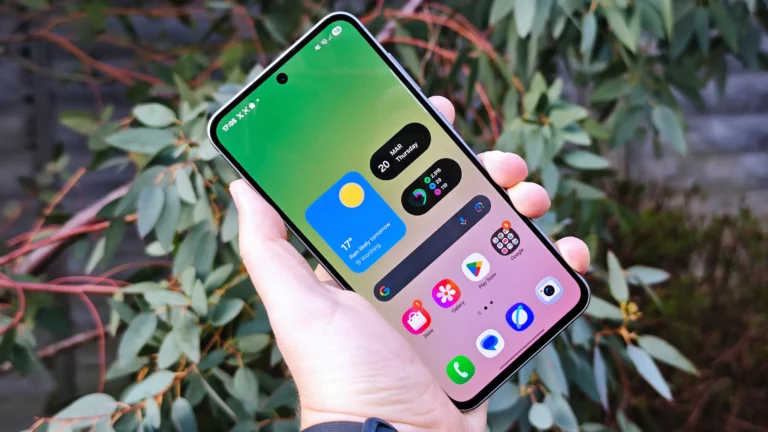
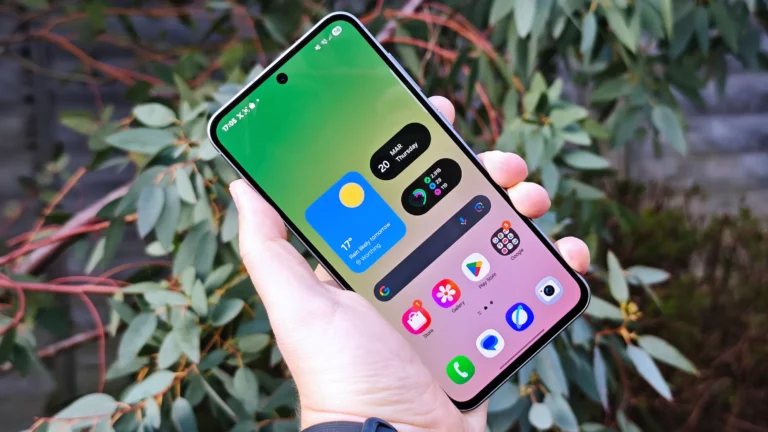
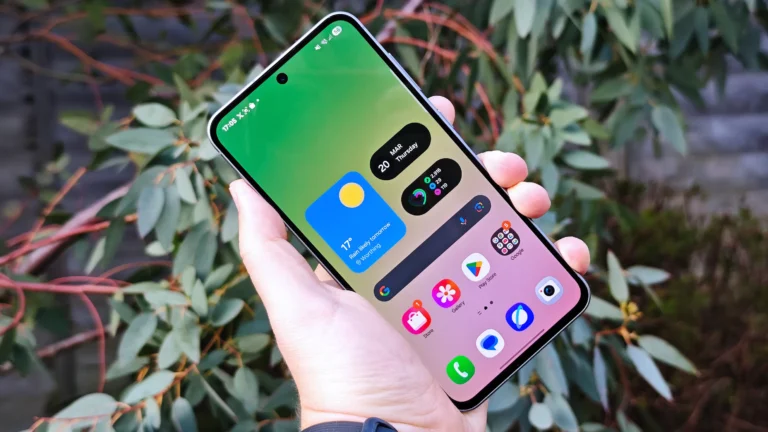
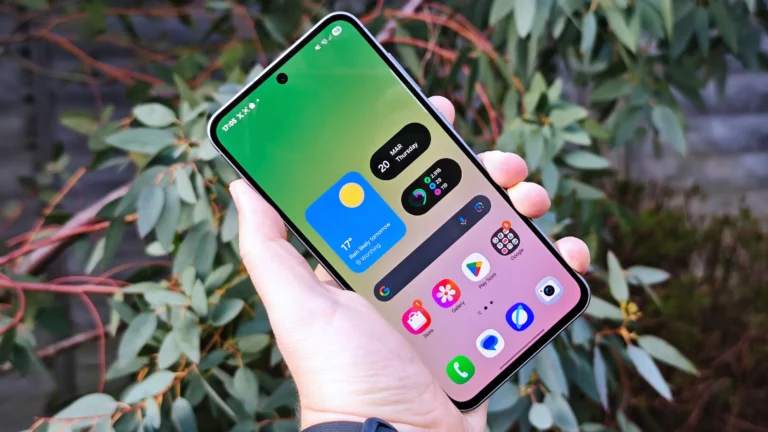
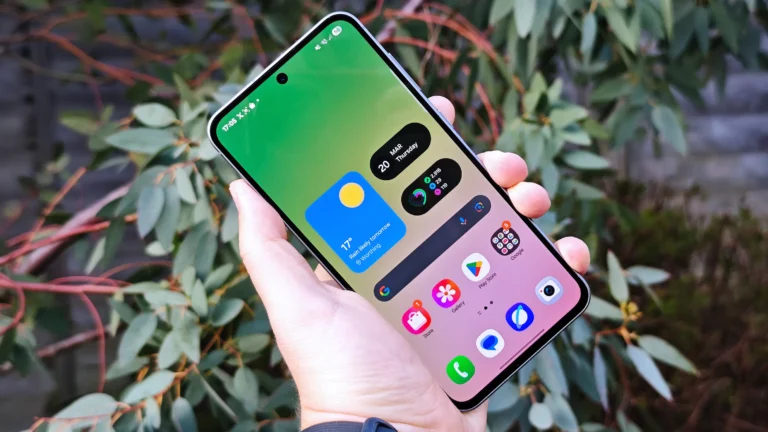
Manufacturer skins, on the other hand, offer more control over the software and allow OEMs to customise the design and features to suit their hardware. Samsung’s One UI, for example, has its own distinct layout for notifications and settings, while Xiaomi’s HyperOS uses a different approach, separating quick settings into an iOS-style Control Center.
Custom skins can also help brands adapt the interface to different screen orientations and split views, which is particularly useful for foldable phones. Additionally, they allow manufacturers to tune performance across different chipsets, which can shape performance, updates, and long-term usability.
However, custom skins can also add additional design changes, animations, and functionality that can change how Android behaves on a daily basis. Light skins, like those found on Google Pixel phones, stay close to stock Android, while heavy skins, like Samsung’s One UI, alter the design more significantly.
When it comes to updates and long-term support, stock Android has an advantage. Pixel devices receive updates quickly, partly because Google controls both the hardware and software. However, other OEMs need to design, modify, upgrade, and test before releasing the stable version, which can take longer.
Security patch updates are another area where custom skins can take more time due to additional testing. But many smartphones now offer long-term software support, so the real difference lies in how reliably those updates are delivered and how well the device performs over time.
Ultimately, the choice between stock Android and a manufacturer’s skin comes down to personal preference. If you want a simple, bloatware-free interface, stock Android may be the way to go. But if you want more inbuilt features and deeper customisation, a manufacturer’s skin could be a better option.