Samsung Galaxy Tab S11 Ultra vs Pixel Tablet 2 performance
Performance Comparison: Galaxy Tab S11 Ultra and Pixel Tablet 2
The Samsung Galaxy Tab S11 Ultra and Google Pixel Tablet 2 are two of the most anticipated tablets in the premium segment, each catering to different user preferences. While both devices promise strong performance and versatile capabilities, their hardware specifications, software integration, and overall user experience reveal distinct advantages and limitations. A detailed look at their performance characteristics provides clarity for consumers deciding between these two options.
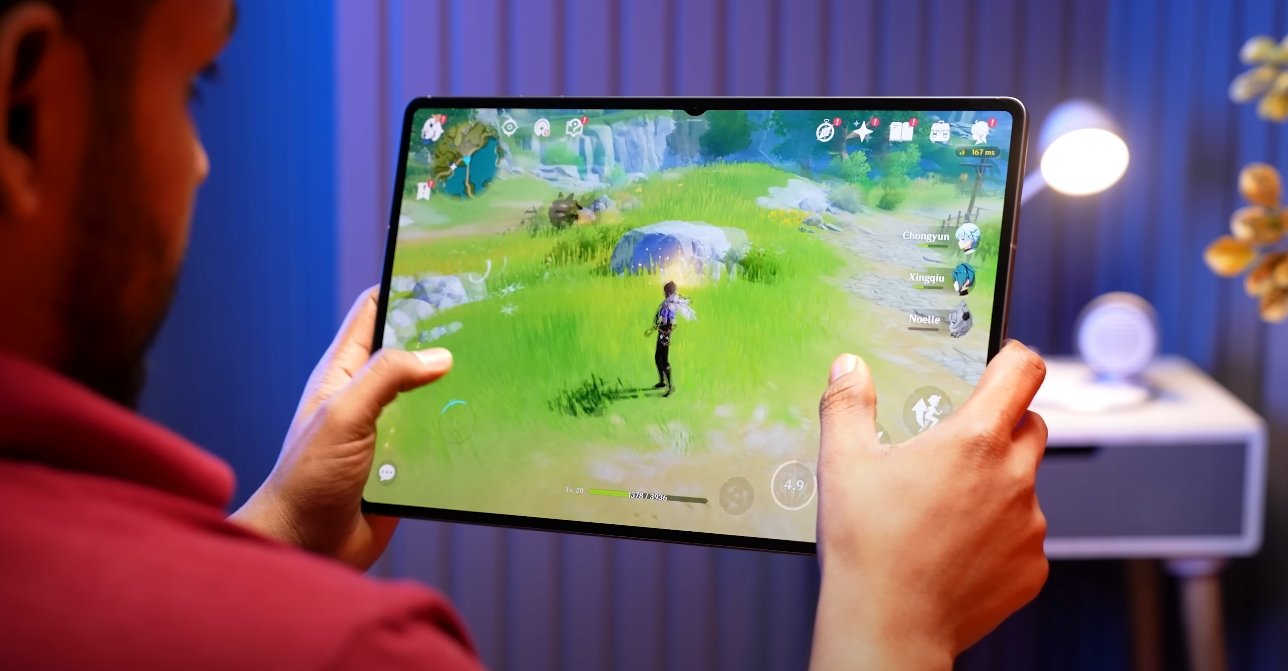
At the core of the Galaxy Tab S11 Ultra is the MediaTek Dimensity 9400+ chipset, a 3nm octa-core processor combined with a 12-core Arm Immortalis-G925 GPU. This configuration delivers robust processing power and excellent graphical performance. Benchmark tests show that the S11 Ultra achieves a single-core score of 1,420 and a multi-core score of 5,312, demonstrating its ability to handle demanding applications, multitasking, and high-end gaming without significant lag or throttling. The device’s hardware is designed to support intensive workflows, making it suitable for professionals, creatives, and power users who require consistent performance under heavy loads.
In comparison, the Google Pixel Tablet 2 features the Tensor G4 chipset, an evolution of Google’s Tensor line with enhancements in AI processing and overall efficiency. While specific benchmark numbers for the Pixel Tablet 2 are not fully disclosed, the Tensor G4 is engineered to optimize everyday tasks, provide smoother app transitions, and improve AI-driven functions. It is expected to deliver strong performance for typical tablet usage such as media consumption, web browsing, and light multitasking. However, for users engaging in graphically intensive games or heavy multitasking, the Tab S11 Ultra’s higher core count and GPU capability give it a clear advantage.
Memory and storage are also critical factors in evaluating performance. The Galaxy Tab S11 Ultra offers configurations with up to 16GB of RAM and 1TB of internal storage. This combination ensures seamless multitasking, allowing multiple apps to run simultaneously without performance dips. The large storage capacity is ideal for users who store extensive media libraries, large project files, or use productivity and creative applications regularly. On the other hand, the Pixel Tablet 2 comes with 8GB of RAM and 128GB of internal storage. While adequate for most daily tasks and moderate app usage, it may be limiting for users who need to run multiple high-demand applications at once or store significant amounts of data locally.
Battery life is another performance-related consideration. The Galaxy Tab S11 Ultra is equipped with an 11,600mAh battery, designed to support extended periods of heavy usage. The combination of a large battery and energy-efficient hardware allows for prolonged gaming, streaming, and productivity work without frequent recharging. The Pixel Tablet 2 is expected to offer competitive battery life, but until official usage data is available, it is difficult to compare directly. However, Google’s optimizations in software and AI management likely contribute to efficient power consumption for day-to-day use.
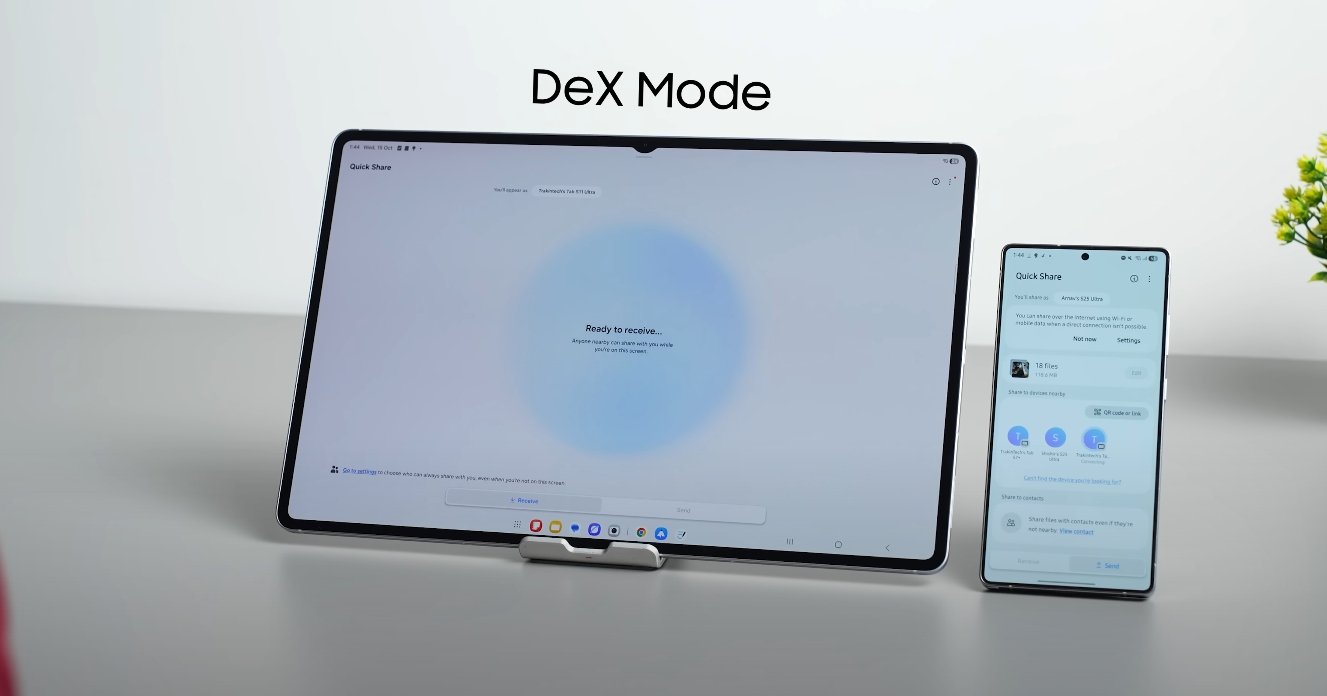
Software integration greatly influences performance perception. The Galaxy Tab S11 Ultra runs on Android 16 with Samsung’s One UI 8, providing a feature-rich interface with tools such as Samsung DeX for a desktop-like experience. Additional AI features, including the Galaxy AI suite and Gemini Live assistant, enhance productivity, multitasking, and content creation. These tools allow users to maximize the hardware capabilities and tailor the tablet experience to professional and creative tasks. The Pixel Tablet 2 emphasizes a clean Android interface, offering a bloat-free experience and tighter integration with Google services. Its software focuses on intuitive AI-driven features, smart home management, and seamless interaction with the broader Google ecosystem, providing a smooth and user-friendly experience for everyday tablet users.
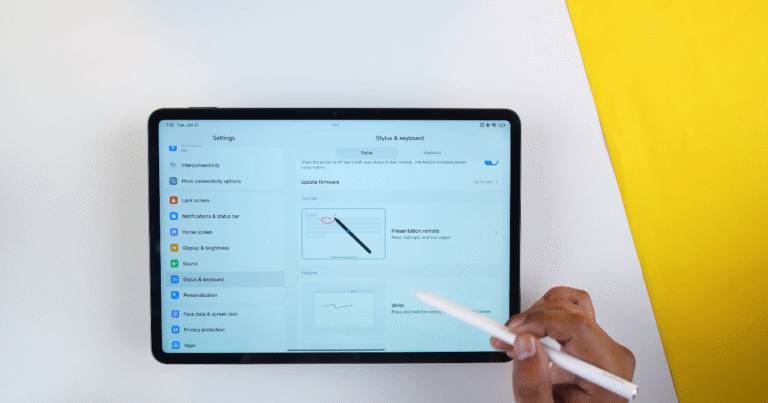
Connectivity and accessory support further impact performance. The Tab S11 Ultra supports high-speed Wi-Fi, optional 5G connectivity, and stylus integration with the S Pen, allowing precise input for creative and productivity tasks. Similarly, the Pixel Tablet 2 integrates with Google’s ecosystem, enabling smart home controls, Google Assistant functionality, and seamless device communication. However, in scenarios demanding maximum hardware performance, the Tab S11 Ultra’s larger RAM, higher storage, and advanced GPU deliver a more capable platform.
In conclusion, the Samsung Galaxy Tab S11 Ultra and Google Pixel Tablet 2 cater to different performance needs and user preferences. The Tab S11 Ultra excels in processing power, multitasking, memory, storage, and graphics performance, making it an ideal choice for gamers, professionals, and creatives requiring a high-performance device. The Pixel Tablet 2, while less powerful in raw hardware terms, offers a clean, AI-enhanced Android experience, appealing to users who prioritize simplicity, smart features, and ecosystem integration. Ultimately, the choice depends on whether a user values maximum performance for demanding applications or a smooth, intuitive experience optimized for everyday tasks and Google services.
Also Read: Samsung Galaxy Tab S11 Ultra preorder offers and deals