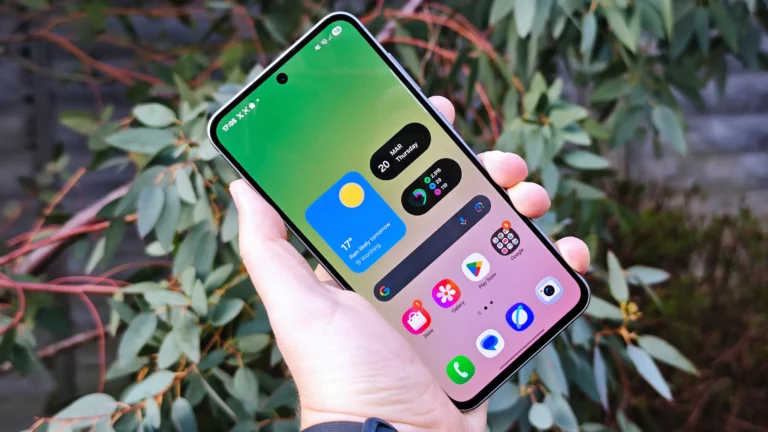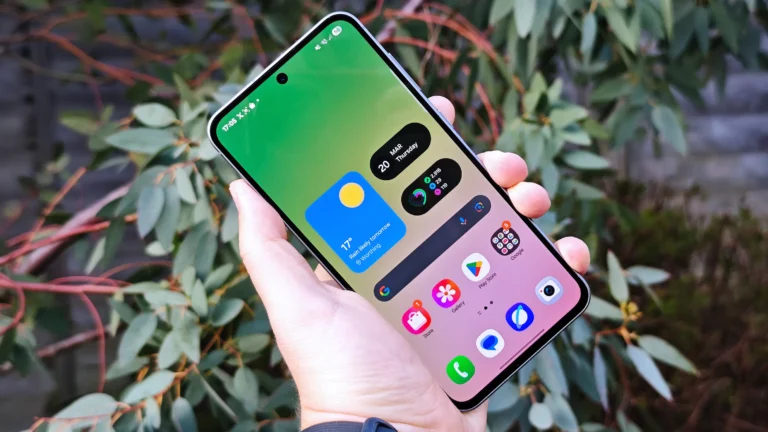
Samsung Galaxy M17 5G camera vs iPhone SE 3 comparison
Camera Battle: Samsung Galaxy M17 5G vs iPhone SE 3
The Samsung Galaxy M17 5G and Apple iPhone SE 3 take very different approaches to smartphone photography, reflecting their design philosophies and target audiences. Samsung’s mid-range contender focuses on versatility and hardware features, while Apple’s compact classic leans on powerful image processing and color accuracy. Comparing these two reveals how far mid-tier Android devices have come and how Apple still delivers strong camera results with a single lens.
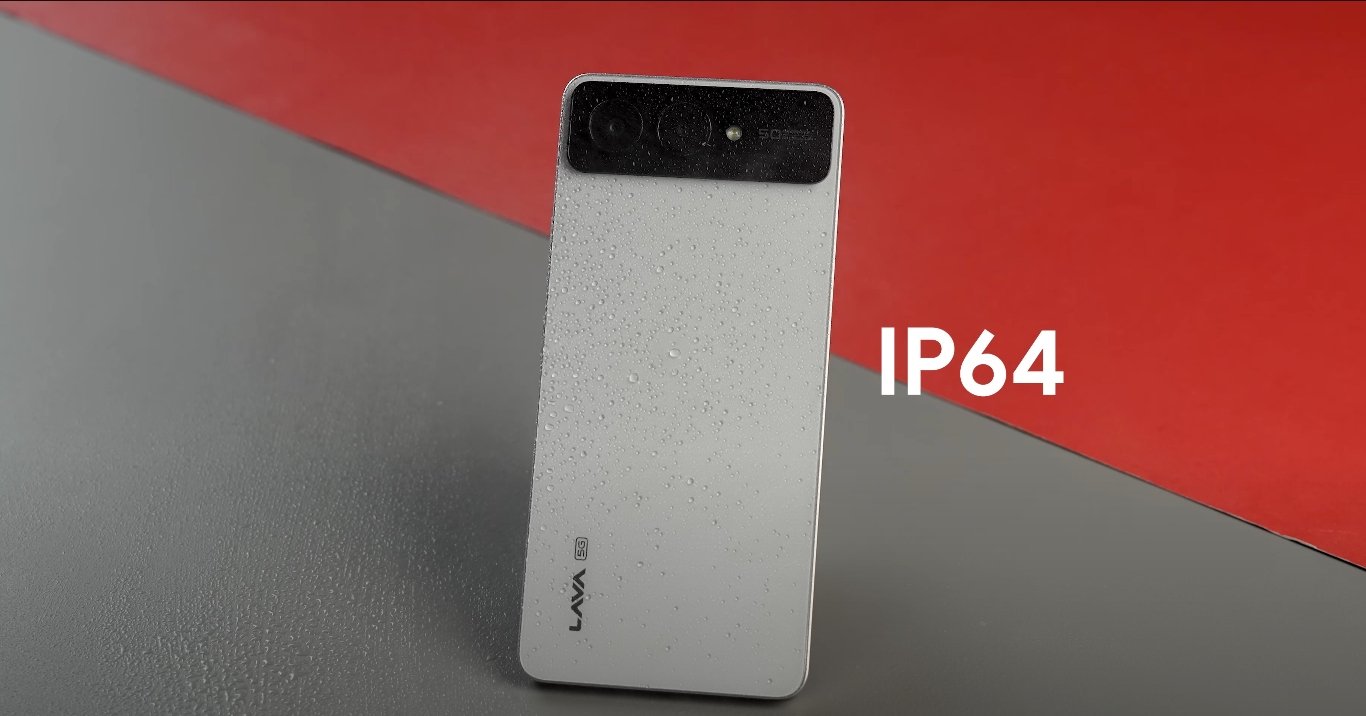
The Galaxy M17 5G features a triple rear camera setup that includes a 50-megapixel main wide sensor with Optical Image Stabilization (OIS), a 5-megapixel ultra-wide lens, and a 2-megapixel macro lens. On the front, it carries a 13-megapixel selfie camera housed in a punch-hole display. This multi-lens configuration gives users flexibility for different shooting situations, from expansive landscapes to close-up detail shots. Samsung’s focus on OIS in this segment is notable, as it helps reduce motion blur and improves clarity in both photos and videos, especially in low-light scenarios.
In contrast, the iPhone SE 3 relies on a single 12-megapixel wide rear camera with an f/1.8 aperture and a 7-megapixel front camera. While it lacks ultra-wide or macro options, Apple compensates with its advanced image processing powered by the A15 Bionic chip. The iPhone SE 3 uses computational photography techniques such as Smart HDR 4 and Deep Fusion to deliver balanced lighting, accurate colors, and strong dynamic range. Even without multiple lenses, it manages to capture crisp, natural images that appeal to users who value consistency and simplicity over variety.
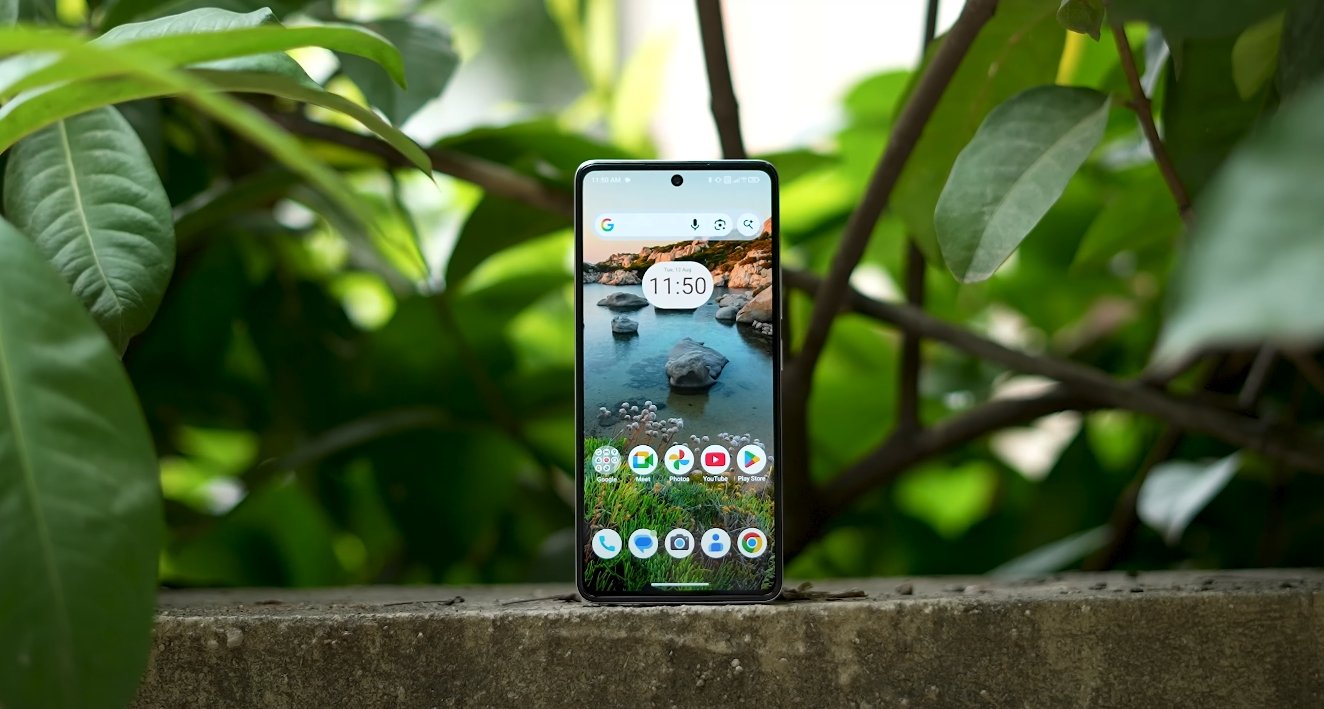
In daylight photography, the Galaxy M17 5G’s 50-megapixel sensor offers more detail and sharper resolution, especially when zooming in or cropping. Its ultra-wide camera provides a broader field of view, perfect for group shots or landscapes. The iPhone SE 3, however, delivers more natural color tones and accurate skin representation thanks to Apple’s calibrated color science. Where the iPhone excels is in the seamless balance between exposure and contrast, resulting in images that often look more realistic even with a single sensor.
Low-light performance is an area where the Galaxy M17 5G benefits from hardware strength. The inclusion of OIS allows longer exposures without blur, while its Night Mode enhances brightness and reduces grain. The iPhone SE 3 performs decently in dim environments but can struggle with noise and limited dynamic range due to its smaller sensor and absence of OIS. Still, Apple’s software manages to produce surprisingly usable shots for a phone with just one lens, particularly in scenarios with mixed lighting.
For video recording, both phones perform admirably in their segments. The iPhone SE 3 supports 4K video at up to 60 frames per second, offering smooth, stable footage with excellent color balance. The Galaxy M17 5G, backed by OIS, provides steadier handheld video and more creative shooting options with its multiple lenses. Samsung’s focus on “No-Shake” video stabilization technology enhances performance for vloggers and casual shooters alike, though Apple’s overall video processing and real-time HDR still give it a professional edge.
Selfie performance differs notably as well. The Galaxy M17 5G’s 13-megapixel front camera captures sharper and wider selfies, making it suitable for group photos and social media use. The iPhone SE 3’s 7-megapixel front camera, though lower in resolution, benefits from Apple’s portrait effects and depth control, which deliver balanced exposure and flattering skin tones. For users who prioritize higher megapixel counts and wide framing, Samsung’s offering feels more flexible, while Apple’s approach ensures consistent, natural-looking portraits.
In summary, the Samsung Galaxy M17 5G wins on hardware versatility, offering multiple lenses, OIS, and broader creative control for photographers. The iPhone SE 3, on the other hand, continues to prove that computational photography can outperform hardware alone, especially in terms of consistency, realism, and video processing. Those who value flexibility and modern features will find the Galaxy M17 5G appealing, while users who prefer reliable point-and-shoot results with strong color accuracy may still gravitate toward the iPhone SE 3. Both devices excel within their philosophies—Samsung with diversity, Apple with precision.