Reeves to reveal multi-billion pound tax rises in Budget 2025
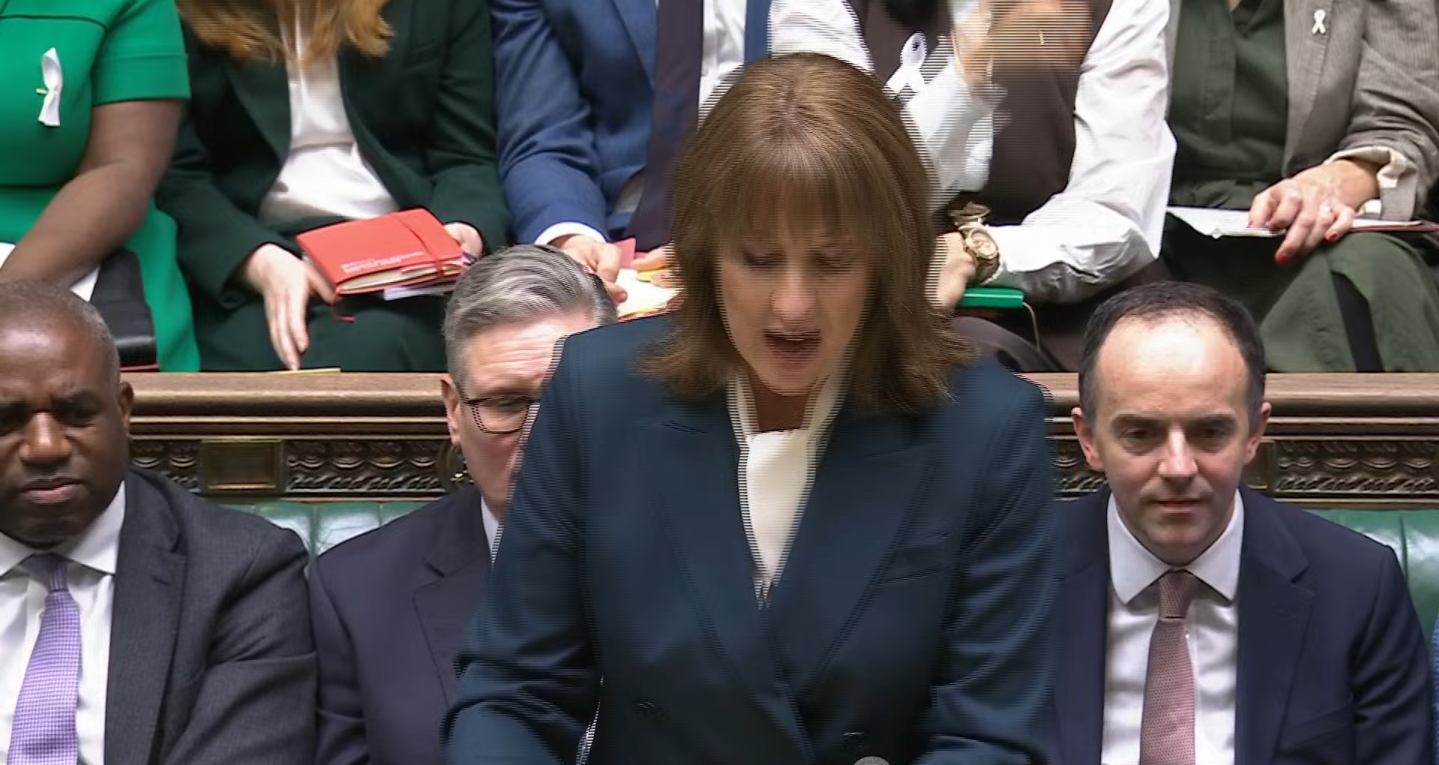
Major Tax Changes Expected to Shape the UK’s Financial Outlook
The latest Budget sees the Chancellor preparing to introduce a substantial package of tax increases aimed at restoring economic stability. These measures are expected to generate billions over the coming years, placing a stronger emphasis on revenue while maintaining commitments to public service funding. UK households, investors and property owners are watching closely as the changes are set to influence both short-term finances and long-term planning.
A central element of the announcement is the continued freeze on income tax thresholds. With wages rising in line with inflation, more earners will gradually fall into higher tax bands. This approach avoids altering tax rates directly but still increases government revenue, impacting a wide section of the working population as incomes shift over the next few years.
The Budget also confirms tighter rules around pension-saving strategies. A new cap on tax-free salary-sacrifice contributions aims to reduce the advantages previously enjoyed by some earners, especially those contributing larger amounts. This adjustment is designed to align pension benefits with the broader fiscal environment, though it may reduce take-home pay for certain workers.

Property and housing form another important part of the revenue-raising measures. Additional taxes on high-value properties and second homes will increase the financial burden for wealthier homeowners. The move signals a targeted approach to generating funds while limiting the direct effect on average households. These changes could also influence property activity in higher-priced regions.
The Chancellor has also opted to raise duties on selected goods and lifestyle-related services. Areas such as gambling and other taxed purchases will see increased costs, adding incremental pressure to households making regular use of these services. Although the rises are modest individually, they contribute to the overall tightening of spending conditions.
Financial reforms extend to investments and savings as well. Adjustments to dividend taxation and capital gains rules are expected to reduce the advantages previously enjoyed by investors and landlords. While intended to increase fairness and broaden the tax base, these changes may temper enthusiasm in certain investment sectors and affect long-term savings strategies.
The government describes these combined measures as necessary to support critical public services and maintain fiscal discipline. Despite the increased tax burden, the Budget includes commitments to areas such as healthcare and education, reinforcing the message that higher revenue is essential to sustain service levels without deeper cuts.
Political reactions have been swift, with opposition parties challenging the scale and focus of the tax rises. Critics argue that the cumulative impact may place additional strain on working families already managing rising living costs. Supporters counter that the approach is measured, with most measures affecting higher earners and wealthier households more significantly.
Updated projections released alongside the Budget offer insight into economic expectations for the coming years. Forecasters anticipate moderate growth and ongoing fiscal pressures, reinforcing the need for strong revenue streams. These projections serve as a backdrop for the government’s decisions and help explain its focus on long-term sustainability.
As the measures begin to take effect, households and businesses will be reviewing their own financial plans to understand the implications. With changes spanning income, property, pensions and investments, the Budget sets the tone for a shift toward greater contribution across multiple sectors.