Redmi K90 Pro Max eco credentials: packaging, longevity and sustainability
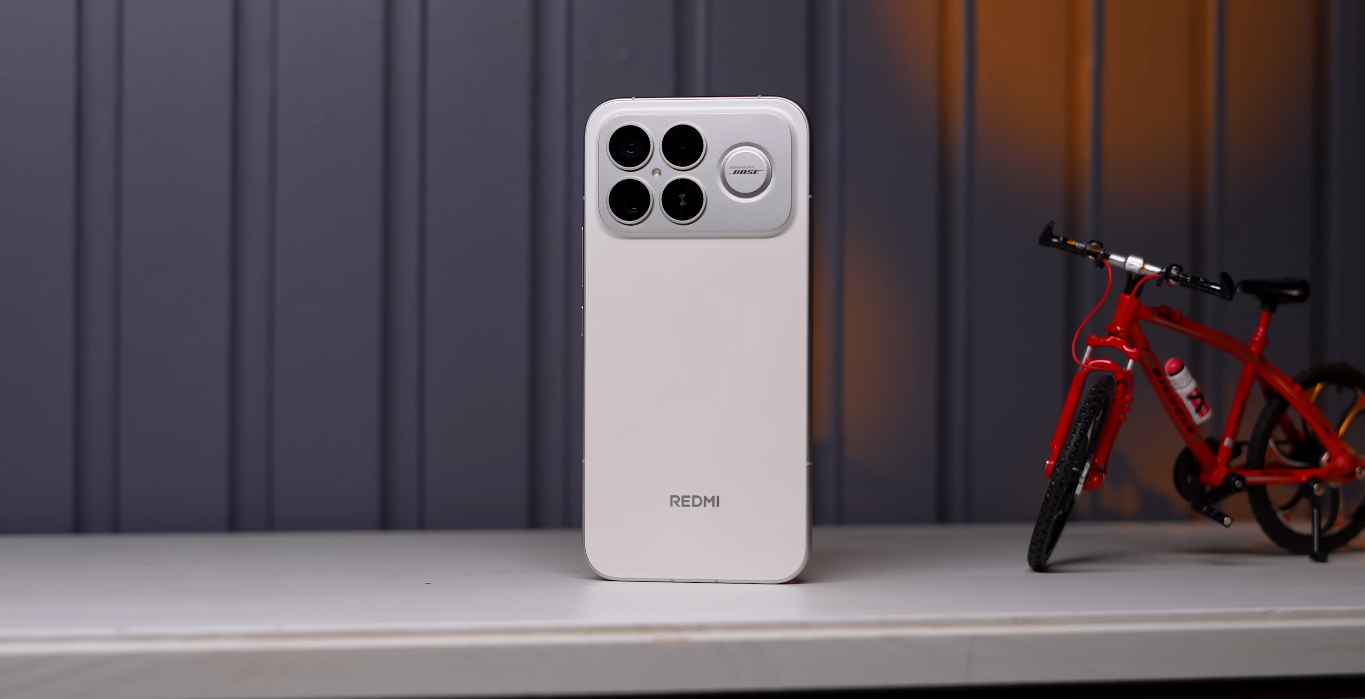
How sustainable is Xiaomi’s latest flagship in the real world?
The Redmi K90 Pro Max is one of Xiaomi’s most advanced smartphones yet, combining powerful hardware with a bold design. But in 2025, buyers in the UK are also paying closer attention to environmental impact and long-term value. While performance grabs headlines, sustainability — from packaging to product longevity — is becoming an important part of the story.
Starting with packaging, Xiaomi has gradually shifted towards more eco-friendly materials across its product range. The Redmi K90 Pro Max continues this trend, shipping in a compact box made primarily from recyclable cardboard with minimal use of plastic. Most retail units feature a paper-based outer layer and simplified internal layout, designed to reduce waste. The company has not completely eliminated plastic, but it has reduced its presence in wrapping and internal separators compared to previous Redmi generations.
The inclusion of a charger remains a topic of debate. Xiaomi continues to provide one with the K90 Pro Max, which some eco-conscious users see as a negative compared to brands that omit it to cut waste. However, Xiaomi argues that including a 100W fast charger ensures maximum efficiency and eliminates the need for users to purchase separate adapters — which also has environmental benefits when measured across the device’s lifespan.
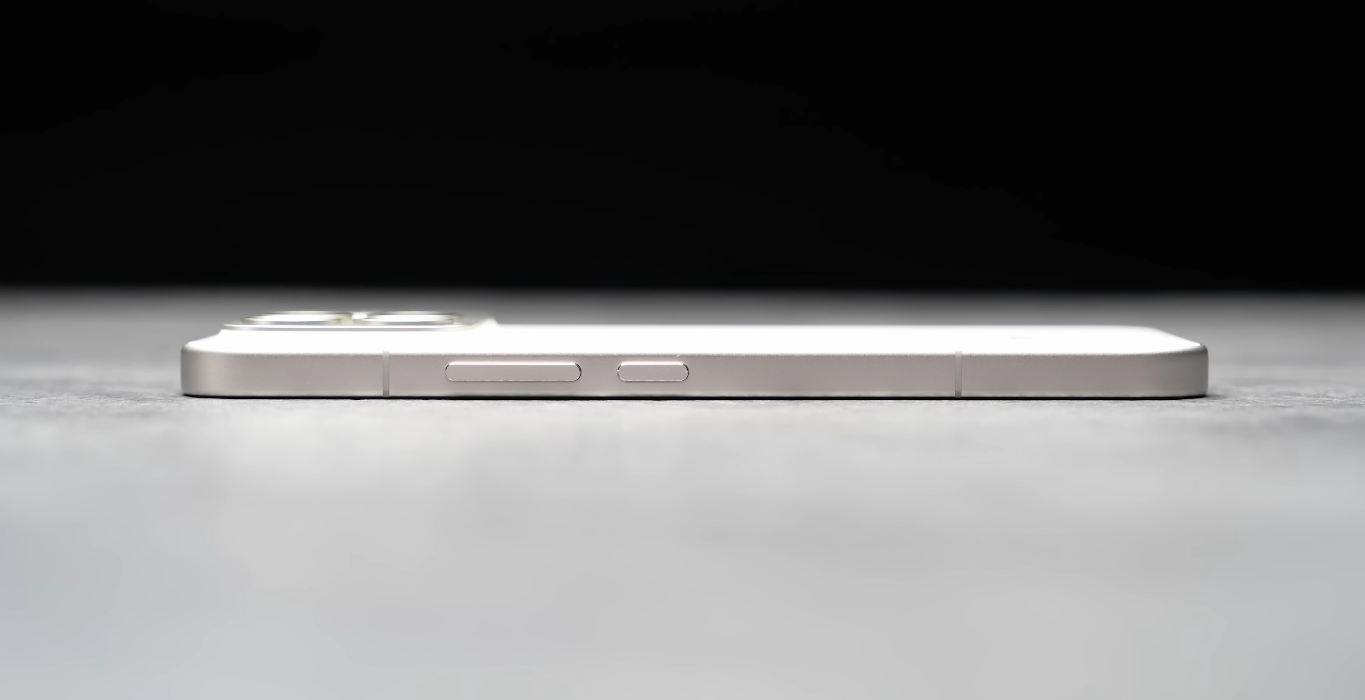
When it comes to build quality and longevity, the K90 Pro Max fares well. Its premium aluminium frame, Gorilla Glass protection, and high-end internal components mean it is designed for several years of daily use. The Snapdragon 8 Elite Gen 5 processor, combined with up to 16GB RAM, ensures the phone won’t quickly fall behind in performance. Xiaomi has also committed to four years of Android updates and five years of security patches, extending its usable life significantly for UK consumers.
Repairability is one area that still has room for improvement. Like most flagship phones, the Redmi K90 Pro Max isn’t designed for easy DIY repairs. The battery and display require professional servicing, and while authorised repair centres in the UK will stock parts, Xiaomi doesn’t yet provide full self-repair options. Nonetheless, its modular internal design allows service technicians to replace key components efficiently, reducing the number of devices discarded early due to damage.
In terms of energy efficiency, the K90 Pro Max benefits from the 3nm Snapdragon chip, which is considerably more power-efficient than older architectures. This helps reduce overall energy consumption during daily use. Combined with its large 7,560mAh battery and advanced power management, users can expect lower charging frequency — a small but meaningful environmental gain over time.
Xiaomi has also implemented regional sustainability initiatives, including trade-in programs and recycling support for UK customers through authorised partners. While the company’s overall carbon reduction goals are not as aggressive as some rivals, it has publicly committed to using more recycled materials and reducing packaging waste by 2030.
For UK buyers looking for an environmentally responsible smartphone, the Redmi K90 Pro Max strikes a balance between premium performance and mindful production. It’s not the most eco-centric device available, but it performs above average in material usage, efficiency, and long-term software support.
Ultimately, the best sustainability choice is longevity — and this phone delivers on that front. With durable construction, extended update cycles, and efficient hardware, the Redmi K90 Pro Max is built to last. For buyers seeking a flagship that’s both powerful and mindful of its footprint, Xiaomi’s latest model stands as a well-rounded and responsible option.
Also Read: iQOO Neo 11 leak reveals IP68/IP69 rating which impresses UK users