Redmi K90 Pro Max display brightness hits 3,500 nits — perfect for UK sunlight
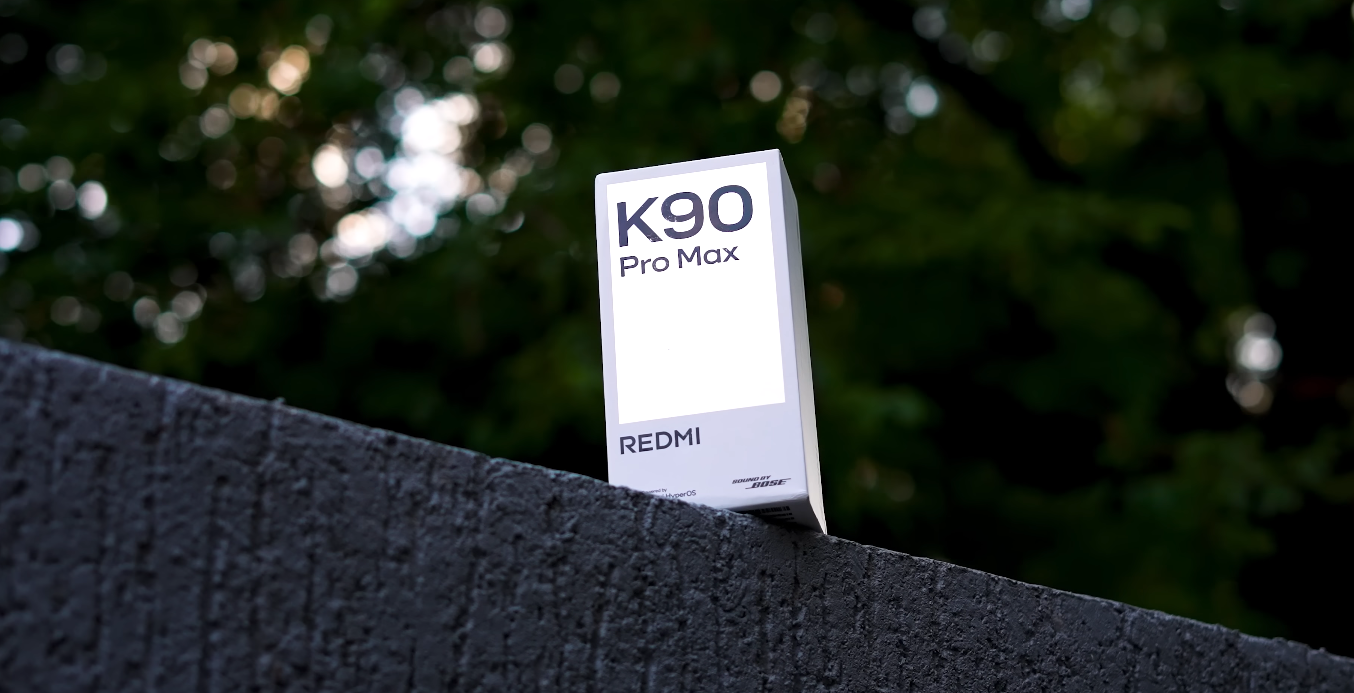
Extreme peak luminance sets new clarity expectations outdoors
Xiaomi’s latest display communications have focused heavily on extreme peak brightness levels, and the Redmi K90 Pro Max has been highlighted as pushing to 3,500 nits in peak conditions. This figure sits well above mainstream flagships currently circulating in western markets, and it represents a deliberate move to prioritise outdoor legibility alongside HDR headroom. For UK readers, this matters because even though the UK is not known for constant sunshine, the low-angle glare that appears on bright winter days can make standard displays wash out.
Peak brightness specifications are usually measured in very specific visual modes, and Xiaomi has been framing 3,500 nits as a hardware capability rather than a default baseline. That means the system only reaches the extreme level in particular highlight conditions, such as HDR scenes or high-contrast outdoor sunlight events. The advantage for UK users is that this kind of peak luminance keeps shadows visible against bright reflections, and text remains crisp even when the sun reflects strongly from glass or metal surfaces.
Xiaomi’s display briefings have presented higher luminance partly as an HDR enabler. When a panel has more headroom, it can stretch bright highlight zones without forcing the whole frame to rise, and this maintains colour consistency. For users in the UK who stream HDR content on trains or during commutes, having headroom makes the footage look less flat and enables more dynamic tonal pops. It also prevents the panel from overdriving unnecessarily when conditions change quickly.
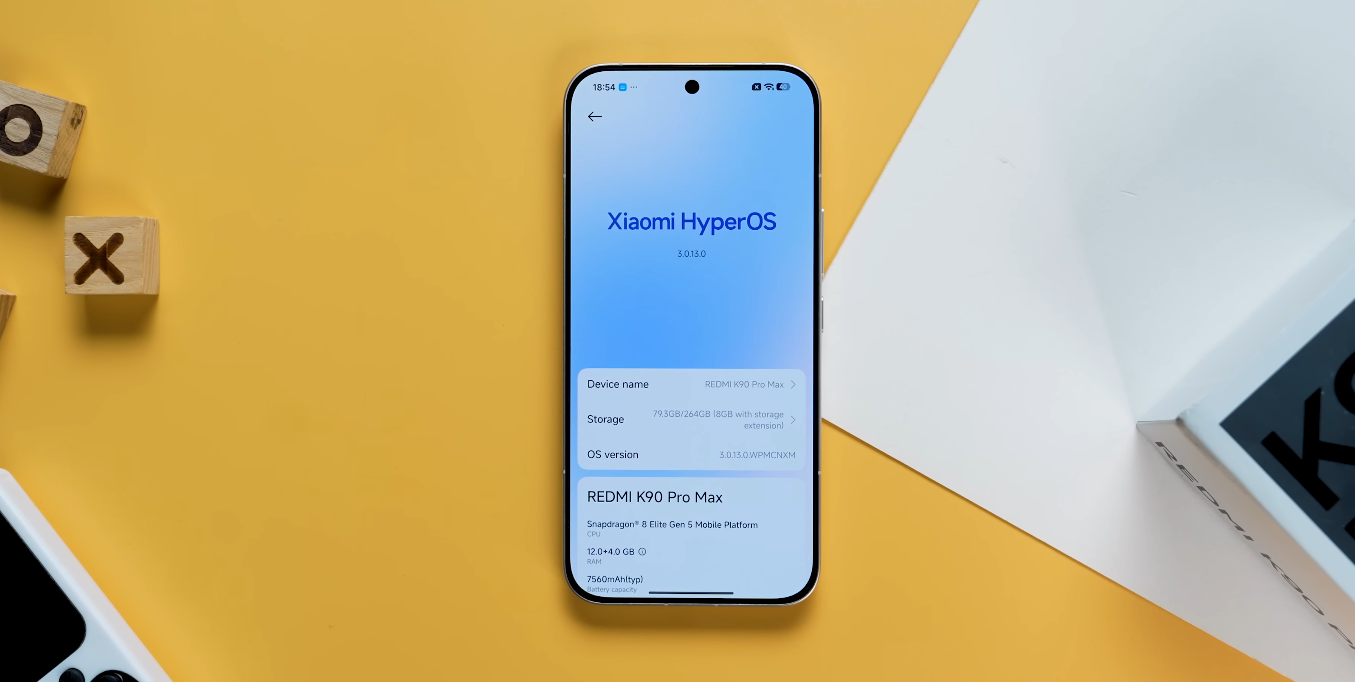
Another practical angle is daylight mapping. Higher peak brightness allows the phone to run more comfortably in mid ranges without needing to push the system close to thermal limits. If a screen can hit 3,500 nits, then running at 800 to 1,200 nits becomes easier and more stable in typical real-world outdoor sessions. For UK users who jump between indoor office work and outdoor pavement walking, this smoother control means fewer sudden dips or surges.
Panel efficiency matters too. Higher peak values have historically risked heavy battery drain, but Xiaomi has been emphasising improved drive efficiency. The company has been presenting its display work in parallel to its silicon-carbon battery efforts, which suggests a combined strategy. For UK readers, the interplay between brightness and battery is critical because long battery life is one of the clearest user-priority features, especially when mixed-use data, messaging and maps are common.
Colour volume also benefits when the system has a higher luminance ceiling. Saturation can hold better at high light levels, and mid tones can keep shape. With the UK’s reflective surfaces in busy areas like glass-front retail and metal urban street furniture, this can reduce the way colours wash out. The continuity between indoor cinema-like viewing and outdoor clarity is part of the reason OLED peak brightness has become a major marketing headline.
Improved sun mode behaviour also matters for maps. UK drivers and walkers rely on navigation that needs to remain viewable at a glance, not only when glare is minimal. Higher peak brightness makes it easier to spot lane markers, junction arrows, and location markers without needing to shade the screen with a hand. Even brief moments of clarity provide smoother navigation flow, especially in bright mid-day winter sun.
There is another subtle benefit: reflections become more manageable. When brightness is significantly higher than reflection intensity, the image dominates instead of the reflection dominating. That makes the phone more usable as a photographic reference screen outdoors. For UK users capturing shots of architecture or landscapes, the preview gains clarity that improves framing accuracy.
The longer-term implication is that brightness is now a strategic spec, not a side detail. The 3,500 nit statement acts as a benchmark that pushes expectations across the segment. The UK audience has become increasingly performance aware, and display legibility matters more than small synthetic differences in processing. This is why the brightness figure is resonating so much.
In the broader picture, the Redmi K90 Pro Max’s extreme peak brightness capability signals a shift in Xiaomi’s display priorities. Instead of focusing only on colour charts or resolution numbers, the brand is now addressing real-world use conditions. For the UK market, where sun appears less predictably but still produces hard reflections, this top-tier luminance headroom is one of the clearest and most immediately visible upgrades a modern flagship can deliver.