Redmi K90 Pro Max camera sample night mode: how dark can it go?
Evaluating the Low-Light Capabilities in Real-World Conditions
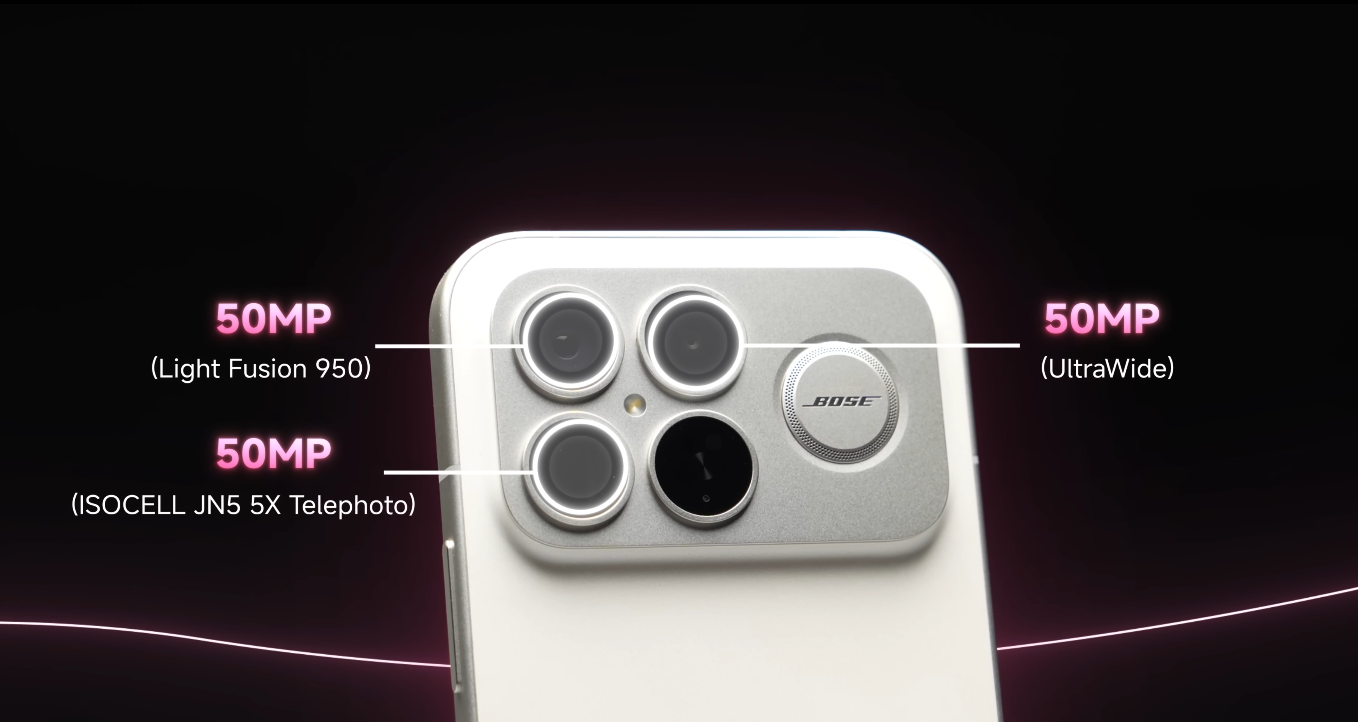
The Redmi K90 Pro Max has drawn attention for its camera hardware, particularly how it performs at night. With manufacturers increasingly focusing on night photography, this device enters the space promising strong detail retention and improved brightness in challenging lighting. Its camera system includes a high-resolution main sensor with optical image stabilisation and dedicated night-mode processing, all aimed at enhancing clarity in dim situations.
Night mode on the Redmi K90 Pro Max is designed to capture more light than standard auto mode. By extending exposure time and merging multiple frames, it attempts to produce a brighter picture than what the human eye may perceive in real time. In early usage, this results in images where shadows appear more defined and key subjects remain visible even when ambient lighting is limited, such as street corners or dim living rooms.
The phone’s main sensor is the strength of the setup. It is engineered to gather more light through a larger aperture, reducing noise and improving contrast in darker environments. This allows subjects like signage, buildings, and faces to retain clarity without turning grainy. When handheld, the optical stabilisation helps maintain sharpness by compensating for small movements during longer exposures.
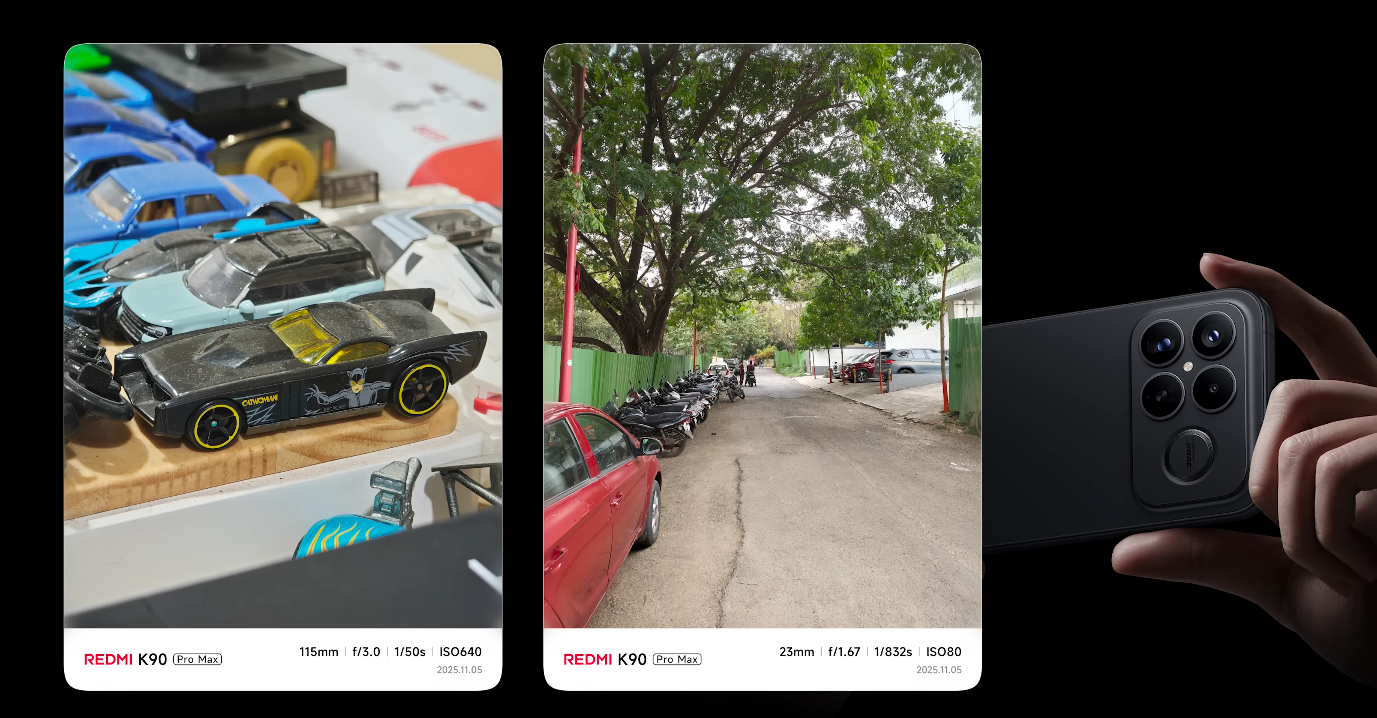
The ultra-wide lens, while useful for capturing broad scenes, does not match the main camera at night. It tends to soften textures and introduce slight noise under street lighting or indoor dimness. However, the ultra-wide still performs reliably in mildly low-light scenarios where some artificial or moonlight is present. Using it in nearly complete darkness may lead to a noticeable drop in detail.
The telephoto lens offers versatility for zooming at night, but it requires some ambient light to perform well. At moderate lighting levels, such as city streets with lamps or indoor areas with warm lighting, the zoom retains usable sharpness and colour accuracy. When lighting becomes very scarce, zoom shots may appear softer due to the smaller amount of light reaching the sensor.
In real-world use, the phone tends to brighten scenes beyond what the eye naturally sees. This can make night photos look vivid and clear, but sometimes slightly artificial if the light boost is strong. For everyday photography, this is beneficial, as it ensures the subject remains visible and the overall scene presents well without requiring edits. The dynamic range management also helps avoid blown highlights from lamps or headlights, a common issue in night photography.
Where the device shows its limits is in extremely dark environments with near-zero light sources. When shooting in areas with minimal street lighting or outdoor countryside settings, noise becomes more noticeable, and finer textures can lose definition. This limitation is common across smartphones, as sensor size and physics restrict how much true detail can be extracted from darkness.
To achieve the best night results, it helps to hold the phone steady, especially during long-exposure captures. Using the main camera as much as possible is recommended, as it consistently produces the most balanced night performance among the lenses. Slight movements can cause blur, so a stable grip or resting the phone on a surface improves clarity.
Overall, the Redmi K90 Pro Max delivers strong night-mode performance that suits general city, indoor, and street photography after sunset. It produces bright and shareable images with commendable detail and controlled highlights. While it cannot fully overcome extremely dark settings, it manages typical night situations with confidence and clarity. For users who frequently photograph nightlife, events, or evening landscapes, it stands as a capable and dependable option in its class.