Key differences between imported and UK-stock Redmi 15 models
The Redmi 15 has gained attention in the UK for its large display, long battery life, and attractive price. However, many buyers are finding two different versions on sale — imported global units and official UK-stock models. While they may look identical, there are crucial differences every buyer should understand before making a purchase.
The biggest distinction lies in software and firmware. The UK-stock Redmi 15 ships with the official UK or EU ROM, which includes full Google services, local app integration, and compatibility with UK carriers. Imported models, often sourced from Asia, may use regional firmware that can restrict updates or create issues with system settings. In some cases, imported phones run modified “Global ROMs,” which can receive delayed updates and may not support all network features in the UK.
Network band support is another key factor. The UK version of the Redmi 15 includes all the essential 4G and 5G frequency bands used by local networks like EE, Vodafone, and O2. Imported variants may miss certain bands, leading to weaker signal strength or limited 5G access in rural areas. While urban coverage may remain fine, users outside city centres could notice differences in connectivity.
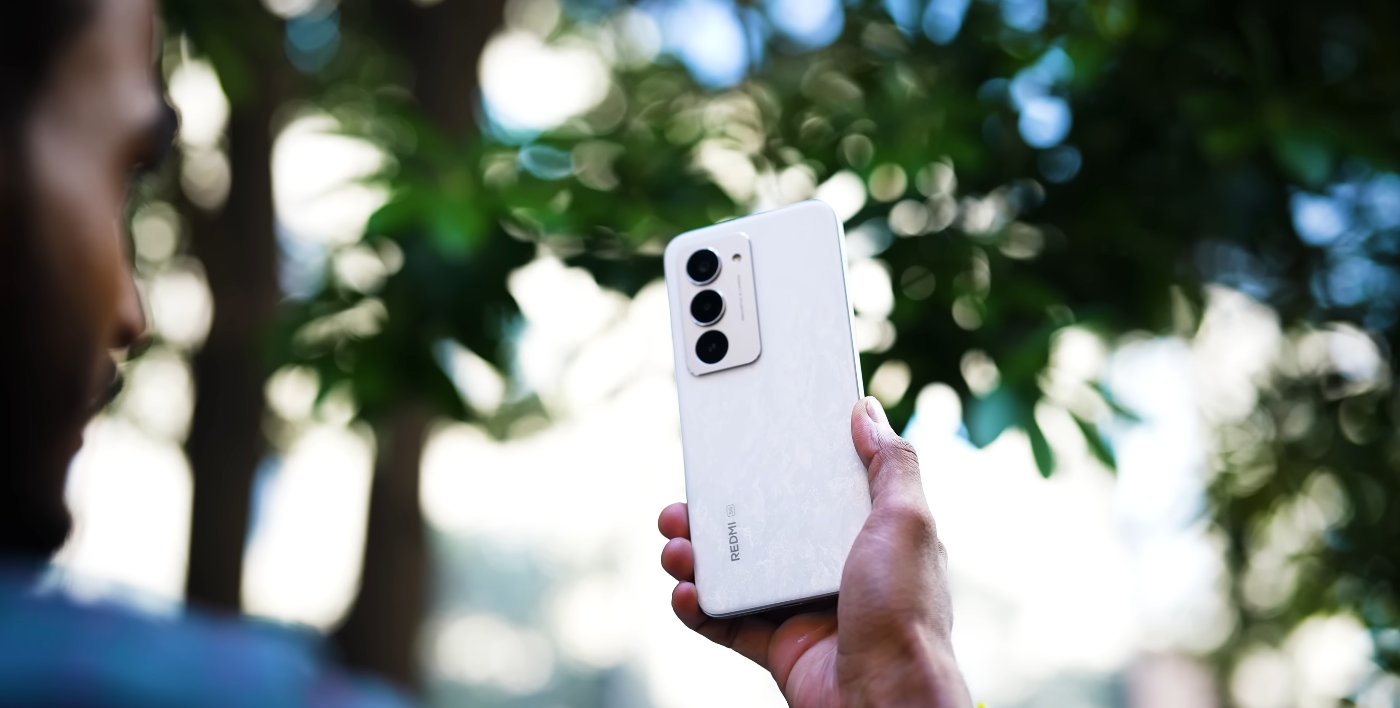
Warranty and service are also important considerations. Official UK-stock devices are covered by Xiaomi’s regional warranty, which means repairs and support are handled locally through authorised centres. Imported versions usually lack this coverage. In case of faults, users often need to return the phone to the country of origin, which can be expensive and time-consuming. For long-term reliability, the UK-stock model offers far more security.
Charging accessories differ slightly between the two as well. The UK-stock Redmi 15 includes a 33W charger with a standard UK three-pin plug, ready for local voltage use. Imported models often come with an EU or Asian plug, requiring an adapter. While that’s a minor issue, it can affect charging safety and speed if you use third-party accessories not rated for UK power standards.
Pricing is where imports appear most tempting. Overseas sellers typically list the Redmi 15 at a slightly lower price than local retailers, sometimes undercutting by £30–£50. However, this saving can vanish once customs duties or VAT are applied upon delivery. Additionally, without warranty and proper network optimisation, the lower cost can end up being a false economy in the long run.
Software updates and long-term support also vary. UK-stock models receive regular OTA updates directly from Xiaomi’s European servers. Imported models might be delayed or need manual flashing to access updates. This can affect features like security patches, camera optimisations, or new HyperOS versions.
Before buying an imported Redmi 15, it’s essential to verify the model number and confirm whether it supports UK network bands. Checking that the firmware includes Google Play and OTA update support is equally important. Buyers should also factor in the cost of adapters or potential customs fees before finalising the order.
In summary, the Redmi 15’s imported version can work in the UK but with certain compromises. It’s suitable for tech-savvy users comfortable handling software tweaks or minor network limitations. However, for most buyers who prefer reliability, after-sales support, and full compatibility, the UK-stock version remains the safer and more dependable choice.
Overall, the Redmi 15 delivers strong value in both forms, but UK buyers prioritising stability and convenience should stick with the official local variant. It ensures better performance, guaranteed updates, and complete peace of mind from day one.
Also Read: Xiaomi 17 Pro Max vs Xiaomi 17 Pro: is the Pro Max worth the extra cash?