Raspberry Pi 5 Price Surge: Top Model Now Costs $205 Due to RAM Crisis
Raspberry Pi 5 Price Hike: Understanding the Impact of the DRAM Crisis
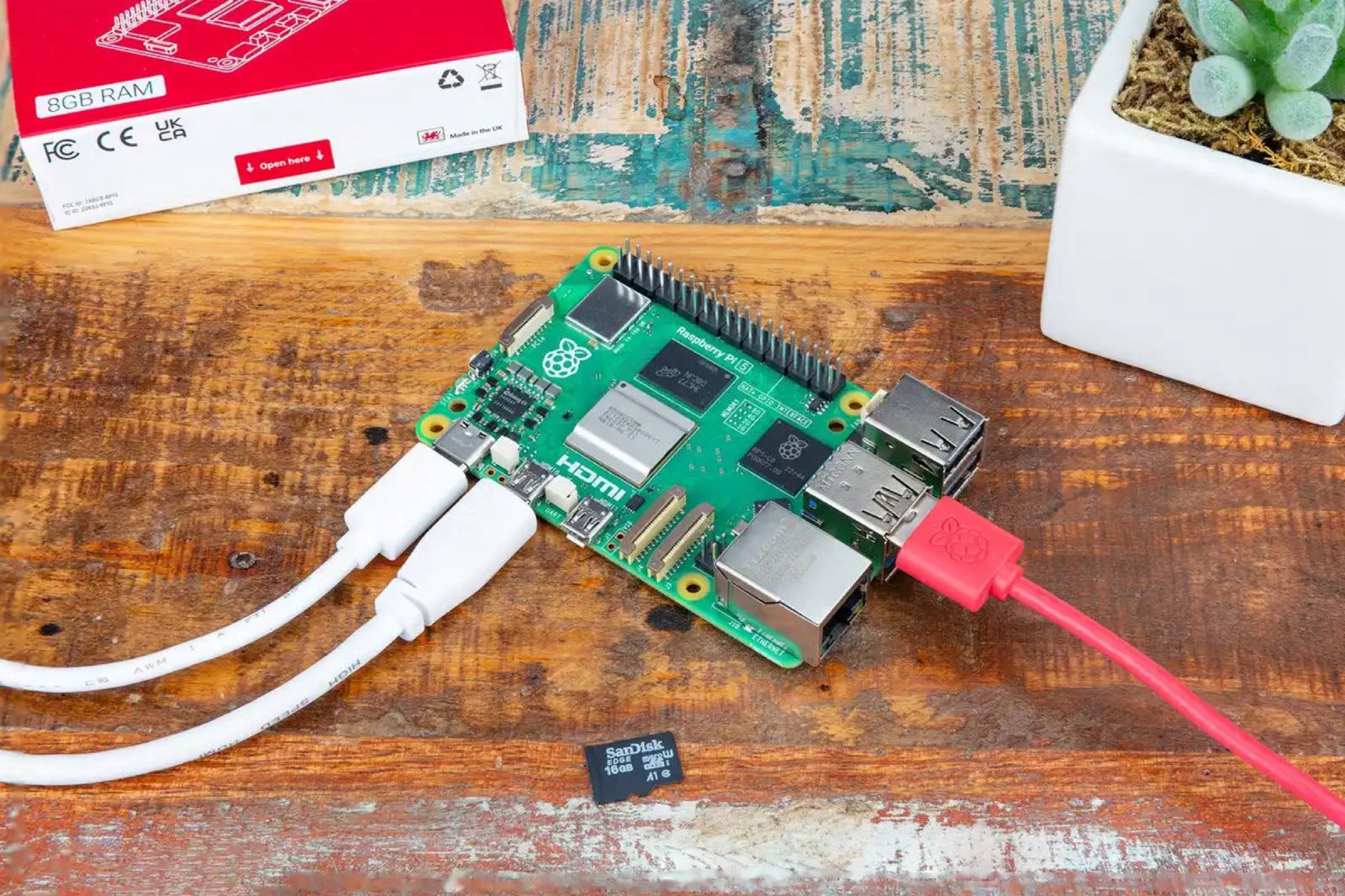
The Raspberry Pi Foundation has announced a significant price increase for its popular single-board computers, with the top-end Raspberry Pi 5 model now costing $205. This marks a 70% increase in price due to the ongoing DRAM crisis. The shortage of dynamic random-access memory has led to a surge in costs for the foundation.
The Raspberry Pi 5, known for its versatility and affordability, has become a staple in the world of DIY computing and robotics. However, the current DRAM crisis has forced the foundation to raise prices for the second time in just two months. The 16GB model, in particular, has seen a substantial price hike, making it less accessible to hobbyists and educators.
The DRAM crisis, caused by a combination of factors including supply chain disruptions and increased demand, has affected the entire tech industry. The Raspberry Pi Foundation is not alone in feeling the pinch, as many manufacturers struggle to secure affordable memory components. As a result, consumers are facing higher prices across the board, from smartphones to laptops and single-board computers.
Despite the price increase, the Raspberry Pi 5 remains a popular choice among makers and developers. Its impressive specifications, including a quad-core CPU and Wi-Fi connectivity, make it an attractive option for a wide range of projects. However, the higher price point may deter some users, particularly those on a tight budget. As the DRAM crisis continues to affect the tech industry, it remains to be seen how the Raspberry Pi Foundation will adapt to the changing landscape.
The price hike has sparked a debate among enthusiasts, with some arguing that the increased cost is still reasonable considering the device’s capabilities. Others, however, are concerned that the higher price point will limit accessibility and stifle innovation. As the situation continues to evolve, it is essential to analyse the impact of the DRAM crisis on the tech industry and the Raspberry Pi community.
The Raspberry Pi Foundation has assured users that it is working to mitigate the effects of the DRAM crisis and explore alternative solutions. In the meantime, users can expect to pay a premium for the top-end Raspberry Pi 5 model. While the price increase may be a setback for some, it is essential to consider the broader implications of the DRAM crisis and its potential long-term effects on the tech industry.
As the demand for memory components continues to grow, manufacturers must adapt to the changing landscape. The Raspberry Pi Foundation, in particular, must balance the need to keep prices competitive with the need to secure affordable components. Only time will tell how the situation will unfold, but one thing is certain – the DRAM crisis has significant implications for the tech industry and beyond.
In conclusion, the Raspberry Pi 5 price hike is a direct result of the ongoing DRAM crisis. While the increased cost may be a concern for some users, it is essential to consider the broader context and the potential long-term effects of the crisis. As the situation continues to evolve, it is crucial to stay informed and adapt to the changing landscape.