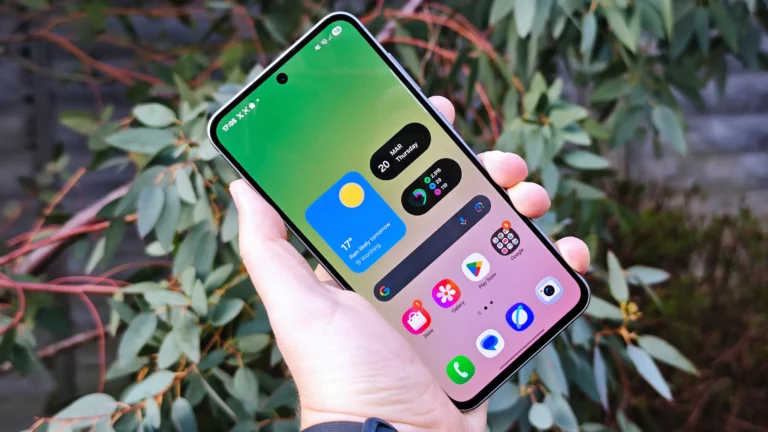
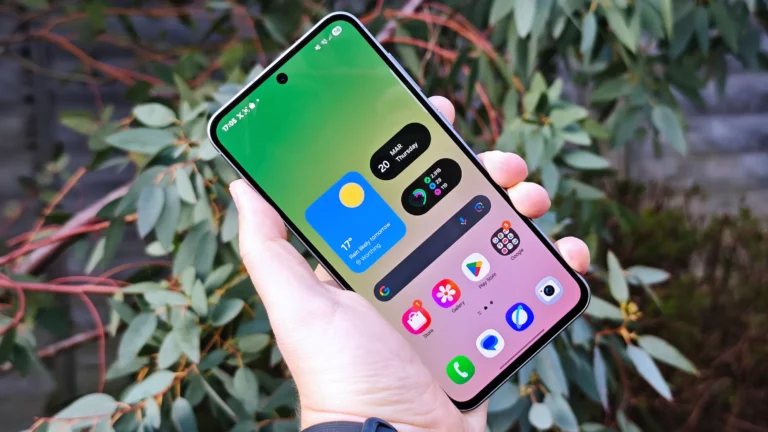
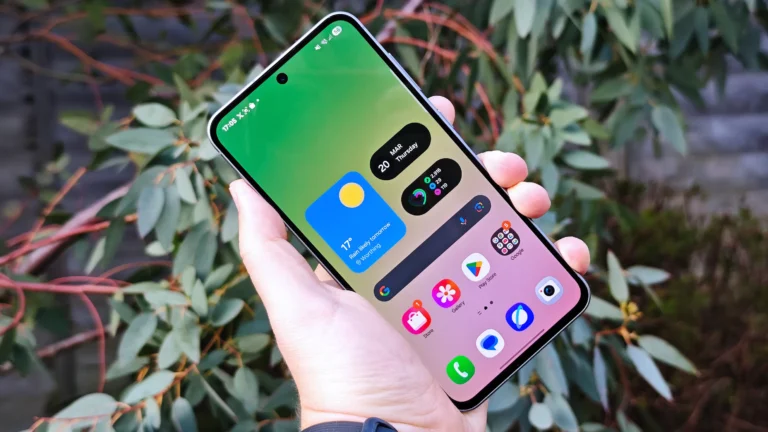
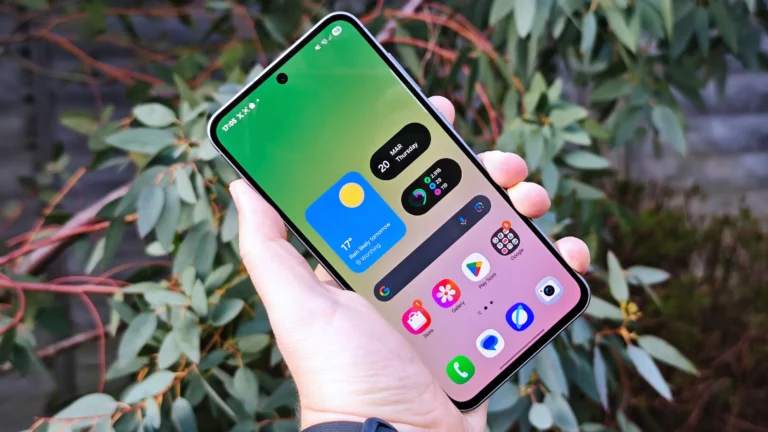
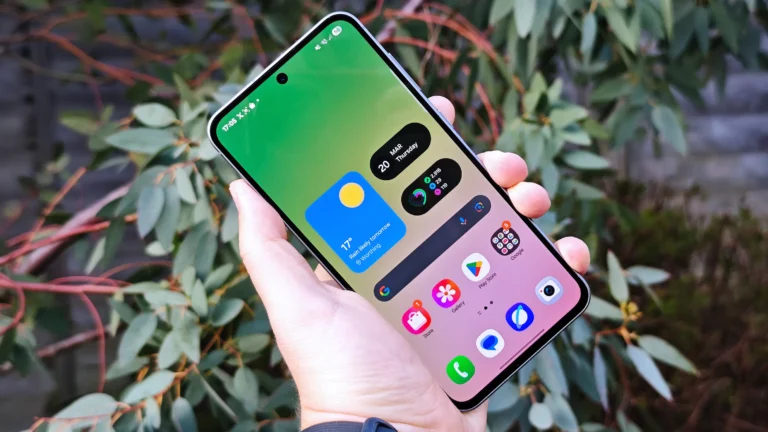
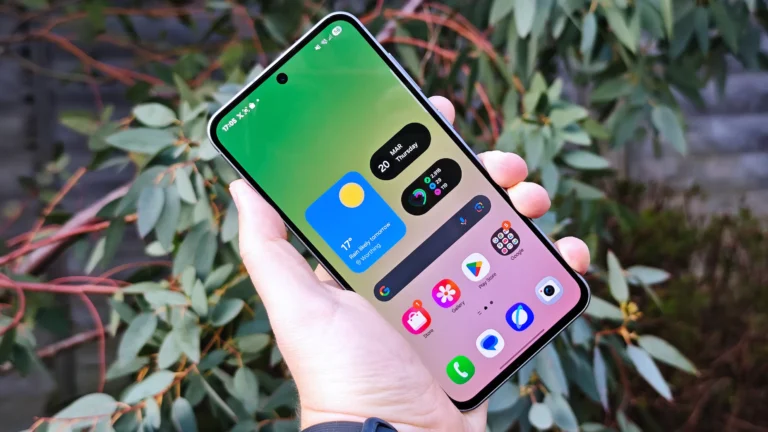
POCO F8 Pro vs iPhone 17 Pro Max: specs war for ultimate mobile photography
Battle of flagship cameras in the next-gen smartphone era
The contest between the POCO F8 Pro and the iPhone 17 Pro Max has become one of the most talked-about comparisons among smartphone enthusiasts, especially those focused on mobile photography. Both devices arrive with the intention of redefining what a camera phone can deliver, but they follow different approaches in hardware and image processing. With creators on Instagram and TikTok pushing demand for high-quality visuals, buyers are looking closely at which phone truly leads in camera capabilities.
Apple continues its tradition of premium imaging with the iPhone 17 Pro Max, equipping it with a triple 48-megapixel camera system that covers wide, ultra-wide and telephoto focal lengths. This versatility gives users strong control over framing and distance, with emphasis on optical zoom performance when shooting portraits or capturing subjects at long range. The device benefits from Apple’s deep integration of computational photography and image processing, enhancing details and colour accuracy straight out of the camera.
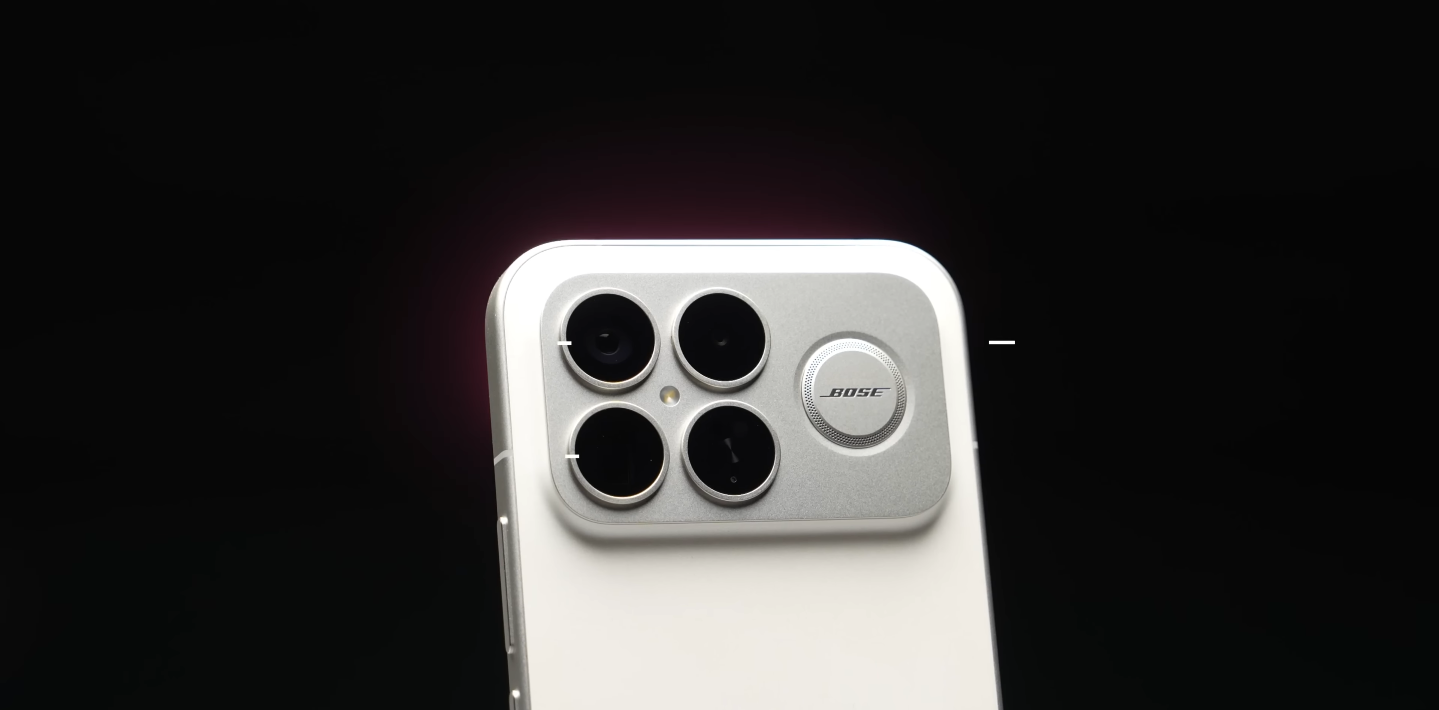
The POCO F8 Pro, positioned as a competitive flagship alternative, focuses on delivering maximum value through high-resolution hardware at an accessible price segment. The main camera features a 50-megapixel sensor designed to capture large amounts of detail, supported by a telephoto and an ultra-wide module in a triple-camera arrangement. The strategy aims to offer flagship-grade versatility without positioning the device exclusively for the luxury market.

In video recording scenarios, the iPhone 17 Pro Max continues its push into professional-style videography. Support for high-bitrate recording modes, advanced stabilisation and refined skin-tone rendering is intended to appeal to both casual users and professional creators. The POCO F8 Pro focuses on high-resolution recording such as 4K with stabilisation, ensuring users can produce polished video content that holds up well on social media platforms even after compression.
Low-light performance serves as a major point of separation between the two smartphones. The iPhone line has consistently elevated night photography through sensor optimisation and dedicated low-light processing. With the iPhone 17 Pro Max, this trend continues as the device attempts to deliver bright and noise-free images even in dim scenes. The POCO F8 Pro relies heavily on its high-resolution main sensor to maintain clarity, and improvements in noise handling suggest confidence in night-mode output for users who frequently shoot indoors or after sunset.
For creators who share content frequently, the front camera matters just as much as the rear setup. The iPhone 17 Pro Max places emphasis on realistic skin tones and accurate exposure in selfie shots, benefiting users who film vlogs or video calls. The POCO F8 Pro offers a high-resolution front sensor designed to capture sharp detail, making it appealing for users who rely on the selfie camera for lifestyle content and portrait-style shots.
Storage management plays a role in real-world usage, especially for photography enthusiasts capturing 4K video and high-resolution stills. The iPhone 17 Pro Max offers multiple storage variants suitable for professional users with heavy workloads. The POCO F8 Pro offers generous internal storage to support creators who need space for media files but want to avoid constant device clean-ups or cloud reliance.
Ultimately, the question of which smartphone is the “ultimate” choice for mobile photography comes down to user priorities. Photographers and filmmakers seeking the most consistent results across a wide range of environments are likely to favour the iPhone 17 Pro Max, thanks to its balanced camera system and mature processing pipeline. Meanwhile, users who want flagship-level photographic flexibility and high resolution without moving into the top pricing tier will find the POCO F8 Pro highly compelling.
The landscape of mobile photography in 2025 is defined not only by megapixels but by the balance between hardware, software, video performance and value. The iPhone 17 Pro Max presents a polished and reliable experience for professionals and serious creators, while the POCO F8 Pro delivers powerful hardware that makes flagship-style imaging more accessible. Either choice provides a capable platform for next-generation smartphone photography, but the final decision depends on whether the buyer values premium refinement or value-driven flagship power.