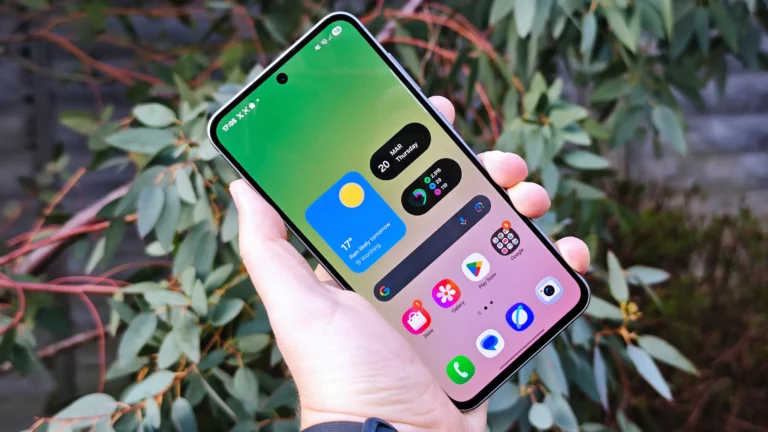
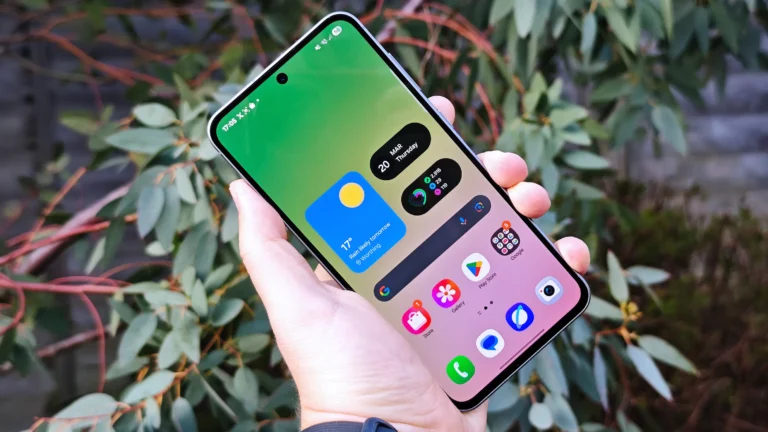
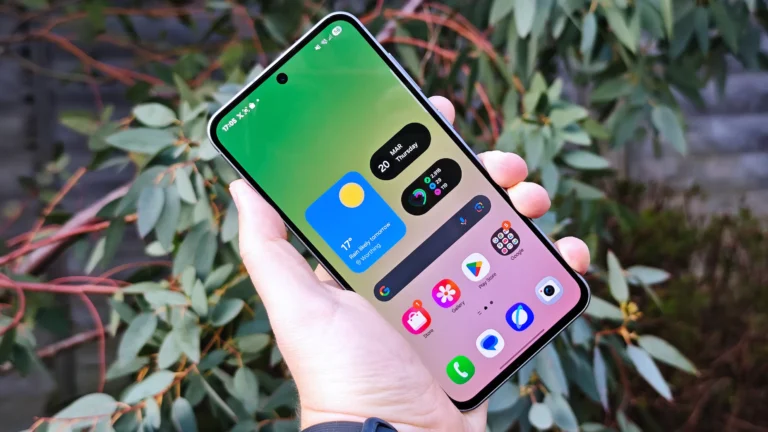
POCO F8 Pro vs budget flagship killers: which offers the smarter buy?
Choosing the Best Value Flagship in 2025
The POCO F8 Pro enters the market at a time when the budget flagship category has become more competitive than ever. Many brands now offer top-tier performance at mid-range prices, making it essential to look closely at what each device truly delivers. With its upcoming global availability and strong leaked specifications, the POCO F8 Pro is expected to challenge several established rivals in this space.
Early information suggests that the POCO F8 Pro aims to deliver flagship-level performance through a top-grade chipset and a refined user experience. The brand has consistently positioned its F-series phones as high-value alternatives, and this generation appears to be following the same strategy. For buyers who want speed and efficiency without stepping into ultra-premium territory, the F8 Pro immediately stands out.
A significant highlight is the expected focus on performance. High-end processors, better thermals, and improved graphics efficiency make the F8 Pro a strong contender for users who prioritise gaming, multitasking, or heavy productivity workloads. These improvements could place it well ahead of several affordable flagship competitors offering slightly older or less powerful chipsets.

The display is another area where POCO is looking to deliver. A high-refresh-rate panel combined with a sharp resolution gives the F8 Pro the kind of visual experience often reserved for pricier flagship models. Smooth animations, crisp details, and better outdoor visibility would give it an edge over some budget rivals that still use more basic displays to cut costs.
Camera capability remains a key battleground in this category. The POCO F8 Pro is expected to offer an upgraded sensor array, designed to improve low-light performance, stabilisation, and zoom versatility. While some competitors may still edge ahead with more advanced flagship lenses, POCO’s approach typically focuses on delivering consistent everyday performance, which is often what matters most to buyers in this segment.
Battery and charging are also essential considerations when choosing a value flagship. With many phones now pushing fast-charging technology, the F8 Pro is expected to keep pace by supporting higher wattage charging for quicker top-ups. Its battery capacity should comfortably last through a full day of mixed use, which aligns with what buyers expect from phones in this price bracket.
Software and long-term updates often separate a good purchase from a smarter one. While POCO has made improvements in update frequency and stability, competing brands in the budget flagship category may still offer longer or more guaranteed update cycles. This is an area buyers should weigh carefully, especially if they plan to keep the phone for several years.
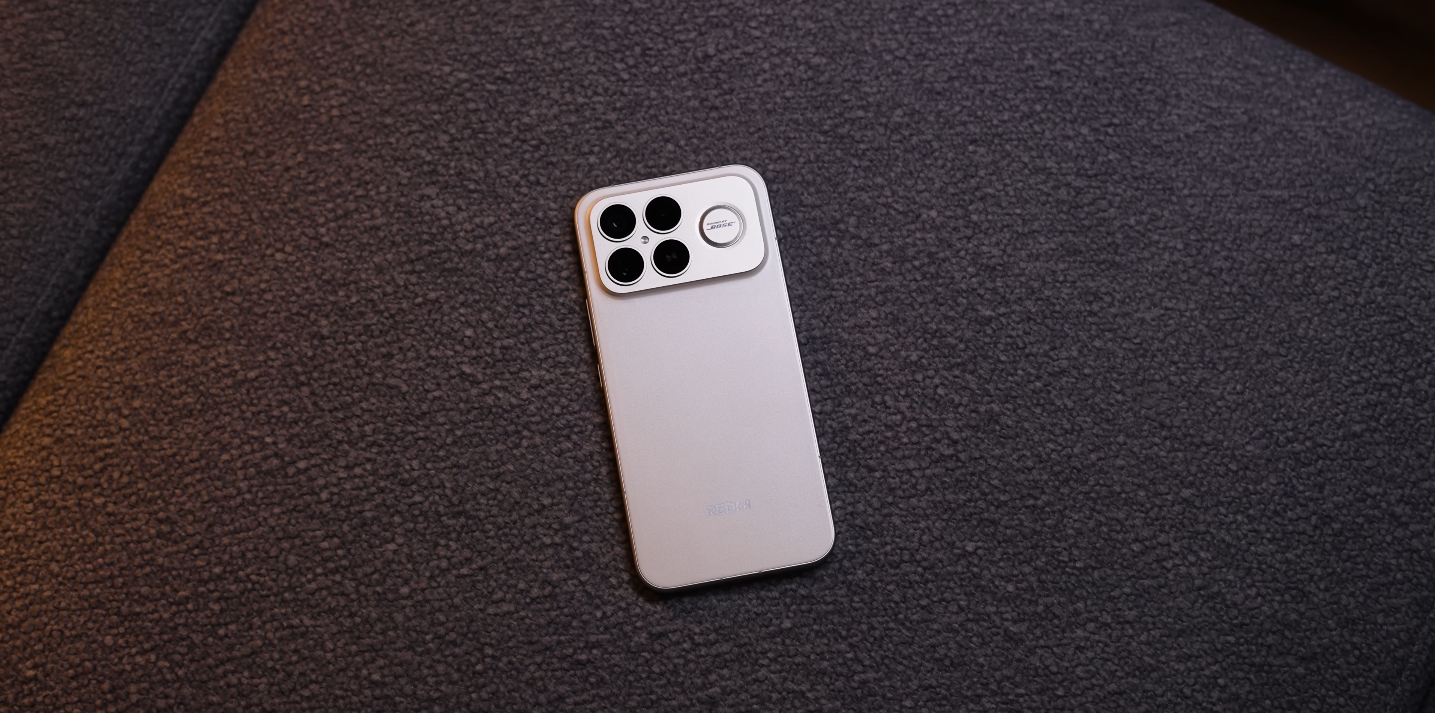
Design, audio quality, and build materials are secondary but still significant. The F8 Pro is expected to include refined audio tuning, a sleeker form factor, and a solid build. Some competitors may offer more premium materials or additional durability features, but POCO’s strength has traditionally been delivering high-end essentials without raising the price unnecessarily.
Ultimately, choosing between the POCO F8 Pro and other budget flagship killers comes down to buyer priorities. If raw performance, fast charging, and a high-quality display matter most, the F8 Pro presents a compelling package. On the other hand, if long-term updates, brand ecosystem strength, or extra premium touches rank higher, competing devices may offer a more balanced experience.
In summary, the POCO F8 Pro delivers strong value for those seeking flagship-level performance at a lower cost. It is shaping up to be one of the smarter buys for performance-focused users, while rivals may appeal more to those who prefer long-term software reliability or premium materials. Both approaches have their merits, but the F8 Pro holds its ground well in the crowded flagship-killer arena.