Pension changes could cost long-term savers £10,000 over lifetime of retirement plan
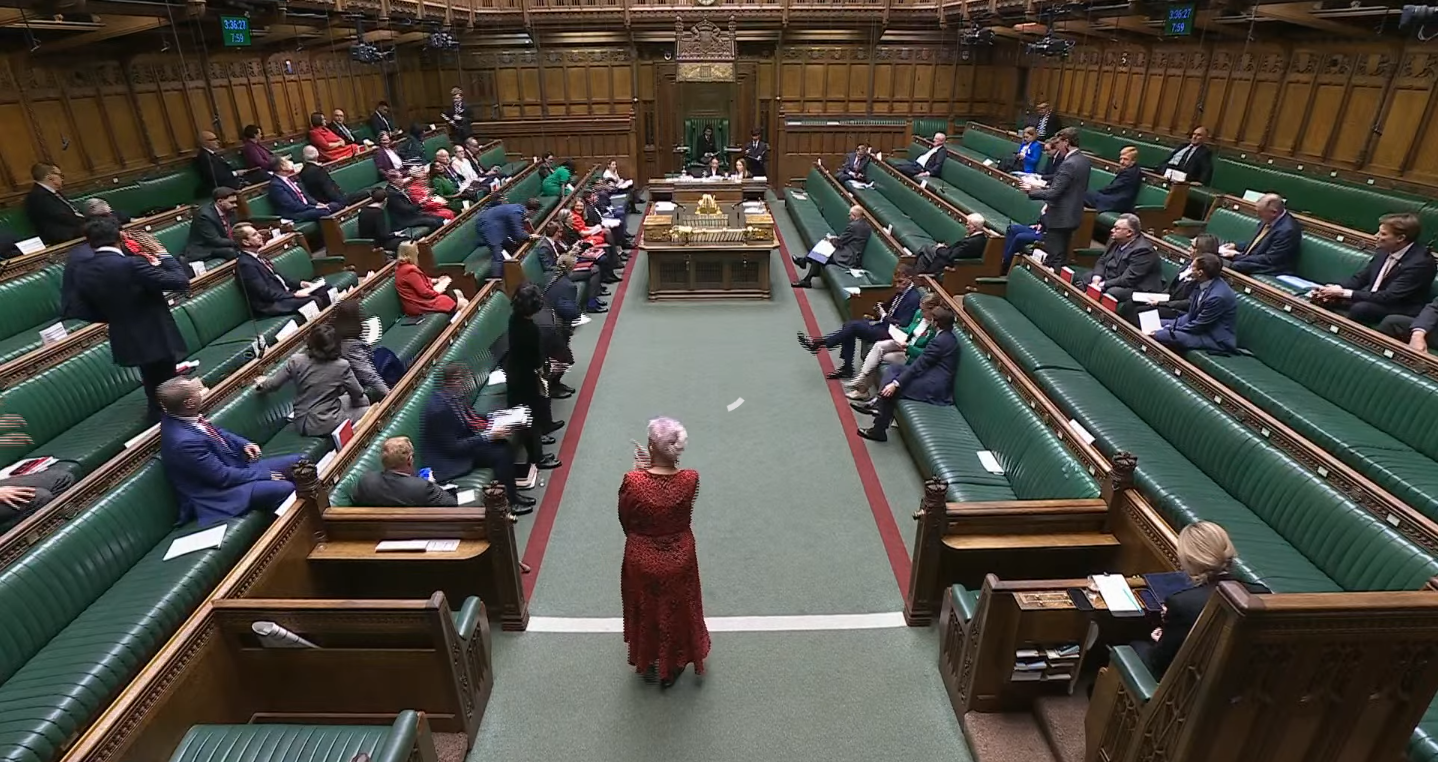
New Budget reforms put future retirement pots under pressure
The latest UK Budget has introduced a major shift for pensions, and long-term savers could end up paying the price. Changes to salary-sacrifice pension contributions mean that many workers may lose a financial advantage they have relied on for years. Financial analysts warn that the new restrictions could reduce retirement savings by as much as £10,000 over the lifetime of a typical pension plan, creating fresh uncertainty for those planning ahead.
Salary sacrifice has long been one of the most tax-efficient ways to build a pension. Under the current rules, employees can exchange part of their salary for pension contributions, reducing the amount of National Insurance they pay. But the new cap introduced in the Budget restricts how much can benefit from that system each year, particularly affecting those who contribute regularly at higher levels. Once contributions exceed the new limit, both workers and employers will face additional National Insurance costs.
For many mid-career workers, this shift could have a noticeable long-term impact. Regular contributions that once boosted pension growth may now deliver less value, forcing savers to reassess how much they put aside. With inflation reducing the spending power of retirement funds already, the combination of weaker incentives and extra contributions could cut deeply into the final size of a pension pot. Financial advisers estimate that over several decades, the loss could easily reach around £10,000 or more for some savers.
Those most affected are people who contribute steadily throughout their working life, including professionals who rely on salary sacrifice as a core part of their pension strategy. Many of these workers have planned their retirement based on calculations made under the previous rules. The change means they may need to raise contributions, work longer, or accept a lower standard of living in retirement. The timing is particularly difficult as economic uncertainty continues to pressure household finances.
Employers may also feel the effect, as salary sacrifice has been a useful tool for providing tax-efficient benefits. Companies often encourage pension saving through matching contributions or enhanced schemes. Now, the extra cost of National Insurance on larger contributions could reduce their ability to offer generous support. Smaller businesses in particular may step back from pension incentives if the additional expense becomes too high, potentially leaving employees worse off.
The Government says the new policy is about fairness, ensuring that tax benefits are targeted more appropriately and that those with higher earnings contribute more. Officials argue that the funds raised will help support public services and balance the wider Budget without cutting core spending. But critics say the change punishes responsible savers and reduces the incentive to invest early, a message that clashes with years of campaigns encouraging workers to put more into their pensions.
Investment specialists also warn that the reforms may discourage long-term saving at a time when people need stronger retirement plans than ever. With life expectancy high and the State Pension expected to play a smaller role in the future, private savings have become essential. Any reform that makes pension saving less attractive or less rewarding risks weakening future financial security for millions across the UK.
There are ways to limit the impact, such as making better use of tax-free allowances by placing savings inside ISAs or adjusting contributions to stay within the new limits. However, these solutions may not fully protect those with ambitious retirement goals or anyone who relies heavily on employer contributions. As savers weigh their options, many may need professional guidance to ensure their pension strategy still works under the revised system.
For younger workers, the full implications may not be felt for decades, making it harder to judge the final cost today. But for those closer to retirement, losing out on years of tax efficiency could create large gaps that are difficult to fill in later life. The uncertainty surrounding pension rules also raises concerns that more changes could follow in future Budgets, adding another layer of anxiety for long-term planners.
As the reforms are implemented, the effect will become clearer in pension statements and retirement projections. For now, savers are being urged to review their position sooner rather than later. With the potential to reduce retirement funds by thousands of pounds, the pension changes have become one of the most pressing issues facing investors after the Budget — and a crucial factor in shaping financial wellbeing in later life.