Samsung Galaxy Tab S11 Ultra vs iPad Pro design review

Samsung Galaxy Tab S11 Ultra vs iPad Pro design review

Design Comparison: Galaxy Tab S11 Ultra and iPad Pro

The Samsung Galaxy Tab S11 Ultra and Apple iPad Pro represent two of the most premium tablets available in the market, each with a distinct design philosophy. Both devices are engineered to deliver high performance while providing a visually appealing and functional form factor. Examining their design features reveals the differences and strengths that appeal to different types of users, from creatives to professionals and everyday consumers.

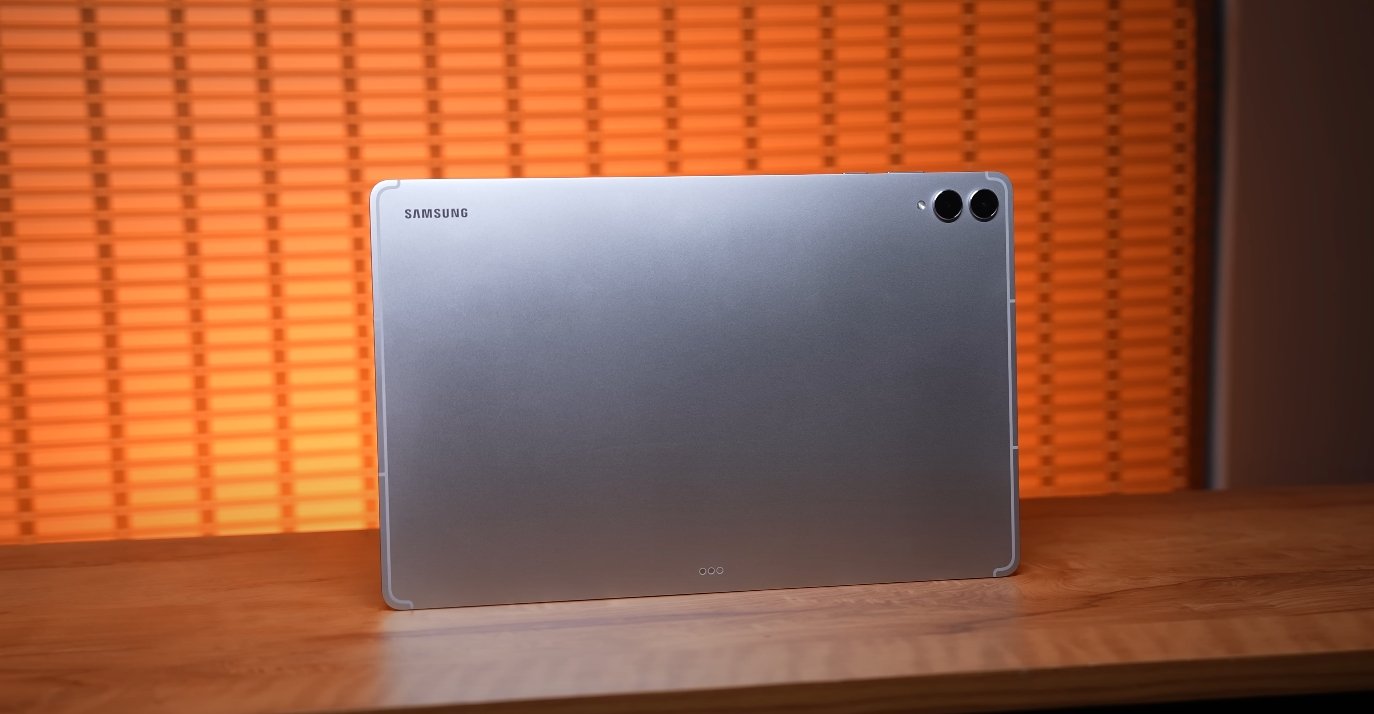
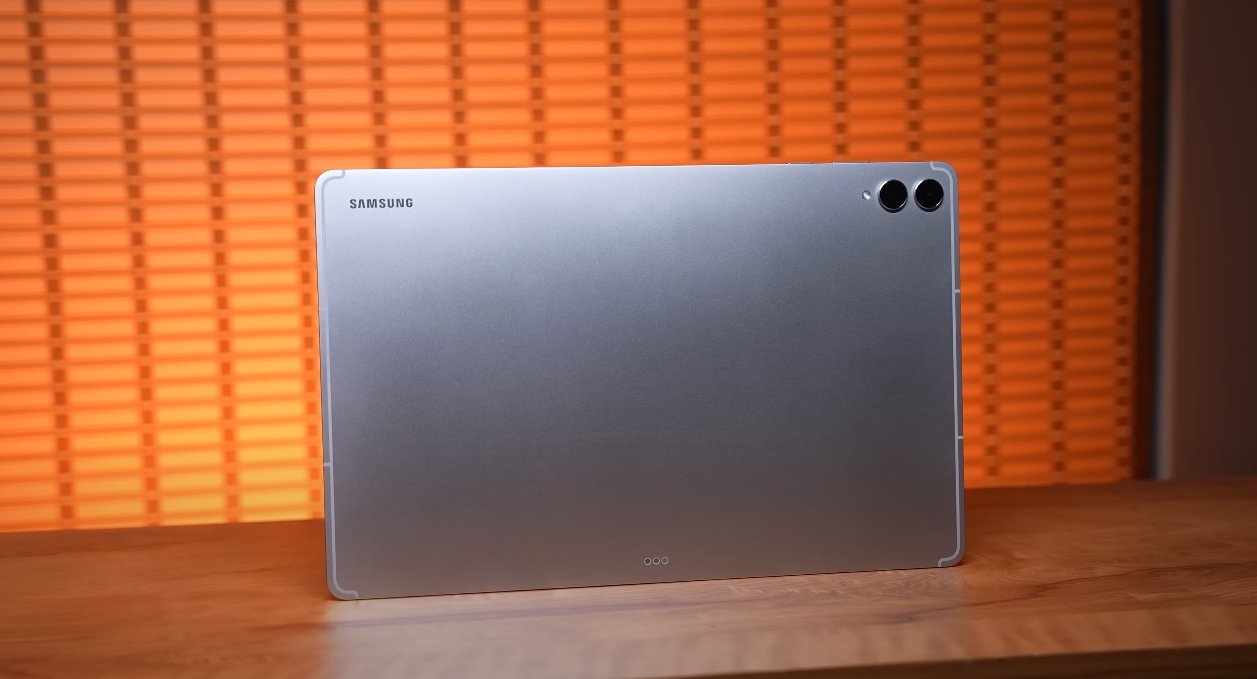
The Galaxy Tab S11 Ultra features a sleek aluminum unibody construction that measures just 5.1mm in thickness and weighs approximately 690 grams. This makes it one of the thinnest and lightest tablets in its class, balancing portability with durability. The tablet is also IP68-certified, providing resistance against dust and water, which adds to its overall longevity and makes it suitable for use in various environments. Its premium finish and sturdy build ensure that it feels solid in the hand while maintaining a modern aesthetic.

In contrast, the iPad Pro, available in 11-inch and 13-inch models, also uses a high-quality aluminum body. The 13-inch variant matches the Tab S11 Ultra in thickness at 5.1mm but weighs slightly less, enhancing portability. Apple emphasizes minimalism and precision in its design, with rounded edges and smooth surfaces that contribute to its sophisticated appearance. Unlike the Samsung tablet, the iPad Pro does not carry an official water resistance rating, which may influence user preferences in outdoor or high-risk environments.
Samsung Galaxy Tab S11 Ultra vs iPad Pro design review

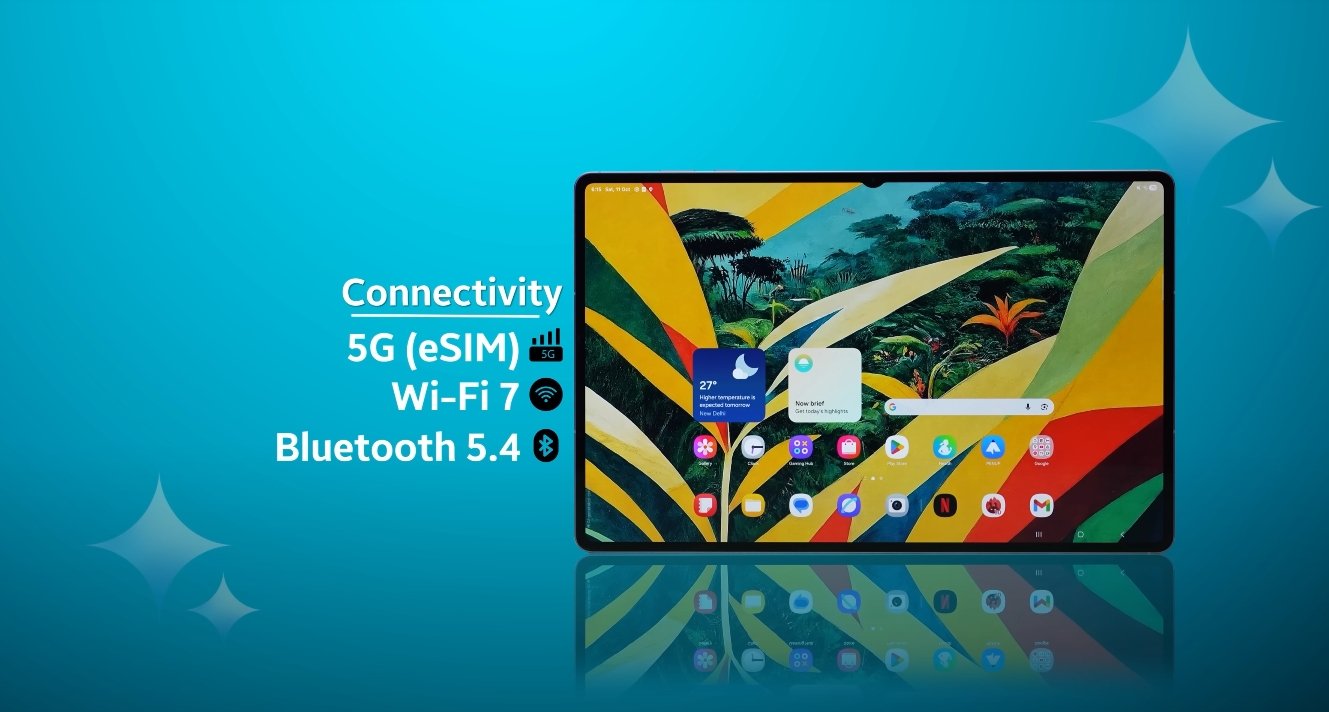
The display is a major differentiator between these two devices. The Galaxy Tab S11 Ultra comes with a 14.6-inch Dynamic AMOLED 2X display with a 2960 x 1848 resolution and a 120Hz refresh rate. Experts and users praise the tablet for its vibrant colors, deep contrasts, and smooth visual performance. The large screen size enhances productivity, creative work, and media consumption, offering a more immersive experience compared to smaller tablets. Samsung has minimized bezels around the display, giving it a modern look and maximizing the usable screen area.

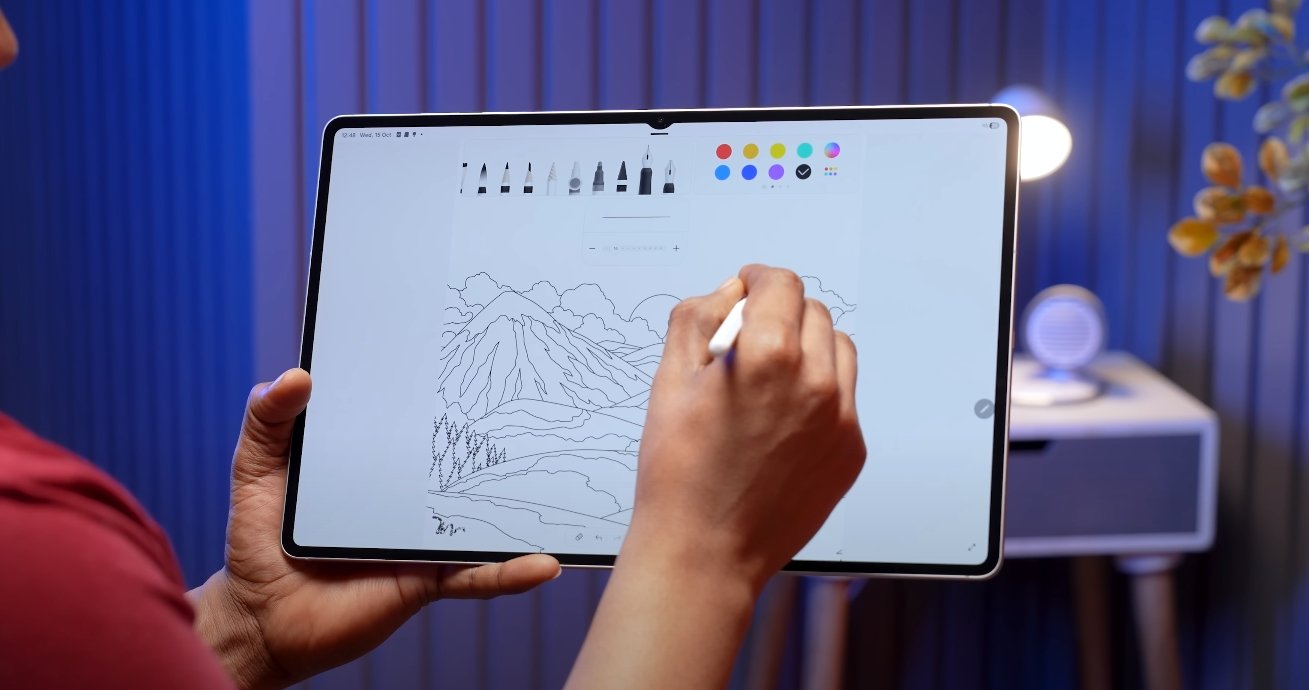
Apple’s iPad Pro features an Ultra Retina XDR OLED display with high brightness and accurate color reproduction. The display is slightly smaller, available in 11-inch and 13-inch sizes, but offers excellent sharpness, HDR performance, and touch responsiveness. The uniform bezels and centrally placed front-facing camera maintain a clean, balanced look, which complements Apple’s minimalist design language. While the iPad Pro’s screen is smaller than the Tab S11 Ultra’s, it is highly portable and convenient for professional work, especially when paired with the Apple Pencil for creative tasks.

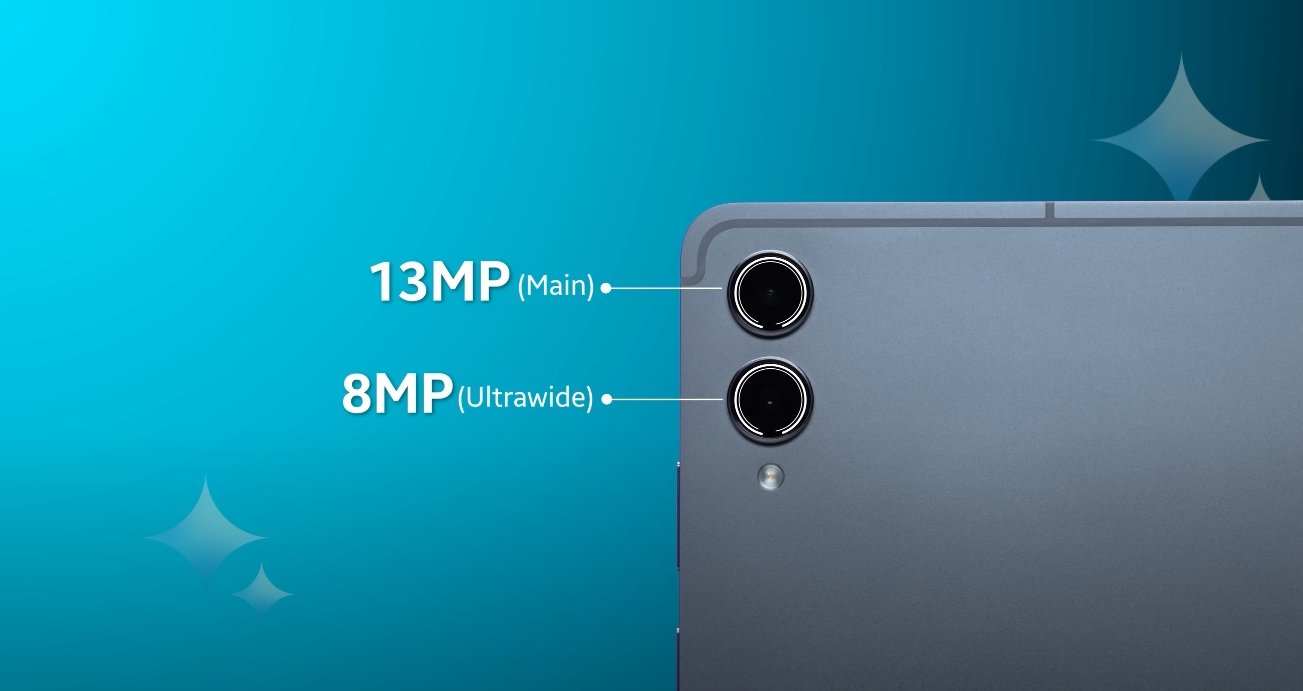
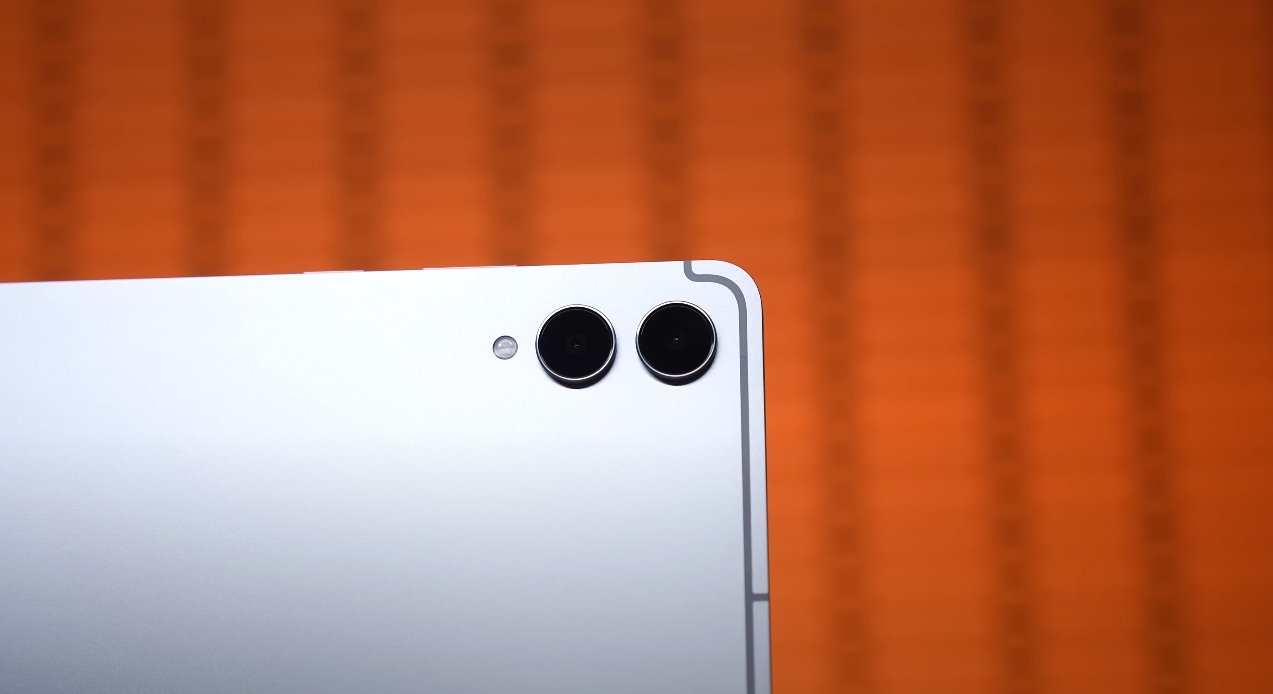
Camera placement and rear design also highlight differences. The Galaxy Tab S11 Ultra has a dual-camera setup aligned vertically, creating a neat and unobtrusive look on the rear. The rear camera design integrates seamlessly with the aluminum body, maintaining a flat profile that preserves the tablet’s sleek appearance. The iPad Pro also features a vertically aligned dual-camera system along with a LiDAR scanner, which enhances augmented reality experiences. Apple’s rear design emphasizes symmetry and minimalism, contributing to its signature aesthetic.

Weight and ergonomics further influence usability. The Tab S11 Ultra’s 690-gram weight is manageable but slightly heavier than the iPad Pro, especially the 11-inch model, which is lighter and easier to hold for extended periods. Both tablets are designed to provide a comfortable grip, but the larger Samsung tablet may be more suitable for desk-based productivity and creative work, while the iPad Pro excels in portability for users who need a highly mobile device.

In conclusion, the Samsung Galaxy Tab S11 Ultra and iPad Pro offer premium designs with distinct strengths. The Tab S11 Ultra stands out for its larger display, IP68 certification, and high-end AMOLED screen, making it ideal for users who prioritize immersive visuals and durability. The iPad Pro excels in minimalism, portability, and display brightness, appealing to users who value a compact, elegant device with high performance. Ultimately, choosing between the two comes down to personal preferences regarding screen size, portability, durability, and overall aesthetic appeal. Both tablets deliver a high-quality user experience, reflecting the design priorities of their respective brands while catering to different use cases and environments.

Also Read:  Samsung Galaxy Tab S11 Ultra performance under stress test
Samsung Galaxy Tab S11 Ultra vs iPad Pro battery life

Samsung Galaxy Tab S11 Ultra vs iPad Pro battery life

Comparing Battery Performance of Samsung Galaxy Tab S11 Ultra and iPad Pro

Battery life is one of the most important factors for tablet users, especially those who rely on their devices for work, entertainment, or creative tasks. The Samsung Galaxy Tab S11 Ultra and Apple’s iPad Pro are two of the leading premium tablets available today. Both devices offer high-end features, but their battery performance differs due to hardware design, display technology, and power management systems. Comparing these two tablets helps users understand which device can best meet their daily usage needs.

The Samsung Galaxy Tab S11 Ultra is equipped with a large 11,600mAh battery, designed to support extended usage. Samsung claims that this battery can provide up to 23 hours of video playback, making it ideal for long work sessions, streaming, or gaming without frequent recharging. Real-world usage has shown that the Tab S11 Ultra maintains strong performance across a full day of mixed activities, including browsing, video calls, and creative work with the S Pen. Its efficient power management also helps maintain battery longevity over repeated charge cycles.

The iPad Pro, specifically the 11-inch M4 model, features a 31.29-watt-hour lithium-polymer battery. Apple estimates that this battery offers up to 10 hours of web browsing or video playback on Wi-Fi. The iPad Pro’s M4 chip is built on Apple’s latest architecture, emphasizing power efficiency. This means that, despite a smaller battery compared to the Tab S11 Ultra, the iPad Pro delivers impressive endurance, particularly when performing processor-intensive tasks such as video editing, 3D rendering, or running multiple professional applications simultaneously.

Samsung Galaxy Tab S11 Ultra vs iPad Pro battery life

When comparing real-world performance, the Galaxy Tab S11 Ultra tends to excel in scenarios that involve continuous media consumption. Users watching videos, streaming content, or conducting video conferences can expect longer uninterrupted use on the Ultra compared to the iPad Pro. The larger battery, combined with AMOLED display efficiency and Android 16 optimizations, helps reduce power drain during everyday tasks. The iPad Pro, however, balances battery life with high performance. Its chip efficiency ensures that even demanding applications do not rapidly deplete the battery, allowing for sustained productivity sessions, although the overall runtime may be slightly lower than the Tab S11 Ultra during continuous media use.

Display and brightness settings also affect battery performance. The Galaxy Tab S11 Ultra features a 14.6-inch Dynamic AMOLED 2X display, which delivers vibrant colors and deep blacks. While large and bright displays can consume more power, Samsung’s adaptive refresh rate technology and optimization features help mitigate battery drain. The iPad Pro has a 13-inch Liquid Retina XDR display, designed for color accuracy and HDR content. The smaller display size contributes to slightly lower power consumption, and the ProMotion technology adjusts the refresh rate dynamically to save battery when high-speed performance is not required.

Charging capabilities are another consideration. The Galaxy Tab S11 Ultra supports fast charging, allowing users to quickly replenish battery levels, which is beneficial for busy professionals and travelers. The iPad Pro also supports fast charging via USB-C, enabling rapid top-ups, though the actual charge time may vary depending on the adapter used. Both tablets offer reliable charging performance, ensuring minimal downtime between heavy usage sessions.

For productivity, creative work, or professional use, both devices provide enough battery life to handle extended sessions. The Galaxy Tab S11 Ultra’s higher capacity battery offers a clear advantage for users who prioritize long media consumption and light multitasking. Meanwhile, the iPad Pro is more efficient during heavy computational tasks, making it suitable for users who require a balance between processing power and battery longevity.

In conclusion, the choice between the Samsung Galaxy Tab S11 Ultra and the iPad Pro in terms of battery life depends on user priorities. If extended runtime for video streaming, casual use, and general productivity is the primary concern, the Galaxy Tab S11 Ultra offers superior endurance. If a user values efficient performance during intensive tasks while maintaining respectable battery life, the iPad Pro provides a compelling option. Both tablets are designed to handle full-day usage, but their differing approaches to battery management, display technology, and processor efficiency define which device is better suited for specific user needs. Ultimately, either tablet offers premium battery performance, ensuring that users can rely on them for work, entertainment, and creative applications without frequent interruptions.

Samsung Galaxy Tab S11 Ultra vs Tab S11 Plus camera test

Samsung Galaxy Tab S11 Ultra vs Tab S11 Plus camera test

Camera Comparison of Samsung Galaxy Tab S11 Ultra and Tab S11 Plus

Samsung’s latest tablets, the Galaxy Tab S11 Ultra and Tab S11 Plus, offer high-end features and premium designs. While both devices cater to professionals, creatives, and tech enthusiasts, their camera capabilities set them apart. Evaluating the camera performance of these two tablets provides insight into which device is better suited for photography, video calls, and content creation.

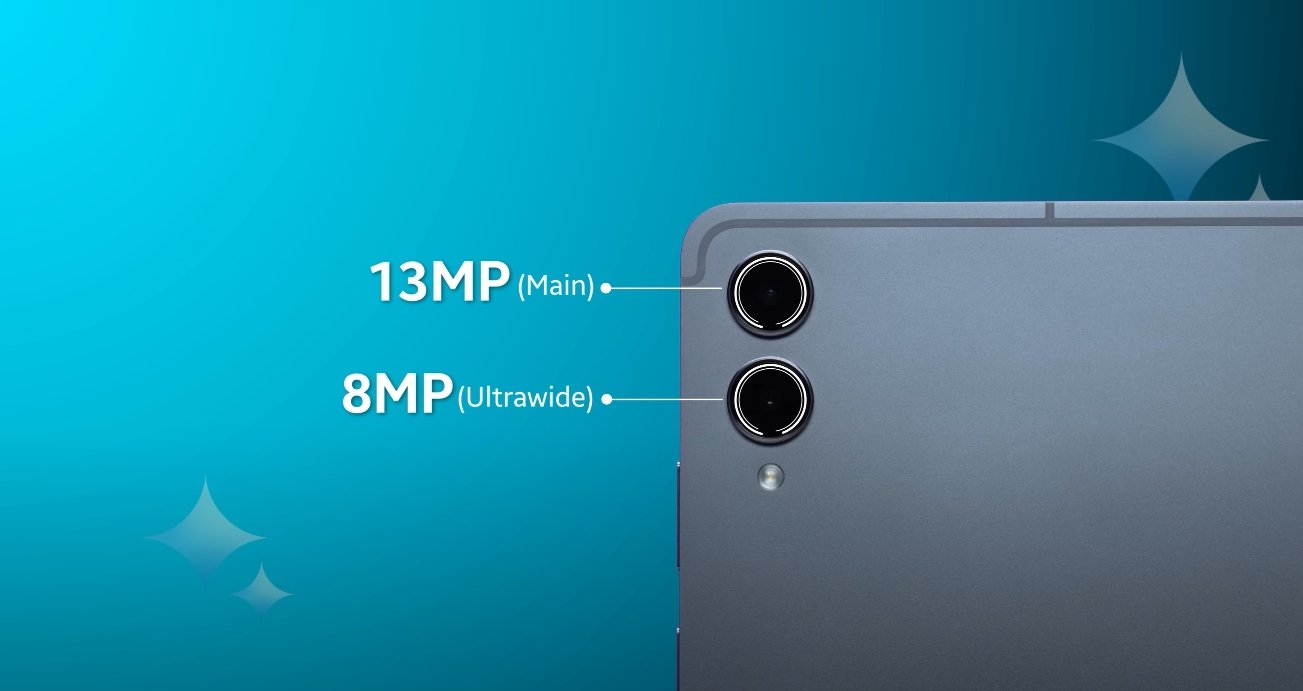
The Galaxy Tab S11 Ultra features a dual rear camera setup consisting of a 13MP primary sensor and an 8MP ultra-wide lens. This combination allows users to capture both detailed standard shots and expansive wide-angle photos. The ultra-wide lens is particularly useful for landscapes, group photography, and creative shots where more of the scene needs to be included. In comparison, the Tab S11 Plus has a single 13MP rear camera, which, while capable of capturing high-resolution images, does not provide the flexibility of a second lens. Users relying on the Plus for wide-angle shots may find it limiting in scenarios where the Ultra excels.

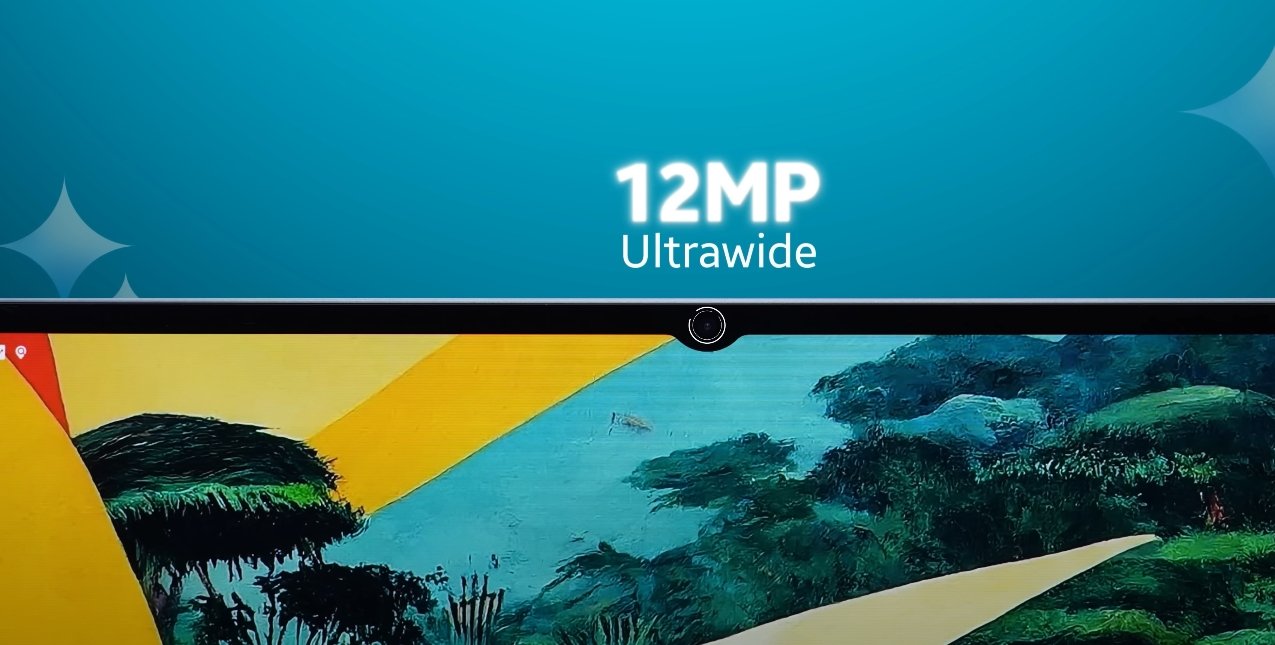
On the front, the Tab S11 Ultra is equipped with dual 12MP cameras, including a standard lens and an ultra-wide lens. This dual setup enhances selfie capabilities, allowing for group shots without cropping and providing a broader field of view during video calls. It is particularly beneficial for professionals attending virtual meetings or content creators producing video content directly from their tablet. The Tab S11 Plus has a single 12MP front camera, which works well for standard selfies and video calls but lacks the versatility of the Ultra. The difference is most noticeable in group calls or vlogging scenarios, where the wider field of view on the Ultra can make a significant difference.

Samsung Galaxy Tab S11 Ultra vs Tab S11 Plus camera test

Real-world testing shows the Tab S11 Ultra’s rear cameras deliver sharper images with better color reproduction and more flexibility. The ultra-wide lens maintains clarity across the frame, allowing users to capture expansive scenes without distortion. Low-light performance is also enhanced on the Ultra due to its advanced sensor and dual-lens setup. In contrast, the Tab S11 Plus captures good quality photos under normal lighting conditions but can struggle in dim environments, especially when trying to include more in the frame. The single rear camera lacks the versatility of an ultra-wide lens, which limits creative options for photography enthusiasts.

For video recording, the Galaxy Tab S11 Ultra provides smoother footage with enhanced stabilization, making it suitable for content creation and professional applications. The dual front cameras allow for more creative angles during video recording and ensure higher-quality video calls. The Tab S11 Plus records videos with clarity, but its single front and rear cameras offer fewer options for creative framing or wide-angle shots. This difference may influence users who rely heavily on their tablet for social media, streaming, or professional video content.

The user interface and camera software on both devices are designed to enhance the photography experience. Samsung’s camera app includes multiple shooting modes, AI-enhanced features, and filters that improve image quality. On the Ultra, switching between the primary and ultra-wide lenses is seamless, enabling quick adjustments depending on the scene. The Plus also provides a smooth camera interface but lacks the flexibility and additional shooting options offered by the dual-lens setup on the Ultra.

Samsung Galaxy Tab S11 Ultra vs Tab S11 Plus camera test

Battery performance during extended camera use is another consideration. The Galaxy Tab S11 Ultra, with its larger battery, handles prolonged photography and video recording sessions without significant drain. The Tab S11 Plus also performs well but may require more frequent charging during extended usage, particularly when recording videos or using high-resolution modes.

In conclusion, both the Samsung Galaxy Tab S11 Ultra and Tab S11 Plus provide strong camera capabilities suitable for everyday photography, video calls, and creative use. However, the Ultra’s dual rear and front camera setup offers superior flexibility, enhanced wide-angle capabilities, and better low-light performance. It is the better choice for users who prioritize photography, videography, and professional content creation on a tablet. The Tab S11 Plus, while slightly more limited in its camera features, still delivers high-quality imaging and serves well for standard photography, video calls, and casual content creation. Choosing between the two depends on the user’s need for versatility, creative flexibility, and advanced camera performance.

Also Read:  Redmi Pad 2 Pro long-term review after weeks of daily usage

Samsung Galaxy Tab S11 Ultra long term durability test

Samsung Galaxy Tab S11 Ultra long term durability test

How the Galaxy Tab S11 Ultra Holds Up After Months of Use

The Samsung Galaxy Tab S11 Ultra has been one of the most premium Android tablets in the market since its launch, praised for its sleek design, powerful hardware, and stunning display. But the real test of a flagship device comes not in the first few weeks, but in how it performs and holds up after months of continuous use. Long-term durability has become a key concern for users investing in such high-end devices, and the Tab S11 Ultra has gone through several months of real-world usage and endurance testing to reveal how well it stands the test of time.

From the very beginning, Samsung built the Galaxy Tab S11 Ultra using an Armor Aluminum frame and Gorilla Glass Armor protection on the front. After months of use, the build quality still feels solid and premium. The aluminum edges resist bending, and the device shows no signs of frame warping or flexing, even under moderate pressure. Minor scratches can appear on the metal body if used without a case, but the matte finish helps hide them well. The screen, on the other hand, has proven highly resistant to everyday scratches from items like keys or pens. Even after months of heavy usage, most users find the display remains crystal clear with minimal visible wear.

The 14.6-inch Dynamic AMOLED 2X display remains one of the best in the tablet industry. Over time, there are no visible burn-in effects or brightness drops. The adaptive refresh rate continues to perform smoothly, maintaining vivid colors and deep contrast levels. Even after extended daily use for video streaming, gaming, or creative work, the display shows no significant degradation. The screen coating also resists fingerprints better than earlier Galaxy Tab models, reducing the need for constant cleaning.

Samsung Galaxy Tab S11 Ultra long term durability test

When it comes to physical durability, the Galaxy Tab S11 Ultra performs impressively in long-term handling tests. It has a very thin frame, but Samsung’s reinforcement design prevents bending or twisting during use. Drop tests from table height show minor corner dents if unprotected, but the internal components remain intact. The tablet’s structure absorbs impact well, and there are no screen separations or display cracks in most standard falls. It’s clear that Samsung has learned from previous generation designs and made the frame stronger without adding unnecessary weight.

The IP68 water and dust resistance also holds up well after months of real-world exposure. Accidental spills, splashes, and even brief outdoor rain exposure do not cause any functional damage. The charging port and speakers continue to perform clearly, and the S Pen still attaches magnetically and charges wirelessly without any drop in performance. The S Pen’s tip remains durable despite daily writing or sketching, though some light users might notice tip softening after extensive use, which can be easily replaced.

Internally, the Galaxy Tab S11 Ultra shows stable performance even after extended usage. The Snapdragon 8 Gen 3 chipset and cooling system maintain smooth operation without overheating. Sustained performance tests reveal that Samsung’s vapor cooling chamber effectively controls thermal buildup, keeping the tablet cool during gaming or multitasking. Battery health also remains consistent, with only minor capacity drops after hundreds of charging cycles. On average, users report around 90 to 92 percent of original capacity after six months, showing that Samsung’s adaptive charging technology effectively reduces wear on the battery cells.

Audio performance and speaker durability also remain strong. The quad-speaker setup, tuned by AKG, maintains clarity and volume consistency even after continuous use. There are no signs of speaker distortion or degradation, and the microphones also function reliably for video calls and recording. The USB-C port and keyboard connection pins show no looseness or connectivity issues, further reinforcing the product’s overall build stability.

After several months of real-world testing, the Galaxy Tab S11 Ultra stands out as one of the most durable Android tablets available. Its premium materials, sturdy frame, and advanced protection layers ensure long-lasting usability. While minor cosmetic wear is expected over time, there are no major concerns about its structural integrity or internal reliability. From its robust display and water resistance to its consistent battery and processor performance, the tablet proves to be a solid long-term investment for professionals, students, and creative users alike. Samsung’s attention to both design and endurance makes the Galaxy Tab S11 Ultra a flagship that truly lasts.

Also Read:  Moto G06 Power 5G in USA myth or reality

Samsung Galaxy Tab S11 Ultra display quality vs iPad Pro

Samsung Galaxy Tab S11 Ultra display quality vs iPad Pro

A close look at two of the best tablet screens

When it comes to premium tablets, display quality is one of the most important factors for buyers in the United States. The Samsung Galaxy Tab S11 Ultra and the iPad Pro represent two different approaches to creating top-tier screens. Both aim to deliver sharp visuals, vibrant colors, and smooth responsiveness. However, their differences in technology and performance make them unique choices for users with different priorities.

The Samsung Galaxy Tab S11 Ultra features a large 14.6-inch Dynamic AMOLED 2X display with a 120 Hz refresh rate. It offers high peak brightness, making it easy to use in both indoor and outdoor environments. The panel is designed to provide deep blacks and vibrant colors, ensuring that everything from streaming content to graphic design work appears crisp and immersive. Samsung’s display is particularly known for its sharp contrast and clarity, giving it a strong advantage in visual impact and outdoor readability.

Apple’s iPad Pro, on the other hand, uses a tandem OLED Ultra Retina XDR display on its latest models. It is slightly smaller but focuses on perfect color calibration and professional-grade accuracy. The iPad Pro is optimized for tasks that require color precision, such as video editing, photo retouching, and digital illustration. Its display delivers excellent contrast levels, making whites appear pure and blacks inky deep. This color accuracy is one of the key reasons why many professional creators and designers choose the iPad Pro for their daily work.

Samsung Galaxy Tab S11 Ultra display quality vs iPad Pro

When it comes to refresh rate and responsiveness, both tablets support up to 120 Hz. This ensures smooth scrolling, fluid animations, and responsive pen input. The Galaxy Tab S11 Ultra offers an immersive experience due to its larger canvas, which can be especially useful for multitasking or working with multiple apps side by side. The iPad Pro, while more compact, pairs its display with precise Apple Pencil support, which is widely praised for its low latency and natural feel during creative work.

Another area where the two displays differ is outdoor usability. The Tab S11 Ultra’s high brightness levels give it an edge in bright conditions. Whether reading documents on the go or streaming content outdoors, the display remains clear and vivid. The iPad Pro also performs well in sunlight, with strong brightness and excellent anti-reflective coatings, but the Samsung’s slightly higher peak levels make it stand out for users who need a larger and brighter display in challenging lighting.

Screen size and portability are also important considerations. The Tab S11 Ultra’s large 14.6-inch screen offers a truly cinematic experience for watching movies or working on large projects. This size can be a huge advantage for users who prefer a spacious canvas. However, it also makes the device less portable and more suited for use at a desk or with a stand. The iPad Pro, with its smaller and lighter design, is easier to carry and handle, making it better suited for travel, education, or quick on-the-go work.

For creative professionals, the decision often comes down to how the display fits into their workflow. The iPad Pro’s excellent color calibration and creative app ecosystem make it ideal for artists, designers, and video editors. The Tab S11 Ultra, with its bigger and brighter panel, is more appealing to users who value immersive media experiences, multitasking, or outdoor usability. Both displays offer high resolution, vibrant colors, and smooth refresh rates, ensuring a premium experience either way.

In the end, both the Samsung Galaxy Tab S11 Ultra and the iPad Pro offer some of the best tablet screens on the market. Samsung’s display shines in brightness, size, and immersion, making it a top choice for media consumption and productivity. Apple’s display stands out for its precise color accuracy, professional-grade calibration, and portability. Choosing between them depends on what matters most to the user — a larger, brighter screen or a more portable, color-accurate canvas. Either way, both tablets set a very high standard for display quality in 2025.

Also Read:  Xiaomi Pad Mini features Google Gemini AI assistant

Samsung Wallet Adds Toyota Digital Key

Samsung Wallet Digital Key for Toyota RAV4

Samsung Wallet Introduces Digital Key for Toyota Vehicles

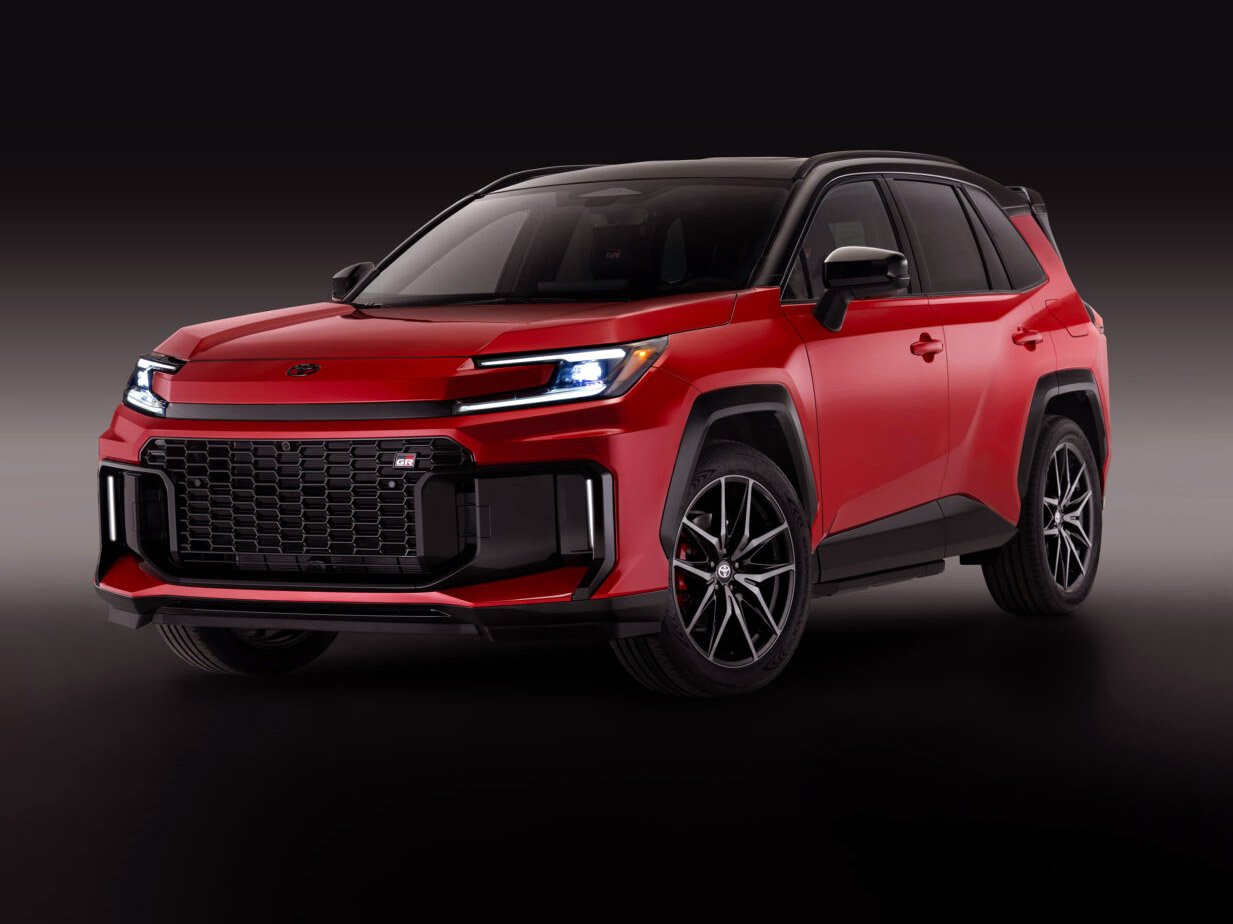
Samsung has announced the integration of Digital Key support in its Samsung Wallet for select Toyota vehicles. The 2026 Toyota RAV4 is the first model to benefit from this feature, enabling owners to create a digital key. This innovation allows users to lock, unlock, and start their vehicles without the need for a physical key, enhancing convenience and security.

The Digital Key feature is compatible with Samsung Galaxy smartphones, providing users with a seamless and intuitive experience. By leveraging the Samsung Wallet app, drivers can effortlessly manage their vehicle’s access, eliminating the need to carry a physical key.

This technological advancement is set to revolutionise the way we interact with our vehicles, offering a glimpse into the future of automotive technology. As the automotive industry continues to evolve, the adoption of digital solutions is expected to become more widespread, transforming the driving experience.

The introduction of Digital Key support by Samsung Wallet marks a significant milestone in the development of smart vehicle technology. By collaborating with major automotive manufacturers like Toyota, Samsung is pushing the boundaries of innovation, enabling a more connected and convenient driving experience.

As the demand for smart vehicle solutions continues to grow, the integration of digital keys is likely to become a standard feature in the automotive industry. With the 2026 Toyota RAV4 paving the way, we can expect to see more vehicle models incorporating this technology in the near future.

The benefits of digital keys extend beyond mere convenience, as they also provide an additional layer of security. By utilising advanced encryption and authentication protocols, digital keys offer a more secure alternative to traditional physical keys, reducing the risk of unauthorised access.

In conclusion, the introduction of Digital Key support by Samsung Wallet is a significant development in the automotive industry, marking a shift towards a more connected and convenient driving experience. As technology continues to advance, we can expect to see even more innovative solutions emerge, transforming the way we interact with our vehicles.

Samsung Nails It With Galaxy F36 5G Design And Comfort

Samsung Nails It With Galaxy F36 5G Design And Comfort

Galaxy F36 5G Offers A Comfortable Experience With A Thoughtful Design


Samsung has clearly put effort into making the Galaxy F36 5G look and feel better than what you’d expect from a mid-range phone. From the moment users hold it, the device gives off a sense of balance and comfort. It is neither too bulky nor too light, which adds to the overall ease of handling during long sessions of texting, browsing, or streaming content.

The finish on the Galaxy F36 5G also contributes to its positive first impression. It doesn’t try to be flashy, yet it still feels refined and modern. The button placement, screen-to-body ratio, and the overall grip all work together to create a device that feels familiar but elevated. Users who carry their phone around all day will appreciate how natural it feels to use.

When it comes to comfort, the design choices play a major role. Samsung has ensured that the display size is just right for most tasks without being overwhelming. It’s great for reading and watching videos, and the rounded edges help it sit comfortably in the hand. Whether you’re commuting or relaxing at home, the phone adapts well to all usage scenarios.

The layout of the interface complements the physical design, making it easy to navigate without any learning curve. For users who value simple functionality and day-to-day reliability, this makes a big difference. Everything is where you expect it to be, which speeds up common tasks and keeps the experience smooth.

Overall, the Galaxy F36 5G proves that even mid-range phones can be thoughtfully designed and genuinely comfortable to use. Samsung has delivered a phone that doesn’t just work well, but also feels right in the hand. That’s a rare mix in this segment, and it helps the device stand out in a crowded market.

Samsung Keeps It Simple And Effective With Galaxy F36 5G

Samsung Keeps It Simple And Effective With Galaxy F36 5G

Galaxy F36 5G Stands Out With Its Clean Approach


Samsung’s Galaxy F36 5G shows that a phone does not need flashy extras to make a strong impact. The company has taken a straightforward route with this model, focusing on the things that matter most to everyday users. Its simple yet refined design, consistent performance, and reliable battery life come together to form a device that feels dependable from day one. Without trying too hard to be trendy or experimental, it checks the boxes that most users genuinely care about.

The interface is clean, the navigation is smooth, and nothing feels overdone. Samsung has made sure the Galaxy F36 5G runs without unnecessary bloat, offering a user-friendly experience that’s quick to learn and easy to stick with. The screen quality, call clarity, and touch responsiveness feel just right for casual users and multitaskers alike. It doesn’t scream for attention but manages to deliver exactly what people expect from a midrange phone—stability and comfort.

Battery life is another area where this phone plays it smart. It is designed to last through a full day with moderate to heavy use without needing a midday charge. Whether you are into online streaming, browsing, messaging, or video calls, the phone handles it all without overheating or lagging. Even the camera setup, while not overly complicated, captures decent shots in good lighting and keeps things simple for users who just want point-and-shoot reliability.

Samsung Keeps It Simple

By not cramming in too many experimental features, Samsung has given the Galaxy F36 5G a chance to shine through consistency. It works well straight out of the box and doesn’t require constant tweaking or adjustments to perform at its best. This kind of dependable behavior is exactly what appeals to a wide audience, especially those looking for a fuss-free phone experience.

In short, the Galaxy F36 5G proves that keeping things simple can still be highly effective. Samsung’s decision to focus on core performance, comfort, and ease of use makes this device a practical choice for 2025. For users who prefer phones that just work well without the need to constantly manage settings or troubleshoot, this one definitely earns a spot on the list.

Samsung Galaxy Z Fold 8: UK Release, Price, and Specs Revealed

The Samsung Galaxy Z Fold 8 features a unique book-style foldable design and impressive specs, including a larger battery and upgraded camera. With a potential release date of 22 July, the device is set to be one of the most exciting smartphone releases of the year.

Samsung Galaxy Z Fold 8: Everything You Need to Know in the UK

The Samsung Galaxy Z Fold 8 is set to be one of the most exciting smartphone releases of the year, with a unique book-style foldable design and impressive specs. In this article, we’ll break down all the latest rumours and news surrounding the Galaxy Z Fold 8, including its release date, price, and features.

The Galaxy Z Fold 8 is expected to be released on 22 July, with no staggered launch planned for the regular Fold 8 and the Fold Wide. This means that UK customers can expect to get their hands on the device at the same time as the rest of the world.

In terms of pricing, the Galaxy Z Fold 8 is likely to see a price rise in the UK, with a potential starting price of £1,899. However, it’s worth noting that the price may remain static in the US, with a starting price of under $2,000.

One of the most exciting features of the Galaxy Z Fold 8 is its potential specs and features. The device is rumoured to have a larger 5000mAh battery, faster charging, and an upgraded 50Mp ultra-wide camera. Additionally, the phone may have a less visible crease, thanks to the use of Ultra Thin Glass (UTG) and a laser-drilled metal support plate.

The Galaxy Z Fold 8 may also come in two versions: a standard model and a ‘Wide’ model with a widescreen display and two cameras. This would give customers more choice and flexibility when it comes to their smartphone experience.

Other features of the Galaxy Z Fold 8 include a big upgrade for the ultra-wide camera, with a potential 50Mp equivalent. The device may also have S Pen support reinstated, which would be a welcome return for fans of the feature.

Finally, the Galaxy Z Fold 8 is expected to have a more affordable model, with the potential for a Samsung Galaxy Z Fold 8 FE. This would make the device more accessible to a wider range of customers and help Samsung to compete with other manufacturers in the market.

Samsung UK: Critical Update Available Now for Galaxy Phones

A Samsung Galaxy phone with a screen displaying the latest update, with a UK flag in the background, highlighting the importance of installing the update for UK users to protect their device from security vulnerabilities

Installing the Latest Samsung Update: A Guide for UK Users

Samsung has recently announced a crucial update for its range of Galaxy smartphones in the UK, addressing 47 security vulnerabilities. As a Samsung user, it is essential to install this update as soon as possible to safeguard your device from potential threats.

This update is particularly important, as it patches a significant number of critical vulnerabilities that could be exploited by attackers to compromise your device’s security. The update is available for all Galaxy phones, including those with Exynos chips, which are commonly found in mid-range devices.

To check if the update is available for your device, simply go to the ‘Software Update’ section in your settings and follow the prompts to install the patch. It is crucial to install the update as soon as possible to avoid any potential security risks.

The update is being rolled out automatically to all affected devices that are still receiving updates. However, if you haven’t received the update yet, it’s best to check your device’s settings regularly to ensure you don’t miss it. The update is expected to be available for most users over the course of the week.

In addition to the security patches, the update also includes general Android patches provided by Google, which will help to further enhance the security and stability of your device. As a Samsung user in the UK, it’s essential to stay on top of the latest updates to ensure your device remains secure and protected.

Samsung is committed to providing regular updates to its devices, and this latest update is a testament to the company’s dedication to security and customer safety. By installing the update, you can help to protect your device from potential threats and ensure a safe and secure user experience.

So, if you’re a Samsung user in the UK, make sure to check your device for the latest update and install it as soon as possible. Your device’s security depends on it, and with this update, you can enjoy a more secure and stable user experience.

Furthermore, it’s essential to note that the update will also improve the overall performance of your device, fixing bugs and glitches that may have been affecting your user experience. With the latest update, you can expect a smoother and more efficient performance from your Galaxy phone.

In conclusion, the latest Samsung update is a crucial patch that all Galaxy phone users in the UK should install as soon as possible. With its range of security patches and general Android updates, this latest release is a significant improvement to the overall security and stability of your device.

Samsung Galaxy Watch Users in the UK Receive Free Blood Pressure Tracking Upgrade

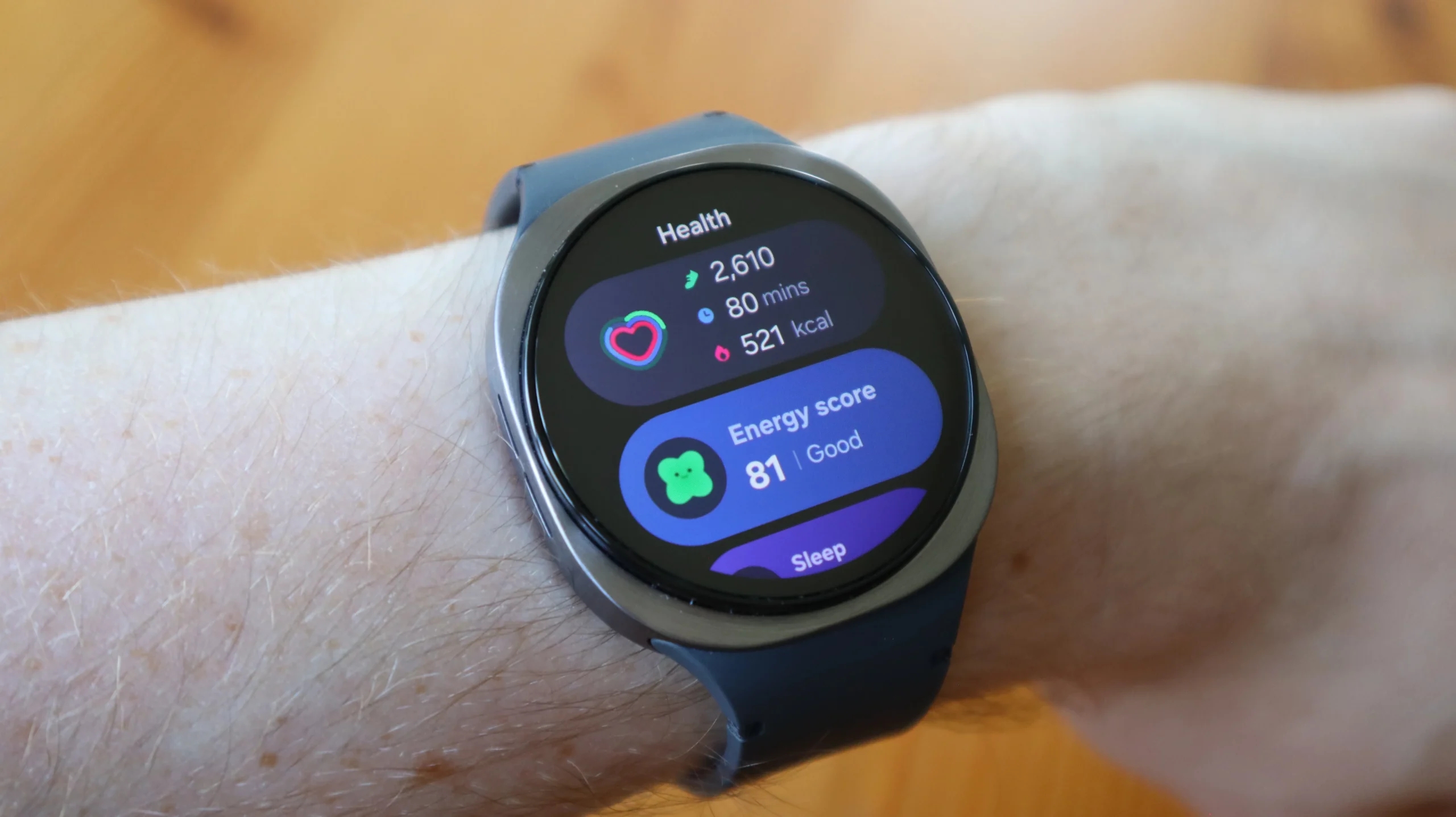
A Samsung Galaxy Watch on a person's wrist, displaying a blood pressure reading. The watch is sleek and modern, with a clear and easy-to-read interface. The blood pressure tracking feature is a valuable tool for individuals looking to monitor their cardiovascular health, and the Samsung Galaxy Watch is at the forefront of this technology. With its user-friendly design and accurate readings, this smartwatch is perfect for fitness enthusiasts and health-conscious individuals alike. The UK release of this feature is a significant development, and users can expect to see more innovative health tracking solutions from Samsung in the future.

Samsung Galaxy Watch Users Receive Free Blood Pressure Tracking Upgrade

Samsung Galaxy Watch users in the UK are in luck, as their device now boasts an exciting new feature: blood pressure tracking. This innovative addition enables users to monitor their blood pressure and receive alerts if any concerns arise.

Blood pressure tracking was previously available on certain Galaxy Watches worldwide, but its inclusion on US and UK devices was contingent upon approval from the relevant regulatory bodies. Fortunately, this feature has now been granted, allowing users to take control of their cardiovascular health.

The blood pressure tracking feature is a valuable tool in the fight against heart disease, which is often caused by high blood pressure. By providing users with a convenient and accessible way to monitor their blood pressure, Samsung aims to encourage individuals to prioritize their cardiovascular wellbeing.

However, it is essential to note that the feature requires calibration every 28 days using an upper arm cuff. This may pose a minor inconvenience for some users, but the benefits of accurate blood pressure tracking far outweigh the drawbacks.

Samsung’s decision to introduce blood pressure tracking to its Galaxy Watches is a strategic move, particularly given the competition from other smartwatch manufacturers. The Apple Watch Series 11, for example, heavily marketed its hypertension alerts, highlighting the importance of this feature in the smartwatch market.

While smartwatches are limited in their ability to provide accurate blood pressure readings without the use of a cuff, Samsung’s innovative approach has set a new standard for the industry. The Huawei Watch D2, which features an inflatable cuff as part of its watch band, is a notable exception, but Samsung’s solution is more practical and user-friendly.

The rollout of this feature started on 31 March, and users can expect to receive the update in the coming days. To be eligible, users must have Wear OS 4 and Android 12 or later installed on their device. Galaxy Fit devices are not included in this update, but Samsung is likely to expand its feature set to other devices in the future.

As the smartwatch market continues to evolve, companies are under pressure to enhance their feature sets and retain users. Samsung’s decision to offer blood pressure tracking on its Galaxy Watches is a significant step forward, and users in the UK can now enjoy this feature as part of their existing device.

With the increasing demand for health and fitness tracking features, Samsung’s move is a timely one. The company’s commitment to providing innovative and practical solutions has cemented its position as a leader in the smartwatch market. As users become more health-conscious, the importance of accurate blood pressure tracking will only continue to grow.

In conclusion, the introduction of blood pressure tracking on Samsung Galaxy Watches is a significant development for users in the UK. With its user-friendly interface and accurate readings, this feature is poised to revolutionize the way individuals monitor their cardiovascular health. Whether you’re a fitness enthusiast or simply looking to stay on top of your health, this feature is an invaluable addition to your smartwatch.

Samsung’s dedication to innovation and customer satisfaction has resulted in a feature that is both practical and life-changing. As the company continues to push the boundaries of what is possible with smartwatch technology, users can expect even more exciting developments in the future.

For now, Samsung Galaxy Watch users in the UK can enjoy the benefits of blood pressure tracking, safe in the knowledge that their device is equipped with the latest technology to support their health and wellbeing. With this feature, Samsung has set a new standard for the smartwatch industry, and users can look forward to a future of innovative and practical health tracking solutions.

Samsung Unpacked 2026: Galaxy S26 Launch and More

Samsung Unpacked 2026 featured image with Galaxy S26 and Galaxy Buds 4, showcasing the latest Samsung technology and innovative design, highlighting the primary keyword Samsung Unpacked

Samsung Unpacked 2026: What to Expect

The Samsung Unpacked event is just around the corner, and we can’t wait to see what the Korean brand has in store for us. With the Galaxy S26 range expected to make an appearance, it’s an exciting time for tech enthusiasts. The event will take place on 25 February at 6pm UK time, and you can tune in to the livestream from any device.

Long-time Samsung fans will know that this year’s Unpacked is happening slightly later than usual. While we don’t know for sure what caused the delay, rumour has it that plans to use the new Exynos 2600 chipset in every S26 model was the culprit. The Galaxy S26 series is expected to debut, and if you’re upgrading from a much older device, you’ll definitely want to check out all of the pre-order incentives that Samsung usually drops after the event comes to an end.

The Galaxy S26 and S26+ are all but confirmed to make an appearance, but anyone hoping for a major upgrade over last year’s Galaxy S25 phones will be disappointed. While these phones are set to get a performance bump with the upcoming Exynos 2600 chipset, very little has changed over their immediate predecessors. The cameras remain unchanged, and the same goes for the display tech, although the standard S26 will likely get a slightly larger 4,300mAh battery.

Samsung’s top-tier flagship for 2026, the Galaxy S26 Ultra, will likely make its first appearance during the Samsung Unpacked event. From what we’ve heard so far, the phone may be more iterative than we would have liked it to be, but unlike the S26 and S26+, there are a few tangible upgrades that could make a difference to day-to-day use. The big new feature which Samsung has been teasing is a privacy display that can block out private information to anyone who might be peeping just over your shoulder.

Alongside the key Samsung phones for 2026, the successors to the Samsung Galaxy Buds 3 range are also set to debut, with the standard Galaxy Buds 4 and the more premium Galaxy Buds 4 Pro. According to leaked renders of these earbuds, they could make use of a metal exterior on the stem, giving them a more distinct appearance. On the features front, the buds may implement head gesture controls, not too dissimilar to what we’ve seen with the latest AirPods.

Don’t hold your breath for the Galaxy Foldables or Samsung Galaxy Watches making an appearance during this upcoming Samsung Unpacked. Although we’re starting to know a bit more about the Galaxy Z Flip 8 and the Z Fold 8, those phones are all but guaranteed to turn up during the following Samsung Unpacked event that’s likely to happen in the summer. Samsung has made a habit of debuting its newer wearables later in the year, so anyone holding out for a successor to the Samsung Galaxy Watch 8 or a new Galaxy Watch Ultra will need to wait just a little while longer.