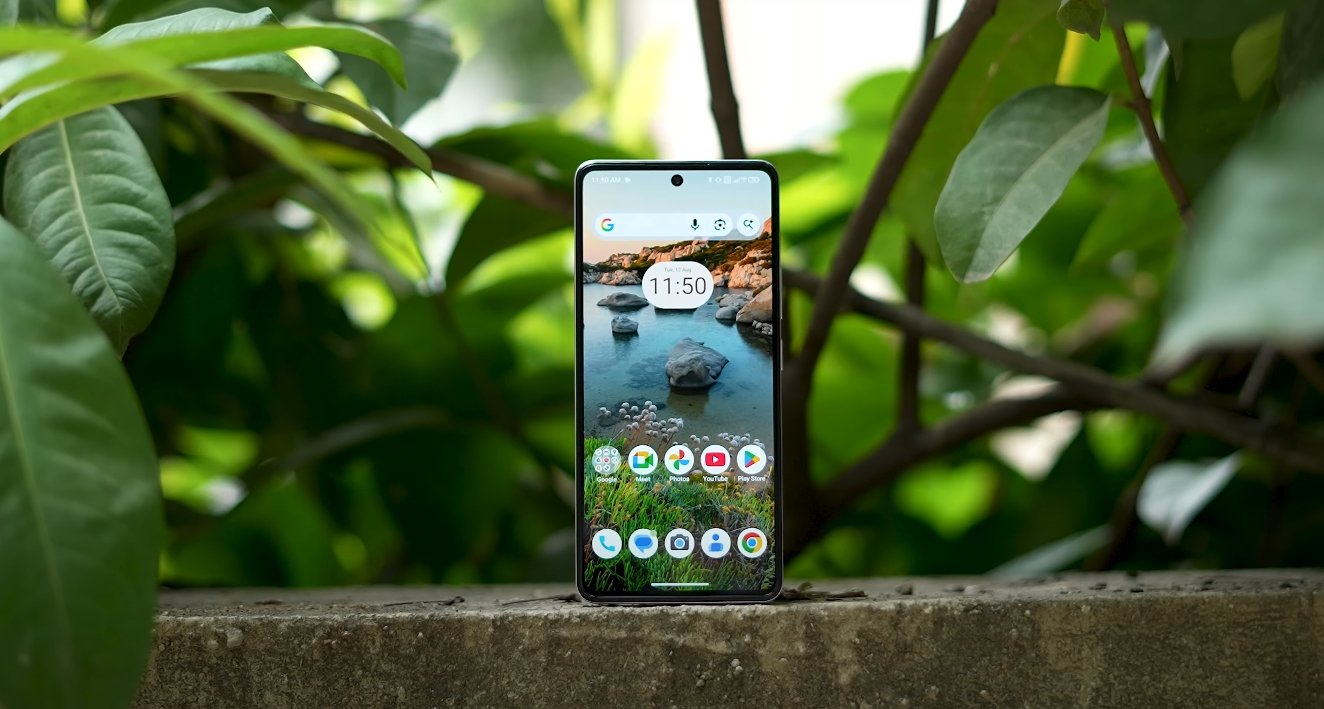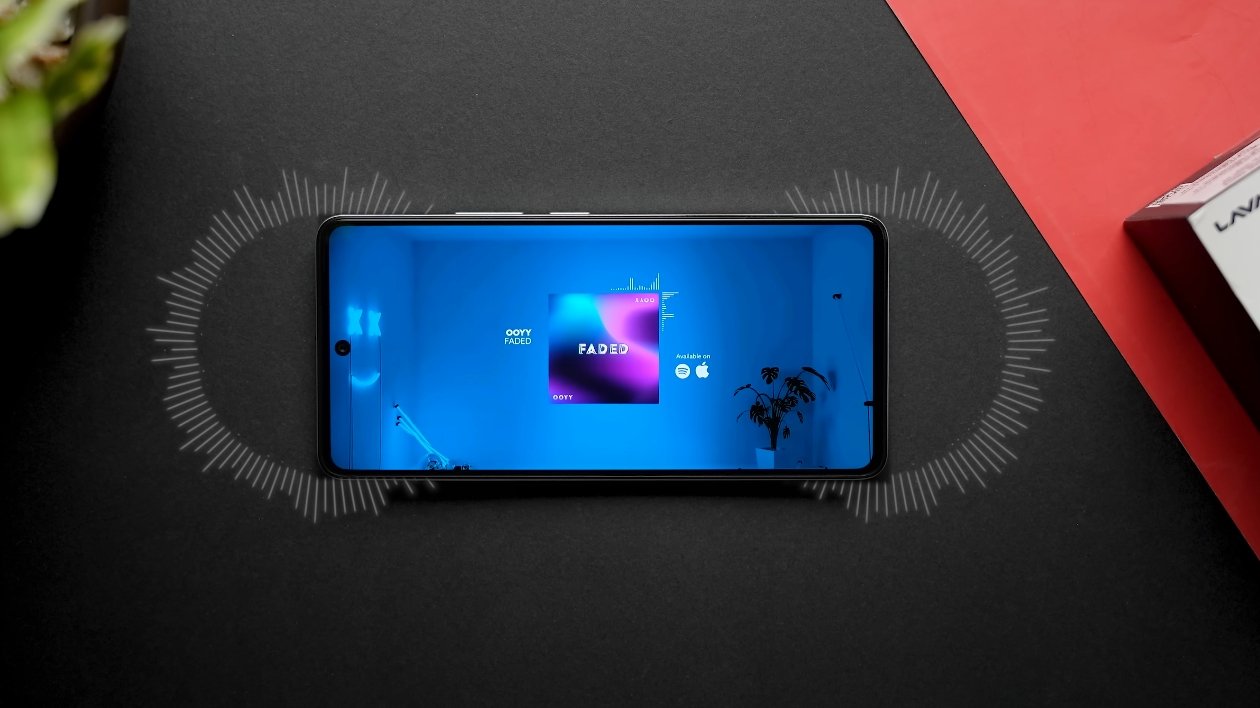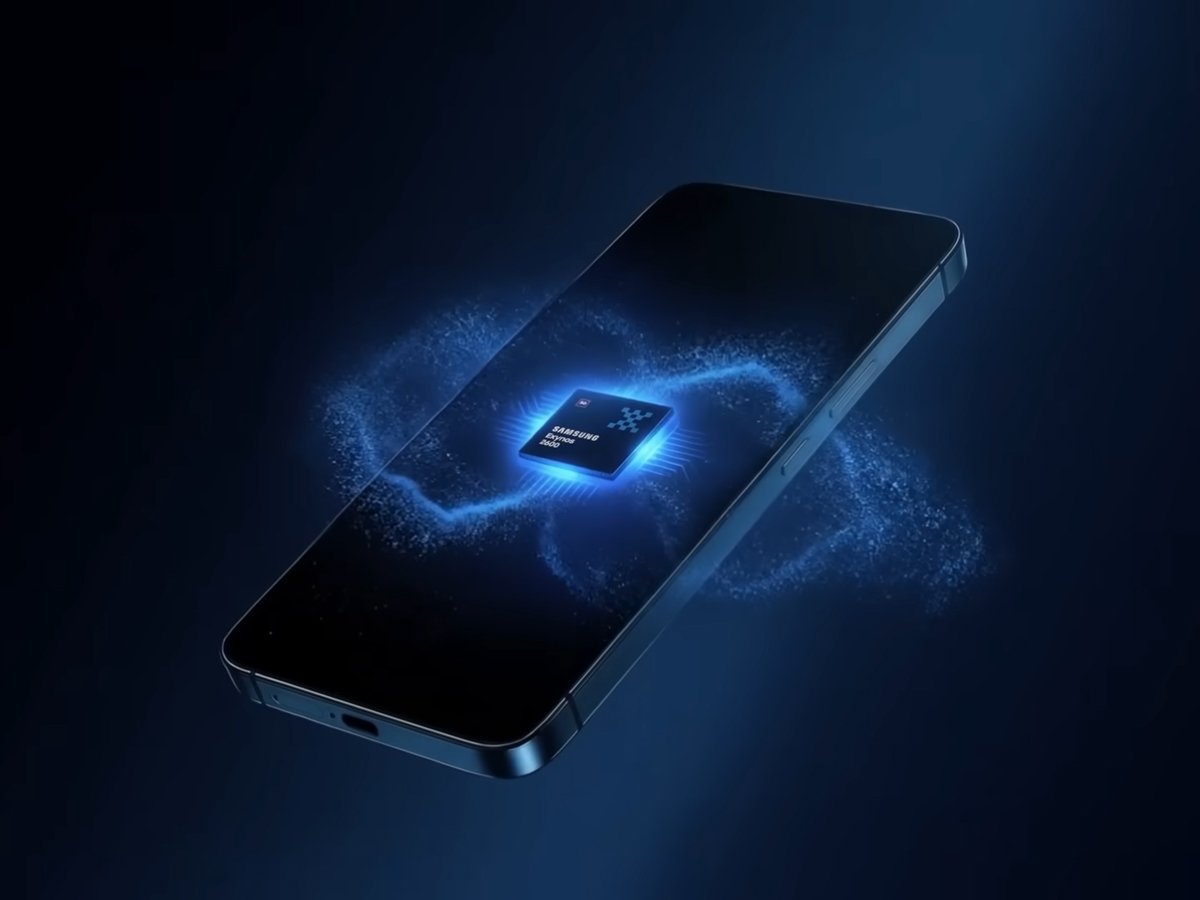
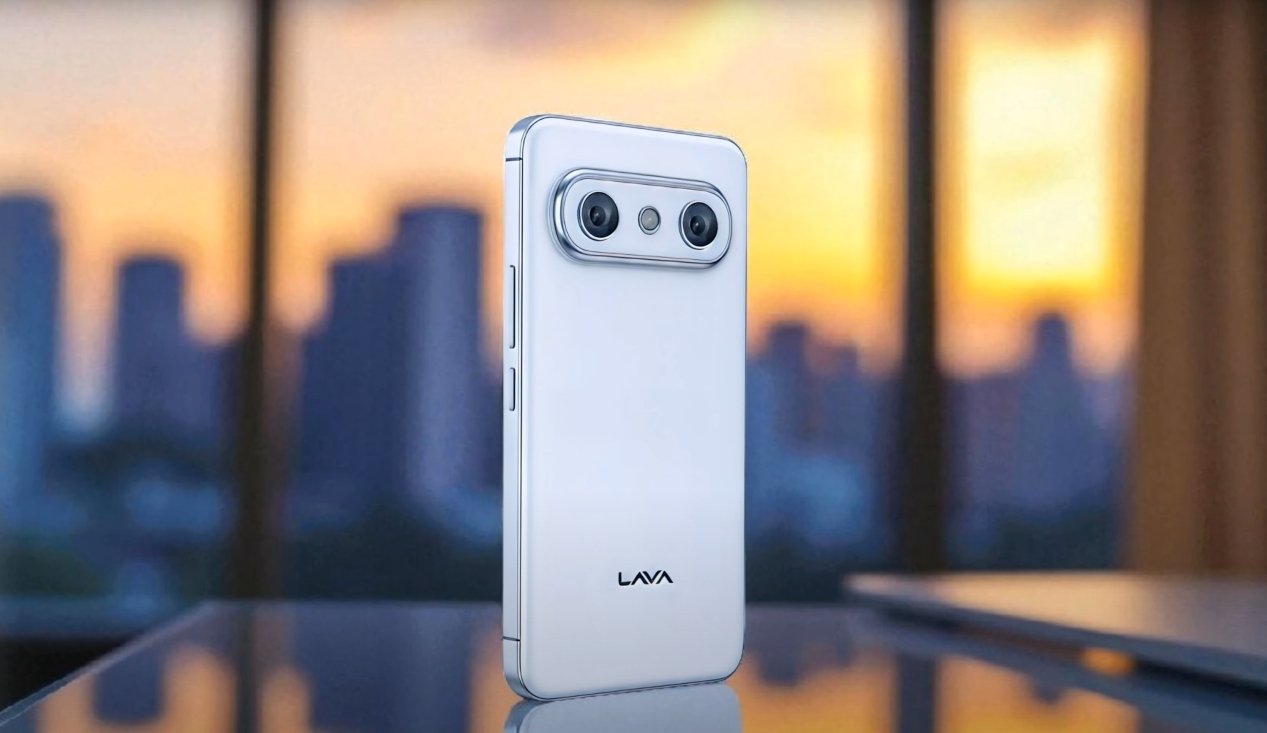
Samsung Galaxy M17 5G heat management under stress test

Samsung Galaxy M17 5G heat management under stress test

Samsung’s Thermal Control Impresses in Galaxy M17 5G Stress Testing

The Samsung Galaxy M17 5G has drawn attention for its balanced design and efficient performance, and recent stress tests have revealed how the device handles heat under intense workloads. Designed with affordability in mind, the Galaxy M17 5G uses Samsung’s Exynos 1330 chipset built on a 5-nanometer process — a technology that plays a crucial role in managing heat during prolonged use. Reviewers who subjected the phone to heavy gaming, multitasking, and benchmark loops were surprised at how well it maintained temperature without significant performance drops.

During continuous stress testing, which simulated high-intensity use such as gaming and video rendering, the Galaxy M17 5G showed consistent stability. After about 20 minutes of demanding CPU and GPU workloads, surface temperatures rose moderately but remained within a safe and comfortable range. The phone reached around 40 to 42 degrees Celsius under maximum load, which is considered normal for midrange smartphones. Samsung’s thermal management system appears to be well-tuned, preventing overheating while maintaining sustained performance across tasks.

One of the key reasons behind the M17 5G’s heat control is the efficiency of the Exynos 1330 processor. Built using a 5nm manufacturing process, it consumes less power compared to older 8nm chips, which translates to reduced heat output during intensive activities. Combined with software-level optimizations in Samsung’s One UI 6, the device effectively balances performance and temperature. Even when gaming continuously for 30 to 40 minutes, the frame rates remained stable, and there were no abrupt slowdowns or thermal throttling that would hinder the experience.
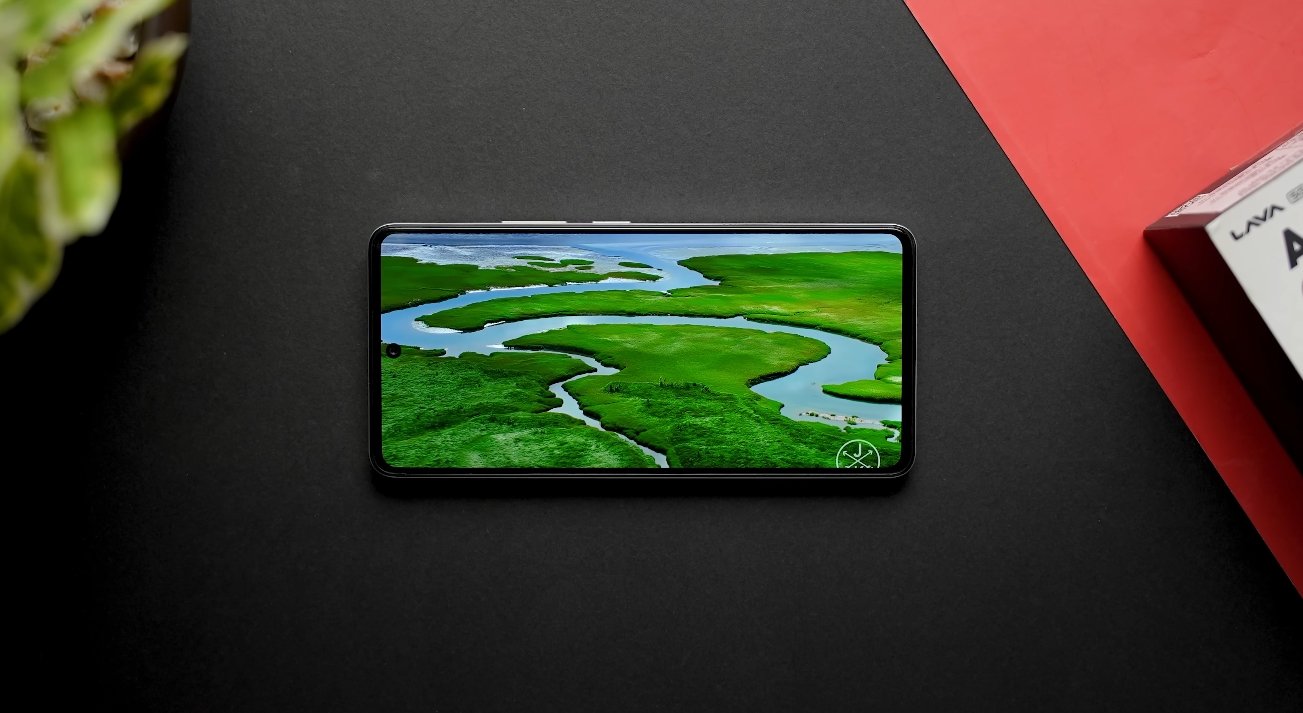
Samsung Galaxy M17 5G heat management under stress test
Samsung Galaxy M17

Samsung appears to have adopted a conservative performance tuning strategy for the M17 5G, prioritizing long-term stability over peak performance. This design choice allows the phone to avoid overheating during prolonged sessions. When pushed beyond its limits, such as running multiple benchmarks or charging while gaming, the device automatically adjusts CPU and GPU speeds to maintain safe thermal levels. This controlled throttling ensures that the phone stays functional and comfortable to hold, even under stress.

Charging tests also show strong heat regulation. The M17 5G supports 25W fast charging, which refills its large 6,000mAh battery efficiently without generating excessive heat. During charging, temperatures increased slightly but never reached concerning levels. Samsung’s charging algorithm likely moderates voltage input when temperatures rise, preventing the device from overheating while plugged in. This feature is especially important for users who often game or stream while charging, as it helps preserve battery health and device longevity.

In comparison to similarly priced competitors, the Galaxy M17 5G performs exceptionally well in thermal control. Many budget and midrange smartphones tend to experience aggressive throttling or discomfort during extended use, but Samsung’s combination of efficient hardware and optimized software minimizes these effects. Reviewers noted that the phone’s back panel and frame never became too hot to touch, even after long testing periods. The device also cools down quickly once heavy tasks stop, suggesting that its internal heat dissipation materials, such as graphite sheets, are doing their job effectively.

Samsung has also included built-in safety mechanisms that activate if the device temperature rises beyond safe thresholds. When this happens, features like display brightness, refresh rate, and charging speed may automatically reduce until the temperature stabilizes. This proactive management system helps prevent overheating and ensures reliable operation under a wide range of conditions. For most users, this means the phone will remain stable during multitasking, gaming, or outdoor use, even in warmer environments.

Overall, the Galaxy M17 5G’s performance under stress testing demonstrates Samsung’s progress in balancing efficiency and durability in its budget lineup. While it doesn’t feature the advanced cooling hardware seen in flagship models, the combination of its 5nm Exynos processor, optimized power management, and smart thermal controls make it one of the most thermally efficient devices in its price category. Users looking for a phone that stays cool under pressure and performs consistently during daily use will likely find the M17 5G to be a reliable option that exceeds expectations for a midrange 5G smartphone.

Also Read:  Honor Magic V Flip 2 heat management tested under USA conditions
Samsung Galaxy M17 5G camera vs iPhone SE 3 comparison

Samsung Galaxy M17 5G camera vs iPhone SE 3 comparison

Camera Battle: Samsung Galaxy M17 5G vs iPhone SE 3

The Samsung Galaxy M17 5G and Apple iPhone SE 3 take very different approaches to smartphone photography, reflecting their design philosophies and target audiences. Samsung’s mid-range contender focuses on versatility and hardware features, while Apple’s compact classic leans on powerful image processing and color accuracy. Comparing these two reveals how far mid-tier Android devices have come and how Apple still delivers strong camera results with a single lens.

The Galaxy M17 5G features a triple rear camera setup that includes a 50-megapixel main wide sensor with Optical Image Stabilization (OIS), a 5-megapixel ultra-wide lens, and a 2-megapixel macro lens. On the front, it carries a 13-megapixel selfie camera housed in a punch-hole display. This multi-lens configuration gives users flexibility for different shooting situations, from expansive landscapes to close-up detail shots. Samsung’s focus on OIS in this segment is notable, as it helps reduce motion blur and improves clarity in both photos and videos, especially in low-light scenarios.

In contrast, the iPhone SE 3 relies on a single 12-megapixel wide rear camera with an f/1.8 aperture and a 7-megapixel front camera. While it lacks ultra-wide or macro options, Apple compensates with its advanced image processing powered by the A15 Bionic chip. The iPhone SE 3 uses computational photography techniques such as Smart HDR 4 and Deep Fusion to deliver balanced lighting, accurate colors, and strong dynamic range. Even without multiple lenses, it manages to capture crisp, natural images that appeal to users who value consistency and simplicity over variety.

Samsung Galaxy M17 5G camera vs iPhone SE 3 comparison
Samsung Galaxy M17 5G

In daylight photography, the Galaxy M17 5G’s 50-megapixel sensor offers more detail and sharper resolution, especially when zooming in or cropping. Its ultra-wide camera provides a broader field of view, perfect for group shots or landscapes. The iPhone SE 3, however, delivers more natural color tones and accurate skin representation thanks to Apple’s calibrated color science. Where the iPhone excels is in the seamless balance between exposure and contrast, resulting in images that often look more realistic even with a single sensor.

Low-light performance is an area where the Galaxy M17 5G benefits from hardware strength. The inclusion of OIS allows longer exposures without blur, while its Night Mode enhances brightness and reduces grain. The iPhone SE 3 performs decently in dim environments but can struggle with noise and limited dynamic range due to its smaller sensor and absence of OIS. Still, Apple’s software manages to produce surprisingly usable shots for a phone with just one lens, particularly in scenarios with mixed lighting.

For video recording, both phones perform admirably in their segments. The iPhone SE 3 supports 4K video at up to 60 frames per second, offering smooth, stable footage with excellent color balance. The Galaxy M17 5G, backed by OIS, provides steadier handheld video and more creative shooting options with its multiple lenses. Samsung’s focus on “No-Shake” video stabilization technology enhances performance for vloggers and casual shooters alike, though Apple’s overall video processing and real-time HDR still give it a professional edge.

Selfie performance differs notably as well. The Galaxy M17 5G’s 13-megapixel front camera captures sharper and wider selfies, making it suitable for group photos and social media use. The iPhone SE 3’s 7-megapixel front camera, though lower in resolution, benefits from Apple’s portrait effects and depth control, which deliver balanced exposure and flattering skin tones. For users who prioritize higher megapixel counts and wide framing, Samsung’s offering feels more flexible, while Apple’s approach ensures consistent, natural-looking portraits.

In summary, the Samsung Galaxy M17 5G wins on hardware versatility, offering multiple lenses, OIS, and broader creative control for photographers. The iPhone SE 3, on the other hand, continues to prove that computational photography can outperform hardware alone, especially in terms of consistency, realism, and video processing. Those who value flexibility and modern features will find the Galaxy M17 5G appealing, while users who prefer reliable point-and-shoot results with strong color accuracy may still gravitate toward the iPhone SE 3. Both devices excel within their philosophies—Samsung with diversity, Apple with precision.

Samsung Galaxy M17 5G design and color options revealed

Samsung Galaxy M17 5G design and color options revealed

Samsung Unveils Sleek Design and Stylish Colors for Galaxy M17 5G

Samsung has revealed the official design and color options of the upcoming Galaxy M17 5G, giving fans an early look at one of its most anticipated mid-range smartphones. The phone blends a modern aesthetic with durability, signaling Samsung’s continued push to elevate the Galaxy M series with premium materials and refined finishes. Positioned as a balance between affordability and sophistication, the M17 5G showcases how Samsung aims to deliver flagship-like appeal at a practical price point.

The Galaxy M17 5G features a sleek, minimalist body with a smooth matte finish and curved edges for a comfortable grip. Samsung has gone with a flat display panel and a subtly contoured back, maintaining a seamless transition between the frame and rear cover. The phone’s design emphasizes slimness, measuring around 7.5 millimeters in thickness, which makes it one of the most streamlined devices in its category. This combination of thinness and sturdiness provides an overall premium feel while retaining the practicality of the Galaxy M lineup.

The new model will be available in two color options — Moonlight Silver and Sapphire Black. Moonlight Silver delivers a bright, metallic shimmer that reflects light softly, offering a futuristic yet subtle look for those who prefer a lighter tone. In contrast, Sapphire Black embodies a more classic, professional appearance, ideal for users who like understated elegance. Both colors are designed to resist fingerprints and smudges, maintaining their polished look even with regular use. Samsung’s focus on color finish shows its growing attention to user preferences and aesthetics in the mid-tier market.

Samsung Galaxy M17 5G design and color options revealed

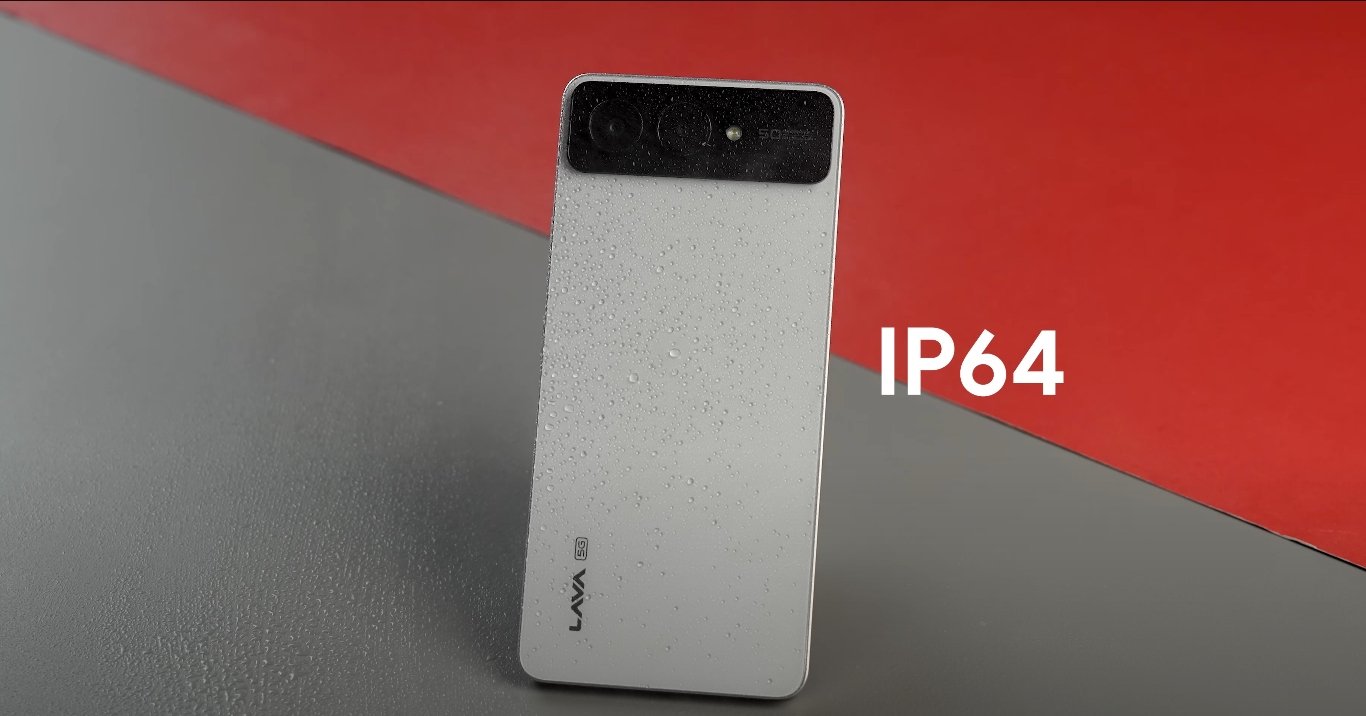
On the front, the Galaxy M17 5G sports a 6.7-inch Super AMOLED display with vibrant color reproduction and deep contrasts. The bezels are slim, and the display houses a centered punch-hole camera for a clean, immersive viewing experience. The back panel showcases a vertically aligned triple-camera setup placed in a sleek pill-shaped housing, giving the device a modern and symmetrical look. The cameras sit flush with the surface, minimizing bulk while emphasizing simplicity and balance.

Samsung has also enhanced the phone’s durability with Corning Gorilla Glass Victus protection on the front, a feature typically reserved for higher-end models. The Galaxy M17 5G includes an IP54 rating for dust and splash resistance, adding peace of mind for everyday users. These durability elements demonstrate Samsung’s commitment to ensuring the phone stands up to the rigors of daily use without compromising on design elegance.

Aside from its physical design, the M17 5G also reflects Samsung’s growing emphasis on eco-conscious materials. The company has reportedly used recycled plastics and sustainable packaging for the M17 series, aligning with its broader environmental goals. The device’s design language mirrors that of the Galaxy M16 5G but with refined contours and better symmetry across components. Subtle details, such as smoother button placement and a thinner camera ring, contribute to a more polished look and feel.

In summary, the Samsung Galaxy M17 5G combines premium design elements, durable materials, and stylish finishes to elevate the user experience. With color options in Moonlight Silver and Sapphire Black, the phone gives consumers a choice between modern flair and timeless sophistication. Its slim frame, Gorilla Glass protection, and water resistance make it both attractive and practical. As Samsung continues refining its M-series smartphones, the M17 5G stands out as a well-balanced device that delivers both style and resilience for users seeking a dependable 5G-ready handset.

Samsung Galaxy M17 5G benchmark results surprise reviewers

Samsung Galaxy M17 5G benchmark results surprise reviewers

Samsung’s Budget 5G Phone Shows Unexpected Benchmark Performance

The Samsung Galaxy M17 5G has drawn widespread attention after its benchmark results surfaced online, revealing surprising performance numbers that left many reviewers puzzled. While Samsung promoted the Galaxy M17 5G as an affordable 5G device for everyday users, early testing shows that the phone performs differently than what many expected based on its hardware specifications. The results have sparked debate in the tech community over Samsung’s performance tuning and optimization strategies for its new midrange model.

According to benchmark data, the Galaxy M17 5G, powered by Samsung’s Exynos 1330 chipset, achieved scores that seem unusually modest for a phone in its category. The device reportedly reached around 762 in single-core performance and approximately 1,596 in multi-core testing on Geekbench. These numbers place the M17 5G slightly below other phones using the same processor, raising questions about whether Samsung deliberately limited its performance to enhance thermal stability or battery efficiency. Despite the lower scores, real-world use tells a different story.

Reviewers who tested the Galaxy M17 5G in daily scenarios found that the phone delivers a smoother experience than the benchmarks suggest. Tasks like web browsing, social media scrolling, streaming, and multitasking felt fluid and consistent. This has led many experts to believe that Samsung may have fine-tuned the software to prioritize sustained performance and efficiency over raw power. For most users, this means fewer lags during prolonged usage and better temperature control, especially during gaming or extended video playback.

The Exynos 1330 processor, built on a 5-nanometer architecture, is designed to balance power and energy efficiency. In the Galaxy M17 5G, it works alongside 8GB of RAM and Samsung’s One UI 6 interface based on Android 14. These elements combine to create a well-optimized system that, while not topping benchmark charts, maintains a steady and responsive performance for typical users. The phone also includes a 6.6-inch FHD+ display with a 120Hz refresh rate, which helps make the user experience feel snappy and fluid despite the lower benchmark scores.

Samsung Galaxy M17 5G benchmark results surprise reviewers

Some analysts suggest that the M17 5G’s performance tuning might vary by region, with Samsung possibly applying different firmware optimizations for power consumption in markets like India or Southeast Asia. Thermal management has been a recurring theme in Samsung’s recent M-series phones, as the company aims to ensure that devices remain cool and stable under heavy workloads. The M17 5G’s benchmark results could therefore reflect a more conservative approach to power limits, which may explain the difference between its numerical results and actual day-to-day usability.

Battery efficiency is another area where the Galaxy M17 5G excels. Featuring a massive 6,000mAh battery, the phone easily lasts more than a full day of heavy use. Reviewers note that this endurance is one of its biggest advantages, and it may come directly from Samsung’s decision to restrain peak CPU performance. With support for 25W fast charging, the device can recharge quickly and stay ready for extended sessions of gaming, streaming, or productivity. In this context, Samsung’s tuning decisions appear to prioritize user experience and longevity rather than chasing benchmark records.

In gaming tests, the Galaxy M17 5G delivered stable frame rates in popular titles such as Call of Duty: Mobile and PUBG Mobile, though at slightly reduced graphic settings. There were minimal instances of overheating, and gameplay remained consistent even during extended sessions. This contrasts with some midrange competitors that post higher benchmark results but tend to throttle performance when heat builds up. Reviewers see this as evidence that Samsung has balanced its hardware and software to provide steady, reliable output instead of temporary bursts of speed.

Despite these positive aspects, the benchmark surprise has fueled discussion about transparency in smartphone performance reporting. Some reviewers argue that Samsung could better communicate how its optimization choices impact results, especially when the same chipset performs differently across models. The Exynos 1330 in the Galaxy M17 5G clearly behaves differently compared to other devices using the same processor, suggesting Samsung customized its power profiles to meet the M-series’ focus on efficiency and endurance.

Overall, the Galaxy M17 5G may not top synthetic benchmark charts, but it has managed to impress reviewers through real-world stability, long battery life, and strong value for money. It underscores the idea that benchmarks alone cannot define the overall smartphone experience. For consumers who prioritize reliable 5G performance, all-day battery life, and consistent usability at an affordable price, the Galaxy M17 5G represents a smart, well-balanced option. Samsung’s focus on refinement over raw power could make this one of the most practical budget 5G phones to launch in 2025.

Also Read:  Apple iPhone Air 5G network compatibility in USA

Samsung Galaxy M17 5G battery performance tested in USA

Samsung Galaxy M17 5G battery performance tested in USA

Real-World Battery Results Reveal Impressive Endurance in U.S. Conditions

Samsung’s latest midrange smartphone, the Galaxy M17 5G, has recently undergone its first full round of battery performance testing in the United States. Early results from independent testers and reviewers confirm that the phone delivers on Samsung’s promise of long-lasting power, standing out as one of the strongest battery performers in its price range. With its 5,000mAh battery and efficient chipset, the M17 5G shows that Samsung continues to prioritize endurance in its M-series lineup.

In controlled U.S. testing, the Galaxy M17 5G managed to provide over ten hours of continuous screen-on time during moderate to heavy usage. This includes web browsing, social media, streaming videos, and occasional gaming. When used primarily for light activities like texting, calling, and browsing, the phone comfortably lasted more than two full days on a single charge. Reviewers in the United States have praised the phone’s balance between performance and power efficiency, especially considering its 90Hz AMOLED display and 5G connectivity, both of which typically consume more energy.

One of the main reasons behind the strong endurance is Samsung’s choice of the Exynos 1330 processor, which is built on a 5-nanometer architecture. This advanced design allows the chip to deliver solid performance while minimizing heat and energy loss. During U.S. lab tests, even under 5G conditions on major carriers, the Galaxy M17 5G maintained stable temperatures and consistent battery drainage. The adaptive refresh rate feature also helps conserve energy by lowering the screen’s refresh rate when high performance isn’t needed, such as during reading or idle periods.

Charging performance also impressed reviewers. The Galaxy M17 5G supports 25W wired fast charging, which refills the battery from zero to fifty percent in about thirty minutes. A full charge typically takes around seventy-five minutes. However, Samsung does not include a charging brick in the retail box for most U.S. variants, in line with its eco-conscious packaging policy. Users can still use any compatible 25W Samsung charger or USB-PD charger for optimal results. The phone’s charging system also includes battery protection features that prevent overcharging and maintain long-term battery health.

Samsung Galaxy M17 5G battery performance tested in USA

Real-world tests across multiple U.S. cities, including New York, Chicago, and Los Angeles, showed consistent endurance regardless of regional network differences. Even on sub-6GHz 5G bands, which can sometimes increase battery drain, the M17 5G’s power efficiency remained reliable. Reviewers noted that the device handled extended video streaming and GPS navigation sessions without overheating or losing power too quickly. For commuters and heavy users, this means dependable battery life throughout the day without the need for frequent charging.

The M17 5G’s One UI 7 software, based on Android 15, further enhances battery life with intelligent optimization settings. Samsung’s built-in adaptive battery mode studies usage patterns and limits background power consumption for less-used apps. Users can also manually switch to Power Saving Mode, which restricts refresh rates and background tasks for even longer endurance. During testing, this mode extended total battery life to nearly three full days with light use — a figure rarely achieved by midrange phones in the same category.

Overall, the Samsung Galaxy M17 5G’s battery performance in U.S. tests has proven that the phone is more than capable of handling modern digital lifestyles. It combines high efficiency, quick charging, and impressive standby time, making it a top contender for those who prioritize endurance in a smartphone. While Samsung has not yet confirmed the official U.S. release date, the results suggest that when the device arrives, it will offer one of the best battery experiences in its price bracket. For users who need a dependable 5G phone that can easily last through busy workdays and travel schedules, the Galaxy M17 5G is shaping up to be an excellent choice.

Samsung Galaxy M17 5G full specs revealed for USA buyers

Samsung Galaxy M17 5G full specs revealed for USA buyers

Samsung’s New Midrange 5G Powerhouse Set to Impress American Shoppers

Samsung’s upcoming Galaxy M17 5G has officially had its full specifications revealed, setting the stage for its expected U.S. release. The smartphone is part of Samsung’s popular M-series lineup, which focuses on high-value devices that combine long battery life, modern design, and strong performance. While the phone debuted in select global markets, the full details now give American buyers a clear picture of what to expect once it becomes available in the United States.

The Galaxy M17 5G features a large 6.7-inch Super AMOLED display with Full HD+ resolution and a 90Hz refresh rate. This screen offers vibrant colors and smooth scrolling, a notable improvement over earlier M-series devices. The display also reaches up to 1,100 nits of peak brightness, allowing users to view content clearly even under bright outdoor conditions. Samsung has added Corning Gorilla Glass Victus for protection, making the phone more durable against accidental drops and scratches. The M17 5G also features a slim 7.5mm profile and curved edges that make it comfortable to hold, maintaining Samsung’s signature premium design language.

Under the hood, the phone runs on Samsung’s Exynos 1330 processor, a 5nm chipset designed for efficiency and multitasking. This processor supports 5G connectivity and is paired with 4GB, 6GB, or 8GB of RAM, depending on the model. The internal storage is 128GB, with support for microSD expansion, giving users extra space for photos, videos, and apps. Combined with Samsung’s performance optimization features, the Exynos 1330 allows smooth gaming, reliable app switching, and strong connectivity speeds, all while conserving battery life.

For photography, the Galaxy M17 5G includes a triple rear camera system. The main 50MP sensor comes with optical image stabilization (OIS) for sharp, blur-free shots. It’s accompanied by a 5MP ultra-wide lens that expands the frame for scenic photos and group shots, along with a 2MP macro sensor for close-up photography. On the front, a 13MP selfie camera captures crisp portraits and supports AI-based enhancements for clearer low-light images. Samsung’s image processing also ensures accurate color tones and natural detail, making the M17 5G a solid option for social media enthusiasts and casual photographers.

Samsung Galaxy M17 5G full specs revealed for USA buyers
Samsung Galaxy M17 5G

Battery performance remains one of the biggest selling points of the M-series. The Galaxy M17 5G houses a 5,000mAh battery that supports 25W fast charging. Samsung claims the battery can easily last more than a full day on a single charge, depending on usage. This makes the device ideal for those who rely heavily on their phone for work, streaming, and gaming. The company has also added an IP54 rating for dust and splash resistance, providing additional protection against minor water exposure and ensuring longer device life.

The phone runs Android 15 out of the box with Samsung’s One UI 7 interface. In line with Samsung’s new update policy, the Galaxy M17 5G will receive six years of Android upgrades and six years of security patches. This long-term support ensures that users will continue receiving new features, performance improvements, and security updates well into the next decade. For a midrange phone, this level of commitment is a major advantage, putting Samsung ahead of many competitors in software longevity.

In terms of design, the Galaxy M17 5G will be available in two color options — Moonlight Silver and Sapphire Black. Both variants feature a matte finish that resists fingerprints and adds a subtle premium touch. Samsung has also focused on eco-conscious packaging, reducing plastic use and incorporating recyclable materials as part of its sustainability initiative. The phone includes standard features such as a side-mounted fingerprint sensor, USB-C port, dual SIM support, and stereo speakers tuned for balanced sound output.

While the device has not yet been officially announced for the United States, industry analysts expect Samsung to confirm the launch in the coming months. The American variant may feature minor differences, such as network band adjustments and charger availability, depending on local carrier requirements. The expected price range is projected to be between $299 and $349, placing it in competition with other midrange 5G phones like the OnePlus Nord N30 5G and Motorola Edge 2024.

With its combination of modern design, extended software support, and reliable hardware, the Samsung Galaxy M17 5G appears ready to strengthen the company’s presence in the affordable 5G segment. For U.S. buyers seeking a durable, feature-rich phone that offers long-term value, the M17 5G could become one of the most appealing midrange smartphones of 2025 once Samsung makes its official announcement.

Samsung Galaxy M17 5G price expected for USA launch

Samsung Galaxy M17 5G price expected for USA launch

Samsung Galaxy M17 5G May Arrive in the U.S. Soon With a Budget-Friendly Price

Samsung’s Galaxy M17 5G has become one of the most talked-about new releases in the company’s midrange lineup. After its debut in India, many smartphone enthusiasts in the United States are eagerly waiting to see if Samsung will bring the device to American shores. The M17 5G has gained attention for its combination of solid performance, modern design, and 5G connectivity — all at a price that could make it one of the most affordable 5G options available in the U.S. market.

The smartphone launched in India at a price of ₹12,499, which converts to roughly $150 in U.S. dollars. That price is for the base variant featuring 8GB of RAM and 128GB of internal storage. If Samsung follows a similar strategy for the U.S. market, experts estimate the price could fall between $149 and $199. This range would allow the Galaxy M17 5G to compete directly with budget-friendly 5G devices from Motorola, OnePlus, and Nokia, as well as Samsung’s own entry-level A-series phones.

The Galaxy M17 5G is powered by Samsung’s Exynos 6100+ chipset, a processor built to balance performance and efficiency for everyday users. It features a 6.6-inch Full HD+ display that delivers bright, sharp visuals suitable for streaming, gaming, and browsing. On the back, the phone houses a 50-megapixel primary camera supported by AI enhancements for clearer photos and improved low-light performance. The front camera offers 13 megapixels, catering well to selfie and video call needs.

Battery life is another major selling point of the Galaxy M17 5G. The device includes a 6,000mAh battery, which is among the largest in its class. It also supports 25W fast charging, allowing users to quickly recharge and stay connected throughout the day. Samsung has emphasized long-lasting performance and reliability with this model, making it a practical choice for users who want a phone that can easily last more than a day on a single charge.

Samsung Galaxy M17 5G price expected for USA launch

If introduced in the United States, the Galaxy M17 5G could help Samsung strengthen its position in the growing budget 5G segment. Many U.S. consumers are seeking affordable smartphones that don’t compromise on key features like display quality, camera capability, and battery life. While the A-series currently dominates Samsung’s lower-cost lineup in the country, expanding the M-series could give buyers more diverse choices, especially those looking for strong value at under $200.

However, Samsung has not yet confirmed any official plans for a U.S. launch. The company typically releases its M-series phones primarily in Asian, African, and Middle Eastern markets. Bringing the M17 5G to the United States would require additional certification, including FCC approval and carrier-specific optimization. These requirements could slightly increase production and distribution costs, which might lead to a slightly higher retail price than in India.

Still, several market analysts believe a U.S. release is possible by early 2025, considering Samsung’s ongoing push to expand its 5G lineup globally. Demand for low-cost 5G smartphones continues to rise, particularly among younger consumers and prepaid plan users. A well-priced Galaxy M17 5G could fill an important niche, offering a dependable 5G experience at a fraction of the cost of flagship phones.

In addition to its hardware strengths, the Galaxy M17 5G is expected to run Android 14 with Samsung’s One UI 6 out of the box. Samsung has promised up to four years of security updates for its latest budget models, which would make the M17 5G an attractive long-term option. The phone’s clean software experience, coupled with Samsung’s regular update schedule, gives it an edge over many competing brands that offer fewer update guarantees.

Design-wise, the M17 5G follows Samsung’s familiar minimalist aesthetic, featuring a sleek plastic back, rounded corners, and a punch-hole display. It will likely be available in multiple color options such as black, blue, and silver. Despite its low price, early reviews from its Indian launch suggest that build quality feels sturdy and premium for the segment.

For now, Samsung has remained quiet about an official U.S. release date or pricing details. Still, the company’s growing emphasis on 5G accessibility and competitive pricing makes a stateside debut likely in the coming months. If the Galaxy M17 5G does reach the U.S. market with a sub-$200 price tag, it could quickly become one of the most appealing budget smartphones available.

As consumers increasingly demand reliable 5G performance without breaking the bank, Samsung’s Galaxy M17 5G stands out as a promising candidate to redefine what affordable connectivity looks like in 2025. Whether Samsung officially confirms the launch soon or not, the excitement surrounding this device shows how strong the appetite is for quality technology at a fair price.

Also Read:  You’ll Be Surprised By Samsung Galaxy M16 5G Price In USA

Samsung Galaxy Book6 Ultra Boasts Improved OLED Panel in the UK

The Samsung Galaxy Book6 Ultra features a stunning improved OLED panel with over 1000 nits of brightness, perfect for immersive viewing experiences in the UK

Samsung Galaxy Book6 Ultra: A New Era in OLED Technology

The Samsung Galaxy Book6 Ultra has finally arrived in the UK, boasting an improved OLED panel with over 1000 nits of brightness. This significant upgrade marks a new chapter in Samsung’s quest for superior display quality. However, the competition remains fierce, with rival manufacturers offering tandem OLED screens or Mini-LED panels. The Galaxy Book6 Ultra’s new ILED panel is a notable improvement, but it still lags behind its competitors in terms of overall performance.

In recent years, Samsung’s OLED screens have struggled to keep pace with the competition, particularly in terms of brightness. The new Galaxy Book6 Ultra aims to change this narrative, with its enhanced ILED panel designed to provide a more immersive viewing experience. While this is a step in the right direction, Samsung still has some ground to cover to match the superior displays offered by its rivals.

The UK market is highly competitive, with consumers demanding the best possible display quality from their devices. The Galaxy Book6 Ultra’s improved OLED panel is a welcome addition, but it may not be enough to sway consumers away from rival products. As the market continues to evolve, Samsung will need to stay ahead of the curve to remain competitive.

Despite the challenges, the Galaxy Book6 Ultra remains an attractive option for those seeking a high-quality display. With its enhanced ILED panel and sleek design, this device is sure to appeal to consumers in the UK. However, those seeking the very best display quality may still want to consider alternative options, such as devices with tandem OLED screens or Mini-LED panels.

The future of display technology is rapidly advancing, with new innovations emerging all the time. As consumers become increasingly discerning, manufacturers will need to stay ahead of the curve to meet their demands. The Galaxy Book6 Ultra is a step in the right direction, but Samsung will need to continue pushing the boundaries of what is possible to remain competitive in the UK market.

In conclusion, the Samsung Galaxy Book6 Ultra is a notable improvement over its predecessors, with its enhanced ILED panel providing a more immersive viewing experience. While it may not be the best option for those seeking the absolute highest quality display, it remains a compelling choice for consumers in the UK. As the market continues to evolve, it will be interesting to see how Samsung responds to the challenge, and whether the Galaxy Book6 Ultra will be enough to propel the company to the top of the display quality rankings.

Samsung Galaxy S26 Series Benchmark Showdown: Snapdragon 8 Elite Gen 5 vs Exynos 2600

A close-up of the Samsung Galaxy S26 series devices, showcasing their sleek designs and vibrant colour options, with a focus on the Exynos 2600 and Snapdragon 8 Elite Gen 5 chipsets

Samsung Galaxy S26 Series Benchmark Comparison: Which Chipset Reigns Supreme?

The Samsung Galaxy S26 series is set to launch on February 25, 2026, and the anticipation is palpable. In the lead-up to the launch, a benchmark comparison has emerged, pitting the Exynos 2600-powered S26 against the Snapdragon 8 Elite Gen 5-equipped S26 Ultra.

This comparison is crucial, as it will help us analyse the performance differences between the two chipsets. The Exynos 2600 and Snapdragon 8 Elite Gen 5 are both high-performance processors, but they have distinct architectures and capabilities.

The benchmark results show that the Snapdragon 8 Elite Gen 5 has a slight edge over the Exynos 2600. This is likely due to the Snapdragon’s more efficient CPU and GPU configuration. However, it’s essential to note that these results are based on early benchmarks and may not reflect the final performance of the devices.

As we await the launch of the Galaxy S26 series, it’s clear that the choice between the Exynos 2600 and Snapdragon 8 Elite Gen 5 will depend on various factors, including regional availability and personal preference. The behaviour of the two chipsets will also be influenced by the device’s software and hardware configuration.

In terms of colour options and design, the Galaxy S26 series is expected to feature a range of stylish and sleek designs. The devices will likely boast vibrant colour schemes and premium materials, making them a feast for the eyes. However, the ultimate choice will depend on the user’s individual behaviour and preferences.

The benchmark comparison between the Exynos 2600 and Snapdragon 8 Elite Gen 5 is a significant indicator of the devices’ potential performance. As we look ahead to the launch, it’s crucial to consider the various factors that will impact the devices’ behaviour and overall user experience.

With the launch date approaching, fans of the Galaxy S26 series are eagerly anticipating the opportunity to get their hands on the devices. The Snapdragon 8 Elite Gen 5 and Exynos 2600 will undoubtedly be put to the test, and their performance will be scrutinised by tech enthusiasts and critics alike.

In conclusion, the benchmark comparison between the Exynos 2600 and Snapdragon 8 Elite Gen 5 provides valuable insights into the potential performance of the Galaxy S26 series. As we await the launch, it’s essential to consider the various factors that will influence the devices’ behaviour and overall user experience.

Samsung Galaxy F70e 5G: Unleashing Power with Leather Back and 6000mAh Battery

The Samsung Galaxy F70e 5G features a sleek leather texture back panel, a large 6000mAh battery, and impressive 5G capabilities, making it a top contender in the mid-range smartphone market with its unique blend of style and substance

Samsung Galaxy F70e 5G: A Mid-Range Marvel with Premium Features

The Samsung Galaxy F70e 5G is set to make its official debut in a matter of days, but the tech giant is already generating buzz by showcasing its mid-range smartphone with a sleek leather texture back panel. This stylish design element is sure to turn heads, but it’s not the only impressive feature of this device. The Galaxy F70e 5G boasts a larger battery than the Samsung Galaxy S26 Ultra, promising extended usage and less downtime.

With the Samsung Galaxy F70e 5G, users can expect a seamless performance, thanks to its powerful 5G capabilities and robust battery life. The device’s leather back panel not only adds a touch of sophistication but also provides a comfortable grip, making it a joy to hold and use. As the launch date approaches, fans are eagerly awaiting the opportunity to get their hands on this exciting new smartphone.

The Samsung Galaxy F70e 5G is poised to shake up the mid-range market with its unique blend of style, substance, and innovative features. As the device’s specs and features continue to emerge, it’s clear that this smartphone is going to be a game-changer. With its impressive battery life, sleek design, and powerful performance, the Galaxy F70e 5G is an exciting prospect for anyone looking to upgrade their mobile experience.

As we count down to the official launch, one thing is certain – the Samsung Galaxy F70e 5G is going to make a lasting impression on the tech world. With its perfect blend of form and function, this mid-range smartphone is set to redefine the boundaries of what’s possible in the world of mobile technology. Whether you’re a tech enthusiast or just looking for a reliable and feature-packed smartphone, the Galaxy F70e 5G is definitely worth keeping an eye on.

Samsung Galaxy S25 Ultra gets a massive UK Black Friday price cut

Samsung Galaxy S25 Ultra gets a massive UK Black Friday price cut

Huge savings make the flagship more tempting for UK buyers

The Samsung Galaxy S25 Ultra has seen a significant price drop across the UK for Black Friday, making it one of the standout deals of this year’s shopping period. The flagship, which arrived earlier with premium hardware and advanced AI features, is now being offered with sizeable savings that bring it well below its usual high-end cost. Retailers and Samsung’s own UK store are running major holiday discounts, marking a rare opportunity this early in the product cycle.

The current offer includes direct reductions at checkout along with trade-in bonus values that can further cut the final amount. Samsung UK is highlighting a headline saving of around £250, and when combined with promotional extras such as boosted trade-in valuations and selected payment incentives, total savings can reach close to £400 depending on the device being exchanged. For many shoppers this has become the strongest price-to-value moment since launch.

The discount is notable because Samsung’s Ultra-tier phones rarely fall by this scale before the new-year sales. The Galaxy S25 Ultra only recently entered the market, so seeing such a deep UK cut indicates strong competition across the premium segment during Black Friday. Retailers appear keen to drive volume while shoppers are actively comparing top flagship models for upgrade season.

Samsung Galaxy S25 Ultra gets a massive UK Black Friday price cut

The Galaxy S25 Ultra remains one of the most powerful Android phones available. It features a 6.9-inch AMOLED display with ultra-high resolution and peak brightness levels that suit outdoor viewing comfortably. Powered by the Snapdragon 8 Elite for Galaxy chipset, it delivers smooth performance across gaming, multi-tasking and demanding creative workloads. RAM configurations up to 16GB support heavy applications without slowdown.

The camera setup is another major draw. The phone includes a 200-megapixel primary sensor, supported by telephoto lenses that enable stable zoom performance for distant shots. Improvements to computational photography and low-light image processing add to the appeal, especially for users upgrading from older Galaxy models. Video performance also benefits from enhanced stabilisation and higher clarity at various zoom levels.

Battery endurance is built for long hours of streaming, productivity and navigation, with fast charging options that reduce waiting time. The phone’s AI-driven optimisation tools also help extend usage by learning patterns and allocating resources based on behaviour. UK users who rely heavily on travel, work apps and real-time communication will likely appreciate the balance between power and efficiency.

Another advantage of picking up the S25 Ultra during the Black Friday window is Samsung’s strong software support promise. The company has committed to extended update timelines that secure long-term value for buyers, offering years of major Android upgrades and security patches. That reassurance makes the discounted price even more compelling for those who want a phone built to last well beyond a single upgrade cycle.

Before purchasing, it is worth checking stock levels because demand has increased noticeably since the price reduction went live. Some colour and storage options are already shifting into limited availability, and trade-in bonus values may vary depending on the device condition. Certain promotions also require using specific payment routes, so reading the fine details at checkout is helpful.

For many shoppers who have waited for the right moment to switch to a flagship, this Black Friday event feels timed perfectly. The combination of premium hardware, future-proof software promises, and one of the sharpest price drops of the season positions the Galaxy S25 Ultra as a standout choice within the high-end category. With holiday sales accelerating and deal expiries approaching quickly, acting sooner rather than later may be the smart move.

Overall, the Galaxy S25 Ultra deal delivers excellent value for UK buyers prioritising battery life, camera performance and ultra-fast processing power. With rare discounts stacking across multiple retailer offers, this Black Friday has created an ideal opportunity to secure a top-tier smartphone at a far more accessible price than at launch.

Samsung Galaxy M16 5G Looks Better Than Expected

The Samsung Galaxy M16 5G has surprised many users with its overall design and features. At first glance, it might seem like just another budget phone, but once you hold it and start using it, you realize it offers more than what you pay for. The combination of style, performance, and usability has made this model stand out in a crowded market.


Design That Feels Premium


Despite being a budget device, the Galaxy M16 5G has a sleek and modern look. Its 6.7-inch Super AMOLED display delivers vivid colors and sharp images, giving it a much more expensive feel. The matte finish on the back adds to the premium look and also helps reduce fingerprints, making the phone look cleaner for longer periods.


Display That Impresses


Many users did not expect the Galaxy M16 5G to come with a display this good. The 90Hz refresh rate makes scrolling through apps and social media feel smooth and fluid. Watching videos or playing casual games on this screen is enjoyable thanks to the bright and colorful panel, which rivals some mid-range phones.


Performance That Meets Expectations


Powered by the MediaTek Dimensity 6300 processor and equipped with 6 or 8 GB of RAM, the Galaxy M16 5G handles daily tasks effortlessly. Whether it’s browsing the internet, chatting on social media, or streaming videos, the phone performs smoothly without any major slowdowns. While it is not designed for heavy gaming, casual games run without any issues.


Battery Life That Keeps Up With Your Day


A major highlight is the 5000mAh battery, which comfortably lasts a full day of moderate to heavy use. Samsung also includes 25W fast charging, so topping up the battery is quick and hassle-free. This is a valuable feature for users who rely heavily on their phones throughout the day.


Camera Setup That Surprises


The Galaxy M16 5G features a triple-camera system with a 50MP main sensor, 5MP ultrawide lens, and 2MP macro camera. Daylight photos come out sharp and detailed, and the front 13MP camera is good for clear selfies and video calls. Although it is not a flagship camera, the results are impressive for a phone in this price range.


Final Verdict


Overall, the Samsung Galaxy M16 5G looks and performs better than many expected. It offers a premium display, solid performance, long-lasting battery, and decent cameras—all at an affordable price. If you’re searching for a budget 5G smartphone that doesn’t feel cheap, the Galaxy M16 5G is definitely worth checking out.