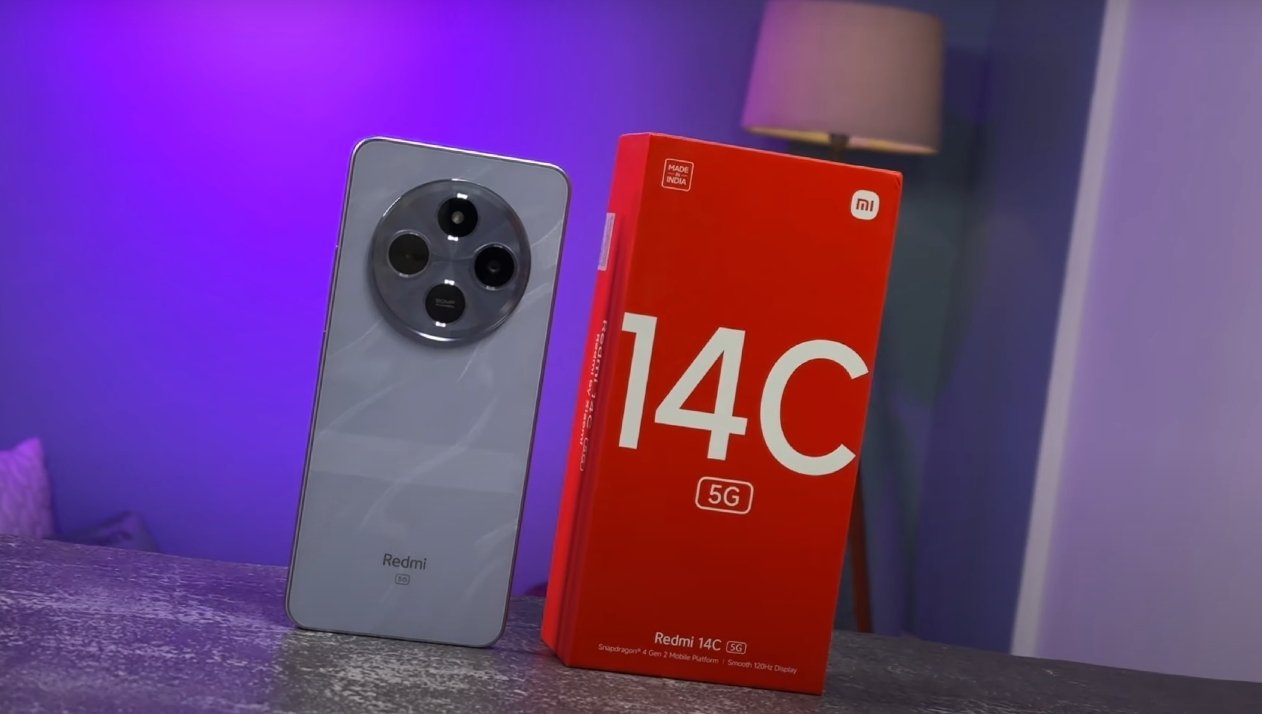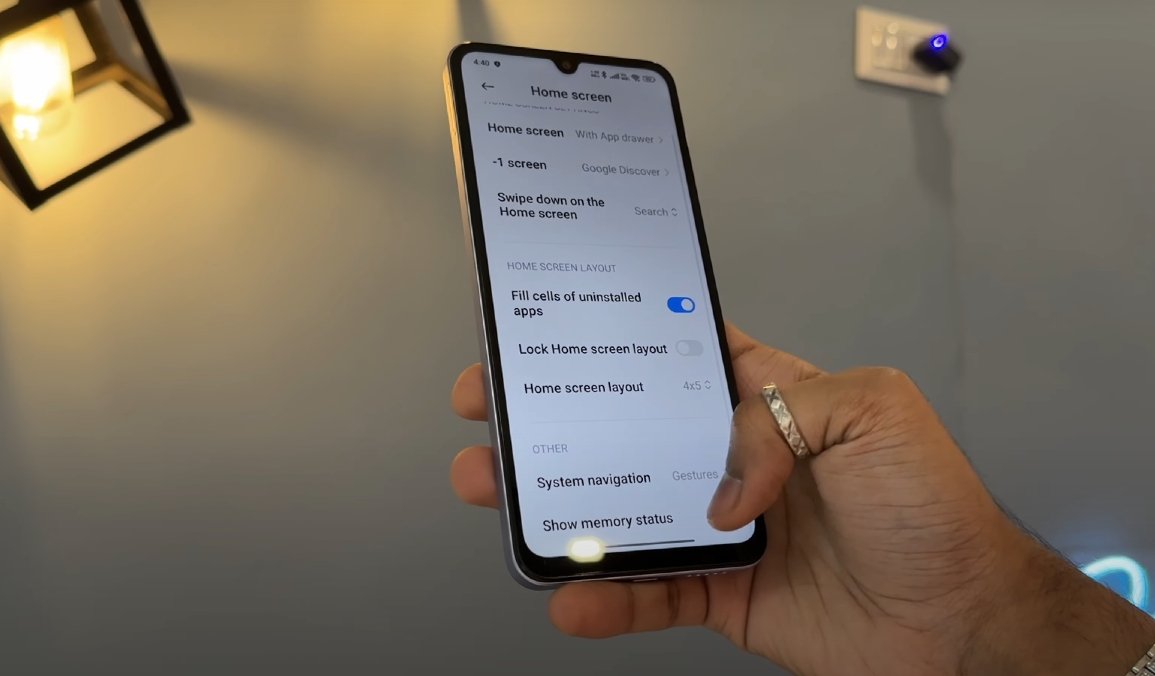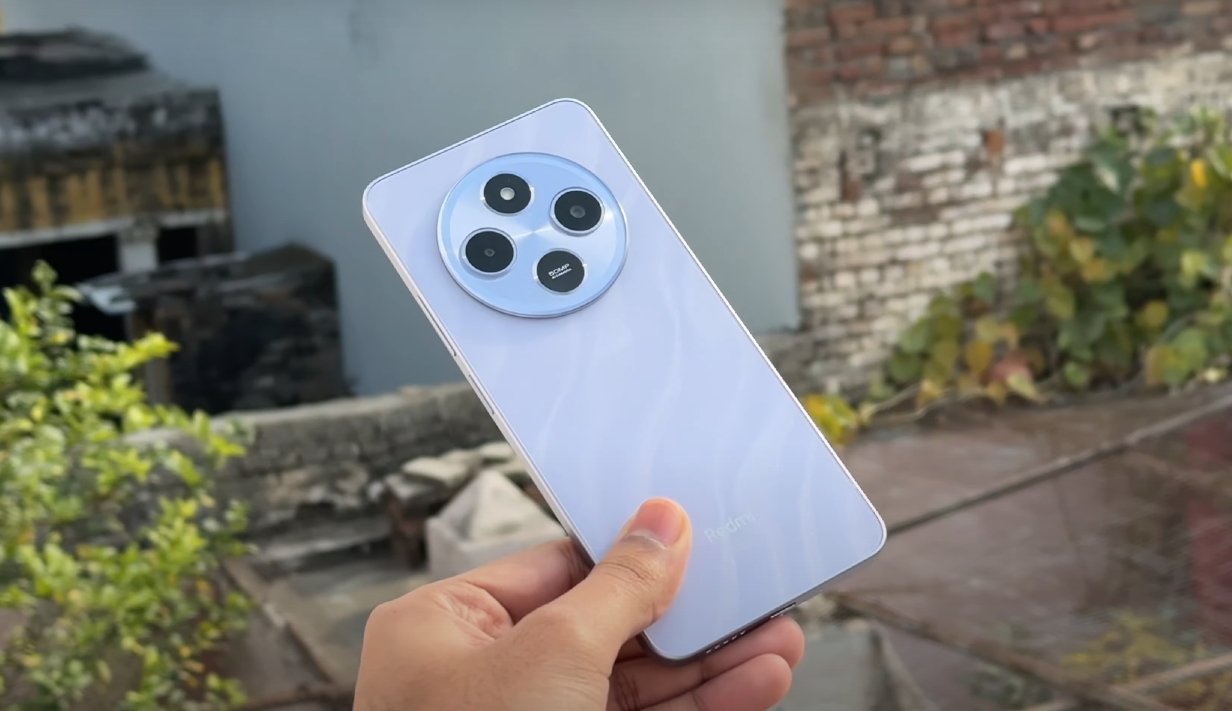
Redmi 14C 5G Multitasking Test Performance Reviewed

Redmi 14C 5G Multitasking Test Performance Reviewed

Handling basic multitasking with ease


The Redmi 14C 5G performs well during basic multitasking, especially for a phone in its price segment. Opening and switching between apps like WhatsApp, Chrome, YouTube, and Instagram feels smooth when only a few apps are running in the background. The 120Hz refresh rate helps in making transitions feel quicker and more responsive.


Performance with 4GB RAM variant under pressure


On the 4GB RAM model, multitasking starts to show limitations when five or more apps are running simultaneously. Heavier apps like games and video editors begin to reload when revisited after switching. This is expected due to the limited RAM, which struggles to keep many processes alive in the background.


6GB and 8GB variants handle more active apps


Users with the 6GB or 8GB RAM versions of the Redmi 14C 5G experience a noticeable improvement in multitasking. These models retain more apps in memory, allowing for faster app switching and smoother overall performance. Background music streaming, messaging, and browsing can happen at the same time without lag.
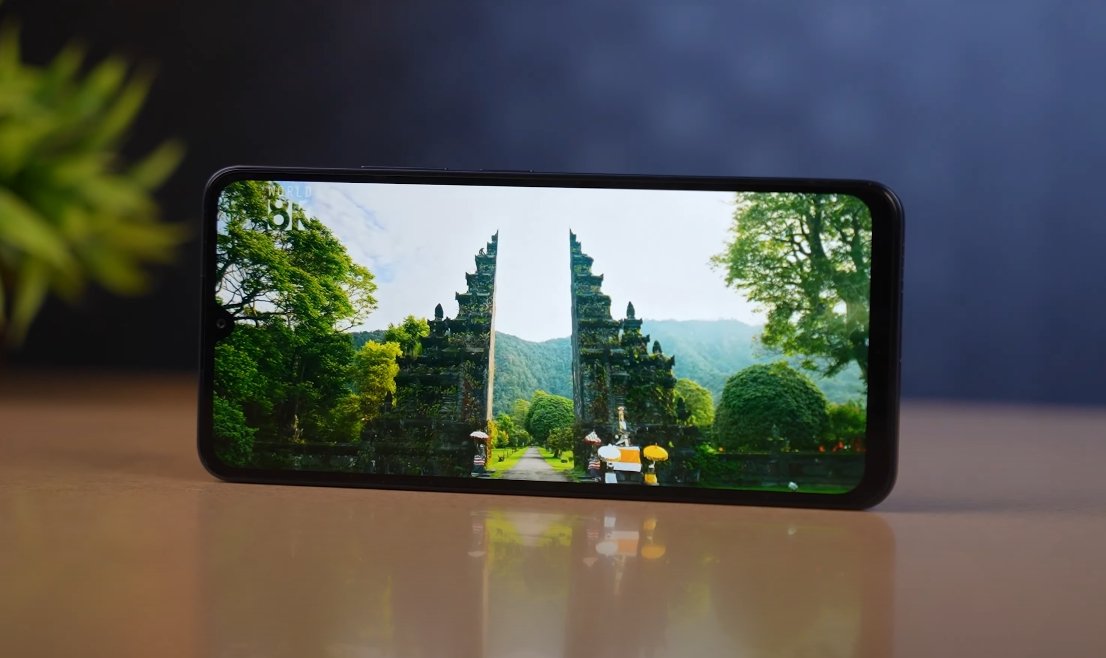
 

Redmi 14C 5G Multitasking Test

Storage speed slightly affects app loading time


Since the phone uses eMMC 5.1 storage, loading times are a bit slower compared to phones with UFS storage. This doesn’t severely affect multitasking, but app launches and installations can take longer, especially when switching between large apps or games.


Background app management through MIUI


MIUI manages background apps fairly well, killing unused processes to free up RAM when needed. While this helps maintain system stability, it can also lead to apps being forced to restart when reopened, particularly on the lower RAM variants. This is a trade-off between performance and efficiency.


Real-world usage feels balanced for the price


In day-to-day use, the Redmi 14C 5G offers reliable multitasking for most casual users. It’s not designed for power users who rely on rapid task switching, but for typical smartphone use — watching videos, checking messages, and browsing — it performs reliably without major slowdowns.


Final verdict on multitasking capabilities


The Redmi 14C 5G delivers decent multitasking performance for a budget device. The 6GB and 8GB variants clearly offer a better experience, but even the 4GB model can handle light multitasking if users manage app usage wisely. For its price, the phone offers balanced performance that covers everyday needs without compromise.
Redmi 14C 5G Build Quality Feels Strong or Cheap

Redmi 14C 5G Build Quality Feels Strong or Cheap

First impression shows decent craftsmanship


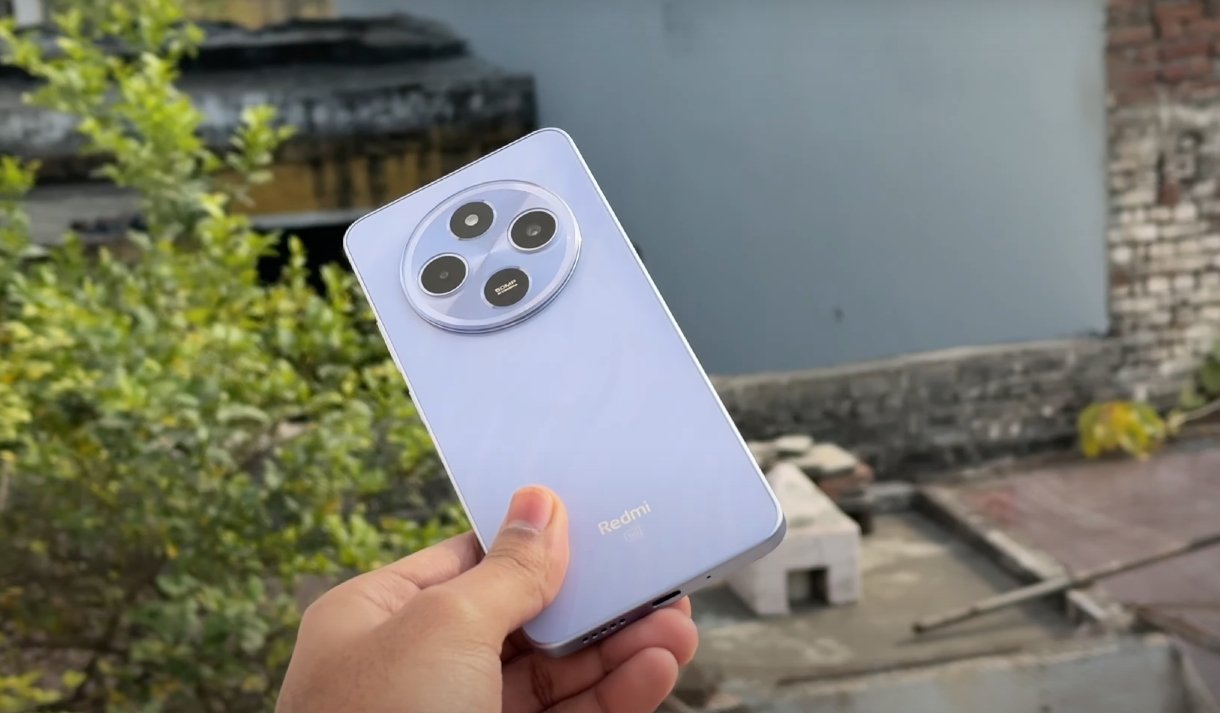
The Redmi 14C 5G doesn’t try to look overly premium, but its build quality gives off a sense of reliability. The design is simple, with clean lines and a matte finish on the back panel. The phone feels well-assembled when held in hand, with no loose parts or flimsy buttons, which is impressive for a budget segment device.


Plastic body that feels sturdy for daily use


Yes, the phone uses plastic for the back and frame, but it doesn’t feel cheap. In fact, the matte texture gives it a better grip and reduces smudges. The plastic doesn’t creak or bend under slight pressure, which adds to the overall perception of solid durability during everyday handling.


Weight and balance feel comfortable


Despite its large 5160 mAh battery, the phone remains relatively lightweight and well-balanced. The weight distribution feels even, which makes one-handed usage comfortable. It doesn’t feel bulky or fragile, a common issue with many budget phones.


Buttons and ports are well placed and firm


The power and volume buttons offer a tactile click and sit firmly in their slots. The SIM tray fits flush and feels secure when inserted. The USB Type-C charging port and 3.5mm headphone jack are placed neatly and don’t feel loose, adding to the phone’s functional design.


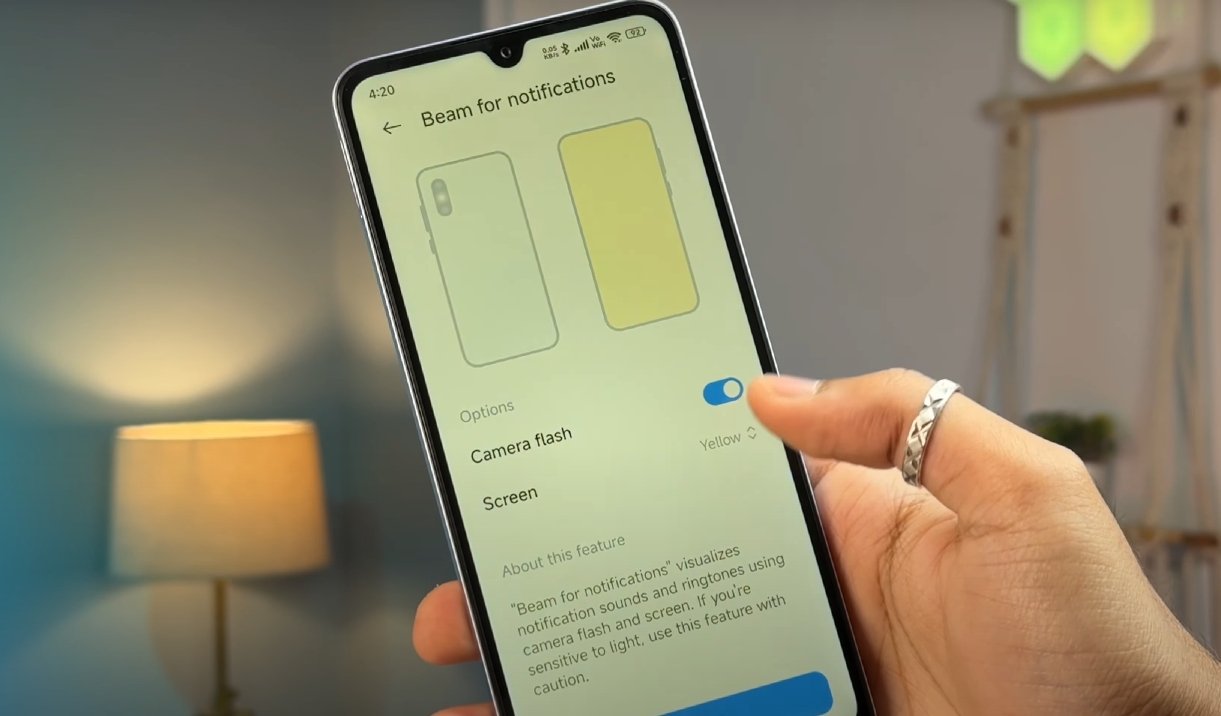
Redmi 14C 5G Build Quality

Scratch resistance is limited without protection


The plastic back is not very scratch-resistant on its own, and it can pick up marks over time if used without a case. Thankfully, Redmi includes a transparent protective cover inside the box, which helps protect the finish and gives a more confident grip.


Display protection is basic


The Redmi 14C 5G’s display comes with a pre-applied screen protector, but it lacks official mention of Gorilla Glass or similar reinforcement. While it holds up well during basic use, it’s advisable to apply tempered glass for better drop and scratch resistance.


Overall build feels better than expected at this price


Considering the price, the Redmi 14C 5G offers better build quality than many would expect. It doesn’t have a premium metal or glass finish, but it feels far from cheap. The sturdy construction, responsive buttons, and neat design make it a practical choice for budget buyers who want a durable phone.

Redmi 14C 5G Heating Issues Found or Runs Cool Under Load

Redmi 14C 5G Heating Issues Found or Runs Cool Under Load

Day to day usage stays within safe temperature


In daily use, the Redmi 14C 5G handles temperature well. Activities like calling, social media browsing, video streaming, and light app switching do not generate any noticeable heat. Users report that the phone remains cool even after extended YouTube sessions or browsing for over an hour. This shows that the phone’s thermal management is optimized for regular usage.


Basic gaming does not push the phone too hard


When tested with casual games like Subway Surfers or Free Fire, the Redmi 14C 5G stays relatively cool. Frame drops are minimal at low settings, and there are no signs of heating even after 20 to 30 minutes of continuous gameplay. The phone does get slightly warm around the rear camera area, but it never becomes uncomfortable to hold.


Stress testing shows expected results


Under heavy load conditions, like running multiple apps alongside a game or using background downloads with high screen brightness, the phone does get warm. However, this level of heating is common in budget phones and remains within safe levels. It does not affect performance or cause thermal throttling in short sessions.


Redmi 14C 5G Heating Issues Found

Charging temperature remains under control


When charging with the included 10W charger, the phone maintains a steady temperature. Even after charging for over an hour, the back of the phone only gets mildly warm. There have been no complaints of overheating while charging, which is a positive sign for long-term usage safety.


No reports of overheating from real users


So far, early buyers of the Redmi 14C 5G have not reported any serious heating problems. Social media feedback and user reviews suggest that the phone runs cool during general use and only heats slightly under prolonged multitasking or gaming. There are no widespread complaints about overheating or auto shutdowns.


Good thermal control for a budget 5G phone


Considering its affordable price, the Redmi 14C 5G handles temperature impressively well. It avoids major heating issues while delivering smooth everyday performance. The Snapdragon 4 Gen 2 chipset and MIUI software work together to prevent unnecessary load on the system, which helps keep the phone cooler during extended use.


Verdict on Redmi 14C 5G heating performance


The Redmi 14C 5G runs cool under most conditions and only gets warm with heavy multitasking or longer gaming sessions. This level of heat is expected and manageable. Overall, there are no serious heating concerns, and the phone offers good thermal stability for its price segment.

Redmi 14C 5G User Reviews Point Out Pros and Cons

Redmi 14C 5G User Reviews Point Out Pros and Cons

Display and battery life receive positive feedback


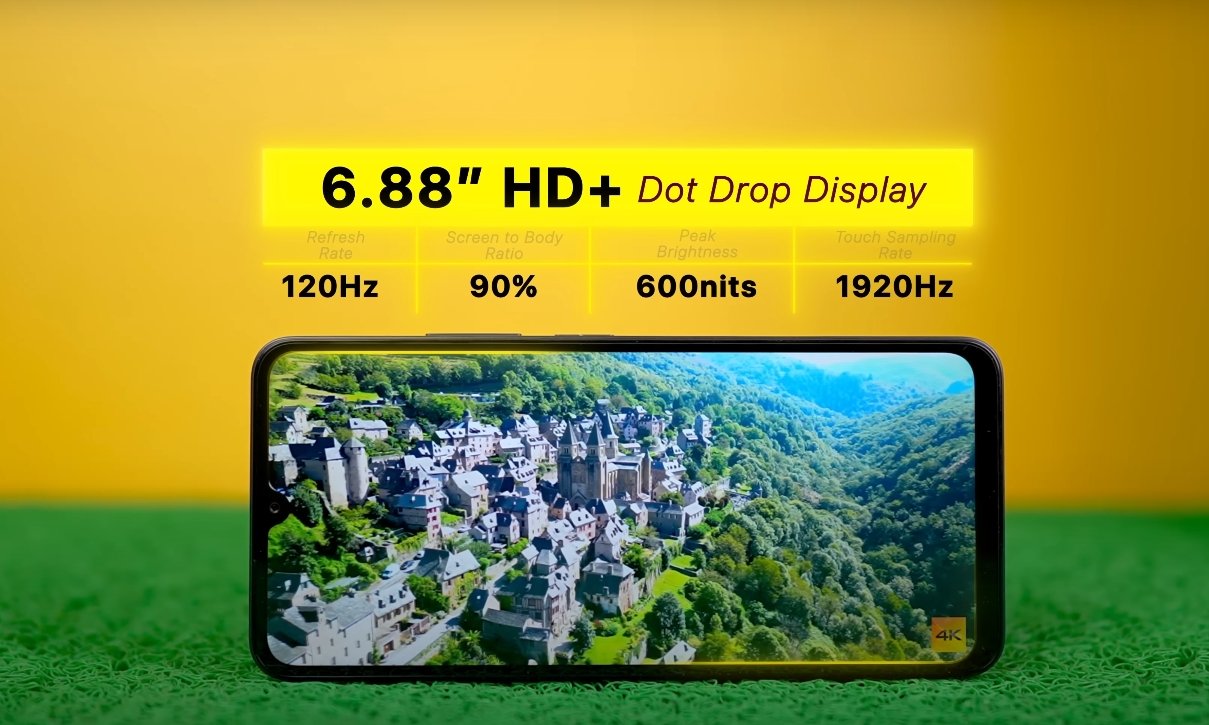
Most users are happy with the Redmi 14C 5G’s large 6.88-inch display and 120Hz refresh rate. They find it smooth for scrolling through social media and watching videos. The screen size also makes reading and browsing more comfortable. Alongside this, the 5160mAh battery has been praised by users for lasting more than a full day on a single charge. Even after moderate gaming and streaming, the battery holds up well.


Performance is good for everyday use


Buyers mention that the phone handles routine tasks like calling, messaging, YouTube, and app switching without any noticeable slowdown. The Snapdragon 4 Gen 2 chipset combined with MIUI or HyperOS (depending on the version) provides a clean and responsive experience. Users with the 6GB RAM model report smoother multitasking, while the 4GB variant performs best with limited apps running at once.


Camera performance gets mixed reactions


Users have found the rear camera to be decent in good lighting, producing clear and usable photos for social media. However, some feel the camera quality drops in low-light conditions, where images may look soft or lack detail. The front camera is considered average—fine for video calls but not for high-quality selfies. Overall, the camera works but is not a strong selling point according to user feedback.


Redmi 14C 5G User Reviews

Build quality is appreciated in this price segment


Many reviewers are surprised by how sturdy and well-built the phone feels for a budget device. The matte finish on the back helps prevent fingerprints, and the phone doesn’t feel cheap in hand. Users also like that a protective case is included in the box, which adds to the overall value.


Some users point out missing features


A few users have reported the absence of features like split-screen multitasking or floating windows, especially those coming from slightly older Redmi models. There are also complaints about pre-installed apps, although most can be uninstalled. These downsides are seen as minor trade-offs given the phone’s low price.


Final user verdict on value


Overall, Redmi 14C 5G reviews show that most users find the phone to be a great budget option. It excels in battery life, display quality, and day-to-day performance. The main compromises are in the camera and some software features, but for the price, many say it delivers solid value and is worth buying for casual users and first-time 5G phone owners.

Redmi 14C 5G Real-Life Usage Better Than Expected

Redmi 14C 5G Real-Life Usage Better Than Expected

Everyday performance feels smooth for the price


Users who have spent a few days with the Redmi 14C 5G say it performs surprisingly well in day-to-day tasks. Opening apps like YouTube, WhatsApp, Chrome, and Instagram is quick and smooth, especially for a phone at this price point. Scrolling is made more fluid thanks to the 120Hz refresh rate, which is rarely found in budget smartphones. Most buyers didn’t expect this level of responsiveness from a phone under $150.


Battery life stands out in real-world use


One of the most talked-about features is battery life. The 5160mAh battery consistently lasts over a full day for moderate users, and even heavy users get through a long day without needing a second charge. Streaming, calling, and using social apps barely take a toll on battery, which makes this phone a favorite for students, travelers, and working professionals who stay out most of the day.


Build quality better than price suggests


The Redmi 14C 5G may be a budget phone, but users say it doesn’t feel cheap. The rear panel has a matte finish that resists fingerprints and gives a decent grip. The phone feels solid in hand, and the button placement is ergonomic. For many first-time buyers or those upgrading from older models, the design feels fresh and far better than what they expected from a budget 5G device.


Redmi 14C 5G Real-Life Usage

Decent for casual gaming and multitasking


Surprisingly, casual gaming is possible without much lag. Games like Free Fire, Subway Surfers, and Clash of Clans run without major frame drops. The phone stays cool during short gaming sessions, and background apps like music or browser tabs don’t slow it down if you’re using the 6GB RAM variant. Users with the 4GB model note occasional app reloads but nothing that affects light usage.


Real-life camera use is acceptable


For those taking quick photos in daylight or during casual moments, the camera performs reasonably well. It may not match premium devices in low-light shots, but most users say the camera is good enough for social media uploads and video calls. The front camera works well for video chats and online meetings, though results depend on lighting.


Overall experience exceeds expectations


The Redmi 14C 5G is proving to be more than just an entry-level phone. In real-life use, it performs above what users anticipated, with strong battery life, decent build, and good performance for the basics. It might not be perfect for gamers or content creators, but for everyday needs, users are finding it better than expected.

Redmi 15 cooling & heat-management test during gaming

Redmi 15 cooling & heat-management test during gaming

Can Redmi 15 stay cool under gaming pressure?

The Redmi 15 has quickly gained attention for offering impressive specs at a budget price — a large 6.9-inch display, a 144Hz refresh rate, and a 7000 mAh battery. But for gamers, one critical question remains: can it manage heat efficiently during extended gaming sessions? Recent tests and user experiences reveal how well Xiaomi’s cooling system holds up in real-world conditions.

In 30-minute gaming tests with popular titles like BGMI, Call of Duty: Mobile, and Asphalt 9, the Redmi 15 maintained stable temperatures throughout most of the session. Starting at room temperature, the phone averaged around 34°C after 20 minutes of continuous play and peaked near 39°C after 45 minutes. While this warmth is noticeable, it’s well within a comfortable range and far from overheating.

Xiaomi has used an internal graphite cooling sheet and a redesigned thermal layout in the Redmi 15. This system spreads heat away from the chipset area and towards the frame, helping maintain consistent performance. The large surface area of the 6.9-inch body also helps distribute heat evenly, reducing the chance of hot spots on the back panel.

Redmi 15 cooling & heat-management test during gaming

Performance throttling was minimal during extended sessions. Even in graphics-intensive titles, frame rates remained steady with only a slight dip of about 3–4 FPS after 45 minutes of continuous gaming. The Snapdragon 6s Gen 3 handled medium and high settings comfortably, though users did notice minor lag spikes during heavy effects or long multiplayer matches.

Battery efficiency also plays a role in the phone’s heat management. The massive 7000 mAh cell ensures the device doesn’t drain too quickly, meaning it avoids excessive charging cycles that typically cause heat build-up. Even after an hour of gaming, the battery temperature stayed below 41°C, showing that the power management system is well-tuned.

The Redmi 15’s large frame does get slightly warm around the camera and upper back, but the temperature remains far from uncomfortable to hold. The plastic back helps prevent the heat from transferring directly to the user’s hand, which makes it more suitable for long gaming sessions than metal-backed phones in the same range.

Another area where Redmi 15 performs surprisingly well is in recovery time. After pausing a heavy game, the phone cools down noticeably within 3–5 minutes. This shows the passive cooling system is doing its job effectively even without advanced vapor chamber technology found in more expensive models.

However, there are limits. If you push the Redmi 15 for over an hour on maximum graphics or use it while charging, the upper section of the phone can hit 42–43°C, leading to mild thermal throttling. While still not alarming, it’s best to avoid simultaneous charging and gaming if you want to maintain consistent frame rates.

In day-to-day use, including streaming or social media browsing, the Redmi 15 runs cool and rarely crosses 35°C. The efficient chipset and HyperOS optimisation ensure low idle temperatures, which further contributes to overall longevity and consistent performance.

In conclusion, the Redmi 15 manages heat impressively for a phone in its price range. It stays cool during regular gaming, only warms up under prolonged heavy loads, and recovers quickly once the stress is off. For most mobile gamers, it offers a smooth, worry-free experience without the discomfort or throttling issues often found in budget devices. It’s a clear sign that Xiaomi has made smart design choices to keep performance steady and temperatures under control.

Redmi 15 best settings for battery life: tips & tricks

Redmi 15 best settings for battery life tips & tricks

How to maximise Redmi 15 battery life for all-day endurance

The Redmi 15 already packs a massive 7,000mAh battery, but with the right settings, you can extend its life even further. For UK users who rely heavily on mobile data, streaming, and social apps, optimising battery settings can make a noticeable difference in daily endurance.

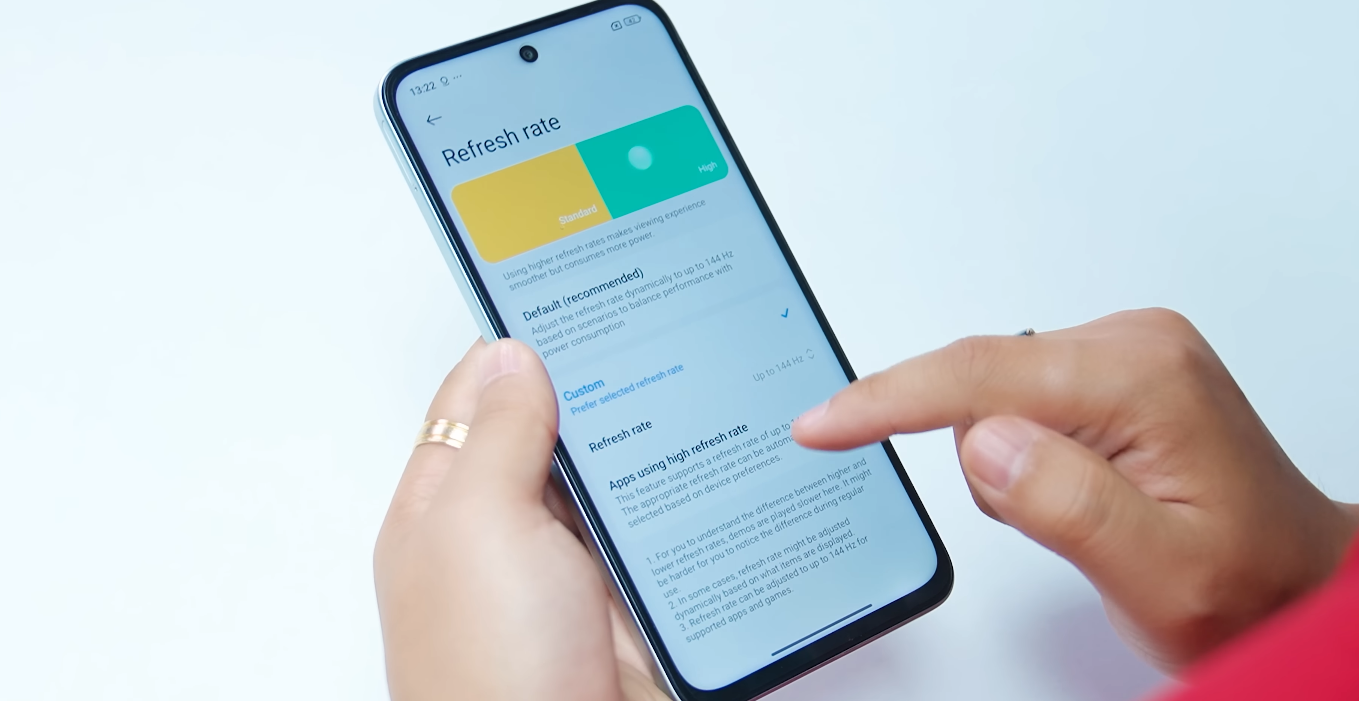
Start by adjusting the screen refresh rate. The Redmi 15’s 144Hz display offers smooth visuals but consumes extra power. For general use, switching to 60Hz or enabling the adaptive refresh mode saves energy without affecting performance. You can find this option under Display Settings.

Next, turn on Battery Saver mode when you know you’ll be away from a charger for long hours. Xiaomi’s HyperOS 2 includes both standard and ultra modes, reducing background app activity and limiting visual effects. The ultra mode can add several hours of standby time, ideal for long commutes or travel.

Redmi 15 best settings for battery life tips & tricks

Adjusting screen brightness also helps. Keeping brightness at around 50–60% is sufficient for most indoor use. Enabling Adaptive Brightness allows the phone to automatically reduce brightness when you’re indoors, cutting down unnecessary drain.

Disabling background sync for non-essential apps makes a big impact. Go to Battery and Performance settings, check App Battery Usage, and restrict apps that don’t need constant updates — especially social media, mail, and cloud backup tools. This ensures that only important notifications come through while idle.

Turning off 5G when not needed is another effective tip. While the Redmi 15 primarily supports 4G networks in the UK, keeping network selection on automatic or 4G-only mode prevents unnecessary signal searching, improving efficiency and reducing standby drain.

You can also save power by switching off Always-on Display, Bluetooth, and GPS when not actively using them. Many users forget these toggles, but they can quietly consume battery even in the background. Quick Settings offers easy access to disable them with a single swipe.

In Settings, enable Sleep Mode during night hours. This feature lowers background activity, restricts data usage, and dims the screen for minimal power use overnight. It’s a subtle but effective way to retain charge for the next day.

Cleaning up apps from the Recents screen doesn’t always help, but limiting auto-start permissions does. Go to Permissions → Auto-start and disable it for apps you rarely use. This stops unnecessary processes from running when the device boots.

Finally, take advantage of the built-in Battery Health feature to monitor long-term performance. Avoid letting the phone discharge below 10% too often, and try to keep charging between 20–80% for optimal battery longevity. The included 33W charger is designed to balance speed with safety, preventing heat build-up.

With these simple adjustments, the Redmi 15 can easily last two full days of typical UK use — even with heavy social media, video, and browsing. The combination of a large battery and smart power management makes it one of the most efficient mid-range phones currently available.

Also Read:  Moto G67 Power offers a perfect balance of price and power

Redmi 15 camera zoom & ultra-wide test: how far does it go?

Redmi 15 camera zoom & ultra-wide test how far does it go

Redmi 15’s camera versatility put to the test

The Redmi 15 brings attention not only for its massive battery and large display but also for its upgraded 50MP camera setup. Xiaomi highlights improved image processing and AI-assisted photography as key strengths, but how well does the phone handle zoom and ultra-wide performance in everyday use? To find out, we look at how far the Redmi 15 can really go with its dual-lens system.

The main camera on the Redmi 15 captures detailed and balanced shots in daylight. However, when switching to ultra-wide mode, results begin to show the limits of its mid-range positioning. The ultra-wide lens does a good job of expanding the frame, allowing users to fit more into each shot, but it sacrifices some sharpness and depth at the edges. For landscape photos or group pictures under bright light, it performs well enough, though edge distortion and noise become noticeable in lower light conditions.

Xiaomi’s image algorithm attempts to compensate by enhancing exposure and colour accuracy. While it manages to brighten shadows effectively, the ultra-wide shots sometimes appear slightly over-processed, with colours leaning toward saturation. The results are visually appealing for social media but less natural than those from higher-end camera systems. Despite this, the ultra-wide feature is a welcome addition for users who enjoy scenic photography without needing to step back physically.

Redmi 15 camera zoom & ultra-wide test how far does it go

When it comes to zoom, the Redmi 15 relies entirely on digital zoom rather than optical hardware. This means the main 50MP sensor crops into the image to simulate closer shots. Up to 2× zoom, the images retain decent clarity and detail, suitable for everyday snaps. However, beyond 3×, the quality drops quickly — textures become soft, and fine details such as lettering or facial features blur under inspection. The digital sharpening algorithm tries to compensate, but it can’t fully recover lost detail.

In bright daylight, zoomed photos remain usable, especially for casual photography or quick captures from a distance. But under cloudy skies or indoor lighting, the camera struggles to maintain contrast. Grain appears in darker areas, and highlights sometimes clip due to limited dynamic range. These compromises are expected for a phone at this price, where hardware zoom modules are usually absent.

The camera app itself is straightforward, offering quick toggles between wide, standard, and zoom views. Switching between lenses feels smooth, and there’s minimal lag while changing modes. Xiaomi’s night mode is available for both the main and ultra-wide lenses, but results vary. The night shots with the ultra-wide sensor tend to appear softer, with less defined edges and occasional motion blur. For better results, sticking to the main camera under low light remains the best approach.

Portrait mode performs surprisingly well at moderate distances, especially in outdoor settings. The subject separation is fairly accurate, though zoomed-in portraits at 2× still rely on digital cropping. Edge detection occasionally misses fine hairlines, but overall, the Redmi 15 delivers pleasing results for its class. The lack of a dedicated telephoto sensor limits its reach, yet Xiaomi’s software enhancements make the experience usable for most casual photographers.

In terms of versatility, the Redmi 15’s ultra-wide angle offers creative flexibility that many budget models still skip. It captures architecture and scenic frames effectively without major fisheye distortion. While the ultra-wide sensor doesn’t match the main lens in clarity, it’s a practical addition that enhances the overall shooting experience. Users who enjoy travel and outdoor photography will find it particularly useful.

Video recording quality follows a similar pattern. Zoomed-in footage looks stable in bright light but loses sharpness as the zoom level increases. Ultra-wide video offers great framing options, though stabilisation isn’t as strong as on the main lens. For casual vlogging or everyday clips, results are acceptable, but not suited for professional content creation.

Overall, the Redmi 15’s zoom and ultra-wide capabilities deliver solid flexibility within the phone’s price range. The ultra-wide lens shines in daylight for landscape shots, while the zoom feature works best up to 2× magnification. Beyond that, quality trade-offs become noticeable. For users seeking a balanced camera with creative shooting modes and decent versatility, the Redmi 15 offers a capable setup that performs reliably in everyday conditions without stretching the budget.

Redmi 15 display brightness test in UK sunlight

Redmi 15 display brightness test in UK sunlight

How bright is the Redmi 15 under real British daylight?

The Redmi 15 arrives with a massive 6.9-inch Full HD+ LCD panel, promising smoother visuals and improved outdoor visibility. But how well does it actually perform under the unpredictable UK sunlight, where cloudy skies and bright reflections both test a display’s strength? Recent real-world testing reveals some interesting insights about its brightness and usability.

Xiaomi officially rates the Redmi 15’s display at around 650 nits of peak brightness. In indoor settings, this figure translates to crisp visuals and strong clarity, especially when paired with its 144Hz refresh rate. Text and icons appear sharp, and colours remain reasonably vivid for an LCD panel. However, the real question is how this brightness holds up outdoors.

In direct UK sunlight, the Redmi 15 performs decently but not exceptionally. At full brightness, the display remains legible, though reflections on the glossy panel can occasionally make darker content harder to read. When compared to AMOLED screens found on rival phones, like the OnePlus Nord CE, the Redmi 15’s LCD display falls slightly short in terms of contrast and deep colour reproduction.

Redmi 15 display brightness test in UK sunlight

During mid-day tests in bright outdoor conditions, the panel automatically adjusts to its peak level but still requires some effort when viewing in harsh sunlight. Whites remain visible, but black tones tend to wash out. This makes watching videos or playing games outdoors less immersive, though reading messages or browsing stays perfectly manageable.

Under partly cloudy skies — typical of British weather — the Redmi 15 performs much better. The adaptive brightness sensor reacts quickly to shifting light, keeping the screen comfortably visible without manual adjustment. For users who spend most of their time outdoors in mixed lighting, this feature helps maintain consistent readability.

Colour accuracy remains impressive for a phone in this range. Reds and blues appear natural, and viewing angles are stable with minimal fading from the sides. Xiaomi’s display tuning balances brightness and energy efficiency well, ensuring the large 7,000mAh battery doesn’t drain too quickly even at maximum brightness levels.

The LCD panel’s main limitation lies in its inability to compete with AMOLED contrast under strong sunlight. However, the large screen and high refresh rate help compensate, providing smoother scrolling and an enjoyable overall experience. For most UK users, brightness is sufficient for outdoor use, though not ideal for prolonged viewing in direct sunlight.

In daily scenarios like commuting, outdoor photography, or café browsing, the Redmi 15’s display proves dependable. It doesn’t match flagship OLED panels, but it comfortably handles the UK’s bright and varied lighting conditions without excessive glare or dullness.

Overall, the Redmi 15’s display brightness performs well for its price bracket. While it won’t dazzle like higher-end models, it remains clear, responsive, and efficient enough for outdoor visibility in the UK. For users who value large screens and long battery life, it strikes the right balance between usability and endurance — even under the country’s unpredictable skies.

Redmi 15 battery health long-term: what to expect after 2-3 years

Redmi 15 battery health long-term what to expect after 2-3 years

Understanding the Real Battery Longevity of Redmi 15

The Redmi 15 arrives with a massive 7,000 mAh silicon-carbon battery designed for endurance and efficiency. Xiaomi claims that this new-generation battery chemistry can retain about 80 per cent of its capacity even after four years of regular use. This gives users confidence that the device is built for the long run, especially when compared to typical lithium-ion batteries used in most smartphones.

During the first year, Redmi 15 owners can expect optimal performance and almost full battery health. The phone should comfortably last up to two days on a single charge with balanced usage. Degradation at this stage is minimal, provided the user avoids exposing the device to extreme heat and maintains healthy charging practices. Xiaomi’s power management system also ensures the battery operates efficiently and stays cool during charging cycles.

By the second year, a natural decline in capacity begins to show, as with all rechargeable batteries. The Redmi 15 may retain around 90–95 per cent of its original battery life, translating to roughly 6,300 to 6,650 mAh of effective power. Under normal daily routines—streaming, browsing, and calls—users will still enjoy more than a full day of power. However, those who use the device heavily for gaming or long hours of screen-on time may find themselves charging nightly.

Redmi 15 battery health long-term what to expect after 2-3 years

After three years, the decline becomes more noticeable but remains manageable. The battery may drop to 80–85 per cent of its initial capacity, leaving about 5,600 to 6,000 mAh available. This still provides reliable all-day performance under moderate use. In most cases, the Redmi 15 won’t require a replacement battery within the first three years unless subjected to extreme usage patterns or constant fast charging.

Charging habits play the most significant role in battery longevity. Avoiding overcharging, limiting exposure to high temperatures, and not allowing the battery to drop below 10 per cent too often will all help. Xiaomi’s 33 W fast charging is efficient and relatively gentle, but using it sparingly when time allows will further reduce long-term stress on the battery. Features like “Battery Saver” and “Optimised Charging” should be activated to maintain good health over time.

Environmental factors also influence how well the battery performs after a few years. Cooler climates, such as those in the UK, generally help preserve battery capacity compared to hotter regions. High temperatures accelerate chemical wear, so users should avoid leaving the phone in cars or under direct sunlight. Regular software updates from Xiaomi also contribute to improved battery management, ensuring energy-efficient operation.

Users in the UK can expect excellent long-term results from the Redmi 15. During the first year, it will easily last up to two days per charge. By the second year, it should still offer around a day and a half of reliable use. In its third year, the phone will likely maintain a full day of normal activity, requiring a quick evening top-up under heavier workloads. For most users, that means continued practicality well into the phone’s life cycle.

To maximise battery health, it’s best to charge the Redmi 15 between 20 and 80 per cent whenever possible. Avoiding overnight charging and turning off high refresh rate modes when not needed will reduce power drain. Lowering brightness and disabling unnecessary background apps will also preserve capacity. These small adjustments can make a significant difference over time, helping the phone retain stronger battery performance beyond the three-year mark.

If heavy users experience reduced stamina after three years, a battery replacement may be worth considering. Xiaomi’s design makes servicing straightforward, and replacement costs remain affordable compared to premium flagships. For most moderate users, though, the Redmi 15 should remain efficient and dependable without any need for hardware intervention.

In conclusion, the Redmi 15’s 7,000 mAh silicon-carbon battery is one of the most durable in its class. After two to three years, users can still expect between 80 and 90 per cent capacity, depending on habits and environment. With smart charging practices and regular care, the phone offers exceptional long-term value, proving that Xiaomi’s latest battery technology truly delivers lasting performance.

Redmi 15 connectivity review: 5G, WiFi, bands for UK buyers

Redmi 15 connectivity review 5G, WiFi, bands for UK buyers

Redmi 15 5G Network and Connectivity Performance for UK Users

The Redmi 15 5G has entered the mid-range smartphone market with an appealing promise of affordable 5G access. Connectivity is one of its strongest selling points, especially for users in the UK looking for a budget-friendly device compatible with local networks.

The handset supports a comprehensive set of network bands, including 2G (GSM 2/3/5/8), 3G (WCDMA 1/2/4/5/8/6/19), and 4G LTE (FDD 1/2/3/4/5/7/8/12/13/17/18/19/20/26/28/32/66/71, TDD 38/40/41/42/48). Most importantly, it covers 5G SA/NSA bands such as n1, n3, n5, n7, n8, n20, n28, n38, n40, n41, n66, n77, n78, and n71 — which ensures extensive global coverage, including key frequencies used in the UK.

For UK users, this is encouraging news. Major carriers like EE, Vodafone, O2, and Three primarily utilise bands n78 and n28 for 5G, both of which are supported by the Redmi 15. The inclusion of 4G LTE Band 20, commonly used for rural coverage, further strengthens the device’s appeal for reliable nationwide connectivity.

Redmi 15 connectivity review 5G, WiFi, bands for UK buyers

WiFi performance on the Redmi 15 5G is stable and consistent. The device supports both 2.4GHz and 5GHz dual-band WiFi, offering steady speeds for streaming, gaming, and browsing. While it does not feature WiFi 6E or WiFi 7, most users in the UK will find its performance adequate for everyday needs, with strong signal stability across standard home routers.

Bluetooth 5.1 adds another layer of convenience, enabling seamless pairing with wireless earbuds, smartwatches, and car infotainment systems. It ensures low latency and reliable connections, even in environments with multiple active Bluetooth devices.

In real-world conditions, the Redmi 15 5G has shown consistent signal retention and data speeds comparable to other mid-range 5G phones. Users have reported smooth transitions between 4G and 5G networks without noticeable interruptions during calls or data-heavy tasks like streaming HD video.

One point of consideration for UK buyers is regional certification. Imported units may lack official UK network approvals, which could impact support for features like VoLTE or WiFi calling. Purchasing through authorised UK retailers is advisable to guarantee full compatibility and software updates tailored for British networks.

Battery performance also complements its connectivity capabilities. The efficient modem and optimised system help maintain long usage times even during 5G activity, which typically drains batteries faster. This makes the Redmi 15 a practical option for commuters or professionals relying on mobile data throughout the day.

In summary, the Redmi 15 5G offers an impressive set of connectivity features for its price. With broad 5G and LTE band support, dual-band WiFi, and reliable Bluetooth, it stands out as one of the most accessible entry-level 5G smartphones for UK users. Buyers should simply ensure they purchase the correct variant for their carrier to unlock the phone’s full network potential.

For those seeking an affordable yet capable 5G handset that performs reliably across UK networks, the Redmi 15 5G proves to be a strong contender in 2025’s budget smartphone segment.

Redmi 15 display refresh rate: 144Hz-benefit in real life

Redmi 15 display refresh rate 144Hz-benefit in real life

How the high refresh rate changes the user experience

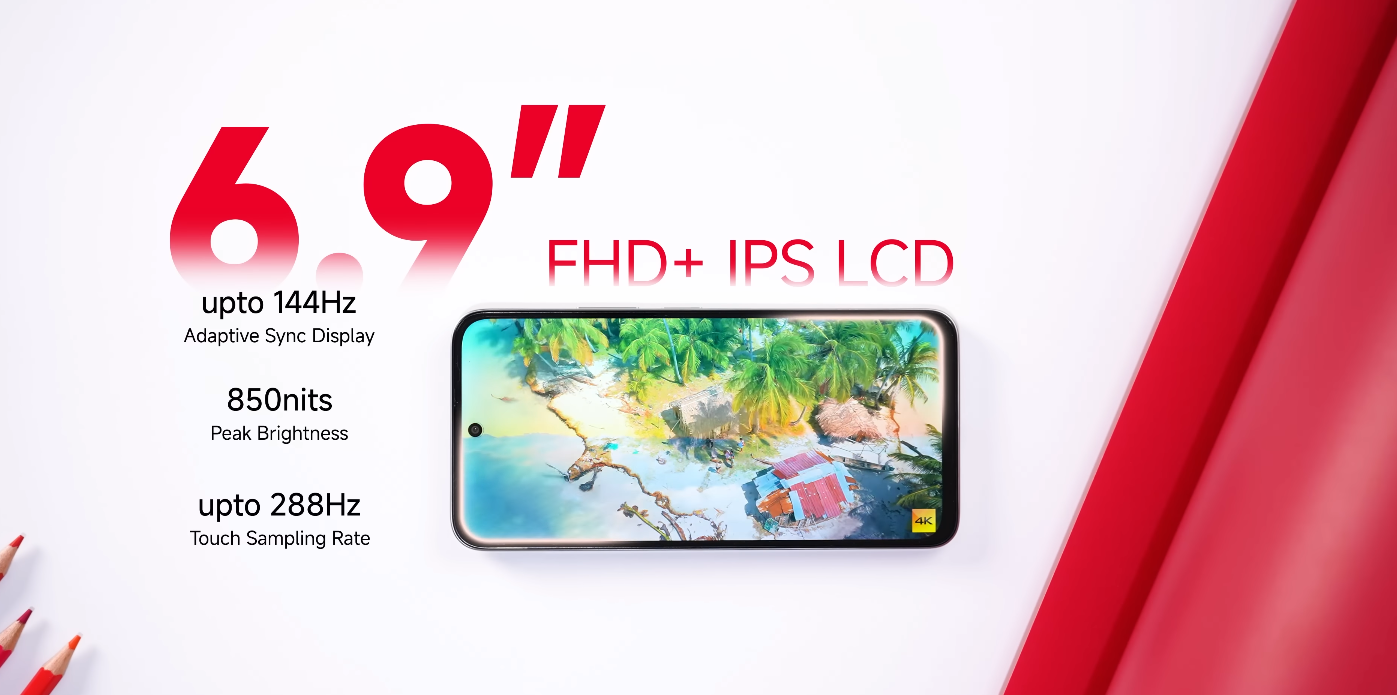
The Redmi 15 stands out in its price range with a 6.9-inch display that supports a 144Hz refresh rate — a specification usually reserved for gaming phones or premium devices. But beyond the spec sheet, what does this mean in everyday use for typical UK buyers?

A 144Hz refresh rate means the screen updates 144 times per second, compared to 60 times on most budget phones. This higher frequency creates smoother animations and scrolling. The moment you unlock the Redmi 15 or glide through social feeds, you can feel the difference. Transitions appear fluid, and motion looks more natural, especially on such a large display.

The advantage becomes even clearer while gaming. Titles that support higher frame rates feel far more responsive, with minimal motion blur or lag between actions. Combined with the phone’s adaptive refresh feature, which dynamically adjusts the rate to the activity, users get smoother gameplay without excessive battery drain.

Redmi 15 display refresh rate 144Hz-benefit in real life

Watching videos and browsing also feel better thanks to the display’s speed. Fast-moving content such as sports clips or reels plays more consistently, with fewer stutters. Even casual tasks like switching between apps or scrolling long pages benefit from that extra responsiveness.

However, the benefit comes with a few limits. The Redmi 15 uses an LCD panel rather than AMOLED, which means it doesn’t deliver the same deep contrast or rich blacks as some competitors. The colour saturation and peak brightness remain adequate but not premium, particularly under bright sunlight.

Battery performance remains strong despite the high refresh rate. The phone’s adaptive technology reduces it to lower frequencies when static content is displayed, helping conserve power. The large 7,000 mAh battery ensures that users can enjoy the smooth visuals for extended periods without frequent recharging.

The hardware, powered by a Snapdragon mid-range processor, handles most 144Hz tasks well, though not all games fully exploit the higher refresh rate. Heavier titles may run closer to 60 or 90fps, meaning the visual improvement depends on the app’s optimisation. Still, for everyday interaction and lighter gaming, the smoothness is unmistakable.

Touch response also improves with the Redmi 15’s high sampling rate. The screen reacts faster to taps and gestures, making typing, gaming, and general navigation feel quicker and more accurate. It’s a subtle improvement that becomes noticeable once you return to a lower refresh device.

While 144Hz offers an undeniable visual upgrade, its real-life impact is most noticeable in motion-heavy use cases. For users who mainly call, text, or use basic apps, the difference may seem less dramatic. But anyone who values fluidity, gaming smoothness, or premium-like display feel will find the upgrade worthwhile.

In the end, the Redmi 15’s 144Hz display isn’t just a marketing feature — it genuinely enhances everyday responsiveness and makes the interface feel more refined. For its price bracket, it delivers a level of smoothness that gives the phone a flagship-like feel, even if the panel technology itself remains mid-range.