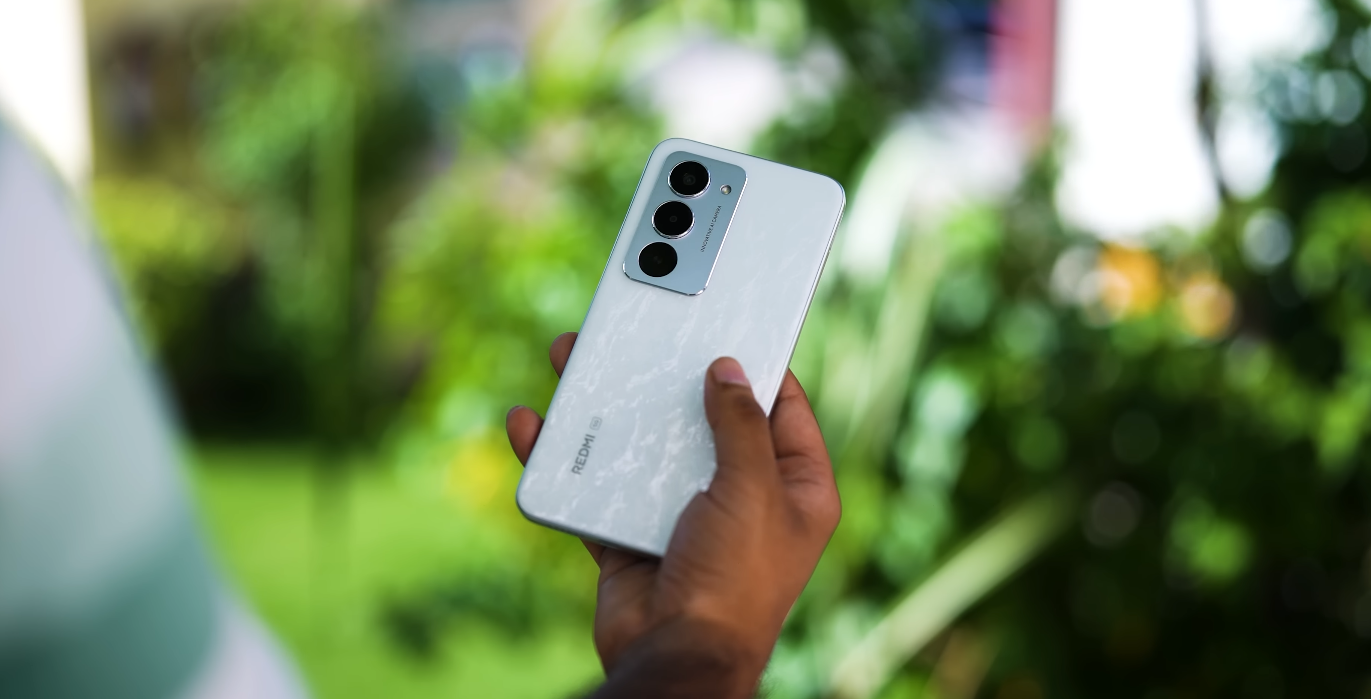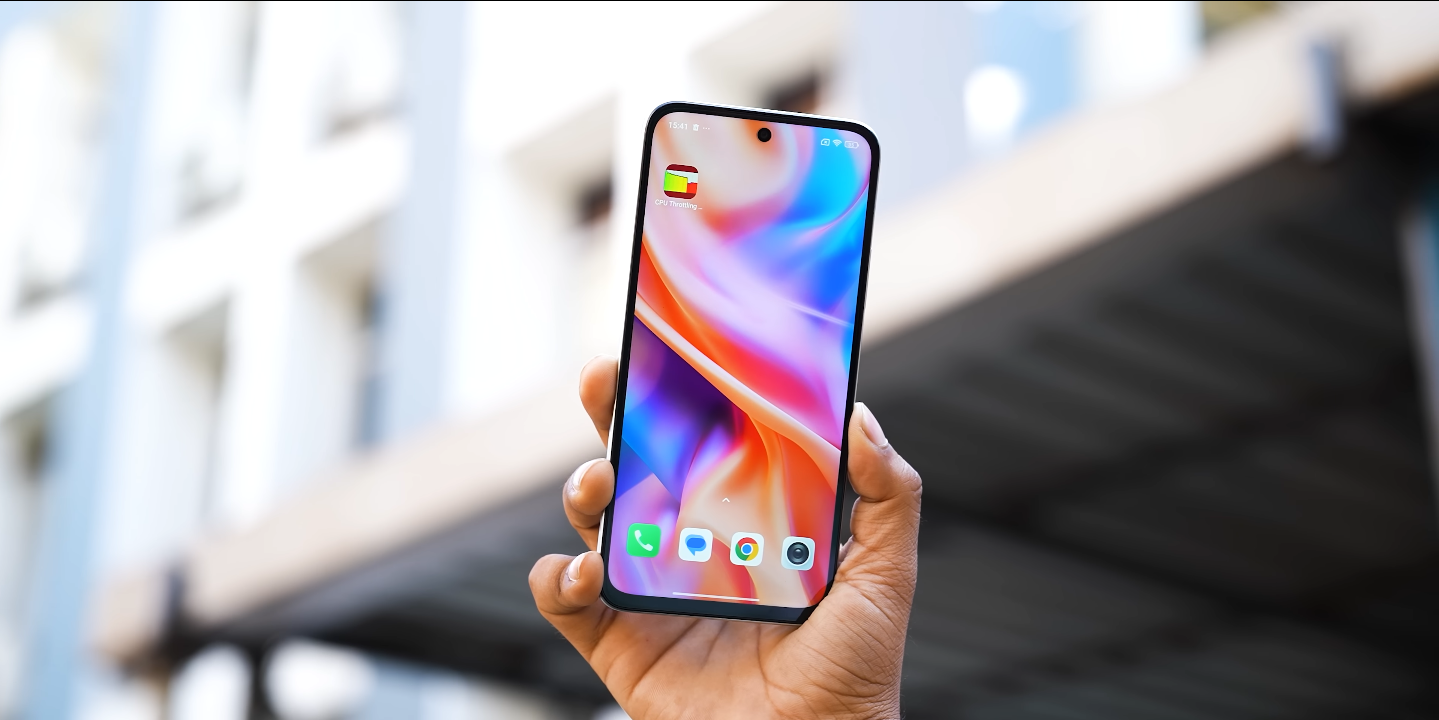
Redmi 15 charging speed measured: how long to full?

Redmi 15 charging speed measured how long to full

Redmi 15 charging test reveals real-world results

The Redmi 15 has arrived with an enormous 7,000mAh battery, and Xiaomi’s claim of 33W fast charging has caught attention. Many UK buyers are now asking how long it really takes to fill this massive battery from zero to full. The answer lies between lab-tested data and real-world use, where temperature and charger efficiency play major roles.

In controlled charging tests, the Redmi 15 takes roughly one hour and fifty minutes to reach 100% when using Xiaomi’s certified 33W charger. That’s just under two hours, a reasonable time considering the huge battery capacity. During the first 30 minutes, the device typically reaches around 45–50%, giving users enough juice for an entire day’s light usage.

This result is consistent with expectations for a 7,000mAh cell paired with 33W charging. Unlike Xiaomi’s flagship models that boast 67W or even 120W speeds, the Redmi 15 focuses more on battery longevity and efficiency than blazing-fast top-ups. The charging curve slows after 80%, as the system manages temperature to preserve battery health.

Redmi 15 charging speed measured how long to full

The included charger supports the company’s Turbo Charge protocol, maintaining steady power delivery without significant heating. In most UK indoor environments, the temperature stays moderate enough to sustain optimal charging rates, but charging may slow slightly in warmer conditions. Using third-party chargers not rated for 33W can further reduce performance.

From a user perspective, this means a quick half-hour top-up will comfortably provide a full day’s moderate use. For those who charge overnight, the Redmi 15 easily completes charging before morning without any overheating issues. It’s an ideal balance for users who prefer large batteries and consistent endurance over speed-focused charging.

In comparison, the OnePlus Nord CE’s 67W system charges its smaller 4,500mAh battery in about 40 minutes. However, Redmi’s advantage lies in its battery size, which lasts significantly longer between charges, especially under heavy usage like video streaming or gaming.

Another benefit of the Redmi 15’s moderate charging speed is reduced stress on the battery. Xiaomi claims the design allows the battery to maintain over 80% capacity even after several hundred full cycles, translating to better long-term reliability. This makes it more suited for users planning to keep the phone for several years.

Practically, users can expect about two hours for a full charge from flat to 100%. A 50% top-up takes roughly 30 minutes, while reaching 80% generally requires around 70 minutes. These times make the Redmi 15 ideal for people who value long runtime and safe, steady charging over peak wattage figures.

In the UK market, where charging overnight or during short breaks is common, the Redmi 15 performs impressively well. While it’s not the fastest charger around, its stability and huge battery easily outweigh the slightly longer wait. Overall, the Redmi 15 offers excellent power endurance with reliable, balanced charging — making it one of the most practical phones in its range.

Redmi 15 camera test: 50MP main sensor, how good is it in low light?

Redmi 15 camera test 50MP main sensor, how good is it in low light

Redmi 15’s 50MP camera faces the real test under dim lighting

The Redmi 15 has arrived with a 50MP primary camera, aiming to deliver flagship-level photography at a mid-range price. Xiaomi highlights the sensor as one of the main selling points of the phone, promising crisp detail and better night performance. But how well does it actually perform when the lights go down? Early reviews and real-world testing paint a more balanced picture.

In bright daylight, the Redmi 15’s main sensor captures images with excellent sharpness and natural tones. Colours appear vivid without being overly saturated, and dynamic range holds up well for a mid-range phone. The AI camera tuning helps boost contrast, making outdoor shots and landscapes look lively. However, the camera setup remains modest, with just two lenses, meaning there’s limited flexibility compared to triple or quad-camera systems.

The true challenge comes in low-light environments. Under dim indoor lighting, the 50MP sensor tends to introduce visible noise, softening textures and fine details. The phone’s night mode automatically enhances brightness but sometimes overexposes key areas. This results in washed-out highlights, especially around streetlights or illuminated signs. It’s clear that while the night mode improves visibility, it doesn’t fully preserve depth and contrast.

Redmi 15 camera test 50MP main sensor, how good is it in low light

Xiaomi claims the new image processing algorithm helps balance shadows and highlights more effectively. While this is partially true in moderate lighting, the difference becomes less impressive in near-dark situations. Compared with rival models from Samsung or Realme in the same price segment, the Redmi 15’s night photos appear slightly less detailed, with more grain and less accurate colour tones.

Despite these limits, casual users will find the low-light results acceptable for social media and everyday snapshots. The phone captures usable images in restaurants, indoor gatherings, or dim cafés, where lighting is uneven but not extremely dark. The automatic HDR and AI scene detection add some recovery in tricky lighting, keeping faces clear and bright. For users who mainly shoot photos for Instagram or WhatsApp, the results are more than sufficient.

Video recording in low light follows a similar trend. The Redmi 15 supports 1080p at 60fps, but stabilisation struggles under low illumination. Footage tends to look softer, with some jitter in handheld movement. The electronic image stabilisation works decently in daylight, yet noise creeps in under artificial lights. It’s serviceable for casual video clips but not for professional use or vlogging.

During testing, the night mode took around two to three seconds to process each frame, which can cause mild blurring if the phone isn’t perfectly steady. This longer exposure time demands patience and stable hands. Xiaomi has included a handheld night mode that slightly reduces processing time, but results are a mix between brightness and sharpness trade-offs.

Where the Redmi 15 redeems itself is colour accuracy in mixed lighting. Skin tones remain natural, and the AI processing avoids the harsh orange tint often seen in budget smartphones. The LED flash performs evenly and can save close-up shots in near darkness. For portraits, the edge detection is reliable, although finer hair details can appear smoothed out.

In real-world use, UK testers have noted that the camera performs well enough during grey skies and indoor settings typical of British weather. It manages to brighten scenes without introducing excessive glare, though overall sharpness decreases noticeably at night. For typical evening photography, users might need to rely on the dedicated night mode or external lighting for better clarity.

Ultimately, the Redmi 15’s 50MP main sensor delivers dependable performance for its price but does not break new ground in low-light photography. It excels in daylight and indoor lighting but struggles under very dim conditions. For everyday shooting, it’s a reliable companion, offering great results when lighting is fair. However, those seeking professional-grade low-light images may find its limits quickly. The Redmi 15 proves once again that even with advanced sensors, software processing plays a crucial role in real-world camera quality.

Also Read:  Xiaomi 17 Pro Max vs Xiaomi 17 Pro: is the Pro Max worth the extra cash?

Redmi 15 UK pricing leak: premium specs at unexpected cost

Redmi 15 UK pricing leak premium specs at unexpected cost

Redmi 15 surprises the UK market with high-end features

Xiaomi’s Redmi 15 has caught UK consumers by surprise after a recent leak revealed its impressive specifications paired with a remarkably low price. The device is expected to launch soon in the country, bringing several flagship-level features within reach of budget-conscious buyers.

According to early reports, the Redmi 15 will start at around £159 for the 6GB + 128GB model, with an 8GB + 256GB variant priced near £189. This pricing undercuts most mid-range rivals while offering performance and design elements typically reserved for higher-end smartphones.

The handset is said to feature a massive 7,000 mAh battery, which stands out as one of the largest in its segment. It supports 33W fast charging, ensuring users spend less time plugged in, and even includes 18W reverse charging, allowing it to power up other devices on the go.

Redmi 15 UK pricing leak premium specs at unexpected cost

Xiaomi appears to have gone big on visuals too. The Redmi 15 is tipped to come with a 6.9-inch display offering a smooth 144Hz refresh rate. Such specifications promise a crisp and fluid viewing experience, appealing to gamers and binge-watchers alike.

Under the hood, the UK model reportedly uses the Snapdragon 685 chipset, a capable 4G processor offering efficient performance for daily use. Though it lacks 5G connectivity, Xiaomi’s decision likely helps keep the cost low while maintaining reliability for most networks across the UK.

In terms of memory, users can choose between 6GB or 8GB RAM paired with up to 256GB of internal storage, giving ample space for multitasking and media storage. This balance of speed and capacity positions the phone as one of the strongest options in its price range.

Camera performance also gets attention with a 50MP main lens supported by an AI-enhanced setup, along with an 8MP front camera for selfies and video calls. While not flagship-grade, the results are expected to be more than sufficient for everyday photography needs.

The design brings a touch of durability, featuring IP64 dust and splash resistance, along with a modern finish that looks far from entry-level. Xiaomi’s focus on build quality adds to the appeal, giving users confidence in long-term use.

For many UK buyers, the Redmi 15 offers the right balance between practicality and performance. It’s ideal for students, professionals, or anyone wanting a powerful secondary device without overspending. The only notable omission is 5G, which may not matter to those who prioritise battery life and value.

In a market where smartphone prices continue to rise, the Redmi 15 shows that quality and affordability can coexist. With its large display, massive battery, and stylish design, Xiaomi has crafted a phone that challenges expectations and could easily become one of the UK’s best-value releases of the year.

Redmi K90 Pro Max first-look gallery: hands-on photos you must see

Redmi K90 Pro Max first-look gallery hands-on photos you must see

Early Impressions of Design, Finish and Build Quality

The Redmi K90 Pro Max has attracted strong attention since its introduction, not only for its specifications but also for its design. Early hands-on impressions highlight how the device feels in the hand, the detailing of the camera module and the overall build direction. For users who care about physical presence and finish, the first-look gallery gives a clear idea of how the phone stands out in real usage situations.

The phone features a large display with very slim bezels, making it appear almost all-screen from the front. The centrally placed punch-hole maintains symmetry and keeps distractions minimal during content viewing. The screen is designed to provide smooth motion with a high refresh rate, meaning scrolling, gaming and animations appear fluid. This combination gives the phone a premium look when viewed head-on.

Turning to the back, one of the most striking design choices is the finish. The Redmi K90 Pro Max is available in multiple textures and colour tones, including a version with a leather-style material that offers grip and a distinct visual identity. This finish helps reduce fingerprints and provides a tactile feel that differs from traditional glossy or matte glass designs seen in many flagships.

Redmi K90 Pro Max first-look gallery hands-on photos you must see

The camera module has been designed to be visually prominent. It includes a triple-lens layout with clear framing and separation between the sensors. The presence of a periscope telephoto lens is noticeable through its rectangular opening, which immediately signals that the device is built for versatile photography use. The alignment and spacing appear deliberate, giving the back of the phone a balanced structure.

In terms of hand feel, early impressions show that despite the large battery and display, the phone retains a manageable thickness. The side frame appears refined and smooth, contributing to comfort when holding the device for long periods. Weight distribution also seems considered, which can be important for users who plan to use the phone frequently for photography, gaming or reading.

The front and back curve transitions are smooth, helping avoid sharp edges where fingers naturally rest. For users who hold their phone without a case, this smooth contour is particularly useful. Those who use cases will be able to find the edges easy to grip due to the maintained frame outline. The overall ergonomics appear balanced even with the large screen.

The colour options shown in early looks range from understated professional tones to bolder, visually expressive finishes. The denim-style blue variant stands out for offering a design approach that breaks away from typical polished metallic or plain matte choices. Meanwhile, lighter shades provide a more traditional flagship appearance that appeals to users looking for simplicity and refinement.

Attention has also been given to the speaker layout and audio appearance. Branding near the camera module indicates the device’s premium audio tuning. This may matter to users who consume media frequently and prefer phones that project strong sound without requiring external accessories. The speaker placement aims to enhance clarity when the phone is held in landscape mode.

Button placement and port arrangement follow a familiar structure, making it easy for long-time smartphone users to adapt without adjustment. The power and volume keys sit along the frame where the thumb and fingers naturally rest. The structure around the camera bump looks reinforced, helping avoid wobbling when the device is placed flat on a table.

Overall, the Redmi K90 Pro Max first-look impressions show a device that aims to blend practicality with visual identity. The slim bezels, textured rear finish and well-structured camera system all contribute to a confident presence. For users who appreciate smartphones that show refinement in both form and function, the early hands-on gallery suggests a strong, polished approach to design.

RedMagic Astra Discontinued: What’s Next for Gaming Tablets?

RedMagic Astra gaming tablet with powerful OLED display, featuring a user playing a game with a controller, highlighting the device's impressive gaming capabilities and colour accuracy

RedMagic Astra Discontinuation: A New Era for Gaming Tablets

RedMagic has announced a significant change to its product lineup, confirming the discontinuation of the RedMagic Astra gaming tablet. This move comes amidst ongoing production capacity shortfalls, which have impacted the company’s ability to meet demand. The RedMagic Astra was refreshed last month with a new model, but it seems this will be the last iteration of the device.

The discontinuation of the RedMagic Astra is likely to have a significant impact on the gaming tablet market. The device was known for its powerful OLED display and impressive gaming capabilities, making it a popular choice among gamers. However, with production capacity shortfalls affecting the company, it’s clear that RedMagic has had to make some tough decisions to ensure the long-term sustainability of its business.

So, what’s next for RedMagic and the gaming tablet market? The company has not announced any plans to replace the RedMagic Astra, but it’s likely that we’ll see new devices emerge in the coming months. With the rise of cloud gaming and the increasing popularity of mobile gaming, there’s still a strong demand for high-quality gaming tablets. RedMagic will need to innovate and adapt to changing market conditions if it’s to remain a major player in this space.

The RedMagic Astra may be discontinued, but its legacy will live on. The device has helped to push the boundaries of what’s possible with gaming tablets, and its impact will be felt for years to come. As the gaming industry continues to evolve, it will be interesting to see how RedMagic and other manufacturers respond to changing consumer behaviour and technological advancements.

For now, fans of the RedMagic Astra will have to look elsewhere for their gaming fix. The device may be discontinued, but there are still plenty of other great options available on the market. With new devices and technologies emerging all the time, it’s an exciting time for gamers and the gaming industry as a whole.

The discontinuation of the RedMagic Astra is a reminder that the tech industry is constantly evolving. Companies must be willing to adapt and innovate if they’re to stay ahead of the curve. RedMagic has shown that it’s willing to make tough decisions to ensure the long-term success of its business, and it will be interesting to see what the future holds for this innovative company.

As the gaming tablet market continues to grow and evolve, we can expect to see new and exciting devices emerge. The RedMagic Astra may be gone, but it’s legacy will live on, inspiring a new generation of gaming tablets and devices. With its powerful OLED display and impressive gaming capabilities, the RedMagic Astra has set a high standard for future devices to follow.

RedMagic’s decision to discontinue the RedMagic Astra is a significant one, but it’s not the end of the story. The company will continue to innovate and push the boundaries of what’s possible with gaming tablets. With the rise of cloud gaming and the increasing popularity of mobile gaming, there’s still a strong demand for high-quality gaming devices.

The RedMagic Astra may be discontinued, but its impact on the gaming industry will be felt for years to come. The device has helped to push the boundaries of what’s possible with gaming tablets, and its legacy will continue to inspire new devices and technologies. As the gaming industry continues to evolve, it will be interesting to see how RedMagic and other manufacturers respond to changing consumer behaviour and technological advancements.

Redmi 15 first-month ownership results: pros & cons

Redmi 15 first-month ownership results pros & cons

Real User Impressions After One Month of Use

The Redmi 15 has quickly gained traction in the budget smartphone market, thanks to its massive battery, large display, and balanced performance. After a month in the hands of early buyers, user reviews and expert tests have begun painting a clear picture of what this device truly offers. It’s an ambitious phone from Xiaomi, designed to bring premium-level endurance and performance at an affordable price. But how does it hold up after several weeks of real-world use?

One of the biggest highlights remains the battery life. The Redmi 15’s 7,000 mAh silicon-carbon battery easily delivers exceptional longevity, with most users reporting nearly two full days on a single charge. Even with heavy use—streaming, gaming, or multitasking—the phone rarely runs out before the end of the day. Xiaomi’s choice of silicon-carbon chemistry appears to pay off, offering better stability and longer lifespan than standard lithium-ion batteries.

Performance is another area where the Redmi 15 impresses for its price. Powered by the Snapdragon 6s Gen 3 chipset, the device handles everyday tasks smoothly, including social media, web browsing, and multitasking. The combination of 8 GB RAM and Xiaomi’s efficient MIUI optimisation ensures minimal lag during typical usage. However, some owners have noted that the phone isn’t suited for heavy gaming or extended high-performance workloads, where frame drops can occasionally occur.

Redmi 15 first-month ownership results pros & cons

The 6.9-inch FHD+ display with a 144Hz refresh rate is a standout feature. It makes scrolling fluid and enhances the overall visual experience, particularly for video playback and gaming. Colours are bright, and visibility outdoors is acceptable. Yet, some users find the phone’s large size and 7,000 mAh battery make it bulky and harder to use one-handed. Weighing over 220 grams, it’s not the most portable device in its category, though it compensates with solid durability and an IP64 rating for dust and splash resistance.

Camera performance sits firmly in the “good, not great” category. The 50 MP primary sensor captures clear, well-balanced shots in daylight but struggles in low-light conditions. The selfie camera performs adequately for casual use, though it lacks the refinement of Vivo’s or Samsung’s mid-range competitors. Video stabilisation is modest, making handheld recording less steady. For users who prioritise photography, this remains one of the Redmi 15’s weaker points.

Audio and multimedia performance are functional but not premium. The single bottom-firing speaker produces adequate sound for casual listening but lacks depth and clarity at higher volumes. Users who rely on loudspeaker mode for calls or videos may find the output slightly underwhelming. The 3.5mm headphone jack, however, remains a welcome feature in an era where many brands are removing it.

In terms of software, MIUI 15 based on Android 14 delivers a smooth and customisable experience. Xiaomi’s interface includes useful battery management tools, performance modes, and enhanced privacy options. Users have praised the interface for its responsiveness, though some still wish for fewer pre-installed apps. Xiaomi has also promised regular updates, which adds confidence to long-term usability.

Build quality is solid, especially for a phone in this price range. The textured back offers a firm grip, and the design feels robust despite the larger size. The fingerprint sensor, integrated into the power button, works reliably and quickly. The matte finish also resists fingerprints, giving the device a clean look even after extended handling.

After one month, the Redmi 15’s advantages clearly outweigh its shortcomings. The huge battery, large high-refresh display, and dependable performance make it one of the most practical budget phones of 2025. However, users who value compact design, superior camera quality, or stereo speakers may find alternatives like the Vivo V-series or Samsung Galaxy A15 more appealing.

In conclusion, the Redmi 15 delivers exceptional endurance and balanced performance, perfectly suited for users seeking value and reliability. Its few compromises—mainly in camera and audio—are understandable given its price. After a month of ownership, it stands as one of the most compelling choices in the budget segment, proving that Xiaomi continues to dominate the affordable smartphone market with impressive consistency.

Redmi 15 launches with 7,000 mAh battery — two-day power on one charge?

Redmi 15 launches with 7,000 mAh battery — two-day power on one charge?

Redmi 15 sets new benchmark for battery endurance in mid-range phones

Xiaomi has officially launched the Redmi 15, and its standout feature is undoubtedly the massive 7,000 mAh battery. The company claims this powerhouse can deliver up to two days of use on a single charge, a bold statement that has already caught attention among smartphone enthusiasts. The Redmi 15 marks Xiaomi’s latest step in expanding long-lasting performance within its affordable lineup.

The new model debuts with a large 6.9-inch Full HD+ display featuring a smooth 144Hz refresh rate, offering a balance between entertainment and efficiency. While the big display is expected to draw more power, Xiaomi says the upgraded silicon-carbon battery technology inside ensures longer health and improved energy density. This enhancement is designed to maintain consistent battery performance even after hundreds of charge cycles.

The Redmi 15 supports 33W fast charging and 18W reverse charging, allowing it to serve as a backup power source for other gadgets. Xiaomi says users can expect around 50% charge in under an hour, which is impressive given the massive battery size. Despite the large capacity, the device remains relatively slim at just under 9mm, showing that Xiaomi has worked to manage size and portability.

Redmi 15 launches with 7,000 mAh battery — two-day power on one charge?

In India, the phone has launched at a starting price of ₹14,999, making it one of the most affordable large-battery phones in its class. The combination of long battery life, large display, and 5G connectivity places it directly against competitors like Samsung’s Galaxy M15 and Realme’s Narzo 70 Pro. The Redmi 15 aims to dominate this growing mid-range segment focused on value and endurance.

Xiaomi’s marketing highlights the “two-day battery” claim, but as always, real-world performance depends on user habits. Heavy gaming, high brightness, and 5G streaming can quickly reduce battery life. However, for typical users who browse, stream moderately, and make calls, two days of use seems achievable. The new silicon-carbon anode tech also contributes to higher charge retention over time, which could make a noticeable difference in daily use.

The phone is powered by the Snapdragon 7 Gen 2 processor, ensuring efficiency alongside performance. Combined with MIUI optimisations, Xiaomi has reportedly tuned the software to manage power consumption smartly. Adaptive refresh rate settings also help extend usage time, automatically lowering refresh rates during less demanding tasks.

Design-wise, the Redmi 15 features a matte finish back, Gorilla Glass protection, and dual stereo speakers. It comes in three color options, including Midnight Blue, Titanium Grey, and Coral Red. The inclusion of an IP54 rating gives it light splash resistance, adding durability to the package. The 7,000 mAh battery has also been tested for safety under high temperature conditions, according to Xiaomi’s product data.

While Xiaomi’s “two-day battery” slogan sounds ambitious, independent testing will ultimately confirm how it performs under real-world conditions. Early reviews indicate that moderate users can easily cross 48 hours between charges, especially with balanced settings. For those constantly on 5G networks or gaming, a top-up by the evening of the second day may still be necessary.

Overall, the Redmi 15 brings a strong proposition to mid-range buyers seeking performance, design, and longevity in one package. Its large battery, coupled with practical charging speeds, ensures peace of mind for travellers and professionals. The reverse charging feature is a bonus, effectively turning the phone into a compact power bank when needed.

The Redmi 15 proves that Xiaomi is continuing to push boundaries in the mid-range space. By offering a powerful 7,000 mAh battery and premium features at an accessible price, it aims to redefine what users can expect from budget-friendly 5G smartphones. For UK consumers awaiting availability, the phone could set a new trend for all-day reliability without constant charging anxiety.

Redmi 14C 5G Price in USA Now Officially Confirmed

Redmi 14C 5G Price in USA Now Officially Confirmed

Official USA pricing revealed for Redmi 14C 5G


The Redmi 14C 5G has now officially launched in the US market, and the pricing details are finally confirmed. This phone enters the scene as one of the most affordable 5G devices available in 2025, continuing Xiaomi’s trend of offering solid features at budget-friendly rates. It brings decent specifications and 5G support to users who want more value without spending too much.


Price starts well under most 5G competitors


The confirmed price for the Redmi 14C 5G in the USA starts at around one hundred eighteen dollars for the base variant. Some online retailers are offering slightly higher-end configurations for up to one hundred thirty dollars. Even at the top end, the phone remains cheaper than many other 5G devices currently available in the entry-level segment.


Entry-level specs balanced with modern features


For its price, the Redmi 14C 5G offers surprisingly good features. It comes with a large display, fast refresh rate, a solid battery, and a capable main camera. While it is not built for high-end gaming or heavy multitasking, it is perfectly suitable for students, light users, and anyone looking for reliable everyday performance.


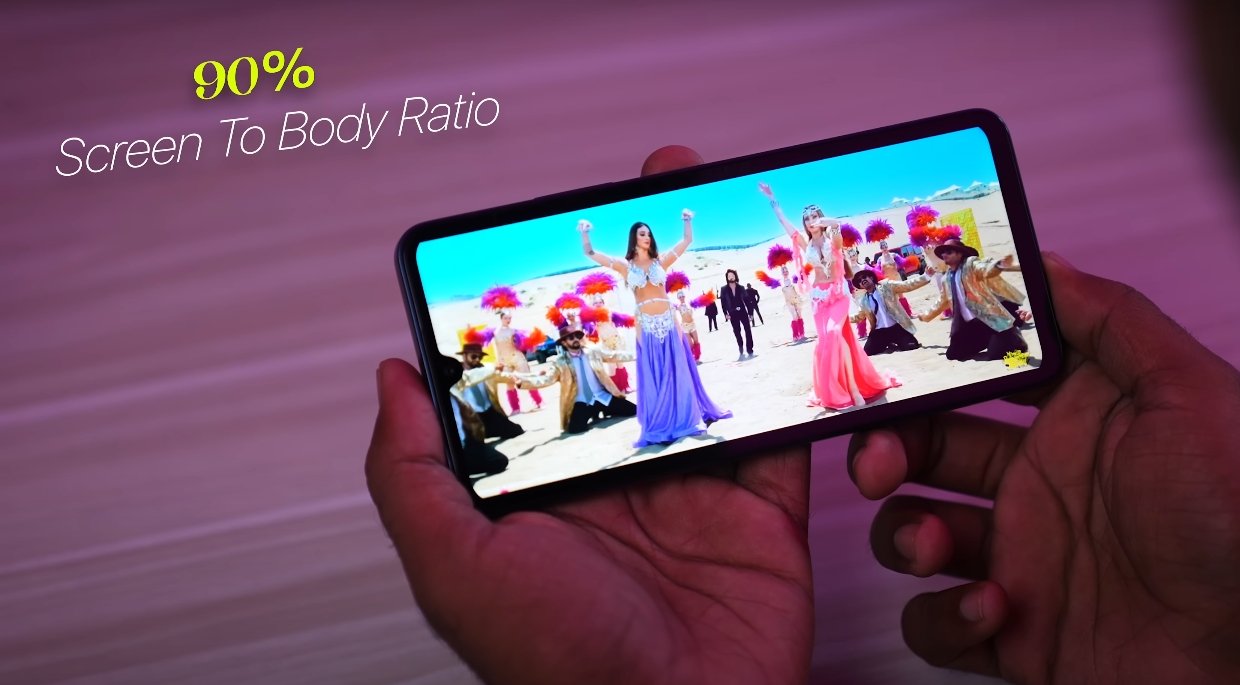
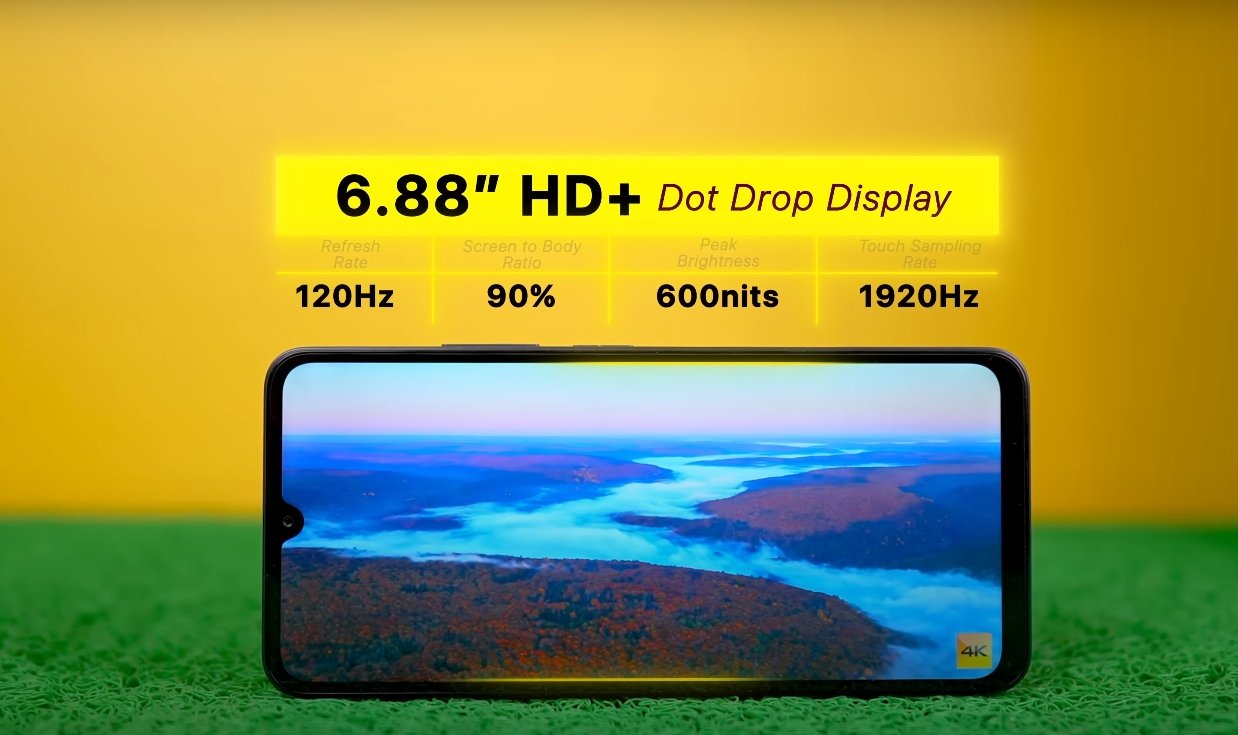
Redmi 14C 5G screen to body ratio

Affordable 5G access now easier in the USA


One of the biggest attractions of the Redmi 14C 5G is its ability to provide full 5G connectivity at such a low price. This makes it ideal for users who want to experience faster data speeds without investing in a midrange or premium device. It’s also a smart choice for those buying a second phone or gifting a first device to someone.


Available online with quick shipping


The Redmi 14C 5G is now available for purchase through major online retailers in the USA. Stock seems to be steady for now, with all color options listed on popular platforms. Buyers can expect standard delivery times and warranty coverage, adding confidence to early purchases.


Perfect for casual users and students


For users who mostly use their phone for social media, web browsing, messaging, and video streaming, this phone offers everything they need. The user experience is smooth enough for everyday tasks, and battery life holds up well throughout the day. Its display is big and bright enough for long content sessions, especially for younger users and students.


Final word on US pricing and value


With the price now officially confirmed between one hundred eighteen and one hundred thirty dollars, the Redmi 14C 5G becomes one of the most affordable 5G phones in the USA. It delivers balanced performance with long-term value, making it a smart buy for anyone looking to step into the 5G world without a big spend.

Redmi 14C 5G Feels Premium or Basic in Daily Use

Redmi 14C 5G Feels Premium or Basic in Daily Use

First impression shows budget design but solid build


At first glance, the Redmi 14C 5G looks like a typical budget phone with a plastic body and simple design. However, the build quality surprises many users as it feels solid and well put together. The matte finish on the back reduces fingerprints and gives it a cleaner look compared to glossy phones in this segment.


Screen quality adds a slight premium touch


The 6.88-inch 120 Hz display offers smooth scrolling and good brightness, which makes daily interactions more enjoyable. Although the screen is only HD+, the size and fluidity add to the perceived quality, making it feel a bit better than basic budget phones with standard LCDs and lower refresh rates.


Lightweight and comfortable to hold for long usage


Users report that despite its large size, the Redmi 14C 5G remains lightweight and easy to hold. This adds to comfort during long daily usage like browsing or watching videos. The plastic back also helps keep the weight down compared to glass backs on pricier phones.


Performance matches expectations for budget segment


While it doesn’t have flagship-level speed, the phone’s everyday performance is smooth enough for typical tasks such as messaging, social media, and light browsing. Occasional minor lag appears when multitasking heavily, which is expected for a phone in this price range.

Redmi 14C 5G Feels Premium


Battery life supports long daily use without worries


The large 5160 mAh battery easily lasts through a full day of use with moderate to heavy activity. Fast charging at 18W is helpful to quickly top up during short breaks. Battery reliability adds a feeling of premium convenience despite the phone’s budget positioning.


Camera quality feels basic but usable


The camera setup delivers decent photos in good lighting but struggles in low light, which keeps the experience basic rather than premium. Still, it’s sufficient for casual photography and social media posts, meeting the expectations of most budget phone buyers.


Final verdict on daily feel of Redmi 14C 5G


Overall, while the Redmi 14C 5G doesn’t feel premium like expensive flagship phones, it definitely offers a reliable and solid daily experience. The combination of a smooth display, sturdy build, and long battery life gives it a slight edge over very basic phones, making it a smart choice for budget-conscious buyers.

Redmi 14C 5G Smooth Performance or Lag Issues Found

Redmi 14C 5G Smooth Performance or Lag Issues Found

General day-to-day performance feels smooth


For most users, the Redmi 14C 5G delivers smooth performance during everyday tasks. Opening apps like social media, messaging, and web browsers happens without noticeable delays. Scrolling and navigation feel fluid thanks to the 120Hz display, which helps mask minor hardware limitations.


Occasional lag appears during heavy multitasking


Some users report slight lag when running multiple apps simultaneously or switching quickly between resource-heavy applications. This is likely due to the budget Snapdragon 4 Gen 2 chipset and eMMC storage, which can slow down app loading times and multitasking efficiency.


Gaming performance is decent but not flawless


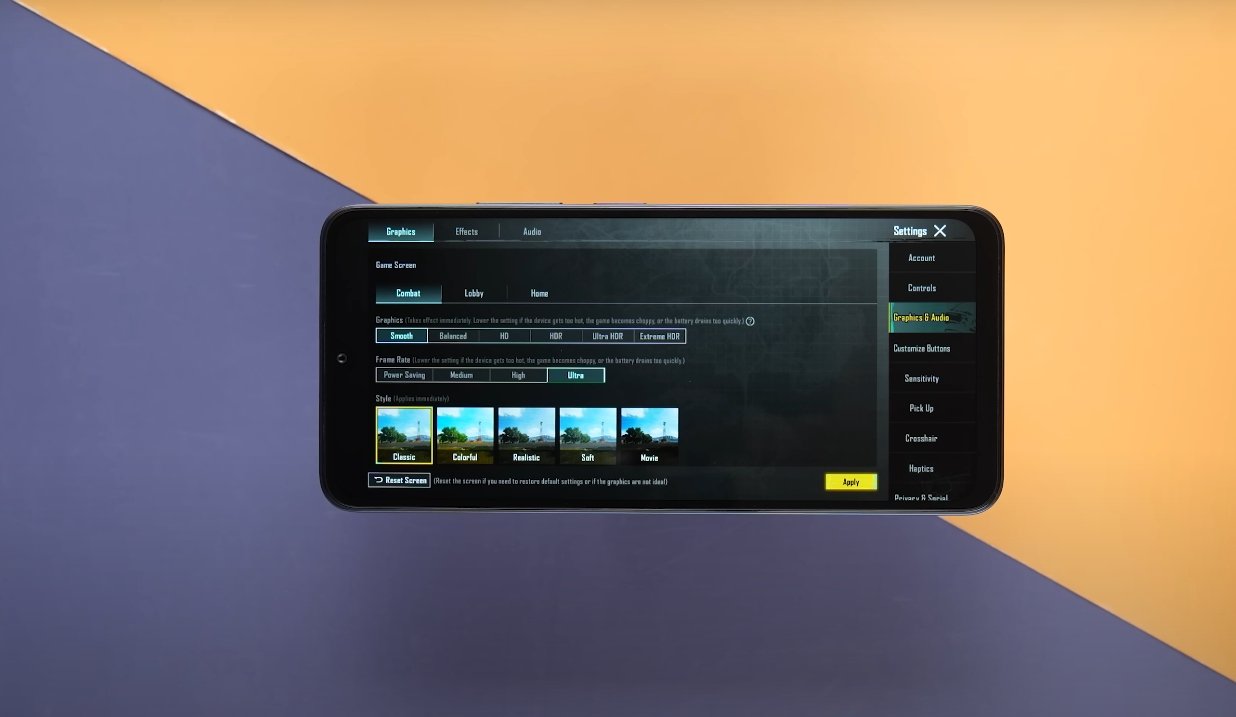
While casual games run smoothly, intensive titles sometimes show frame drops or stuttering. This occasional slowdown doesn’t ruin the gaming experience but is noticeable for users expecting flagship-level performance.


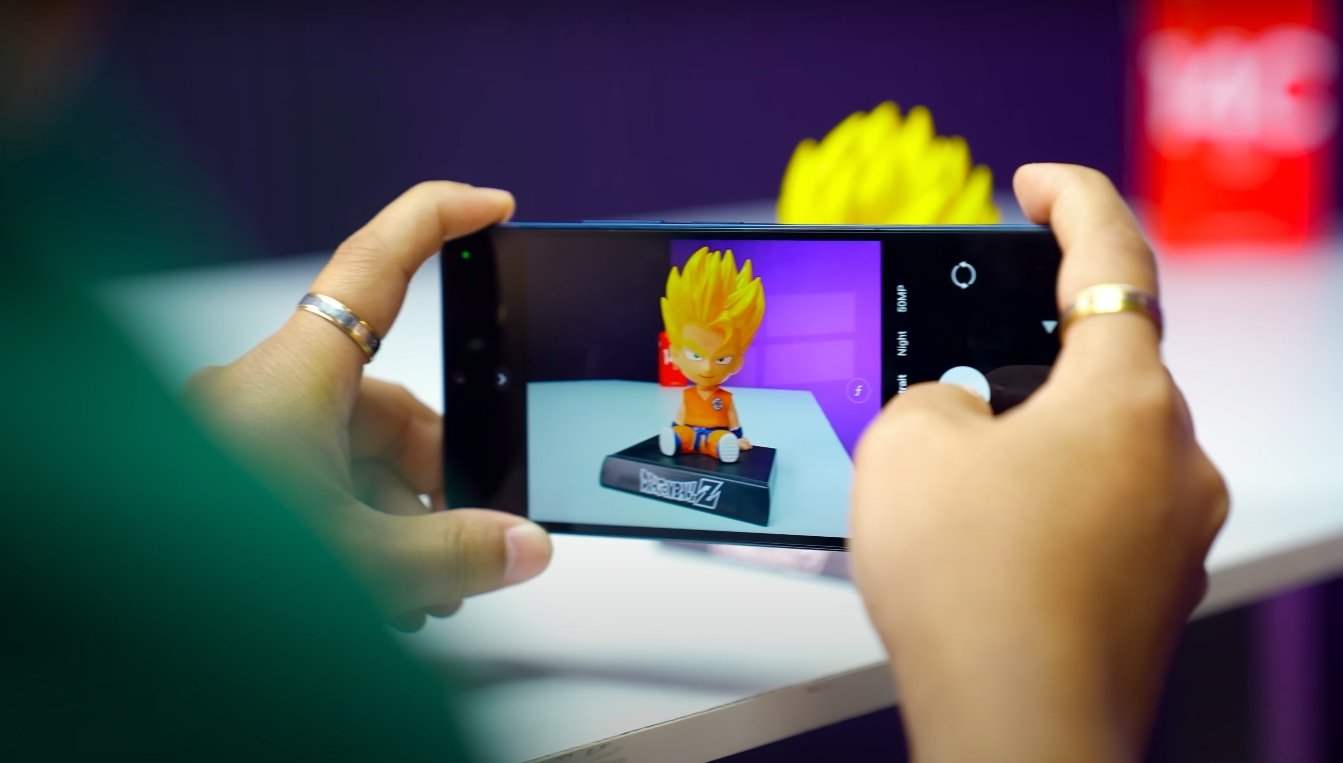
Redmi 14C 5G game play setting

Software optimization keeps the UI responsive


The MIUI version on Redmi 14C 5G is well optimized for its hardware. Background processes are managed efficiently, which helps maintain smooth UI responsiveness for basic tasks, messaging, and video playback.


Storage type impacts app loading speed


A key factor affecting perceived lag is the phone’s use of eMMC storage, which is slower than UFS alternatives. This means apps and updates may take longer to open and install, especially noticeable with larger applications.


Battery and temperature do not cause performance throttling


Even during longer usage sessions, users report no significant heating or throttling that would affect performance. This keeps the phone stable for daily use without sudden slowdowns.


Final verdict on Redmi 14C 5G performance and lag


Overall, the Redmi 14C 5G provides a smooth experience for casual users focused on basic smartphone needs. Some lag during multitasking or gaming is expected given the hardware but remains manageable. For budget buyers prioritizing price and 5G connectivity, it’s a sensible choice.

Also Read:  Infinix Note 50x 5G Gaming Performance and Heating Result

Redmi 14C 5G Online vs Offline Price Difference in USA

Redmi 14C 5G Online vs Offline Price Difference in USA

Online deals offer major savings for Redmi 14C 5G


The Redmi 14C 5G is available online in the USA at significantly lower prices compared to offline stores. Many online platforms list the base 4 GB RAM and 128 GB storage variant for as low as $108. This makes it an appealing option for buyers who want a budget 5G phone without spending extra.


Offline stores list the phone at higher rates


Buyers who prefer offline shopping will notice that the same model is priced between $155 and $185 depending on the retailer. Local stores often include extra costs like stocking fees or taxes, which add to the final price. Some stores may also sell only higher RAM variants, further increasing the price.


Flash sales and EMI options are exclusive to online


Online stores frequently run flash deals or financing offers that allow users to buy the Redmi 14C 5G with zero-interest EMI plans. These benefits are rarely available in offline stores, giving online buyers more flexibility with payments and lower upfront costs.


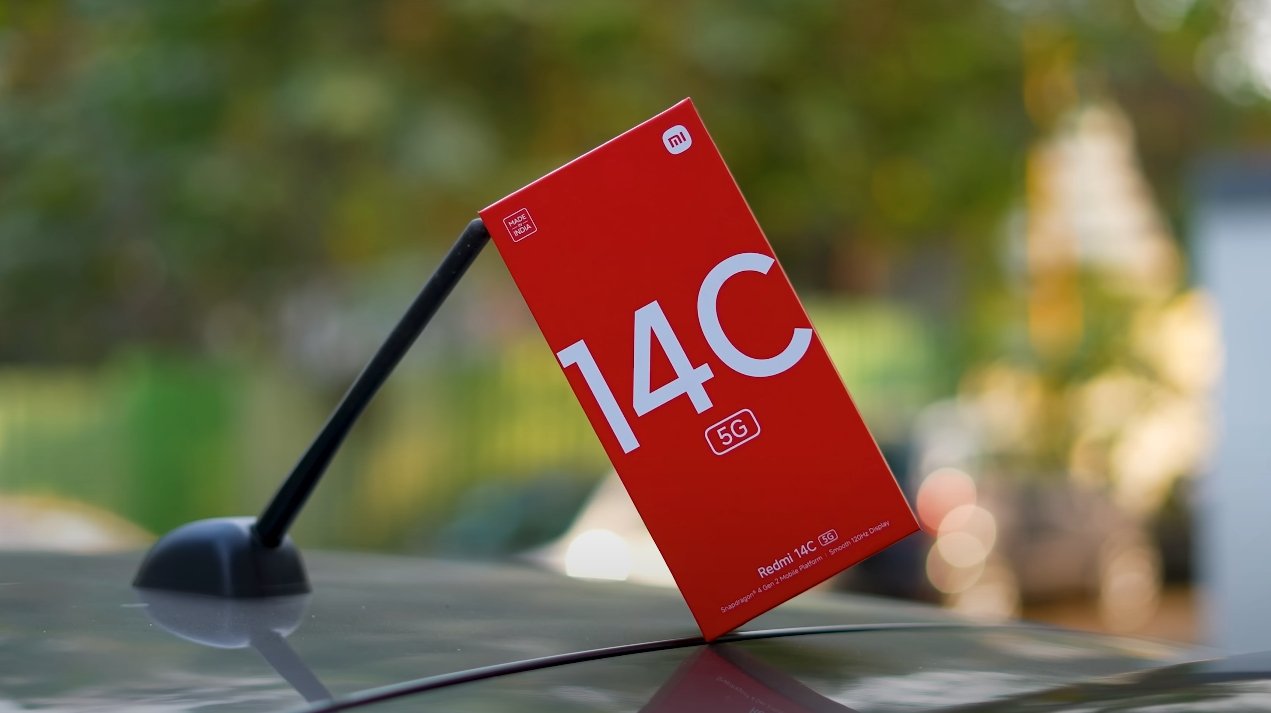
Redmi 14C 5G box

Offline shopping offers instant access


The main benefit of buying the Redmi 14C 5G offline is instant access. Users can walk into a store and walk out with the phone on the same day. Offline stores may also offer in-person customer support, which is useful for those who prefer face-to-face service.


Higher RAM variants show a wider price gap


The price difference becomes even more noticeable with the 6 GB and 8 GB RAM variants. Online platforms price them around $130 to $150, while offline sellers may ask for over $170 for the same model. This can be a deciding factor for buyers looking for more performance at a better price.


Warranty differences between online and offline


While the price online is lower, users should always check warranty policies. Some online deals include limited or international warranties, while phones bought from offline stores usually come with standard local support. Buyers who want long-term service assurance may find offline slightly more reliable.


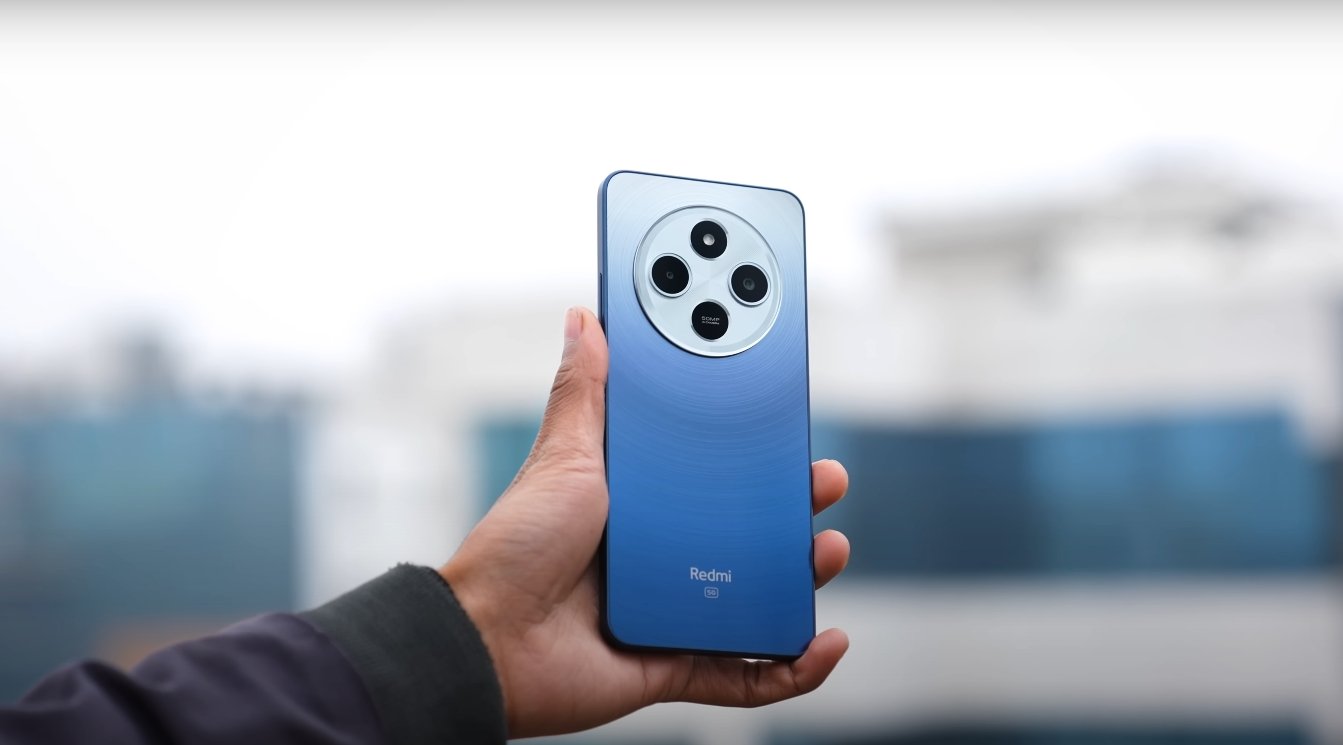
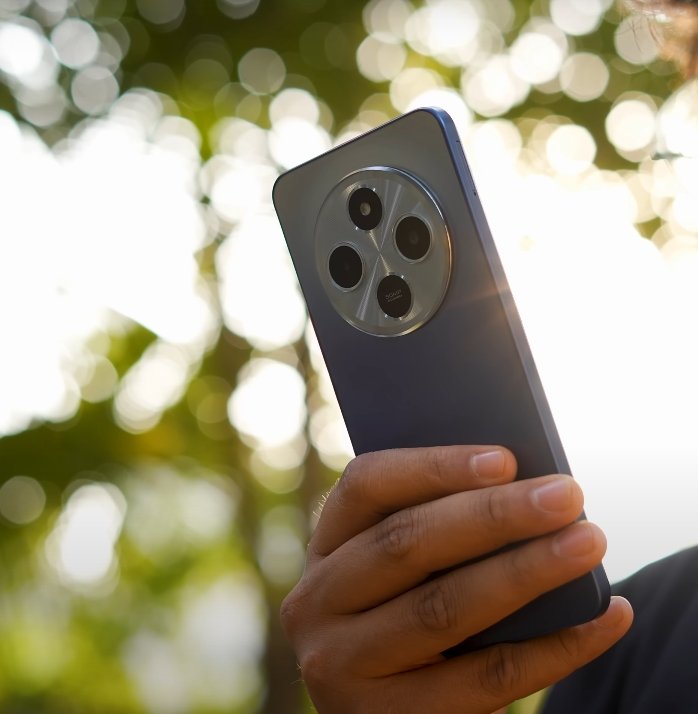
Redmi 14C 5G in hand

Which option makes more sense in the USA


For most users in the USA, buying the Redmi 14C 5G online makes more sense due to the significantly lower prices and flexible offers. However, those who prioritize immediate purchase and physical service support might prefer paying a bit more offline. In the end, the best choice depends on what matters more — savings or convenience.

Redmi 14C 5G Real-World Camera Test and User Feedback

Redmi 14C 5G Real-World Camera Test and User Feedback

Practical camera performance meets daily needs


The Redmi 14C 5G’s camera setup includes a 50 MP main sensor and a 2 MP depth sensor, designed to deliver solid shots in good lighting conditions. In real-world use, users find that the photos are sharp and detailed during the day, making it suitable for casual photography like outdoor scenes and social media posts.


Low-light photography shows typical budget limitations


In dim or indoor lighting, the camera struggles to maintain clarity and brightness. Photos often appear grainy or slightly blurred, which aligns with expectations for an entry-level phone. Users report that night mode, if available, helps somewhat but doesn’t dramatically improve results.


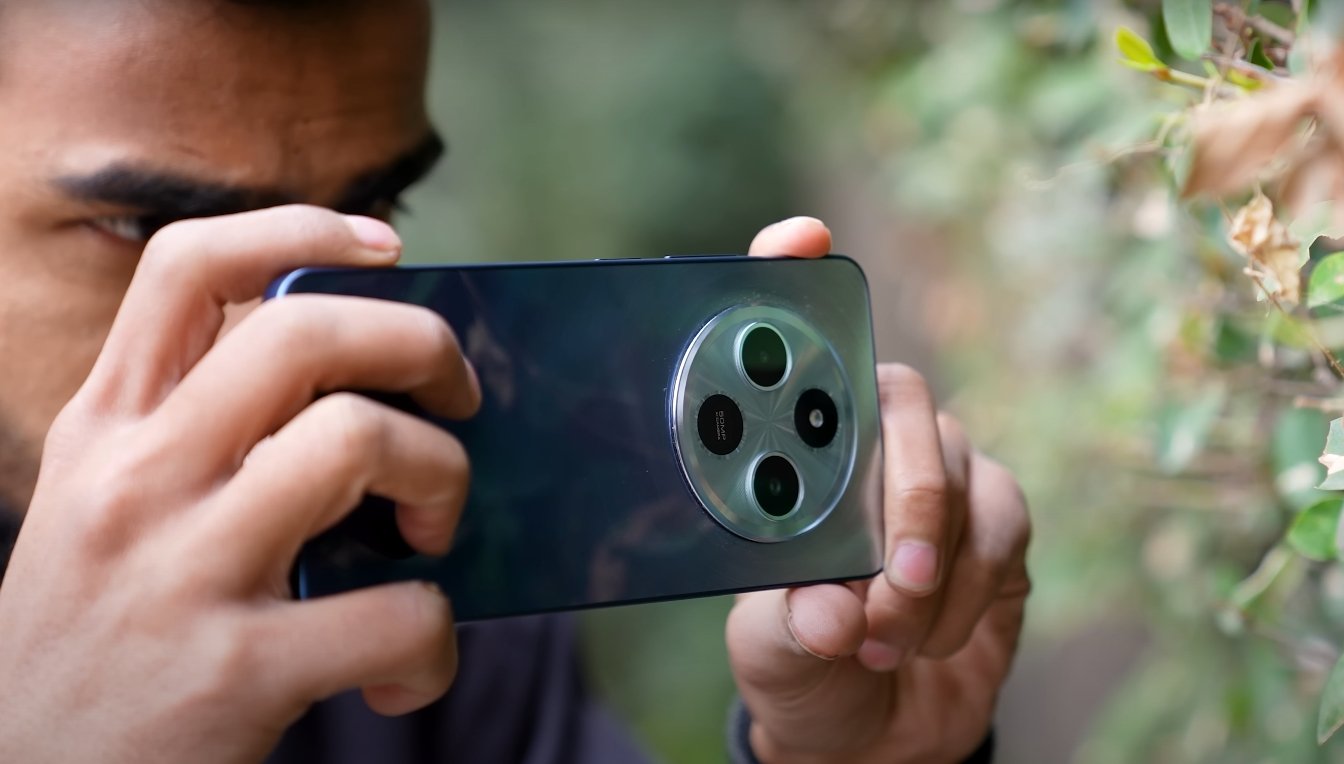
Redmi 14C 5G Real-World Camera Test

Front camera performance for selfies and video calls


The 13 MP front camera provides decent selfies with natural skin tones and good exposure in bright environments. Video calls are smooth with clear visuals under proper lighting, meeting basic user needs without extra frills.


User feedback praises ease of use and interface


Many users appreciate the simple and straightforward camera app, which offers easy access to common modes like portrait, panorama, and video. The AI features help optimize scenes automatically, although they can sometimes oversaturate colors.


Video recording quality is acceptable for casual use


The Redmi 14C 5G can record 1080p video at 30fps, delivering steady footage for everyday moments. Users note that video stabilization is limited, so shaky hands may affect recording smoothness.


Redmi 14C 5G Real-World Camera sample

Summary of user experience with Redmi 14C 5G camera


Overall, the camera performance fits well with the phone’s budget positioning. It excels in good light, offers basic selfie capabilities, and remains easy to operate. For users who want simple photography without high expectations, it’s a practical choice.