Price Drop Makes Infinix Note 50x 5G Cheaper in Australia

Price Drop Makes Infinix Note 50x 5G Cheaper in Australia

The Infinix Note 50x 5G has just received a price cut in Australia, bringing it closer to budget-friendly territory. For shoppers looking for good value, this makes the phone even more appealing. The recent discount ensures more people can get a modern 5G phone without spending big.


Now Available at More Affordable Price


In the Australian market, the Infinix Note 50x 5G is now priced around AUD 269 to AUD 279, down from its original launch price. With this drop, it moves into the sweet spot for budget smartphones while still offering features that feel above its price tag.


Big Screen and Smooth Everyday Performance


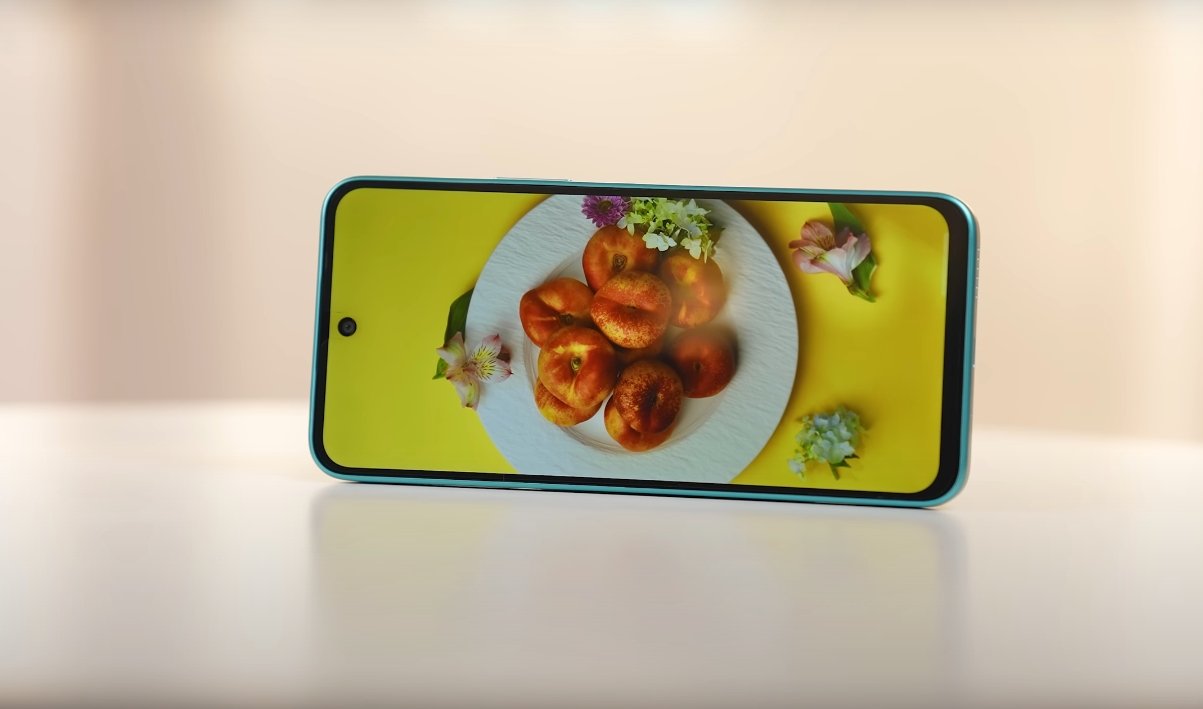
The Note 50x 5G comes with a large 6.67-inch display, ideal for watching videos, browsing the web, and scrolling through social media. Powered by a MediaTek Dimensity chipset and up to 8GB of RAM, the phone handles daily tasks with ease. With the new lower price, this reliable performance becomes available to more buyers in Australia.
 

Infinix Note 50x 5G Cheaper in Australia

Long Battery Life Without Paying More


One of the standout features is its 5000mAh battery that easily lasts all day. When you do need to recharge, fast charging gets you back on track quickly. Now that the price has dropped, you can enjoy long-lasting battery life along with value for money.


Dual 5G SIM Support at a Lower Cost


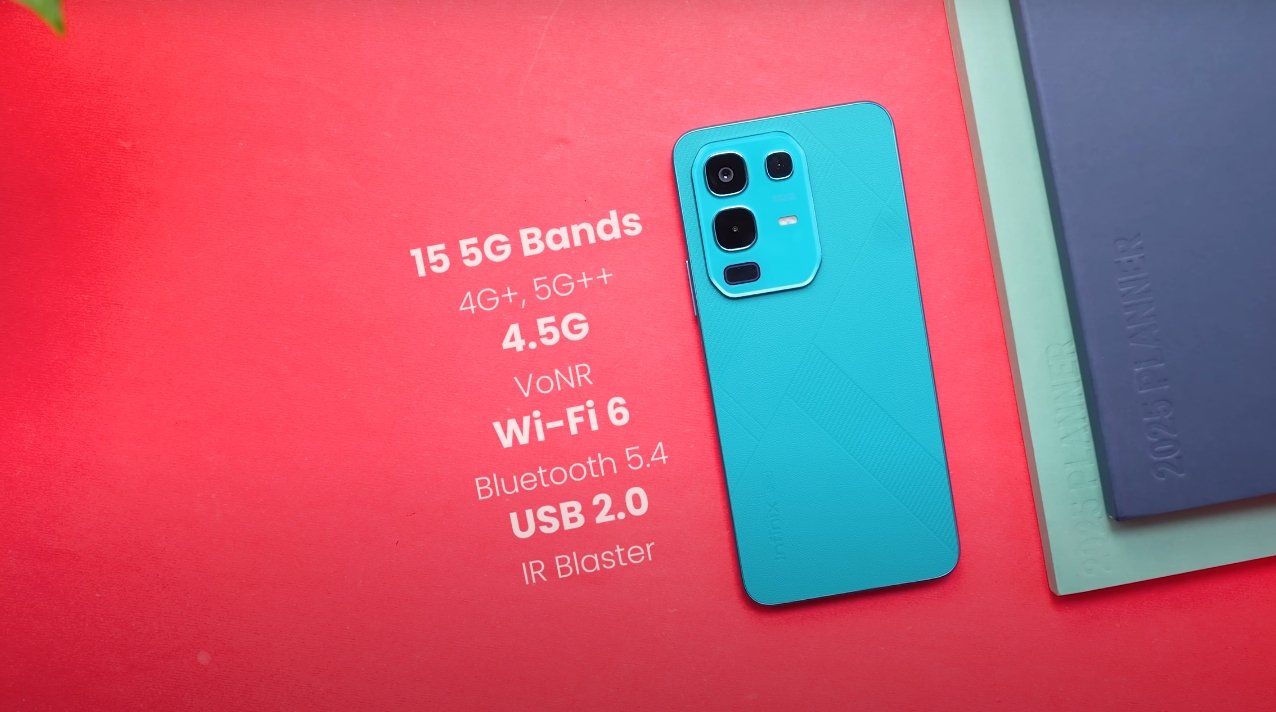
This phone supports dual 5G SIM cards, giving you faster internet speeds and better network coverage. With 5G rolling out across Australia, having this feature makes the Note 50x 5G a smart budget option. The price drop makes it even more attractive for users who rely on fast connectivity.

Also Read:  Tecno Camon 40 Pro Australia Price And Key Details


Is It Worth It After the Price Drop?


If you’re in Australia and looking for a 5G phone that doesn’t cost an arm and a leg, the Infinix Note 50x 5G at its new lower price is worth considering. It covers the basics well with a large screen, smooth performance, long battery life, and modern connectivity—all for less.
Poco X7 Pro – Is It Really Powerful?

The POCO X7 Pro is making bold claims this year offering top tier performance and powered by the new dimensity 8400 Ultra chipset and a massive 6,000 Mah battery. Touted as the ultimate value for money mid-ranger of 2025.


DESIGN & BUILD QUALITY


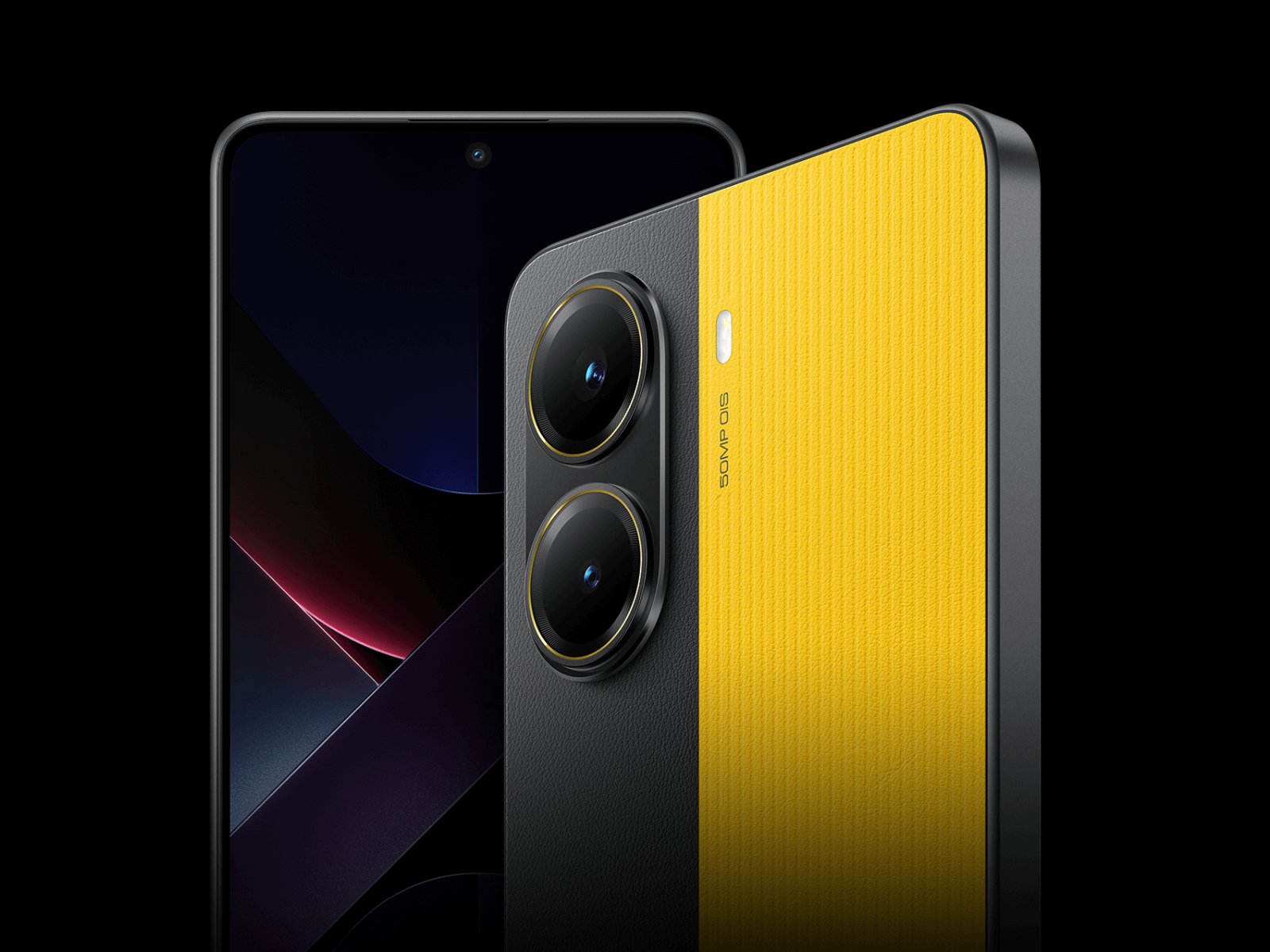
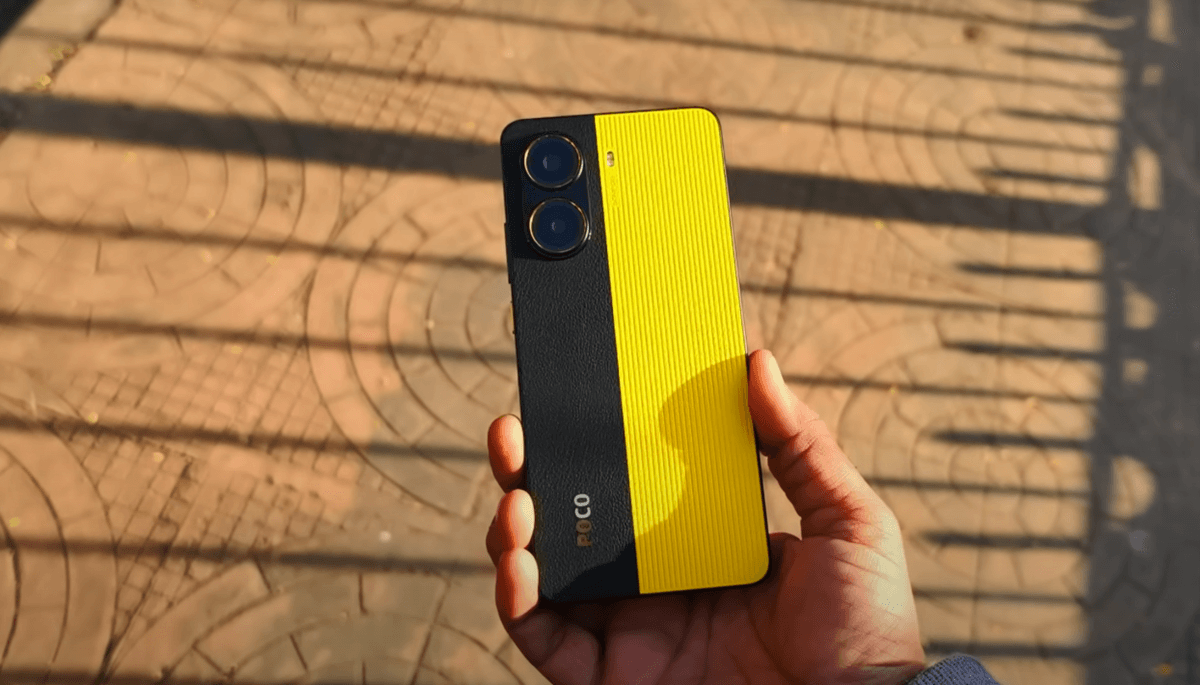
A little bit design and build up front we have the 6.67 in Crystal res AMOLED display with reasonably thin bezels although the chin is ever so slightly thicker to the right of the X7 Pro we have the metal volume buttons along with the yellow colored power/ lock button and they feel nice and clicky. Around the bottom we have the SIM tray. I believe that’s two mics, there a USBC port and a bottom firing speaker the SIM tray can house two physical Nano Sims. So no e Sim compatibility here or the ability for expandable storage. I’m going to pop my own Sim in there to the left side there is nothing and up top we have the second firing speaker an IR blaster and looks like another two mics up front. We have the 20 mega pixel front facing hole punch car camera. And the a piece built into the bezels which is becoming the norm nowadays then turning to the back we can see the two-tone signature Poco yellow and black design with a leather texture and a kind of ribbed texture on the yellow.


Poco X7 Pro


I have to say it does feel really nice to the touch and it gives that phone some extra grippiness which is all is a plus. We have the dual camera setup compromising of a 50 mega pixel main camera and 8 mega pixel Ultra wide camera with LED flashlight and then just further down we have the Poco logo in gold build wise seeing, that it’s a plastic frame it does seem quite solid no creaking or groaning noises that I could hear, And then of course the camera bump’s going to give you rocking when you’re laying the phone flat the vibrations on here are decent. I would say not the absolute best but they’re good enough and then can get quite strong on the higher setting the phone is also ip 68 rated. So that’s really good to see and overall. I think the design is quite nice is solidly built had a nice weight to it coming in at 198 G and really nice textures on the back add to that more premium feeling for a phone that you know a quarter or a third of a price of some of the flagships the Poco X7 Pro also comes with liquid cool technology 4.0 so this system features a 5,000 mm squad Ultra large cooling area that is core is the Poco 3D Ice loop system.


DISPLAY


The display on the Poco X7 Pro is a 6.6 in AMOLED display and it’s running up to 120 Hz refresh rate coming in at a PPI of 446 and it supports HDR 10 plus and DCI P3 wide color gamut and you got all the color bells and whistles on there with various TUV certifications we’ll check out what we get in the settings. So, we have light and dark mode options, and the display can get quite bright with Peak brightness at 3,200 nits you can enable a sunlight mode which would allow, I’m assuming that Peak brightness in the color scheme we have original Vivid saturated and advanced and in there you can pick from different color Gamit. So, you have P3 or SRGB and then you can adjust color space or HTV color space and contrast and things reading mode which Alters the color temperature for refresh rate we have default, or you can do custom and that allows you to pick from 60 or 120 Hz.


If you want to lock that in I’m going to leave it on default we also have the AI image engine so you can turn on super resolution to enhance videos AI HD enhancement and then MC which we’ll be checking out later on for lock screen we have different options here. So you have your normal stuff like sleep raise to awake and always on display it only turns on for 10 seconds after tapping and you have various different displays. That you can choose from YouTube supports 4K 60 FPS with HDR so HDR content on here is going to be looking really good with the really nice colors and the amazing contrast you get with HDR. So it’s going to be a joy to be consuming media on a display like this if you enable the video toolbox option in the settings it lets you adjust various things when it comes to video playback so you can turn on theater mode which kind of Alters the sound you can upscale to 2K. if it’s a resolution of 720p you can pick from different styles, so you can have HDR nostalgia original black and white.


If you can toggle immersive sound or you can use head track movement with headphones Netflix gets the full array of playback specs with full HD and HDR 10 and Dolby Vision support. So you’ll be getting the best experience on Netflix again with all that HDR goodness and that super sharp and clear playback Amazon Prime as usual on mobile devices maxes out at 1080p full HD viewing angles are really good. I only noticed a slight temperature shift to a warmer tone at more extreme angles and Outdoors you’re not going to have a problem with the 3,200 nits Peak brightness, Not that I can actually demonstrate direct sunlight here in the UK but I did try my best. And the display also supports wet touch so on my testing it feed a bit better than other phones, but it was still kind of jittery here and there with the water interfering with my touches, but I guess it was still usable, so that’s good to see. So overall the display on here I have to say, I’m a huge fan of I do like the slim bezels HDR content looks amazing it’s really sharp clear colors on here are really saturated thumbs up from me on the display.


SPEAKER


The POCO X7 Pro has stereo speakers with a dedicated bottom and dedicated top firing speaker in the settings itself for sound effect you can choose from Dolby Atmos or xiaomi sound. I’m going to leave that set to Dolby Atmos you also have graphic equalizer so pick from various presets or you can adjust as you please and then you have headphone accommodations with various different option. There we’ll have a quick listen to what they sound like and please note there might be some high volume coming up we’ll start off with 50% and then go up to 100. My testing of the red magic Nova Tablet check that out. If you haven’t and as usual, I’ve set everything to the highest possible in the graphic setting time yeah that it’s a dangerous silica-based parasite that must have crawled into the ship when we were flying reached the Southwest window, why are you hesitating PR never been this high before you have also not reinstalled you. Overall, I think the sound is okay it’s nothing amazing they do get reasonably loud, but they lack de and there’s pretty much no base at all that I could hear.


PERFORMANCE & BENCHMARKS


The performance side of things the Poco X7 Pro is equipped with the new mediate Tech diamond the 8400 Ultra chipset along with Xiaomi Hyper OS 2 running on Android 15. RAM is LPDRX 5 and available in 8 or 12 GB and storage being UFS 4.0 with options of 256 or 512 GB at least here in the UK so pretty high spec software support is 3 years of OS updates which is reasonable obviously there’s some companies that offer a lot more and you also get multiple years of security patches. You also have up to an additional 12 GB of memory extension or virtual RAM and by default it comes with 6 GB turned on. So I’m just going to leave that as it is we have a quick look at what we actually get in the settings. So you get your Security State and stuff here and you can see L patches interconnectivity with other Xiaomi devices so loads of things here with your personal devices if you have other Xiaomi products for more connectivity we have things like Xiaomi share NFC cost printing link to Windows wireless display.


You can also link to a Chromebook or Quick Share and it does come with Android auto which on my testing worked absolutely fine you can also adjust various things in the notifications and status bar personalization allows you to change things that lock style always on display icons fonts notification effect fingerprint effects wallpaper Carousel and you can pick from various themes fingerprint recognition on here is a in display fingerprint. So, you can pick from different animations that works fine you also have a face unlock or you can choose to unlock with a Bluetooth device there’s various AI services so we have things like notes which can provide a summary and change the layout of a piece of text. And I’ll just do a quick example here, so you have to kind of log in with your Xiaomi account. If you want to take advantage of this and then hit an AI summary it does take a little while and does this kind of slow typing out, but it is a good way to kind of summarize different pieces of text or large pieces of text.


Some people might think AI stuff is a gimmick where other people might actually find it useful but, I guess that comes down to user preference and when it comes to Gallery, we have different things here so we can use erase and I’m just going to do a quick example here. Your hit startup does it thing and from a distance it looks all right but once you zoom in you can kind of see what it’s tried to do it’s kind of a lot of blurring smudges going on but reasonable job I guess and then you also have ai expand which kind of obviously does what it says on the tin and expands the images and you can adjust by how much you want to actually do that but, again from a distance looks all right, I guess but once you zoom in you can kind of see all of this extra stuff that it’s tried adding on and it’s all getting a bit swirly whirly and wared and stuff off but I guess it could be improved on for the benchmark test.


  • I had the phone in Ultimate mode so getting the highest performance and prior to the latest hyper os2 update it scored 1, 15425 66 which I thought oh that’s quite a bit lower than what Poco had been advertising after I updated to the latest OS version, scored 1,71,299. So clearly that update boosted the performance of the phone on geek bench, we got 1,59,3 for single score and 6,334 on multicore so reasonably good scores here for a mid-range of phone on Wildlife extreme stress test we got a best Loop score of 3,929 with a 78.6 stability. And for performance range we can see there were some dips in different Loops, but battery went from 96 to 85% temperature went from 25 to 48° and the frame rate varied between 13 and 20 FPS. so, I would say reasonable scores, but we’ll be checking out how it handle all that later for read


  • we got sequential right of 595 MGB with a sequential read of 1.32 GB so kind of your average type of speeds there we’ll have a quick look at the OS itself the control panel is nice and clean with smooth animations and uploads are fast and snappy in my use, I haven’t noticed any hiccups or stutters at all so it’s all running nice and smooth on the device here so hyper OS 2 is clearly made some good improvements we’ll check out RAM management and I’ll open a bunch of apps and then I’ll open a heavy app like Qu D WS on here and Then going back to the previous apps they are all still running in the background so RAM management seems good on here. You can also use the sidebar to quickly access apps in a floating window so a Max of two is allowed and for me the OS has been nice, I mean it’s not the most polished out there, but I haven’t had any problems it’s fast and happy.


GAMING


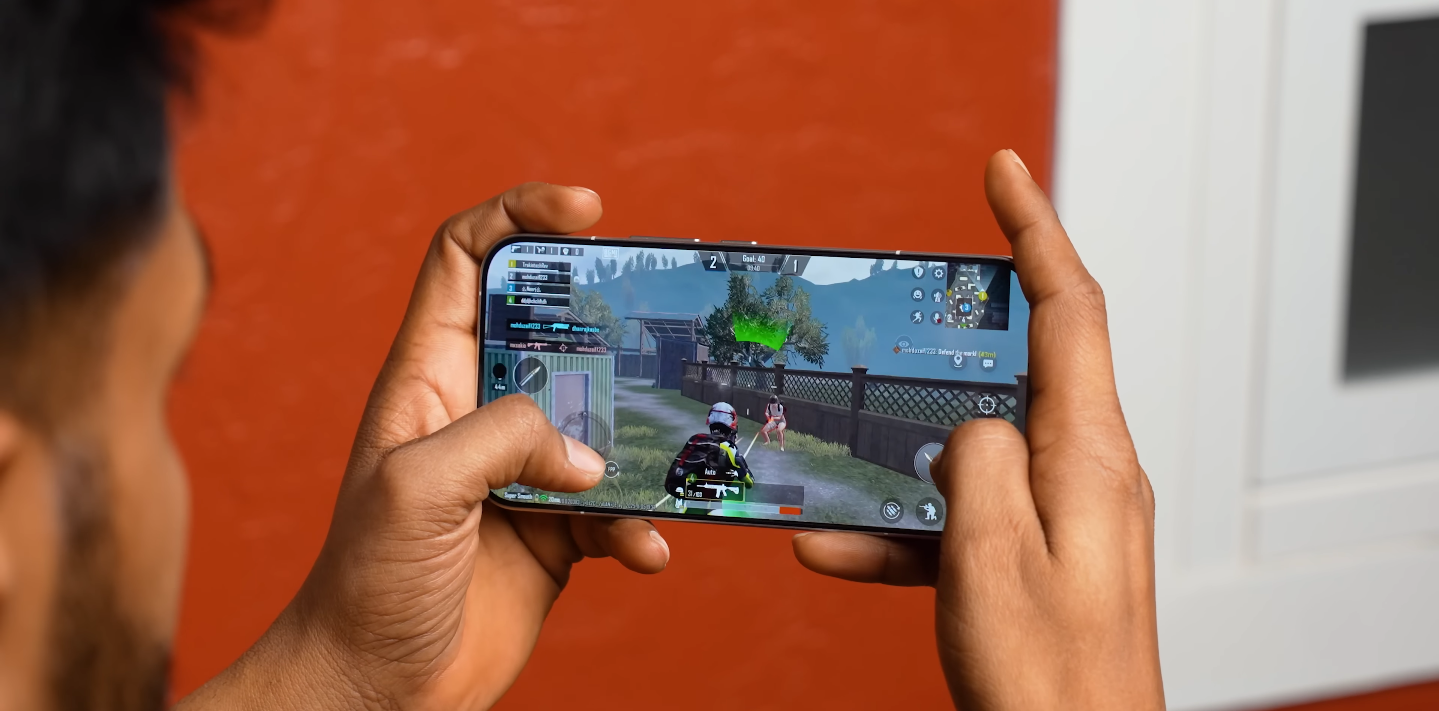
We’ll check out some gaming and put the at 400 ultra to the test so Poco has a dedicated gaming app called game space has various different functions and tools that you can use to enhance your gameplay and it also has wild boost 3.0 which has an array of different things to make gameplay a lot better starting off we have 89% battery and the phone is in Ultimate mode so the highest performance available and we have a temperature reading of 27° we’ll start off with Call of Duty warn and visual quality here tops out at high would have been nice to have seen Peak but high is still good and I’ve set the fps to UNCA and everything else to high I’ll turn on wild boost which is wild boost 3.0. As I mentioned and I’m going to set the priority to frame rate and to start off with we can see the FPS is around the high 50s low 60s so I was expecting a little bit better performance on here Z 5 minutes into the game and it’s still the same situation so this could be down to game optimization with the Domin 400 Ultra being a fairly new chip and an update in the future might make these figures a little bit better.


  • I’ll drop the visual quality down to medium to see if that makes any difference it has helped with the FPS now so we’re hitting the high 70s 8s but of course we would have sacrificed orual quality so for war zone at least for now if you want better fps then you’ll have to dial down the graphics but apart from that the game was running fine. so, after 13 minutes of gaming the device temperature Rose to 30 9° so getting quite toasty and the battery was down to 84% so we lost 5% there next we’ll jump into weing waves and again I’ve maxed out everything in the graphic settings and the game performed really well hitting the 60 FPS cap with maybe slight dips down to 57 here. And there and then 27 minutes in is still holding good on the 60 FPS.


  • The temperature how is now hitting 41° and the device did feel really warm around the top of the frame. And Camera module and the battery was down to 78% so 11% loss so far next we’ll check out Call of Duty mobile and for Ultra frame rate the max Graphics quality allowed is medium so we’re going to start off with that and no problem here with the game running 1219 FPS no problem. And looking buttery smooth so that was a joy to be playing here with really high frame rate we’ll switch to Max graphic quality which defaults the frame rate to very high and here the graphics look way better but the FPS was capping out at 60 which is still more than enough for a lot of people and it’s smooth so even at 60 FPS you’re going to have a good time playing a game like this so 33 minutes into gaming the temperature is reading 40° and the battery is down to 76% so holding up fairly.


  • I check out pubg and I’ve set the graphics to ultra HDR and the frame rate to ultra and with these settings the graphics do look really nice but the FPS was hovering around the 40s I’ll switch the graphics to balanced and see what difference that makes and with balanced Graphics the FPS jumps up to 60, so reasonable but, I guess it’s a similar situation of sacrificing graphics for frame rate or vice versa 50 minutes in. And the temperature has come down to 33° and the battery is now at 73%. And finally we’ll have a look at genin impact again everything’s set to the highest possible in the graphic settings.


  • As I was expecting we have a step steady there enough 60 FPS on here and the game just looks stunning the display. I have to say is really good on this phone with the super resolution rending which is only supported in this game it really does make the game look that extra bit better so after that hour gaming session the temperature ended up at 37° and the battery was down to 69%. So a total loss of 30% which is fairly decent as I have really pushed it here the ice loop system I guess did help reasonably well but the phone did warm up quite a bit with you know heavy loaded graphics and high frame rates so it’s to be expected I guess that kind of stuff can only be properly mitigated with a dedicated internal or an external fan but for the gamers you can have a good experience on here and over time I’m sure optimization of games will make the experience all that better.


BATTERY


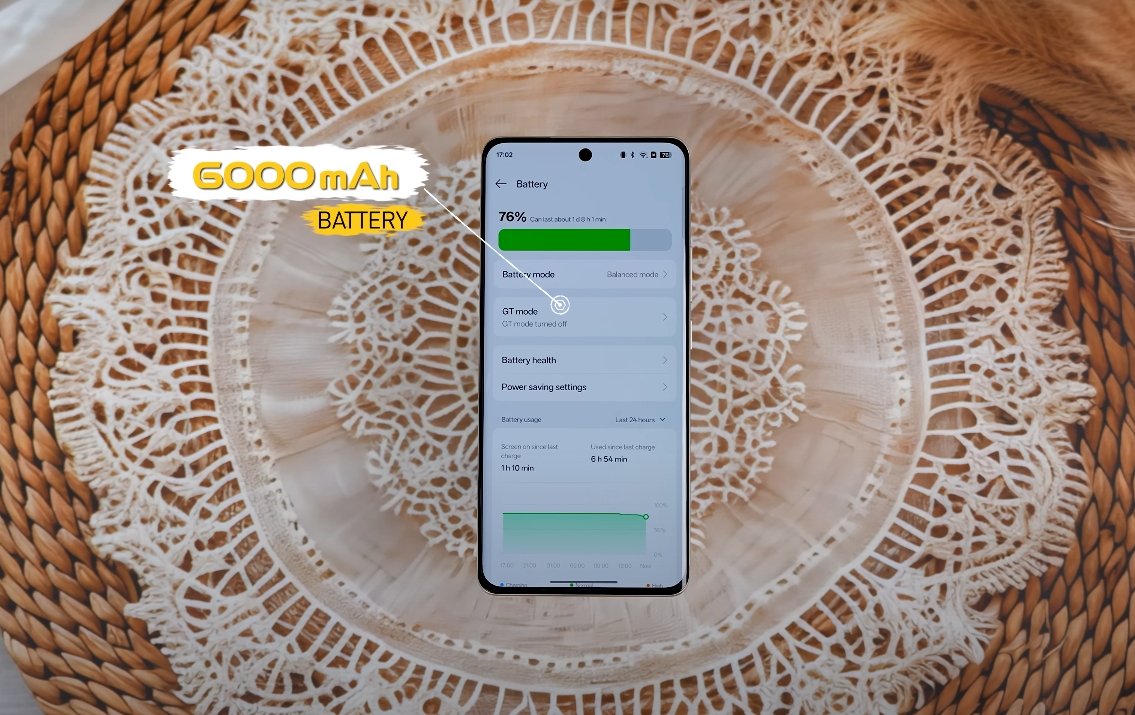
The POCO X7 Pro is packing a massive 6,000 mAh battery, That support up to 90 W charging and I did get the 120 w xiaomi charger. So in my testing the device charge from 0 to 100 in 41 minutes so super fast there is no wireless charging support, however so that’s a disappointment but again we have to keep the price in mind. And I think the battery is definitely a highlight of this phone you can easily get you 2 days of light/ medium use or 3 days of light use in my testing with you know a full hour of gaming and using the phone daily with video playback like YouTube Disney plus uh taking calls messaging social media video capture and many other things. I managed to get basically nearly 2 days and we can see I’m down to 15% and this was basically nearly at the end of day two when it comes to the settings you kind of get remaining time.


So we can see I was on 99% here with a remaining time of 31 hours on balanced and you can pick from different modes here so ultimate balance battery saver or Ultra battery saver with each of them giving you a remaining time. And then we also have higher power consumption settings which will kind of inform you on of apps and different settings that are consuming power charging options you can choose from standard or top speed but top speed is only compatible with charges and in the process it might warm up and charging that way the phone did reach a temperature of about 38°. Battery protection gives you battery info you can choose to stop charging at 80% and also turn on smart charging and then you have your normal chog graph of how the battery has fade throughout the day and which apps have been consuming battery.


CAMERA


The POCO X7 Pro comes with a dual camera setup with a 50 mega pixel main camera being a Sony IMX 882 sensor with a large F 1.5 aperture supposedly resulting in a 65% increase in light capture compared to the previous gen X6 Pro and there’s an 8 mega pixel Ultra wide camera along with a 20 mega pixel front-facing camera. The different mods you have are pro documents video photo portrait night and in M you have things like 50 mega pixel Panorama direct dual video options like that in the settings themselves you have loads of tip for things here Auto night mode Orient noty about orientation HF format picture quality selfie settings so you can mirror front camera things like that you also have image stabilization Auto frame rate video encoder HDR 10 plus. We have a highest resolution of 4K and that’s up to 60 FPS shoot steady you can turn on but it sets it to 1080 p 30 and then you have your different Zoom options with the ultra wide 1X and 2x photo.


We have ai camera and your usual stuff here like shutter type tilt shift and different options and you can adjust exposure value if you wanted to with different filters there in portrait you can adjust your f stop as you please. And in director mode you get all of these kind of additional options such as ISO control autofocus white balance and things like that so you can adjust those as you please kind of let you dial in a bit more. We’ll see some captures I’ve taken with this camera and I have to say for the price I was quite impressed is decent quality videos and pictures Sun’s just about set in the next 10 20 minutes and just walking down the road so checking out the stabilization which is OS and IOS on the main camera. You can see here in my example when walking around shooting at night time there was some kind of jitteriness when it came to the stabilization so you have to be cautious of that just doing another video test with more favorable lighting conditions, I just want to see if he’s got that jitteriness when it comes to the image stabilization that we saw in low light.


CONCLUSION


In in conclusion the Poco X7 Pro emerges as quite a good contender in the mid-range smartphone arena is offering a blend of features that Real some premium flagships for design and build the device has a distinct design with a polycarbonate frame and leather looking finish back for display the 6.
7 in AMOLED panel delivers really good visuals with 120 HZ refresh rate it makes it ideal for media consumption and it offers a really good and immersive viewing experience when we come to Performance the MediaTek DT 84 Ultra chipset with high benchmarks goes and handles demanding tasks and game handled them reasonably.


Well I would say and also the liquid cool technology does maintain the temperatures quite well. So you’re not going to get the overheating to the point where the chip is getting throttled the dual camera setup headlined by the 50 megapixel Sony sensor and Optical image stabilization delivers pretty sharp and vibrant photos across different lighting conditions but IDE the darker scenarios it does struggle a bit as I said a standard feature is the 6,000 mAh battery which comb Ed with a 90w hypercharge technology offers extended use and Rapid charging and for Value.


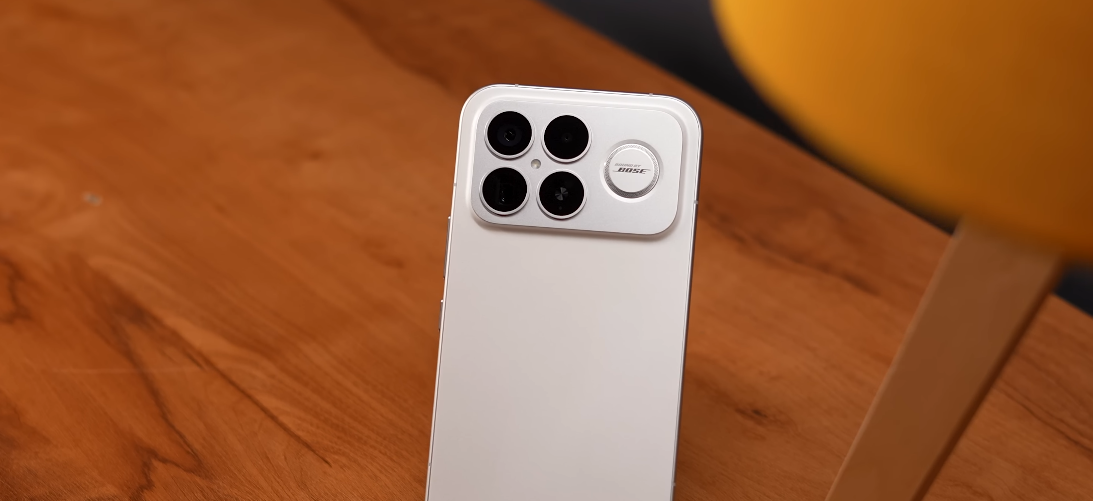
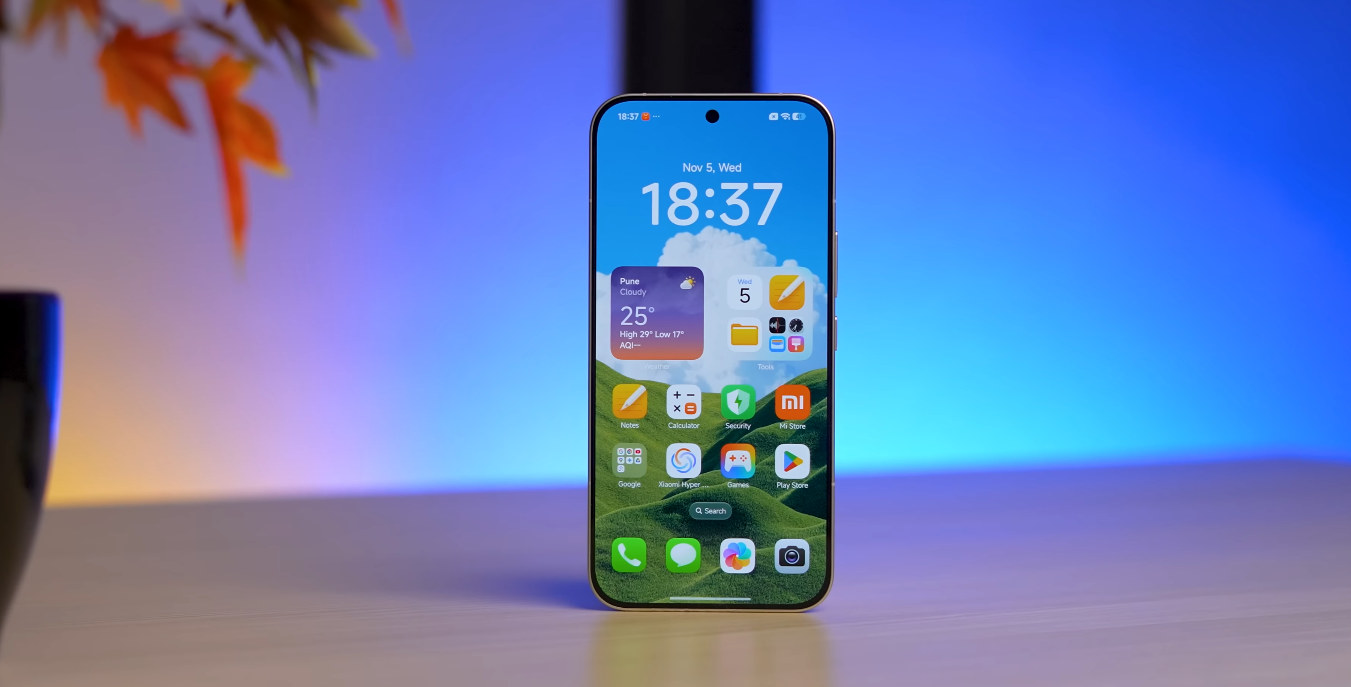
Poco X8 Pro: Xiaomi Unveils New Smartphone with Special Edition Variant, Set for Global Release

The Poco X8 Pro smartphone with a special edition variant, featuring a unique design and exclusive features, set for global release, with a high-quality camera and fast charging capabilities

Poco X8 Pro: Xiaomi Unveils New Smartphone with Special Edition Variant, Set for Global Release

The Poco X8 Pro is poised to make its global debut, with a special edition version in the pipeline, as confirmed by a recent leak. This move is expected to generate significant buzz in the smartphone market. The device is likely to be a re-branded Redmi device, following a familiar pattern. This strategy has been employed by Xiaomi in the past.

Xiaomi’s decision to launch the Poco X8 Pro globally is a testament to the company’s commitment to expanding its reach. The special edition variant is likely to feature unique design elements, setting it apart from the standard model. This approach has been successful for Xiaomi in the past, with special edition devices often generating considerable interest among fans.

The Poco X8 Pro is expected to boast an impressive array of features, including a high-quality camera, fast charging capabilities, and a robust processor. These features will likely make the device an attractive option for consumers looking for a powerful and feature-rich smartphone. The special edition variant will likely feature additional exclusive features, further enhancing its appeal.

As Xiaomi prepares to launch the Poco X8 Pro globally, the company is likely to face intense competition from other smartphone manufacturers. However, with its competitive pricing and feature-rich devices, Xiaomi has consistently managed to carve out a significant market share. The Poco X8 Pro is expected to follow this trend, with its special edition variant generating significant interest among consumers.

The global release of the Poco X8 Pro is a significant development in the smartphone market, with the device expected to make a considerable impact. With its impressive features, competitive pricing, and special edition variant, the Poco X8 Pro is poised to be a major player in the global smartphone market. As the launch date approaches, fans and consumers alike are eagerly awaiting the opportunity to get their hands on this exciting new device.

Xiaomi’s strategy of launching re-branded Redmi devices has been successful in the past, with the Poco X8 Pro expected to follow this trend. The special edition variant will likely be a major draw for fans, with its unique design elements and exclusive features. As the company continues to expand its reach, the Poco X8 Pro is expected to play a significant role in Xiaomi’s global ambitions.

The Poco X8 Pro’s global release is a significant milestone for Xiaomi, marking a major expansion of the company’s reach. With its impressive features, competitive pricing, and special edition variant, the device is expected to generate significant interest among consumers. As the launch date approaches, fans and consumers alike are eagerly awaiting the opportunity to experience the Poco X8 Pro firsthand.

The special edition variant of the Poco X8 Pro is expected to be a major draw for fans, with its unique design elements and exclusive features. This approach has been successful for Xiaomi in the past, with special edition devices often generating considerable interest among fans. The Poco X8 Pro is expected to follow this trend, with its special edition variant playing a significant role in the device’s global success.

The Poco X8 Pro’s impressive features, combined with its competitive pricing and special edition variant, make it an attractive option for consumers. As the device prepares to make its global debut, fans and consumers alike are eagerly awaiting the opportunity to experience the Poco X8 Pro firsthand. With its significant features and exclusive design elements, the special edition variant is expected to be a major draw for fans.

PS3 Games on PS5 Broken

PS3 games on PS5 cloud streaming error

PS3 Games on PS5 Cloud Streaming Issues

PS3 fans have been unable to cloud stream games on the PS5 for over five days. The issue affects PS Plus Premium members, who find that nothing happens when trying to launch a title. Despite this, workarounds are available, and the RPCS3 PS3 emulator remains functional with a growing list of compatible games.

The problem has been ongoing, with some users reporting that they are unable to access their favourite PS3 games. While the RPCS3 emulator offers an alternative, it is not a substitute for the official cloud streaming service. The lack of functionality is a concern for gamers who rely on the service to play classic titles.

The issue highlights the importance of reliable cloud streaming services for gamers. With the rise of cloud gaming, users expect seamless and uninterrupted access to their games. The current issue with PS3 games on PS5 is a reminder that there is still work to be done to ensure that cloud streaming services meet user expectations.

Sony has not yet commented on the issue, but users are hoping for a swift resolution. In the meantime, gamers are advised to explore alternative options, such as the RPCS3 emulator, to access their favourite PS3 games. The situation is a setback for PS Plus Premium members, who were expecting a premium gaming experience.

As the situation develops, gamers are advised to keep an eye on official announcements from Sony. The company is expected to provide an update on the issue soon, and users are hoping for a quick fix. In the meantime, the RPCS3 emulator remains a viable alternative for those looking to play PS3 games on their PC.

The issue also raises questions about the future of cloud gaming and the importance of reliable infrastructure. As more gamers turn to cloud streaming services, companies must ensure that their infrastructure can handle the demand. The current issue with PS3 games on PS5 is a reminder that there is still work to be done to ensure that cloud gaming services meet user expectations.

In conclusion, the issue with PS3 games on PS5 is a concern for gamers who rely on the cloud streaming service. While workarounds are available, the lack of functionality is a setback for PS Plus Premium members. The situation highlights the importance of reliable cloud streaming services and the need for companies to invest in infrastructure to meet user demand.

As the gaming industry continues to evolve, cloud gaming is expected to play a major role. However, the current issue with PS3 games on PS5 is a reminder that there are still challenges to be overcome. Gamers are advised to stay up to date with the latest developments and to explore alternative options for accessing their favourite games.

The RPCS3 emulator is one such option, offering a viable alternative for those looking to play PS3 games on their PC. The emulator has a growing list of compatible games and is a popular choice among gamers. However, it is not a substitute for the official cloud streaming service, and users are hoping for a swift resolution to the current issue.

Ultimately, the issue with PS3 games on PS5 is a reminder of the importance of reliable cloud streaming services. As the gaming industry continues to evolve, companies must ensure that their infrastructure can handle the demand for cloud gaming. The current issue is a setback, but it is also an opportunity for companies to invest in infrastructure and improve their services.

POCO F8 Pro vs other POCO F8 series models: which variant suits you?

POCO F8 Pro vs other POCO F8 series models which variant suits you

Choosing the right POCO F8 model for your needs

The POCO F8 series arrives with three distinct variants designed to appeal to different types of users: the POCO F8, POCO F8 Pro and POCO F8 Ultra. While they share core design language and modern flagship features, each model approaches performance, camera capability and pricing differently. Understanding the practical differences between them can help you choose the version that matches your priorities and budget.

The standard POCO F8 is built for users who want strong performance without the premium cost of higher-tier models. It offers the essentials of the series, including a smooth high-refresh display, fast charging and a capable main camera. For those who mainly use their phone for everyday apps, browsing, social media and routine photography, the F8 delivers a reliable experience without stretching your budget.

Moving up the range, the POCO F8 Pro is the balanced middle option. It brings upgrades in processing power, improved camera hardware and a more refined display experience. This model is ideal for users who expect more from their device—whether gaming, multitasking heavily, capturing better-quality photos or needing longer-term performance. It strikes a strong balance between affordability and capability.

POCO F8 Pro vs other POCO F8 series models which variant suits you

At the top end, the POCO F8 Ultra is designed for users who want the very best the series can offer. It typically features the most advanced chipset in the lineup, premium build materials and enhanced camera systems. This includes stronger telephoto performance, better ultrawide capability and improved low-light imaging. For creators, power users or anyone planning to keep their phone for many years, the Ultra’s increased headroom and feature set can be worth the extra cost.

Performance differences between the three models are noticeable, especially under heavier workloads. The POCO F8 handles everyday usage well but may show limitations during extended gaming sessions or intensive tasks. The F8 Pro runs smoother under pressure thanks to its upgraded chipset, offering more consistent speed and better thermal handling. The F8 Ultra, meanwhile, excels in demanding environments and ensures the longest performance lifespan.

The camera systems mark one of the biggest distinctions across the range. The base F8 provides dependable image quality for most users, suitable for daytime shots, portraits and casual videos. The F8 Pro improves clarity, stabilisation and detail, making it better suited for users who take more photos or frequently record content. The F8 Ultra delivers the strongest photographic capability, with better zoom, more advanced processing and superior performance in challenging lighting conditions.

Battery life across the series remains a strong point. All models offer large batteries aimed at all-day usage, paired with fast charging. The differences become more noticeable in charging speed and efficiency, with the Pro and Ultra variants generally featuring quicker recharge times and marginally better endurance under heavy use. Users who rely heavily on their phone throughout the day may benefit from the added efficiency of the higher-tier models.

Design and display features also contribute to the separation between models. The base POCO F8 focuses on delivering a high-quality panel suitable for everyday media and gaming. The F8 Pro enhances brightness, colour accuracy and overall smoothness, improving the experience for those who watch a lot of videos or play fast-paced games. The F8 Ultra pushes this further with a more premium screen experience, ideal for users who prioritise high visual fidelity.

Choosing between the variants ultimately depends on your personal usage. If you want strong performance at an entry-friendly price, the POCO F8 makes the most sense. If you want a better camera, smoother speed and longer performance lifespan without paying top-tier prices, the POCO F8 Pro is the ideal middle ground. But if you want the best camera, best display and strongest long-term value, the POCO F8 Ultra is the clear winner.

In many cases, the F8 Pro stands out as the sweet spot, offering the best balance between capability and cost. However, the base F8 offers reliable value for budget-conscious buyers, while the Ultra caters to enthusiasts seeking maximum performance. Whatever your needs, the POCO F8 series provides a range of options that cater to different users while maintaining strong overall value.

POCO F8 Pro vs Xiaomi 17 Pro Max value face-off: cost vs capability

POCO F8 Pro vs Xiaomi 17 Pro Max value face-off cost vs capability

Which flagship contender offers the smarter buy?

The POCO F8 Pro and Xiaomi 17 Pro Max arrive with different ambitions, but both aim to deliver powerful performance at opposite ends of the flagship spectrum. One focuses on accessible flagship-level value, while the other leans into premium materials, advanced camera hardware and cutting-edge features. For buyers seeking the best blend of cost and capability, understanding their real-world differences is essential.

The Xiaomi 17 Pro Max positions itself firmly as an ultra-premium smartphone, offering everything from a top-tier display to an advanced triple-camera setup. Its hardware package reflects a device designed for users who want the highest possible performance and are willing to pay for it. This includes superior build quality, refined design elements and features that typically sit at the top of the flagship market.

The POCO F8 Pro, meanwhile, targets a different type of buyer: one who wants serious performance without the heavy price tag. It delivers strong processing power, a capable camera system and high-speed charging, but it does so with a focus on practicality and cost efficiency. It aims to satisfy everyday needs while keeping pricing far lower than ultra-premium rivals.

POCO F8 Pro vs Xiaomi 17 Pro Max value face-off cost vs capability

In terms of raw performance, the Xiaomi 17 Pro Max holds the edge thanks to higher-end processing capabilities, enhanced cooling systems and additional premium features. This makes it an ideal choice for users who multitask heavily, edit videos on their phone or engage in high-performance gaming sessions. Its specifications are built for longevity and future-proofing.

The POCO F8 Pro counters with impressive speed of its own, offering smooth daily performance and strong app-handling. For most users, the difference in everyday tasks may feel minimal, especially for social media use, streaming, browsing and light gaming. The real distinction emerges under heavy workloads, where the Xiaomi’s premium hardware provides more overhead.

Camera capability is another area where the Xiaomi 17 Pro Max distinguishes itself. Its advanced imaging system is designed for users who prioritise photography and want high-quality zoom, ultrawide versatility and superior low-light performance. The POCO F8 Pro offers a reliable main sensor and a useful telephoto lens, but its setup leans more toward practicality than flagship-level photographic ambition.

Battery life and charging speed remain strengths for both phones, with each offering fast charging support and large-capacity batteries. The Xiaomi 17 Pro Max tends to push further with premium charging extras and higher efficiency, while the POCO F8 Pro focuses on fast recharge times and long daily endurance. For everyday users, both devices perform more than adequately.

Where the POCO F8 Pro shines most is value. It provides strong specifications at a price point significantly lower than its premium competitor. For buyers who want flagship-like performance without stretching their budget, the POCO option often makes more financial sense. It delivers enough capability to satisfy most users at a fraction of the cost.

The Xiaomi 17 Pro Max, however, justifies its higher price by offering a complete premium package. Its design, camera system, display quality and performance make it a stronger long-term investment. Buyers who want a device that performs at the highest level for years will appreciate what the premium model brings to the table.

Ultimately, choosing between the two comes down to your priorities. If you want the absolute best in camera quality, long-term durability and top-tier features, the Xiaomi 17 Pro Max is the superior option. If you prefer excellent performance at a much lower cost and are willing to accept a few compromises, the POCO F8 Pro delivers outstanding value.

POCO F8 Pro vs OnePlus Nord Pro: flagship features for less

POCO F8 Pro vs OnePlus Nord Pro flagship features for less

Comparing Two Value Flagships for UK Buyers

The POCO F8 Pro and the OnePlus Nord Pro target a growing group of UK users who want flagship-level performance without paying flagship-level prices. Both phones offer strong hardware, modern designs and competitive features, but they take different approaches to delivering value. This comparison looks at how they perform in everyday use, where each device excels and which one offers the better long-term experience for UK users.

The POCO F8 Pro aims to deliver maximum power at a lower cost, using high-end hardware that rivals full flagship phones. Early impressions point to a strong chipset, large storage options and a display suited for gaming, streaming and productivity. The phone prioritises raw performance, making it a good match for students, creators and tech-focused users who multitask heavily. It also includes fast charging and a large battery, giving it solid endurance for long days.

The OnePlus Nord Pro takes a more balanced approach, focusing on reliability, smooth software and stable performance. While its chipset may be slightly less powerful than POCO’s offering, the overall experience feels refined. OnePlus continues to emphasise lighter software, consistent stability and strong day-to-day usability. For many UK users, this means fewer performance spikes but a more predictable phone over time.

POCO F8 Pro vs OnePlus Nord Pro flagship features for less

Display performance is strong on both devices, though the POCO F8 Pro may offer higher brightness or refresh capabilities depending on the final configuration. The Nord Pro focuses on calibrated colours and smoother feel, giving it an advantage for users who prefer a polished viewing experience. For gaming and fast-paced content, the POCO option may feel more responsive, while the Nord will appeal to those who prefer visual consistency.

Battery life is an area where POCO generally pushes harder. The F8 Pro is expected to include a large battery with fast charging that outpaces many mid-range competitors. This gives it an edge for long days away from the charger. The OnePlus Nord Pro usually opts for slightly smaller cells but efficient software keeps performance balanced. In typical UK usage, both phones should last a full day, but POCO will likely offer the better endurance overall.

Cameras are another area where differences appear. The POCO F8 Pro aims to deliver strong primary-camera performance with good detail and stable low-light results. The Nord Pro focuses more on consistency and colour accuracy rather than pushing hardware limits. For casual photography, social media content and everyday shots, both phones perform well. The POCO may appeal more to users who want sharper images and stronger low-light capabilities, while the Nord may suit those who prefer natural colour and reliable capture.

In terms of software, OnePlus has the advantage. Its update cycle is clearer, and the UK has well-established support for its devices. POCO offers good performance but sometimes takes longer to refine software updates. UK users who keep a phone for several years may prefer the reliability of the Nord ecosystem. Those who prioritise features, customisation and performance tuning might prefer the POCO path.

The overall build quality also differs slightly. POCO tends to focus on bold designs with high-tech appeal, while the Nord line uses a more minimal, premium aesthetic. Both feel solid, but OnePlus usually leans toward lighter devices with better hand comfort over long use.

For UK buyers comparing the two, the decision depends on priorities. If you want the highest possible performance, long battery life and more flagship-level features at a lower price, the POCO F8 Pro is the stronger choice. If you prefer reliable software, smoother day-to-day operation and better long-term support, the OnePlus Nord Pro offers a more stable package.

Overall, both phones succeed in delivering flagship-style features for less, but they appeal to different types of users. POCO is the pick for power-focused buyers, while OnePlus maintains the edge for those who want a polished and dependable experience in the UK market.

POCO F8 Pro vs Samsung Galaxy S25: can it compete in 2025?

POCO F8 Pro vs Samsung Galaxy S25 can it compete in 2025

Value Flagship Face-off: Powerful Alternatives for 2025

The POCO F8 Pro and Samsung Galaxy S25 represent two very different approaches to flagship smartphones in 2025. One is built to deliver maximum value for money without the premium price tag, while the other is designed as the full-fledged flagship with all the bells and whistles. For buyers in 2025 who want a device that balances performance, features and longevity, the question is: can the POCO F8 Pro genuinely compete against a top-tier like the Galaxy S25?

The Galaxy S25 brings everything you’d expect from a flagship: a high-end chipset (Snapdragon 8 Elite globally), premium build quality, top-tier camera system and long-term software support. Its display, materials and ecosystem integration are built to last and impress. For users who want the premium experience and are willing to pay for it, the S25 delivers.

On the other hand, the POCO F8 Pro is expected to use the same high-end chipset (Snapdragon 8 Elite as well), indicating performance that could match the S25 in raw speed and capability. Where it shines is in its likely price-to-performance ratio. If POCO delivers excellent specs at a much lower cost, it offers serious value for everyday users who don’t need every premium feature.

POCO F8 Pro vs Samsung Galaxy S25 can it compete in 2025

In the area of performance, the POCO appears competitive. With the same chipset, high RAM and likely fast storage, it could match the S25 in speed, multitasking and gaming. For many users, that means no real compromise in everyday performance—something that matters when you keep the phone for several years.

However, when you look at features beyond raw performance—especially camera quality, materials, after-sales support and ecosystem—some trade-offs emerge. The Galaxy S25 is likely to retain advantages in premium camera sensors, telephoto zooms, build materials (glass/metal), water resistance and longest software updates. These matter for users who keep the phone for 3-4 years and expect top performance throughout.

Where the POCO may not match is in photography excellence. While likely strong, the camera system may not reach the same elite level as Samsung’s. Also, service support and update guarantee might be less premium than Samsung’s global flagship network. These are things a steady buyer should weigh.

Ultimately, the POCO F8 Pro can compete in 2025, especially if value is your priority. For users who want high performance, good specs and strong value, the POCO is a smart choice. But if you prioritise long-term top-tier photography, premium build and maximum longevity, the Galaxy S25 remains the safer investment.

In summary: for budget-conscious buyers willing to accept minor trade-offs, the POCO F8 Pro offers flagship-like performance. For buyers who demand the full flagship experience with fewer compromises, the Galaxy S25 remains the gold standard.

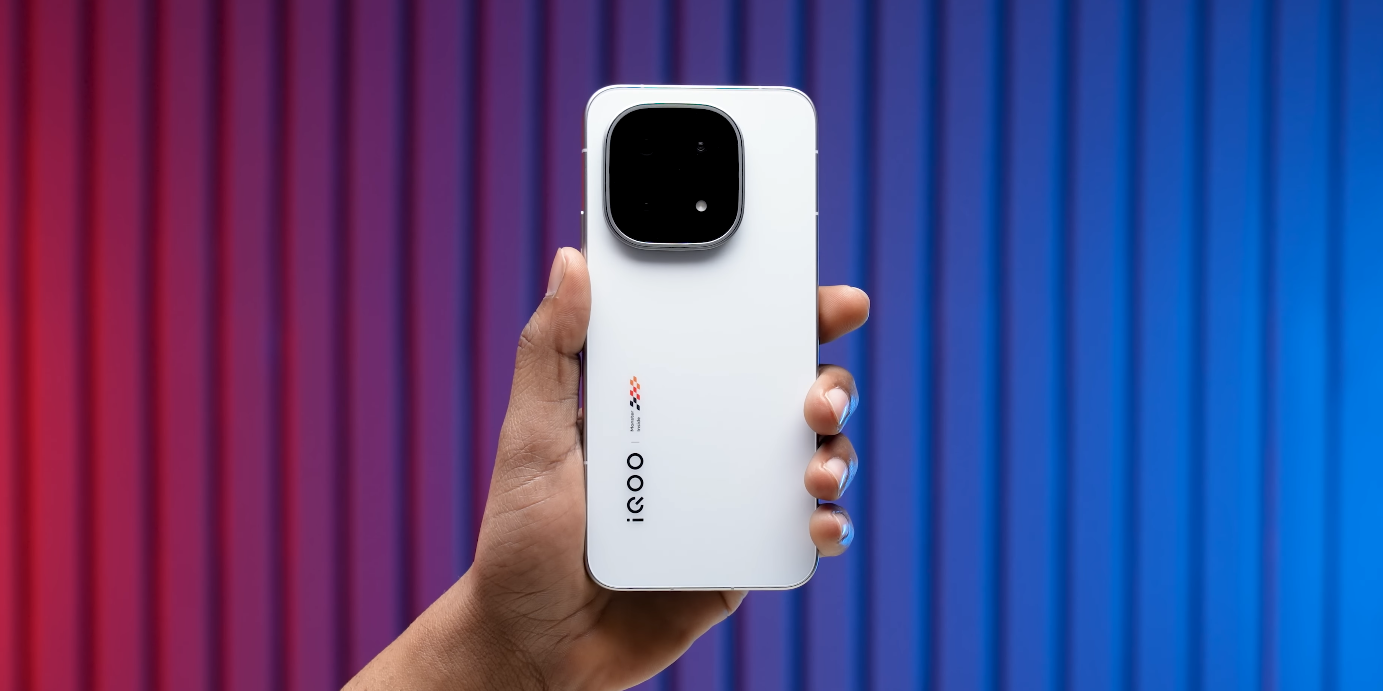
Pre-launch buzz around iQOO 15 spreads fast across UAE social media

Pre-launch buzz around iQOO 15 spreads fast across UAE social media

iQOO 15 trends online as UAE users anticipate flagship debut

The iQOO 15 has become a trending topic across UAE social media platforms, with tech enthusiasts and smartphone fans eagerly discussing the upcoming flagship ahead of its official release. Over the past week, hashtags related to the device have gained momentum on platforms like X, Instagram, and TikTok, where early leaks and teaser images have sparked excitement. This surge in online chatter highlights growing consumer interest in iQOO’s latest premium offering, which is expected to launch in the UAE within weeks.

Social media discussions have largely focused on the iQOO 15’s rumored specifications, with users praising the brand’s performance-driven approach. Expected to feature Qualcomm’s Snapdragon 8 Gen 3 chipset, a 7,000mAh battery, and 100W fast charging, the device is being positioned as a flagship designed for power users and gamers. Posts highlighting leaked benchmark scores and camera samples have further fueled anticipation, especially among those comparing the iQOO 15 to high-end rivals like the Galaxy S24 and Xiaomi 14.

Influencers in the UAE tech community have also contributed to the buzz, sharing impressions of iQOO’s past devices and speculating on what the new model will deliver. Several local reviewers have teased unboxing videos and early looks once official review units become available. Their engagement has helped the iQOO 15 gain traction beyond traditional tech circles, drawing interest from casual smartphone buyers and gamers looking for high-value performance.

Pre-launch buzz around iQOO 15 spreads fast across UAE social media

Retailers and e-commerce platforms are capitalizing on the momentum by teasing “coming soon” banners and promotional countdowns. Some major online stores have even started allowing users to register for launch alerts. These marketing efforts, combined with the organic social media discussions, are creating a strong sense of anticipation ahead of the phone’s official UAE pricing announcement. Industry watchers note that this kind of pre-launch excitement is often an indicator of robust initial sales once the product becomes available.

Posts on social platforms reveal a mix of curiosity and optimism among UAE users. Many comment on iQOO’s growing reputation for delivering reliable hardware at competitive prices. The leaked retail range, expected to be between AED 2,700 and AED 3,300, has been a key talking point among potential buyers. Users on Reddit and X have compared the iQOO 15’s expected performance-to-price ratio favorably against competitors, suggesting it could be one of the most balanced flagships of 2025.

The surge in online engagement also aligns with iQOO’s own marketing strategy. The brand has been steadily building its presence in the Middle East, and social media activity appears to be a major part of its approach. Regional accounts have posted teaser videos emphasizing speed, gaming capabilities, and long-lasting battery life — all consistent with iQOO’s identity as a performance-focused brand.

As the official launch nears, the digital conversation around the iQOO 15 continues to grow. With UAE certification already secured and retailers preparing stock, all signs point to an imminent release. If the social media enthusiasm translates into actual demand, the iQOO 15 could establish itself as one of the strongest contenders in the UAE’s premium smartphone segment this season, blending flagship specifications with a price point designed to attract tech-savvy users across the region.

Also Read:  Mobile experts in UAE call iQOO 15 the brand’s strongest device yet

Price Expectations for iQOO 15 Grow Among UAE Smartphone Enthusiasts

Price Expectations for iQOO 15 Grow Among UAE Smartphone Enthusiasts

UAE buyers brace for premium pricing as the iQOO 15 launch draws near

Smartphone fans across the United Arab Emirates are closely watching the buildup to the release of the iQOO 15, with mounting expectations over its price in the region. As leaks and retailer listings continue to surface, potential buyers in the UAE are increasingly preparing for premium-level pricing for the device.

Recent listings suggest that the base variant of the iQOO 15 could start around AED 2,125 in the UAE market. Some price aggregators reflect even higher figures for larger memory configurations, with estimates spanning into the AED 2,300-2,700 range. One expected price table shows 12 GB/256 GB at AED 2,300, 16 GB/256 GB at AED 2,400, and up to AED 2,700 for the 16 GB/1 TB version. These expectations underpin a consensus that the phone will target the premium flagship space rather than the mid-range.

Why are expectations running high? The iQOO 15 is tipped to pack top-tier specifications such as the Snapdragon 8 Elite Gen 5 chipset, a 6.85-inch LTPO AMOLED display with a QHD+ resolution and up to 144Hz refresh rate, and a large battery with fast charging support. Such specifications typically align with the higher end of smartphone pricing. For UAE buyers accustomed to premium brand pricing, the iQOO 15’s anticipated cost seems consistent with the feature set.

Market analysts observing the UAE smartphone scene note that while buyers here appreciate innovation and high performance, they also keep a sharp eye on value for money. With competitors in the flagship space often commanding prices well above AED 3,000, the iQOO 15’s expected sub-AED 2,800 pricing is seen as strategically positioned. It could draw buyers who want flagship specs but are reluctant to pay the top-tier premiums from more established brands.

Online forums and social media threads reflect this sentiment. One user observed that with rising component costs and enhanced features (like telephoto lenses and advanced cooling systems) the iQOO 15 may justify a price hike compared to previous generations. Others expressed hope that the price remains competitive so that the device remains a compelling upgrade option rather than an out-of-reach premium.

For UAE consumers planning to buy early, several practical considerations are surfacing. They will be watching for official announcement of UAE pricing and availability, looking at variant options (RAM/storage), local warranty coverage, availability of launch bundles or promotions, and any tie-in deals with telecom carriers. Early price leaks already provide a benchmark, but final pricing may shift slightly depending on import costs, taxes, and early-bird offers.

In summary, as the iQOO 15’s launch approaches, expectations around its pricing in the UAE are climbing. With benchmarks pointing to starting prices from around AED 2,125 and higher for premium variants, the device is shaping up as a premium flagship offering with a competitive entry point. UAE buyers aware of the smartphone market dynamics are setting their budgets accordingly and waiting for the official reveal to decide whether the iQOO 15 will deliver the right mix of performance, features and value.

Realme 14 Pro Could Be Realme’s Best Phone Yet

Realme 14 Pro Could Be Realme’s Best Phone Yet

Realme 14 Pro Shows Strong Potential Among Buyers


The Realme 14 Pro is quickly making waves as one of the most talked-about mid-range smartphones. Buyers are impressed with its sleek design, solid performance, and balanced pricing. With colors like Pearl White, Jaipur Pink, and Suede Grey, the phone appeals to users looking for both style and functionality. Multiple storage options ensure there is a variant for different needs and budgets.

For pricing, the base 8GB RAM with 128GB storage model starts at approximately $340 in the USA. Higher configurations such as 8GB RAM with 256GB storage and 12GB RAM with 256GB storage are also available. This competitive pricing makes it an attractive choice for buyers who want premium features without paying a flagship price. Early availability reports show strong demand across online retailers.

Realme 14 Pro Could Be Realme’s Best Phone

Performance is powered by the MediaTek Dimensity 7300 chipset, providing smooth handling for daily apps, social media, and moderate gaming. The 6.74-inch curved AMOLED display with a 120Hz refresh rate delivers sharp visuals and fluid motion, making gaming and streaming more enjoyable. Multitasking is handled efficiently, and the device shows minimal lag even under heavier use.

The 50MP primary camera captures detailed images, supported by software enhancements for better low-light shots. The 5000mAh battery with 45W fast charging ensures long usage and quick recharge times, allowing users to stay connected throughout the day without interruption.

Running on Android 15 OS, the Realme 14 Pro provides the latest features and security updates. Users appreciate the smooth interface and overall reliability, making it suitable for both casual and power users. Its mix of performance, design, and price makes it one of Realme’s most compelling offerings to date.

Availability is strong through various online retailers, but stocks are moving fast due to high demand. With pricing starting at $340 and solid features across the board, the Realme 14 Pro could very well be considered one of Realme’s best phones yet.

Poco X8 Pro Series Launches in UK: Speedy New Smartphones

The Poco X8 Pro series features a 6.83-inch 1.5K 120Hz OLED display with a 2000 nits maximum brightness, a gigantic 8500mAh battery, and 100W wired charging, making it a powerful and fast smartphone with a long-lasting battery life, perfect for those looking for a high-quality smartphone in the UK

Poco X8 Pro Series: A New Breakthrough in Speed

Poco has confirmed the launch of the Poco X8 Pro series in the UK, promising a new breakthrough in speed. The company has issued a statement announcing the launch on 17 March at noon UK time.

The Poco X8 Pro series is expected to feature big specs at an affordable price, with rumours suggesting a dual-Pro offering, including the Poco X8 Pro and Poco X8 Pro Max. The Pro Max model is expected to run on a Dimensity 9500s processor and feature a 6.83-inch 1.5K 120Hz OLED display.

The Poco X8 Pro, on the other hand, is expected to feature a 6.59-inch 1.5K 120Hz OLED display and a Dimensity 8500 Ultra processor. Both phones are expected to have large batteries, with the Pro Max model featuring an 8500mAh battery and the Poco X8 Pro featuring a 6500mAh battery.

These new smartphones are expected to compete with other mid-range phones, including the Google Pixel 10a and the Samsung Galaxy A57. With their impressive specs and affordable prices, they could be among the best mid-range phones of the year.

Poco has a history of producing high-quality smartphones at affordable prices, including last year’s Poco X7 Pro, which featured a grippy design, strong battery life, and excellent performance. The Poco X8 Pro series is expected to build on this success, offering even more impressive specs and features.

The launch of the Poco X8 Pro series is highly anticipated, and all will be revealed on 17 March. Stay tuned for more information on these exciting new smartphones. The Poco X8 Pro series is set to go beyond fast, with speed to the max, and is expected to be a game-changer in the mid-range smartphone market.

With the Poco X8 Pro series, Poco is promising a new breakthrough in speed, and it will be interesting to see how these new smartphones perform. The company has a reputation for producing high-quality smartphones at affordable prices, and the Poco X8 Pro series is expected to be no exception.

The Poco X8 Pro series is expected to be a major player in the mid-range smartphone market, competing with other big brands such as Google and Samsung. With their impressive specs and affordable prices, they could be a great option for those looking for a high-quality smartphone without breaking the bank.

In conclusion, the Poco X8 Pro series is an exciting new development in the world of smartphones, offering big specs at an affordable price. With their impressive features and affordable prices, they are expected to be a major player in the mid-range smartphone market, and could be among the best mid-range phones of the year.