
OpenAI warns API customers after Mixpanel security incident

OpenAI warns API customers after Mixpanel security incident

API users urged to stay vigilant after third-party data breach

OpenAI has begun warning its API customers after confirming that a security incident at analytics provider Mixpanel exposed limited account information linked to its developer platform. The company says the breach occurred entirely within Mixpanel’s systems, but it has still moved to notify affected organisations, admins and users directly and to cut ties with the vendor in production services.

According to OpenAI’s incident notice, Mixpanel detected unauthorised access to part of its environment on 9 November 2025, when an attacker exported a dataset containing customer-identifiable information and analytics data. Mixpanel later shared the subset relating to OpenAI with the company on 25 November, enabling OpenAI to review what was exposed and begin a wider security response across its vendor ecosystem.

The warning emails stress that there was no breach of OpenAI’s own infrastructure. Core systems, chat content, API prompts and responses, usage data, passwords, API keys, payment details and government IDs all remain unaffected. The incident was limited to analytics data collected from the frontend of platform.openai.com, the interface used by developers and organisations that access OpenAI’s models via API.

OpenAI warns API customers after Mixpanel security incident

Information potentially exposed includes names provided on API accounts, email addresses, approximate location data based on browser metadata, device details such as operating system and browser type, referring websites and organisation or user IDs associated with those accounts. While this data is less sensitive than credentials or financial information, it still offers a useful starting point for phishing and social-engineering attempts targeting technical teams.

In its communication, OpenAI is urging API customers to be on guard for suspicious emails or messages that reference their use of the platform. The company reiterates that it will never ask for passwords, API keys, one-time passcodes or other sensitive details over email, text or chat, and that users should carefully verify sender domains before responding to any unexpected security alerts or account notices.

As part of its response, OpenAI has removed Mixpanel from all production services and is conducting additional security reviews across its third-party vendors. The firm says it plans to raise security requirements for external partners, tightening how user information can be collected and stored, and reviewing whether similar analytics datasets are necessary at all. The move reflects growing scrutiny of how AI providers manage data flows to supporting tools.

For the vast majority of ChatGPT users, OpenAI has confirmed there is no impact from this incident. The affected dataset relates specifically to the API product, rather than consumer-facing chat services. However, the episode has reignited broader questions about how much identifiable information large AI companies share with outside analytics platforms and what safeguards they apply around that practice.

Security experts note that even when passwords and secrets are not exposed, clean lists of names, email addresses and organisation identifiers can be highly valuable to attackers. Such data can help craft convincing spear-phishing campaigns aimed at engineers or administrators who manage API keys and access controls, turning an indirect breach into a more serious compromise if vigilance slips.

In the short term, OpenAI is advising API customers to review their account security hygiene. Recommended steps include enabling multi-factor authentication wherever possible, confirming that administrative email addresses are up to date and controlled, and reminding staff not to reuse passwords across services. While the company says password resets or API key rotations are not required, some organisations may choose to take extra precautions as a matter of policy.

Longer term, the Mixpanel incident is likely to fuel calls for tighter rules around data minimisation and third-party risk in the AI sector. As more businesses rely on OpenAI’s models for customer support, coding tools and internal workflows, the expectation will be that any non-essential sharing of identifiable information is curtailed. For now, OpenAI’s warning to API customers underscores that even limited analytics leaks can have real-world consequences if they are not handled quickly and transparently.

OnePlus Turbo could become a major midrange hit in Canada this year

OnePlus Turbo could become a major midrange hit in Canada this year

OnePlus Turbo aims to redefine value for Canadian smartphone buyers

The upcoming OnePlus Turbo is shaping up to be one of the most anticipated midrange smartphones in Canada this year. With reports pointing toward flagship-level features and an aggressive price strategy, Canadian Android enthusiasts are already calling it a potential game-changer in the mid-tier market. The phone is expected to combine strong hardware performance with a sleek design and advanced display technology, giving it a significant edge in the $600–$700 price bracket.

At the heart of the OnePlus Turbo’s appeal is its rumored performance package. Leaks suggest that the device will run on the Snapdragon 8 Gen 5 chipset, offering flagship-grade speed and power efficiency. This processor, combined with up to 16GB of RAM and UFS 4.0 storage, would make the Turbo one of the fastest phones in its class. For Canadian users who rely on their phones for gaming, streaming, and multitasking, these specs position the Turbo as an ideal blend of performance and affordability.

The display technology is another major talking point. The OnePlus Turbo is expected to feature a 6.7-inch OLED panel with a 1.5K resolution and a refresh rate of up to 165Hz. This would put it ahead of most midrange competitors in terms of smoothness and visual clarity. U.S. and Canadian tech analysts have already highlighted that a high-refresh-rate screen in a sub-flagship phone could be one of the biggest selling points for 2025. For Canadians who use their phones for work and entertainment, such a display promises a premium visual experience at a reasonable price.

OnePlus Turbo could become a major midrange hit in Canada this year

Battery capacity and charging speed are also expected to set the Turbo apart. With a rumored 7,800mAh battery and 120W fast charging support, the phone aims to solve two of the most common frustrations among users—battery drain and slow charging. If these claims hold true, the OnePlus Turbo could become one of the most endurance-focused phones available in Canada, appealing to outdoor enthusiasts, frequent travelers, and power users alike.

Pricing strategy is crucial to its potential success. If OnePlus manages to launch the Turbo in Canada at around CAD $600 to $700, it will significantly undercut flagship devices while offering many of the same premium features. Analysts suggest this pricing could make it highly competitive against Samsung’s Galaxy A-series and Google’s Pixel 8a, two of the most popular midrange phones in the Canadian market. This balance between power and affordability is what OnePlus originally built its reputation on, and the Turbo seems poised to revive that legacy.

Availability and support will be equally important. Canadian buyers often look for unlocked devices that support local 5G bands, VoLTE, and Wi-Fi calling across carriers. If OnePlus ensures full Canadian compatibility and backs it with local warranty and service options, it could win over buyers who have previously been cautious about importing phones. Many experts believe that expanding its retail and online presence in Canada could help OnePlus solidify its position in the region.

Beyond specifications, the OnePlus Turbo represents something bigger for the brand: a return to its roots. Over recent years, OnePlus has moved into the premium tier, but many of its longtime fans have missed the days when the company offered high-end performance at an accessible price. The Turbo, if it lives up to expectations, could rekindle that connection and remind Canadian consumers why OnePlus became a favorite among Android enthusiasts in the first place.

In summary, the OnePlus Turbo could become a major midrange hit in Canada due to its promising combination of performance, display quality, battery life, and pricing. With the right balance of value and availability, it has the potential to lead the midrange segment and reestablish OnePlus as one of the top choices for Canadian smartphone buyers in 2025.

Also Read:  OnePlus Turbo expected to hit Canadian markets with competitive pricing

OnePlus Turbo expected to hit Canadian markets with competitive pricing

OnePlus Turbo expected to hit Canadian markets with competitive pricing

OnePlus Turbo Set to Shake Up Canada’s Smartphone Market

Excitement is building among Canadian smartphone buyers as reports suggest the upcoming OnePlus Turbo could debut in Canada with an impressively competitive price tag. The phone, expected to sit just below OnePlus’s main flagship lineup, is rumored to bring flagship-level features to a more affordable price range. This move could make the OnePlus Turbo one of the most anticipated Android releases in Canada this season.

Early discussions from tech analysts and community insiders indicate that OnePlus is aiming to reestablish its original identity — delivering powerful hardware at lower margins. The OnePlus Turbo is said to follow this philosophy closely, offering top-tier performance and design at a price that undercuts rivals like Samsung and Google. Many Canadian fans are hopeful that OnePlus will address long-standing complaints about regional pricing by aligning Canadian costs more closely with those in the US market.

Leaks suggest that the OnePlus Turbo may launch in Canada with a starting price between CAD 800 and CAD 1,000, placing it well below most flagship models that typically cross the CAD 1,200 mark. If accurate, this pricing strategy could make the Turbo especially appealing for Canadian buyers who want a high-performance device without stretching their budgets. The company’s approach reflects a growing awareness of Canada’s competitive mid-premium smartphone segment, where value and specs often decide buying choices.

OnePlus Turbo expected to hit Canadian markets with competitive pricing

The phone is also expected to bring cutting-edge hardware, including the Snapdragon 8 Gen 3 chipset, a 120Hz AMOLED display, and super-fast charging — all features that would typically be reserved for more expensive phones. Canadian consumers following the leaks have praised this balance between affordability and capability, calling it a “return to classic OnePlus roots.” The company’s strategy seems focused on regaining market share among users who once considered OnePlus the best “flagship killer” brand.

Market watchers predict that OnePlus will ensure the Turbo fully supports major Canadian carriers like Bell, Telus, and Rogers, alongside full 5G band compatibility. The company has made steady progress in strengthening its North American support structure, and the Turbo’s rumored Canada-first availability suggests a stronger regional commitment. Buyers are also expecting generous launch offers, such as trade-in bonuses or bundled accessories, which have accompanied recent OnePlus releases in Canada.

While no official release date has been confirmed, leaks point toward an early 2026 launch window, with preorders possibly opening soon after the phone’s official unveiling in global markets. Analysts believe OnePlus may coordinate the Canadian launch alongside the US rollout to avoid supply delays and regional pricing disparities, an issue that previously frustrated Canadian buyers.

Canadian reviewers and online tech communities have already begun discussing how the OnePlus Turbo might compare to devices like the Google Pixel 9 and Samsung Galaxy S24 FE. With rumors hinting at a strong camera setup and exceptional battery life, many expect it to compete directly in the mid-premium tier. If OnePlus can maintain its rumored pricing, the Turbo may become a standout choice for users seeking flagship performance at a more reasonable cost.

Overall, the OnePlus Turbo’s rumored entry into the Canadian market represents a potentially major shift in how premium smartphones are priced and marketed in the region. With strong hardware, fast performance, and a more attainable price point, it could help OnePlus win back Canadian buyers who miss the brand’s earlier value-driven identity. As anticipation grows, all eyes are now on OnePlus to see whether the Turbo will live up to the hype when it finally launches in Canada.

OnePlus Turbo Launch Rumours Gain Traction in Canada Ahead of Official Reveal

OnePlus Turbo Launch Rumours Gain Traction in Canada Ahead of Official Reveal

OnePlus Steps Up With Turbo Line — Canadian Market Watches Closely

Rumours around the upcoming OnePlus Turbo smartphone are gathering momentum in Canada, sparking interest among tech-savvy buyers and gamers eagerly awaiting confirmation of availability and pricing in the Canadian market. According to recent leaks, the handset is poised to be a performance-first device, with global roll-out plans possibly extending into Canada.

Industry leaks suggest the OnePlus Turbo will be built around the unannounced Snapdragon 8 Gen 5 chipset, signalling a serious push into flagship territory. Reports describe an 8,000 mAh battery coupled with 100 W fast-charging, plus a high-refresh-rate display (1.5 K resolution, 165 Hz) and a dual-camera setup prioritising performance over sheer camera megapixels. These specs hint at a gaming-oriented device that could appeal strongly to Canadian mobile gamers and power users.

While OnePlus has not officially confirmed Canadian localisation details, the mounting leaks suggest a likely expansion of the Turbo device into Western markets beyond China and India. For Canadian consumers, that means key considerations such as network compatibility (including 5G bands used in Canada), warranty support, and availability through carriers and retailers will be crucial. OnePlus’s previous models have sometimes launched in select markets only, which had left some Canadian buyers facing import challenges.

OnePlus Turbo Launch Rumours Gain Traction in Canada Ahead of Official Reveal

The spec sheet for the OnePlus Turbo gives interesting clues to its positioning. With a massive battery and high refresh screen, the device appears geared to long-session usage and high-performance tasks rather than purely camera-led publicity. This approach may resonate in Canada where users balance work, streaming and gaming on mobile devices. If pricing is competitive, the Turbo could undercut more expensive flagships while offering cutting-edge hardware.

Canadian market observers are especially curious about pricing and launch timing. While the Canadian dollar fluctuates and import pricing can add cost, OnePlus may attempt to present the Turbo as a value flagship in Canada as well. If the company secures carrier partnerships in Canada, the device could arrive through major wireless providers, making it more accessible. Without those partnerships, availability might be limited to unlocked units and third-party importers.

Another factor is distribution strategy. OnePlus has in past instances limited launches of certain models in North America and Europe, citing regulatory or market-fit reasons. For Canada, that means fans and prospective buyers should watch for official announcements rather than rely solely on leaks. Localised marketing and support are key in a diverse market like Canada with multiple network operators and regulatory compliance requirements.

In summary, though the OnePlus Turbo remains unannounced, the accumulating leaks and rumoured specs have helped generate significant buzz among Canadian tech enthusiasts. With high-end internals, large battery and gaming-centric features, it could emerge as a compelling option in Canada’s smartphone market—provided OnePlus confirms Canadian launch details, pricing and network support. Canadian buyers—and particularly those seeking performance-driven handsets—will be watching closely for the official reveal.

OPPO F29 Pro Price in USA Creates Buzz Among Buyers

OPPO F29 Pro Price in USA Creates Buzz Among Buyers

The OPPO F29 Pro is catching attention across the US smartphone market as its pricing strategy surprises many tech enthusiasts and budget buyers alike. This latest OPPO release combines stylish looks, capable hardware, and balanced pricing, making it one of the most talked-about mid-range phones recently.


Buyers Are Talking About Its Price


In the United States, the OPPO F29 Pro is currently priced around $310 for the 12GB RAM and 256GB storage variant. Some sellers offer the 8GB RAM models starting close to $280 depending on availability and platform. Pricing may go up to $455 in some cases where the phone is being imported or offered with additional services. This flexible pricing based on variant and seller has sparked a lot of interest among US buyers who are always looking for value in the $300 range.


Multiple Variants Give Buyers More Choice


OPPO is offering the F29 Pro in multiple variants including 8GB RAM with 128GB or 256GB storage and a higher-end 12GB RAM with 256GB option. This variety helps attract a wide range of buyers, especially those who want a premium memory configuration without crossing the $350 mark. Online listings show all three variants available in the market, though availability may differ from one platform to another.


Features That Make the F29 Pro Stand Out


Even though the OPPO F29 Pro falls in the mid-range segment, it brings some premium-level features. It comes with a large 6000mAh battery and supports 80W fast charging, which is usually reserved for more expensive devices.


The phone also features the MediaTek Dimensity 7050 chipset, which ensures smooth performance for everyday tasks. Its sleek design and AMOLED display add to the premium feel, giving users more than expected at this price point.


OPPO F29 Pro Price in USA Creates Buzz Among Buyers

Why the Buzz Around This Phone Is Growing


The OPPO F29 Pro has become a hot topic in the US due to its strong value proposition. Many buyers see it as a perfect blend of price and performance. Unlike some other phones in the same segment, it does not cut corners on battery life or charging speed. The buzz is also amplified by the fact that US buyers are getting access to the phone through online channels even though there hasn’t been a traditional retail launch. This makes it feel like a hidden gem among smartphone deals.


Final Thoughts for US Shoppers


For US shoppers looking to buy a feature-packed mid-range phone under $350, the OPPO F29 Pro appears to be a smart choice. It provides strong specs, a solid battery, and modern design without pushing the price too high. However, buyers should make sure they are purchasing from reliable platforms that offer warranty support.


Overall, the current pricing and variant availability have positioned this device as one of the most interesting mid-range smartphones in the US market right now.

Also Read:  Infinix Note 50x 5G Price Drop Alert for US Buyers

OPPO F29 Getting Attention for Its Smooth Performance

OPPO F29 Getting Attention for Its Smooth Performance

Real users praise the F29 for lag-free experience


The OPPO F29 is quickly gaining attention for offering smooth and stable performance in day-to-day use. After weeks of real-world usage, many users have shared that the phone runs fluidly even with multiple apps open. Whether it’s navigating through settings or switching between social media and messages, the phone doesn’t stutter or slow down.


ColorOS optimization keeps everything running clean


A big reason behind the phone’s smoothness is OPPO’s software layer, ColorOS. It’s clean, well-optimized, and doesn’t feel bloated with unnecessary features. Animations are subtle and fast, and the interface feels light, even on the base 8GB RAM variant. Background management is also efficient, keeping the phone responsive even when several apps are open.


App loading speeds are impressive for this segment


When it comes to opening and switching between apps, the OPPO F29 performs better than many other phones in the same price range. Apps like Instagram, WhatsApp, and YouTube load quickly, and there’s barely any delay. For general productivity tasks like emails, browsing, and document handling, the phone runs effortlessly.


No lags during casual gaming or video playback


Even when pushed with light gaming or extended video sessions, the OPPO F29 keeps things smooth. Titles like Free Fire and Subway Surfers run without frame drops, and video streaming in full HD remains stutter-free. The phone stays responsive even after long hours of use, which makes it ideal for entertainment-focused users.


OPPO F29 Getting Attention

RAM management works well with multiple apps


Despite being a midrange phone, the OPPO F29 handles multitasking with ease. Users report switching between 7 to 8 apps without noticeable reloads. The RAM expansion feature also plays a role here, offering virtual RAM boost that keeps background apps running longer and helps the system stay quick and responsive.


Heat management keeps performance stable


The F29 also manages heat efficiently. Even during long sessions of app use or streaming, the phone doesn’t get uncomfortably warm. The consistent temperature ensures performance doesn’t dip, which is often a problem in other midrange devices after extended use.

Also Read:  OPPO F29 Multitasking Test Can It Handle Daily Load


Final verdict on OPPO F29 performance


The OPPO F29 is proving itself to be a reliable performer in the midrange category. It doesn’t try to push extreme specs but instead focuses on delivering a balanced and smooth user experience. For those looking for a phone that feels snappy and reliable for everyday use, the OPPO F29 is clearly worth considering.

OPPO F29 Heating Test During Gaming and Heavy Use

OPPO F29 Heating Test During Gaming and Heavy Use

Regular usage keeps temperatures under control


During normal daily tasks like messaging, calling, browsing, and watching videos, the OPPO F29 maintains a cool and stable temperature. Users have not reported any unusual heating even after using the phone continuously for over an hour. The phone’s back panel stays comfortable to hold and does not warm up in regular use.


Moderate gaming sessions show slight increase


When tested with popular titles like Free Fire and Asphalt for around thirty minutes, the OPPO F29 shows only a slight rise in temperature. The phone becomes mildly warm near the camera module, which is common in most devices. Performance remains stable with no frame drops or lag, even after continuous gaming.


Heavy use with multitasking and streaming


During heavy usage that includes video calls, app switching, downloading, and streaming in full brightness, the device starts to feel warm after forty minutes. However, it does not become uncomfortably hot. The temperature increase is manageable and does not affect usability or screen responsiveness during multitasking.


OPPO F29 Heating Test

Long gaming sessions test thermal limits


When pushed with more demanding games like Call of Duty Mobile for over one hour, the OPPO F29 does begin to heat up more noticeably. The upper rear side gets warmer, especially if played while charging. Still, the phone does not reach a point where performance throttles or the display dims due to overheating.


No software or performance lag due to heat


Even during long usage sessions, the software remains smooth and responsive. No app crashes, stutters, or slowdowns were observed due to temperature rise. ColorOS handles resource management well and prevents the system from overloading, keeping the experience smooth under stress.


Thermal design appears well optimized


The device shows signs of solid thermal management. Despite being a midrange phone, the OPPO F29 seems to have internal components arranged in a way that prevents overheating. Heat is dispersed gradually and doesn’t stay concentrated in one spot for too long, which adds to the comfort during extended use.


OPPO F29 Heating Test During Gaming

Final verdict on heating performance


The OPPO F29 performs well in terms of heat control. It stays cool in everyday use, warms slightly during moderate gaming, and holds up during heavy use without causing performance issues. For its price, the phone delivers a balanced experience and can handle regular and extended use without excessive heating.

OPPO F29 Camera Samples Shared by Real Users

OPPO F29 Camera Samples Shared by Real Users

Real users highlight clarity in daylight shots


Users who have spent time with the OPPO F29 are now sharing their actual camera samples online, especially daylight photos. Most of these images show solid detail levels with natural color tones. Whether it’s street photography or simple portraits, the main camera delivers sharp and clear results in outdoor lighting.


Natural skin tones and balanced exposure


One of the most appreciated points in user feedback is the color accuracy. Skin tones appear natural without any artificial smoothing. Photos maintain balanced exposure even when there’s a mix of shadow and light in the frame. Real user samples show that the camera avoids overexposing bright areas, which is common in midrange phones.


OPPO F29 Camera Samples


Portrait mode offers smooth background blur


The OPPO F29’s portrait mode has received good feedback for edge detection and blur quality. Real users report that the subject stands out clearly while the background remains softly blurred, giving a DSLR-like feel. Shared samples of human portraits and pets show consistent results in this mode with minimal edge errors.


Ultra wide and macro shots show decent detail


Users who explored the ultra wide camera say it works well in proper lighting, capturing more area without much distortion. The macro sensor also manages close-up subjects with fair sharpness. While not flagship level, the results from these modes are usable and appreciated by those who love capturing creative angles.


Night photography performance is mixed


User-shared night shots show mixed results. In some cases, the camera manages well-lit areas with enough clarity. However, in very low light, noise becomes noticeable, and sharpness drops. Many users suggest using the dedicated night mode for better results, though it works best when the phone is kept still.


Selfie camera delivers good detail in natural light


The front camera has been praised for capturing good selfies during the day. Shared selfies show good clarity and natural colors, making it suitable for social media use. In indoor or low light, the detail drops slightly, but the results remain acceptable for video calls and quick selfies.


OPPO F29 Camera Samples Shared by Real Users

Final impressions from camera users


The OPPO F29 camera may not be made for professional photography, but real user samples show it performs reliably for everyday needs. Most users are happy with the results in good lighting, and portrait and selfie modes are consistent. For its price range, the camera experience has left a positive impression on early buyers.

OPPO F29 Build Quality and Finish Better Than Expected

OPPO F29 Build Quality and Finish Better Than Expected

First impressions reveal a premium feel in hand


The OPPO F29 instantly feels more premium than its price would suggest. From the moment users hold it, the build quality stands out. The phone feels sturdy, well-balanced, and has a solid weight that adds confidence without being bulky. For a midrange device, it leaves a strong first impression.


Matte back finish adds elegance and grip


One of the standout features of the OPPO F29’s design is its matte finish on the back panel. It not only gives the phone a classy look but also helps in resisting fingerprints and smudges. The finish feels smooth yet grippy, making the phone comfortable to hold without slipping.


Button placement and feedback feel refined


Users have shared that the volume and power buttons feel tactile and responsive. They are placed comfortably and press with a satisfying click. This attention to detail in button quality often gets overlooked in midrange devices, but the F29 handles it well and adds to the overall build quality.


Frame construction feels solid and durable


The phone’s frame, although not metal, feels firm and does not flex under pressure. Users report no creaking or loose edges, even after weeks of daily use. Whether it’s pulling it in and out of a pocket or using it without a case, the structure holds up strongly and maintains its sleek profile.


OPPO F29 Build Quality and Finish

Display fits seamlessly with edge protection


The front display is well-aligned with the frame and comes with a factory-applied screen protector. The edge finishing is clean with no sharp corners or uneven gaps. It shows that OPPO has taken care to ensure the phone feels smooth to the touch from all sides, giving a better user experience every day.


Survives light drops and scratches without damage


While not officially rated for drop resistance, users have shared that the OPPO F29 can handle minor drops and pocket wear with ease. With the included protective case, the phone remains scratch-free and intact, even after a few accidental slips. This adds to its reputation for good durability.


Build quality leaves users pleasantly surprised


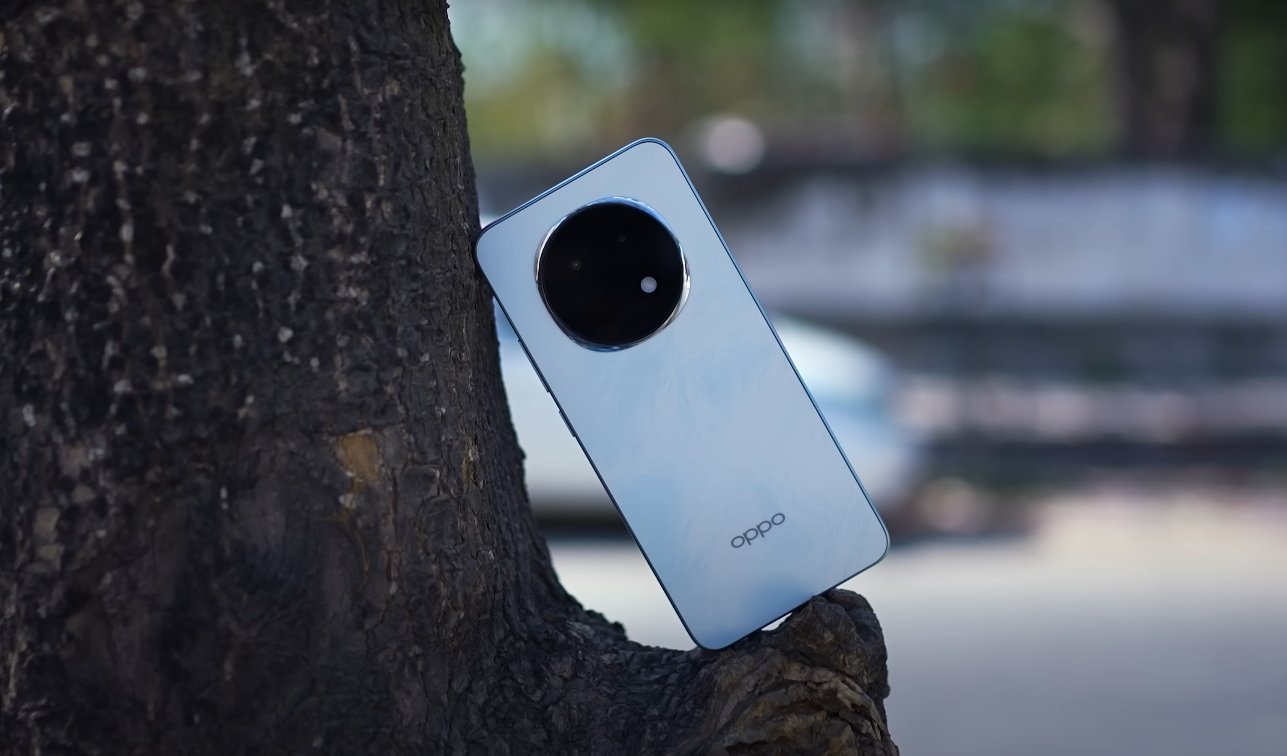
Overall, the OPPO F29 has exceeded expectations in terms of build and finish. From the back panel to the frame and button feel, everything comes together to give a refined and polished experience. For its price range, it feels like a step above most midrange phones in terms of physical quality.

OpenAI drops Mixpanel after analytics data leak

OpenAI drops Mixpanel after analytics data leak

Company Cuts Ties Following Third-Party Security Breach

OpenAI has ended its use of Mixpanel after the analytics provider suffered a security incident that exposed limited user data from certain API accounts. The decision marks a sharp response to a breach that, while not involving sensitive information, highlighted the risks posed by external vendors in managing digital services at scale.

The incident occurred when Mixpanel detected unauthorised access to part of its systems, leading to the export of a dataset connected to some OpenAI API users. The exposed details included names, email addresses, approximate locations and technical metadata such as browser and operating system information. Crucially, there was no access to chat logs, API keys, passwords or payment data.

OpenAI was quick to stress that its own systems were not compromised. Instead, the breach was confined entirely to Mixpanel’s infrastructure. Upon reviewing the incident, the company opted to remove Mixpanel from its live environment and initiate a broader audit into all third-party tools that handle data on its behalf. Notifications have been sent to affected users outlining what information was involved.

OpenAI drops Mixpanel after analytics data leak

For those impacted, the primary risk is the potential for phishing or social-engineering attempts. Email addresses and identity-related metadata can be used to craft convincing messages, even if more sensitive data remains secure. OpenAI has advised users to treat unexpected messages with caution and ensure multi-factor authentication is enabled to protect accounts.

The breach has also reignited discussions around the privacy implications of analytics tools. Many technology firms rely on external vendors to gather usage insights, but such relationships create dependencies on the security standards of those partners. As reliance grows, so too does the importance of rigorous oversight and clear data-handling policies.

Industry analysts note that OpenAI’s swift action signals a shift toward reducing reliance on third-party tracking tools where possible. By cutting ties quickly and publicly, the company aims to reinforce trust among its API customers, who depend on strong security practices while integrating AI into their own services.

While there is currently no evidence the leaked data has been misused, security experts warn that breaches involving identity metadata can still have long-tail effects. Attackers may attempt to exploit the information months later, making ongoing vigilance important for affected accounts.

OpenAI’s internal review of its vendor ecosystem is expected to continue as it looks to strengthen safeguards across all layers of its operations. The company has reiterated its commitment to transparency and is encouraging developers to remain alert to potential scams referencing the incident.

As the investigation progresses, the focus now shifts to how OpenAI will rebuild its analytics approach without Mixpanel. The company may explore in-house solutions or alternative tools with stricter security guarantees. For users, the key message remains clear: while sensitive data was not exposed, caution and security best practices are essential in the wake of the breach.

OnePlus Turbo is rumored to offer best battery life in its class

OnePlus Turbo is rumored to offer best battery life in its class

OnePlus Turbo Could Redefine Battery Endurance Standards

Rumors surrounding the upcoming OnePlus Turbo have captured the attention of tech enthusiasts and industry watchers alike, primarily due to its alleged record-breaking battery capacity. Early leaks indicate that the phone could feature an enormous battery, possibly setting a new benchmark for battery endurance among flagship and performance smartphones. While OnePlus has yet to officially confirm the specifications, multiple credible sources suggest that this new model will focus on delivering exceptional longevity alongside cutting-edge performance.

Reports suggest the OnePlus Turbo will feature a battery between 7,600 mAh and 8,000 mAh — a capacity that would make it one of the largest in any mainstream smartphone to date. In a market where most flagships hover around 4,500 mAh to 5,500 mAh, this leap in size is significant. If accurate, the device could easily deliver up to two days of heavy use or three days of moderate use on a single charge. Combined with optimized power management from the Snapdragon 8 Gen 5 processor, the Turbo’s battery performance could outshine both premium and gaming-focused phones from rival brands.

Complementing the massive battery is rumored support for 100W SuperVOOC fast charging. This would mean users could refill nearly half the battery in under 20 minutes, and achieve a full charge in roughly 35 to 40 minutes. This dual advantage of enormous capacity and rapid refueling could eliminate battery anxiety for most users, positioning the OnePlus Turbo as a device built for longevity and convenience. If OnePlus manages to maintain heat efficiency during charging, it could set a new standard for flagship power management.

OnePlus Turbo is rumored to offer best battery life in its class

The phone’s hardware design also plays a key role in supporting its endurance claims. The OnePlus Turbo is expected to house a 6.7-inch OLED display with a 1.5K resolution and a 165Hz adaptive refresh rate. Using LTPO technology, the screen can automatically reduce its refresh rate during idle periods or low-motion content, helping conserve power without sacrificing smoothness. This efficiency-driven display strategy, paired with advanced chipset optimization, gives the Turbo an edge in balancing high performance and low consumption.

Performance leaks hint that the Snapdragon 8 Gen 5 chipset will be at the heart of the device, offering improved efficiency and AI-driven power management. This new platform reportedly brings smarter thermal control and dynamic task scheduling, both of which directly enhance battery life. Combined with OxygenOS 15, based on Android 15, the phone is expected to deliver fluid multitasking, responsive gaming performance, and intelligent background optimization — all designed to stretch usage time further.

The OnePlus Turbo is also rumored to feature a streamlined dual-camera system, with a 50MP primary sensor and an 8MP ultra-wide lens. By avoiding overly complex camera hardware, OnePlus appears to be focusing on maximizing battery endurance rather than chasing unnecessary imaging upgrades. Other expected features include stereo speakers, an ultrasonic in-display fingerprint reader, and refined haptics powered by an X-axis linear motor. Together, these details suggest a balanced flagship device designed to perform consistently across all usage scenarios.

If OnePlus’s rumored pricing strategy holds true, the Turbo could arrive in the upper midrange or entry flagship segment, making it highly competitive for its specifications. Analysts speculate that the model may debut in select markets before the end of 2025, with India and Europe likely among the first to receive it. The combination of power efficiency, large capacity, and rapid charging could make it particularly appealing to users who value reliability over frequent charging cycles.

Overall, the OnePlus Turbo is shaping up to be a game-changing device in the performance smartphone category. With its massive battery, smart power management, and high-refresh display, it could deliver the best battery life in its class — a claim that aligns with the growing demand for endurance-oriented flagships. If official details confirm these leaks, the OnePlus Turbo could redefine expectations for battery performance and become a standout release in the company’s lineup.

OnePlus Turbo’s full specs leak, insane battery capacity included

OnePlus Turbo's full specs leak, insane battery capacity included

OnePlus Turbo Leaks Hint at a Massive Battery and Flagship Power

The upcoming OnePlus Turbo has captured global attention following a series of detailed specification leaks that highlight its enormous battery and high-end performance hardware. While OnePlus has not yet officially confirmed the model, multiple insiders and certification listings suggest the device is real and could debut by the end of the year. This new addition appears to be positioned as a performance-focused smartphone, built to deliver both endurance and speed for demanding users.

The most striking revelation from the leaks is the phone’s extraordinary battery capacity. Reports indicate that the OnePlus Turbo could house an 8,000 mAh battery — the largest ever in a mainstream OnePlus device. Such a capacity would easily outlast nearly all current flagship smartphones and could support up to two full days of regular use. The leaks also mention support for 100W SuperVOOC fast charging, meaning that despite its huge capacity, the battery could still top up in under 40 minutes. This combination of massive endurance and ultra-fast charging would give OnePlus a clear edge in the battery performance race.

Under the hood, the OnePlus Turbo is said to be powered by the Qualcomm Snapdragon 8 Gen 5 processor, which is the latest and most powerful chipset from Qualcomm. This new platform brings a significant leap in performance, energy efficiency, and AI processing capabilities compared to its predecessor. With this hardware, the OnePlus Turbo is expected to deliver console-level gaming performance, ultra-fast app response, and smoother multitasking. It is also likely to feature a new cooling system to manage heat under sustained heavy use, which would further appeal to gamers and power users.

OnePlus Turbo's full specs leak, insane battery capacity included

The display is another highlight of the leaked specifications. The OnePlus Turbo is rumored to feature a 6.7-inch OLED screen with a 1.5K resolution and a 165Hz refresh rate, offering a premium viewing experience for both entertainment and gaming. The panel is expected to use LTPO technology, which allows dynamic refresh rate adjustments for better battery efficiency. With minimal bezels and curved edges, the display design aligns with the brand’s recent push toward immersive visuals and fluid user interactions.

In terms of camera setup, early information points to a dual-sensor arrangement with a 50MP primary camera and an 8MP ultra-wide lens. While not as ambitious as the company’s flagship OnePlus 15 Pro camera array, the setup is still expected to deliver crisp and balanced photos. OnePlus seems to be targeting a practical balance between solid camera quality and power efficiency in this model, suggesting that the Turbo will prioritize performance and longevity over photography experimentation.

The leaks also describe several other premium features. These include stereo speakers with Dolby support, an ultrasonic in-display fingerprint sensor, and NFC functionality for seamless payments. Additionally, the Turbo may include enhanced haptic feedback with a new X-axis vibration motor for a more refined tactile response. The phone is expected to ship with OxygenOS 15, based on Android 15, providing users with a polished interface and extended software support, which OnePlus has improved upon in recent years.

Launch timelines are still speculative, but reports suggest OnePlus could unveil the Turbo in select markets by December. India and parts of Europe are expected to be among the first to receive it, with a wider rollout planned in early 2026. The pricing remains unconfirmed, though analysts predict it will fall between the mid-premium and flagship categories, offering high-end specs at a competitive price point.

If these leaks prove accurate, the OnePlus Turbo could become one of the most talked-about smartphones of the season. Its combination of a colossal battery, ultra-smooth display, and flagship-level processing power may redefine user expectations in terms of endurance and performance. For buyers who value all-day reliability and raw speed over camera experimentation, the Turbo looks ready to set a new benchmark for OnePlus in the performance-focused smartphone market.

Also Read:  iQOO 15 software update policy may impress UK users