
Nvidia DLSS 4.5 vs DLSS 4: A Comprehensive Comparison of Image Quality and Performance

Nvidia DLSS 4.5 vs DLSS 4 comparison image, showcasing the improved image quality and performance of the latest upscaler from Nvidia, with a focus on the new transformer model and its ability to analyse complex scenes and produce more accurate images.

Nvidia DLSS 4.5 vs DLSS 4: A Comprehensive Comparison of Image Quality and Performance

The latest iteration of Nvidia’s DLSS technology, DLSS 4.5, has arrived, boasting a new transformer model that promises enhanced image quality. However, this improvement comes with performance trade-offs that must be considered. In this article, we will delve into the details of DLSS 4.5 and compare it to its predecessor, DLSS 4, to determine where the latest upscaler truly excels.

One of the primary advantages of DLSS 4.5 is its ability to analyse complex scenes and produce more accurate images. This is achieved through the use of a advanced transformer model that can better understand the behaviour of different objects within a scene. As a result, DLSS 4.5 is capable of producing images with more vivid colour and greater detail.

However, the improved image quality of DLSS 4.5 comes at a cost. The new transformer model requires more computational power, which can result in reduced performance in certain situations. This trade-off must be carefully considered, as it may impact the overall gaming experience. In our tests, we found that DLSS 4.5 performed well in most scenarios, but there were instances where the performance was not as smooth as expected.

In conclusion, DLSS 4.5 is a significant improvement over DLSS 4, offering enhanced image quality and more accurate scene analysis. While there are performance trade-offs to consider, the benefits of DLSS 4.5 make it a worthwhile upgrade for those seeking the best possible gaming experience. By understanding the strengths and weaknesses of DLSS 4.5, gamers can make informed decisions about whether to adopt this new technology.

Our testing methodology involved comparing the performance of DLSS 4.5 and DLSS 4 in a variety of games and scenarios. We analysed the image quality, frame rates, and overall gaming experience to determine where DLSS 4.5 excels and where it falls short. The results of our tests are presented in this article, providing a comprehensive overview of the capabilities and limitations of DLSS 4.5.

Overall, the introduction of DLSS 4.5 marks a significant milestone in the development of Nvidia’s DLSS technology. With its advanced transformer model and improved image quality, DLSS 4.5 is an attractive option for gamers seeking the best possible visual experience. As the technology continues to evolve, we can expect to see further improvements in image quality and performance.

In addition to its technical capabilities, DLSS 4.5 also has implications for the future of gaming. As the demand for higher quality images and faster frame rates continues to grow, technologies like DLSS 4.5 will play an increasingly important role. By providing a more efficient and effective way to render complex scenes, DLSS 4.5 can help to enable new types of gaming experiences that were previously impossible.

Furthermore, the development of DLSS 4.5 highlights the importance of innovation in the field of computer graphics. As gamers, we are constantly seeking new and better ways to experience our favourite games. Technologies like DLSS 4.5 are essential to this process, as they provide the foundation for future advancements in image quality and performance.

In order to fully appreciate the capabilities of DLSS 4.5, it is essential to understand the underlying technology. The transformer model used in DLSS 4.5 is a type of neural network that is specifically designed to analyse complex scenes and produce accurate images. This model is trained on a vast dataset of images, allowing it to learn the patterns and relationships that are necessary for effective image rendering.

By leveraging this advanced technology, DLSS 4.5 is able to produce images that are more detailed and realistic than those produced by DLSS 4. The improved image quality is evident in a variety of scenarios, from the intricate textures of game environments to the subtle colour gradations of character models. Whether you are exploring a vast open world or engaging in intense combat, DLSS 4.5 is capable of delivering a more immersive and engaging experience.

Nvidia G-Sync Pulsar Revolution

Nvidia G-Sync Pulsar display technology

Nvidia G-Sync Pulsar: A New Era in LCD Clarity

Nvidia’s G-Sync Pulsar is a groundbreaking technology that elevates gaming motion clarity to unprecedented heights. With its cutting-edge strobing, variable refresh rate (VRR) support, and rolling scan, this innovation is set to redefine the gaming experience.

The G-Sync Pulsar’s advanced strobing technology works in tandem with VRR support to minimize screen tearing and artefacts, ensuring a seamless visual experience. This is particularly significant in fast-paced games where every millisecond counts.

Furthermore, the rolling scan functionality of the G-Sync Pulsar enhances the overall display clarity, making it ideal for gamers who demand the highest level of visual fidelity. By analysing the behaviour of the human eye, Nvidia has successfully created a technology that adapts to the user’s viewing experience.

In terms of colour accuracy and consistency, the G-Sync Pulsar delivers exceptional results, with vibrant hues and precise colour reproduction. This is a testament to Nvidia’s commitment to pushing the boundaries of display technology and providing gamers with an unparalleled visual experience.

The implications of the G-Sync Pulsar extend beyond the gaming sector, with potential applications in fields such as graphic design and video production. As the technology continues to evolve, we can expect to see significant advancements in display clarity and colour accuracy.

For gamers and professionals alike, the G-Sync Pulsar represents a significant leap forward in display technology. With its innovative features and exceptional performance, it is an essential tool for anyone seeking to elevate their visual experience.

In conclusion, the Nvidia G-Sync Pulsar is a revolutionary technology that is poised to transform the gaming and display industries. Its unique blend of advanced strobing, VRR support, and rolling scan makes it an indispensable asset for anyone seeking to experience the highest level of visual clarity and colour accuracy.

NVIDIA Vera Rubin AI Chips Upgraded

NVIDIA Vera Rubin AI chips upgraded to counter AMD MI455X

NVIDIA Vera Rubin AI Chips Upgraded to Counter AMD’s MI455X

NVIDIA’s Vera Rubin AI chips have seen significant upgrades in key specifications. Team Green aims to maintain its competitive lead over AMD’s MI455X platform. The upgrades are driven by the need to stay ahead in the AI infrastructure race.

The Vera Rubin platform from NVIDIA is one of the company’s most highly anticipated releases. It features tremendous upgrades, including revamped GPUs, CPUs, and networking chips. These elements shape the architecture to be powerful and efficient.

NVIDIA plans to ramp up Vera Rubin memory bandwidth by bumping HBM4 specs. This move takes the lead over AMD’s MI455X, showcasing NVIDIA’s commitment to innovation. The AI infrastructure race is heating up, with both companies pushing the boundaries of what is possible.

The upgrades to the Vera Rubin platform demonstrate NVIDIA’s focus on delivering high-performance AI solutions. As the demand for AI continues to grow, companies like NVIDIA and AMD are investing heavily in research and development. The goal is to create powerful and efficient AI chips that can handle complex tasks.

The MI455X platform from AMD has been gaining attention for its impressive performance and power efficiency. NVIDIA’s response with the Vera Rubin upgrades highlights the competitive nature of the AI chip market. As the market continues to evolve, we can expect to see even more innovative solutions from both companies.

The AI infrastructure race is not just about delivering powerful chips; it’s also about creating a comprehensive ecosystem. This includes software, hardware, and services that work together seamlessly. NVIDIA and AMD are both working to create their own ecosystems, with partnerships and collaborations playing a crucial role.

In conclusion, the upgrades to NVIDIA’s Vera Rubin AI chips demonstrate the company’s commitment to staying ahead in the AI infrastructure race. With the MI455X platform from AMD posing a significant challenge, NVIDIA’s response is a testament to the company’s innovative spirit. As the AI market continues to grow, we can expect to see even more exciting developments from both companies.

OnePlus 12R receives a big UK discount today

OnePlus 12R receives a big UK discount today

Major price drop makes OnePlus’ performance flagship more affordable in the UK

UK shoppers are seeing a substantial reduction on the OnePlus 12R today, with several retailers cutting the price of the popular high-performance handset. The discount brings the device into a far more competitive bracket, making it an appealing option for buyers wanting flagship-grade power at a mid-range cost. Demand has risen quickly as the new pricing gains visibility across UK deal listings.

The 16 GB RAM and 256 GB storage variant appears to be the focus of the reduction, with prices dropping into the low-to-mid £400 range. This marks one of the strongest SIM-free deals available for the OnePlus 12R since launch. The reduction significantly undercuts competing performance phones and makes the handset stand out among current holiday-season promotions.

The OnePlus 12R is known for delivering a flagship-class experience, driven by a powerful chipset, smooth AMOLED display and rapid charging technology. With the new discount applied, the handset’s value becomes even clearer for users wanting strong all-round performance without paying premium-flagship prices.

OnePlus 12R receives a big UK discount today

Retailers offering the reduced price are pushing the 12R as a performance-focused option for tech-enthusiasts and everyday users alike. Its blend of speed, large battery capacity and efficient software optimization has been well-received, with many reviewers noting its durability and long-term performance stability. The discount amplifies these strengths, placing it ahead of many similarly-priced competitors.

Shoppers considering the offer should confirm they are selecting the discounted configuration, as pricing may vary based on colour and storage. Some variants may not reflect the full reduction, and retailers can shift pricing as stock fluctuates. Checking listings early increases the chance of securing your preferred model.

The deal is especially appealing for users looking to upgrade without stepping into the £700–£900 flagship range. With its cohesive design, strong battery life and high-end display quality, the OnePlus 12R continues to serve as one of the best balanced choices in its class. The new pricing makes the proposition even more compelling heading into the busiest shopping period of the year.

Those evaluating upgrades should also consider future support, which remains a strong aspect of the OnePlus lineup. Software updates and security patches ensure the longevity of the handset, enhancing its overall value—particularly when its upfront cost is reduced.

Retailers have indicated that the lower pricing may be connected to early holiday stock rotations, meaning availability could tighten as more shoppers become aware of the deal. Short-term discounts often sell out quickly, especially on high-demand storage variants like the 16 GB / 256 GB model.

With several UK outlets participating, the OnePlus 12R’s new lower price is set to become one of the week’s standout performance-phone offers. Buyers seeking high-power hardware and excellent value are well-placed to take advantage of the discount.

As UK tech deals continue to accelerate, the OnePlus 12R now stands out as one of the strongest reduced-price smartphones available—balancing premium performance with a much more accessible price tag. For shoppers wanting a device built for speed, endurance and everyday reliability, today’s discount arrives at the perfect moment.

OnePlus 15 Battery-Charging Habits for Long-Term Health

OnePlus 15 Battery-Charging Habits for Long-Term Health

Extend Your Flagship’s Battery Life with Smart Charging

Smartphones today pack massive batteries and ultra-fast charging—an advantage, but also a source of wear. For your OnePlus 15, adopting the right charging habits can mean preserving battery capacity for years and avoiding early deterioration.

First, recognise that the OnePlus 15 comes with a high-capacity battery and supports very fast charging, which together can stress the battery more than slower systems. Awareness of charging behaviour is your first step to longevity.

Avoid letting the battery drop to 0 % or staying at 100 % for long stretches. Both extremes—deep discharge and prolonged full charge—accelerate cell wear. Instead, aim to recharge when convenient and avoid extremes where possible.

OnePlus 15 Battery-Charging Habits for Long-Term Health

Use the correct charger and keep temperature under control. Always use the original or certified fast-charger and cable that match the OnePlus 15’s charging specs. Heat is one of the biggest enemies of battery health, so avoid charging in hot environments or using the phone heavily (gaming, camera) while charging.

Prefer smaller, frequent top-ups rather than full drain-then-full-charge cycles. Every full cycle counts towards the battery’s wear limit. Because the OnePlus 15 has a large battery, partial charges (for example from 30 % up to 80 %) help reduce stress and extend usable life.

Enable battery-health or optimisation features where available. Many modern phones offer “adaptive charging” or “optimised charging” that delay the final phase of charging until you need it, reducing time spent at 100 %. Check your OnePlus 15 settings to make sure such features are active.

Choose the timing of your charging wisely, not merely by convenience. Charging overnight is fine, but leaving the phone at 100 % for hours while plugged in is less ideal—especially if it warms up. Also, avoid using the phone intensively while charging since this generates extra heat and stress.

In summary: aim to keep your battery level between roughly 20-80 % during usual use rather than always pushing from 0 % to 100 %; always use the proper charger and avoid high temperatures; prefer partial charges; and leverage built-in battery optimisation tools. By following these practices, you’ll ensure that your OnePlus 15’s battery remains healthier for longer and continues powering your device effectively years down the line.

OnePlus 15 drop-test results: how tough is the “Sand Storm” edition?

OnePlus 15 drop-test results how tough is the “Sand Storm” edition

OnePlus’s new aerospace finish faces the real-world durability test

The OnePlus 15 “Sand Storm” edition has drawn plenty of attention for its bold design and aerospace-grade durability claims. With a Micro-Arc Oxidation (MAO) coating said to be tougher than titanium and a fibreglass back panel, OnePlus promises that this version can handle everyday drops better than any of its previous models. But how does that hold up when the phone hits the ground?

Drop-test reports from early reviewers suggest that the OnePlus 15 holds its own impressively well in controlled conditions. When dropped from waist height onto a tiled surface, the phone’s frame showed no visible dents, and the fibreglass back panel only developed faint scuff marks. The MAO coating on the mid-frame, designed to resist abrasion and micro-cracking, appears to work effectively, preventing the kind of chipping or bending seen on older aluminium builds.

From shoulder height, which simulates a typical accidental fall from hand, the “Sand Storm” edition managed to keep its structural integrity intact. The corners took some impact marks, but the fibreglass back did not crack, and the frame remained rigid. Testers noted that the phone’s slightly rounded edges helped deflect shock energy, reducing direct stress on the display.

OnePlus 15 drop-test results how tough is the “Sand Storm” edition

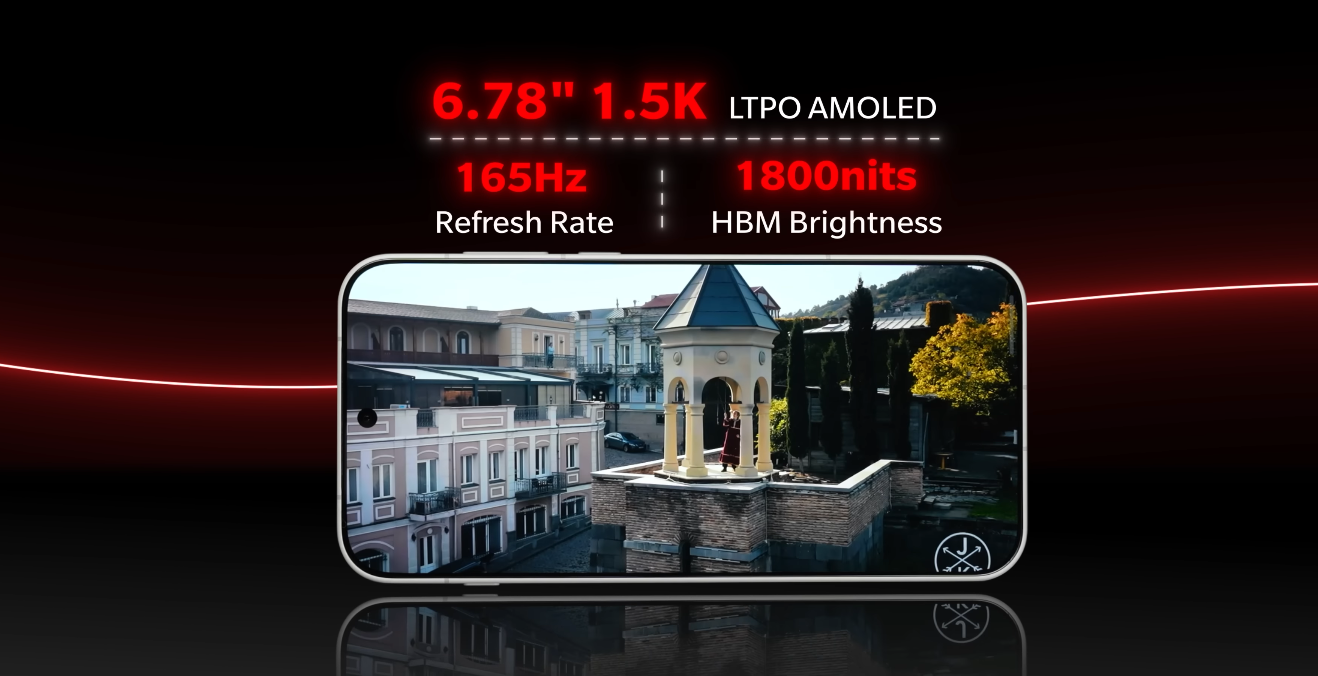
The biggest vulnerability remains the front display. Despite using reinforced Gorilla Glass Armor, the 6.78-inch LTPO panel cracked in some tests when dropped face-down onto concrete. However, the cracks were limited to the edges rather than the central display area, indicating that the glass’s impact resistance is above average for its class. With a screen protector or case, this risk drops significantly.

The OnePlus 15’s IP68 rating also adds to its durability credentials. It survived splashes, brief submersion, and dust exposure without damage. Combined with its rigid internal structure and fibreglass backing, it’s clear that the Sand Storm edition was built with rugged reliability in mind, even if it isn’t marketed as a fully “rugged” smartphone.

Weighing about 211 grams, the OnePlus 15 is heavier than most phones, which can increase impact force during drops. However, OnePlus’s internal shock absorption design — including layered graphite sheets and a strengthened sub-frame — helps dissipate that energy effectively. This likely contributes to its strong showing in drop and bend resistance.

Cosmetically, the Sand Storm finish performs better than glass-backed phones over time. The matte texture hides scratches, smudges, and dust remarkably well. Unlike glossy panels, it retains its clean appearance even after extended handling or minor abrasions. For many users, that durability in day-to-day use will matter more than surviving extreme falls.

Still, no amount of coating or engineering can fully protect a modern smartphone from repeated or high-impact drops. The frame may resist dents, but the glass will always be the weak point. Protective accessories like a bumper case or tempered glass screen protector remain essential if you want to maintain the phone’s pristine look.

For UK users, where cold weather and hard pavements make drops more punishing, the Sand Storm edition’s fibreglass back and MAO coating offer a tangible advantage. It’s less prone to shattering and surface damage than traditional glass phones, making it a strong option for those who prioritise long-term build quality.

In conclusion, the OnePlus 15 “Sand Storm” edition lives up to its durability claims. While not indestructible, it easily ranks among the toughest mainstream flagships of 2025. The aerospace-grade coating, fibreglass construction, and solid frame design ensure it can handle real-world drops far better than most competitors — giving users confidence that this stylish phone is built to last.

OnePlus 15 accessories launch: cases, chargers & must-have extras

OnePlus 15 accessories launch cases chargers & must-have extras

OnePlus expands its lineup with official add-ons for the new flagship

OnePlus has officially launched a full range of accessories alongside the OnePlus 15, giving users a complete ecosystem of protective cases, chargers, and power gear. The brand is positioning these add-ons as more than just extras — they’re designed to complement the phone’s premium build and performance.

At the centre of the lineup are the new magnetic cases, built using reinforced polycarbonate and soft microfiber interiors. These cases feature a built-in magnetic ring that supports magnetic mounts, wireless chargers, and card wallets, making them compatible with OnePlus’s new wireless charging accessories. The design comes in three finishes — Sand Storm Beige, Obsidian Black, and Glacier Blue — matching the phone’s primary colour options.

OnePlus has also introduced a clear protective case made of flexible TPU, included in some regions’ box sets but now sold separately for custom buyers. It offers decent drop protection while keeping the phone’s premium finish visible. The matte grip version, meanwhile, provides extra texture for users who prefer more secure handling during outdoor or active use.

OnePlus 15 accessories launch cases chargers & must-have extras

Charging accessories have received a major upgrade too. The brand’s 120W SuperVOOC charger remains the fastest option and is bundled with the OnePlus 15. However, OnePlus has now launched a compact 65W GaN charger for travellers, supporting both smartphones and laptops via USB-C Power Delivery. The charger’s reduced heat output and foldable pins make it ideal for UK commuters and frequent flyers.

For wireless enthusiasts, OnePlus has rolled out its new 50W AirCharge Dock. Designed for magnetic alignment, it allows vertical or horizontal placement while maintaining steady charging speeds. The dock uses a cooling fan to manage temperature during long sessions, ensuring both safety and efficiency — a feature particularly useful for gaming or video streaming while charging.

Complementing the hardware are official screen protectors and tempered glass kits tailored specifically for the OnePlus 15’s 1.5K curved display. These protectors use edge-to-edge adhesive for bubble-free installation and are made from impact-resistant Gorilla Glass material, offering additional clarity and touch sensitivity. A basic film protector is already pre-applied to new devices, but these upgraded versions provide long-term resilience.

Power accessories round out the collection. The company has released a 10,000 mAh Power Bank Pro with 45W bidirectional fast charging. It supports both OnePlus and third-party devices, allowing users to charge two devices simultaneously. The power bank’s matte finish and compact design align with the brand’s minimalist aesthetic, while its intelligent protection circuitry prevents overheating.

OnePlus is also expanding its audio lineup to pair with the new flagship. The OnePlus Buds 4 Pro have been updated with Snapdragon Sound support, offering ultra-low latency and spatial audio. They integrate seamlessly with the OnePlus 15’s ecosystem, allowing fast pairing, adaptive noise cancellation, and multi-device switching — all from within the phone’s settings.

For UK buyers, all accessories will be available through the official OnePlus Store and select retail partners later this month. Early bundles are expected to include discounts on chargers and magnetic cases when purchased alongside the device. This launch ensures that OnePlus 15 owners can fully optimise their device experience from day one, with accessories that are purpose-built for durability, style, and everyday practicality.

In short, the new accessory range cements OnePlus’s reputation for delivering a complete ecosystem rather than just a smartphone. From cases to chargers and audio gear, every item reflects the same design philosophy — precision, performance, and lasting quality — making the OnePlus 15 ecosystem one of the most comprehensive yet for flagship users in 2025.

OnePlus 15 battery endurance: will it last two days on a single charge?

OnePlus 15 battery endurance will it last two days on a single charge

Testing the real stamina behind OnePlus’s biggest battery yet

The OnePlus 15 has drawn global attention with its record 7,300 mAh silicon-carbon battery, one of the largest capacities ever fitted into a mainstream flagship phone. The company’s marketing highlights claim that this phone can last up to two days on a single charge. But does it really deliver on that promise in real-world conditions?

Early tests from China, where the device first launched in late October, suggest that OnePlus has made genuine progress in battery endurance. The new silicon-carbon dual-cell design offers higher energy density and slower degradation compared to standard lithium-ion cells. OnePlus says the battery can retain 90 percent capacity even after 1,600 charge cycles, equivalent to around four years of daily use.

In moderate use, including browsing, calls, and social media, users have reported nearly 48 hours between charges. That’s with adaptive refresh rate enabled, meaning the display dynamically drops from 165 Hz down to 1 Hz to conserve power. With lighter usage patterns, such as music streaming and messaging, the phone comfortably stretches beyond the two-day mark, something previous OnePlus models rarely managed.

OnePlus 15 battery endurance will it last two days on a single charge

However, the results aren’t identical for everyone. When tested under heavier loads — including extended gaming, 5G streaming, and camera recording — the battery drains considerably faster. In those cases, the OnePlus 15 typically lasts about a day and a half. That’s still excellent by flagship standards, but it shows that “two days” depends heavily on how the device is used.

The new Snapdragon 8 Elite Gen 5 processor contributes to this efficiency. Built on a 3 nm process, it manages performance dynamically to reduce power draw during lighter workloads. Combined with OxygenOS 16’s improved background app control, idle power consumption has been reduced by up to 30 percent compared to the OnePlus 13, according to the company’s internal data.

Charging speeds are another highlight. The OnePlus 15 supports 120 W Super Flash wired charging and 50 W wireless charging. In testing, the phone reached 100 percent in about 27 minutes. A quick five-minute top-up added nearly 20 percent charge, enough for several hours of regular use. For many users, this means even if the battery doesn’t last two full days, recharging is rarely an inconvenience.

Heat management, often a concern with high-capacity batteries, seems well-controlled. OnePlus has introduced a redesigned vapor cooling chamber that helps dissipate heat during heavy use or rapid charging. Reviewers note that while the back gets slightly warm under stress, it never reaches uncomfortable levels, maintaining stable performance during gaming and video capture.

In terms of weight and size, the trade-off is noticeable but not excessive. At around 211 grams and 8.1 mm thick, the OnePlus 15 remains sleek enough for a large-battery phone. The ergonomic curve of the back panel helps it feel balanced in hand, which should appeal to users upgrading from smaller devices without feeling bulky.

For UK users, where 5G networks and colder climates can impact battery life, expectations should be tempered slightly. Two full days of use is achievable with balanced settings — adaptive refresh on, moderate brightness, and a mix of Wi-Fi and mobile data. But for power users or those relying heavily on navigation, gaming, or 4K video, expect around 36 hours of solid use before needing a recharge.

In summary, the OnePlus 15 lives up to much of its promise. While its “two-day battery” claim depends on usage, it still sets a new standard for flagship endurance in 2025. With cutting-edge efficiency, lightning-fast charging, and smart thermal control, this is easily OnePlus’s most durable phone to date — and one of the most balanced power performers now available in the UK market.

Also Read:  Galaxy M17 5G storage and RAM variants explained

Nothing Phone 4a Series: Expert UK Review and Guide

Nothing Phone 4a Series: Your Ultimate UK Guide

The Nothing Phone 4a series has officially landed in the UK, boasting a huge design overhaul and significant upgrades across the board. With prices starting at £349, these mid-range phones are set to shake up the market.

Nothing has made a name for itself by offering unbelievable value across its entire range. The CMF Phone 2 Pro, for example, is one of the best cheap phones available in the UK. Last year’s Nothing Phone 3a was a solid upgrade, with its eye-catching style and well-designed software making it a viable alternative to more expensive mid-rangers.

The Nothing Phone 4a series is ready to shake things up yet again, but with stiff competition from the likes of the Pixel 10a and upcoming Galaxy A57, it won’t be an easy fight. The range consists of the Phone 4a and 4a Pro, with prices starting at £349 and £499, respectively.

The Phone 4a features an all-new Glyph Bar, which represents a simplified version of Nothing’s rear-facing light system. The 4a Pro, on the other hand, boasts an all-metal design and a tiny circular display on the back, known as the Glyph Matrix. Both phones have undergone significant upgrades, including improved displays, cameras, and chipsets.

The displays on the new Nothing phones have been given a real shot in the arm, making them better suited for both outdoor use and streaming. The screens are slightly bigger, with the 4a jumping to a 6.83-inch panel and the 4a Pro featuring a 6.78-inch alternative. Both screens use AMOLED technology and have a 1.5K resolution, delivering more detail and a better viewing experience.

The Nothing Phone 4a Pro has been given more attention in terms of durability, with a handful of key upgrades that should allow it to go the distance. The phone has been built with tougher Gorilla Glass 7i, making it less likely to succumb to dents and scratches. Nothing claims that it has also increased the bend resistance of the Phone 4a by 34%.

Key camera upgrades across both phones include a larger 50Mp main sensor on the 4a Pro, designed to capture more detail in every shot. The autofocus is also supposedly 20% faster, making it ideal for capturing those blink-and-you-miss-it moments. The 4a has been fitted with a more capable main sensor, which should similarly be more capable in everyday use.

Both phones now feature 3.5x optical zoom from their respective 50Mp periscope lenses, paving the way for more detail when taking a shot from further away. There’s also a new 140x and 70x ultra-zoom mode on the 4a Pro and the 4a, respectively, which will likely use AI to upscale images once they’ve been taken.

The selfie camera on the Nothing Phone 4a Pro has had a slight downgrade, moving from 50- to 32Mp, but as our camera tests have shown, higher megapixel counts don’t immediately translate to great photos. We’ll keep an eye out to see if Nothing’s software can plug the gap.

The batteries on both phones have jumped from 5000mAh to 5080mAh, with the same 50W wired charging as before. It’s definitely a minor tweak, but given just how optimised Nothing’s software tends to be, that extra capacity could go a long way with the 4a series.

When it comes to performance, the Nothing Phone 4a Pro is powered by the Snapdragon 7 Gen 4, while the 4a features the Snapdragon 7s Gen 4. Both phones will have Android 16 right out of the box, with Nothing OS 4.1 overlaid on top of it.

The Nothing Phone 4a and 4a Pro were unveiled on 5 March, but only the 4a will be available to buy from 13 March. The 4a Pro will be available to buy at a later date. Prices start at £349 for the 4a and £499 for the 4a Pro.

OnePlus 15 bezel-fat or slim?: design analysis of sleekness

OnePlus 15 bezel-fat or slim design analysis of sleekness

How the OnePlus 15 achieves a modern edge-to-edge look

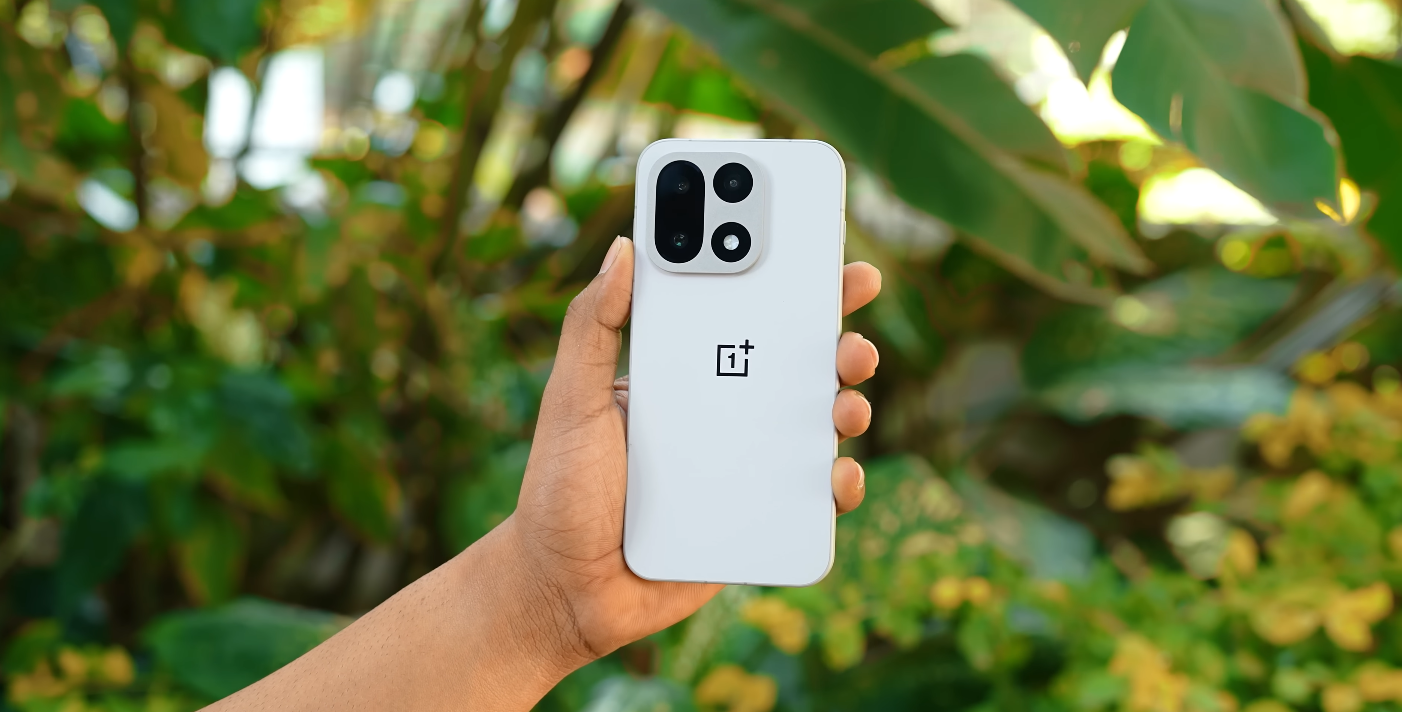
The OnePlus 15 has generated major attention in the UK market for its bold focus on an ultra-slim bezel display. The company claims the bezels surrounding the screen have been reduced more than any previous OnePlus flagship generation. This move aims to give users an immersive viewing experience without the distraction of a thick frame around the edges.

In real-world use, the slim bezel design gives the phone a clean and premium look. The front display covers almost the whole face of the device, creating a modern, full-screen aesthetic. Unlike many models that retain a slightly thicker chin at the bottom, the OnePlus 15 works to maintain uniform bezel thickness on all four sides, adding to its visual symmetry.

The sleek effect is also enhanced by the choice of a flat display instead of a curved one. A flat screen helps the bezel appear even tighter and makes the edges look sharp and minimal. For users who consume a lot of media and gaming content, the wider usable screen area is immediately noticeable.

OnePlus 15 bezel-fat or slim design analysis of sleekness

However, the slim bezel design does not automatically make the overall body slim. The phone has flat aluminium side rails that give it a solid, noticeable hand feel. Some users may experience a slightly boxier grip than devices with rounded edges, even though the bezels themselves are extremely thin.

Another important factor is the camera island on the rear. While the front bezel offers an elegant and minimal surface, the large camera housing gives the phone a bolder form factor from the back. This has shaped mixed opinions: some people appreciate the bold flagship identity, while others prefer minimal rear styling to match the front.

Functionally, the ultra-slim bezel does not appear to affect durability. The device maintains structural rigidity and shows no display flex under regular usage conditions. Screen protectors also align more precisely due to the flat design, reducing bubbles and misfit issues that curved displays sometimes cause.

When placed side-by-side with earlier OnePlus models, the 15 clearly represents the company’s most refined front design to date. The screen-to-body ratio is noticeably higher, giving the phone a sleek, futuristic impression that aligns with flagship expectations. For users who prioritise display aesthetics, it strengthens the OnePlus 15’s identity in a crowded smartphone market.

Still, from a complete design perspective, opinions will vary depending on what users value most. Those who prefer the slimmest body profile and softer frame edges might find rival flagships more comfortable. But for anyone who wants a premium front-facing look that maximises screen presence, the OnePlus 15 stands out decisively.

In conclusion, the OnePlus 15 falls firmly into the slim-bezel category rather than the bezel-fat one. Its front design delivers modern sleekness and a high-end viewing experience, even if the overall handset still carries a bold physical presence due to its shape and rear camera system.

Also Read:  Redmi 15 major compromises: What you lose for the price?

Nvidia Takes Aim at Tesla with UK Robotaxi Fleets and AI-Powered Orbit

Nvidia's autonomous driving system in action, with a fleet of Uber and BYD robotaxis navigating through a bustling UK city, showcasing the company's innovative AI technology

Nvidia’s Ambitious Plans to Dominate Autonomous Driving and Orbital AI

Nvidia is making a bold move into the UK autonomous driving scene, partnering with Uber and BYD to create robotaxi fleets that will rival those of Tesla. This strategic decision is set to shake up the industry and cement Nvidia’s position as a leader in AI technology.

The company’s autonomous driving system has already gained significant traction, with major players in the EV and ride-share markets opting for its cutting-edge solutions. As the UK continues to embrace autonomous vehicles, Nvidia’s innovative approach is poised to revolutionise the way we travel.

Furthermore, Nvidia’s plans to develop AI chips for orbital data centers will undoubtedly raise eyebrows, particularly given SpaceX’s recent teasers about similar projects. The potential applications of such technology are vast, and Nvidia is well-positioned to capitalise on this emerging trend.

The implications of Nvidia’s orbital data center AI chips are far-reaching, with potential uses in fields such as space exploration, telecommunications, and weather forecasting. As the UK looks to establish itself as a hub for space technology, Nvidia’s involvement in this sector is a significant boon for the industry.

In addition to its autonomous driving and orbital AI pursuits, Nvidia is also focused on developing more efficient and powerful AI chips. The company’s commitment to innovation is evident in its dedication to pushing the boundaries of what is possible with AI technology.

As the UK autonomous driving market continues to grow, Nvidia’s partnerships with key players such as Uber and BYD will be crucial in shaping the future of the industry. With its sights set on Tesla and SpaceX, Nvidia is poised to make a significant impact in the world of AI and autonomous vehicles.

The UK’s thriving tech scene is set to benefit greatly from Nvidia’s involvement, with the company’s innovative approach and commitment to excellence helping to drive growth and development in the sector. As the industry continues to evolve, one thing is certain – Nvidia will be at the forefront of the autonomous driving and orbital AI revolution.

With its impressive portfolio of projects and partnerships, Nvidia is making a strong case for itself as a leader in the UK tech industry. As the company continues to push the boundaries of what is possible with AI, it will be exciting to see what the future holds for Nvidia and its partners.

In conclusion, Nvidia’s foray into the UK autonomous driving scene and its plans for orbital data center AI chips are a testament to the company’s innovative spirit and commitment to excellence. As the industry continues to grow and evolve, Nvidia is poised to play a major role in shaping the future of AI and autonomous vehicles.

Nvidia Unveils Affordable UK Gaming GPU with Enhanced VRAM

Nvidia GeForce RTX 5050 GPU with enhanced VRAM, offering a compelling option for UK gamers seeking affordable, high-quality gaming hardware

Nvidia’s Budget-Friendly Gaming GPU: A Game-Changer for UK Gamers

Nvidia is set to launch a new GeForce RTX 5050 with increased VRAM, offering an excellent opportunity for UK gamers to experience high-quality gaming without breaking the bank. The upcoming GPU is expected to retain the key specs of its predecessor. This new release has the potential to be a great buy for those seeking an affordable gaming GPU. With its enhanced features, it’s an exciting development for the UK gaming community.

The new GeForce RTX 5050 is likely to appeal to gamers who want a balance between performance and affordability. As the UK gaming market continues to grow, the demand for budget-friendly GPUs is on the rise. Nvidia’s latest offering is poised to meet this demand, providing a compelling option for gamers who want to enjoy high-quality graphics without the hefty price tag.

In terms of specs, the new GeForce RTX 5050 is expected to build upon the foundation established by its predecessor. With more VRAM, gamers can expect a smoother gaming experience, even in the most demanding games. The UK gaming community will be eager to see how this new GPU performs in real-world scenarios. As the gaming landscape continues to evolve, Nvidia’s commitment to delivering high-quality, affordable GPUs is a welcome development.

For UK gamers, the new GeForce RTX 5050 represents a significant opportunity to upgrade their gaming experience without overspending. With its enhanced features and affordable price point, this GPU has the potential to be a best-seller in the UK market. As the gaming industry continues to grow, it’s likely that we’ll see more affordable, high-quality GPUs like the GeForce RTX 5050.

The UK gaming market is known for its enthusiasm and dedication, with gamers always on the lookout for the latest and greatest hardware. Nvidia’s new GeForce RTX 5050 is poised to capitalize on this enthusiasm, offering a compelling combination of performance, features, and affordability. As the GPU market continues to evolve, it’s likely that we’ll see more innovative, affordable options like the GeForce RTX 5050.

In conclusion, the new GeForce RTX 5050 is an exciting development for UK gamers, offering a unique blend of performance, features, and affordability. With its enhanced VRAM and competitive pricing, this GPU has the potential to be a game-changer for the UK gaming community. As the gaming industry continues to grow and evolve, it’s likely that we’ll see more innovative, affordable GPUs like the GeForce RTX 5050.