NVIDIA RTX 5090 Connector Issue Persists Despite 500W Power Limit

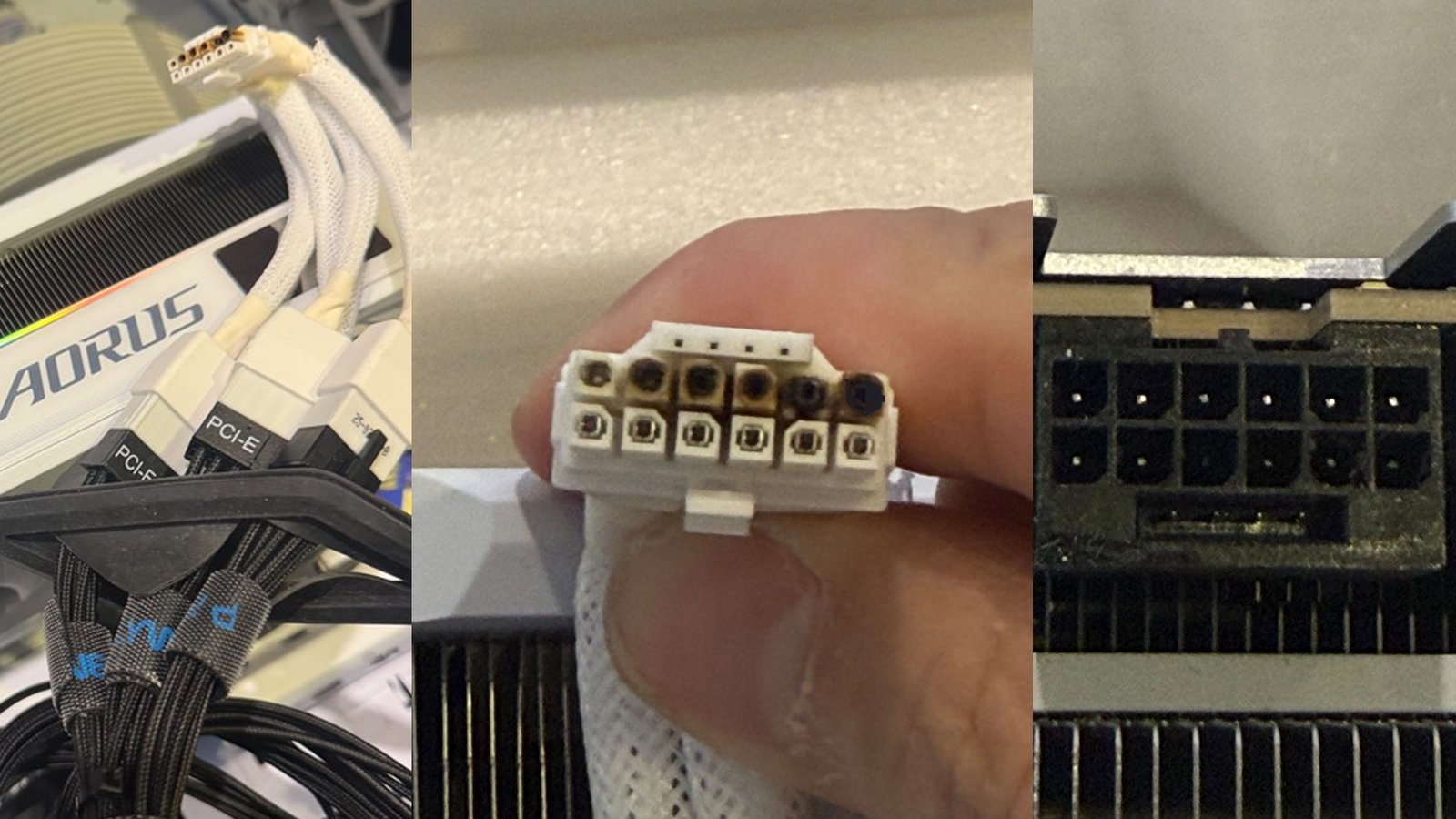
A close-up of a burnt 16-pin power connector on an NVIDIA RTX 5090 GPU, highlighting the issue of connector melting and the need for a safe and reliable design

NVIDIA RTX 5090 Connector Issue: A Persistent Problem

The NVIDIA RTX 5090 has been plagued by a notorious issue: the 16-pin power connector’s tendency to overheat and melt. Despite efforts to mitigate this problem, users continue to report burnt connectors, even when restricting power consumption to 500W or less. This has become a major concern for those seeking to push their GPUs to the limit.

A recent incident involving a GIGABYTE RTX 5090 user highlights the severity of the issue. The user, who had taken steps to limit power consumption, still experienced a burnt 16-pin power connector. This has raised questions about the safety and reliability of the 16-pin connector design.

In contrast to the traditional 6-pin or 8-pin PCIe connectors, the 16-pin connector has proven to be a significant source of trouble. Manufacturers have attempted to address the issue through various mitigation methods, but the problem persists. As a result, users are being forced to take extra precautions to protect their GPUs from damage.

The situation has become increasingly unsettling, with many users feeling that the 16-pin connector is a ticking time bomb waiting to cause chaos. The fact that even careful users, who restrict power consumption to safe levels, are still experiencing connector melting, has sparked a heated debate about the design and safety of the 16-pin connector.

As the debate rages on, one thing is clear: the 16-pin connector issue is a major concern for NVIDIA RTX 5090 users. Until a permanent solution is found, users will be forced to navigate this complex and potentially damaging issue. The question on everyone’s mind is: what can be done to prevent connector melting and ensure the safe operation of the NVIDIA RTX 5090?

For now, users are advised to exercise extreme caution when using their GPUs, ensuring that power consumption is kept within safe limits. However, this is only a temporary solution, and a more permanent fix is needed to address the root cause of the problem. The NVIDIA RTX 5090 is a powerful tool, but its potential is being hindered by the persistent connector issue.

As the gaming and tech communities continue to analyse the situation, it has become clear that a collaborative effort is needed to find a solution. Manufacturers, users, and industry experts must work together to develop a safe and reliable connector design that can handle the power demands of the NVIDIA RTX 5090. Only through this collective effort can we hope to overcome the current limitations and unlock the full potential of this powerful GPU.

In conclusion, the NVIDIA RTX 5090 connector issue is a complex and multifaceted problem that requires a comprehensive solution. While users can take steps to mitigate the risk of connector melting, a more permanent fix is needed to ensure the safe and reliable operation of the GPU. As the situation continues to evolve, one thing is certain: the gaming and tech communities will be watching with bated breath, waiting for a solution to this persistent problem.

The search for a solution is ongoing, and it is likely that we will see new developments in the coming months. For now, users must remain vigilant and take necessary precautions to protect their GPUs. The NVIDIA RTX 5090 is a powerful tool, and with the right solution, it can reach its full potential. The question is, what will that solution be, and when can we expect to see it?

Only time will tell, but one thing is certain: the NVIDIA RTX 5090 connector issue will not be ignored. The gaming and tech communities will continue to push for a solution, and it is likely that we will see significant developments in the near future. For now, users must remain cautious and take necessary steps to protect their GPUs, but the hope is that a permanent solution will be found soon.

The NVIDIA RTX 5090 is a powerful GPU, and its potential is vast. However, the connector issue has cast a shadow over its release, and it is up to the manufacturers and the community to find a solution. With the right approach, it is possible to overcome this issue and unlock the full potential of the NVIDIA RTX 5090. The journey ahead will be challenging, but with perseverance and determination, we can hope to find a solution that will benefit the entire gaming and tech community.

NVIDIA GeForce NOW Expands Library with 12 New Games

NVIDIA GeForce NOW cloud streaming service featured image, showcasing a gamer playing a game on a laptop with a high-quality graphics, with the GeForce NOW logo in the background, the primary keyword is GeForce NOW

NVIDIA GeForce NOW Celebrates Sixth Anniversary with New Game Additions

NVIDIA’s GeForce NOW cloud streaming service is marking its sixth anniversary this month, and to celebrate, 12 new games are being added to the service, bringing the total library to over 4,500 titles. This expansion is a testament to the service’s growing popularity. The new additions are a mix of old and new games. The service is continually evolving.

The latest batch of games includes two RTX 5080-ready titles, Styx: Blades of Greed and Star Trek: Voyager – Across the Unknown. These brand new releases are sure to excite gamers. Reviews for these titles can be found on Wccftech. The addition of these games demonstrates NVIDIA’s commitment to providing high-quality content.

NVIDIA’s GeForce NOW service has come a long way since its inception, with a vast library of games available to players. The service’s sixth anniversary is a significant milestone, and the addition of new games is a fitting celebration. The service’s popularity can be attributed to its ability to stream games at high quality. Gamers can enjoy their favourite games without the need for expensive hardware.

The new games added to the service are a mix of genres, catering to different tastes and preferences. From action-packed adventures to strategic gameplay, there’s something for everyone. The service’s library is continually updated, ensuring that players always have something new to look forward to. The addition of new games is a significant factor in the service’s popularity.

NVIDIA’s GeForce NOW service is available on various platforms, making it accessible to a wide range of gamers. The service’s cloud streaming technology allows for seamless gameplay, without the need for lengthy downloads or updates. This convenience factor has contributed to the service’s growing popularity. Gamers can enjoy their favourite games on the go, without being tied to a specific device.

The addition of new games to NVIDIA’s GeForce NOW service is a significant development in the gaming industry. As the service continues to evolve, gamers can expect even more exciting additions to the library. With its commitment to providing high-quality content, NVIDIA’s GeForce NOW service is set to remain a popular choice among gamers. The service’s sixth anniversary is a celebration of its success, and the addition of new games is a fitting tribute to its achievements.

NVIDIA’s GeForce NOW service has revolutionized the gaming industry, providing gamers with a unique and innovative way to play their favourite games. The service’s cloud streaming technology has made it possible for gamers to access a vast library of games, without the need for expensive hardware. As the service continues to grow and evolve, gamers can expect even more exciting developments in the future.

The new games added to the service are a testament to NVIDIA’s commitment to providing high-quality content. The service’s library is continually updated, ensuring that players always have something new to look forward to. With its vast library of games and innovative cloud streaming technology, NVIDIA’s GeForce NOW service is set to remain a popular choice among gamers. The service’s sixth anniversary is a celebration of its success, and the addition of new games is a fitting tribute to its achievements.

NVIDIA’s GeForce NOW service is a significant player in the gaming industry, and its sixth anniversary is a milestone worth celebrating. The addition of new games to the service is a significant development, and gamers can expect even more exciting additions to the library in the future. With its commitment to providing high-quality content, NVIDIA’s GeForce NOW service is set to remain a popular choice among gamers.

The service’s popularity can be attributed to its ability to stream games at high quality, without the need for expensive hardware. Gamers can enjoy their favourite games without the need for lengthy downloads or updates. The service’s cloud streaming technology has made it possible for gamers to access a vast library of games, without the need for expensive hardware.

NVIDIA’s GeForce NOW service is a testament to the company’s commitment to innovation and excellence. The service’s sixth anniversary is a celebration of its success, and the addition of new games is a fitting tribute to its achievements. As the service continues to grow and evolve, gamers can expect even more exciting developments in the future.

The gaming industry is continually evolving, and NVIDIA’s GeForce NOW service is at the forefront of this evolution. The service’s cloud streaming technology has revolutionized the way gamers play their favourite games. With its vast library of games and innovative cloud streaming technology, NVIDIA’s GeForce NOW service is set to remain a popular choice among gamers.

NVIDIA’s GeForce NOW service has come a long way since its inception, and its sixth anniversary is a significant milestone. The addition of new games to the service is a fitting celebration of its success. The service’s popularity can be attributed to its ability to stream games at high quality, without the need for expensive hardware. Gamers can enjoy their favourite games without the need for lengthy downloads or updates.

The service’s library is continually updated, ensuring that players always have something new to look forward to. The addition of new games is a significant factor in the service’s popularity. NVIDIA’s GeForce NOW service is a testament to the company’s commitment to innovation and excellence. The service’s sixth anniversary is a celebration of its success, and the addition of new games is a fitting tribute to its achievements.

NVIDIA Closes ARM Chapter: Can CPU Architecture Fuel AI Advancements?

NVIDIA's sale of its ARM stake has sparked debate about the company's CPU architecture and its ability to power AI advancements, with the importance of AI processing units on the rise and the future of AI development uncertain, as NVIDIA focuses on its own CPU architecture

NVIDIA’s Shift Away from ARM: Implications for AI Development

NVIDIA has sold its remaining stake in ARM, marking a significant departure from its initial acquisition plans. This move raises questions about the company’s reliance on ARM’s CPU architecture for future AI developments. With the increasing importance of AI processing units, NVIDIA’s partnership with ARM has been crucial in delivering impressive offerings.

The company’s x86 deal with Intel may indicate that ARM alone cannot handle the growing demands of AI buildup. Nevertheless, ARM will still play a vital role in NVIDIA’s upcoming Vera CPUs, highlighting the significance of these processing units. As the AI landscape continues to evolve, it remains to be seen whether NVIDIA’s CPU architecture can power the next AI frenzy.

NVIDIA’s journey with ARM has been pivotal in the modern-day AI buildout, enabling the company to deliver notable offerings under the Grace Hopper and Blackwell lineups. The importance of such processing units has been rising significantly, and their role in future AI developments will be crucial. With the sale of its ARM stake, NVIDIA is likely to focus on its own CPU architecture, potentially leading to new innovations in the field.

The future of AI development is uncertain, and NVIDIA’s decision to sell its ARM stake has sparked debate about the company’s strategy. As the demand for AI processing units continues to grow, it is essential to analyse the implications of this move and its potential impact on the industry. With the rising importance of AI, companies like NVIDIA must adapt and evolve to stay ahead of the curve.

NVIDIA’s CPU architecture has been impressive, but it remains to be seen whether it can handle the growing demands of AI alone. The company’s partnership with ARM has been beneficial, but the sale of its stake may indicate a shift towards a more independent approach. As the AI landscape continues to change, NVIDIA’s decisions will be crucial in shaping the future of the industry.

The sale of NVIDIA’s ARM stake has significant implications for the company’s future developments. With the importance of AI processing units on the rise, NVIDIA must ensure that its CPU architecture can handle the growing demands. The company’s decision to sell its ARM stake may be a strategic move, but it also raises questions about its ability to deliver impressive AI offerings in the future.

NVIDIA’s focus on its own CPU architecture may lead to new innovations in the field, but it also poses challenges. The company must ensure that its processing units can handle the growing demands of AI, and its decision to sell its ARM stake may be a step in the right direction. As the AI landscape continues to evolve, NVIDIA’s decisions will be crucial in shaping the future of the industry.

The AI industry is constantly evolving, and companies like NVIDIA must adapt to stay ahead. The sale of NVIDIA’s ARM stake is a significant development, and its implications will be felt throughout the industry. As the demand for AI processing units continues to grow, NVIDIA’s decisions will be crucial in shaping the future of the industry.

NVIDIA’s journey with ARM has been significant, but the sale of its stake marks a new chapter for the company. With the importance of AI processing units on the rise, NVIDIA must ensure that its CPU architecture can handle the growing demands. The company’s decision to sell its ARM stake may be a strategic move, but it also raises questions about its ability to deliver impressive AI offerings in the future.

The future of AI development is uncertain, and NVIDIA’s decision to sell its ARM stake has sparked debate about the company’s strategy. As the demand for AI processing units continues to grow, it is essential to analyse the implications of this move and its potential impact on the industry. With the rising importance of AI, companies like NVIDIA must adapt and evolve to stay ahead of the curve.

NVIDIA’s CPU architecture has been impressive, but it remains to be seen whether it can handle the growing demands of AI alone. The company’s partnership with ARM has been beneficial, but the sale of its stake may indicate a shift towards a more independent approach. As the AI landscape continues to change, NVIDIA’s decisions will be crucial in shaping the future of the industry.

The sale of NVIDIA’s ARM stake has significant implications for the company’s future developments. With the importance of AI processing units on the rise, NVIDIA must ensure that its CPU architecture can handle the growing demands. The company’s decision to sell its ARM stake may be a strategic move, but it also raises questions about its ability to deliver impressive AI offerings in the future.

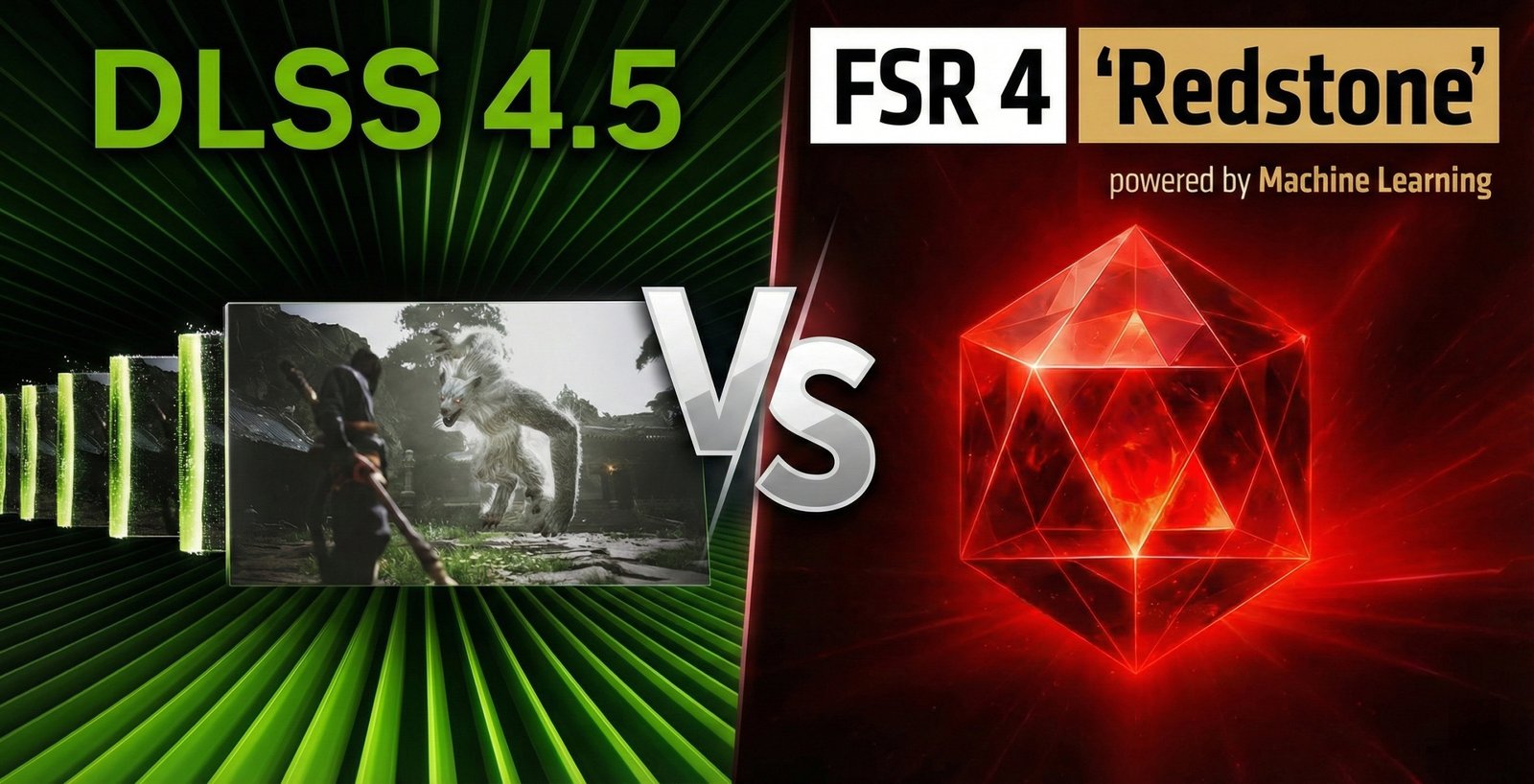
NVIDIA DLSS 4.5 Reigns Supreme in Blind Test

A split-screen comparison of NVIDIA DLSS 4.5, native resolution, and AMD FSR upscaling, showcasing the superior image quality of NVIDIA's technology, with vibrant colours and sharp details, highlighting the primary keyword of upscaling technologies

NVIDIA DLSS 4.5: The Clear Winner in Blind Testing

A recent study conducted by Computerbase has shed light on the superior performance of NVIDIA DLSS 4.5 in a blind test against native resolution and AMD FSR upscaling. Over 1000 community members participated in the test, which involved comparing the image quality of six games using native resolution, NVIDIA DLSS 4.5, and AMD FSR.

The results were unequivocal, with NVIDIA DLSS 4.5 emerging as the top choice among gamers. This outcome is a testament to the exceptional capabilities of NVIDIA’s technology in enhancing gaming experiences.

The blind test was designed to eliminate bias, allowing participants to make informed decisions based solely on image quality. The games used in the test were carefully selected to represent a range of genres and graphics demands, ensuring a comprehensive evaluation of the upscaling technologies.

NVIDIA DLSS 4.5 has consistently demonstrated its ability to deliver superior image quality while maintaining high frame rates, making it an attractive option for gamers seeking an immersive experience. The technology’s performance in this blind test further reinforces its position as a leader in the field of upscaling.

AMD FSR, on the other hand, has shown promise as a competitor to NVIDIA DLSS 4.5. However, the results of this blind test suggest that AMD still has work to do to match the performance of its rival. As the gaming landscape continues to evolve, it will be interesting to see how AMD responds to the challenge posed by NVIDIA DLSS 4.5.

The implications of this study extend beyond the realm of gaming, as the technology behind NVIDIA DLSS 4.5 has potential applications in other fields, such as video production and virtual reality. As the demand for high-quality visual experiences continues to grow, the development of advanced upscaling technologies like NVIDIA DLSS 4.5 will play an increasingly important role.

In conclusion, the blind test conducted by Computerbase has provided valuable insights into the performance of NVIDIA DLSS 4.5, native resolution, and AMD FSR upscaling. The results have significant implications for the gaming industry, highlighting the importance of investing in cutting-edge technology to deliver exceptional gaming experiences.

As the gaming community continues to push the boundaries of what is possible, it will be exciting to see how NVIDIA DLSS 4.5 and other upscaling technologies evolve to meet the growing demands of gamers. With its superior performance and potential for future development, NVIDIA DLSS 4.5 is poised to remain a leading force in the world of gaming.

The future of gaming is looking bright, with NVIDIA DLSS 4.5 at the forefront of innovation. As we look to the future, it will be interesting to see how this technology continues to shape the gaming landscape and beyond.

With the rise of cloud gaming and game streaming, the importance of high-quality upscaling technologies like NVIDIA DLSS 4.5 will only continue to grow. As the industry moves forward, it is likely that we will see even more advanced technologies emerge, further enhancing the gaming experience.

In the meantime, gamers can rest assured that NVIDIA DLSS 4.5 is the top choice for those seeking an exceptional gaming experience. With its unparalleled image quality and high frame rates, this technology is sure to deliver.

Whether you are a casual gamer or a hardcore enthusiast, NVIDIA DLSS 4.5 is an excellent choice for anyone looking to take their gaming to the next level. With its cutting-edge technology and superior performance, it is no wonder that NVIDIA DLSS 4.5 has emerged as the clear winner in this blind test.

NVIDIA DLSS 4 Launches with Styx and Star Trek Games

NVIDIA DLSS 4 technology enables faster frame rates and more realistic graphics in games like Styx: Blades of Greed and Star Trek: Voyager - Across the Unknown, with artificial intelligence analysing game scenes to generate new frames and improve performance

Revolutionising Gaming with NVIDIA DLSS 4

This week, NVIDIA DLSS 4 with Multi-Frame Generation technology is making waves in the gaming world, with two new games launching with support for this innovative feature. Styx: Blades of Greed, a stealth-driven action adventure, and Star Trek: Voyager – Across the Unknown, a strategy management game, are the latest additions to the NVIDIA DLSS 4 family. The integration of DLSS 4 with Multi-Frame Generation technology promises to elevate the gaming experience.

Styx: Blades of Greed is a highly anticipated game that combines stealth and action, offering players a unique and thrilling experience. With the power of NVIDIA DLSS 4, players can expect faster frame rates and more realistic graphics. Star Trek: Voyager – Across the Unknown, on the other hand, challenges players to manage the crew of the U.S.S. Voyager and navigate the ship back to Earth, providing a fresh and exciting take on the Star Trek franchise.

The launch of these games with NVIDIA DLSS 4 support is a significant milestone in the gaming industry. NVIDIA’s DLSS 4 technology uses artificial intelligence to analyse game scenes and generate new frames, resulting in faster performance and higher quality graphics. This technology is set to revolutionise the gaming landscape, enabling developers to create more complex and visually stunning games.

With the integration of NVIDIA DLSS 4, gamers can expect a more immersive and engaging experience. The technology’s ability to generate new frames and improve performance will allow players to fully appreciate the games’ intricate details and realistic environments. As the gaming industry continues to evolve, the adoption of NVIDIA DLSS 4 is expected to play a major role in shaping the future of gaming.

In addition to the launch of these games, the NVIDIA DLSS 4 technology is also being adopted by other game developers. The technology’s versatility and potential for improvement make it an attractive option for developers looking to enhance their games’ performance and graphics. As more games integrate NVIDIA DLSS 4, gamers can expect to see significant improvements in their overall gaming experience.

The combination of Styx: Blades of Greed and Star Trek: Voyager – Across the Unknown with NVIDIA DLSS 4 technology is a testament to the power of innovation in the gaming industry. These games are poised to set a new standard for gaming, with their engaging storylines, complex characters, and stunning visuals. With the support of NVIDIA DLSS 4, these games are sure to provide an unparalleled gaming experience.

In conclusion, the launch of Styx: Blades of Greed and Star Trek: Voyager – Across the Unknown with NVIDIA DLSS 4 support marks a significant milestone in the gaming industry. The integration of this technology is expected to have a profound impact on the gaming experience, enabling developers to create more complex and visually stunning games. As the gaming industry continues to evolve, the adoption of NVIDIA DLSS 4 is poised to play a major role in shaping the future of gaming.

NVIDIA CEO Unfazed by Big Tech’s £660 Billion AI Infrastructure Splurge

NVIDIA CEO Jensen Huang speaking at a conference, with a background of AI-related graphics and technology, highlighting the company's role in shaping the future of AI infrastructure and the tech industry

NVIDIA CEO Remains Calm Amidst Big Tech’s AI Spending Frenzy

The AI landscape is evolving rapidly, with tech giants investing heavily in AI infrastructure. NVIDIA’s CEO, Jensen Huang, remains unfazed by the massive spending, deeming it a sustainable investment. The AI industry is approaching an inflection point, with Big Tech companies racing to spend more on AI, resulting in significant CapEx growth.

The recent quarterly earnings from Amazon, Google, and Meta have sparked concerns about the massive AI spending. However, Huang believes that these investments will ultimately pay off, driving innovation and growth in the industry. As the AI frenzy continues to gain momentum, it is essential to analyse the impact of these investments on the industry’s future.

The AI infrastructure buildout is a crucial aspect of the industry’s growth, with companies like NVIDIA playing a vital role in shaping its future. Huang’s confidence in the sustainability of AI investments is a testament to the industry’s potential for growth and innovation. As we head into 2026, it will be interesting to see how the AI landscape evolves and how Big Tech’s investments will ultimately pay off.

The AI industry is expected to continue its aggressive momentum, with companies investing heavily in AI research and development. The recent surge in AI spending has sparked concerns about overspending, but Huang’s comments suggest that the investments are necessary for the industry’s growth. As the industry approaches an inflection point, it is essential to evaluate the impact of AI on various sectors and industries.

The NVIDIA CEO’s comments come at a time when the AI industry is facing increased scrutiny over its spending habits. However, Huang’s confidence in the sustainability of AI investments is a positive sign for the industry, indicating that the investments will ultimately drive growth and innovation. The AI frenzy is expected to continue, with Big Tech companies leading the charge in AI research and development.

As the AI industry continues to evolve, it is essential to analyse the impact of Big Tech’s investments on the industry’s future. The recent quarterly earnings from major tech companies have provided valuable insights into the industry’s growth and potential. With NVIDIA’s CEO remaining calm amidst the AI spending frenzy, it is clear that the industry is poised for significant growth and innovation in the coming years.

The AI infrastructure buildout is a critical aspect of the industry’s growth, with companies like NVIDIA playing a vital role in shaping its future. The recent surge in AI spending has sparked concerns about overspending, but Huang’s comments suggest that the investments are necessary for the industry’s growth. As we head into 2026, it will be interesting to see how the AI landscape evolves and how Big Tech’s investments will ultimately pay off.

In conclusion, the NVIDIA CEO’s comments on the AI spending frenzy are a positive sign for the industry, indicating that the investments will ultimately drive growth and innovation. The AI industry is expected to continue its aggressive momentum, with companies investing heavily in AI research and development. As the industry approaches an inflection point, it is essential to evaluate the impact of AI on various sectors and industries.

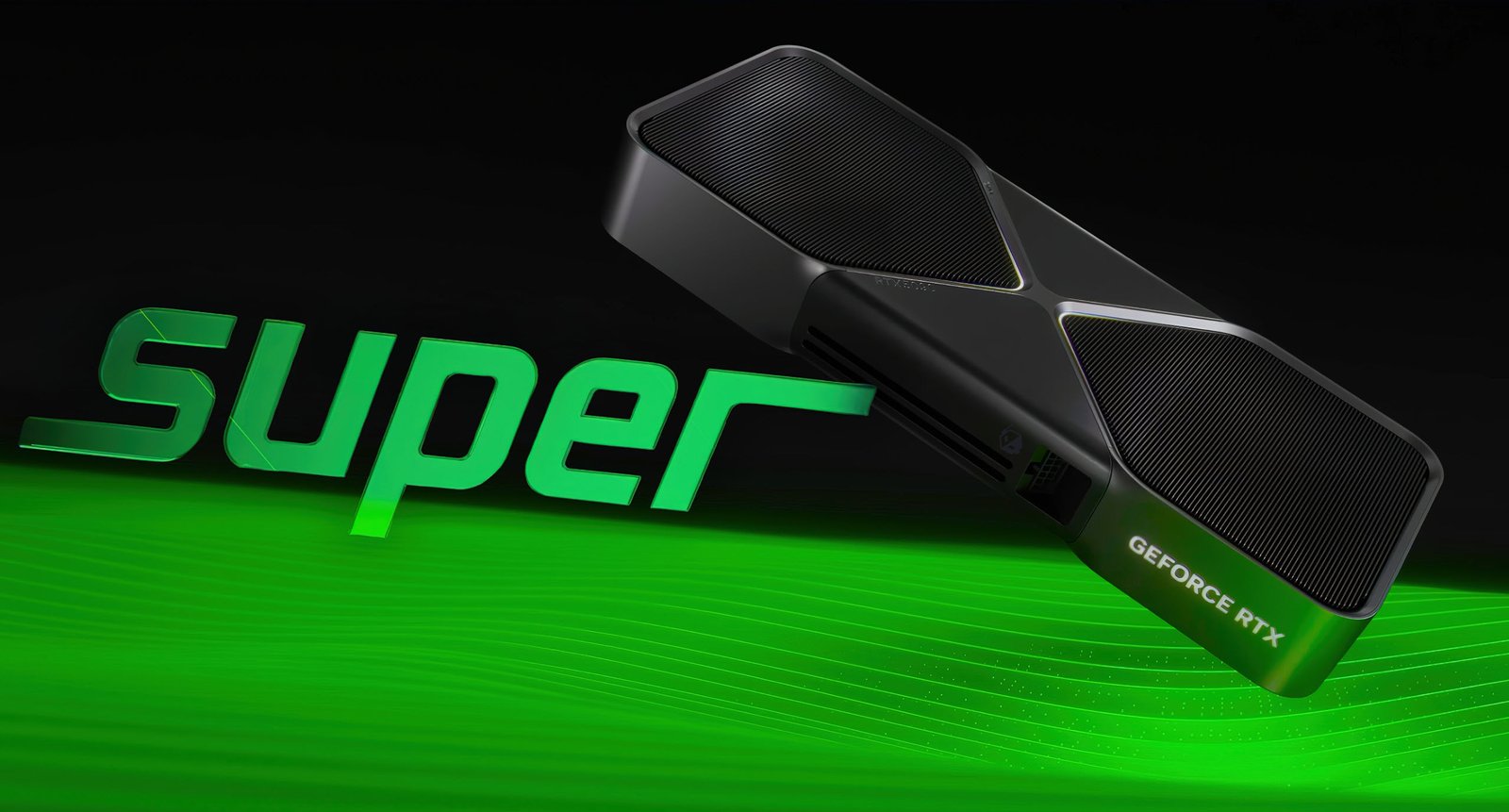
NVIDIA RTX 50 SUPER Series Launch Delayed Due to Memory Shortages

NVIDIA GeForce RTX 50 SUPER series graphics cards, impacted by memory shortages and supply chain constraints, with a focus on the primary keyword phrase 'NVIDIA RTX 50 SUPER'

NVIDIA’s Consumer GPU Plans Take a Hit Due to Memory Supply Constraints

NVIDIA’s plans for consumer GPU launches this year are uncertain, with reports suggesting the RTX 50 SUPER series won’t launch at all. The ongoing DRAM supply shortage has forced GPU manufacturers to revise their roadmaps, disrupting future launches. At this year’s CES, there was no mention of next-gen consumer GPUs, primarily due to the difficulty in obtaining necessary chips.

The shortage has significantly impacted NVIDIA’s consumer GPU plans, with many launches being delayed or cancelled. The company’s focus has shifted towards navigating the supply chain challenges, rather than pushing out new products. This has led to a significant slowdown in the client segment, with NVIDIA taking a step back to reassess their strategy.

The RTX 50 SUPER series was expected to be a major launch for NVIDIA, offering improved performance and features. However, with the current supply chain constraints, it seems unlikely that the series will launch this year. NVIDIA’s decision to delay or cancel the launch is likely a result of the company’s efforts to prioritise their resources and manage the supply chain challenges.

The impact of the memory shortage on the tech industry cannot be overstated. With many manufacturers struggling to obtain the necessary components, the launch of new products has been severely disrupted. As the situation continues to unfold, it remains to be seen how NVIDIA and other manufacturers will adapt to the changing landscape. The company’s ability to navigate these challenges will be crucial in determining their success in the client segment.

NVIDIA’s consumer GPU plans are currently under jeopardy, driven by the memory supply constraints. The company’s roadmap for this year has been significantly impacted, with many launches being delayed or cancelled. As the situation continues to evolve, it remains to be seen how NVIDIA will respond to the challenges posed by the memory shortage.

The memory shortage has also had a significant impact on the gaming industry, with many gamers being forced to wait for new hardware. The delay or cancellation of the RTX 50 SUPER series launch will only add to the frustration, as gamers will have to wait even longer for new and improved hardware. NVIDIA’s decision to prioritize their resources and manage the supply chain challenges is likely a result of the company’s efforts to ensure that they can deliver high-quality products to their customers.

As the tech industry continues to navigate the challenges posed by the memory shortage, it remains to be seen how NVIDIA and other manufacturers will adapt. The company’s ability to respond to the changing landscape will be crucial in determining their success in the client segment. With the RTX 50 SUPER series launch delayed or cancelled, NVIDIA will need to reassess their strategy and prioritize their resources in order to stay competitive.

The ongoing DRAM supply shortage has forced GPU manufacturers to revise their roadmaps, disrupting future launches. NVIDIA’s decision to delay or cancel the RTX 50 SUPER series launch is likely a result of the company’s efforts to prioritize their resources and manage the supply chain challenges. As the situation continues to unfold, it remains to be seen how NVIDIA and other manufacturers will adapt to the changing landscape.

NVIDIA’s consumer GPU plans are currently under jeopardy, driven by the memory supply constraints. The company’s roadmap for this year has been significantly impacted, with many launches being delayed or cancelled. The delay or cancellation of the RTX 50 SUPER series launch will only add to the frustration, as gamers will have to wait even longer for new and improved hardware.

The memory shortage has also had a significant impact on the tech industry, with many manufacturers struggling to obtain the necessary components. The launch of new products has been severely disrupted, and it remains to be seen how NVIDIA and other manufacturers will adapt to the changing landscape. As the situation continues to evolve, it is clear that the memory shortage will have a lasting impact on the tech industry.

In conclusion, the delay or cancellation of the RTX 50 SUPER series launch is a significant blow to NVIDIA’s consumer GPU plans. The company’s ability to navigate the supply chain challenges and prioritize their resources will be crucial in determining their success in the client segment. As the tech industry continues to navigate the challenges posed by the memory shortage, it remains to be seen how NVIDIA and other manufacturers will adapt and respond to the changing landscape.

NVIDIA RTX 5060 and RTX 5070 Surge in Popularity

The NVIDIA RTX 5060 and RTX 5070 GPUs offer exceptional performance and affordability, making them a popular choice among gamers, with a 40% and 19% increase in popularity respectively, according to the latest Steam Hardware Survey, which reveals the changing behaviour of gamers in the market, driving demand for budget-friendly GPUs with impressive performance

NVIDIA RTX 5060 and RTX 5070 Soar to New Heights

The latest Steam Hardware Survey for January 2026 reveals a significant jump in popularity for the NVIDIA RTX 5060 and RTX 5070. The RTX 5060 has seen a remarkable 40% increase in popularity, while the RTX 5070 has experienced a 19% surge month over month. This sudden rise in adoption can be attributed to the current market trends, which are driving gamers to opt for budget-friendly GPUs.

The RTX 50 series has been gaining traction, with the RTX 5060 and RTX 5070 leading the charge. As gamers become more budget-conscious, they are turning to these affordable options, which offer impressive performance without breaking the bank. The market dynamics are forcing NVIDIA and AMD to reassess their supply strategies, resulting in higher prices for their latest-generation GPUs.

The GeForce RTX 5060 and RTX 5070 are becoming increasingly popular among gamers due to their exceptional performance and budget-friendly prices. As the demand for these GPUs continues to rise, it will be interesting to see how NVIDIA and AMD respond to the changing market landscape. The current trend suggests that the budget RTX 50-series GPUs will remain in high demand, at least in the short term.

The Steam Hardware Survey provides valuable insights into the gaming community’s preferences and behaviour. The latest survey results indicate a shift towards more affordable GPUs, which could have significant implications for the gaming industry as a whole. As the market continues to evolve, it will be essential to analyse the trends and adjust strategies accordingly.

The rise of the RTX 5060 and RTX 5070 can be seen as a testament to the gaming community’s ability to adapt to changing market conditions. As gamers become more discerning and budget-conscious, they are driving demand for affordable, high-performance GPUs. The RTX 5060 and RTX 5070 are well-positioned to meet this demand, offering an excellent balance of performance and price.

The current market trends are likely to continue, with the RTX 5060 and RTX 5070 remaining popular choices among gamers. As the gaming industry continues to grow and evolve, it will be essential to monitor the market dynamics and adjust strategies to meet the changing needs of the gaming community. The RTX 5060 and RTX 5070 are likely to play a significant role in shaping the future of the gaming industry, at least in the short term.

The implications of the RTX 5060 and RTX 5070’s popularity extend beyond the gaming community. The demand for affordable, high-performance GPUs is driving innovation and competition in the industry, which could lead to even more exciting developments in the future. As the market continues to evolve, it will be essential to stay up-to-date with the latest trends and developments.

The RTX 5060 and RTX 5070 are not only popular among gamers but also among developers and content creators. The GPUs offer exceptional performance, making them ideal for a range of applications, from gaming to video editing and 3D modelling. The demand for these GPUs is likely to continue, driven by their versatility and affordability.

In conclusion, the NVIDIA RTX 5060 and RTX 5070 have seen a significant surge in popularity, driven by their exceptional performance and budget-friendly prices. As the gaming industry continues to evolve, it will be essential to monitor the market dynamics and adjust strategies to meet the changing needs of the gaming community. The RTX 5060 and RTX 5070 are well-positioned to remain popular choices among gamers, at least in the short term.

NVIDIA GeForce GPU Update: Crucial Security Fixes to Protect Your PC

NVIDIA GeForce GPU update: A crucial security update to protect your PC from potential security risks, with a focus on mitigating denial of service and other severe security issues, providing a secure and reliable user experience with the latest GPU display driver, v591.59.

NVIDIA GeForce GPU Update: Safeguarding Your PC from Critical Security Risks

NVIDIA’s latest GeForce GPU driver update is a must-have for all users, as it addresses multiple critical security flaws that could put your PC at risk. The update focuses on mitigating security risks that could lead to issues like denial of service. With the newest GPU display driver, v591.59, NVIDIA has brought in multiple security updates that are essential for current GPU users.

The latest security update has dealt with almost four different flaws, which have a severity rating of ‘High’. According to NVIDIA’s description of these security issues, the flaws could have led to severe consequences if left unaddressed. The update is a testament to NVIDIA’s commitment to providing a secure and reliable user experience.

NVIDIA’s Security Bulletin highlights the importance of the latest security update, emphasizing that the flaws have been deemed ‘critical’ and require immediate attention. The update is available for all current GPU users, and it is essential to install it as soon as possible to ensure your PC remains protected from potential security risks.

The security update is a crucial step in maintaining the integrity of your PC’s security. By installing the update, you can rest assured that your system is protected from the identified security flaws. NVIDIA’s dedication to providing regular security updates is a significant factor in maintaining the trust of its users.

In addition to the security updates, the newest GPU display driver, v591.59, also includes other improvements and bug fixes. The update is designed to enhance the overall performance and stability of your PC, providing a seamless user experience. With the update, you can enjoy improved graphics quality and faster performance.

The importance of keeping your GPU drivers up to date cannot be overstated. Outdated drivers can leave your PC vulnerable to security risks and compromise its performance. By installing the latest NVIDIA GeForce GPU update, you can ensure that your PC remains secure and runs smoothly.

NVIDIA’s commitment to providing regular security updates is a significant factor in maintaining the trust of its users. The company’s dedication to addressing security risks and providing a secure user experience is unparalleled in the industry. With the latest update, NVIDIA has once again demonstrated its commitment to protecting its users’ PCs from potential security threats.

In conclusion, the NVIDIA GeForce GPU update is a must-have for all users. The update addresses critical security flaws and provides a secure and reliable user experience. By installing the update, you can ensure that your PC remains protected from potential security risks and runs smoothly.

NVIDIA GeForce RTX 50 Series Supply Strategy Revealed

NVIDIA GeForce RTX 50 series graphics cards, including the RTX 5060, RTX 5060 Ti 8 GB, and RTX 5070 12 GB, are expected to dominate the market in Q1 2026, with the company prioritizing 8 GB editions due to the increasing cost of VRAM, and the latest report from Board Channels confirming the new supply strategy, which will likely have a significant impact on the gaming community and graphics enthusiasts, with the GeForce RTX 50 series known for its impressive performance and features.

NVIDIA’s GeForce RTX 50 Series Supply Strategy: What You Need to Know

NVIDIA has been working on a new supply strategy for its GeForce RTX 50 series, with a focus on 8 GB cards. This approach is largely due to the increasing cost of VRAM. As a result, higher-end GPUs will make up a small percentage of the supply.

The latest report from Board Channels confirms that only three GeForce RTX 50 GPUs are expected to account for 75% of total shipments in Q1 2026. These include the NVIDIA RTX 5060, RTX 5060 Ti 8 GB, and RTX 5070 12 GB.

The prioritization of 8 GB cards is not surprising, given the current market trends. As the demand for graphics cards continues to grow, NVIDIA is adapting its strategy to meet the needs of its customers. The company’s focus on 8 GB editions is likely to have a significant impact on the market.

The report from Board Channels provides valuable insights into NVIDIA’s supply strategy. It highlights the company’s efforts to balance the demand for graphics cards with the increasing cost of VRAM. As the technology continues to evolve, it will be interesting to see how NVIDIA’s strategy unfolds.

In the meantime, gamers and graphics enthusiasts will be eager to get their hands on the latest GeForce RTX 50 series GPUs. With the RTX 5060, RTX 5060 Ti 8 GB, and RTX 5070 12 GB expected to dominate the market, it will be crucial to stay informed about the latest developments.

NVIDIA’s GeForce RTX 50 series has been making waves in the gaming community, with its impressive performance and features. As the company continues to innovate and adapt to the changing market, its GPUs are likely to remain in high demand.

The supply strategy revealed by Board Channels is a significant development in the world of graphics cards. It highlights the complex dynamics of the market and the need for companies like NVIDIA to stay ahead of the curve. As the technology continues to evolve, it will be exciting to see what the future holds for NVIDIA and its GeForce RTX 50 series.

NVIDIA CEO Challenges US Chip Production Targets

NVIDIA CEO speaking at a conference, with a background of chip production lines, highlighting the importance of TSMC in the US chip production target, with a focus on adding newer capacity in the US while maintaining exclusivity in Taiwan

NVIDIA CEO Speaks Out on US Chip Production Targets

The recent trade deal between the US and Taiwan has sparked a significant shift in the chip production landscape. NVIDIA’s CEO has weighed in on the matter, stating that the US chip production target requires TSMC to add more capacity rather than abandoning Taiwan. This move is seen as a strategic play to maintain exclusivity in Taiwan while expanding capacity in the US.

TSMC has been at the forefront of the geopolitical landscape, with chips becoming a matter of national security for several countries worldwide. The pressure to shift chip production lines to the US has increased sharply since President Trump took office. The recent US-Taiwan trade deal has only added to the complexity of the situation.

The CEO’s comments come at a time when the global chip shortage is still a major concern. The shift in production capacity is expected to have a significant impact on the industry, with many players vying for a share of the market. As the situation continues to evolve, one thing is certain – the future of chip production will be shaped by the decisions made today.

The US chip production target is an ambitious one, with many hurdles to overcome. However, with the right strategy and investment, it is possible to achieve the desired outcome. As the industry continues to analyse the situation, one thing is clear – the role of TSMC will be crucial in determining the success of the US chip production target.

The company’s decision to add more capacity in the US rather than abandoning Taiwan is a testament to its commitment to the region. With the recent trade deal in place, it will be interesting to see how the situation unfolds. As the global chip landscape continues to shift, one thing is certain – the importance of Taiwan in the production of chips will not be diminished.

In conclusion, the NVIDIA CEO’s comments have shed new light on the US chip production target. As the industry continues to navigate the complex landscape, it is clear that the role of TSMC will be pivotal in determining the success of the target. With the right strategy and investment, it is possible to achieve the desired outcome and shape the future of chip production.

Nvidia Ends Open Price Program: What This Means for GPU Prices and Your Wallet

Nvidia GeForce graphics card with a description of the Open Price Program and its impact on GPU prices, highlighting the potential for massive price increases and changes in consumer behaviour

Nvidia Ends Open Price Program: What This Means for GPU Prices and Your Wallet

Nvidia has reportedly ended its Open Price Program, an initiative that incentivised manufacturers to adhere to the recommended retail price for graphics cards. This move is expected to have significant implications for the pricing of GPUs in the market.

Claims about the demise of the Open Price Program have surfaced from Roman ‘Der8auer’ Hartung and HardwareLuxx, with Der8auer describing the initiative as a cashback system where Nvidia attempted to influence pricing.

The termination of the Open Price Program is likely to lead to substantial price increases for GPUs, as manufacturers will no longer be bound by the recommended retail price. This could result in higher costs for consumers looking to purchase graphics cards.

The Open Price Program was essentially a mechanism for Nvidia to control the pricing of its graphics cards, ensuring that they were sold at the recommended retail price. With the program’s termination, manufacturers will have more freedom to set their own prices.

This increased freedom may lead to a wide range of prices for the same graphics card model, depending on the manufacturer and retailer. Consumers will need to be vigilant and compare prices carefully to find the best deals.

Nvidia’s decision to end the Open Price Program may be seen as a strategic move to allow manufacturers to respond to market demands and set prices accordingly. However, it is likely to have a significant impact on the behaviour of consumers in the market.

The expected price increases may also affect the colour and vibrancy of the market, as consumers may be less likely to purchase graphics cards at higher prices. This could lead to a decrease in demand and a subsequent decrease in sales for manufacturers.

To analyse the situation, it is essential to consider the potential consequences of Nvidia’s decision. The termination of the Open Price Program may lead to a more dynamic market, with manufacturers competing with each other to offer the best prices.

However, it is crucial to remember that the pricing of GPUs is not the only factor that affects consumer behaviour. Other factors, such as performance, power consumption, and features, also play a significant role in the purchasing decision.

In conclusion, the end of Nvidia’s Open Price Program is likely to have a profound impact on the pricing of GPUs in the market. Consumers should be prepared for potential price increases and carefully compare prices to find the best deals.