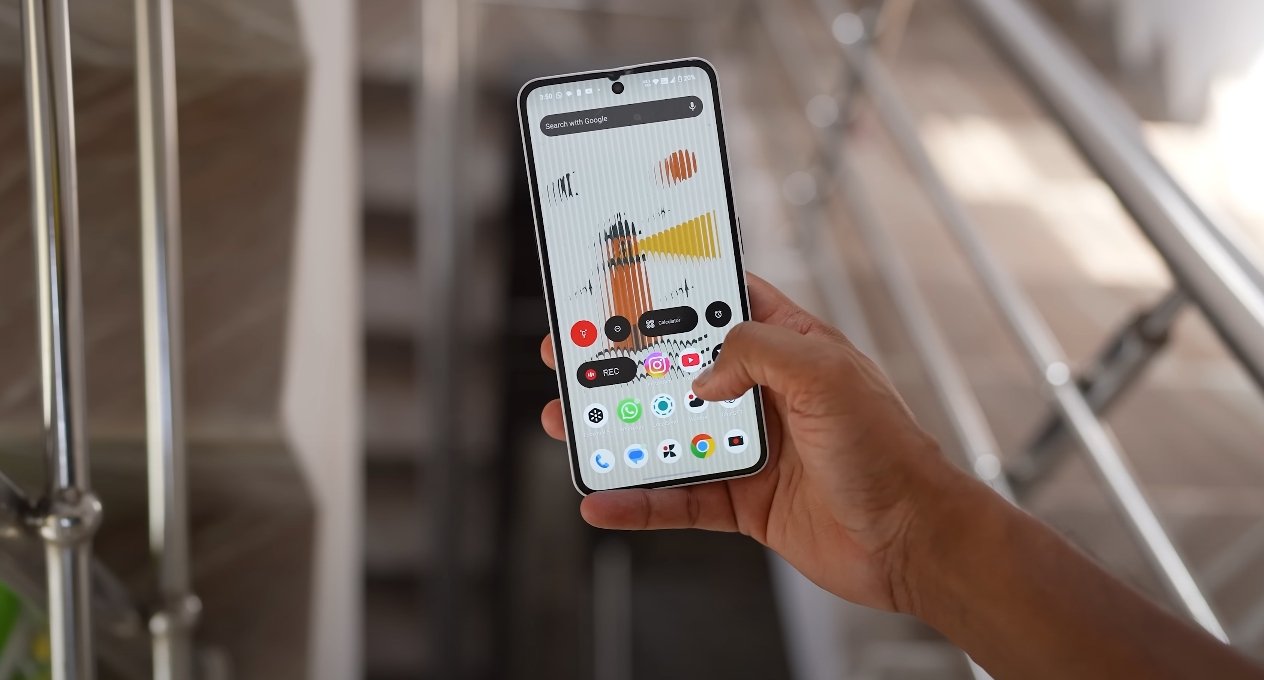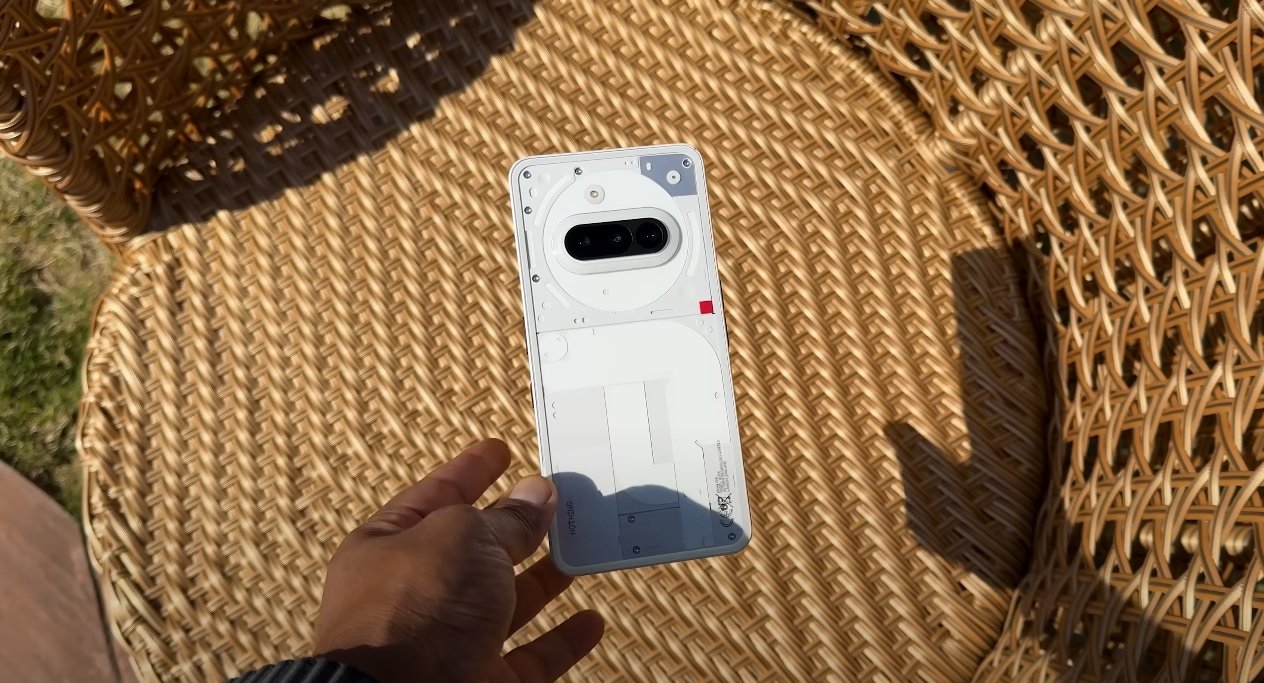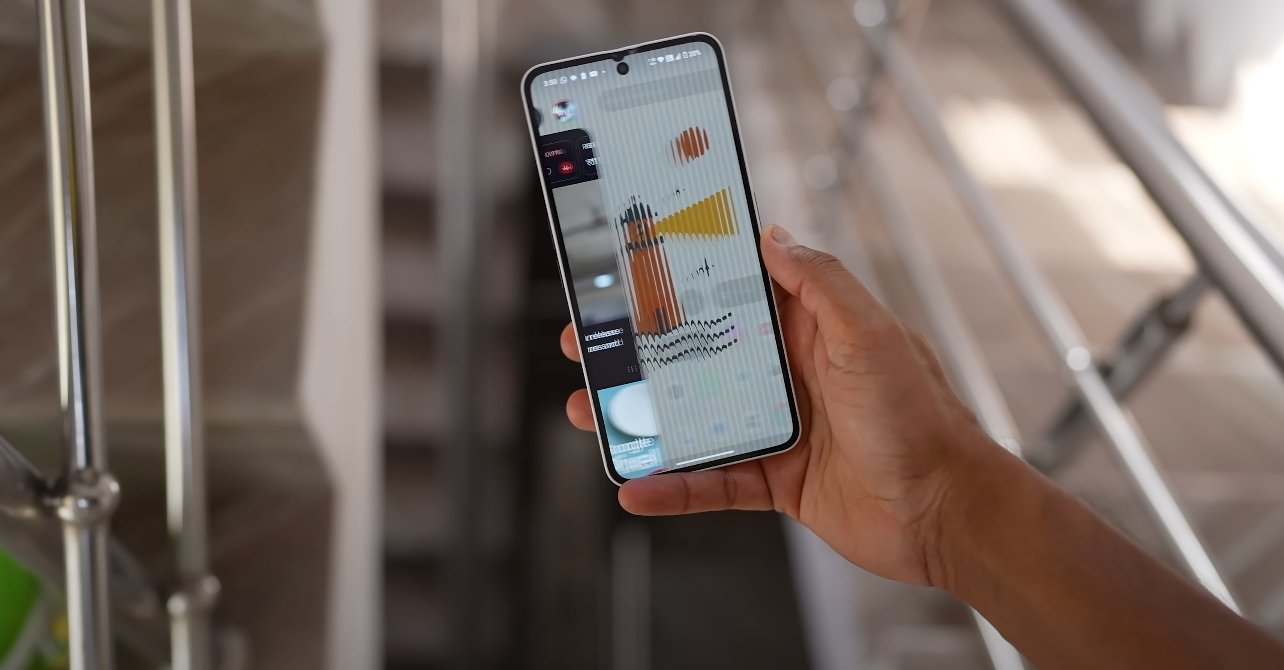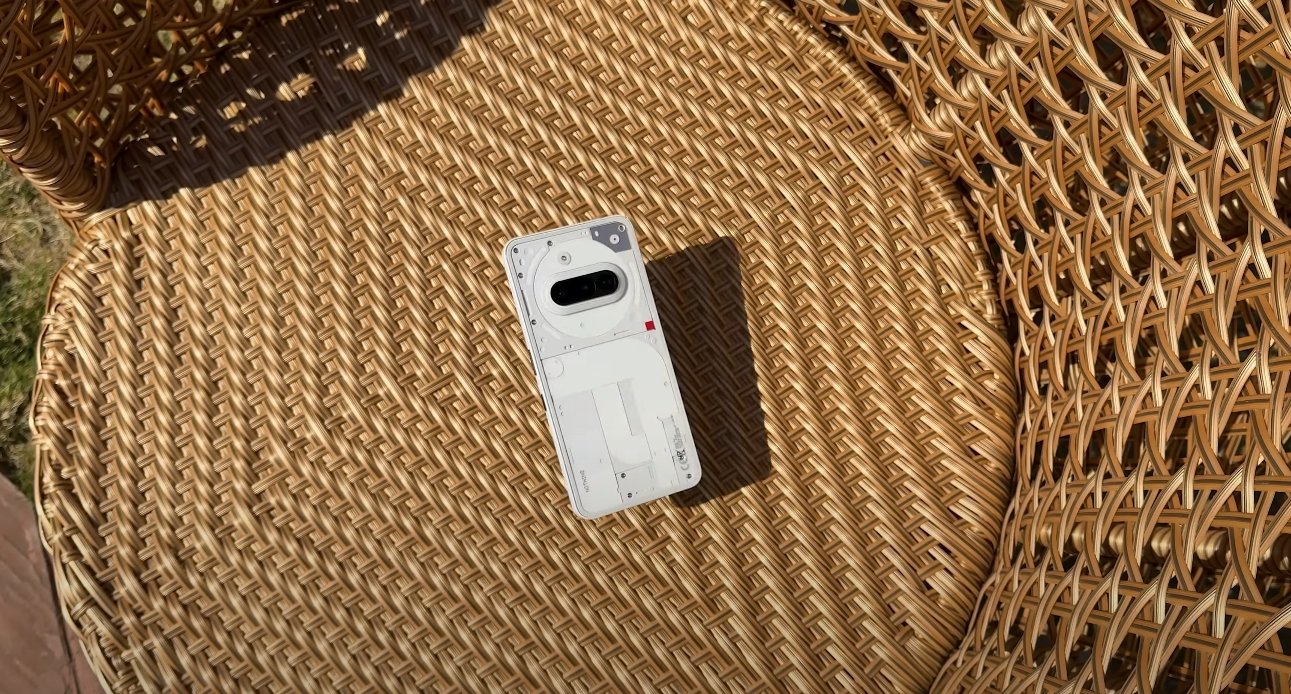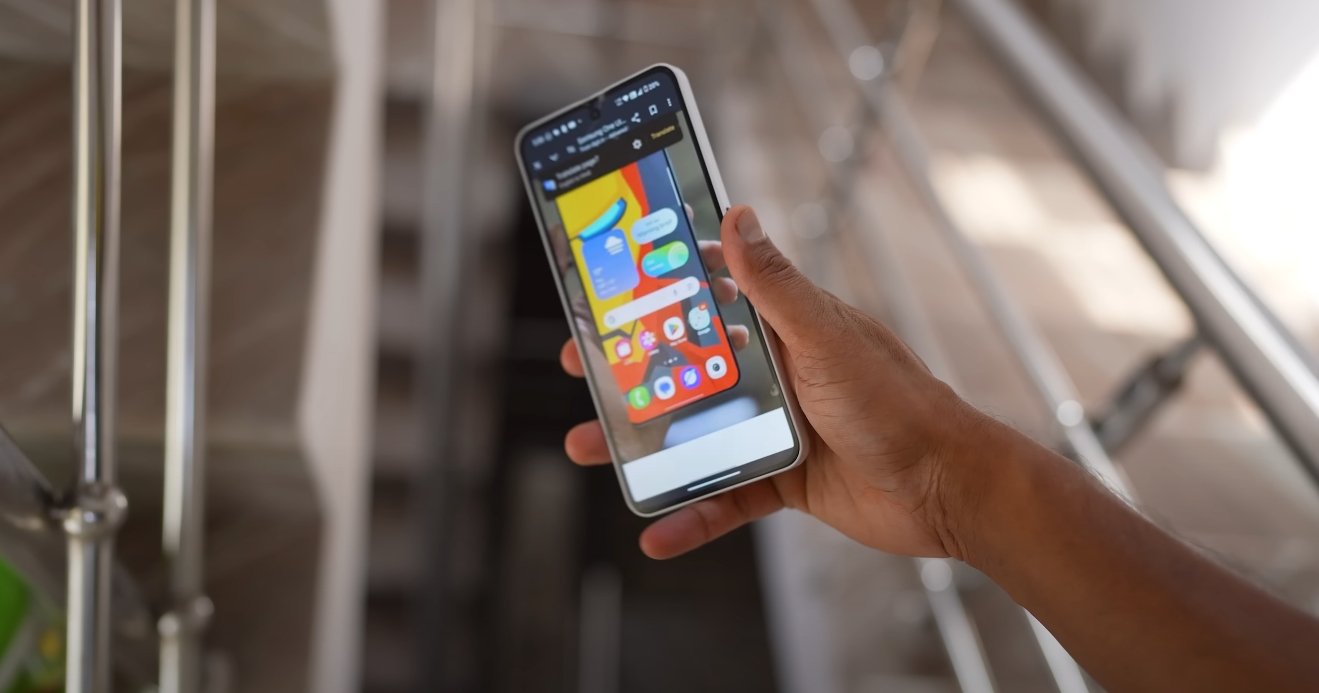
Nothing Phone 3A Lite vs Realme GT 7 design comparison

Nothing Phone 3A Lite vs Realme GT 7 design comparison

In-Depth Design Comparison: Nothing Phone 3A Lite and Realme GT 7

The Nothing Phone 3A Lite and Realme GT 7 are two mid-range smartphones that take very different approaches to design. Both aim to provide a premium look and feel, but they appeal to different types of users based on aesthetics, ergonomics, and visual experience.

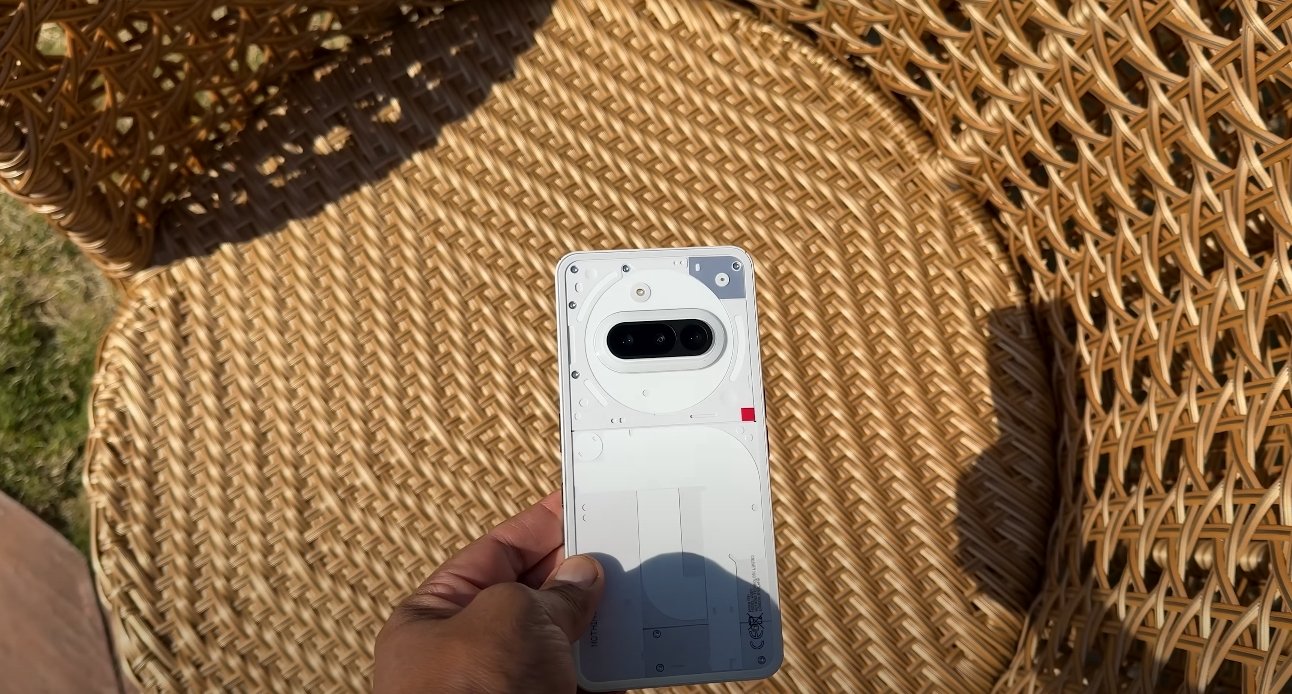
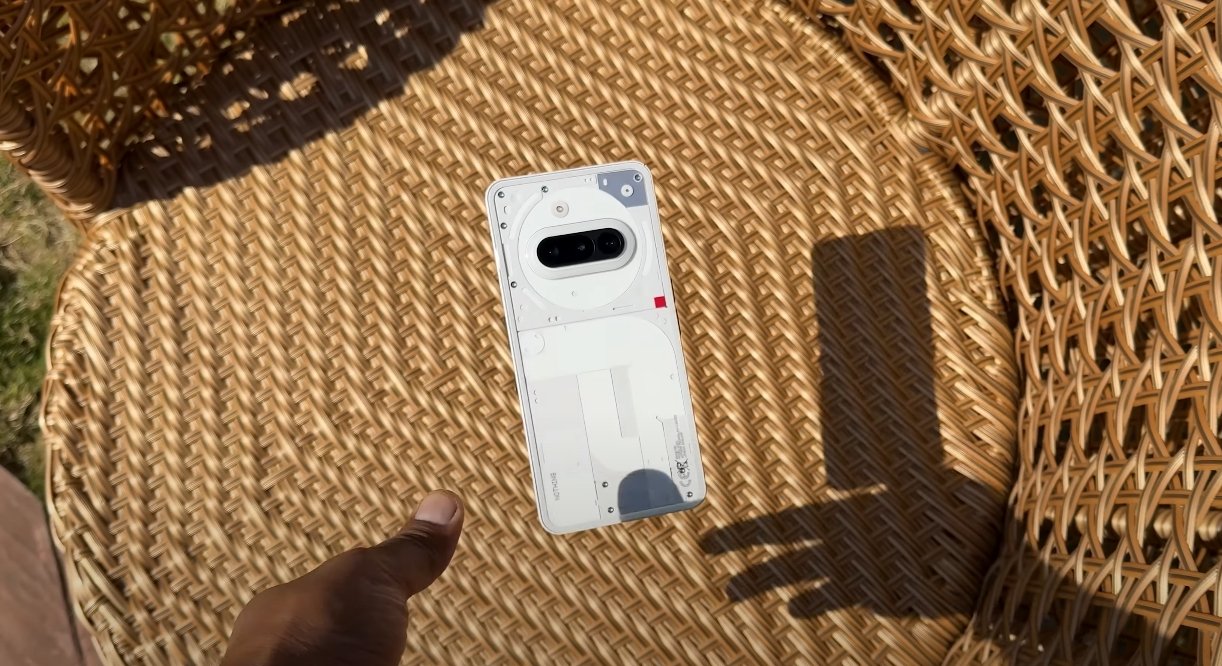
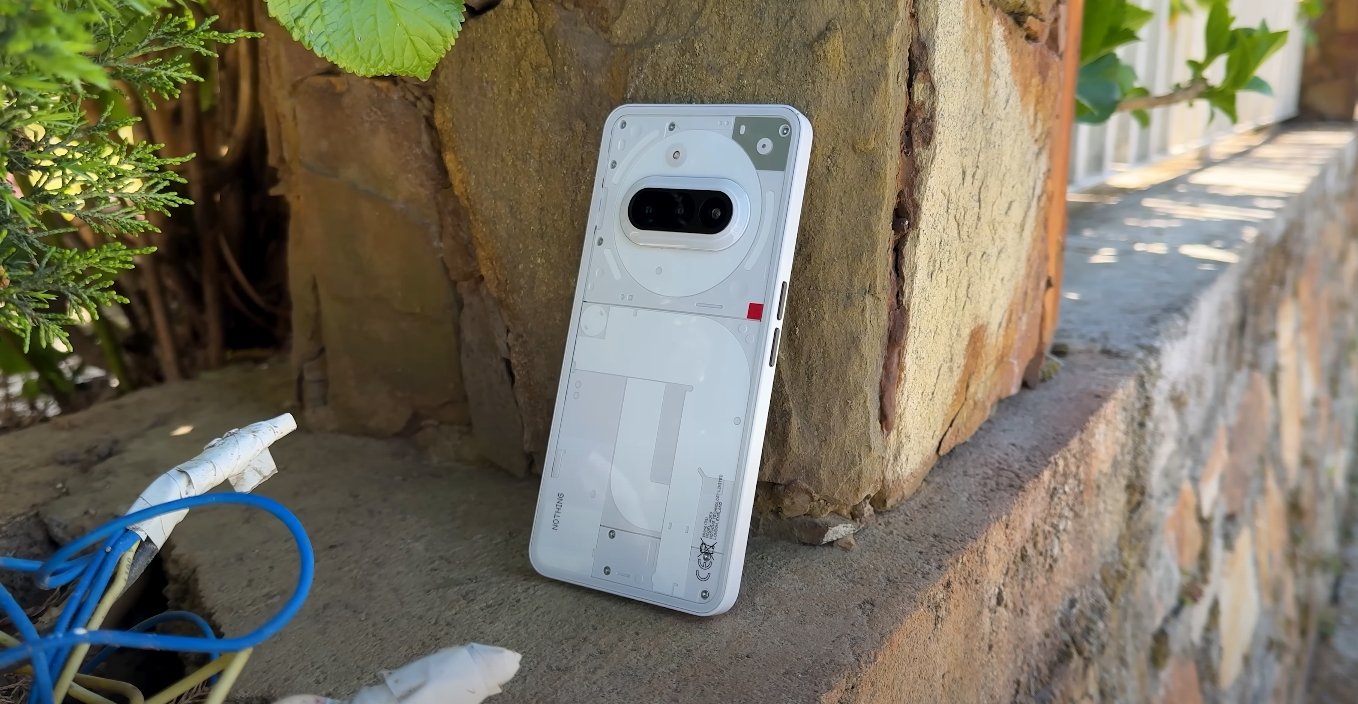
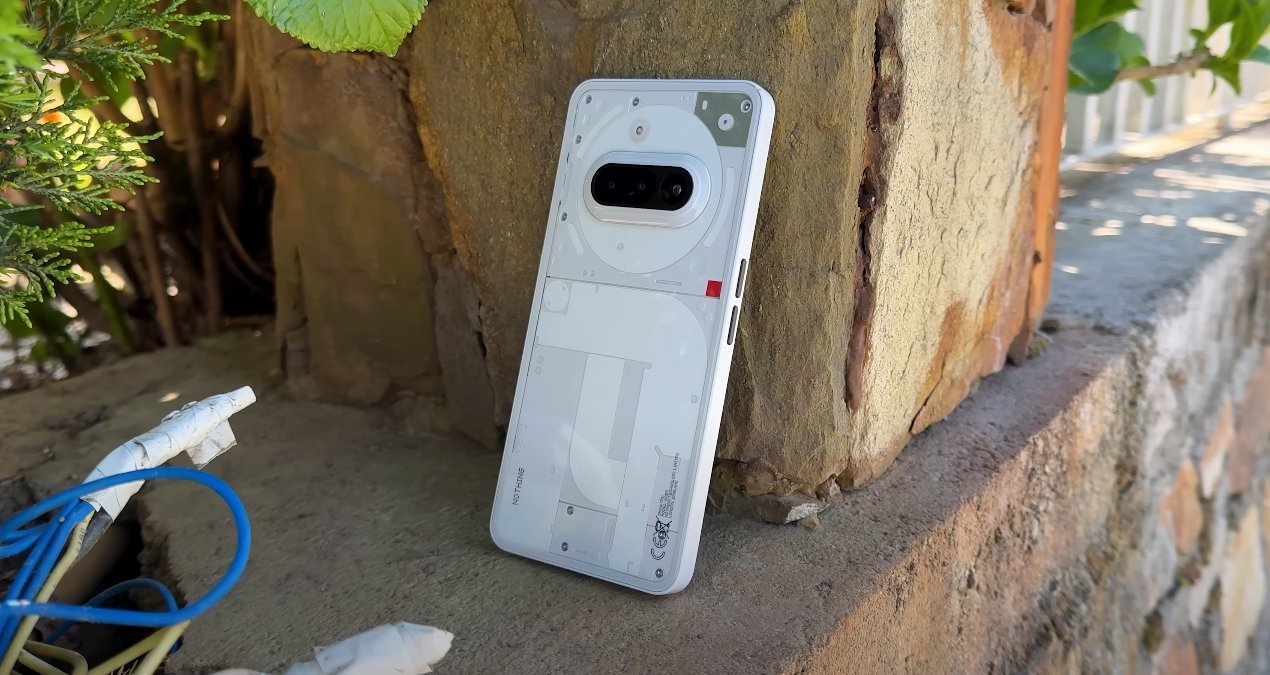
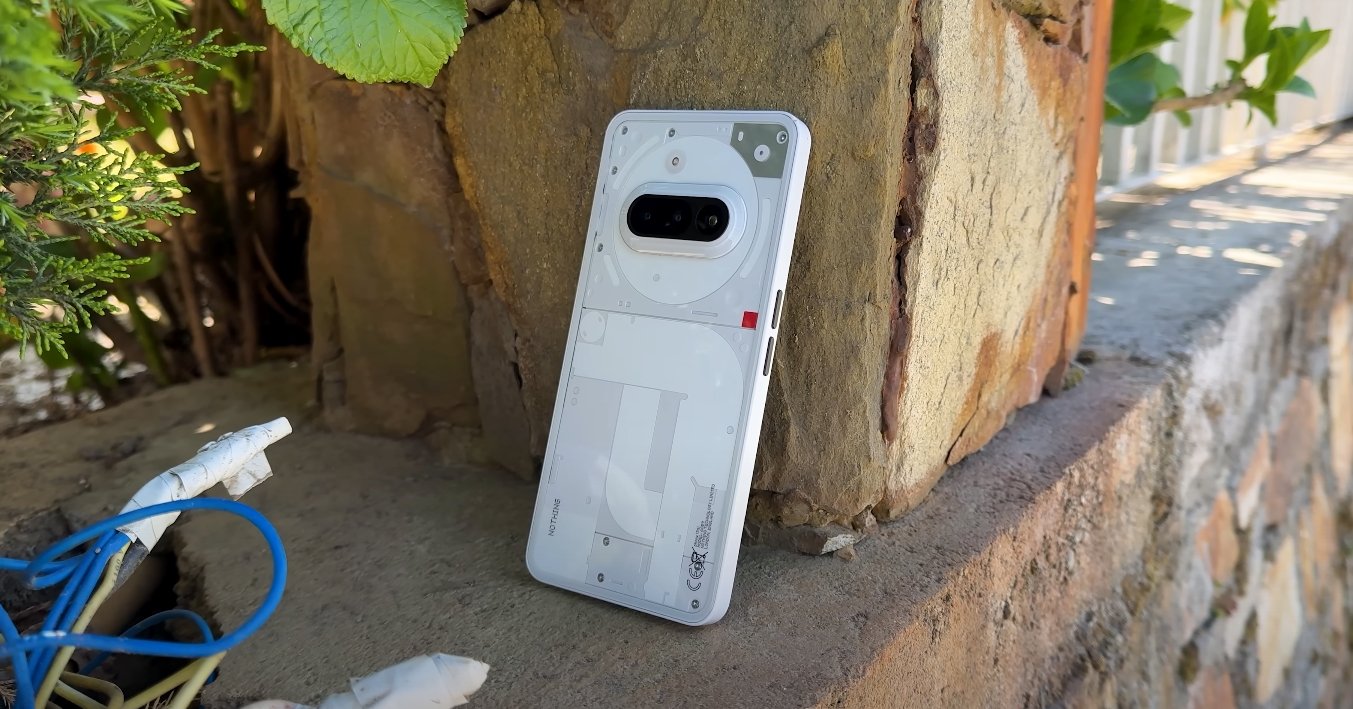
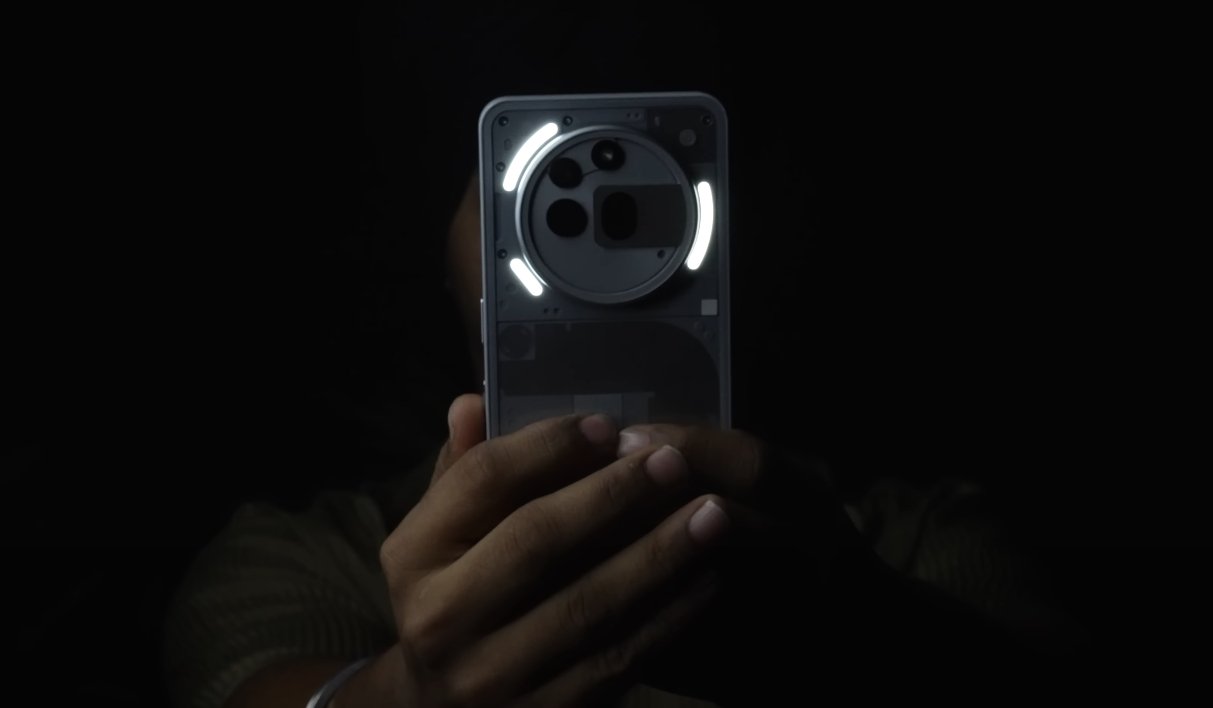
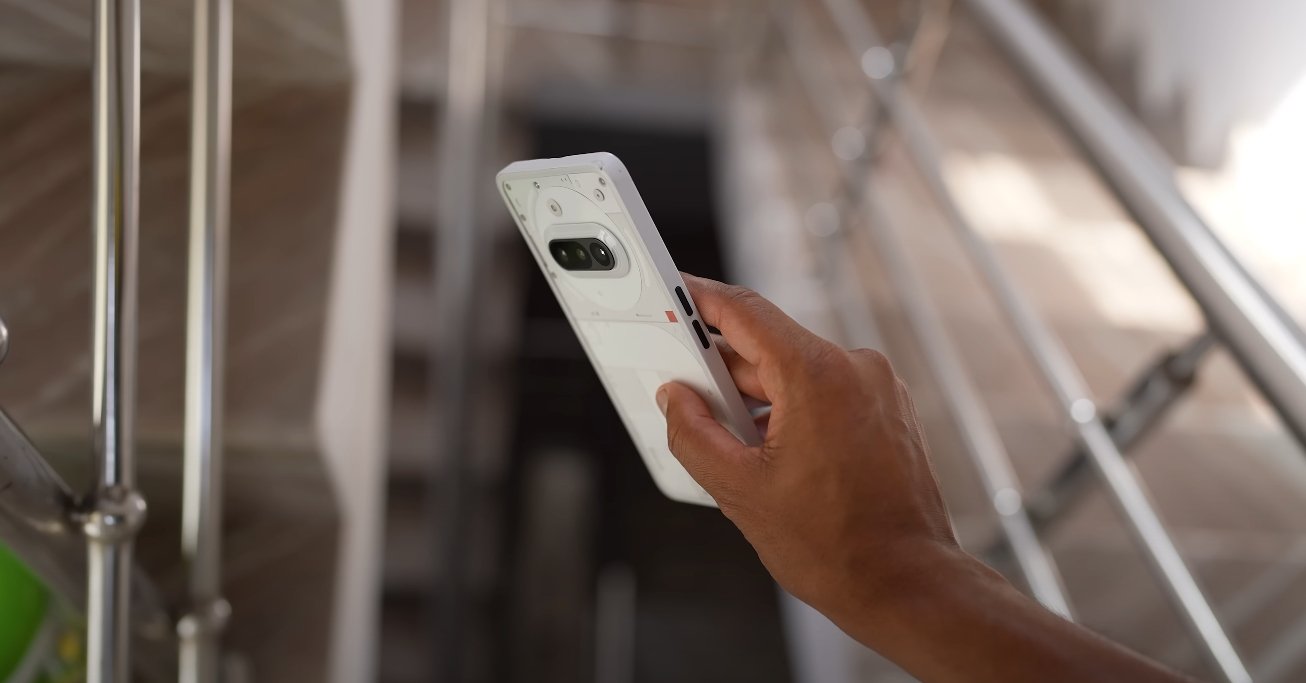
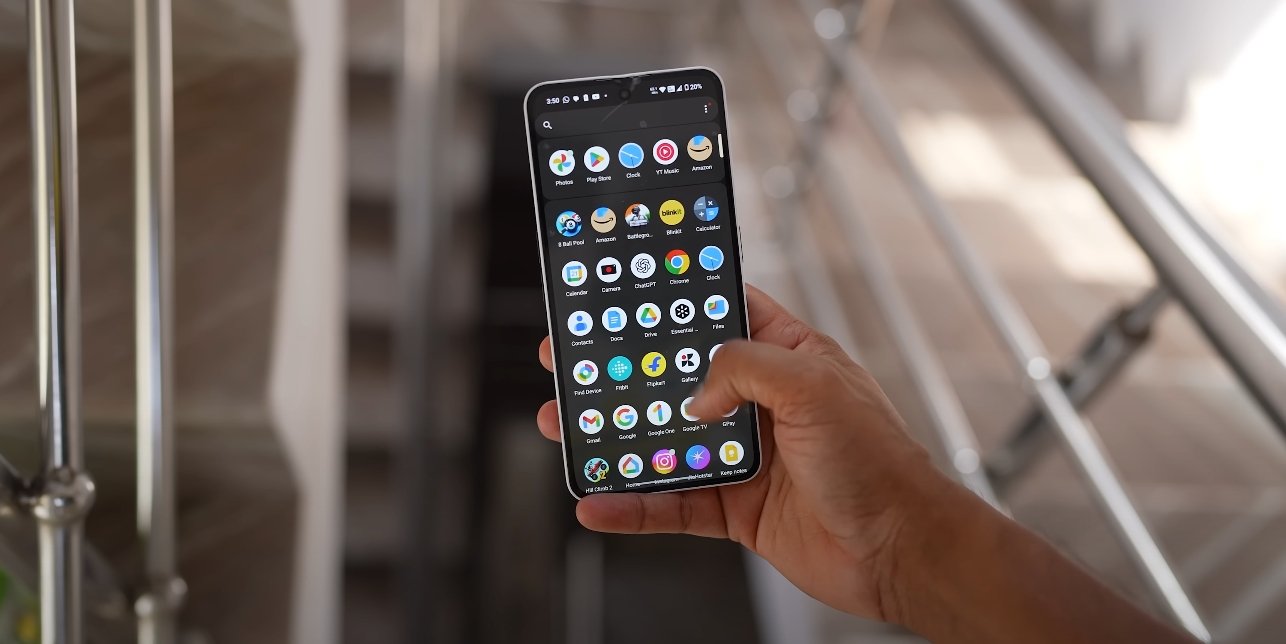
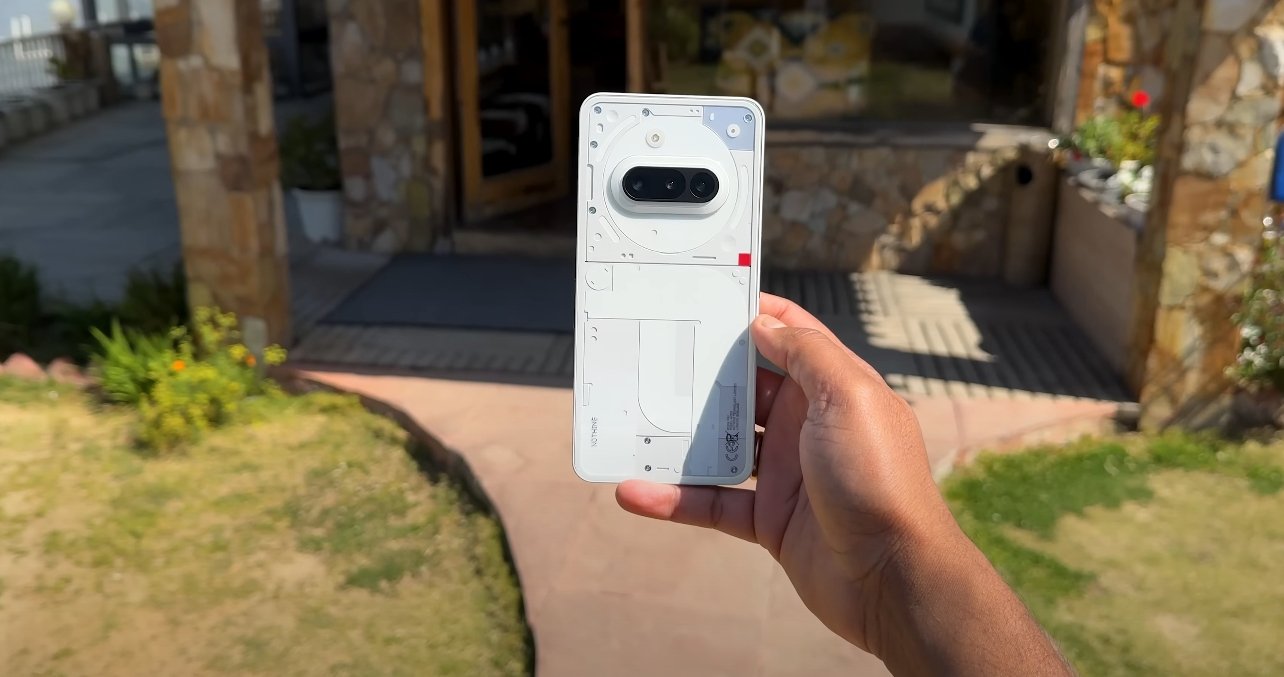
The Nothing Phone 3A Lite is known for its signature transparent back panel, which exposes parts of the internal hardware. This futuristic design sets it apart from most smartphones in the market. The device features LED lights along the edges that serve as notification alerts, charging indicators, and call notifications. This interactive lighting system creates a dynamic user experience that combines function with visual appeal. The slim frame and carefully balanced weight make it comfortable to hold for extended periods, and the minimalist front design emphasizes clarity, giving the phone a clean and modern look.

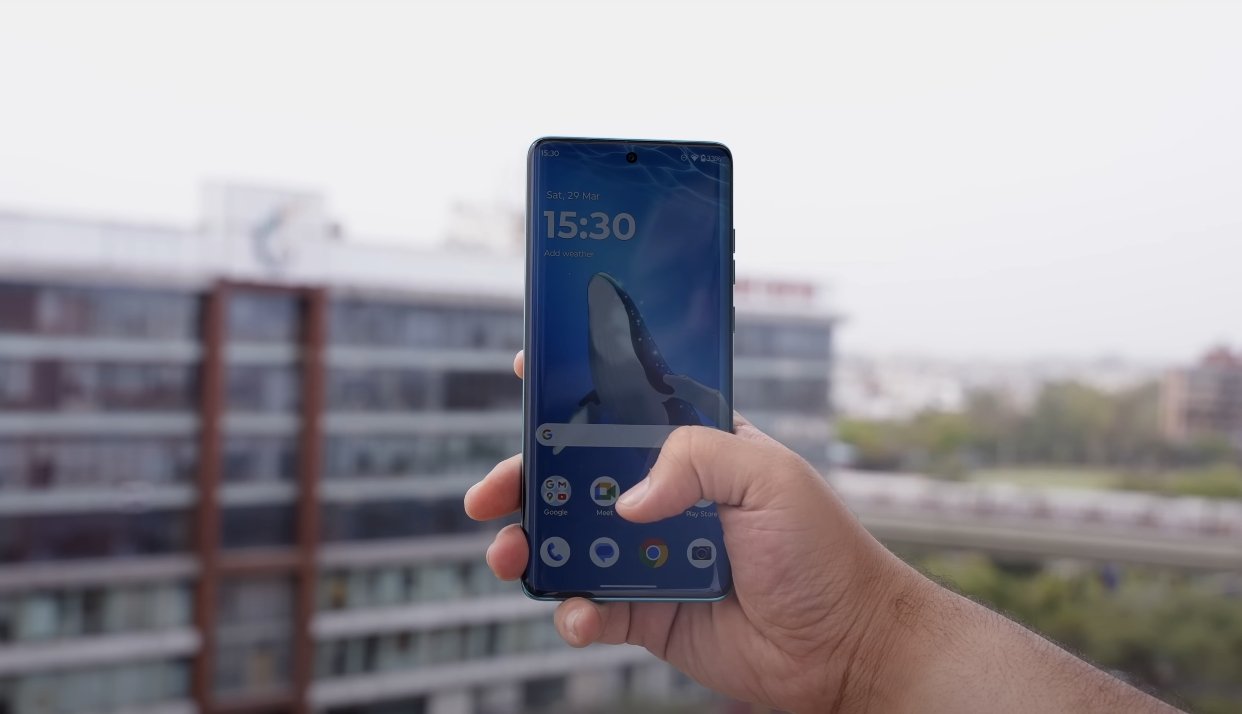
In contrast, the Realme GT 7 follows a more traditional design philosophy with a sleek and glossy back panel. The reflective surface gives the device a premium appearance, though it can attract fingerprints and smudges during everyday use. Its 6.78-inch front display dominates the screen area, offering immersive viewing. The slightly curved edges improve grip and handling despite the large footprint, and the symmetrical design adds to the device’s polished and modern aesthetic. The Realme GT 7’s design feels more conventional yet elegant, appealing to users who prefer a classic premium smartphone look.
Nothing Phone 3A Lite vs Realme GT 7 design comparison

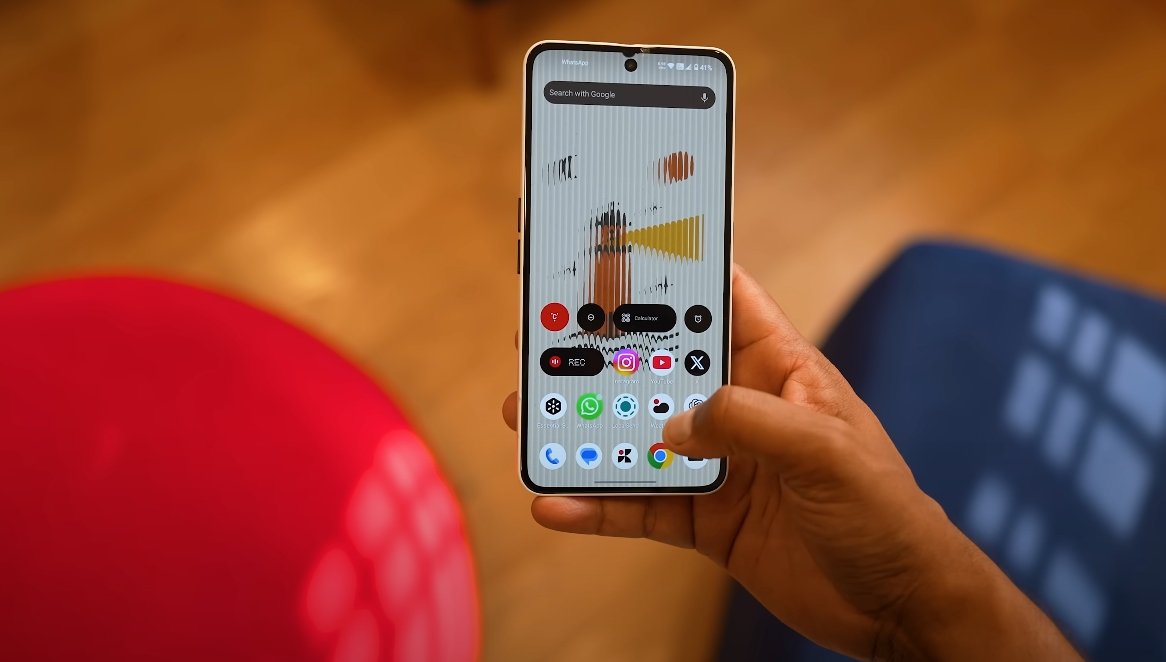
When it comes to display integration, the Nothing Phone 3A Lite focuses on minimalism. Its clean front panel ensures that the screen stands out, while the transparent back and LED accents give the device a distinctive personality. The Realme GT 7, meanwhile, emphasizes immersion with its larger screen and subtle curves, which enhance both media consumption and gaming experiences. The design choices in each phone reflect their brand philosophies: Nothing emphasizes uniqueness and innovation, while Realme prioritizes sleekness and elegance.

Ergonomics play an important role in the design comparison. The Nothing Phone 3A Lite is lightweight and well-balanced, making it comfortable for one-handed use despite its size. Its transparent back reduces visual bulk, enhancing the perception of a slimmer device. The Realme GT 7, though slightly heavier, has a solid feel in the hand. Its glossy finish contributes to a luxurious touch, but careful handling may be necessary to avoid slips. Both devices offer durability, but their handling experiences differ due to weight distribution and material choices.

The material choices and finish also influence user perception. The Nothing Phone 3A Lite’s transparent back conveys a futuristic and tech-savvy impression. It draws attention and creates a sense of exclusivity. The Realme GT 7’s glossy back and polished edges project a premium and sophisticated feel that aligns with conventional design trends. Users seeking innovation and standout aesthetics may prefer the Nothing Phone, whereas those who value elegance and a traditional premium look may lean toward the Realme GT 7.

Another important aspect is the integration of interactive elements. The LED lights on the Nothing Phone 3A Lite are not just for aesthetics; they provide functional cues for notifications and charging status. This adds a layer of interactivity and personalization that enhances the overall experience. The Realme GT 7 focuses more on visual polish and smooth lines rather than interactive lighting, appealing to users who prioritize appearance over unique functional features.

In conclusion, the design comparison between the Nothing Phone 3A Lite and Realme GT 7 highlights two very different approaches to smartphone aesthetics. The Nothing Phone 3A Lite stands out with its transparent back, LED accents, and futuristic appeal, offering a distinctive user experience that merges functionality with visual innovation. The Realme GT 7, on the other hand, emphasizes elegance, polish, and a large immersive display, catering to users who prefer a more conventional yet premium design. Choosing between the two depends largely on personal preference: whether one values unique aesthetics and interactive features or a sleek, polished, and traditional premium look. Both devices offer compelling design experiences that reflect their brand identities and target audiences, making them strong choices in the mid-range smartphone market.
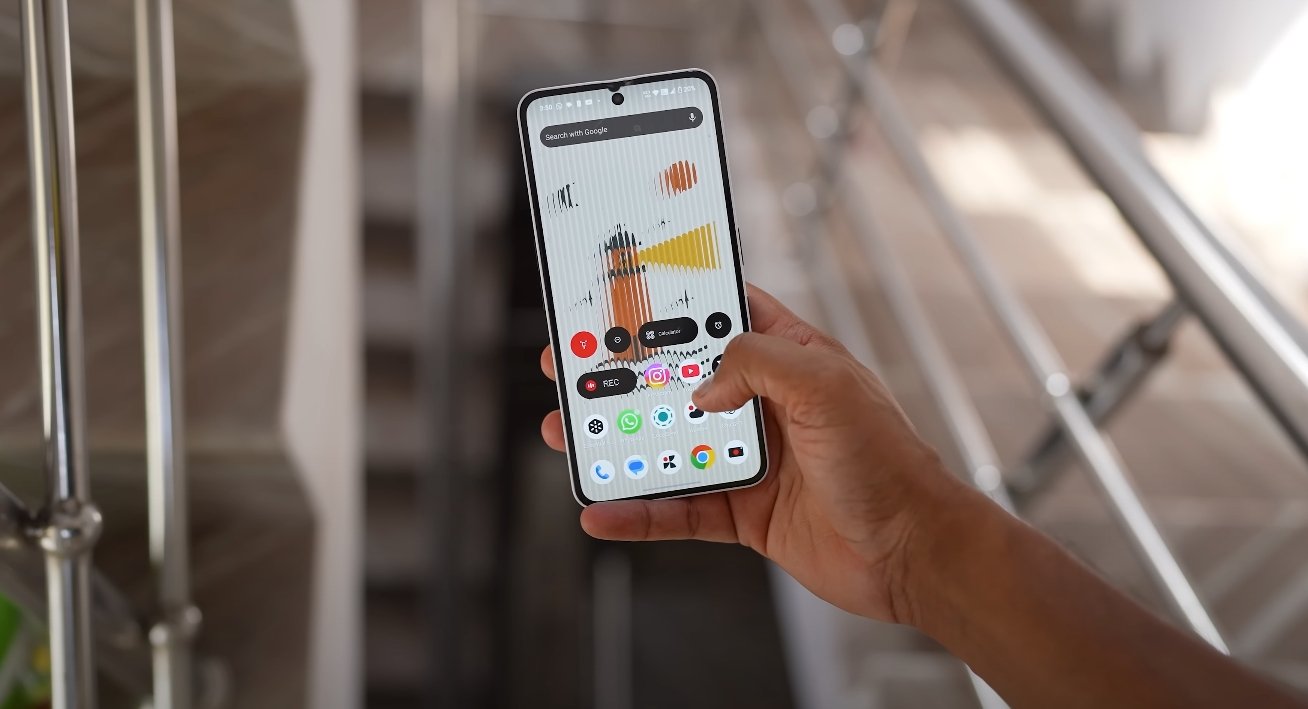
Nothing Phone 3A Lite vs Realme Narzo 70 Pro comparison

Nothing Phone 3A Lite vs Realme Narzo 70 Pro comparison

In-Depth Comparison: Nothing Phone 3A Lite and Realme Narzo 70 Pro

The Nothing Phone 3A Lite and Realme Narzo 70 Pro are two mid-range smartphones designed to offer a mix of performance, style, and affordability. Both devices appeal to budget-conscious users but have different strengths in display, performance, and features.

The Nothing Phone 3A Lite stands out with its distinctive transparent design, featuring LED accents that make the phone visually striking. Its 6.77-inch AMOLED display delivers vibrant colors, deep blacks, and smooth visuals with a 120Hz refresh rate. This makes scrolling, media viewing, and gaming more enjoyable. In comparison, the Realme Narzo 70 Pro sports a 6.67-inch AMOLED display with Full HD+ resolution and similar refresh rates. While both offer good visual experiences, the Nothing Phone’s design and display brightness give it a slight edge in media consumption and aesthetics.

Performance is another differentiator. The Nothing Phone 3A Lite runs on the Snapdragon 7s Gen 3 chipset paired with 8GB of RAM, offering smooth multitasking and moderate gaming performance. Apps load quickly, and everyday tasks are handled efficiently. The Realme Narzo 70 Pro features the MediaTek Dimensity 7050 processor with 8GB RAM, which is capable of managing regular apps and light gaming well. While both phones handle daily usage comfortably, the Snapdragon 7s Gen 3 provides slightly better graphics performance and efficiency.

Nothing Phone 3A Lite vs Realme Narzo 70 Pro comparison

Camera setups also differ between the two devices. The Nothing Phone 3A Lite has a dual-camera configuration with a 50MP main sensor and a 50MP telephoto lens, allowing users to capture detailed photos and zoomed shots. The Realme Narzo 70 Pro offers a triple-camera system with a 50MP main sensor, 8MP ultra-wide lens, and a 2MP macro sensor. This setup provides flexibility for wide-angle shots and close-up photography, making it versatile for various photo scenarios.

Battery life is strong in both devices, each equipped with a 5000mAh battery that supports a full day of use under normal conditions. The Nothing Phone 3A Lite supports 45W fast charging, allowing for relatively quick recharges. The Realme Narzo 70 Pro, however, features 67W SUPERVOOC fast charging, which charges the battery faster and reduces downtime. Users who prioritize rapid charging may prefer the Narzo 70 Pro.

Software experiences differ as well. The Nothing Phone 3A Lite runs on Android 15 with a minimalistic interface and the Glyph notification system, which provides a unique and visually appealing experience. The Realme Narzo 70 Pro operates on Realme UI 5.0 based on Android 14, offering customization options, themes, and a smooth user interface. Those who enjoy a futuristic design may lean toward the Nothing Phone, while users who prefer a more feature-rich and customizable UI may favor Realme.

In terms of pricing, the Realme Narzo 70 Pro is generally more budget-friendly than the Nothing Phone 3A Lite, making it appealing for users who want good specifications at a lower cost. The Nothing Phone 3A Lite, on the other hand, emphasizes design and display quality, which can justify a slightly higher price for buyers seeking style and premium feel.

In conclusion, both smartphones offer solid options in the mid-range segment. The Nothing Phone 3A Lite shines with its display, design, and clean software experience, while the Realme Narzo 70 Pro excels with versatile cameras and faster charging at a lower price. The choice between the two depends on individual preferences, whether users value aesthetics and display performance or cost-effectiveness and feature-rich functionality. Both devices provide reliable performance and modern features for mid-range buyers.

Also Read:  Motorola Edge 70 resale value prediction in USA

Nothing Phone 3A Lite vs iPhone 13 Mini budget showdown

Nothing Phone 3A Lite vs iPhone 13 Mini budget showdown

Budget Smartphone Face-Off: Nothing Phone 3A Lite vs iPhone 13 Mini

The Nothing Phone 3A Lite has emerged as a strong contender in the budget segment, offering distinctive design and decent performance at an affordable price. Its semi-transparent back panel and signature LED lighting make it stand out, giving it a modern and playful look. The phone is lightweight and compact, making it comfortable for one-handed use while maintaining a premium feel despite its budget positioning.

The iPhone 13 Mini, although slightly older, continues to appeal with its premium build quality and compact design. It features a glass front and back with an aluminum frame, offering a sleek and durable form factor. Its smaller size makes it ideal for users who prefer portability and one-handed operation, while maintaining the polished feel that Apple devices are known for.

When it comes to display, the Nothing Phone 3A Lite comes with a 6.7-inch AMOLED panel and a 120Hz refresh rate. The screen offers vibrant colors, sharp details, and smooth animations, making it suitable for media consumption, gaming, and daily tasks. The larger display enhances the immersive experience for videos and gaming, providing a modern visual edge in the budget segment.

Nothing Phone 3A Lite vs iPhone 13 Mini budget showdown

The iPhone 13 Mini sports a 5.4-inch Super Retina XDR OLED display. While smaller, it delivers excellent color accuracy and sharpness. Its 60Hz refresh rate is adequate for everyday usage, although it may not match the fluidity of higher refresh rate screens. The compact display makes the device easy to handle, and its high brightness and contrast ensure clear visibility even in bright environments.

Performance-wise, the Nothing Phone 3A Lite is powered by the Snapdragon 7s Gen 3 chipset with 8GB of RAM. It handles multitasking, social media, and casual gaming efficiently. Running Android 15 with Nothing OS 3.1, the phone offers a clean and smooth interface, making navigation intuitive for everyday users. It balances performance and efficiency effectively for its price range.

The iPhone 13 Mini is equipped with Apple’s A15 Bionic chip and 4GB of RAM. Despite lower RAM, the iPhone delivers outstanding performance and smooth multitasking thanks to iOS optimization. It excels in gaming, app responsiveness, and long-term software support. The combination of hardware and software ensures consistent performance for years, giving it longevity beyond its release date.

Camera capabilities are an important factor in the budget showdown. The Nothing Phone 3A Lite offers a triple-camera setup with a 50MP main sensor, a 50MP telephoto lens, and an 8MP ultra-wide lens. It produces vibrant and detailed photos, with AI enhancements for low-light and portrait shots. The front camera is 32MP, suitable for high-quality selfies and video calls, providing a versatile photography experience.

The iPhone 13 Mini features a dual 12MP camera system, including a wide and ultra-wide lens. Apple’s image processing ensures excellent photo quality, with natural colors and sharp details even in challenging lighting. The front 12MP camera delivers clear selfies and smooth video calls. While its camera hardware may seem modest, the software optimization makes it a strong performer.

Battery life on the Nothing Phone 3A Lite is supported by a 5000mAh battery with 50W fast charging. Users can expect long usage times and quick recharging when needed. The iPhone 13 Mini, with a 2438mAh battery, offers reasonable endurance for its compact size. Fast charging is supported at 20W, though the smaller battery may require more frequent charging compared to the Nothing Phone.

In conclusion, the Nothing Phone 3A Lite is ideal for users looking for a stylish design, large display, and versatile cameras at a budget-friendly price. The iPhone 13 Mini suits those who value premium build, compact form, and long-term performance within Apple’s ecosystem. Both devices offer compelling features, and the choice depends on whether the user prioritizes affordability and design or premium quality and ecosystem integration.

Also Read:  Apple iPhone Air 5G network compatibility in USA

Nothing Phone 3A Lite vs Redmi 13C Pro feature check

Nothing Phone 3A Lite vs Redmi 13C Pro feature check

Comprehensive Feature Comparison: Nothing Phone 3A Lite and Redmi 13C Pro

The Nothing Phone 3A Lite and Redmi 13C Pro are two budget-friendly smartphones that have caught attention in the mid-range segment. Both devices aim to provide value for money while offering a balanced mix of performance, design, and essential features. Despite their similarities in price, they differ significantly in display, performance, and user experience.

The Nothing Phone 3A Lite stands out with its distinctive design, featuring a transparent back panel with LED accents that create a futuristic look. Its 6.77-inch AMOLED display offers vibrant colors, deep blacks, and smooth scrolling thanks to a 120Hz refresh rate. The large, bright screen makes media consumption, gaming, and everyday tasks more enjoyable. On the other hand, the Redmi 13C Pro sports a 6.74-inch LCD display with HD+ resolution. While it provides a good viewing experience for general use, the colors and contrast are not as vivid as the AMOLED panel on the Nothing Phone, which gives the 3A Lite an edge for users who prioritize display quality.

Performance is another key differentiator between the two smartphones. The Nothing Phone 3A Lite is powered by the Snapdragon 7s Gen 3 chipset with 8GB of RAM, providing smooth multitasking and decent gaming performance. Apps launch quickly, and the device handles moderate multitasking without noticeable lag. In comparison, the Redmi 13C Pro runs on the MediaTek Helio G85 processor, available with 4GB, 6GB, or 8GB of RAM. While sufficient for everyday tasks like social media browsing and video streaming, the Helio G85 may struggle under heavier workloads or more demanding games compared to the Snapdragon 7s Gen 3, giving the Nothing Phone a slight performance advantage.

Nothing Phone 3A Lite vs Redmi 13C Pro feature check

Camera capabilities differ as well. The Nothing Phone 3A Lite features a dual-camera system with a 50MP primary sensor and a 50MP telephoto lens, allowing for versatile photography options. Users can capture detailed close-ups and zoomed shots with clarity. The Redmi 13C Pro also has a 50MP primary sensor but is paired with a 0.08MP depth sensor, lacking telephoto capabilities. While both devices can take good photos in daylight, the Nothing Phone’s additional lens provides more flexibility and better options for portrait and distant shots.

Battery life is robust on both devices, with each equipped with a 5000mAh battery capable of lasting a full day under normal use. The Nothing Phone 3A Lite supports 45W fast charging, allowing users to quickly recharge and get back to using their phone. In contrast, the Redmi 13C Pro offers 18W fast charging, which is adequate but slower, meaning longer charging times. This makes the Nothing Phone more convenient for users who need to recharge frequently during a busy day.

The software experience also varies. The Nothing Phone 3A Lite runs on Android 15 with a minimalistic interface, enhanced by the unique Glyph system for notifications. This provides a clean, modern user experience with subtle visual cues for calls and messages. The Redmi 13C Pro runs on MIUI 14 based on Android 13, offering a more customizable interface with a range of themes and personalization options. Users who enjoy a minimalist and futuristic interface may prefer the Nothing Phone, while those who like flexibility and customization may lean toward the Redmi device.

In terms of pricing, the Redmi 13C Pro is generally more affordable, making it attractive for users who want a capable smartphone at a lower cost. The Nothing Phone 3A Lite commands a slightly higher price due to its premium display, distinctive design, and extra features, which may appeal to buyers willing to pay a bit more for a standout appearance and better display quality.

In conclusion, the Nothing Phone 3A Lite and Redmi 13C Pro both offer strong value in the budget segment but cater to different priorities. The Nothing Phone excels in display quality, design, and camera versatility, while the Redmi 13C Pro focuses on affordability and sufficient performance for everyday use. Choosing between them depends on whether users value style and display performance over price, or prefer a more cost-effective option with reliable functionality. Both phones remain compelling choices for budget-conscious buyers looking for modern features and solid performance.

Nothing Phone 3A Lite vs Realme 12 Plus camera battle

Nothing Phone 3A Lite vs Realme 12 Plus camera battle

Camera Comparison: Nothing Phone 3A Lite vs Realme 12 Plus

The Nothing Phone 3A Lite brings a unique approach to smartphone photography with its dual-camera setup. The primary camera is designed to capture sharp and detailed images in daylight, while the secondary sensor assists with depth effects and portrait shots. The device also includes AI enhancements to improve low-light photography and enhance colors, aiming to deliver balanced results for casual photography. Its camera design complements the phone’s modern and playful aesthetic, making it appealing to users who want both style and functionality.

In contrast, the Realme 12 Plus emphasizes a versatile camera experience with a triple-camera setup. The main sensor is higher resolution, aiming for detailed landscape and portrait photography. An ultra-wide lens allows for capturing expansive scenes, while a dedicated macro sensor enables close-up shots with fine details. Realme also integrates advanced AI features to enhance night photography, dynamic range, and color accuracy. The combination of lenses gives users more flexibility in shooting, appealing to photography enthusiasts who enjoy experimenting with different perspectives.

When comparing low-light performance, the Nothing Phone 3A Lite leverages AI-driven noise reduction and enhanced HDR to brighten dark scenes without overexposing highlights. It produces natural-looking images, although some fine details may be softer compared to higher-end phones. The Realme 12 Plus, with its larger sensor and multi-frame processing, tends to capture brighter images with sharper details in low-light settings. Both phones show improvements over previous generations, but the Realme 12 Plus holds an advantage for users who prioritize night photography.

Nothing Phone 3A Lite vs Realme 12 Plus camera battle

Video recording capabilities also differ between the two devices. The Nothing Phone 3A Lite supports stable video capture with electronic image stabilization, making it suitable for casual video content. It offers decent clarity and color reproduction for social media use, although it may struggle with fast-moving subjects. The Realme 12 Plus, on the other hand, provides higher-resolution video options and better stabilization features, allowing smoother and more professional-looking footage. This makes it a better choice for users who frequently record videos in varied conditions.

Selfie performance is another area of comparison. The Nothing Phone 3A Lite includes a front camera capable of capturing bright and natural selfies with background blur effects. AI adjustments help enhance skin tone and overall image balance, which works well for everyday use. The Realme 12 Plus front camera delivers higher resolution selfies and improved low-light performance. Its AI-driven portrait mode and beauty enhancements offer more polished results for users who focus heavily on front-camera photography.

Software plays a crucial role in the camera experience. The Nothing Phone 3A Lite includes an intuitive camera app with simple controls, allowing quick access to modes like portrait, night, and video. Its focus is on ease of use and casual photography. Realme 12 Plus, meanwhile, provides a more feature-rich camera app with options for professional adjustments such as ISO, shutter speed, and white balance. This gives users greater creative control but may require more familiarity with photography settings.

Ultimately, the camera battle between the Nothing Phone 3A Lite and the Realme 12 Plus depends on user priorities. The Nothing Phone 3A Lite offers a fun, easy-to-use camera system with good everyday performance, appealing to casual photographers and social media users. The Realme 12 Plus delivers versatility, higher resolution, and stronger low-light performance, catering to users who want more control and flexibility. Both phones provide solid photography experiences within their respective segments, each excelling in different areas.

Also Read:  How long will Moto G06 Power battery last in the USA

Nothing Phone 3A Lite vs Pixel 7 Pro design comparison

Nothing Phone 3A Lite vs Pixel 7 Pro design comparison

Design Showdown: Nothing Phone 3A Lite vs Pixel 7 Pro

The Nothing Phone 3A Lite brings a fresh, standout design to the budget-friendly segment. Its semi-transparent back panel offers a peek into the internal components, creating a unique visual identity. The signature LED light strips on the rear further distinguish it from other smartphones, giving it a playful yet modern appearance. This approach is rare in affordable devices, making the 3A Lite particularly appealing to users who value design innovation.

In comparison, the Pixel 7 Pro maintains Google’s signature premium aesthetic. It features a polished aluminum frame with a matte glass back that gives it a sleek and professional look. The design prioritizes elegance and simplicity, aiming to attract users who prefer a sophisticated, understated style. Unlike the Nothing Phone, the Pixel 7 Pro’s design focuses on minimalism and conventional luxury rather than flashy or experimental elements.

The size and form factor of the two phones also highlight their design philosophies. The Nothing Phone 3A Lite is lighter and slightly more compact, making it easier to handle and carry. Its rounded corners and symmetrical layout enhance ergonomics, appealing to those who prioritize comfort during daily use. The Pixel 7 Pro, on the other hand, is larger with a more substantial feel, emphasizing premium materials and build quality that suggest durability and high-end craftsmanship.

Nothing Phone 3A Lite vs Pixel 7 Pro design comparison

Color choices play a significant role in distinguishing these devices. The Nothing Phone 3A Lite is expected to be available in simple yet striking options such as black and white, emphasizing its modern and playful design language. In contrast, the Pixel 7 Pro also offers classic colors but leans towards muted, professional tones that reinforce its premium identity. Both phones maintain a minimalist approach, but their color executions reflect their target audiences.

Attention to detail sets each phone apart. The Nothing Phone 3A Lite’s transparent back is complemented by visible screws and components, creating a tech-forward aesthetic that is rarely seen in budget phones. Meanwhile, the Pixel 7 Pro’s design focuses on seamless lines and polished surfaces, showcasing Google’s commitment to craftsmanship. Every curve, edge, and finish in the Pixel 7 Pro aims to communicate precision and elegance.

User experience is subtly influenced by design as well. The Nothing Phone 3A Lite’s lighter weight and smaller dimensions may appeal to users who prefer one-handed operation and a more interactive look. The Pixel 7 Pro’s solid and premium feel reinforces a sense of quality in hand, which can enhance the perception of value for those investing in a high-end device. Each design strategy is closely aligned with the intended market and user expectations.

Ultimately, the comparison comes down to personal preference. The Nothing Phone 3A Lite is ideal for users seeking a unique, attention-grabbing design that stands out in a crowd. Its playful aesthetics and semi-transparent back make it memorable and distinctive. The Pixel 7 Pro, conversely, caters to those who value elegance, premium feel, and a polished appearance. Both devices succeed in their respective goals, but their visual philosophies appeal to very different audiences.

The design of a smartphone is often the first point of interaction, and in this case, both phones offer strong, contrasting approaches. Whether one prefers the innovative and unconventional style of the Nothing Phone 3A Lite or the refined, high-end look of the Pixel 7 Pro, both devices showcase how design can define user perception and market appeal.

Also Read:  Samsung Galaxy M17 5G price expected for USA launch

Nothing Phone 3A Lite vs OnePlus Nord CE 3 Lite comparison

Nothing Phone 3A Lite vs OnePlus Nord CE 3 Lite comparison

Full Comparison of Nothing Phone 3A Lite and OnePlus Nord CE 3 Lite

The Nothing Phone 3A Lite and OnePlus Nord CE 3 Lite are two prominent contenders in the mid-range smartphone market. Both devices target users looking for capable hardware without breaking the bank. While they share similarities like large screens and 5G support, their differences in design, performance, and software make the choice between them interesting.
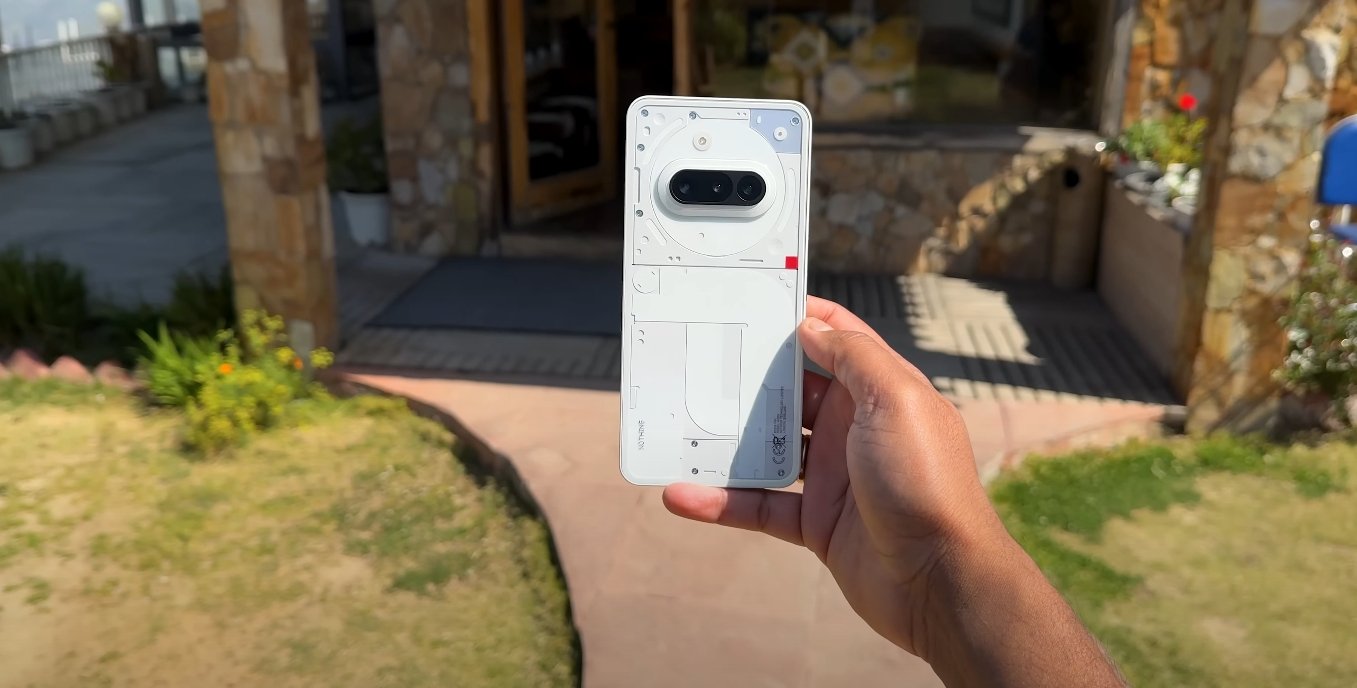
The Nothing Phone 3A Lite features a unique transparent design, which sets it apart in aesthetics. Its 6.77-inch AMOLED display provides vibrant colors, deep blacks, and a smooth 120Hz refresh rate. In comparison, the OnePlus Nord CE 3 Lite has a slightly smaller 6.72-inch LCD display, also with Full HD+ resolution and 120Hz refresh. While both screens are capable, the AMOLED panel of the Nothing Phone delivers more vivid visuals and better contrast, appealing to users who prioritize media consumption.

Performance-wise, the Nothing Phone 3A Lite is powered by the Qualcomm Snapdragon 7s Gen 3 chipset coupled with 8GB of RAM. This combination ensures smooth operation for daily apps, gaming, and multitasking. The OnePlus Nord CE 3 Lite uses the Qualcomm Snapdragon 695 processor with the same 8GB of RAM. Both devices handle everyday tasks well, but the Nothing Phone’s processor offers slightly better efficiency and graphics performance, which can be noticeable in demanding applications and games.

Nothing Phone 3A Lite vs OnePlus Nord CE 3 Lite comparison

Camera capabilities also differ between the two smartphones. The Nothing Phone 3A Lite has a dual-camera setup with a 50MP main sensor and a 50MP telephoto lens. This allows for versatile photography, including portrait shots and zoomed images with good clarity. On the other hand, the OnePlus Nord CE 3 Lite offers a triple-camera system with a 108MP primary sensor, complemented by macro and depth sensors. While its high megapixel count promises detailed photos, real-world results depend heavily on software optimization and lighting conditions.

Battery life is strong in both models. Each device comes with a 5000mAh battery, capable of lasting a full day under moderate usage. The Nothing Phone 3A Lite supports 45W fast charging, enabling quick battery top-ups, whereas the OnePlus Nord CE 3 Lite features 67W fast charging, allowing it to charge faster and reduce downtime. Both phones support standard connectivity features including 5G, Wi-Fi, and Bluetooth, ensuring they meet modern smartphone expectations.

Software experience is another area where the two devices differ. The Nothing Phone 3A Lite runs on Android 15, featuring a clean interface and its signature Glyph system for notifications, which adds a unique visual style. The OnePlus Nord CE 3 Lite comes with OxygenOS 13.1 based on Android 13, offering a smooth, customizable experience with additional features for personalization. Users who value interface aesthetics might prefer Nothing’s approach, while those seeking flexibility may favor OxygenOS.

When it comes to pricing and availability, both smartphones are positioned as budget-friendly options, but regional pricing varies. Generally, the OnePlus Nord CE 3 Lite is slightly more affordable, making it appealing to users focused on value. The Nothing Phone 3A Lite, however, offers distinctive design and display quality, which may justify a higher price for some consumers.

In conclusion, the Nothing Phone 3A Lite and OnePlus Nord CE 3 Lite cater to slightly different user priorities. The Nothing Phone excels in design, display, and a clean software experience, while the OnePlus Nord CE 3 Lite offers higher megapixel photography and faster charging at a lower cost. Choosing between them depends on what aspects of a smartphone matter most, whether it is style, display quality, camera capabilities, or charging convenience. Both remain strong contenders in the mid-range market.

Nothing Phone 3A Lite vs OnePlus Ace 3V Performance Test

Nothing Phone 3A Lite vs OnePlus Ace 3V Performance Test

Mid-Range Performance Showdown

The Nothing Phone 3A Lite and OnePlus Ace 3V are two compelling mid-range smartphones in 2025. Both target users seeking smooth performance without flagship prices, but they differ in raw power, efficiency, and gaming capability. A detailed performance comparison highlights how each device handles daily tasks, heavy apps, and gaming.

The Nothing Phone 3A Lite is powered by the Snapdragon 7s Gen 3 processor, paired with up to 12GB RAM and up to 256GB storage. This chipset provides balanced performance for multitasking, social media, and light gaming. Its GPU handles most mid-range games smoothly, though very demanding titles may experience occasional frame drops. Thermal management is effective, keeping the phone cool during extended usage.

The OnePlus Ace 3V, on the other hand, features the Snapdragon 7+ Gen 3 processor with up to 12GB RAM and up to 512GB storage. Its performance is stronger in GPU-intensive tasks and overall system efficiency. Benchmark tests show the Ace 3V outperforms the Nothing 3A Lite by roughly 35% in overall scores. Users can run high-end games at higher graphics settings without noticeable lag, and the phone maintains stable performance thanks to advanced cooling solutions.

Nothing Phone 3A Lite vs OnePlus Ace 3V Performance Test

In real-world usage, both phones perform well. For everyday tasks like browsing, streaming, and social media, the Nothing Phone 3A Lite feels smooth and responsive. The Ace 3V handles the same tasks effortlessly but shines more in gaming and demanding multitasking due to its superior chipset. This makes the Ace 3V a better choice for users who prioritize performance-heavy applications.

Battery performance is similar, with both phones offering a 5,000mAh battery. The Nothing Phone 3A Lite supports 50W wired fast charging, providing solid endurance and reliable daily usage. The OnePlus Ace 3V offers faster 80W wired charging along with 15W wireless charging, making it more convenient for users who value quick top-ups. Screen-on time for the Ace 3V is slightly higher due to optimized power consumption.

Software experience is another differentiator. Nothing Phone 3A Lite runs Nothing OS 3.1 based on Android 15, which provides a clean, minimalistic interface with unique Glyph lighting notifications. It promises three years of Android updates and six years of security patches. OnePlus Ace 3V runs ColorOS 14 based on Android 14, offering more customization options but a slightly shorter software update window of two years for Android and three years for security patches.

In summary, the OnePlus Ace 3V excels in raw performance, gaming, and charging speed, making it ideal for power users and gamers. The Nothing Phone 3A Lite offers reliable performance for everyday use, a unique design, and better long-term software support. Choice depends on whether users prioritize budget and design or higher performance and faster charging.

Also Read:  Realme GT 8 first impressions from USA tech reviewers

Nothing Phone 3A Lite vs iPhone 14 base model review

Nothing Phone 3A Lite vs iPhone 14 base model review

Affordable Flagship Face-Off: Android Innovation vs iOS Power

The Nothing Phone 3A Lite and the iPhone 14 base model target buyers who want a premium experience without paying the highest prices. Both bring solid features, but their approach to design, performance, and usability is different. Understanding these differences can help you choose the device that fits your needs.

The Nothing Phone 3A Lite stands out with its transparent back design, which showcases internal components and LED accents. Its 6.8-inch AMOLED display with a 120Hz refresh rate provides smooth visuals for media, gaming, and daily tasks. The lightweight build makes it comfortable to hold, and its modern aesthetic appeals to users who value style and uniqueness in a phone.

In contrast, the iPhone 14 keeps Apple’s classic design with an aluminum frame, Ceramic Shield front, and compact 6.1-inch Super Retina XDR display. While it doesn’t have a high refresh rate like the Nothing Phone, it delivers sharp, vibrant colors and reliable brightness. The iPhone 14’s timeless design and premium materials provide a solid, refined feel in hand.

Nothing Phone 3A Lite vs iPhone 14 base model review

Performance is a clear differentiator. The Nothing Phone 3A Lite runs on the Snapdragon 7s Gen 3 processor with up to 12GB RAM, offering smooth multitasking and good gaming performance for most titles. The iPhone 14 uses the A15 Bionic chip with 6GB RAM, delivering exceptional processing power, handling intensive apps and games seamlessly, and offering long-term software efficiency.

Camera performance shows different philosophies. The Nothing Phone 3A Lite features a 50MP triple-camera system with a 32MP front camera, giving flexibility and detail for photos and videos. The iPhone 14 uses a dual-camera setup with a 12MP main and 12MP ultra-wide lens, leveraging Apple’s computational photography for sharp, natural images across lighting conditions. Both produce excellent results, but the iPhone emphasizes software processing over hardware numbers.

Battery life is competitive on both devices. The Nothing Phone 3A Lite has a 5,000mAh battery with 50W fast charging, while the iPhone 14 balances a smaller battery with the energy-efficient A15 chip and 20W charging. Both can last a full day of moderate usage, but the Nothing Phone charges faster for quick top-ups during busy days.

Software experience is another factor. Nothing OS 15 on the 3A Lite offers a clean Android interface with customization options and AI features, while iOS provides a seamless, integrated ecosystem with regular updates and optimized apps. Choosing between the two often comes down to whether a user prefers Android flexibility or iOS continuity.

In conclusion, the Nothing Phone 3A Lite is ideal for users seeking modern design, a large high-refresh display, and a versatile Android experience at an affordable price. The iPhone 14 offers a more premium iOS experience with top-tier performance, polished cameras, and long-term support. Your choice depends on whether design and high refresh rate matter more or if iOS ecosystem and raw processing power are the priority.

Nothing Phone 3A Lite vs Moto Edge 50 Neo Full Review

Nothing Phone 3A Lite vs Moto Edge 50 Neo Full Review

Comparing Two Mid-Range Contenders

The mid-range smartphone segment in 2025 is filled with competitive options, and the Nothing Phone 3A Lite and Moto Edge 50 Neo stand out for different reasons. Both phones offer modern design, capable performance, and solid cameras, but they target slightly different user priorities. A detailed comparison of design, display, performance, cameras, battery, and user experience helps highlight their strengths and weaknesses.

The Nothing Phone 3A Lite follows Nothing’s signature bold design with semi-transparent or unique back styling and edge aesthetics. It is built around a 6.77-inch AMOLED display with a 120Hz refresh rate, delivering bright, vibrant visuals. The Moto Edge 50 Neo, in contrast, is more compact at around 6.4 inches and emphasizes durability with IP68 water and dust resistance, MIL-STD 810H certification, and a premium finish. While Nothing focuses on style and immersive screen real estate, Moto leans into protection and usability.

The displays on both devices are impressive. The Nothing Phone 3A Lite’s AMOLED panel offers high peak brightness for outdoor use, smooth scrolling, and solid color reproduction. The Moto Edge 50 Neo’s LTPO pOLED display has a dynamic refresh rate that adapts from 1Hz to 120Hz, which saves battery without sacrificing smoothness. While Edge 50 Neo has slightly higher resolution, Nothing 3A Lite’s larger display makes media consumption more immersive. Users who prioritize screen size may prefer Nothing, while those who want display efficiency and slightly sharper visuals may favor Moto.

Nothing Phone 3A Lite vs Moto Edge 50 Neo Full Review

Performance is another area of distinction. The Nothing Phone 3A Lite uses the Snapdragon 7s Gen 3 chipset with up to 12GB RAM and 256GB storage. It runs Android 15 with Nothing OS and promises long-term software and security updates. The Moto Edge 50 Neo features a MediaTek Dimensity 7300 chipset with similar RAM and storage options, running Android 14 with Moto UI. Both phones handle daily tasks smoothly, but the Snapdragon chip in Nothing 3A Lite may perform slightly better in gaming and graphics-intensive apps, while Moto focuses on efficiency and stability.

Camera capabilities set the two phones apart. The Nothing Phone 3A Lite has a triple-camera system: a 50MP main sensor with OIS, a 50MP telephoto lens with 2× optical zoom, and an 8MP ultra-wide lens, along with a 32MP front camera. This gives users flexibility for various photography scenarios. The Moto Edge 50 Neo also has a triple-camera setup: a 50MP main sensor with OIS, a 13MP ultra-wide/macro lens, and a 10MP telephoto lens with 3× optical zoom. Its AI processing enhances low-light performance and zoom capabilities. Edge 50 Neo may outperform in zoom and ultra-wide shots, while Nothing’s telephoto is strong for medium-range zoom and portraits.

Battery and charging are practical differentiators. Nothing Phone 3A Lite packs a 5,000mAh battery with 50W wired charging, which provides long usage but charges more slowly. Moto Edge 50 Neo has a slightly smaller battery (~4,310mAh) but supports 68W wired and 15W wireless charging, offering faster top-ups and added convenience. Both phones include stereo speakers, in-display fingerprint sensors, and adequate durability, but Moto adds extra ruggedness and wireless charging.

User experience highlights the design philosophies of each brand. Nothing emphasizes a clean, minimalistic interface and bold design that stands out, while Moto focuses on reliability, compactness, and practical features like dynamic refresh rates and premium finishes. Software updates favor Nothing in terms of long-term security, while Moto offers customization and durability-focused features.

In conclusion, the Moto Edge 50 Neo is better suited for users who prioritize durability, faster charging, compact design, and stronger zoom capabilities. The Nothing Phone 3A Lite excels for those who value a larger immersive display, bold design, balanced camera versatility, and long battery life. Both devices offer excellent value in the mid-range segment, but the choice ultimately depends on user priorities: ruggedness and speed versus style and media experience.

Also Read:  Motorola Edge 70 resale value prediction in USA

Nothing Phone 4a design and build quality for USA buyers

Nothing Phone 4a design and build quality for USA buyers

A Stylish Device Built for Everyday Durability

The Nothing Phone 4a positions itself as a mid-range smartphone with a design that emphasizes both style and sturdiness. Measuring around 161.7 × 76.3 × 8.6 mm and weighing close to 190 grams, it feels balanced in hand without being overly bulky. For buyers in the United States, this means a phone that is comfortable enough for daily use while still carrying a premium presence. The inclusion of an IP67 rating makes it resistant to dust and water, offering reassurance in varied climates and outdoor conditions.

A major highlight is the signature semi-transparent back panel, paired with integrated LED light strips. These lights are not just decorative but serve multiple purposes such as notifications, charging indicators, and camera assistance. The design keeps with Nothing’s recognizable brand identity, offering a distinctive look that stands apart from more conventional smartphones. Available in colors like black, white, and lighter tones, the phone caters to buyers who want both subtle and bold choices.

Nothing Phone 4a design and build quality for USA buyers

Durability is further reinforced with Gorilla Glass 6 protection on the rear and a sturdy mid-frame. This choice of materials makes the device more resistant to scratches and minor drops, something U.S. buyers often expect in daily use. Despite its aesthetic focus, the construction avoids feeling fragile. Instead, it strikes a balance between being sleek and practical.

On the front, the 6.72-inch AMOLED display with a 144Hz refresh rate delivers a smooth viewing experience. Brightness levels reportedly reach 700 nits typically and up to 1300 nits at peak, ensuring visibility even under strong sunlight. For users in cities or regions with high outdoor activity, this brightness performance is an important feature. The slim bezels and flat glass finish add to the modern, refined design.

At 8.6 mm thick and 190 grams, the device carries some weight compared to ultra-thin competitors. However, this slightly larger frame accommodates its advanced display, camera system, and protective features. It may not be the lightest phone in its class, but it gives users confidence in build quality. Wireless charging does not appear to be included, which could be a drawback for U.S. buyers accustomed to that convenience.

Overall, the Nothing Phone 4a combines a bold, transparent design with practical durability elements. Its IP67 resistance, Gorilla Glass protection, and unique LED interface create a package that feels both stylish and functional. For U.S.A. consumers, it offers a phone that looks different from mainstream devices while still being built to handle the demands of everyday life.