Oppo Find X8 Ultra vs Galaxy S24 Ultra zoom comparison
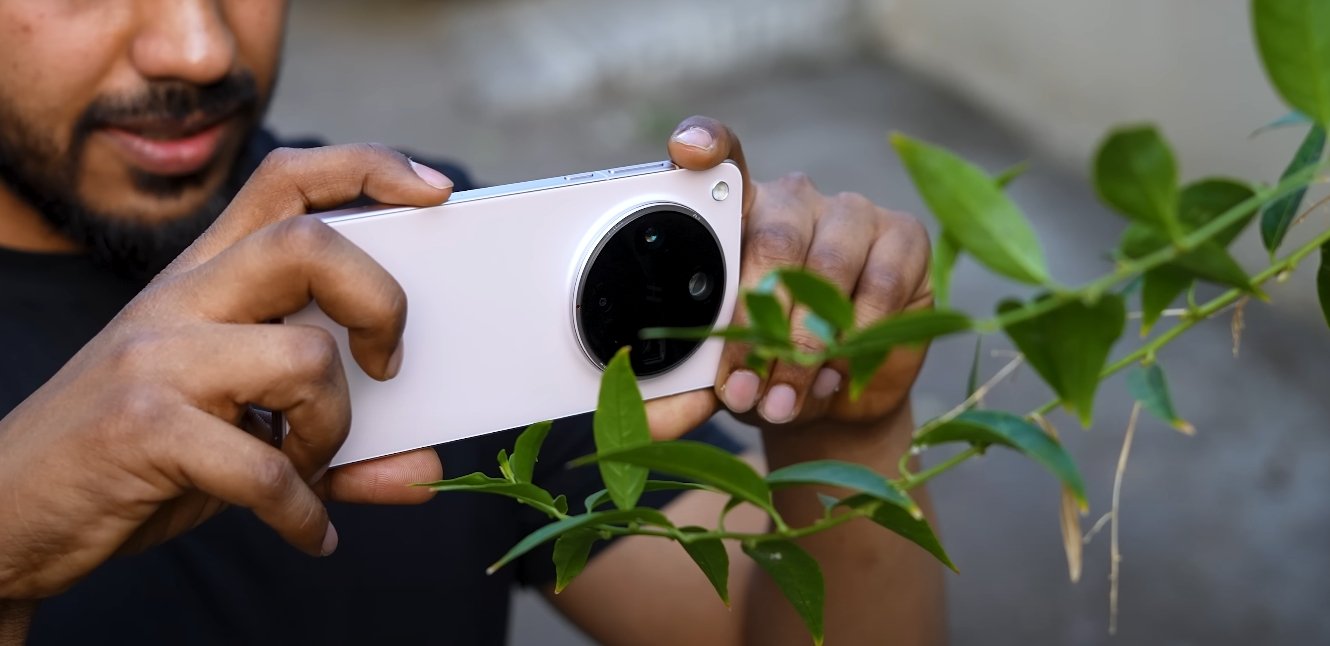
Zoom Power Showdown Between Two Flagship Giants
The Oppo Find X8 Ultra and Samsung Galaxy S24 Ultra represent the very best in smartphone photography technology, and nowhere is their innovation more evident than in their zoom capabilities. Both brands have refined their camera systems over years of flagship evolution, and in 2025, these two devices push optical and digital zoom to impressive new levels. Yet, the approaches they take are quite different. Oppo focuses on optical precision with dual periscope lenses, while Samsung emphasizes extreme hybrid and digital zoom reach.
The Oppo Find X8 Ultra’s camera setup includes a quad-camera system with two periscope telephoto lenses. The first periscope lens offers a 3x optical zoom, ideal for portraits and medium-distance shots. The second periscope lens delivers a 6x optical zoom, allowing users to get close to subjects without losing clarity or color accuracy. This dual-lens design ensures that the phone maintains consistent image quality across multiple zoom ranges, reducing dependence on digital zoom. By contrast, the Galaxy S24 Ultra uses a 5x periscope telephoto camera combined with a 3x short telephoto lens. Samsung’s approach leans heavily on hybrid processing, using its 200MP main sensor and digital enhancements to extend zoom capabilities far beyond its optical limits.
At low to mid zoom levels, both phones perform exceptionally well. Between 1x and 3x, the results are nearly indistinguishable — crisp, detailed, and balanced in color tone. Oppo’s 3x periscope lens provides clear images with minimal distortion and maintains natural bokeh, making it ideal for close-up subjects and portraits. Samsung’s 3x lens performs equally well, but its processing can sometimes produce slightly more saturated results. As users push beyond 3x to 6x, the Find X8 Ultra’s second optical periscope lens begins to shine. Unlike Samsung, which transitions into hybrid zoom at this stage, Oppo retains true optical magnification, preserving details in textures, edges, and lighting.
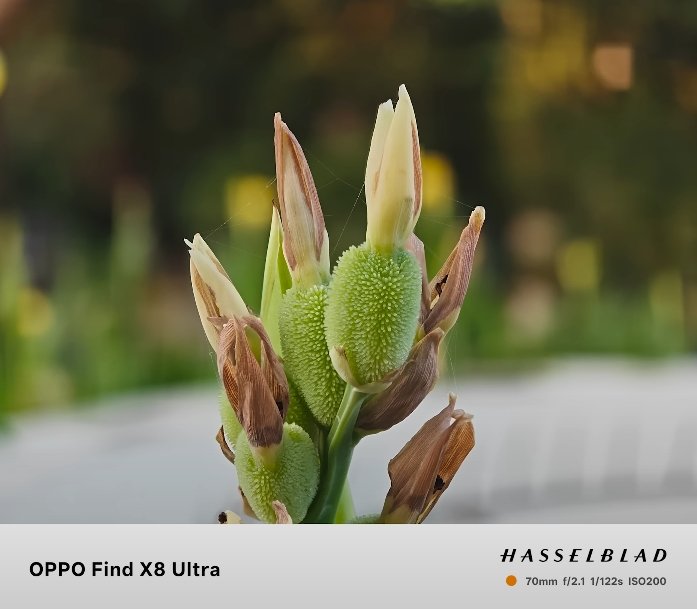
At 10x zoom, the difference becomes more visible. The Galaxy S24 Ultra continues to impress with its reach, using advanced image fusion to create sharp photos even beyond its optical limit. Its “Space Zoom” feature can push all the way to 100x, capturing distant objects that other phones can barely detect. However, at these higher levels, image softness and digital noise begin to appear, especially in low-light conditions. Oppo’s digital zoom also extends beyond 10x, but its strength lies in consistency rather than distance. Even at 15x or 20x, the Find X8 Ultra maintains better color accuracy and fewer artifacts than Samsung’s over-processed long-range shots.
In daylight conditions, both cameras capture exceptional detail. The Oppo Find X8 Ultra delivers more natural and realistic tones, keeping color balance accurate even at longer zoom levels. Samsung’s images often appear brighter and more vibrant, thanks to its software processing, which enhances contrast and saturation. While this makes photos pop on-screen, some users may find it less true to life. When shooting landscapes or architecture at 5x to 10x zoom, Oppo’s optical advantage provides clearer definition, while Samsung’s image sharpening can occasionally introduce a slightly artificial look.
Low-light performance tells another story. Oppo’s dual periscope system, with its larger sensors and optical stabilization, captures cleaner images at moderate zoom distances. The Find X8 Ultra’s ability to gather more light translates into sharper textures and less grain at 3x and 6x zoom. Samsung’s Galaxy S24 Ultra, though equipped with powerful night algorithms, tends to soften details at high zooms in darker environments. The phone compensates with aggressive noise reduction, which sometimes removes fine textures. Overall, Oppo’s optical hardware handles low-light zoom more gracefully, while Samsung excels when there’s ample ambient light or when the user prefers higher brightness levels.
Zoom transitions are smoother on Oppo’s side. Thanks to its dual periscope configuration, the Find X8 Ultra switches between lenses seamlessly, maintaining consistent exposure and tone. Users can jump from 1x to 3x to 6x without a noticeable shift in color or sharpness. The Galaxy S24 Ultra, while extremely capable, occasionally shows minor changes in tone or focus when moving between zoom steps, as its software blends multiple sensors to simulate higher zoom levels. These transitions are still well-handled but slightly less natural than Oppo’s optical progression.
From a usability perspective, both phones are incredibly versatile. The Find X8 Ultra appeals to photographers who want clean optical results and natural depth, especially for subjects within 10x range. It’s the better choice for users who value realistic photos and consistent clarity. The Galaxy S24 Ultra, on the other hand, caters to those who want maximum reach. Its digital “Space Zoom” may not always preserve fine details, but it captures shots at distances no other phone can currently match. Whether photographing wildlife, faraway buildings, or celestial scenes, Samsung’s sheer zoom power remains unmatched in scale.
In conclusion, the Oppo Find X8 Ultra wins the battle for optical precision and image consistency across zoom levels, offering smoother transitions and more natural results. The Samsung Galaxy S24 Ultra leads in ultimate zoom range, allowing users to get closer than ever before, though with some trade-offs in texture and authenticity. For most users, Oppo’s zoom feels more reliable and refined, while Samsung’s is ideal for those who want to push the limits of what smartphone zoom can achieve. Both phones redefine mobile photography in 2025 — but in the world of pure optical quality, Oppo’s dual periscope design takes the lead.
Also Read: Samsung Galaxy M17 5G camera samples shared online