OnePlus 15 vs Huawei P60 Pro: international availability & specs compared
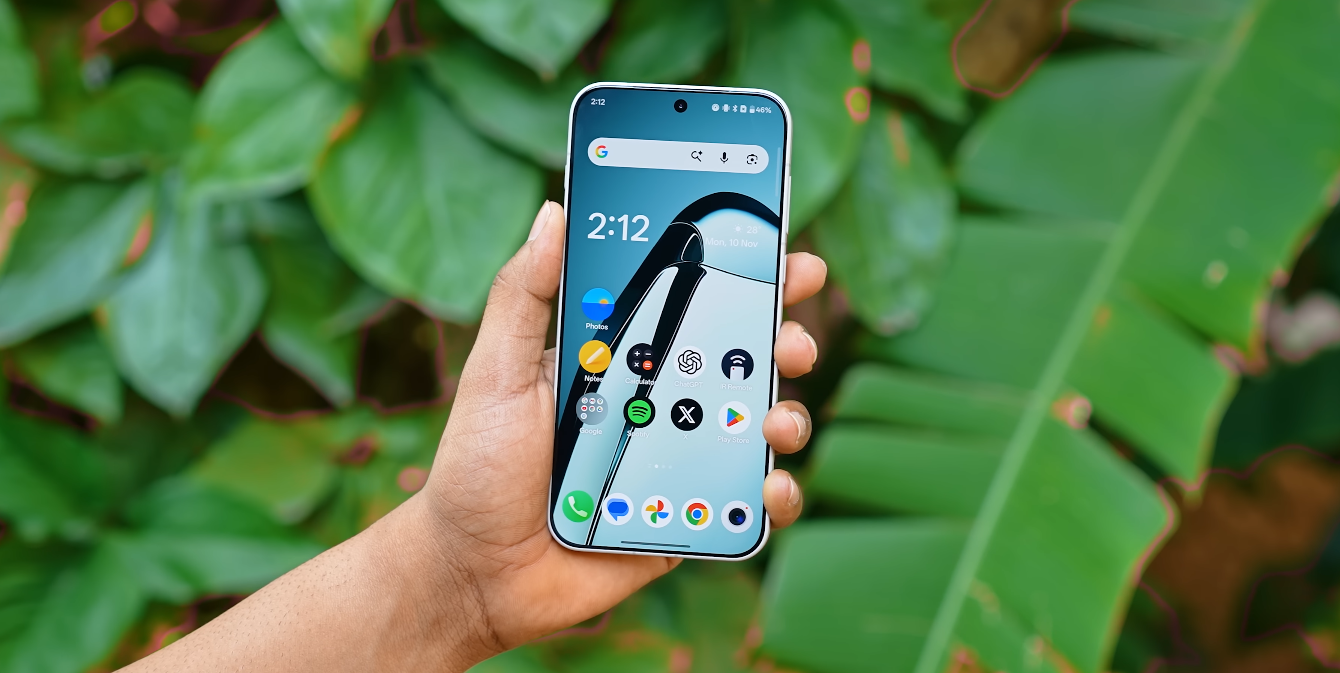
How both flagships position themselves for global buyers
The OnePlus 15 and Huawei P60 Pro represent two different flagship strategies, particularly when considered from an international availability perspective. While both aim to deliver premium hardware and polished photography features, their global reach, software environments and market support vary in ways that matter for everyday users. Understanding how each device is positioned helps buyers make informed decisions, especially in the UK and Europe where network compatibility and app support play key roles.
The Huawei P60 Pro is already officially available in several European markets, including the UK. It comes equipped with a Snapdragon 8+ Gen 1 chipset in a 4G configuration due to ongoing international restrictions affecting Huawei’s access to 5G modem technologies. The device offers a premium design with curved display edges and a strong focus on camera versatility. However, the continued absence of native Google services remains a core consideration for many users in Western markets.
By contrast, the OnePlus 15 is positioned as a globally-focused flagship with full access to Google’s app ecosystem. The device follows OnePlus’s traditional launch cycle, where the Chinese release is followed by international availability. While final UK-specific details are confirmed at announcement time, OnePlus typically releases global variants with full 5G support and regional network optimisation. This positions the OnePlus 15 as a more straightforward option for users who rely heavily on mainstream app accessibility and Google service integration.
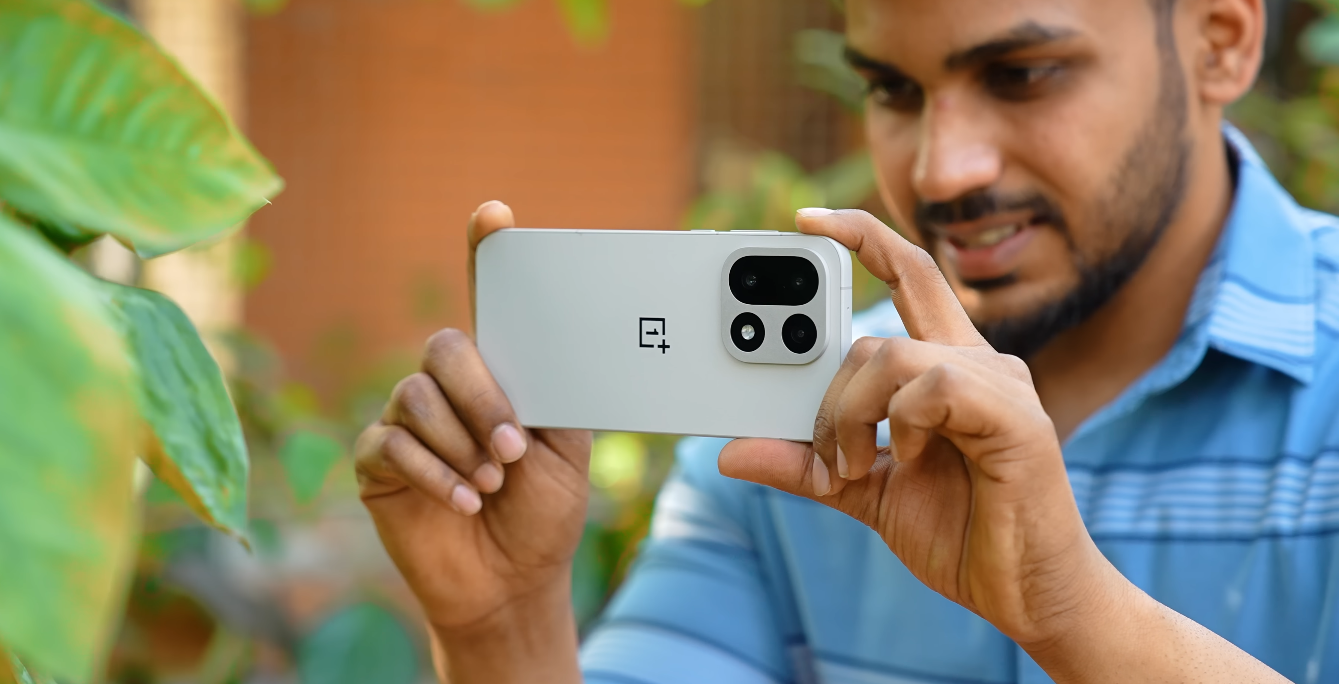
In terms of display, the Huawei P60 Pro features a curved OLED panel with adaptive refresh rate technology that delivers smooth motion handling and strong brightness levels. The OnePlus 15 is expected to continue the brand’s commitment to high-refresh-rate screens with a flat or minimally curved panel, offering clear visual output and fast touch response. For users deciding between the two, the choice may come down to whether they prefer a curved aesthetic or a flat display designed for precision and durability.
Camera performance is where both devices take distinct approaches. The P60 Pro uses a variable aperture system in its primary camera to adjust light intake, allowing the device to adapt dynamically to different lighting conditions. This offers a high level of flexibility in both indoor and outdoor environments. The OnePlus 15, meanwhile, is expected to rely on large sensor hardware and enhanced image processing algorithms to deliver balanced clarity, colour tone accuracy and nighttime performance. Both devices aim for premium results, but the route to achieving them differs.
Battery and charging efficiency also reflect differing engineering priorities. The Huawei P60 Pro supports fast wired charging and wireless charging options that are already well-tested in global variants. OnePlus devices traditionally emphasise high wattage wired charging designed to refill the battery rapidly without demanding long downtime. Consumers who value minimal charging interruption may find OnePlus’s approach appealing, while Huawei provides a well-rounded charging profile suited to steady daily use.
When considering software experience, the divergence becomes more pronounced. The Huawei P60 Pro runs EMUI without pre-installed Google Play Services in many markets, requiring alternative app access methods. While workarounds and Huawei’s own app ecosystem continue to expand, some UK users prefer full Google integration for navigation, messaging and cloud syncing. The OnePlus 15 runs OxygenOS on Android, providing a familiar environment with regular security updates and direct compatibility with Google’s app library.
International support and warranty provisions also influence long-term ownership. Huawei maintains service access in the UK for its officially sold devices, but app support adjustments remain part of the ownership experience. OnePlus devices are commonly supported through a broad network of authorised service points and online repair programmes. Buyers who prioritise future-proofing may consider how ongoing software support cycles align with their expected device lifespan.
Connectivity is another point of distinction. The Huawei P60 Pro’s European variant is limited to 4G, which may not affect users in areas where 5G coverage remains inconsistent but will matter for those who expect to take advantage of growing high-speed network availability. The OnePlus 15 is anticipated to include full 5G radio support across international variants, maintaining alignment with future network expansion in major UK cities and regional centres.
In summary, the OnePlus 15 and Huawei P60 Pro each offer strong flagship capabilities but differ in execution and market practicality. The Huawei P60 Pro delivers sophisticated camera hardware and premium build quality, yet the absence of Google services and limited 5G support may require adjustment for some users. The OnePlus 15 offers a more traditionally global-ready package, emphasising software familiarity, network compatibility and a streamlined interface. For buyers in the UK, the decision will likely rest on whether camera versatility or ecosystem integration holds greater personal value.
Also Read: Redmi K90 Pro Max after-sales support in UK: warranty, service and software updates