OnePlus 15 fast charging myth-busting: heat, battery impact & reality
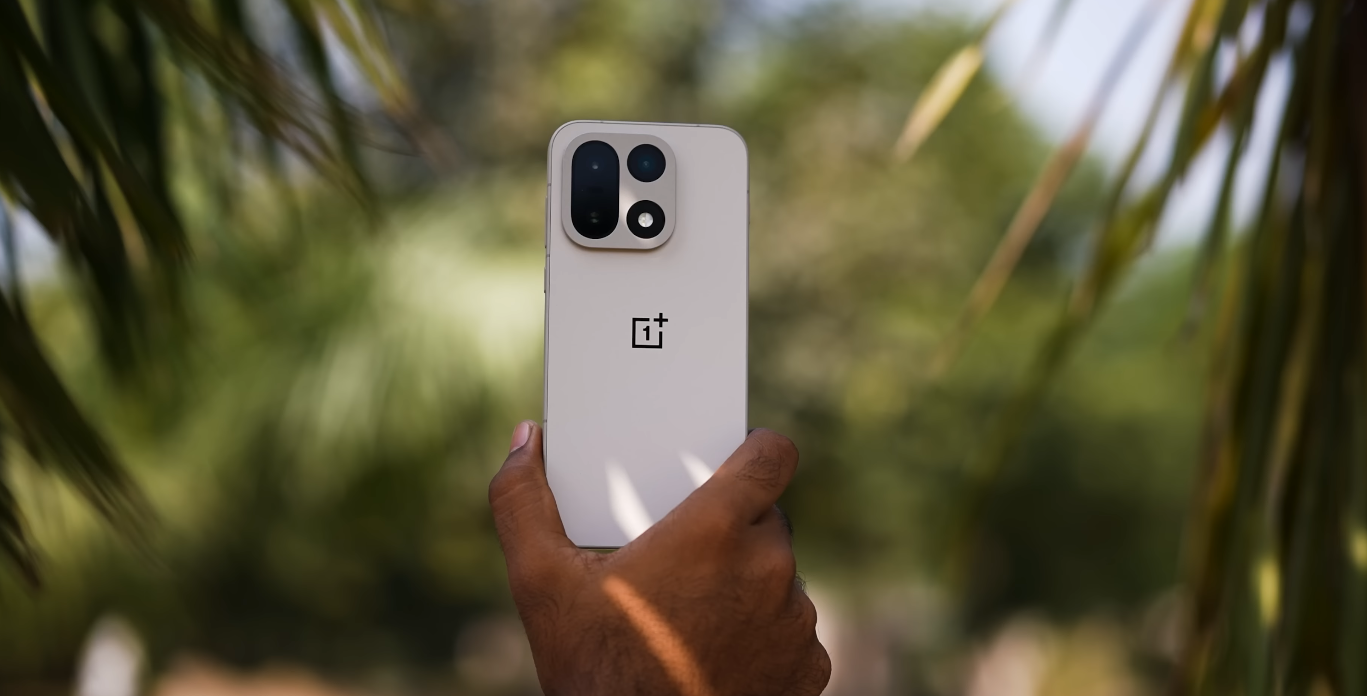
Understanding Fast Charging on the OnePlus 15
The OnePlus 15 brings one of the fastest charging systems seen on a mainstream flagship, and UK buyers naturally have questions around heat, long-term battery health and day-to-day practicality. With wired charging reaching extremely high speeds in supported regions, there are several myths that need clearing up for anyone considering the device as their next upgrade.
One of the most common concerns is that fast charging rapidly damages batteries. On the OnePlus 15, this isn’t reflected in real-world behaviour. The large battery capacity and controlled charging system work together to reduce deep discharge cycles, meaning users don’t need to run the device down completely before topping up. In everyday use, the battery shows strong endurance and consistent performance without signs of excessive stress.
Heat is another area where myths often dominate the conversation. While any fast charger naturally generates warmth, the OnePlus 15 manages thermal output effectively under normal conditions. When plugged in for a quick top-up, the device tends to remain comfortable to the touch. As with any phone, heat rises only when charging is combined with heavy use such as gaming or long periods of high brightness.

Some users believe that the fastest charging mode should always be used. In practice, the OnePlus 15 benefits from flexibility. The included charger ensures the safest and most efficient performance, especially in cooler indoor environments. UK owners who rely heavily on public or mixed chargers may notice slower speeds, but the battery still tops up reliably without added risk.
Wireless charging introduces another myth: many expect it to match wired performance. The OnePlus 15 supports high-speed wireless charging, but wired remains the quickest and most controlled method. Wireless pads provide convenience on desks or night-stands, but they often generate slightly more surface heat and require longer to reach the same battery level.
Battery lifespan is also influenced by everyday habits rather than charging speed alone. The large capacity of the OnePlus 15 means users are less likely to drain the device fully between charges. Short top-ups throughout the day help avoid battery stress, and the phone’s management systems regulate power flow automatically. UK buyers who adopt moderate charging patterns will find the battery remains healthy for long-term use.
The device performs especially well in typical UK conditions where ambient temperatures remain moderate. Avoiding extreme heat, such as charging inside a hot car or under a duvet, prevents unnecessary strain. The system adapts its charging curve based on temperature and battery percentage, adding another layer of protection.
Using the official charger is also important for achieving predictable results. Fast charging requires accurate communication between the power brick and the phone, and third-party chargers may be limited in speed or consistency. The supplied unit is designed specifically for this battery and charging profile, ensuring safe and stable operation.
For overnight charging, users don’t need to rely on maximum speeds. The phone can easily complete a full top-up at a calmer pace, reducing thermal output and providing a cooler battery by morning. Those who prefer daytime boosts can take advantage of the fast system, gaining hours of use in a short session.
Overall, the OnePlus 15 offers a mature fast-charging experience that balances speed with smart protection. The myths around battery harm, overheating and excessive stress don’t match the measured behaviour of this device. For UK buyers, the combination of large capacity, efficient hardware and controlled charging makes it a reliable option for heavy daily use.
In the end, fast charging on the OnePlus 15 is more about convenience than compromise. Used sensibly, it shortens downtime, extends everyday practicality and maintains long-term battery health without the drawbacks commonly associated with high-power charging systems.