Nvidia AI Financing Retreat Unlikely to Lower GeForce Prices
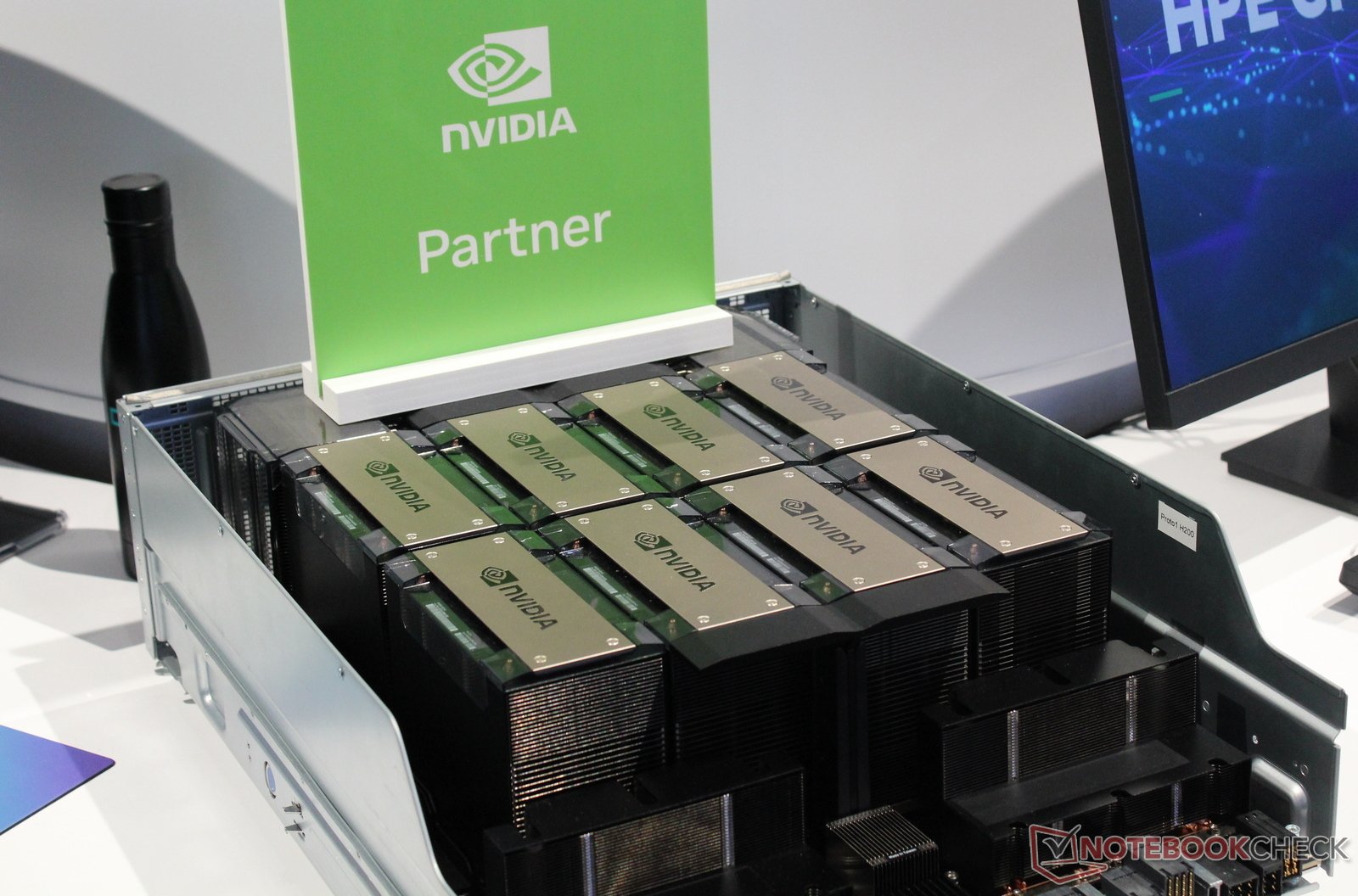
Nvidia’s reported pullback from circular AI financing
According to a report from Notebookcheck, Nvidia’s apparent retreat from what has been described as circular AI financing is unlikely to result in more affordable GeForce graphics cards in 2027. The analysis suggests that even if the company scales back its financial support for AI customers, structural differences in memory requirements, manufacturing processes, and ongoing supply constraints will prevent freed-up resources from quickly translating into cheaper gaming GPUs.
Understanding circular AI financing
The term circular AI financing refers to a dynamic where Nvidia provides financial support or favorable terms to AI-focused customers who purchase its high-end data center hardware. This arrangement can create a self-reinforcing loop: AI companies buy more Nvidia chips, which drives revenue that can be recycled into further incentives. The reported retreat from this model suggests a strategic shift, but the downstream effects on consumer graphics cards are not straightforward.
Why GeForce pricing may remain elevated
Several technical and economic factors separate the AI accelerator market from the consumer GPU segment. AI chips such as the H100 and Blackwell-series processors use high-bandwidth memory (HBM) and advanced packaging technologies that differ significantly from the GDDR memory and standard packaging found on GeForce cards. Manufacturing capacity for these distinct processes is not fully interchangeable, so a reduction in AI chip production does not automatically free up capacity for gaming GPUs.
Supply chain constraints also play a role. Foundry capacity at leading nodes remains tight, and Nvidia’s allocation decisions prioritize higher-margin data center products. Even if AI demand softens, the company may redirect any surplus capacity to other high-value segments rather than increasing GeForce supply to lower prices.
Jensen Huang’s strategic calculus
CEO Jensen Huang has consistently emphasized Nvidia’s focus on accelerated computing and AI as primary growth drivers. The reported financing adjustments may reflect a recalibration of risk exposure rather than a fundamental shift in product priority. For gamers, this means the pricing trajectory of GeForce cards will likely continue to be influenced by data center demand, memory costs, and foundry economics rather than a sudden influx of affordable silicon.
Outlook for 2027 and beyond
The Notebookcheck analysis concludes that gamers should not expect a return to affordable GeForce cards in 2027 solely because of changes in AI financing structures. Long-term pricing will depend on broader semiconductor supply dynamics, competition from AMD and Intel, and Nvidia’s own product segmentation strategy. Until manufacturing capacity expands significantly or competitive pressure intensifies, the premium positioning of GeForce cards is likely to persist.