Indefinite Leave to Remain: The Uncertain Future
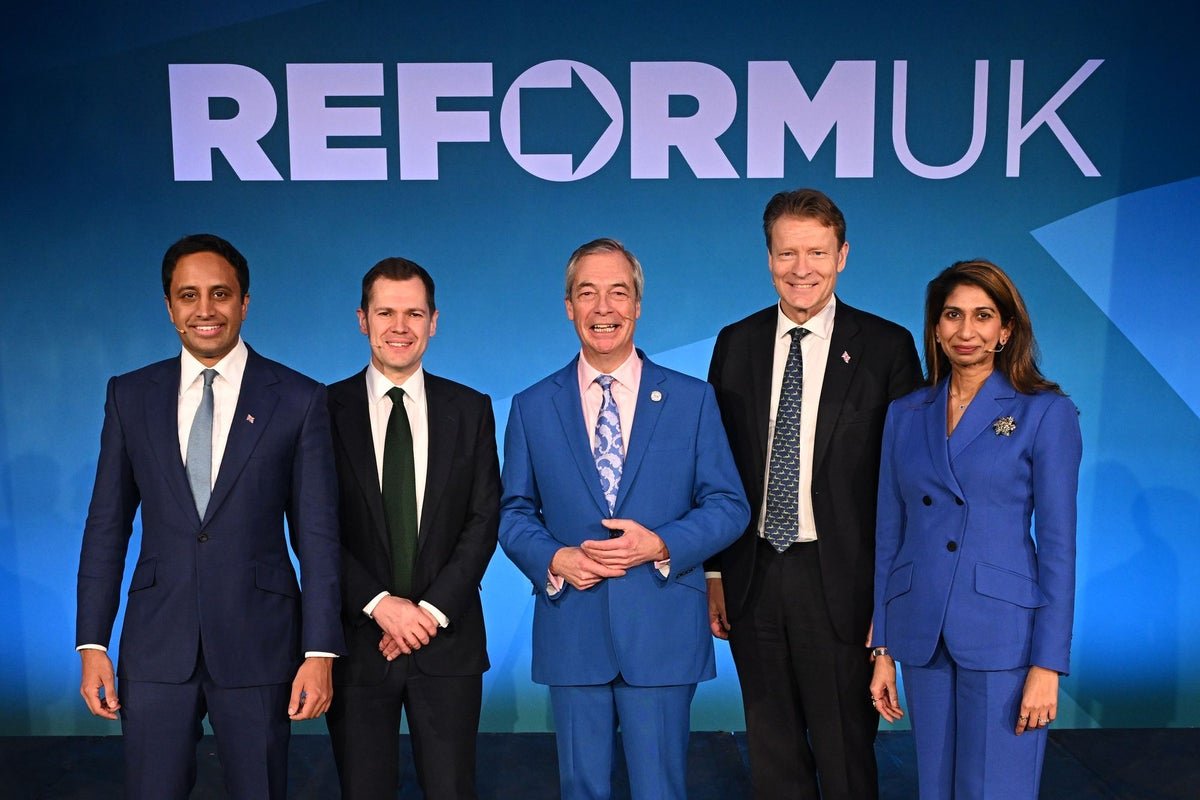
The UK’s immigration policy has been a topic of discussion for years, with many arguing that it is too lenient. Nigel Farage’s plan to scrap indefinite leave to remain has sparked concern among thousands of individuals who could be at risk of deportation. This policy change could have far-reaching consequences, affecting not only the lives of those with indefinite leave to remain but also the UK’s economy and social fabric.
The current system allows individuals to apply for indefinite leave to remain after meeting specific criteria, such as living in the UK for a certain period or having strong ties to the country. However, Farage’s plan could see this system abolished, leaving many in a state of uncertainty. The potential impact on families, businesses, and communities could be significant, with some facing the very real possibility of being forced to leave the UK.
One of the primary concerns surrounding this plan is the lack of clarity on how it would be implemented. Would those with indefinite leave to remain be given a chance to apply for alternative visas, or would they be forced to leave the country immediately? The uncertainty surrounding this issue has left many feeling anxious and unsure about their future. As the UK continues to navigate its post-Brexit landscape, it is essential to consider the potential consequences of such a policy change.
The economic implications of scrapping indefinite leave to remain should not be overlooked. Many individuals with indefinite leave to remain are highly skilled workers, contributing significantly to the UK’s economy. Forcing them to leave the country could lead to a brain drain, with the UK losing out on much-needed talent and expertise. Furthermore, the financial burden of deporting thousands of individuals could be substantial, placing a significant strain on the UK’s resources.
As the debate surrounding indefinite leave to remain continues, it is crucial to analyse the potential consequences of such a policy change. The UK government must carefully consider the impact on individuals, families, and communities, as well as the potential economic and social repercussions. By doing so, they can ensure that any changes to the immigration policy are fair, humane, and in the best interests of the UK as a whole.
In conclusion, Nigel Farage’s plan to scrap indefinite leave to remain has sparked a heated debate about the UK’s immigration policy. While some argue that the current system is too lenient, others believe that it is essential to maintain a fair and humane approach to immigration. As the UK navigates this complex issue, it is vital to prioritise the well-being and safety of all individuals affected, regardless of their immigration status.