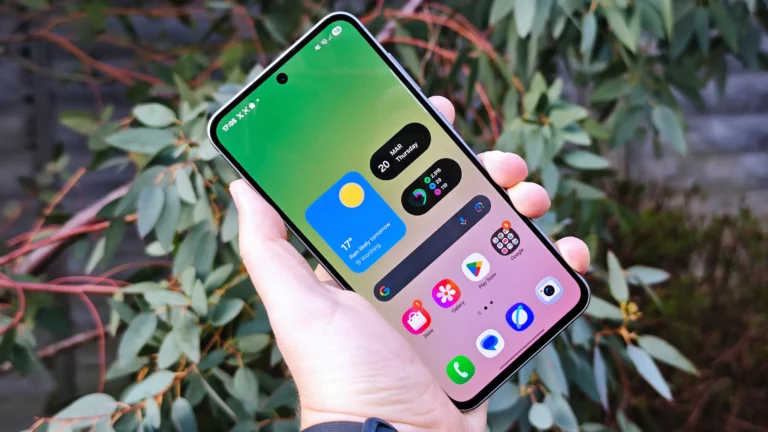
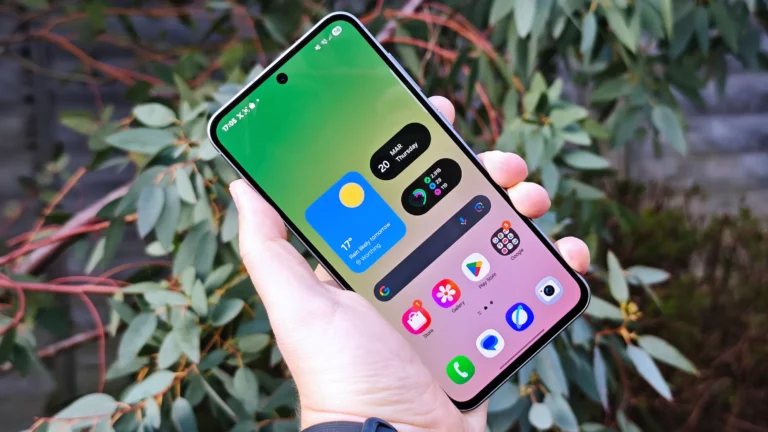
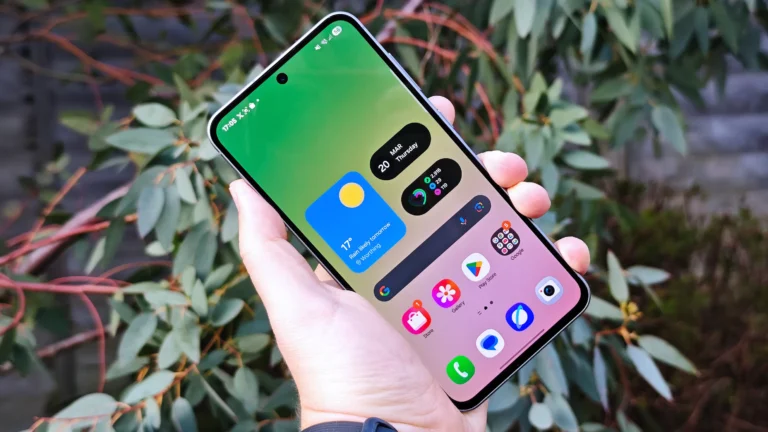
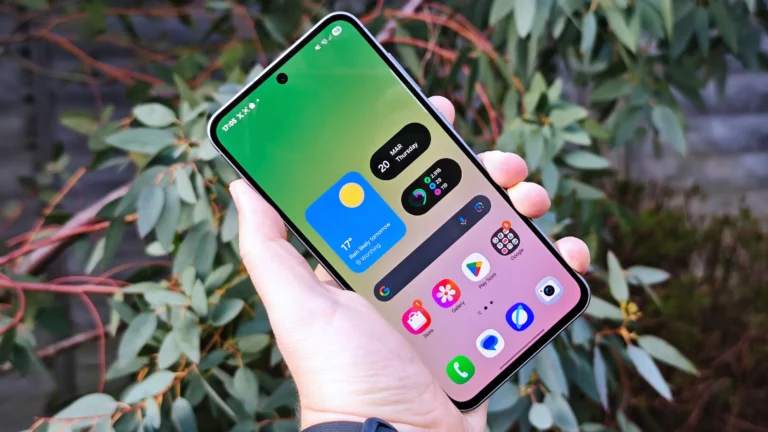
LAVA Agni 4 vs older devices commonly used in the UK
How LAVA’s latest model compares with the smartphones many Britons still use
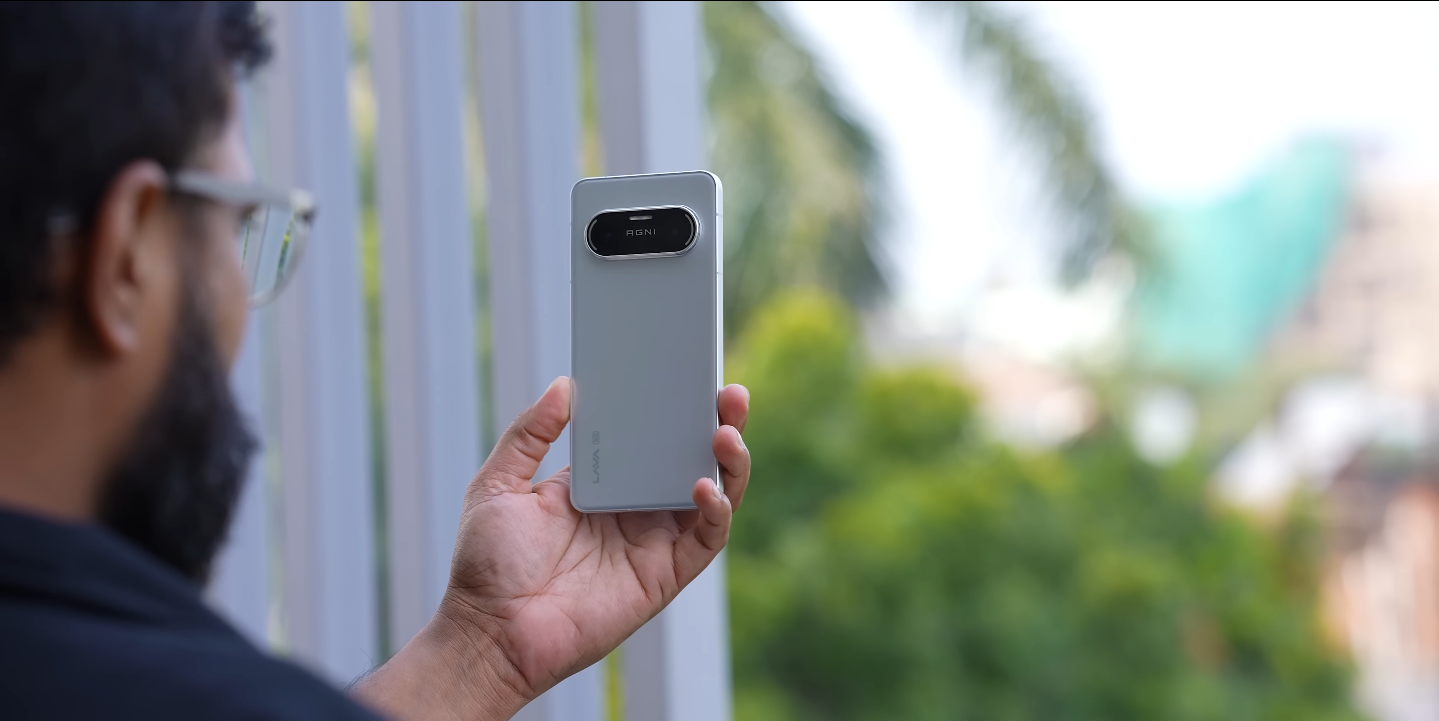
The LAVA Agni 4 has entered the conversation as a potential budget challenger, prompting many UK users to question how it stacks up against older devices still widely used across the country. With many Britons hanging on to mid-range phones released two to four years ago, the arrival of a new budget contender provides an opportunity to examine whether the Agni 4 represents a meaningful upgrade. Early information suggests the device could offer several advantages in performance, efficiency and overall longevity.
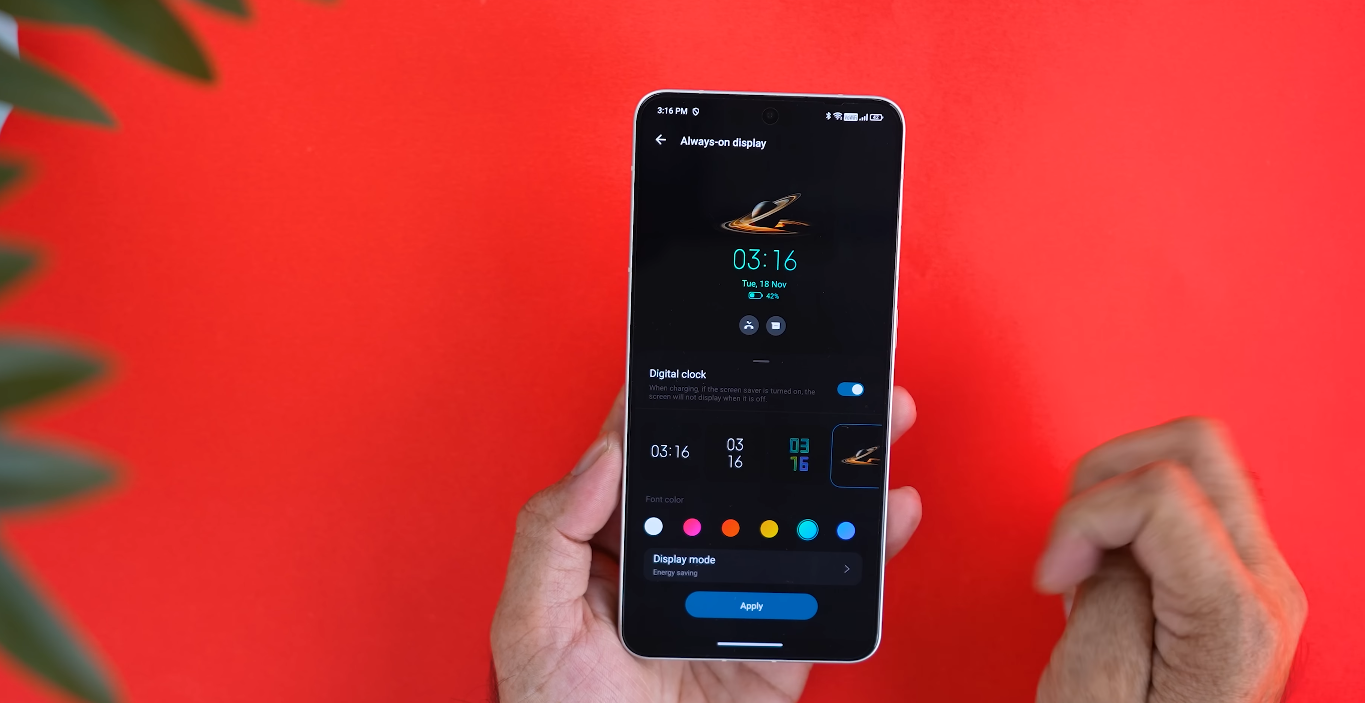
One of the biggest differences lies in the display technology. The Agni 4 features a 6.67-inch 1.5K AMOLED panel with a 120Hz refresh rate, considerably smoother and brighter than the screens found on many older budget or mid-range devices. In the UK, where frequent outdoor use and variable lighting conditions are common, this improved brightness and clarity can make daily tasks noticeably easier. Older handsets, especially those stuck on 60Hz LCD screens, typically struggle to deliver the same fluidity.
Performance is another major area where the Agni 4 stands apart. Powered by a modern 4nm chipset and 8GB of RAM, the phone is built to deliver better efficiency and stronger multitasking than devices from previous generations. Many older UK phones still run on mid-tier processors that begin to show signs of ageing during everyday use. For users who juggle multiple apps or rely on their device for work and study, the performance gains offered by the Agni 4 may feel substantial.
Storage limitations have become a growing issue for users keeping older devices. With the Agni 4 offering 256GB as standard, it provides far more breathing room than many handsets released only a few years ago. UK buyers who rely heavily on offline downloads, photos, videos or large apps may benefit from the additional space, especially as older devices often require micromanagement to stay functional. The increased capacity supports longer ownership without constant storage concerns.
Camera upgrades also set the Agni 4 apart. Equipped with a 50MP main camera with stabilisation and a 50MP selfie camera, the device aims to strengthen both rear and front-facing photography. Many older UK phones feature lower-resolution sensors or lack stabilisation, resulting in softer images and weaker performance in low light. For users who rely heavily on video calls, social sharing or capturing daily moments, the improvements offered by the Agni 4 represent a practical advantage.
Battery life remains one of the most important considerations for UK users, particularly those navigating long commutes or busy schedules. The Agni 4’s 5,000mAh battery is comparable to many existing devices; however, its 66W fast charging provides a significant edge. Older devices commonly support much slower charging, making quick top-ups difficult during the day. For workers, students or travellers who depend on intermittent recharge opportunities, the faster speeds could have a meaningful impact on convenience.
Software support also plays a critical role in long-term usability. The Agni 4 arrives with Android 15 and a commitment to multiple OS upgrades and years of security patches. Many older UK devices no longer receive major updates, limiting new features and potentially affecting security. For buyers hoping to keep a phone for several years, the Agni 4’s update promise strengthens its appeal and may extend its lifespan well beyond that of older models still in circulation.
Connectivity improvements further separate the new device from its predecessors. The Agni 4 brings modern network capabilities, with wide 5G support and more efficient Wi-Fi options. As UK infrastructure continues to improve, older devices lacking comprehensive 5G bands or modern connectivity features may feel increasingly outdated. The updated hardware positions the Agni 4 as a more future-ready option for buyers who want to stay connected without interruptions.
Build quality has also evolved over recent generations. The Agni 4 adopts a premium metal frame and refined design that contrast with the plastic builds common in older devices. For UK users who keep their phones for long periods, improved materials can enhance durability and deliver a more premium feel without inflating the cost. This shift may help the Agni 4 appeal to those seeking an affordable phone that still looks and feels modern.
Price will be one of the biggest determining factors for UK buyers. If the Agni 4 arrives within the anticipated mid-budget range, it could offer better value than many older devices still in use. While some older phones retain decent performance, their ageing hardware and shorter update cycles make them less competitive over time. By offering strong specifications at a reasonable price, the Agni 4 positions itself as a meaningful upgrade for users relying on phones that have begun showing their age.
In summary, the LAVA Agni 4 appears to deliver multiple improvements over the older smartphones many UK users still depend on. Its modern display, faster performance, stronger cameras, rapid charging and long-term software support collectively position it as an attractive alternative in the budget space. If the device launches in the UK with full compatibility and competitive pricing, it could provide a compelling upgrade path for those ready to move on from ageing technology.