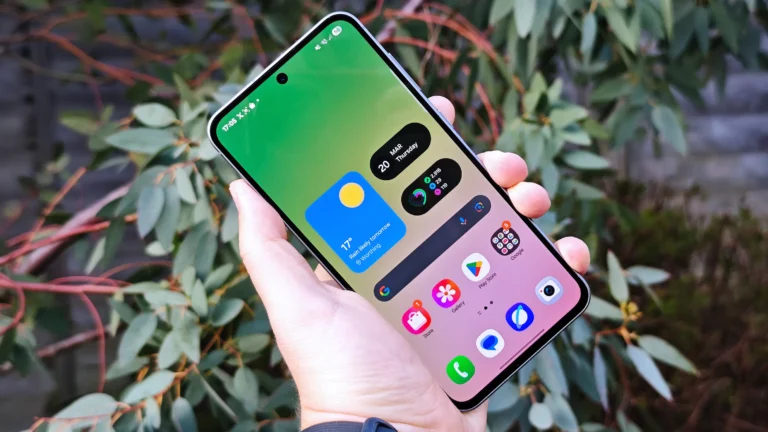
LAVA Agni 4 compared with rivals that dominate UK midrange shelves

Mid-Range Smartphone Showdown: LAVA Agni 4 vs UK Heavyweights
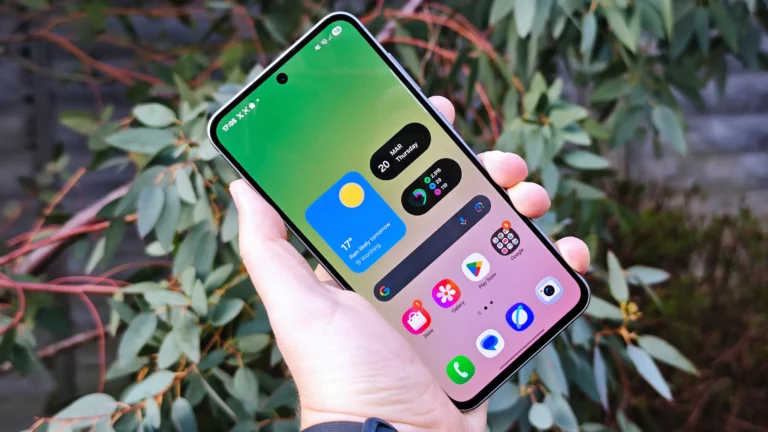
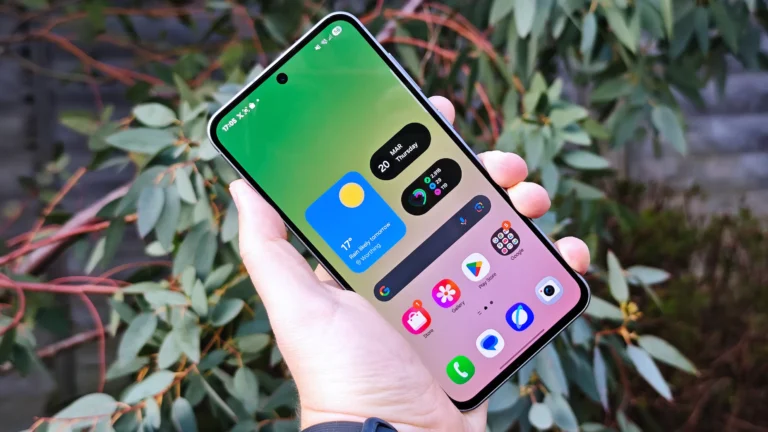
The recently launched LAVA Agni 4 brings serious specs to the mid-range smartphone market, but it faces stiff competition in the UK from established brands with broad availability, seasoned support networks and trusted update policies. With its 6.67-inch 1.5K AMOLED display, 120Hz refresh and claimed peak brightness of up to 2,400 nits, the Agni 4 sets out to punch above its weight. Its 50 MP rear camera with OIS and 66W fast-charging differentiate it in a crowded field. Meanwhile, rivals like Samsung’s Galaxy A-series and Google’s Pixel a-line already dominate the UK mid-range shelves, backed by brand familiarity and well-established service infrastructure.
In comparing the Agni 4 to key UK mid-range alternatives, several factors come into focus: display and performance, imaging and charging, software support and availability. The Agni 4’s MediaTek Dimensity 8350 chipset (4nm) offers efficient performance, and the generous storage of 256 GB plus 8 GB RAM is more than many rivals offer at the same price point. However, the real world UK availability, warranty network and long-term software support remain open questions — areas where brands like Samsung and Google already score highly.
Take the Samsung Galaxy A56 5G as a benchmark: with widespread UK distribution, strong brand recognition, and an update track record that reassures buyers, it sets a high bar. Similarly, the Google Pixel 9a (or equivalent model) leans on Google’s software leadership, dual-year update promises and camera optimisation. Both models may cost a little more, but they bring less risk for a UK buyer who values after-sales reliability and future-proofing.

When lined up side-by-side, the Agni 4’s strengths are clear. The high-refresh display will appeal to those who consume media or game on their phone. The 50 MP OIS camera is strong for a mid-range device and the 66W charging means less waiting around. Storage of 256 GB offers comfort for those who keep lots of apps, photos or videos. Yet, on the flip side, the battery at 5,000 mAh is respectable but not industry-leading, and unknowns around local support, accessory ecosystem and software longevity may weigh against it.
Other rivals in the UK market might offer slightly lower spec sheets on paper but make up the difference via service, brand and reliability. For instance, a model with slower charging or lower refresh rate may still win out if it comes with 5-7 years of security updates, an established service centre network and strong resale value. UK buyers often prioritise these practical assurances as much as raw specs.
In the decision matrix, if you are price-sensitive and willing to take a calculated risk on a newer entrant, the Agni 4 could represent excellent value — particularly if it becomes available in the UK at a competitive price (for example under £400-£450). But if you favour peace of mind, established service and longer software support, one of the big brand mid-range models may still make more sense.
In summary, the LAVA Agni 4 is a bold entry in the mid-range space with standout features, but it must overcome several hurdles to truly dominate the UK market. Prospective buyers should weigh the excellent display, camera and charging specs against the realities of support network, brand stability and update commitments. If those trade-offs are acceptable, the Agni 4 could be a smart pick — if not, the known quantity of Samsung or Google may be the safer route.