KRAFTON Ordered to Reinstate CEO in UK Gaming Dispute
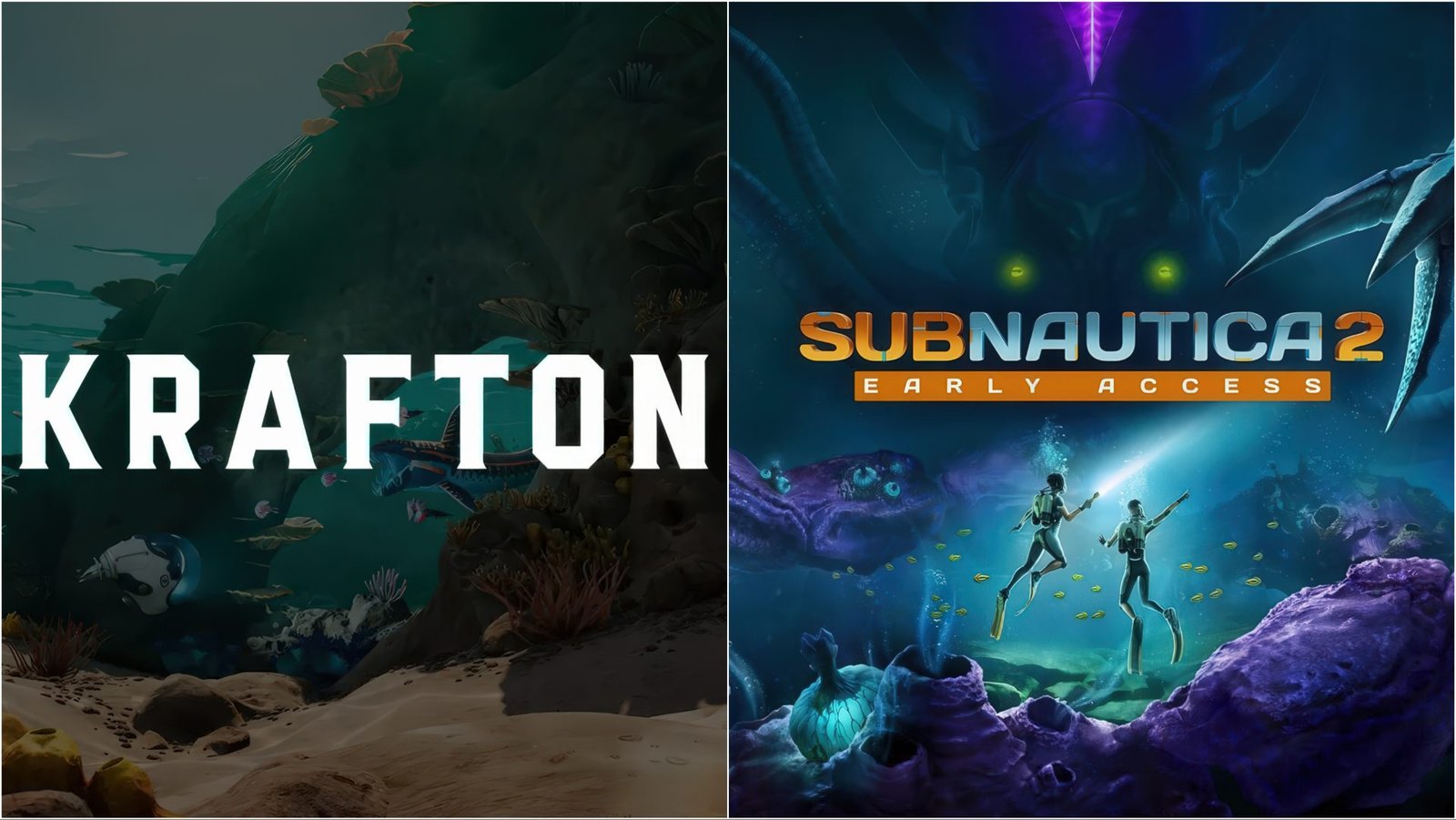
KRAFTON vs Unknown Worlds: A UK Gaming Showdown
The Court of Chancery of the State of Delaware has made a landmark ruling in the KRAFTON versus Unknown Worlds founders lawsuit. The judgement orders KRAFTON to reinstate Unknown Worlds CEO, Ted Gill, and restore Steam access to allow the launch of Subnautica 2.
This high-profile case, officially known as Fortis Advisors LLC v. Krafton, Inc., centres on whether KRAFTON unlawfully fired the Unknown Worlds leadership to avoid paying a $250 million earnout tied to the release of Subnautica 2.
The lawsuit was brought by Fortis Advisors on behalf of Gill and the other studio founders, Charlie Cleveland and Max McGuire. The case has significant implications for the UK gaming industry, highlighting the importance of fair business practices and the protection of creators’ rights.
In a major blow to KRAFTON, the court has ruled that the South Korean developer and publisher must comply with the provisions decided against them. This includes reinstating Ted Gill as CEO and restoring Steam access to facilitate the launch of Subnautica 2.
The UK gaming community will be watching this developments closely, as it sets a precedent for future disputes between game developers and publishers. The case also underscores the need for transparency and accountability in the gaming industry, particularly when it comes to earnouts and revenue sharing.
As the UK gaming industry continues to grow and evolve, it is essential that companies like KRAFTON prioritize fair business practices and respect the rights of creators. The ruling in this case sends a clear message that the court will not tolerate unlawful behaviour, and that companies must be held accountable for their actions.
The reinstatement of Ted Gill as CEO and the restoration of Steam access are significant victories for Unknown Worlds and the UK gaming community. It remains to be seen how KRAFTON will respond to the ruling, but one thing is clear: the UK gaming industry will be watching this developments closely.
The case highlights the importance of analysing the terms and conditions of earnouts and revenue sharing agreements. It also underscores the need for game developers to prioritize their rights and interests, particularly when working with large publishers like KRAFTON.
In conclusion, the ruling in the KRAFTON versus Unknown Worlds founders lawsuit is a significant development for the UK gaming industry. It sets a precedent for future disputes and highlights the importance of fair business practices and transparency in the gaming industry.