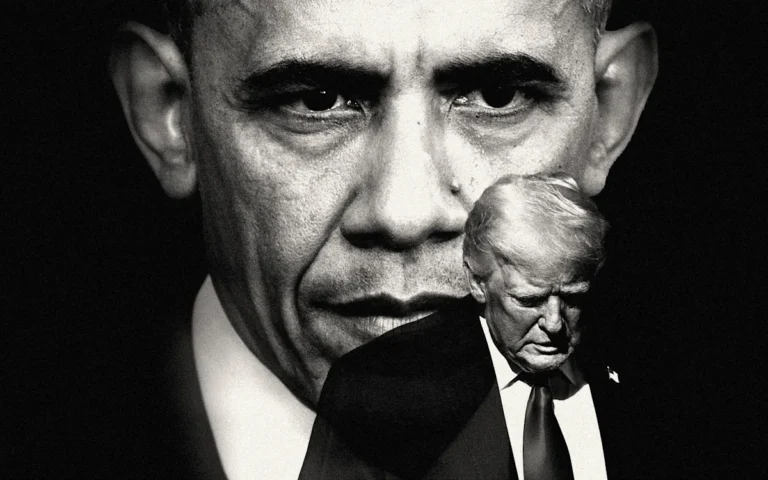
Iranian Gunboats Attack Tanker: Strait of Hormuz Closure Sparks Tension
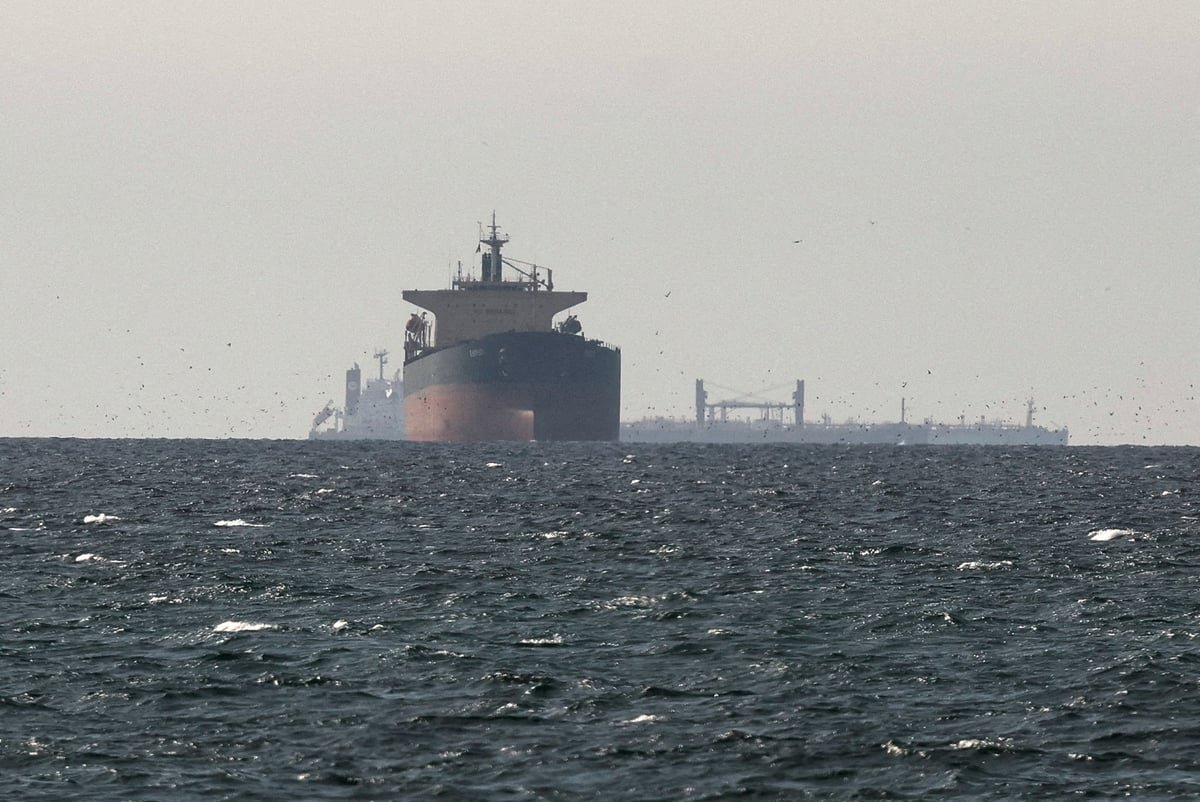
Iranian Gunboats Fire on Tanker as Strait of Hormuz Closed Again
The Strait of Hormuz, a critical waterway connecting the Persian Gulf to the Arabian Sea, has been closed again due to rising tensions between Iran and the US. Iranian gunboats have fired on a tanker, sparking fears of a potential conflict. The behaviour of Iranian forces has been deemed aggressive, with many analysing the situation as a direct response to the Trump blockade.
The Trump administration’s decision to reimpose sanctions on Iran has led to a significant escalation in tensions between the two nations. The colour of the situation is increasingly ominous, with many predicting a potentially catastrophic outcome. As the situation continues to unfold, it is essential to examine the underlying causes of the conflict and the potential consequences of further escalation.
The Strait of Hormuz is a vital shipping lane, with a significant proportion of the world’s oil passing through it. Any disruption to the waterway could have severe consequences for the global economy. The current situation is being closely monitored by governments and international organisations, with many calling for a peaceful resolution to the crisis. However, the likelihood of a peaceful outcome is decreasing by the day, as both sides digging in their heels.
Experts warn that the situation could quickly spiral out of control, leading to a devastating conflict. The international community must come together to find a solution to the crisis, one that addresses the concerns of all parties involved. A failure to do so could have far-reaching and disastrous consequences, not just for the region but for the entire world. As the situation continues to deteriorate, it is essential that we analyse the situation carefully and consider all possible outcomes.
The Iranian government has blamed the Trump administration for the current situation, citing the blockade as a significant factor in the escalation of tensions. The US government, on the other hand, has accused Iran of aggressive behaviour, pointing to the attack on the tanker as evidence. As the situation continues to unfold, it is clear that both sides are engaged in a war of words, each trying to outmanoeuvre the other.
Despite the challenges, there are still opportunities for a peaceful resolution to the crisis. Diplomatic efforts are underway, with many countries working to find a solution that addresses the concerns of all parties involved. However, the window for a peaceful outcome is rapidly closing, and it is essential that all parties work together to find a solution before it is too late. The situation is complex, and a thorough understanding of the underlying issues is necessary to find a way forward.
The attack on the tanker has highlighted the need for a comprehensive solution to the crisis. The international community must come together to address the root causes of the conflict and work towards a peaceful resolution. The consequences of failure could be catastrophic, and it is essential that we take a proactive approach to finding a solution. As the situation continues to unfold, it is clear that the world is watching with bated breath, hoping for a peaceful outcome.
In conclusion, the situation in the Strait of Hormuz is complex and multifaceted. The attack on the tanker has highlighted the need for a comprehensive solution to the crisis, one that addresses the concerns of all parties involved. The international community must work together to find a peaceful resolution to the conflict, one that avoids the devastating consequences of war. It is essential that we analyse the situation carefully and consider all possible outcomes, working towards a solution that benefits all parties involved.