How Morrisons plans to turn footfall into advertising revenue
Supermarket shifts strategy to monetise store traffic with digital media
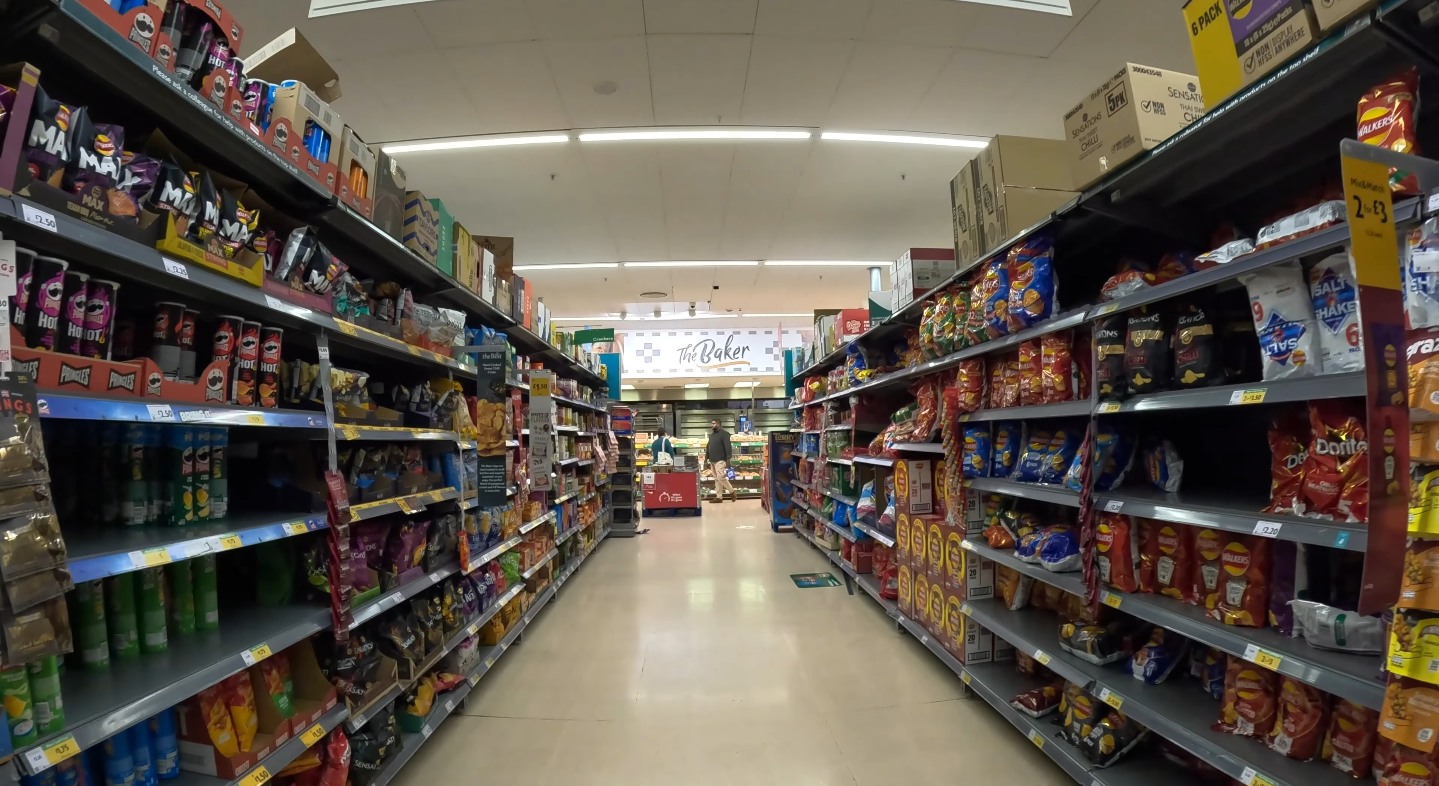
Morrisons is preparing to launch a major new revenue strategy that turns its store traffic into advertising power. By introducing digital screens at entrances across hundreds of UK supermarkets, the retailer aims to convert millions of weekly shoppers into an audience advertisers can pay to reach. It represents a bold evolution of Morrisons’ role, from simply selling groceries to actively selling attention within its stores.
The plan will see digital screens placed in high-impact positions where shoppers first enter. This moment, before customers begin browsing the aisles, is seen as the most valuable point to influence decisions. Brands will be able to promote products, seasonal deals, and new launches right at the start of the shopping journey. For Morrisons, this creates a profitable new revenue stream at a time when grocery margins remain under pressure.
The supermarket has already gained experience with smaller digital media formats around its estate, including signage in fresh counters and advertising on trolleys. However, the growing scale of this project shows a shift in ambition, with Morrisons now positioning itself as a digital media destination. The new screens will be sold through its own media division, Morrisons Media Group, working alongside a long-term commercial partner with expertise in outdoor display technology.
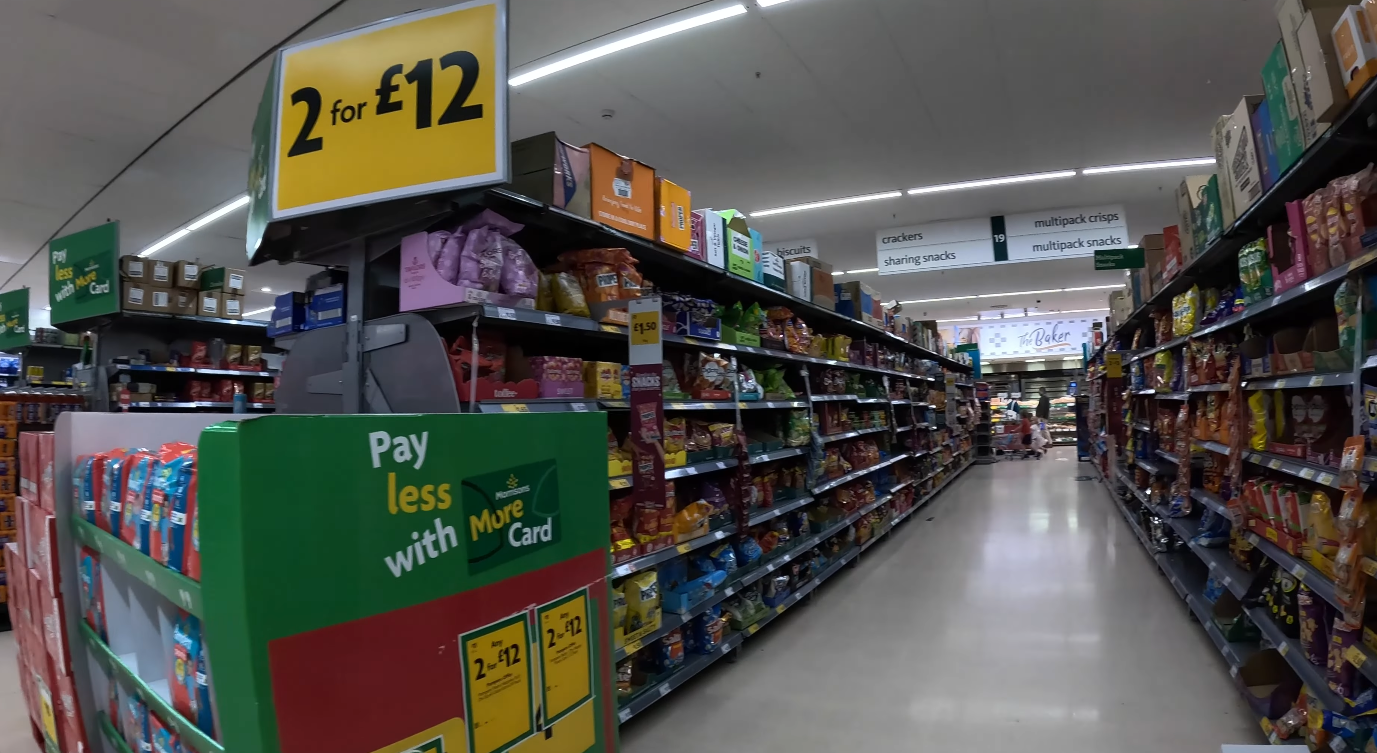
For advertisers, the appeal lies in reach and timing. A national supermarket network offers access to a vast audience without relying on the online data that many brands have depended on. By serving ads when customers are open-minded and yet to commit to purchases, supermarket entrances give brands a chance to shape choices early, rather than fighting for last-minute attention at the shelf.
Technology upgrades across Morrisons’ operations have helped pave the way for this move. Investment in digital systems means the screens can deliver targeted and adaptable content. Advertisers will be able to tailor campaigns depending on store region, time of day, or current demand. The rollout forms part of a wider effort to modernise how the retailer uses data and improve both the shopping and supplier experience.
For shoppers, the presence of screens may feel like a noticeable change when entering the store. Morrisons expects their success will depend on relevance, ensuring content feels useful rather than intrusive. Messages highlighting savings, new products and timely promotions are likely to feature strongly, keeping the focus on value for UK households.
Suppliers, however, face the biggest adjustment. Previously, competing for shelf placement and promotional slots was central to driving sales in supermarkets. Now, visibility at the store entrance becomes part of the competitive mix. Larger brands with bigger budgets may be quickest to embrace the platform, while smaller suppliers could feel pressure to increase marketing spend in order to maintain their position.
By monetising footfall in this way, Morrisons joins a growing number of retailers exploring retail media networks. This shift reflects wider industry trends, where physical stores are treated not just as points of sale but as highly valuable advertising landscapes. With millions of shoppers passing through every week, supermarkets can offer unparalleled levels of exposure in real-world environments.
The commercial opportunity is clear. Advertising revenue typically delivers stronger margins than pure grocery retail, providing a financial boost without raising product prices. If the screens also help drive sales for featured items, both the supermarket and its suppliers stand to benefit from a more engaging promotional system.
Looking ahead, the entrance screens could be the start of a broader retail media expansion within Morrisons stores. As technology becomes more integrated into the shopping journey, there may be new chances to connect ads with loyalty data, online orders, or in-aisle displays. For brands, that could open pathways for campaigns that are more personalised and more directly linked to purchase behaviour.
For now, the focus is on rolling out the initial screens and demonstrating value to advertisers. If the project succeeds, it could reshape how space is valued inside UK supermarkets and encourage other retailers to accelerate similar strategies. Morrisons is betting that the future of retail includes selling influence as much as selling food — and that turning footfall into media revenue will become a core part of the grocery business model.