HOTWAV R9 Ultra 5G vs Ulefone Power Armor 19T Pro
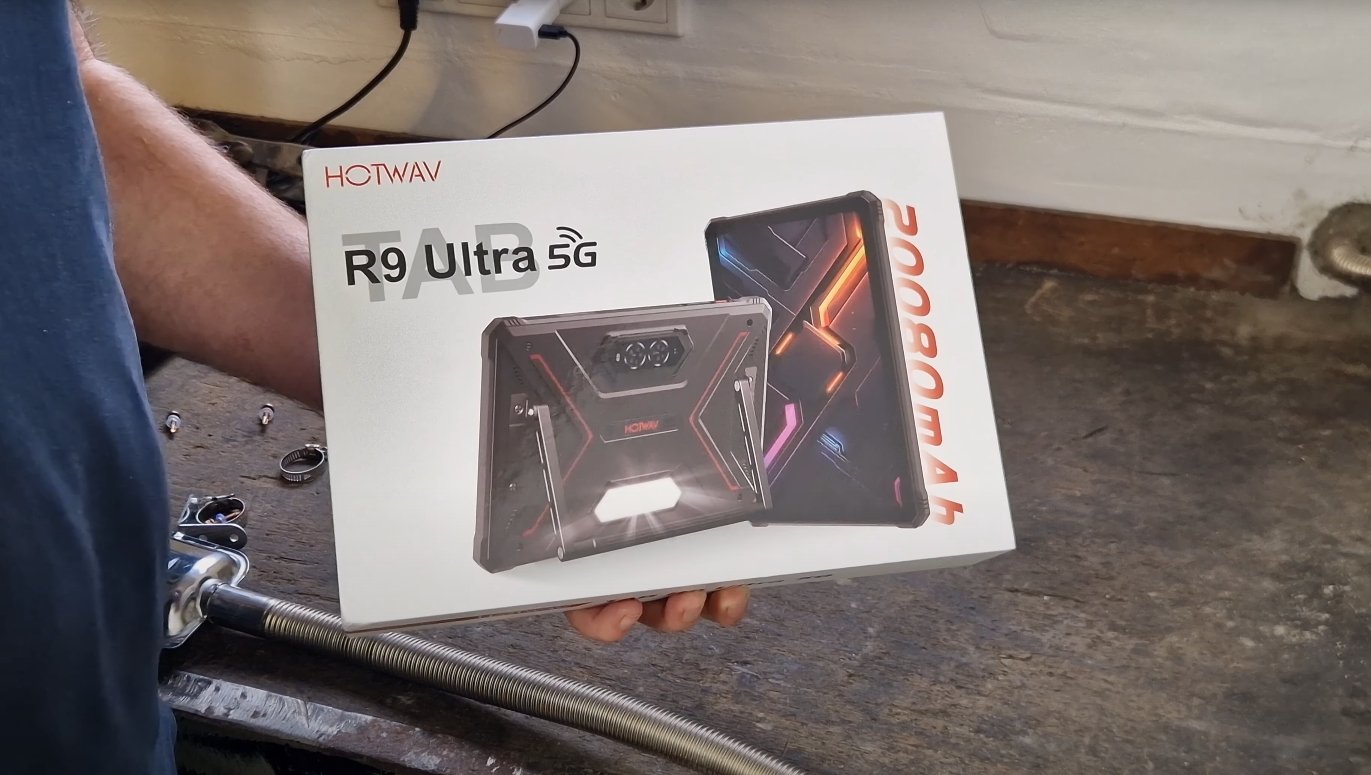
Rugged smartphone showdown: HOTWAV R9 Ultra 5G vs Ulefone Power Armor 19T Pro
The rugged smartphone market has evolved rapidly, and two of the most talked-about devices in this space are the HOTWAV R9 Ultra 5G and the Ulefone Power Armor 19T Pro. Both are designed to survive extreme environments while delivering modern smartphone features. Yet, they cater to slightly different types of users. The HOTWAV R9 Ultra 5G aims to combine 5G connectivity with massive battery life and durability, while the Ulefone Power Armor 19T Pro focuses on industrial-grade functionality with its thermal imaging and advanced camera system.
The HOTWAV R9 Ultra 5G comes with a bold design and a massive display, making it more of a rugged tablet-phone hybrid than a standard smartphone. It features an ultra-tough body with IP68, IP69K, and MIL-STD-810H certifications, ensuring protection against dust, water, and shock. Its size and weight reflect its heavy-duty nature, catering to field workers, outdoor adventurers, and professionals who need reliability in extreme conditions. In contrast, the Ulefone Power Armor 19T Pro retains a more traditional smartphone size, though it is still large and robust. It also carries the same military-grade protection and water resistance, but its form factor makes it easier to handle daily.
Performance-wise, both devices use efficient chipsets built for endurance and stability. The HOTWAV R9 Ultra 5G is powered by a modern 5G processor, providing users with faster network connectivity and better download speeds. This makes it more future-ready as 5G continues to expand globally. On the other hand, the Ulefone Power Armor 19T Pro relies on the Helio G99 processor, which offers reliable performance for everyday tasks but lacks 5G support. The difference here depends on user priorities: those needing next-generation data speeds will prefer the HOTWAV, while users focused on durability and specialized functionality may find the Ulefone’s performance sufficient.
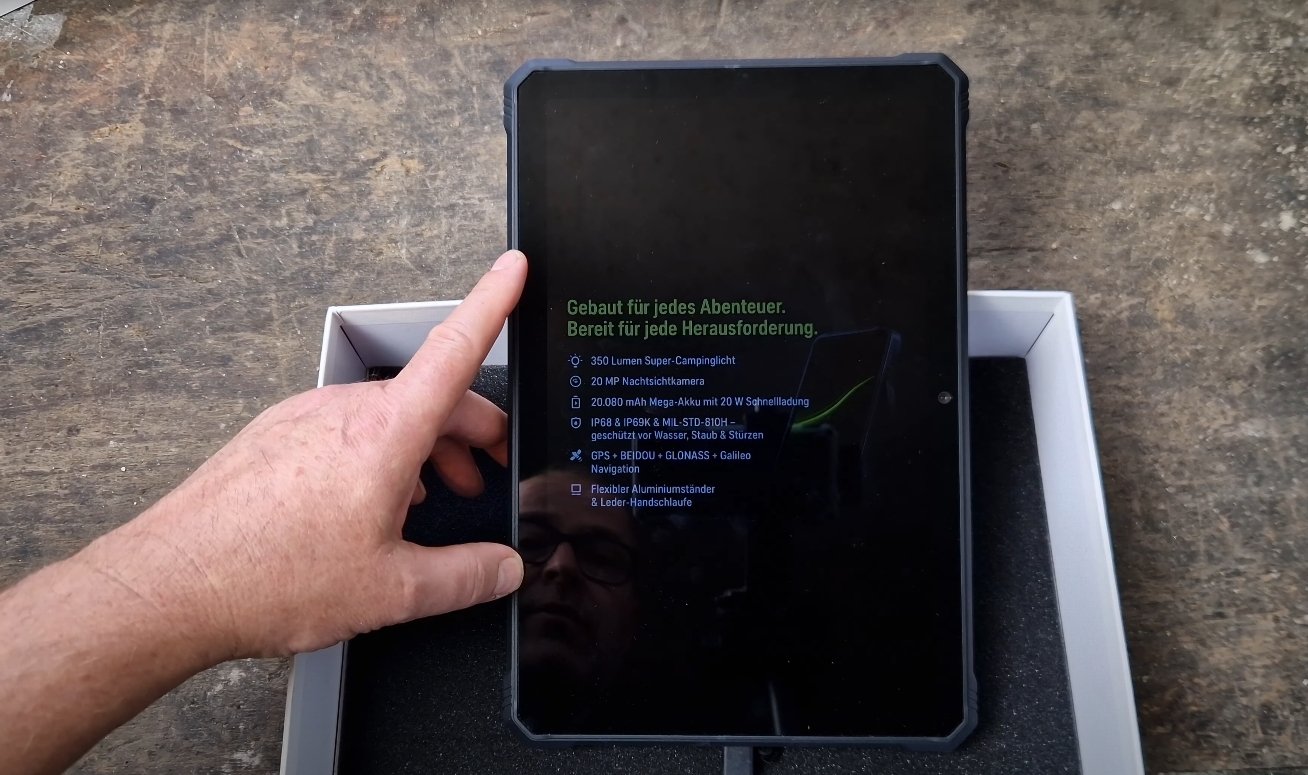
The display comparison highlights two distinct approaches. The HOTWAV R9 Ultra 5G offers a large 10.95-inch screen with a 120Hz refresh rate, ideal for multitasking, outdoor work, and viewing detailed maps or documents. Its large form factor blurs the line between smartphone and tablet, giving it a productivity edge for those who use their devices for professional applications. The Ulefone Power Armor 19T Pro, meanwhile, features a 6.58-inch Full HD+ display with a similar 120Hz refresh rate. Its smaller size improves portability and single-hand usability, appealing to users who prefer a traditional phone feel without compromising display quality or smoothness.
When it comes to camera systems, the Ulefone Power Armor 19T Pro clearly aims to stand out. It includes a 108-megapixel main camera, a secondary microscope lens, and a thermal imaging sensor—tools that make it particularly useful for industrial inspection, maintenance, and field operations. The thermal imaging capability allows professionals to detect heat signatures, which is a unique advantage in its category. The HOTWAV R9 Ultra 5G, in comparison, features a 64-megapixel main camera and a 16-megapixel front camera. While it lacks specialized imaging features, it performs well for general photography, delivering detailed shots in daylight and acceptable quality in low-light conditions.
Battery performance is another key differentiator. The HOTWAV R9 Ultra 5G dominates this category with a massive 20,080mAh battery, offering exceptional endurance for users who spend extended periods in the field without access to charging. This capacity can easily last multiple days of heavy use or up to a week with light tasks. The Ulefone Power Armor 19T Pro features a smaller but still impressive 9,600mAh battery, paired with 66W fast charging and wireless charging capabilities. The HOTWAV’s battery is ideal for extreme longevity, while the Ulefone’s faster charging speed offers more convenience for everyday users.
In terms of overall usability, the HOTWAV R9 Ultra 5G’s large body may limit portability, but it excels in outdoor functionality, offering ample screen space and unmatched endurance. It’s ideal for those who prioritize battery life and 5G connectivity over compact design. The Ulefone Power Armor 19T Pro, on the other hand, delivers a more balanced experience, combining durability with advanced tools like thermal imaging, faster charging, and practical size. It’s better suited for technicians, engineers, and outdoor professionals who need a powerful and versatile device without excessive bulk.
Ultimately, choosing between the two comes down to priorities. The HOTWAV R9 Ultra 5G is the better choice for users seeking a rugged device with 5G capability, extraordinary battery life, and a large display for productivity or outdoor monitoring. The Ulefone Power Armor 19T Pro, however, is the stronger option for those who need specialized imaging features, faster charging, and a more manageable design. Both devices deliver exceptional toughness and reliability, but each takes a different approach to achieving it—HOTWAV focuses on endurance and connectivity, while Ulefone emphasizes functionality and professional-grade tools.