
PlayStation Portal Cloud Gaming Opens GTA 6 to More Players
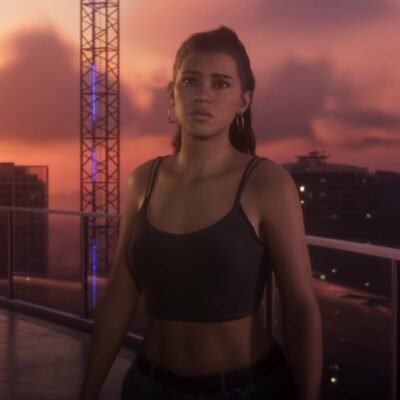
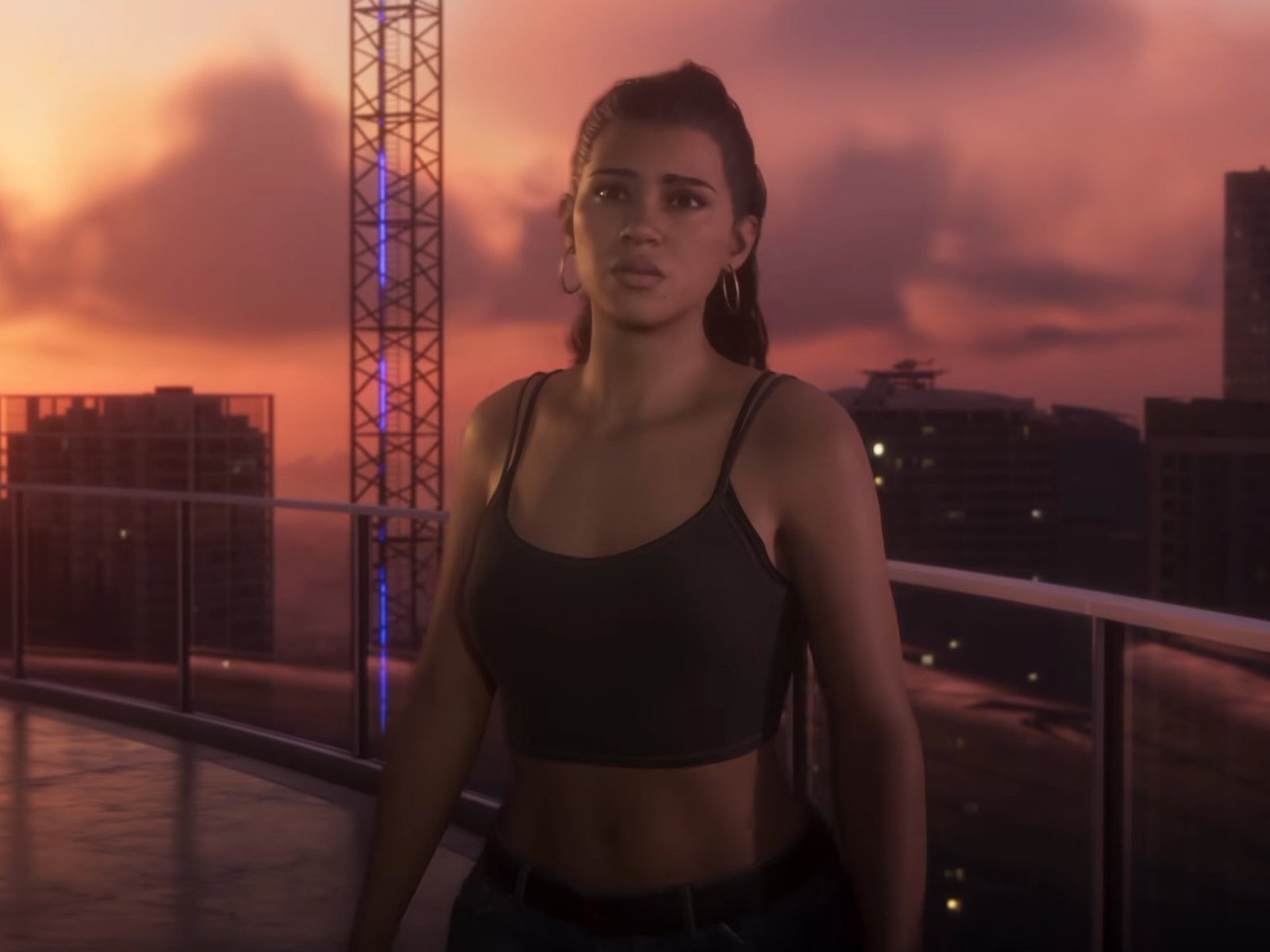
Since November twenty-three, Sony has enabled PlayStation Portal owners to stream Grand Theft Auto Six directly through the company’s cloud gaming service without requiring a PlayStation Five console. This marks a significant shift in how players can access Rockstar Games’ highly anticipated title. The PlayStation Portal, Sony’s dedicated remote play handheld featuring an eight-inch LCD display with ten-eighty-p resolution at sixty hertz, now serves as a standalone cloud gaming device for compatible titles.
How Cloud Streaming Works on the PlayStation Portal
The PlayStation Portal connects to Sony’s cloud infrastructure through a home Wi-Fi network, rendering games on remote servers and streaming video output to the device’s screen. Players control gameplay using the built-in DualSense controller features including adaptive triggers and haptic feedback. For Grand Theft Auto Six, this means the open world of Vice City renders on Sony’s server hardware rather than local console silicon. The Portal’s eight-inch display delivers ten-eighty-p visuals at sixty frames per second when network conditions permit.
Early Community Impressions and Performance Analysis
Reddit threads and ResetEra discussions reveal largely positive initial experiences. Users report stable sixty frames per second gameplay on fiber connections exceeding three hundred megabits per second. Input latency feels comparable to local PlayStation Five play for many, though competitive multiplayer modes show noticeable delay. The Portal’s Wi-Fi five radio proves adequate for most home setups, though Wi-Fi six routers like the ASUS ROG Rapture GT-AX11000 or Netgear Nighthawk RAXE500 deliver more consistent results. Some players using the Samsung Galaxy S24 Ultra as a mobile hotspot achieved playable performance on five-g networks.
The Catch: Limitations and Requirements
Several constraints temper the enthusiasm. First, a PlayStation Plus Premium subscription at seventeen dollars ninety-nine monthly or one hundred nineteen ninety-nine annually remains mandatory. Second, cloud streaming availability varies by region — currently limited to North America, Europe, and Japan. Third, the PlayStation Portal lacks Bluetooth audio support, forcing wired headset connections through the three-point-five-millimeter jack or USB-C. Fourth, battery life drops to approximately three hours during cloud streaming sessions compared to five hours during local remote play. Fifth, the service requires a minimum thirteen megabits per second connection, though twenty-five megabits per second is recommended for ten-eighty-p sixty-hertz quality.
Comparing Portal Cloud Gaming to Alternative Devices
The PlayStation Portal at one hundred ninety-nine ninety-nine occupies a unique niche. The Backbone One PlayStation Edition at ninety-nine ninety-nine paired with an iPhone 15 Pro Max offers similar remote play functionality with superior display technology. The Steam Deck OLED at five hundred forty-nine ninety-nine provides local PC gaming plus cloud access through Steam Link and Xbox Cloud Gaming. The ASUS ROG Ally X at seven hundred ninety-nine ninety-nine runs Windows eleven natively for broader cloud service compatibility. However, none match the Portal’s purpose-built integration with PlayStation’s cloud ecosystem and DualSense feature parity.
Future Outlook for PlayStation Cloud Gaming
Sony has indicated plans to expand the cloud library beyond the current fifty-plus titles. Industry analysts speculate the PlayStation Portal could receive a hardware refresh with Wi-Fi six support and improved battery capacity by late twenty twenty-five. For now, Grand Theft Auto Six represents the highest-profile test of Sony’s cloud ambitions. Players without a PlayStation Five but with strong internet can experience Rockstar’s latest — provided they accept the trade-offs.
Other Articles

Resident Evil Creator Shinji Mikami Critiques AI at G-CON 2026
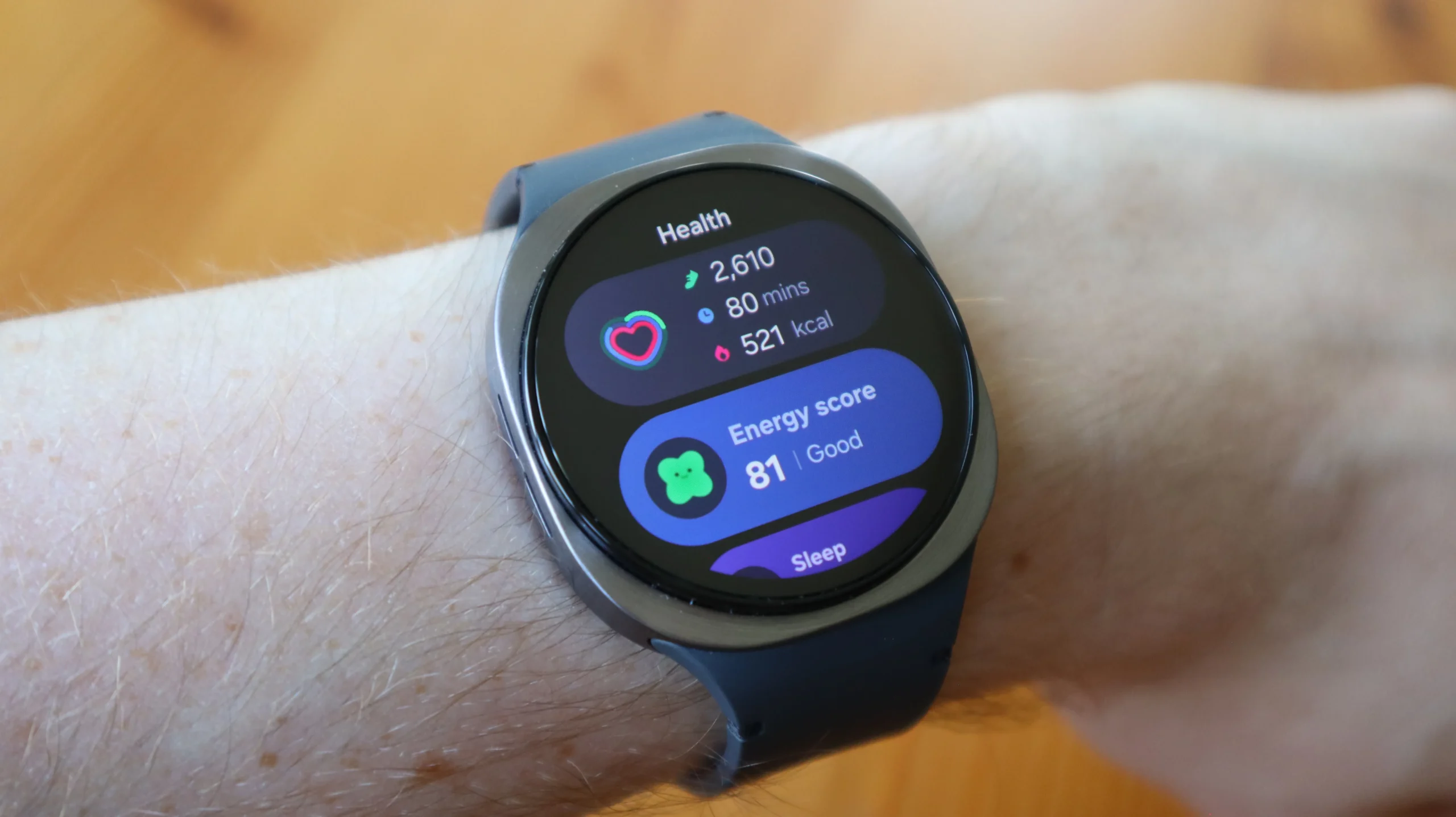
One UI 9 Watch brings new fitness tools to Samsung Galaxy Watch 8